
The Impact of Climate on Daily Life and Agriculture in the Indus Valley

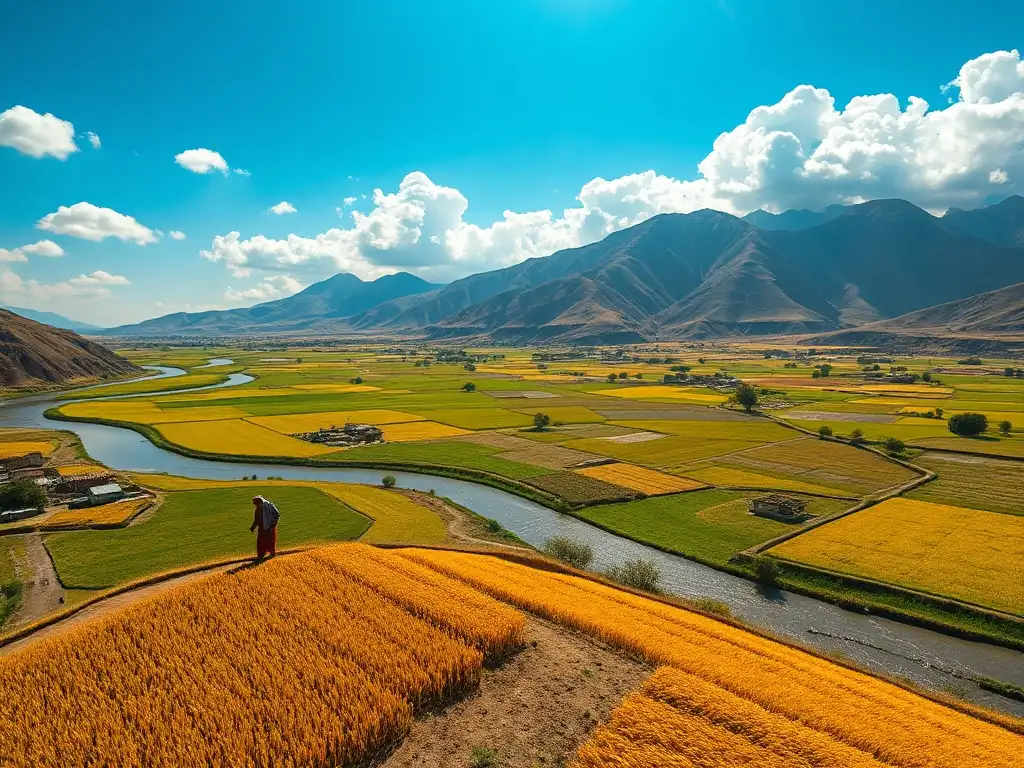
Welcome to Ancient India History, where we embark on a fascinating journey through the rich tapestry of India's past. Dive into our latest article, "The Impact of Climate on Daily Life and Agriculture in the Indus Valley," where we unravel how environmental factors shaped the thriving civilizations of this ancient era. Discover the intricate relationship between climate and agriculture, and how it influenced the daily lives of the people within the Indus Valley.
Prepare to be captivated by the stories and insights that await you, as we explore the profound contributions of ancient Indian civilizations. Your adventure into history begins now!
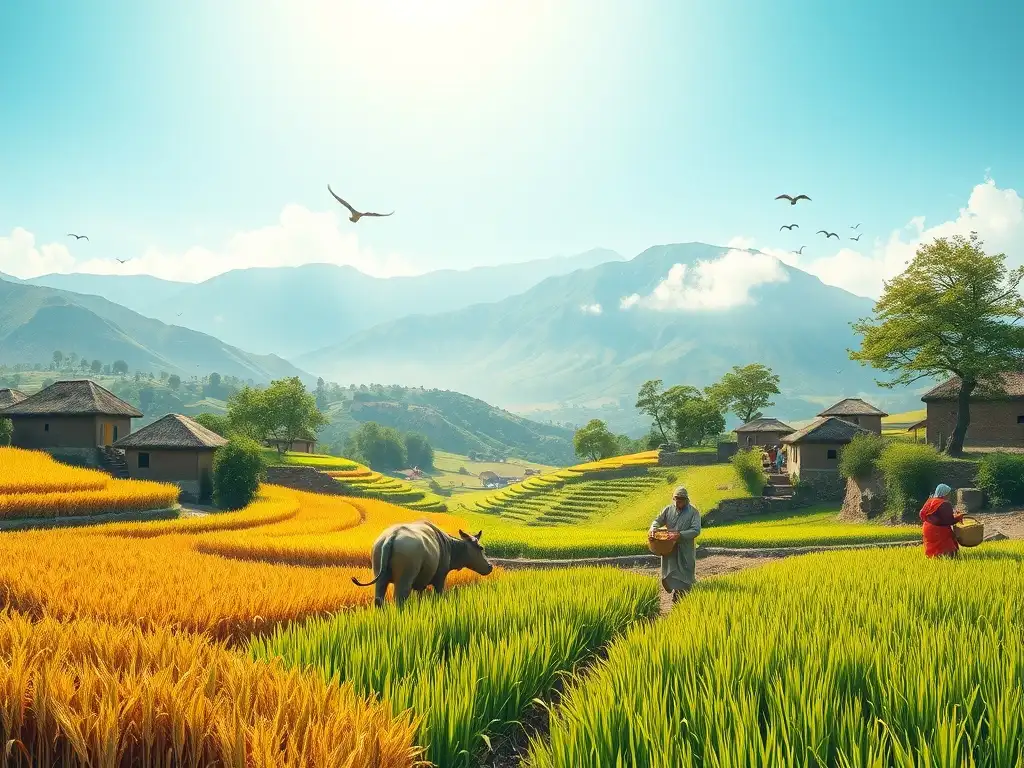
The Indus Valley Civilization, one of the world's earliest urban cultures, flourished between approximately 3300 BCE and 1300 BCE, encompassing modern-day Pakistan and northwest India. This ancient society is renowned for its advanced urban planning, sophisticated drainage systems, and rich agricultural practices. However, the success and sustainability of the Indus Valley Civilization were intrinsically linked to its climate.
The geographic and climatic conditions of the region played a pivotal role in shaping daily life, agricultural productivity, and societal development. Understanding how the climate influenced agriculture and daily routines provides valuable insights into the resilience and adaptability of the Indus Valley people.
Introduction to the Indus Valley Civilization
The Indus Valley Civilization, also known as the Harappan Civilization, is notable for its remarkable achievements in city planning and social organization. Cities like Harappa and Mohenjo-Daro showcased intricate layouts, advanced sanitation systems, and vibrant trade networks. The civilization's economy was largely agrarian, relying on crops like wheat, barley, and cotton, which were well-suited to the local climate. This section will explore the key climatic factors that influenced agricultural practices and, consequently, daily life in this ancient civilization.
Overview of the Indus Valley Climate
The climate of the Indus Valley is characterized by a semi-arid environment, influenced by the Himalayan mountain range to the north and the Thar Desert to the east. The region experiences three distinct seasons: a hot summer, a cooler winter, and a monsoon season. Rainfall is primarily concentrated during the monsoon months, from June to September, which is crucial for replenishing groundwater and supporting agricultural activities. Understanding the nuances of this climate is essential for grasping its impact on the civilization's agricultural practices and societal structure.
Importance of Climate in Ancient Agricultural Practices
Climate played a fundamental role in shaping agricultural practices in the Indus Valley. The fertility of the alluvial plains, enriched by seasonal flooding, created a conducive environment for farming. Additionally, the timing and amount of rainfall directly influenced crop yields, affecting food security and trade. Ancient farmers developed sophisticated irrigation techniques to maximize water usage, demonstrating their adaptability to climatic challenges. This interplay between climate and agriculture not only determined the economic stability of the civilization but also influenced social structures and daily life.
The Climate of the Indus Valley
A deeper examination of the climate reveals its seasonal variations and how these affected daily life and agricultural productivity in the Indus Valley.
Seasonal Variations and Their Effects
The Indus Valley experiences significant seasonal changes that profoundly affect agricultural cycles. The scorching summer months, with temperatures soaring above 40°C (104°F), necessitated strategic planning for crop cultivation. Farmers often relied on the cooler winter months for planting and harvesting, aligning their agricultural activities with the rhythm of nature. These seasonal variations required communities to adapt their agricultural techniques, crop choices, and even social practices to ensure survival and prosperity.
Monsoon Patterns and Water Availability
Monsoon rains are vital for the Indus Valley's agricultural success. The onset and intensity of the monsoon can vary significantly from year to year, impacting water availability for irrigation. The civilization developed complex water management systems, including reservoirs and canals, to harness monsoon rains effectively. This not only ensured water supply during dry spells but also facilitated the cultivation of diverse crops, enhancing food security and trade capabilities.
Temperature Ranges and Their Influence on Agriculture
Temperature ranges in the Indus Valley significantly influenced agricultural practices. The moderate temperatures during the winter months allowed for the cultivation of various crops, while the intense summer heat posed challenges that required innovative solutions. Crops were selected based on their resilience to temperature fluctuations, with farmers utilizing heat-tolerant varieties to sustain productivity. Understanding these temperature dynamics reveals how ancient agricultural practices were intricately linked with climatic conditions, shaping the daily lives of the Indus Valley people.
By examining the interplay between climate, agriculture, and daily life, we gain a comprehensive understanding of the Indus Valley Civilization's resilience and adaptability in the face of environmental challenges.
Agricultural Practices in the Indus Valley
The agricultural practices in the Indus Valley were intricately linked to the region's climate, which played a crucial role in determining the types of crops that could be cultivated and the methods employed in farming. The Indus Valley Civilization, flourishing around 2500 BCE, benefitted from a semi-arid climate that was influenced by both seasonal monsoons and river systems, particularly the Indus River. These climatic conditions prompted the development of sophisticated agricultural techniques that allowed the inhabitants to maximize their yield.
The use of irrigation was a significant advancement in agricultural practices. The Indus people constructed extensive canal systems to divert water from rivers, enabling them to cultivate arid lands and sustain crops even during drier periods. This innovation not only improved agricultural productivity but also helped in managing the unpredictable nature of monsoon rains, ensuring that water was available when needed most.
Crops Cultivated in Response to Climate
The climatic conditions of the Indus Valley dictated the types of crops that could be successfully grown. The fertile alluvial soil, combined with the seasonal flooding of the Indus River, created optimal conditions for agriculture. Key crops included:
- Wheat: The dominant staple, wheat was well-suited to the climate and served as a primary food source.
- Barley: Another staple crop, barley was often used for both food and brewing.
- Pulses: Lentils and chickpeas were cultivated, providing essential proteins to the diet.
- Cotton: The Indus Valley is credited with early cotton cultivation, which later contributed to the region's textile industry.
The selection of these crops was a direct response to the seasonal variations in rainfall and temperature, demonstrating the adaptive strategies of the Indus Valley farmers.
Farming Techniques Adapted to Climate Conditions
Farming techniques in the Indus Valley were advanced for their time, reflecting a deep understanding of the local climate. Some notable methods included:
- Crop Rotation: Farmers practiced crop rotation to maintain soil fertility and prevent depletion of nutrients.
- Plowing: The use of wooden plows facilitated efficient tilling of the land, allowing for better aeration and preparation of soil for planting.
- Irrigation Management: The construction of reservoirs and canals showcased their ability to manage water resources effectively, ensuring that crops received adequate moisture throughout the growing season.
These techniques not only enhanced agricultural productivity but also indicated a sophisticated level of planning and foresight among Indus Valley farmers.
Daily Life Influenced by Climate
The climate of the Indus Valley significantly influenced daily life, shaping not only agricultural practices but also the broader societal structures. The interplay between seasonal weather patterns and community activities is evident in various aspects of life in the Indus Valley Civilization.
Settlement Patterns and Climate Adaptations
Settlement patterns were largely determined by the climate and geography of the Indus Valley. Most cities, such as Harappa and Mohenjo-Daro, were strategically located near riverbanks to take advantage of the fertile land and reliable water supply.
- Urban Planning: The grid-like pattern of these cities reflects an organized approach to urban planning that took climate factors into account, with houses often built of baked brick to withstand the seasonal moisture.
- Flood Management: The location of settlements was also influenced by the risk of flooding during monsoon seasons, prompting the construction of raised platforms to protect homes and communal buildings.
These adaptations reveal how climate considerations were integral to the societal organization and infrastructure of the Indus Valley.
Dietary Habits Shaped by Agricultural Outputs
The agricultural outputs of the Indus Valley directly influenced the dietary habits of its inhabitants. The availability of various crops allowed for a diverse diet that included:
- Staple Foods: Wheat and barley formed the core of their diet, often consumed as flatbreads or porridge.
- Legumes: Pulses provided a vital protein source and were frequently incorporated into meals.
- Fruits and Vegetables: Seasonal varieties of fruits and vegetables, cultivated in accordance with climatic conditions, offered essential vitamins and minerals.
The reliance on locally grown produce not only shaped the culinary traditions of the Indus Valley but also highlighted the community's dependence on the climate and agricultural cycles, demonstrating a profound connection between environment and lifestyle.
Economic Impact of Climate on Agriculture
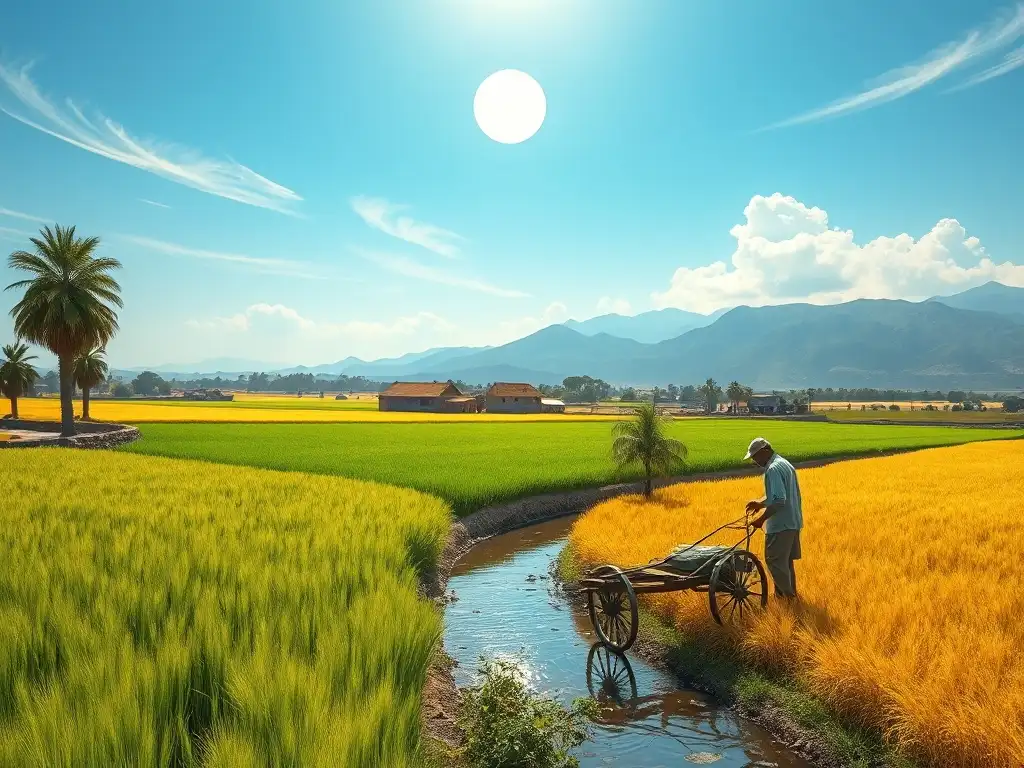
The climate of the Indus Valley played a pivotal role in shaping the economic framework of its civilization, particularly through agriculture. The region experienced a semi-arid climate, characterized by seasonal monsoons that provided the essential water resources for farming. This climatic dependency meant that agricultural productivity was directly influenced by the monsoon patterns, which were often unpredictable. Successful harvests led to agricultural surpluses, which were crucial for economic stability and growth within the society.
The fertile alluvial plains of the Indus River and its tributaries allowed for the cultivation of various crops such as wheat, barley, peas, and cotton. These crops not only provided sustenance for the local population but also created opportunities for trade. A stable agricultural output enabled communities to engage in barter and trade, exchanging surplus goods for resources and products not locally available. Thus, the climate's role in agriculture significantly impacted the economic dynamics of the Indus Valley Civilization.
Trade and Commerce Linked to Agricultural Surplus
The agricultural surplus generated by favorable climatic conditions fostered a vibrant trade network in the Indus Valley. Cities like Harappa and Mohenjo-Daro became bustling centers of commerce, where farmers traded excess crops for pottery, textiles, and metal tools. This exchange was not limited to local markets; evidence suggests that the Indus Valley engaged in trade with distant regions, including Mesopotamia and Persia, indicating a sophisticated economic structure.
The surplus crops, particularly grains and textiles, were pivotal in establishing trade routes. Merchants transported these goods using a network of well-developed roads and rivers, enhancing connectivity between different settlements. The emergence of standardized weights and measures further facilitated trade, ensuring fair transactions that benefitted both farmers and traders. The economic prosperity driven by agricultural surplus laid the foundation for the Indus Valley's cultural and technological advancements.
Climate Challenges and Their Economic Consequences
Despite the agricultural advantages, the Indus Valley civilization faced significant challenges due to climate variability. Periods of drought could lead to crop failures, creating food shortages and economic instability. Historical evidence suggests that prolonged dry spells or unpredictable monsoon seasons adversely affected agricultural productivity, resulting in reduced harvests. This not only led to famine but also strained the trade networks that relied on agricultural surplus.
The economic consequences of these climatic challenges were profound. Communities faced resource scarcity, leading to social unrest and potential migration. As agricultural yields fluctuated, the economic fabric of the society became vulnerable, showcasing the crucial link between climate, agriculture, and economic stability. The resilience of the Indus Valley civilization in the face of these challenges speaks to their adaptability and innovative approaches to resource management.
Conclusion
Summary of the Indus Valley Climate Agriculture Impact
The climate of the Indus Valley significantly impacted agriculture, which in turn influenced the economic landscape of the civilization. Favorable monsoon patterns allowed for the cultivation of various crops, leading to agricultural surpluses that fueled trade and commerce. Conversely, climatic challenges posed substantial risks, threatening food security and economic stability. The interplay between climate and agriculture in the Indus Valley highlights the complex relationship between environmental factors and societal development.
Reflection on the Sustainable Practices of the Indus Valley Civilization
The Indus Valley Civilization demonstrated remarkable sustainability practices that were closely linked to their understanding of climate and agriculture. The use of advanced irrigation techniques, crop rotation, and the cultivation of drought-resistant crops exemplifies their innovative approach to ensuring food security. These practices allowed them to maximize agricultural productivity while mitigating the adverse effects of climate variability.
Moreover, the emphasis on resource management and planning within their cities—such as the construction of drainage systems and granaries—indicates a sophisticated understanding of sustainability. The ability of the Indus Valley civilization to adapt to climatic challenges and maintain agricultural productivity serves as a testament to their resilience and ingenuity, offering valuable lessons for contemporary agricultural practices in the face of climate change.
Further Reading
To delve deeper into the intriguing relationship between climate and daily life in the Indus Valley Civilization, a variety of resources are available that offer comprehensive insights and analyses. The following selections provide valuable information on the climate impact on agriculture, urban planning, and societal structures of this ancient civilization.
Suggested Resources on Indus Valley Civilization and Climate Studies
-
Books:
-
The Indus Civilization: A Contemporary Perspective by Gregory L. Possehl
This book discusses various aspects of the Indus Valley Civilization, including how climate influenced agricultural practices and urban development.
-
Climate Change and the Indus Valley: Impacts and Adaptation by A.K. Sharma
This resource outlines the climatic conditions of the Indus region and how the inhabitants adapted their agricultural strategies accordingly.
-
-
Research Papers:
-
"Agricultural Practices in the Indus Valley Civilization: Adaptations to Climate" by S. Kumar
This paper explores specific agricultural techniques employed by the Indus Valley inhabitants in response to climatic variations, supported by archaeological evidence.
-
"The Influence of Monsoon Patterns on Indus Valley Urbanization" by R. Patel
A detailed analysis of how monsoon rains influenced settlement patterns and agricultural cycles in the Indus Valley.
-
-
Online Journals:
-
Journal of Ancient Civilizations
This journal regularly publishes articles on various aspects of ancient civilizations, including the environmental and climatic factors affecting their development.
-
Climate of the Past
A platform for research that examines historical climate data and its implications on ancient societies, with articles specifically addressing the Indus Valley.
-
-
Documentaries and Lectures:
-
Secrets of the Indus Valley (available on educational streaming platforms)
This documentary provides insights into the daily lives of the Indus Valley people, with a particular focus on how climate shaped their agricultural practices.
-
Lectures from the Archaeological Institute of America
Various lectures and webinars delve into the complexities of the Indus Valley Civilization, highlighting the significance of climate in their societal evolution.
-
By exploring these resources, readers can gain a deeper understanding of how the Indus Valley climate influenced agriculture, daily life, and the overall development of one of the world's earliest urban civilizations.
- Introduction to the Indus Valley Civilization
- The Climate of the Indus Valley
- Agricultural Practices in the Indus Valley
- Daily Life Influenced by Climate
- Economic Impact of Climate on Agriculture
- Conclusion
- Further Reading
- What was the climate like in the Indus Valley?
- How did the climate affect agriculture in the Indus Valley?
- What crops were primarily grown in the Indus Valley due to its climate?
- How did the ancient inhabitants adapt to the climate?
- What role did the climate play in the decline of the Indus Valley civilization?
Frequently Asked Questions
What was the climate like in the Indus Valley?
The Indus Valley experienced a semi-arid climate, characterized by seasonal monsoons that influenced agricultural productivity and daily living.
How did the climate affect agriculture in the Indus Valley?
The climate significantly impacted agriculture by determining the types of crops grown, with floodplain irrigation systems developed to utilize seasonal flooding effectively.
What crops were primarily grown in the Indus Valley due to its climate?
Farmers in the Indus Valley primarily cultivated wheat, barley, and cotton, which thrived in the region's favorable agricultural conditions.
How did the ancient inhabitants adapt to the climate?
The people of the Indus Valley developed innovative farming techniques and urban planning to manage water resources, ensuring sustainability in their agricultural practices.
What role did the climate play in the decline of the Indus Valley civilization?
Changes in the climate, including shifts in monsoon patterns, likely contributed to agricultural decline, leading to economic challenges and the eventual decline of the Indus Valley civilization.
Final Reflection: The Indus Valley Climate's Lasting Impact on Agriculture and Daily Life
The intricate relationship between climate and agriculture in the Indus Valley remains profoundly relevant today. As we face the escalating challenges of climate change, understanding how these environmental factors have historically shaped agricultural practices and daily life in this region is crucial. The lessons learned from the Indus Valley civilization remind us that our survival and prosperity are intricately tied to the climate, urging us to adapt and innovate in the face of environmental shifts.
Clearly, the legacy of the Indus Valley's climate on agriculture is not merely a historical account but a continuing narrative that influences our cultural and social landscapes. The agricultural techniques and water management systems developed by the people of this region serve as a testament to human resilience and ingenuity in adapting to climatic challenges. As we navigate our own climate crises, we can draw inspiration from their practices. The greatest threat to our planet is the belief that someone else will save it.
– Robert Swan. This quote encapsulates the urgency of taking responsibility for our environment, echoing the lessons from the past.
As we reflect on the impact of climate on agriculture and daily life in the Indus Valley, I invite you to consider your role in this ongoing narrative. What steps can you take to contribute to sustainable practices in your own life? Whether it's supporting local agriculture, advocating for climate-friendly policies, or simply being more mindful of your consumption, every action counts. Let us honor the legacy of the Indus Valley by committing to a future where we respect and nurture our environment, ensuring that the lessons of the past guide us toward a more sustainable and resilient tomorrow.
Embrace Change: Act for a Sustainable Future!
Thank you for exploring the crucial role that climate plays in our everyday lives and agriculture in the Indus Valley. Your interest is the first step toward understanding our essential connection to the environment! Now, let’s transform this knowledge into meaningful action.
- Join a local environmental group to support sustainable agricultural practices within your community.
- Share what you’ve learned about the effects of climate change with friends or on social media to ignite a conversation!
- Consider starting a small garden with native plants, which can help enhance biodiversity and promote ecological balance.
How will you take action against climate change in your own life today?