
The Legacy of Vashti: Power and Rebellion in the Ancient Courts

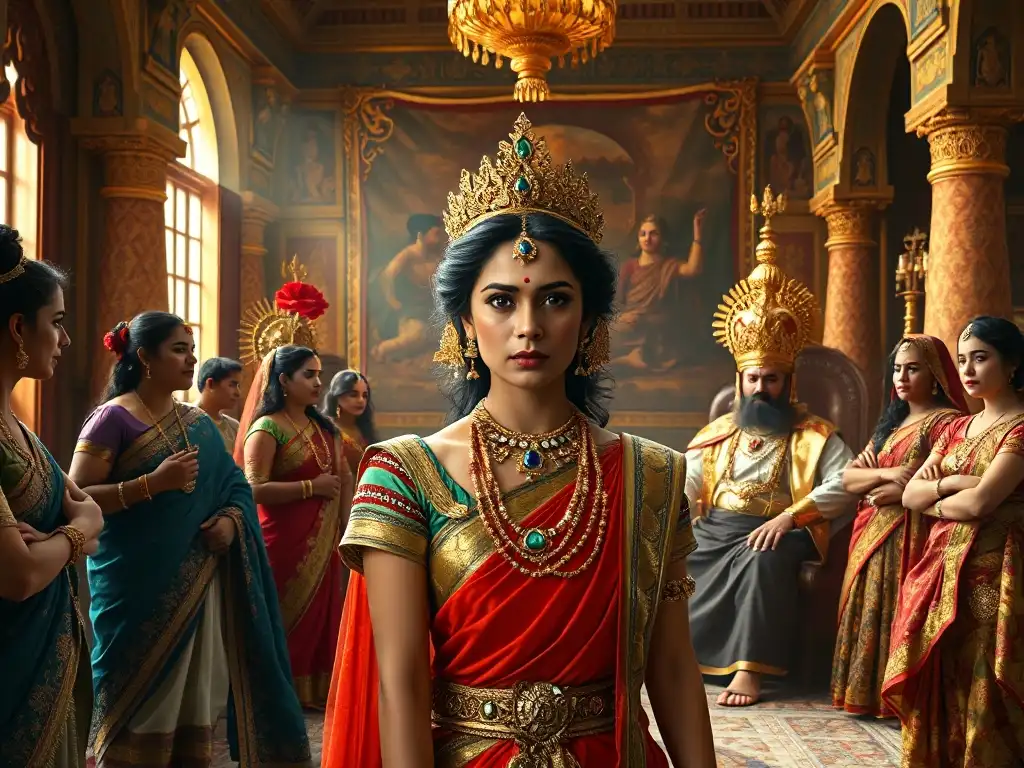
Welcome to Ancient India History, a portal into the fascinating tapestry of India's past. Here, we delve into the intricate power dynamics of ancient Indian royalty, unveiling the compelling stories of women who wielded influence and defied norms. In our featured article, The Legacy of Vashti: Power and Rebellion in the Ancient Courts, we explore how the echoes of female resilience shaped the fabric of dynasties.
Prepare to embark on a journey that not only illuminates the strength of women in history but also sparks your curiosity about the profound legacies they left behind. Read on to discover the untold narratives that continue to inspire!
Introduction to Ancient Indian Royal Power Dynamics
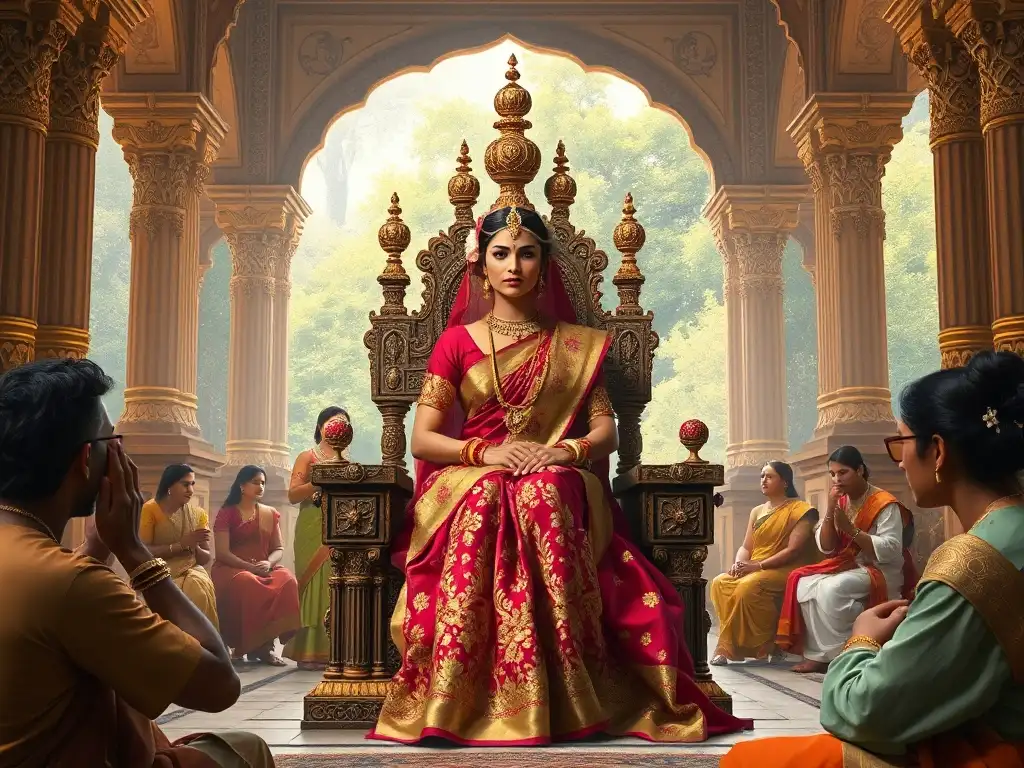
The exploration of ancient Indian royal power dynamics reveals a complex tapestry woven with the threads of authority, governance, and societal roles. Within this historical framework, the figure of Vashti emerges as a pivotal character, exemplifying the struggles and triumphs of women navigating the intricate hierarchies of power.
Her rebellion against male authority not only challenges traditional norms but also sheds light on the broader implications of women's roles in ancient Indian societies. Understanding the dynamics within these royal courts allows us to appreciate the nuanced interplay between power, gender, and rebellion, offering profound insights into the cultural and political landscape of ancient India.
Overview of Women's Roles in Ancient Indian Royalty
In ancient India, women held a variety of roles within the royal courts, often oscillating between influence and subservience. Their positions were not merely ornamental; many women played critical roles in political alliances, diplomacy, and even military strategies.
- Queens and Regal Figures: Queens often acted as advisors to their kings, wielding significant influence over decision-making processes.
- Cultural Custodians: Women were also responsible for preserving and promoting cultural practices, arts, and literature within the royal domain.
- Political Agents: Some women engaged in power politics, orchestrating marriages and alliances that could alter the course of dynasties.
Despite the patriarchal structures that predominated, women's contributions were indispensable, and their actions often had lasting impacts on the realms they inhabited.
Significance of Vashti in Ancient Indian History
Vashti's legacy is emblematic of the struggles faced by women in ancient royal settings. Not only does she represent a figure of resistance, but her actions also catalyzed significant discussions about authority and autonomy.
- Symbol of Rebellion: Vashti's refusal to conform to the expectations placed upon her by the king serves as a powerful narrative of defiance against oppressive norms.
- Cultural Reflection: Her story reflects the cultural and moral dilemmas faced by women in positions of influence, highlighting the delicate balance between power and rebellion.
- Historical Impact: The consequences of Vashti's actions reverberated beyond her immediate context, influencing the perception of women's agency in subsequent generations.
The Historical Context of Vashti's Rebellion
To fully grasp the significance of Vashti's rebellion, it is essential to understand the historical context in which it occurred. The dynamics of ancient Indian courts were characterized by a blend of political maneuvering, cultural traditions, and gender expectations.
The Setting of Ancient Indian Courts
Ancient Indian courts were not merely venues for political discourse; they were vibrant centers of culture, art, and power. The courts often reflected the complexities of society, with a hierarchy that included:
- Kings and Rulers: The central figures who wielded political power and authority.
- Nobility and Advisors: Individuals who influenced decisions and policies, often through intricate networks of allegiance.
- Women of Influence: Women, including queens and noblewomen, who navigated these dynamics, often playing critical roles in shaping policies and cultural norms.
The interactions within these courts provide a backdrop against which Vashti's rebellion can be understood, highlighting the interplay of power and resistance.
Key Players in Ancient Indian Royal Power Dynamics
The dynamics of power in ancient Indian courts were determined by various key players, each contributing to the complex interplay of authority.
- Sovereigns: Kings and emperors held ultimate power but often relied on the counsel of their queens and advisors.
- Queens: As central figures in royal families, queens could command considerable influence, shaping both political and cultural agendas.
- Advisors and Ministers: These individuals played crucial roles in governance, often acting as intermediaries between the sovereign and the subjects.
Understanding the roles of these key players is vital to contextualizing Vashti's actions, as they illuminate the intricate web of relationships that defined ancient Indian royal power dynamics.
The Story of Vashti: A Portrait of Defiance
Vashti, a prominent figure in ancient Indian history, is often remembered for her boldness and defiance against patriarchal norms. Her story, rooted in the ancient texts, particularly the Book of Esther, presents a vivid portrait of a woman who challenged the conventional expectations of her time. In a society where women's voices were often suppressed, Vashti's refusal to obey King Ahasuerus's command to appear before him and his guests marked a significant moment of rebellion. This act of defiance not only showcased her personal strength but also illuminated the complexities of royal power dynamics in ancient courts.
Vashti’s portrayal transcends mere narrative; it embodies the struggles faced by women in positions of power. As a queen, she was expected to embody grace, obedience, and subservience. However, her refusal to comply with the king's demand indicates that her sense of self and dignity outweighed the societal pressures imposed upon her. Her legacy serves as a reminder of the potential for women to navigate, resist, and redefine the boundaries of their roles, even in the face of considerable opposition.
Vashti's Position and Influence in the Royal Court
Vashti held a significant position as the queen in the royal court, which granted her a unique vantage point to observe the intricacies of governance and power. Her status allowed her to wield influence, not only in her domestic sphere but also within the broader political landscape. As queen, Vashti was expected to represent the ideals of femininity and beauty, yet her refusal to conform to these ideals positioned her as a figure of resistance.
The royal court was a complex arena where power dynamics were often subtle and multifaceted. Vashti's influence extended beyond mere ceremonial duties; she was a participant in the intricate dance of loyalty, ambition, and rivalry that characterized the court's environment. Her ability to assert her will in a male-dominated space highlights the potential for women to navigate the political landscape, even as they contended with the limitations imposed upon them by gender norms.
The Events Leading Up to Vashti's Rebellion
The events that culminated in Vashti's rebellion were steeped in the cultural practices and expectations of the time. The king, celebrating a grand feast, ordered Vashti to display her beauty before his guests, showcasing her as a trophy of sorts. This demand was not merely a request for her presence; it was an expectation rooted in the objectification of women in royal courts.
Vashti's decision to refuse this summons was not taken lightly. It was a culmination of her awareness of her agency and the implications of her actions. The societal pressures, coupled with her position, created a volatile environment where defiance was risky. Nevertheless, her choice to prioritize her dignity over compliance set the stage for a significant shift in the narrative of women's roles in ancient Indian society.
Analyzing Vashti's Rebellion
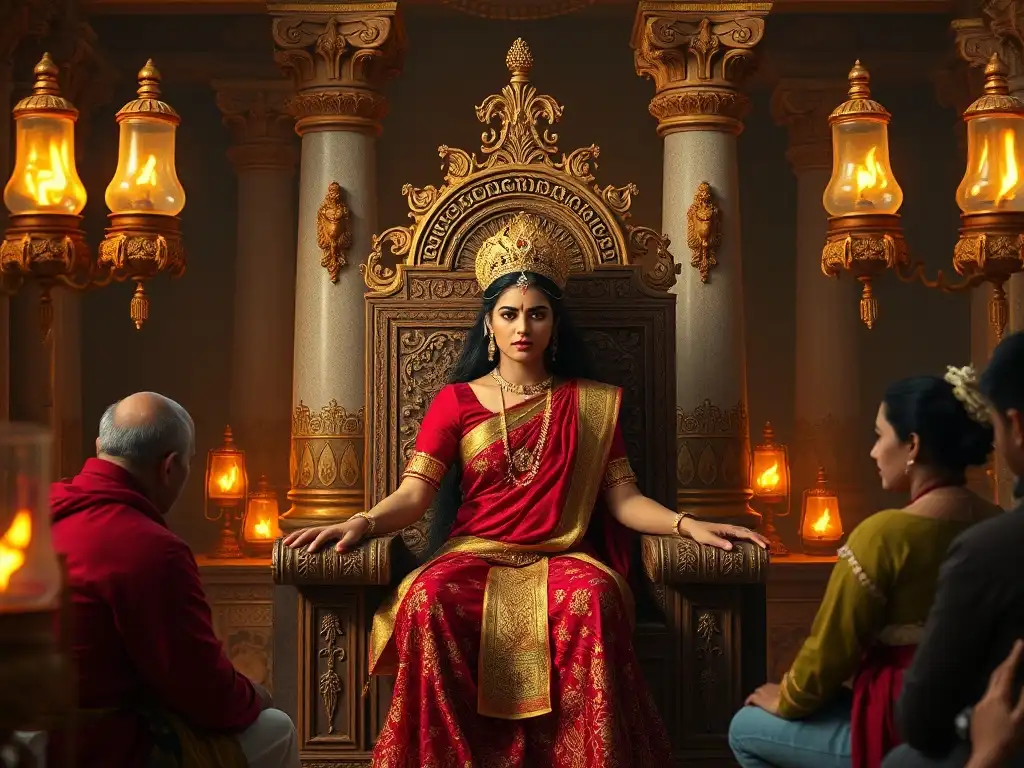
Vashti's rebellion serves as a critical point of analysis in understanding ancient Indian royal power dynamics. Her defiance is not merely a personal act; it reflects broader themes of resistance against oppressive structures. By saying no to the king, Vashti challenged the status quo and brought attention to the limitations placed on women in power.
The rebellion can be interpreted through various lenses, including feminist theory, which emphasizes the importance of women's agency and the reclamation of power. Vashti's actions resonate with contemporary discussions about gender equality and the fight against patriarchal norms, making her story relevant even in today's context.
Motivations Behind Vashti's Defiance
Understanding Vashti's motivations requires delving into the cultural context of her time. Her defiance was likely fueled by a combination of personal conviction, the desire for autonomy, and the recognition of her worth as an individual beyond her role as an ornament. The pressure to conform to the king's desires must have been immense, yet Vashti's choice to resist highlights her determination to assert control over her own life.
Additionally, her actions may have been motivated by a desire to set a precedent for other women in similar positions. By refusing to be objectified, Vashti not only defended her dignity but also opened a dialogue about women's rights and roles within the patriarchal structure of the court. Her rebellion acted as a catalyst for change, encouraging future generations to question and challenge oppressive norms.
The Impact of Vashti's Actions on Royal Power Dynamics
Vashti's rebellion had profound implications for royal power dynamics in ancient India. Her refusal to comply with the king's commands not only resulted in her removal but also sparked discussions about authority, gender, and the nature of obedience. The aftermath of her actions reverberated through the court, leading to new decrees and the elevation of Esther, another influential figure, as queen.
This shift illustrates how a single act of defiance could reshape the power landscape. Vashti's legacy became a symbol of resistance, influencing how subsequent generations viewed female agency within royal courts. Her story continues to resonate today, serving as a reminder of the ongoing struggle for equality and the importance of women's voices in shaping history. Ultimately, Vashti’s legacy reveals the complexities of ancient Indian royal power dynamics, highlighting the interplay between gender, authority, and rebellion.
The Cultural Significance of Vashti's Legacy
Vashti, the queen of King Ahasuerus, is a compelling figure whose legacy has resonated through history, particularly in the context of ancient Indian royal power dynamics. Her story, as recounted in the Book of Esther, highlights the complexities of female agency within patriarchal structures. In ancient India, the cultural significance of Vashti transcends her narrative; she represents a critical turning point in the perception of women's roles in royal courts.
Vashti’s refusal to appear before the king and his guests at a lavish banquet is emblematic of a woman's assertion of autonomy. This act of defiance not only challenges the expectations placed upon women but also serves as a catalyst for discussions about gender roles.
The cultural impact of her rebellion can be seen in later interpretations of women's rights and their roles in governance and royal affairs. Through her legacy, Vashti encourages a re-examination of how women navigated power dynamics within ancient societies, suggesting that resistance was not merely a personal act but part of a broader cultural discourse.
How Vashti's Rebellion Influenced Gender Roles in Ancient India
Vashti's rebellion had profound implications for gender roles in ancient Indian society. Her story, while originating from a different cultural context, resonates with historical accounts of women in Indian royal courts who similarly challenged patriarchal authority. The act of defiance against King Ahasuerus can be interpreted as a precursor to the empowerment movements that would emerge in later centuries, where women began to assert their rights more openly.
In ancient India, women often held significant influence in political affairs, particularly within the context of royal families. Vashti's legacy reinforces the notion that women were not mere passive participants in the royal courts but could actively shape the political landscape. This rebellion prompted a reevaluation of societal norms, leading to a gradual shift in the perception of women's roles. The stories of women like Vashti inspired subsequent generations to question the limitations imposed upon them, ultimately contributing to a legacy of female empowerment.
Vashti as a Symbol of Female Empowerment in Historical Texts
Vashti stands out in historical texts as a symbol of female empowerment, embodying the struggle for autonomy in a male-dominated society. Her legacy is preserved not only in religious texts but also in literary works and folklore, where she is often celebrated for her courage. In ancient Indian literature, similar figures emerge, reinforcing the notion that women could act independently and influence royal decisions.
Vashti’s narrative serves as a powerful reminder of the potential for women to disrupt the status quo. In various interpretations, she is portrayed as a beacon of strength, challenging the traditional narratives that often marginalized female voices. The cultural memory of Vashti encourages contemporary discussions on women's rights, illustrating how historical figures can inspire modern movements for equality. Her legacy invites a closer examination of the contributions of women in shaping political and social landscapes throughout history.
Comparative Analysis: Vashti and Other Influential Women in Ancient India
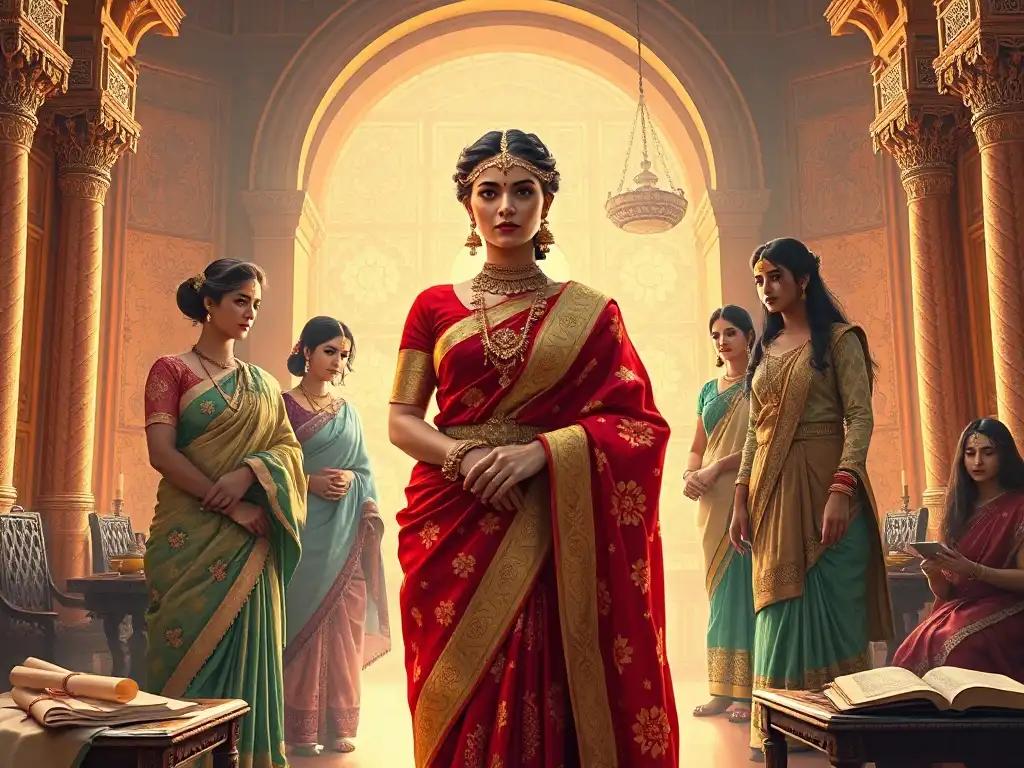
The examination of Vashti's legacy is enriched through a comparative analysis with other influential women in ancient India, such as Draupadi and Rani Durgavati. These figures, like Vashti, navigated complex royal dynamics and exhibited varying degrees of agency in their respective narratives.
Similarities with Other Female Figures in Ancient Royal Courts
Similar to Vashti, women like Draupadi exhibited strength and resilience in the face of oppression. Draupadi's assertiveness during the game of dice, where she stood up for her dignity, mirrors Vashti's refusal to comply with the king's demands. Both figures underscore the theme of resistance against male authority and highlight the importance of female agency in ancient texts.
Moreover, queens such as Rani Durgavati, who defended her kingdom against invaders, further illustrate the active roles women could play in governance and warfare. These similarities suggest a shared cultural narrative that valorizes women's contributions and their capacity to challenge societal norms, thus enriching the discourse surrounding ancient Indian royal power dynamics.
Differences in Approaches to Power and Rebellion
Despite these similarities, the approaches to power and rebellion among these women differ significantly. Vashti's rebellion is characterized by her quiet yet resolute refusal to appear before the king, emphasizing personal autonomy over direct confrontation. In contrast, Draupadi’s actions are more confrontational, openly challenging patriarchal norms in a public arena.
Rani Durgavati, on the other hand, exemplifies a warrior queen who actively engaged in battle to protect her realm, demonstrating that women could wield power in both political and military contexts. These differences illustrate the diverse strategies employed by women in ancient India to navigate the intricacies of royal power dynamics. Each figure, through her unique approach, contributes to a richer understanding of how women influenced the course of history, offering a nuanced perspective on the legacy of female empowerment in ancient societies.
Lessons from Vashti's Legacy in Contemporary Context
Vashti, the queen in the Persian Empire during the reign of King Ahasuerus, has often been interpreted through the lens of rebellion and power dynamics. Her refusal to appear before the king and his guests, as narrated in the Book of Esther, serves as a powerful symbol of resistance against patriarchal authority. In contemporary contexts, the lessons drawn from Vashti's legacy resonate strongly with ongoing discussions around women's empowerment and agency.
The courage Vashti exhibited in standing up against an unjust demand reflects the modern struggles women face in asserting their rights in both public and private spheres. This act of defiance can inspire contemporary movements advocating for gender equality, as it underscores the importance of self-respect and autonomy. Her legacy invites society to recognize the significance of women's voices in decision-making processes, whether in political arenas, workplaces, or families.
Moreover, Vashti's story encourages individuals to challenge societal norms that perpetuate oppression. In today’s world, where women continue to navigate complex power dynamics, her narrative serves as a reminder that asserting one's dignity can lead to broader societal changes, inspiring future generations to embrace their strength and resist subjugation.
Relevance of Ancient Indian Royal Power Dynamics Today
The dynamics of royal power in ancient India, characterized by intricate relationships between rulers, their queens, and the court, provide valuable insights into contemporary issues of governance and authority. These dynamics highlight the roles women played not just as passive figures but as active participants in the political landscape.
Understanding these historical power structures is essential for grasping how they have shaped modern governance and societal norms. For instance, the influence of royal women in ancient courts often extended beyond domestic affairs, impacting political decisions and alliances. This historical perspective challenges the traditional narrative that often sidelines women's contributions, emphasizing their integral role in the political and cultural fabric of society.
Today, as we observe the ongoing struggles for political representation and equity, revisiting these ancient power dynamics can inform current debates. It encourages a more nuanced understanding of how authority is negotiated and the potential for women to wield power in contemporary settings.
The Continuing Impact of Vashti's Rebellion on Modern Women's Roles
Vashti's rebellion resonates deeply in the context of modern women's rights movements. Her act of defiance serves as a seminal example of women standing up against patriarchal expectations, a theme that continues to be relevant today. As women across the globe advocate for equality and justice, Vashti's legacy can empower them to challenge systemic injustices and assert their rights.
In many cultures, women still face immense pressure to conform to traditional roles, much like Vashti did in her time. Her story inspires contemporary women to question these limitations and to seek avenues for self-expression and leadership. This rebellion encourages a shift in narratives surrounding women's roles, promoting the idea that women can and should resist oppression rather than accept it.
The implications of Vashti's defiance extend into various sectors, including politics, business, and social activism. By embodying the spirit of rebellion, women today are increasingly stepping into roles of authority and influence, driving change and advocating for a more equitable society.
Conclusion: Embracing the Legacy of Vashti
Embracing the legacy of Vashti involves recognizing the significant contributions of women throughout history, particularly in shaping cultural and political landscapes. Her story serves not only as a historical account but also as a powerful call to action for contemporary society to acknowledge and celebrate women's agency.
Reflection on the Role of Women in Shaping Ancient Indian History
The role of women in ancient Indian history is often overlooked, yet it is vital to understanding the complexities of power dynamics and social structures. Women like Vashti, though not always central in historical narratives, played crucial roles in influencing decisions and shaping cultural narratives.
By reflecting on these contributions, we can appreciate the multifaceted nature of historical development and the essential part women played in it. This understanding fosters a greater appreciation for the diverse experiences and contributions that have shaped ancient Indian civilization and encourages a reevaluation of how history is taught and perceived.
Encouraging Further Exploration of Influential Women in Ancient India
As we delve deeper into the legacies of influential women in ancient India, it becomes clear that their stories are intertwined with the broader narrative of history. Encouraging further exploration of these figures not only enriches our understanding of the past but also highlights the ongoing relevance of their experiences and struggles.
Through dedicated research and scholarship, we can uncover the stories of many women who contributed significantly to ancient Indian society, from rulers and warriors to scholars and artisans. By bringing these narratives to the forefront, we honor their legacies and inspire future generations to recognize the powerful roles women have always played in shaping history.
Celebrating the legacy of Vashti and her peers invites a more inclusive understanding of ancient Indian history, one that recognizes the strength and resilience of women as pivotal to the development of society.
- Introduction to Ancient Indian Royal Power Dynamics
- The Historical Context of Vashti's Rebellion
- The Story of Vashti: A Portrait of Defiance
- Analyzing Vashti's Rebellion
- The Cultural Significance of Vashti's Legacy
- How Vashti's Rebellion Influenced Gender Roles in Ancient India
- Comparative Analysis: Vashti and Other Influential Women in Ancient India
- Lessons from Vashti's Legacy in Contemporary Context
- Conclusion: Embracing the Legacy of Vashti
- What is the significance of Vashti in ancient Indian history?
- How did royal power dynamics function in ancient Indian civilizations?
- What were some major contributions of ancient Indian civilizations to royal power?
- How did rebellion manifest in the courts of ancient India?
- What can we learn about ancient Indian royal power dynamics from Vashti's story?
Frequently Asked Questions
What is the significance of Vashti in ancient Indian history?
Vashti is often viewed as a symbol of rebellion against royal power dynamics. Her story illustrates the complexities of women’s roles in ancient courts and their impact on political narratives.
How did royal power dynamics function in ancient Indian civilizations?
In ancient Indian civilizations, royal power dynamics were characterized by a blend of political alliances, hereditary rule, and cultural influences that shaped governance and societal structure.
What were some major contributions of ancient Indian civilizations to royal power?
Ancient Indian civilizations contributed significantly to administrative practices, legal frameworks, and cultural norms, which influenced the structure of royal power and governance in subsequent societies.
How did rebellion manifest in the courts of ancient India?
Rebellion in ancient Indian courts often emerged through political dissent, cultural movements, or the actions of influential figures like Vashti, challenging the authority of royal power.
What can we learn about ancient Indian royal power dynamics from Vashti's story?
Vashti’s story reveals the intricate balance between authority and resistance, showcasing how personal agency could influence royal power dynamics in ancient Indian society.
Final Reflection: The Enduring Legacy of Vashti in Ancient Indian Royal Power Dynamics
The story of Vashti serves as a powerful reminder of the complexities of ancient Indian royal power dynamics and the often-unseen strength of women in positions of influence. As we navigate a world still grappling with issues of gender and authority, her tale resonates with contemporary struggles for autonomy and recognition. The lessons from Vashti's defiance against patriarchal norms are not just historical anecdotes; they are calls to action for those who seek to challenge the status quo today.
Cultural narratives surrounding figures like Vashti continue to shape our understanding of power and rebellion. Her legacy transcends time, reminding us that resistance can emerge from the most unexpected places. The most potent weapon of the oppressor is the mind of the oppressed.
This quote encapsulates the ongoing struggle against societal constraints, illustrating how Vashti's story inspires modern movements advocating for equality and justice. Her courage to stand against King Xerxes in the face of potential peril reflects a broader theme of empowerment that resonates deeply within our current cultural landscape.
As we reflect on the lessons of Vashti, I invite you to consider your own role within the dynamics of power in your life. How can you embody the spirit of rebellion against injustice, whether in your personal relationships or within larger societal structures? Embrace the courage to speak out, to challenge norms, and to uplift those around you. The legacy of Vashti is not just a story from the past; it is a call to action for all of us to recognize our power and to use it wisely in the pursuit of a more equitable future.
Embrace the Power of Vashti: Take Action Today!
Thank you for exploring the inspiring legacy of Vashti with us! Your interest in her story highlights the strength and rebellion of a remarkable figure in ancient history. Now, let's channel that inspiration into action and keep the conversation alive.
- Join the Discussion: Share your thoughts on Vashti's courage and its relevance today in our comments section— your insights are invaluable!
- Explore More: Discover the stories of other influential women in ancient history to deepen your understanding and appreciation of their contributions.
- Spread the Word: Tag a friend on social media who would connect with Vashti’s journey and encourage them to learn about her significant impact.
What lessons do you think Vashti offers us about standing up for our beliefs in today's world?