
The Role of Festivals in Promoting Agricultural Innovations in Ancient India

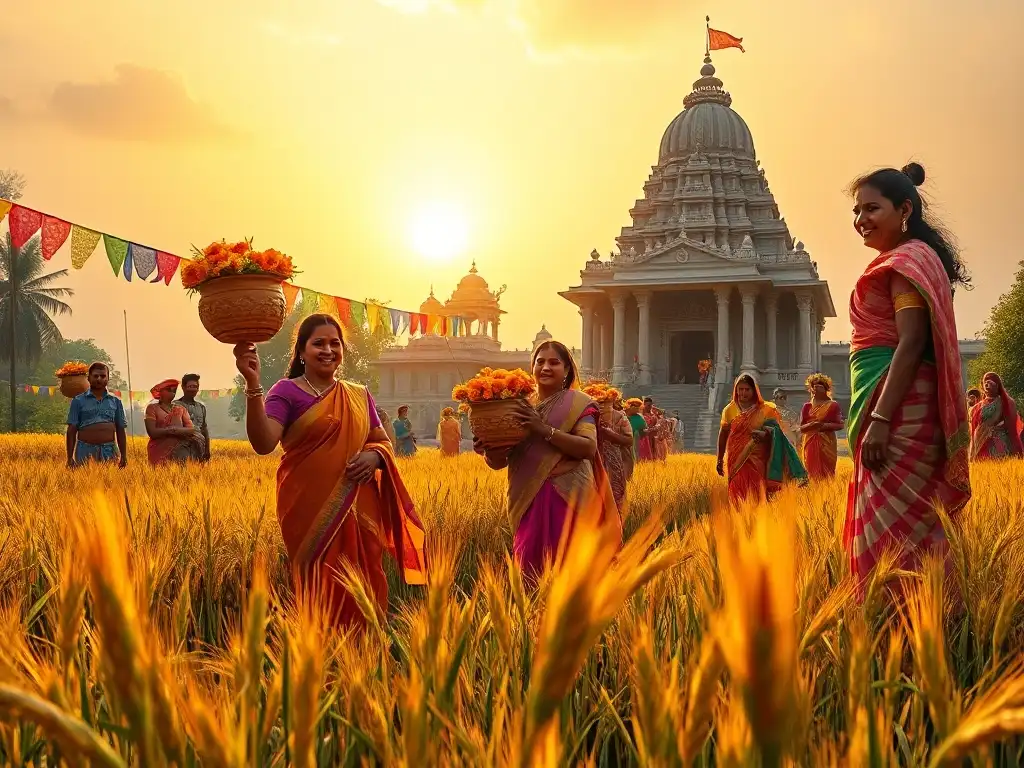
Welcome to Ancient India History, where we embark on a fascinating journey through the rich tapestry of India's past. In our latest article, we delve into the intricate relationship between festivals and agriculture in ancient India, uncovering how vibrant celebrations played a pivotal role in promoting agricultural innovations. What if we told you that the joyous festivities you know today were once instrumental in shaping agricultural practices and community life?
Join us as we explore this captivating intersection of culture and innovation, and discover the profound impact these ancient traditions have had on the development of civilization. Your adventure into the depths of history begins now!
Introduction to Festivals and Agriculture in Ancient India
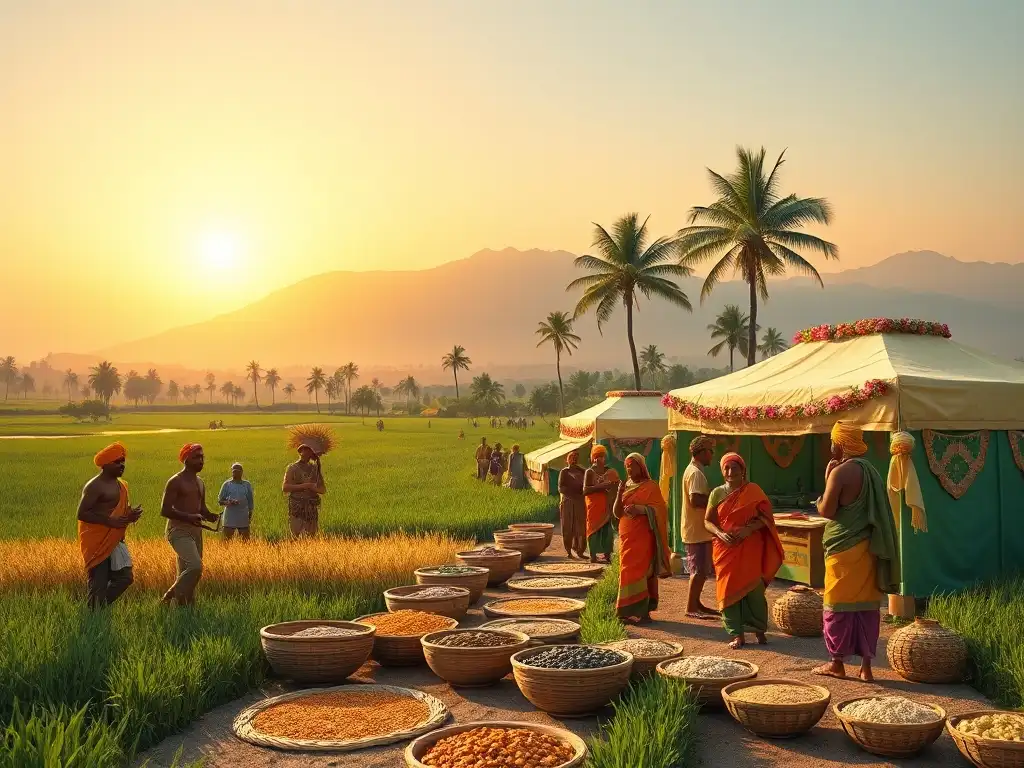
Festivals have always played a pivotal role in shaping the cultural and social fabric of societies around the world, and ancient India is no exception. These vibrant celebrations were not merely occasions for entertainment; they were deeply intertwined with agriculture, reflecting the seasonal cycles, agricultural practices, and the reverence for nature that characterized ancient Indian life. By exploring the connection between festivals and agriculture in ancient India, we can uncover how these celebrations not only marked important seasonal changes but also promoted agricultural innovations that were crucial for sustaining the growing population of ancient civilizations.
Overview of Major Festivals in Ancient India
Ancient India was home to a multitude of festivals, each with its unique significance and timing. Some of the major festivals included:
- Pongal: Celebrated primarily in Tamil Nadu, this four-day harvest festival honors the Sun God and is a time for families to come together to express gratitude for the harvest.
- Makar Sankranti: This festival marks the transition of the Sun into the zodiac sign of Capricorn and is celebrated across India with various regional customs. It symbolizes the end of winter and the start of the harvest season.
- Baisakhi: Primarily celebrated in Punjab, Baisakhi marks the harvest of the rabi crops and is also the Punjabi New Year. It is a time of great joy and communal festivities.
- Onam: Celebrated in Kerala, Onam is a harvest festival that honors the legendary King Mahabali and is marked by elaborate feasts and traditional games.
These festivals not only celebrated the bounty of the earth but also reinforced communal bonds, ensuring that agricultural innovations were recognized and shared amongst farming communities.
Significance of Agriculture in Ancient Indian Society
Agriculture was the backbone of ancient Indian society, serving as the primary source of sustenance and economic stability. It played a crucial role in:
- Economic Development: The agrarian economy facilitated trade, leading to the growth of cities and cultural exchanges.
- Social Structure: Agricultural success determined social hierarchies and the roles individuals played within their communities.
- Cultural Identity: Many rituals and practices were rooted in agricultural cycles, reflecting the deep connection between the people and the land.
The interdependence between festivals and agriculture fostered a culture of gratitude and innovation, paving the way for advancements in farming techniques and crop varieties.
Relationship Between Festivals and Agricultural Practices
The relationship between festivals and agricultural practices in ancient India was symbiotic. Festivals often coincided with key agricultural events, such as sowing and harvesting, and served to:
- Reinforce Tradition: Rituals associated with festivals often included prayers for a good harvest, emphasizing the community's reliance on agriculture.
- Encourage Innovation: Festivals provided an opportunity for farmers to share new techniques and experiences, leading to the adoption of innovative practices.
- Promote Sustainability: Many festivals incorporated eco-friendly practices, encouraging respect for nature and sustainable agricultural methods.
This interplay between celebration and cultivation was instrumental in driving agricultural innovation and ensuring food security in ancient Indian civilizations.
Historical Context of Agricultural Innovations
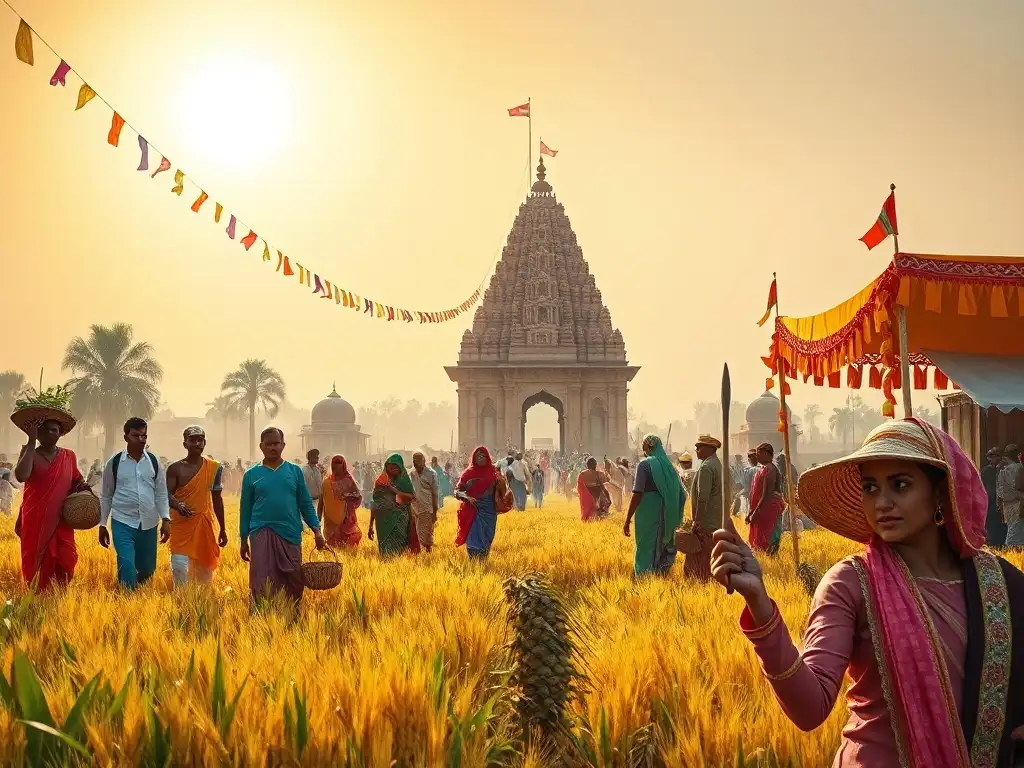
Understanding the historical context of agricultural innovations in ancient India requires examining the various techniques and practices that evolved over time.
Agricultural Techniques Used in Ancient India
Ancient Indian agrarians employed a variety of techniques that laid the groundwork for sustainable farming practices. These included:
- Crop Rotation: Farmers rotated different crops to maintain soil fertility and reduce pest infestations.
- Irrigation Systems: The development of sophisticated irrigation techniques enabled farmers to cultivate land in arid regions.
- Mixed Farming: Combining crops and livestock helped in nutrient recycling and improved agricultural output.
These techniques contributed to the overall productivity and resilience of ancient Indian agriculture, further enhanced by the festivals that celebrated these practices.
Key Innovations Introduced During the Vedic Period
The Vedic period saw several key innovations that transformed agricultural practices:
- Iron Plowshare: The introduction of iron tools allowed for more efficient tilling of land, improving crop yields significantly.
- Fertilization Techniques: The use of cow dung and other organic materials as fertilizers improved soil health and productivity.
- Crop Varieties: The selective breeding of plants led to the cultivation of more resilient and high-yielding crop varieties.
These innovations were often celebrated during festivals, emphasizing their importance in sustaining agricultural practices.
Influence of Geography on Agricultural Development in India
The geographical diversity of India played a significant role in shaping agricultural practices and innovations. Different regions had unique climatic conditions and soil types, leading to:
- Diverse Crops: The variety of climates allowed for the cultivation of numerous crops, including rice, wheat, pulses, and spices.
- Localized Practices: Agricultural techniques were adapted to suit regional conditions, fostering innovation specific to local needs.
- Seasonal Festivals: Festivals were often tailored to reflect the agricultural calendar, further emphasizing the connection between geography and farming practices.
This geographical influence not only impacted agricultural development but also enriched the cultural tapestry of ancient India, making festivals a celebration of both innovation and diversity.
Major Festivals Celebrating Agriculture
In ancient India, festivals played a crucial role in celebrating the agricultural cycle and promoting innovations within farming practices. These festivals were not merely religious observances; they served as communal events that fostered collaboration, shared knowledge, and inspired creativity in agricultural techniques. Major festivals such as Pongal, Makar Sankranti, and Baisakhi highlighted the significance of harvests and the agrarian lifestyle, marking the changing seasons and the bountiful yields that followed.
Each of these festivals was steeped in traditions that honored the deities associated with agriculture, ensuring that the community acknowledged the importance of sustenance and fertility. The communal aspect of these celebrations facilitated the gathering of farmers, who exchanged ideas and practices, thus propelling innovations in farming methods and crop management.
Harvest Festivals and Their Importance
Harvest festivals were pivotal in ancient Indian society, symbolizing gratitude for the agricultural bounty and marking the culmination of hard labor. Festivals like Baisakhi in Punjab and Pongal in Tamil Nadu not only celebrated the harvest but also served as a platform for farmers to showcase their produce, share techniques, and learn from one another.
These festivals fostered a sense of unity and collective identity among farmers, reinforcing the significance of agriculture in sustaining communities. The rituals associated with these festivities often included prayers for favorable weather, pest control techniques, and the sharing of agricultural knowledge passed down through generations. As a result, these gatherings encouraged collaborative efforts in improving soil health, crop rotation, and pest management, leading to significant agricultural advancements.
Other Festivals Promoting Agricultural Practices
In addition to harvest festivals, various other celebrations played a role in promoting agricultural practices in ancient India. Festivals like Maha Shivaratri and Gudi Padwa involved rituals that encouraged the planting of new crops and the initiation of farming activities. These events often included the preparation of special dishes made from seasonal produce, further emphasizing the connection between agriculture and cultural identity.
Moreover, festivals dedicated to specific deities were integral in ensuring agricultural prosperity. For instance, worshiping Goddess Durga during Navratri was believed to bring protection and abundance to farmland. These practices reinforced community bonds while instilling a sense of responsibility towards sustainable farming and environmental stewardship.
Festivals as Catalysts for Agricultural Innovations

Festivals in ancient India were not merely celebrations; they acted as catalysts for agricultural innovations. By creating a vibrant environment where farmers congregated, these events facilitated the exchange of ideas and experiences, often leading to the adoption of new techniques and practices that improved agricultural productivity.
Community Engagement Through Festivals
Community engagement was a fundamental aspect of festivals, emphasizing the collective nature of agriculture. During these celebrations, farmers shared their challenges and successes, enabling the dissemination of valuable knowledge regarding planting techniques, irrigation methods, and crop varieties that thrived in different climates.
This engagement also encouraged experimentation, as farmers were motivated to try new methods inspired by discussions and demonstrations during festivals. Such communal interactions not only led to improved agricultural practices but also fostered a spirit of innovation that was vital for adapting to changing environmental conditions.
Innovations Inspired by Festival Practices
The practices observed during festivals often inspired agricultural innovations that were later integrated into everyday farming. For instance, the communal preparation of food during festivals led to the development of new recipes that optimized the use of local ingredients, thus encouraging crop diversification.
Additionally, the rituals surrounding these festivals often included techniques for soil preparation, pest control, and water management, which were refined and passed down through generations. The integration of these innovative practices into the agricultural calendar ensured that farmers remained resilient and adaptable, effectively transforming festival celebrations into a source of agricultural evolution.
The interconnection between festivals and agriculture in ancient India highlights a rich tradition of community engagement and innovation that significantly contributed to the evolution of farming practices, ensuring food security and cultural continuity.
Case Studies of Agricultural Innovations Linked to Festivals
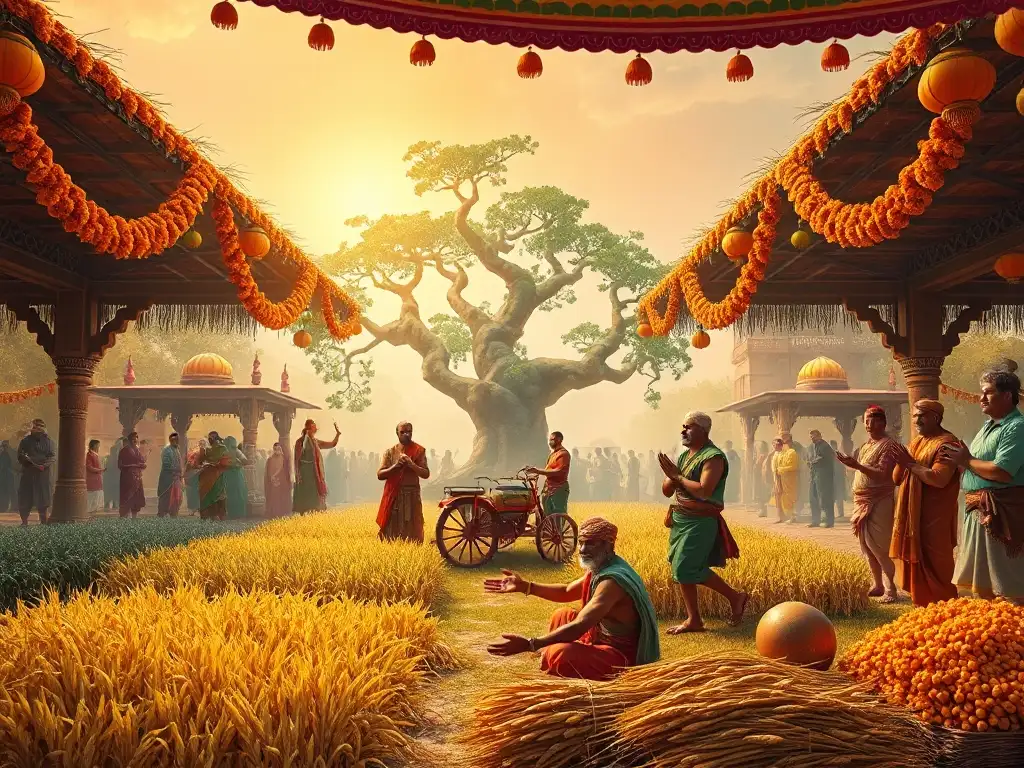
Throughout ancient India, various festivals have played a crucial role in promoting agricultural innovations. These celebrations not only marked seasonal changes but also served as platforms for sharing knowledge and techniques that enhanced farming practices. By examining specific case studies, we can better understand how these festivals influenced agricultural advancements and community resilience.
Case Study 1: Pongal and Its Impact on Rice Cultivation Techniques
Pongal, celebrated predominantly in Tamil Nadu, is a harvest festival that honors the sun god and the agricultural bounty. This festival occurs in January, coinciding with the end of the harvest season for rice. The celebration includes the preparation of a special dish made from newly harvested rice, showcasing the importance of this staple crop.
During Pongal, farmers traditionally engage in rituals that involve the blessing of their fields and tools. This practice not only reinforces the cultural significance of rice cultivation but also promotes innovative farming techniques. For instance, the festival has led to the adoption of advanced irrigation methods, such as the use of bunds (earthen embankments) to conserve water and prevent soil erosion. Furthermore, community gatherings during Pongal serve as opportunities for farmers to exchange knowledge about pest management and crop rotation, thereby enhancing rice yields and sustainability.
Case Study 2: Onam's Influence on Sustainable Farming Practices in Kerala
Onam, the harvest festival of Kerala, is deeply rooted in agricultural traditions and reflects the region's agrarian lifestyle. Celebrated in August or September, Onam marks the homecoming of the mythical King Mahabali and the harvest of rice, vegetables, and other crops. The festival emphasizes the importance of sustainable farming practices, which are critical in a state known for its diverse agriculture.
During Onam, elaborate feasts known as Onam Sadya are prepared using locally sourced ingredients, promoting the cultivation of indigenous crops. This dietary emphasis has encouraged farmers to adopt organic farming methods, reducing reliance on chemical fertilizers and pesticides. Additionally, the festival fosters a sense of community whereby farmers share insights on agroecological practices, such as intercropping and the use of traditional seeds. These exchanges have proven vital in maintaining soil health and enhancing biodiversity, leading to more resilient agricultural systems.
Analysis of Outcomes from Festival Influenced Agricultural Practices
The impact of festivals on agricultural practices in ancient India extends beyond the immediate celebration. The interactions and knowledge-sharing that occur during these events have led to significant innovations in farming techniques. Festivals like Pongal and Onam not only reinforce cultural identity but also facilitate the dissemination of agricultural knowledge, ultimately resulting in improved productivity and sustainability.
Data suggests that communities engaged in festival-related agricultural practices often experience enhanced crop yields and better soil management. The emphasis on local crops during festivals encourages biodiversity, which is essential for resilient farming systems. Furthermore, the communal aspect of these festivals strengthens social ties among farmers, fostering collaboration and innovation.
Conclusion on the Impact of Festivals on Agricultural Innovations
The intertwining of festivals and agricultural practices in ancient India highlights the critical role that cultural celebrations play in fostering agricultural innovations. By celebrating the harvest and the agrarian way of life, these festivals have become catalysts for knowledge exchange and the adoption of sustainable practices.
Summary of Key Points
- Festivals such as Pongal and Onam serve as platforms for the dissemination of agricultural innovations.
- The rituals associated with these festivals promote sustainable farming techniques and community collaboration.
- Seasonal celebrations encourage the cultivation of local crops and the adoption of organic practices, enhancing biodiversity and soil health.
Lasting Legacy of Festivals in Agricultural Development
The legacy of festivals in promoting agricultural innovations continues to influence contemporary farming practices in India. The cultural significance of these celebrations remains strong, as they instill pride in local agricultural traditions and encourage the next generation to engage in sustainable farming. This enduring connection between festivals and agriculture ensures that ancient practices are preserved while adapting to modern challenges.
Future Implications for Understanding Ancient Agricultural Practices
Studying the role of festivals in ancient agricultural practices offers valuable insights for contemporary agricultural development. Understanding how cultural celebrations fostered innovations can inspire current farmers to adopt similar practices that emphasize community involvement and sustainability. As societies face challenges such as climate change and food security, revisiting these ancient traditions may provide pathways to more resilient agricultural systems in the future.
References and Further Reading
Understanding the intricate relationship between festivals and agricultural innovations in ancient India requires delving into various scholarly resources. Here, we present a curated list of suggested readings and online resources that provide deeper insights into this fascinating aspect of ancient Indian civilization.
Suggested Books and Articles on Agriculture in Ancient India
-
"Agricultural Innovation in the Ancient World" by David W. Phillips
This book explores the technological advancements in agriculture, tracing their roots back to ancient civilizations, including India. It examines how festivals were intertwined with agricultural practices and innovations.
-
"The Cultivation of the Land: A Study of Agriculture in Ancient India" by Ramesh Chandra Dutta
Dutta's work provides a comprehensive overview of agricultural practices in ancient India, highlighting the role of seasonal festivals in marking agricultural cycles and promoting innovation.
-
"Festivals and the Agricultural Calendar in Ancient India" by Priya Sharma
This article discusses the significance of various festivals in the agricultural calendar and their influence on farming techniques and community participation.
-
"From Harvest to Tradition: The Role of Festivals in Agriculture" by Anjali Mehta
Mehta's research focuses on how festivals served as a catalyst for agricultural advancements and community unity, fostering a spirit of innovation and collaboration among farmers.
-
"The Agricultural Heritage of India: An Overview" by Shankar V. Rao
This book provides an extensive look into the agricultural history of India, emphasizing the innovations that emerged and the cultural practices that supported them, including festivals.
Notable Websites and Resources on Festivals and Agriculture
-
Ancient India Agricultural Practices Portal
A dedicated website that offers extensive resources on ancient Indian agriculture, including articles about the seasonal festivals and their impact on agricultural practices.
-
India's Cultural Heritage and Agricultural Innovations
This online resource provides articles and research papers discussing the intersection of culture and agriculture in India, showcasing how festivals have historically influenced agricultural innovation.
-
The Indian Festival Calendar: An Agricultural Perspective
This site features a detailed calendar of Indian festivals, highlighting the agricultural significance of each event and its historical context.
-
Cultural Practices and Agricultural Innovations in Ancient India
An educational platform that focuses on the role of cultural practices, including festivals, in shaping agricultural methods and innovations throughout Indian history.
-
Digital Archive of Ancient Indian Agriculture
This digital repository houses a wealth of documents, books, and articles related to ancient Indian agriculture, offering insights into the role of festivals in agricultural advancements.
These resources provide a foundation for understanding how festivals were not just cultural celebrations but also pivotal in promoting agricultural innovations in ancient India.
- Introduction to Festivals and Agriculture in Ancient India
- Overview of Major Festivals in Ancient India
- Significance of Agriculture in Ancient Indian Society
- Relationship Between Festivals and Agricultural Practices
- Historical Context of Agricultural Innovations
- Major Festivals Celebrating Agriculture
- Harvest Festivals and Their Importance
- Other Festivals Promoting Agricultural Practices
- Festivals as Catalysts for Agricultural Innovations
- Community Engagement Through Festivals
- Innovations Inspired by Festival Practices
- Case Studies of Agricultural Innovations Linked to Festivals
- Conclusion on the Impact of Festivals on Agricultural Innovations
- References and Further Reading
- What were the main festivals related to agriculture in ancient India?
- How did festivals contribute to agricultural innovations?
- What role did religion play in agricultural festivals?
- Were there specific rituals associated with these festivals?
- How did seasonal changes influence festival celebrations?
Frequently Asked Questions
Many festivals like Pongal, Makar Sankranti, and Baisakhi were celebrated to mark the harvest season and express gratitude for the agricultural bounty.
How did festivals contribute to agricultural innovations?
Festivals served as a platform for sharing knowledge and practices related to farming, thereby promoting innovations in agricultural techniques among the community.
What role did religion play in agricultural festivals?
Religious beliefs were intertwined with agriculture; many festivals were dedicated to deities believed to influence the fertility of the land and the success of crops.
Were there specific rituals associated with these festivals?
Yes, each festival involved specific rituals and ceremonies designed to ensure good harvests, such as offering prayers and performing traditional dances to honor the agricultural deities.
How did seasonal changes influence festival celebrations?
Seasonal changes directly affected the timing of festivals, as they were often celebrated at the end of the harvest season or to welcome the planting season, aligning agricultural activities with cultural practices.
Final Reflection: Celebrating the Synergy of Festivals and Agriculture in Ancient India
The intricate relationship between festivals and agriculture in ancient India underscores the profound impact of cultural practices on agricultural innovations. Today, as we navigate the complexities of modern agriculture and its sustainability, we can draw inspiration from the vibrant traditions that once flourished in our past. The festivals of ancient India were not merely celebrations; they were vital catalysts for agricultural progress, fostering community engagement and knowledge sharing. This connection between festivity and farming is a testament to how culture can drive innovation and resilience in the face of challenges.
Clearly, the legacy of these festivals continues to shape our cultural and social landscape today. The rituals and celebrations that honored the agricultural cycle instilled a sense of unity and purpose among communities, emphasizing the importance of collaboration and innovation in farming practices. As we reflect on this historical context, we can appreciate how these traditions have laid the groundwork for contemporary agricultural practices. Tradition is not the worship of ashes, but the preservation of fire.
This quote resonates deeply as we consider how the spirit of these ancient festivals can inspire modern agricultural advancements and community cohesion.
As we move forward, I invite you to reflect on the lessons embedded in the rich tapestry of festivals and agriculture in ancient India. How can we integrate the spirit of these celebrations into our current agricultural practices? Let us honor the past by fostering a sense of community and innovation in our own lives, ensuring that the legacy of these festivals continues to inspire sustainable agricultural practices for generations to come. Embrace the opportunity to celebrate not just the harvest, but the collective knowledge and creativity that drives us toward a more sustainable future.
Celebrate Innovation: Embrace the Legacy of Ancient Agricultural Festivals!
Thank you for taking the time to delve into the vibrant world of agricultural innovations in ancient India! We hope you discovered the fascinating ways festivals not only showcased these advancements but also fostered community and tradition. Now it's time to keep this exploration alive and take meaningful action!
Here are a few ways you can honor this rich legacy and engage with the topic further:
- Join a local agricultural event or festival to experience firsthand how these traditions influence modern practices—and connect with fellow enthusiasts!
- Share your insights with friends or on social media to spark conversations about the importance of cultural traditions in promoting agriculture.
- Continue your exploration by reading literature on agricultural practices in ancient cultures; you might uncover surprising insights!
What’s your favorite festival that celebrates agriculture, and how do you think it impacts our modern approach to farming and sustainability?