
The Technological Advancements in Ancient Indian Sericulture

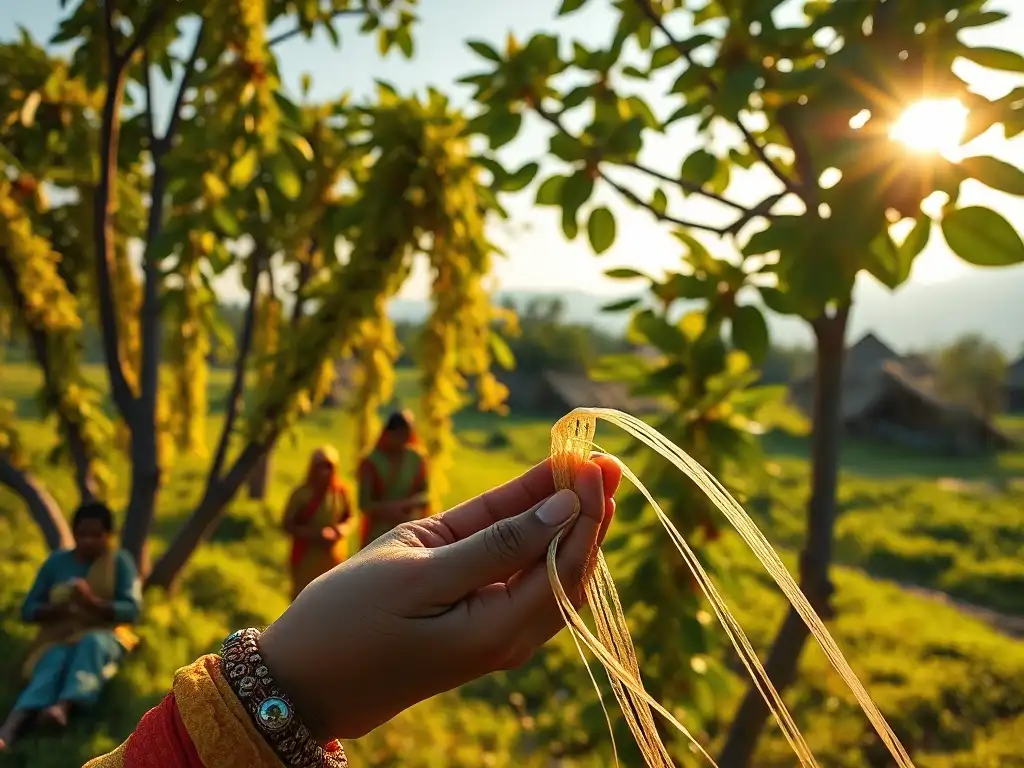
Welcome to Ancient India History, where we embark on a fascinating journey through the rich tapestry of ancient Indian civilizations. In this exploration, we delve into the technological advancements in ancient Indian sericulture techniques, revealing how these innovative practices played a pivotal role in shaping the culture and economy of the time. Discover the secrets behind the silk trade that once flourished across the subcontinent and how these age-old methods continue to influence modern practices. As you navigate through our content, prepare to uncover the remarkable contributions of ancient India that resonate even today!
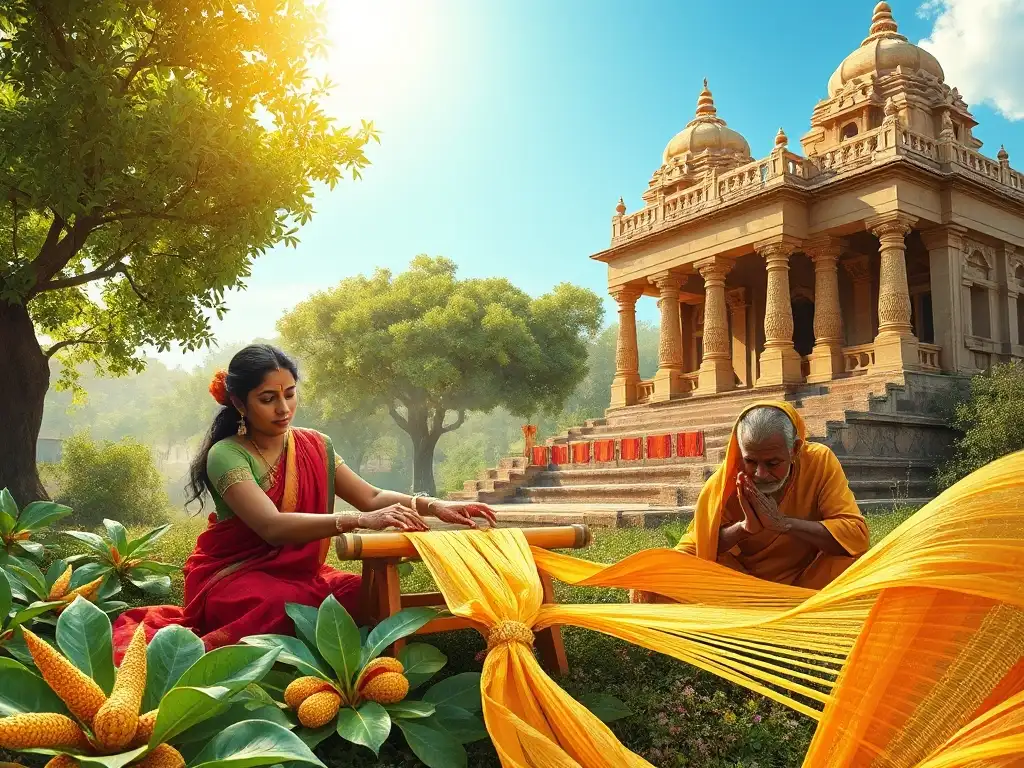
Introduction to Ancient Indian Sericulture Techniques
The rich tapestry of ancient Indian civilization is woven with remarkable advancements in various fields, one of which is sericulture—the cultivation of silkworms for silk production. Ancient Indian sericulture techniques played a pivotal role in shaping not only the economy but also the cultural identity of the region. This article delves into the intricate methodologies employed in ancient times, exploring how India became synonymous with silk and the innovations that emerged from its practices. As we unravel this fascinating subject, we will gain insights into the agricultural innovations that marked sericulture and its lasting impact on society.
Overview of Sericulture in Ancient India
Sericulture in ancient India was an intricate process that involved the rearing of silkworms, primarily the Bombyx mori, which fed on mulberry leaves. The practice can be traced back to the Indus Valley Civilization, where evidence suggests the early stages of silk production. Over the centuries, various techniques evolved, reflecting the ingenuity and resourcefulness of ancient Indian farmers.
- Key Techniques:
- Rearing of Silkworms: Farmers would create controlled environments to optimize the growth of silkworms.
- Harvesting Silk: The process of unwinding silk from cocoons required precision and skill.
- Dyeing and Weaving: Techniques for dyeing silk with natural colors and weaving them into exquisite textiles were highly developed.
Importance of Silk in Ancient Indian Culture
Silk was not merely a fabric; it was a symbol of wealth, status, and craftsmanship in ancient India. The demand for silk extended beyond local borders, establishing trade routes with regions such as China and Persia. This luxurious material found its way into the wardrobes of royalty and was often used in religious ceremonies and festivals.
- Cultural Significance:
- Religious Artifacts: Silk was used in creating garments for deities and ceremonial occasions.
- Trade and Economy: The export of silk contributed significantly to the economic prosperity of ancient kingdoms.
- Social Hierarchy: The possession of silk garments was a marker of social status among the elite.
Historical Context of Sericulture in Ancient India
To fully appreciate the advancements in sericulture, it is essential to examine its historical context within ancient Indian civilization. The origins and evolution of sericulture reflect the broader agricultural and technological developments during critical periods.
Origins of Sericulture in the Indus Valley Civilization
The Indus Valley Civilization, flourishing around 2500 BCE, is often credited with the initial cultivation of silk. Archaeological findings indicate the presence of silkworm cocoons and tools used in silk production. This period marked the beginning of a sophisticated understanding of sericulture, laying the groundwork for future innovations.
- Key Findings:
- Artifacts: Excavations have uncovered silk remnants and related tools.
- Trade Networks: The civilization established trade links that facilitated the exchange of silk.
Development through the Maurya and Gupta Empires
As ancient Indian empires expanded, so did the techniques of sericulture. The Maurya Empire (322-185 BCE) and the Gupta Empire (c. 240-550 CE) saw significant advancements in agricultural practices, including sericulture. Innovations during this time included improved methods for cocoon production and silk refinement techniques.
- Technological Innovations:
- Improved Rearing Techniques: Enhanced knowledge of silkworm life cycles led to better yields.
- Refinement of Silk: Advances in dyeing processes and weaving techniques elevated the quality of silk textiles.
These developments not only enriched the cultural landscape of ancient India but also solidified its position as a global leader in silk production, influencing trade and cultural exchanges for centuries to come.
Key Techniques in Ancient Indian Sericulture
Ancient Indian sericulture was characterized by a remarkable array of techniques that contributed to the production of high-quality silk. The primary focus was on the cultivation of mulberry trees, which served as the main food source for silkworms. The sericulture process encompassed several stages, including the rearing of silkworms, cocoon harvesting, and silk extraction.
Traditional Methods of Silk Production
Traditional silk production in ancient India involved several key steps. Initially, the silkworms, primarily Bombyx mori, were bred on mulberry leaves. Farmers practiced meticulous care in selecting healthy larvae and maintaining optimal environmental conditions for their growth. Once the silkworms reached maturity, they spun cocoons, which were carefully harvested.
The harvesting process required a delicate touch; farmers would often tie the cocoons in bundles to protect them during the boiling process, which was essential for extracting silk fibers. This method ensured that the fibers remained intact, allowing for the creation of strong and luxurious silk threads. The use of natural dyes for coloring silk was also prevalent, with various plants and minerals used to achieve vibrant hues.
Innovations in Cocoon Harvesting Techniques
Innovations in cocoon harvesting techniques played a pivotal role in enhancing silk production. Ancient Indian artisans developed specialized tools to facilitate the cocoon collection process, ensuring minimal damage to the delicate cocoons. Techniques such as the use of bamboo baskets for transporting cocoons safely to the boiling stations were common.
Additionally, the introduction of improved boiling methods helped in the extraction of silk fibers without compromising their quality. The practice of soaking the cocoons in water infused with natural ingredients not only facilitated easier extraction but also contributed to the silk's luster. These advancements ensured that ancient Indian sericulture remained competitive and efficient.
Advances in Dyeing and Weaving Practices
The art of dyeing and weaving in ancient Indian sericulture underwent significant advancements that elevated the status of Indian silk in global markets. Artisans utilized a variety of natural dyes derived from plants, insects, and minerals to create rich colors that were both vibrant and long-lasting. Techniques such as resist dyeing and tie-dyeing were mastered, allowing for intricate patterns to be woven into the fabric.
Weaving techniques also evolved, with the introduction of looms that enabled the production of complex designs and textures. The integration of motifs inspired by nature and mythology added a unique cultural dimension to the silk produced. This emphasis on artistry not only enhanced the aesthetic appeal of Indian silk but also established a reputation for quality craftsmanship.
The Role of Sericulture in Ancient Indian Economy
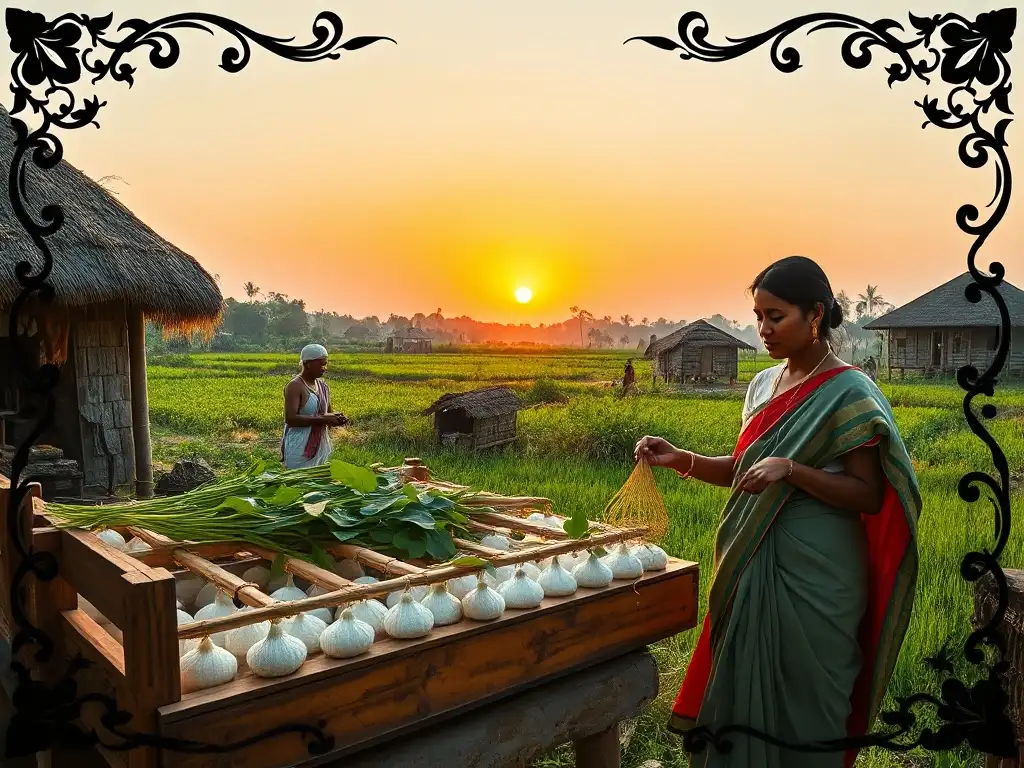
Sericulture was not merely an agricultural practice but a significant contributor to the ancient Indian economy. The silk trade became a vital part of local and international commerce, establishing India as a key player in the global silk market.
Economic Impact of Silk Trade Routes
The flourishing silk trade routes, including the Silk Road, facilitated the exchange of silk and other goods between India and various regions, including China, Persia, and the Mediterranean. This trade brought substantial wealth to ancient Indian cities and fostered cultural exchanges. Merchants specialized in silk, which became a symbol of status and luxury, further enhancing its economic importance.
The economic impact of sericulture extended beyond trade; it created jobs for thousands of people involved in various stages of silk production, from mulberry cultivation to weaving. This employment contributed to the overall prosperity of local communities and the growth of urban centers.
Sericulture and Agricultural Practices in Ancient India
Sericulture was intricately linked to agricultural practices in ancient India. The cultivation of mulberry trees required specific agronomic knowledge, including soil management and irrigation techniques. Farmers often practiced crop rotation and polyculture to maintain soil fertility, which indirectly supported silk production.
Moreover, sericulture had a symbiotic relationship with other agricultural sectors. The waste generated from silk production, such as silkworm frass, was utilized as organic fertilizer, enriching the soil for subsequent crops. This holistic integration of sericulture into the broader agricultural framework exemplified the advanced understanding of sustainable practices among ancient Indian civilizations.
The technological advancements in ancient Indian sericulture not only transformed the silk industry but also played a crucial role in shaping the economic landscape of the time. The traditional methods, innovations, and economic contributions highlight the significance of sericulture in ancient Indian history.
Cultural Significance of Silk in Ancient India
Silk has played a pivotal role in shaping the cultural and economic landscape of ancient India. Its production and use were deeply intertwined with the social customs, trade practices, and artistic expressions of the time. The ancient Indians revered silk not only for its luxurious texture and aesthetic appeal but also for its association with wealth and status. The intricate patterns and vibrant colors of silk garments often represented the artisan's skill and cultural heritage.
In addition to its aesthetic value, silk was a symbol of spiritual significance. Many ancient texts, including the Vedas and Puranas, mention silk in relation to rituals and offerings. The fabric was frequently used in saris, turbans, and other garments worn during important religious ceremonies. This connection emphasized the fabric's role in both material and spiritual realms, reinforcing its importance in everyday life as well as in sacred contexts.
Silk in Religious and Ceremonial Contexts
Silk's presence in religious and ceremonial contexts in ancient India is notable. It was often used to create garments for deities, enhancing the divine aura associated with worship. Temples and religious ceremonies frequently featured silk textiles, which were offered to gods and goddesses as a mark of respect and devotion. The intricate designs and colors of silk garments were believed to please the deities, making silk an essential element in the ritualistic practices of the time.
Moreover, silk was integral to various rites of passage, such as weddings and festivals. For instance, during weddings, brides adorned themselves in richly embroidered silk saris, symbolizing prosperity and good fortune. Festivals like Diwali and Makar Sankranti also celebrated the tradition of wearing new silk garments, underscoring the fabric's association with joy and celebration. This cultural embedding of silk not only highlights the fabric's practical uses but also reflects the values and beliefs of ancient Indian society.
Influence on Ancient Indian Textiles and Fashion
The impact of silk on ancient Indian textiles and fashion cannot be overstated. As a luxury fabric, silk influenced the development of various textile techniques and styles across regions. The art of silk weaving led to the emergence of distinct regional styles, such as Banarasi, Kanjivaram, and Mysore silk, each characterized by unique motifs, weaves, and colors. These regional specialties contributed to the rich tapestry of Indian textiles that continue to be celebrated today.
Fashion trends in ancient India were significantly shaped by silk, as it became a preferred fabric for the elite and aristocracy. The use of silk not only denoted social status but also inspired innovations in textile design and craftsmanship. Artisans began to experiment with different weaving techniques, integrating intricate patterns and embellishments to create stunning silk garments. This ongoing evolution in silk production not only enriched the fashion landscape but also established a legacy of textile artistry that resonates with contemporary practices.
Comparison of Ancient Indian Sericulture Techniques with Other Cultures
The sericulture techniques developed in ancient India can be compared with those of other cultures, particularly in how they adapted to local conditions and cultural preferences. Understanding these differences and similarities provides insight into the global evolution of sericulture and its significance in various societies.
Sericulture Techniques in China vs. India
China is often credited with the earliest development of sericulture, with records indicating that silk production began around 2700 BCE. The Chinese employed meticulous methods, including the cultivation of mulberry trees, which are essential for feeding silkworms. Their practices emphasized secrecy, and for centuries, the Chinese maintained a monopoly on silk production, leading to the famous Silk Road trade routes.
In contrast, ancient Indian sericulture techniques, while influenced by Chinese methods, evolved uniquely due to India's diverse climatic and agricultural conditions. Indian sericulturists cultivated various types of silkworms, including the indigenous Bombyx mori, adapting their practices to suit local environments. This led to the development of distinctive silk varieties and weaving styles that reflected regional tastes and traditions. While both cultures valued silk highly, India's approach was marked by a more open exchange of ideas, resulting in diverse textile arts that showcased local craftsmanship.
Innovations in Japan's Sericulture Practices
Japan's sericulture practices also provide an interesting comparison. Like India, Japan has a long history of silk production, with techniques dating back to the 3rd century CE. However, Japanese sericulture evolved with a focus on specific aesthetic principles, such as simplicity and elegance. The Japanese developed unique methods, including the production of tsumugi, a hand-woven silk fabric that reflects their cultural inclination towards understated beauty.
Innovations in Japan's sericulture included the use of natural dyes and techniques that enhanced the fabric's texture and durability. While Japanese silk production was influenced by Chinese techniques, it eventually took on a distinct identity, emphasizing artisanal craftsmanship and minimalism. This focus on quality over quantity led to the establishment of Japan as a key player in the global silk market, showcasing how cultural values can shape technological advancements in sericulture.
Through these comparisons, it becomes clear that while ancient Indian sericulture shared common threads with other cultures, it also carved its own niche, contributing significantly to the global narrative of silk production and innovation.
Challenges Faced by Ancient Indian Sericulturists
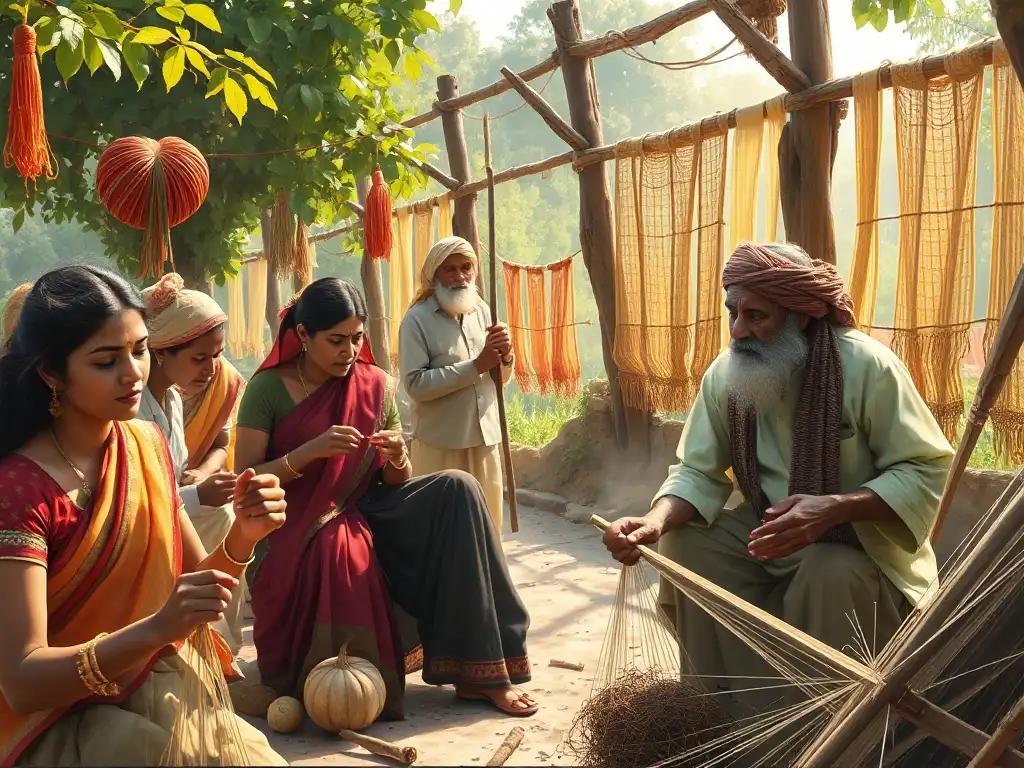
Ancient Indian sericulturists encountered a variety of challenges that affected their ability to produce silk efficiently and sustainably. These challenges ranged from environmental conditions to economic hurdles and trade barriers, all of which played a significant role in shaping the practices and advancements in sericulture during that period.
Environmental Factors Affecting Silk Production
The production of silk was heavily dependent on specific environmental conditions. Key factors included:
- Climate Variability: The climate in various regions of India, particularly in areas like the Deccan Plateau and the Eastern Himalayas, had a direct impact on the cultivation of mulberry trees, which are essential for feeding silkworms. Changes in temperature and humidity levels could either enhance or inhibit silk production.
- Soil Quality: The fertility of the soil was crucial for the growth of mulberry plants. Poor soil quality could lead to inadequate nourishment for the silkworms, ultimately affecting the yield and quality of silk produced.
- Pest Infestation: Sericulturists had to deal with pests that not only affected mulberry crops but also threatened silkworms. Managing these pests required knowledge and skill, often leading to additional labor and resources being devoted to pest control measures.
Economic and Trade Challenges
Economic factors also posed significant challenges for ancient Indian sericulturists:
- Market Access: Ancient sericulturists often faced difficulties in accessing broader markets to sell their silk. Limited transportation and communication infrastructure hindered their ability to reach distant buyers.
- Competition: There was fierce competition from other regions known for silk production, such as China. This competition often drove prices down, making it challenging for Indian silk producers to maintain profitability.
- Resource Allocation: The allocation of resources between sericulture and other agricultural practices was a constant juggling act. During periods of drought or crop failure, sericulturists had to prioritize food crops over silk production, which could lead to a decline in silk output.
Conclusion: Legacy of Ancient Indian Sericulture Techniques
The techniques developed by ancient Indian sericulturists have left an enduring legacy that continues to influence modern practices. Their innovations and responses to challenges have laid the groundwork for contemporary sericulture in India and beyond.
Lasting Impact on Modern Sericulture
Ancient Indian sericulture techniques have had a lasting impact on modern practices. Techniques such as:
- Selective Breeding: The practice of selectively breeding silkworms to enhance silk quality and yield has roots in ancient practices. These methods have been refined over time but remain fundamentally similar to those used by ancient sericulturists.
- Sustainable Practices: The emphasis on sustainable practices, including the use of organic fertilizers and natural pest control methods, can be traced back to ancient traditions that prioritized ecological balance.
- Cultural Significance: The cultural and economic importance of silk in ancient India has persisted, with silk still being a symbol of luxury and a critical component of the Indian textile industry.
Preservation of Ancient Practices in Contemporary India
In contemporary India, there is a concerted effort to preserve ancient sericulture practices. Initiatives include:
- Revival Programs: Government and non-governmental organizations are working to revive traditional sericulture methods, promoting them among new generations of farmers.
- Education and Training: Workshops and training sessions are being held to educate farmers on ancient techniques, ensuring that valuable traditional knowledge is not lost.
- Cultural Festivals: Cultural events that celebrate silk production and its significance in Indian history help to foster a renewed interest in traditional sericulture practices.
The challenges faced by ancient Indian sericulturists have shaped the rich tapestry of silk production in India, influencing modern practices and ensuring that the legacy of their techniques continues to thrive.
References and Further Reading
The study of ancient Indian sericulture techniques reveals a rich tapestry of agricultural innovations that have shaped the silk industry over millennia. To delve deeper into this fascinating subject, several key texts and articles provide a wealth of information. Below are some curated resources that will enhance your understanding of the technological advancements in ancient Indian sericulture.
Key Texts on Ancient Indian Sericulture
-
"Silk and Sericulture in Ancient India" by Dr. R. K. Sharma
This comprehensive book explores the history of sericulture in India, detailing the methods used, the significance of silk in trade, and the cultural implications of silk production throughout the ages. It serves as an essential resource for understanding the intricacies of ancient Indian sericulture techniques.
-
"The Art of Weaving: An Overview of Ancient Indian Textile Techniques" by Meera Gupta
Focusing on the broader context of textile production, this text provides insights into sericulture as part of the textile industry. Gupta discusses the various weaving techniques and their evolution, highlighting the role of silk as a luxury commodity in ancient Indian society.
-
"Agricultural Innovations in Ancient India" by Prof. Anil Kumar
This book covers various agricultural practices, including sericulture, detailing the innovations that contributed to the sustainability of ancient Indian farming. It provides a thorough analysis of the techniques and their impacts on society and economy.
Suggested Articles for Further Exploration
-
"The Role of Silk in Ancient Indian Trade Networks"
This article examines how sericulture contributed to trade routes and economic exchanges, showcasing its importance as a commodity that connected India with other civilizations.
-
"Cultural Significance of Silk in Ancient Indian Rituals"
This piece highlights the symbolic value of silk in various cultural practices and rituals, illustrating how sericulture was intertwined with religious and social customs.
-
"Innovations in Sericulture: Techniques Used in Ancient India"
A detailed exploration of the specific techniques employed in sericulture, this article breaks down the processes from cultivation to harvesting, providing a clear picture of ancient practices.
These resources collectively offer a well-rounded perspective on ancient Indian sericulture techniques and their importance in the agricultural innovations of the time. Exploring these texts and articles will enrich your understanding of this pivotal aspect of ancient Indian history.
- Introduction to Ancient Indian Sericulture Techniques
- Historical Context of Sericulture in Ancient India
- Key Techniques in Ancient Indian Sericulture
- The Role of Sericulture in Ancient Indian Economy
- Cultural Significance of Silk in Ancient India
- Comparison of Ancient Indian Sericulture Techniques with Other Cultures
- Challenges Faced by Ancient Indian Sericulturists
- Conclusion: Legacy of Ancient Indian Sericulture Techniques
- References and Further Reading
- What is sericulture in the context of ancient India?
- What were some key techniques used in ancient Indian sericulture?
- How did ancient Indian sericulture contribute to the economy?
- Which regions in ancient India were known for sericulture?
- How did ancient Indian sericulture influence modern practices?
Frequently Asked Questions
What is sericulture in the context of ancient India?
Sericulture refers to the cultivation of silkworms for silk production. In ancient India, it was a significant economic activity, showcasing advanced techniques and a deep understanding of silk production processes.
What were some key techniques used in ancient Indian sericulture?
Ancient Indian sericulture involved methods like mulberry cultivation, careful selection of silkworm breeds, and sophisticated processes for harvesting and reeling silk, reflecting the technological advancements of the time.
How did ancient Indian sericulture contribute to the economy?
The silk industry was a key driver of trade in ancient India, with silk being a highly sought-after commodity. This contributed to the wealth and prosperity of various kingdoms, enhancing their cultural exchanges.
Which regions in ancient India were known for sericulture?
Regions like Karnataka, Andhra Pradesh, and parts of Tamil Nadu were renowned for their sericulture practices. These areas developed unique techniques that influenced silk production both locally and in international markets.
How did ancient Indian sericulture influence modern practices?
The traditions and techniques of ancient Indian sericulture have laid the foundation for modern practices. Many contemporary methods can be traced back to these ancient innovations, highlighting a continuity in cultural heritage.
Final Reflection: Embracing the Legacy of Ancient Indian Sericulture Techniques
The exploration of ancient Indian sericulture techniques reveals a profound connection between tradition and innovation that remains relevant today. As we navigate a world increasingly defined by rapid technological advancements, the wisdom embedded in these age-old practices offers invaluable insights into sustainable living and craftsmanship. The intricate methods developed by our ancestors not only highlight their ingenuity but also serve as a reminder of the importance of preserving heritage in the face of modernity.
The impact of these ancient techniques extends beyond mere historical significance; they continue to shape our cultural and social landscapes. The revival of interest in traditional crafts and sustainable practices reflects a growing awareness of the need to honor our roots while adapting to contemporary challenges. As Mahatma Gandhi once said, "> The best way to find yourself is to lose yourself in the service of others." This sentiment resonates deeply within the realm of sericulture, where the dedication to craftsmanship and community welfare fosters a sense of belonging and purpose.
As we reflect on the lessons gleaned from ancient Indian sericulture techniques, let us commit to integrating these values into our daily lives. Consider how you can embrace sustainability, support local artisans, and honor the traditions that have shaped our world. By doing so, we not only pay homage to our ancestors but also pave the way for a future that values both innovation and heritage. Together, let us weave a tapestry of progress that celebrates the past while nurturing the promise of tomorrow.
Embrace the Magic of Ancient Sericulture!
Thank you for diving into the world of ancient Indian sericulture with us! Your interest in this fascinating topic highlights the rich heritage and technological advancements that have shaped textile practices through the ages. Now, it's time to take the next step and explore this captivating field further!
- Dive into Research: Explore reputable books or articles on ancient Indian textiles and sericulture. You may uncover new insights and appreciate the intricacies of this timeless craft.
- Visit a Sericulture Center: If possible, plan a visit to a local silk farm or weaving center. Witnessing the process firsthand can deepen your understanding and appreciation of these techniques.
- Share Your Knowledge: Discuss what you've learned with friends or family. Spark conversations about ancient practices in textiles and encourage others to appreciate our cultural heritage.
What fascinates you most about the ancient methods of sericulture, and how might you incorporate these timeless techniques into today’s world?