
The Role of Trade in Fostering Diplomacy in Ancient India

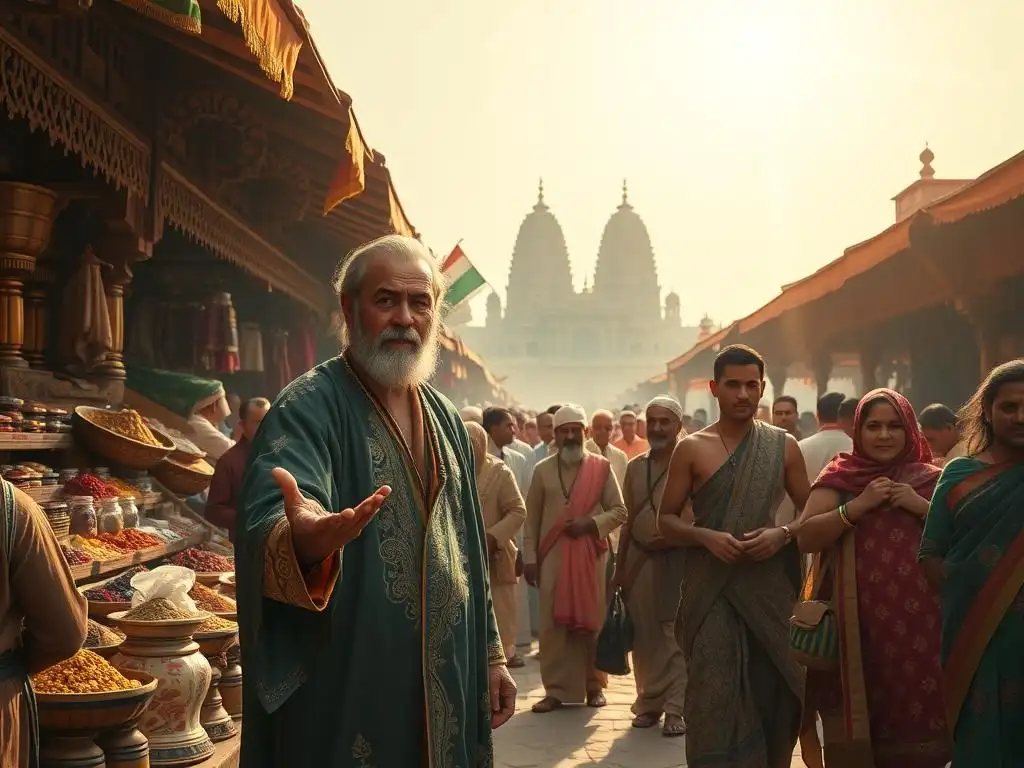
Welcome to Ancient India History, where we embark on a fascinating journey through the rich tapestry of India's past. In this exploration, we delve into the intricate web of trade and diplomacy in ancient India, uncovering how thriving commerce not only enriched civilizations but also forged powerful alliances. What secrets did the bustling markets and diplomatic envoys hold?
Join us as we unravel the remarkable interplay of trade and diplomacy, illuminating the profound impact these elements had on the rise of empires from the Indus Valley to the Gupta era. Dive deeper and discover how ancient trade routes shaped not just economies but the very fabric of society!

Trade has long been recognized as a pivotal element in fostering diplomatic relationships, and ancient India serves as a prominent example of this dynamic interplay. From the bustling markets of the Indus Valley to the thriving trade cities during the Gupta Empire, the intricate web of trade routes not only facilitated the exchange of goods but also served as a conduit for cultural and diplomatic interactions.
This article delves into the significance of Trade and Diplomacy in Ancient India, exploring how commerce shaped international relations and contributed to the stability and prosperity of ancient Indian civilizations. By examining historical contexts, trade routes, and key partners, we aim to uncover the profound influence of trade on diplomacy throughout ancient India’s rich history.
Introduction to Trade and Diplomacy in Ancient India
Trade in ancient India was not merely an economic activity; it was deeply intertwined with the political and social fabric of the time. Merchants and traders often acted as informal diplomats, establishing relationships that transcended borders and cultures. As goods traveled along the extensive trade networks connecting India to regions such as the Mediterranean, Southeast Asia, and the Middle East, they brought with them not only commodities but also ideas, technologies, and cultural practices. This exchange fostered a unique atmosphere of mutual respect and understanding, enhancing diplomatic relations among various civilizations.
Understanding Trade as a Diplomatic Tool
Trade acted as a diplomatic tool in several ways, including:
- Cultural Exchange: The flow of goods facilitated the sharing of cultural and religious practices, which helped build rapport among diverse societies.
- Political Alliances: Strategic trade agreements often led to stronger political alliances, as nations recognized the benefits of cooperative economic policies.
- Economic Interdependence: As nations became economically intertwined, the consequences of conflict often discouraged warfare, promoting peace.
Through these mechanisms, trade emerged as a vital avenue for diplomacy, helping to navigate the complexities of ancient geopolitical landscapes.
Importance of Trade in Ancient Indian Civilization
The importance of trade in ancient Indian civilization cannot be overstated. It contributed significantly to:
- Economic Prosperity: Trade routes enabled the export of valuable goods like spices, textiles, and gemstones, enriching local economies.
- Urban Development: Trade hubs such as Taxila and Pataliputra flourished, leading to the growth of cities and urban centers.
- Cultural Development: The influx of foreign goods and ideas spurred artistic and intellectual advancements, fostering a rich cultural heritage.
Moreover, the wealth generated through trade allowed for the patronage of arts, literature, and science, further solidifying the legacy of ancient India.
Historical Context of Trade in Ancient India
To understand the role of trade in diplomacy, one must first appreciate the historical context in which these interactions occurred. Ancient India was situated at the crossroads of major trade routes, which played a crucial role in connecting it to various global civilizations.
Major Trade Routes and Their Impact
The major trade routes that influenced ancient India included:
- Silk Route: Connecting India to Central Asia and China, facilitating the exchange of silk, spices, and precious metals.
- Maritime Trade Routes: Linking India to the Arabian Sea and the Indian Ocean, allowing for the exchange of goods with Africa, the Middle East, and Southeast Asia.
These routes were not only vital for commerce but also served as pathways for the dissemination of ideas, religions, and cultural practices, reinforcing diplomatic ties.
Key Trade Partners of Ancient India
Ancient India engaged with numerous trade partners, including:
- Roman Empire: Trade with Rome brought wealth and luxury goods into India, fostering diplomatic relations.
- Persian Empire: The exchange of goods and ideas with Persia led to cultural assimilation and political alliances.
- Southeast Asian Kingdoms: Trade with regions like Southeast Asia resulted in the spread of Hinduism and Buddhism, enhancing India's influence abroad.
These relationships illustrate how trade was instrumental in shaping ancient India's diplomatic landscape, reinforcing its status as a significant player in global commerce and politics.
Types of Goods Traded and Their Significance
Trade played a pivotal role in connecting ancient Indian civilizations with the wider world, fostering not only economic prosperity but also diplomatic relations. The types of goods exchanged were significant indicators of cultural exchanges and political alliances. From the bustling markets of the Indus Valley to the vibrant trade routes of the Gupta Empire, various commodities were traded that held immense value for both domestic and international markets. The significance of these goods extended beyond mere economic transactions; they were also symbols of power, culture, and diplomatic engagement.
Exported Goods: Spices, Textiles, and Gems
India was renowned for its diverse and high-quality exports, particularly spices, textiles, and gems.
- Spices: The subcontinent was often referred to as the "land of spices," with products like black pepper, cardamom, and cinnamon being highly sought after in markets across the Mediterranean and beyond. The demand for Indian spices not only enriched local economies but also established trade routes that facilitated cultural exchanges and diplomatic ties with various empires.
- Textiles: Indian textiles, especially silk and cotton, were prized for their quality and intricate designs. The production of fine fabrics like muslin and brocade became synonymous with Indian craftsmanship. These textiles were not just trade items; they were also gifts exchanged among rulers, strengthening diplomatic relations and showcasing India's artistic heritage.
- Gems: India was a significant source of precious and semi-precious stones, including diamonds, rubies, and emeralds. The gem trade attracted traders from various regions, leading to the establishment of trade networks that enhanced India’s influence in international markets. The value of these gems made them important diplomatic gifts that could signify allegiance and goodwill.
Imported Goods: Metals, Horses, and Luxury Items
In addition to its exports, India also engaged in the import of various essential goods that contributed to its economic and military strength.
- Metals: The import of metals such as gold, silver, and copper was crucial for the development of coinage and the expansion of trade. These metals were not only used for currency but also for crafting jewelry and ceremonial items, which played a role in diplomatic gifts and exchanges.
- Horses: Known for their superior quality, horses were imported from regions like Central Asia and Persia. They were essential for military purposes and the establishment of power. The acquisition of horses often led to diplomatic negotiations and alliances, as many rulers sought to enhance their military capabilities through superior cavalry.
- Luxury Items: Items such as glassware, fine ceramics, and exotic foods were imported as symbols of wealth and sophistication. These luxury goods were often used in the courts of Indian kings, highlighting the cultural exchanges that occurred through trade and enhancing diplomatic relations with foreign powers.
Trade and Diplomatic Relations
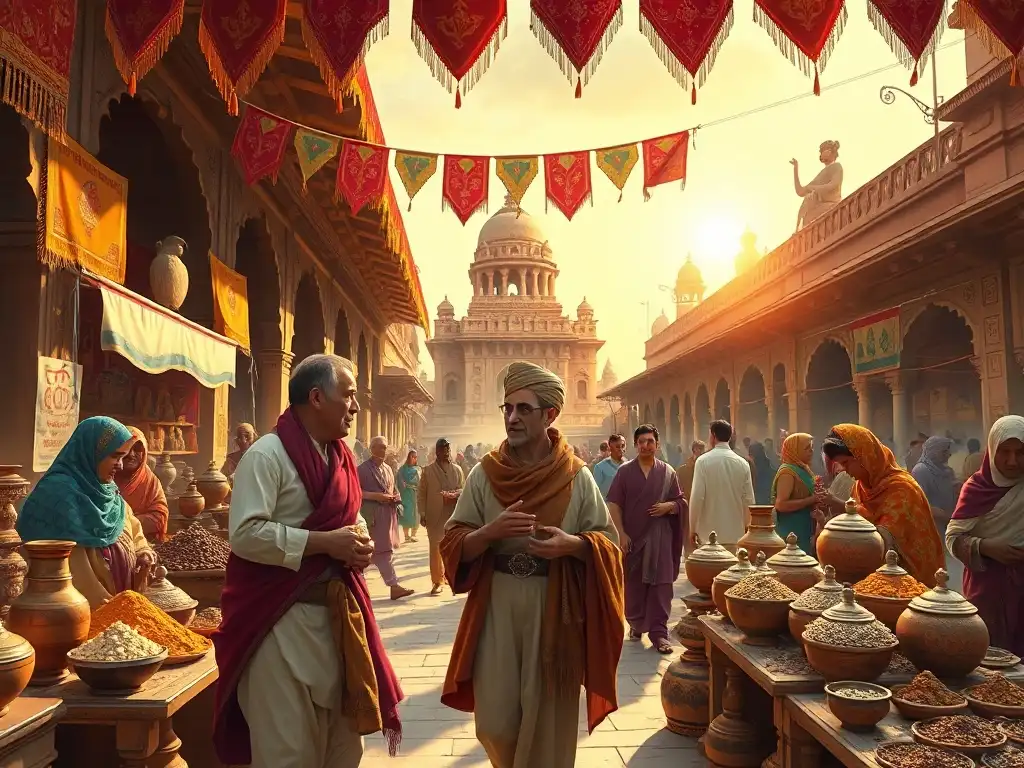
The intricate web of trade in ancient India significantly influenced diplomatic relations, with merchants often acting as intermediaries between different cultures and political entities. The exchange of goods was not merely an economic activity; it was a vital component of maintaining peace and fostering alliances.
Role of Merchants in Diplomacy
Merchants in ancient India played a crucial role beyond their commercial activities. They were often well-traveled individuals who possessed knowledge of various cultures, languages, and customs, making them ideal intermediaries in diplomatic negotiations.
- Cultural Ambassadors: Merchants frequently acted as informal ambassadors, fostering goodwill through the exchange of goods and cultural practices. Their interactions with foreign traders helped to establish mutual respect and understanding, paving the way for more formal diplomatic initiatives.
- Information Brokers: With their extensive networks, merchants could gather and disseminate valuable information about political climates and trade opportunities. This information was essential for rulers seeking to navigate the complex landscape of diplomacy and trade, allowing them to make informed decisions regarding alliances and treaties.
Trade Agreements and Their Implications
Trade agreements in ancient India were significant for establishing economic and diplomatic ties between different regions and cultures. These agreements often had far-reaching implications.
- Political Alliances: Trade agreements frequently served as a foundation for political alliances. By entering into mutually beneficial trade deals, states could solidify their relationships and ensure economic stability. For instance, the exchange of goods often accompanied treaties that formalized alliances or peace between warring states.
- Economic Impact: Such agreements not only boosted trade but also enhanced local economies and fostered urban development. The prosperity generated from trade often led to increased investment in infrastructure, such as roads and ports, which further facilitated both commerce and diplomacy.
The role of trade in fostering diplomacy in ancient India was multifaceted, encompassing the exchange of valuable goods, the influence of merchants as cultural ambassadors, and the establishment of trade agreements that solidified political alliances. The intricate relationships formed through trade significantly shaped the diplomatic landscape of ancient Indian civilizations, highlighting the interconnectedness of commerce and statecraft.
The Influence of Trade on Cultural Exchange
Trade in ancient India served as a powerful catalyst for cultural exchange, enabling the flow of not just goods, but also ideas, practices, and innovations across regions. The extensive trade routes, whether overland via the Silk Road or maritime through the Arabian Sea, connected Indian civilizations with distant cultures, fostering a rich tapestry of interactions that shaped societal norms, art, and even governance. Cities such as Taxila and Pataliputra became melting pots of diverse cultures due to their strategic locations along these routes, leading to a vibrant exchange of languages, customs, and technological advancements.
Through trade, ancient Indian merchants interacted with various civilizations, including the Greeks, Persians, and Chinese. This interaction facilitated the sharing of knowledge in fields such as astronomy, mathematics, and medicine, as Indian scholars absorbed and integrated foreign concepts, subsequently enriching their own intellectual traditions. Such exchanges helped establish a foundation for advancements in various disciplines, highlighting how trade was not merely an economic activity but a significant driver of cultural evolution.
Exchange of Ideas and Innovations
The exchange of ideas and innovations through trade was pivotal in developing ancient Indian society. Merchants often acted as cultural ambassadors, bringing back knowledge and practices from foreign lands. For instance, the introduction of new agricultural techniques and crops, such as rice from Southeast Asia, transformed local farming practices and supported population growth. Additionally, innovations in navigation and shipbuilding, derived from interactions with maritime cultures, enhanced India’s maritime trade capabilities.
Trade also facilitated the spread of literature and artistic expressions. The interaction with Greek culture during the conquests of Alexander the Great led to the fusion of Indian and Hellenistic artistic styles, evident in the Gandhara art form. This blend not only enriched Indian aesthetics but also influenced architectural designs across the subcontinent, exemplifying how trade acted as a conduit for artistic and intellectual cross-pollination.
Impact on Religion and Philosophy
The impact of trade on religion and philosophy in ancient India cannot be overstated. As traders traveled and settled in new regions, they brought with them their religious beliefs, leading to the diffusion of ideas and practices. Buddhism, for instance, spread across Asia through the trade routes, with merchants playing a crucial role in establishing monasteries and promoting the teachings of the Buddha in places like Central Asia and China.
Similarly, the interactions among various cultures led to a syncretic approach to spirituality, where elements of Hinduism, Zoroastrianism, and local beliefs blended. This cross-cultural exchange fostered philosophical dialogues, resulting in enriched religious narratives and practices. The fusion of ideas also contributed to the development of important texts, such as the Mahabharata and the Ramayana, which incorporated diverse influences, further illustrating the profound impact of trade on the spiritual landscape of ancient India.
Case Studies of Trade-Driven Diplomacy
Trade-driven diplomacy was a hallmark of ancient Indian civilizations, showcasing how economic ties were often used to forge political alliances and maintain peace among diverse groups. Various empires utilized trade as a diplomatic tool, establishing relationships that extended beyond mere commerce to include cultural and political exchanges.
The Mauryan Empire and Its Trade Networks
The Mauryan Empire, particularly under the rule of Chandragupta Maurya and his grandson Ashoka, exemplified the strategic use of trade networks to enhance diplomatic relations. The empire established extensive trade routes connecting India to the Mediterranean and Central Asian regions, facilitating not only the exchange of goods like silk and spices but also fostering alliances with neighboring kingdoms.
Ashoka’s reign marked a significant shift in how trade was leveraged for diplomacy. After his conversion to Buddhism, he adopted a policy of Dhamma, promoting peace and non-violence. This approach extended to his foreign relations, where he used diplomatic envoys to establish friendly ties with other regions, including sending emissaries to the Hellenistic world. The edicts of Ashoka highlight his efforts to promote Buddhism and establish trade-based diplomatic relations, showcasing how trade networks were pivotal in fostering peace and cooperation.
Gupta Empire's Trade Relations with Southeast Asia
The Gupta Empire, often referred to as the Golden Age of India, further illustrates the role of trade in diplomacy, particularly in its relations with Southeast Asia. The Gupta rulers established vibrant trade links with kingdoms such as Srivijaya and Funan, which not only enhanced economic prosperity but also facilitated cultural exchanges that had lasting impacts on art, religion, and governance in the region.
Gupta merchants played a crucial role in spreading Hinduism and Buddhism throughout Southeast Asia, leading to the establishment of significant cultural and religious sites, such as the temple complexes in Indonesia and Cambodia. The inscriptions and records from this period indicate active diplomatic missions aimed at fostering trade relations, emphasizing the interconnectedness of commerce and diplomacy. The mutual benefits derived from these trade relations strengthened political ties, allowing for a flourishing exchange of ideas and cultural practices that defined the historical landscape of both India and Southeast Asia.
Challenges Faced in Trade and Diplomacy
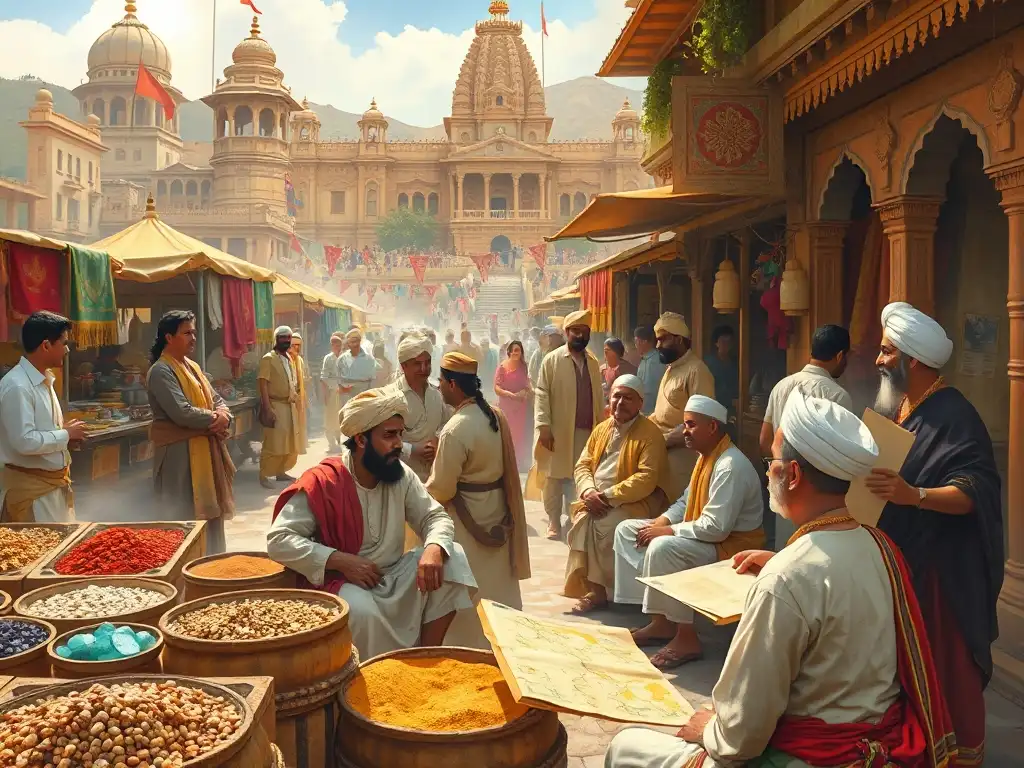
The interplay between trade and diplomacy in ancient India was not without its complications. Various challenges arose that impacted the seamless flow of commerce and the establishment of diplomatic relations. Understanding these challenges provides insight into the complexities of ancient Indian trade networks and their diplomatic ramifications.
Economic Challenges and Political Instability
Economic challenges were often intertwined with political instability, significantly affecting trade dynamics. Various regions in ancient India experienced shifts in power that disrupted established trade routes and practices. For example, during periods of political turmoil, such as the rise and fall of empires like the Maurya and Gupta, trade could be severely disrupted.
- Taxation and Regulation: Fluctuating taxes imposed by different rulers could deter traders from participating in commerce. High tariffs and complex regulations were common, making it difficult for merchants to operate profitably.
- Conflict and Warfare: Wars between kingdoms not only posed physical threats to traders but also created a climate of uncertainty that stifled trade. For instance, the conflicts between the Mauryan Empire and the Kalinga region led to significant disruptions in trade routes.
- Currency and Exchange Issues: The lack of a standardized currency in some regions led to challenges in trade transactions. Merchants often had to navigate a complex web of different currencies and exchange rates, complicating trade negotiations and relations.
Natural Barriers and Their Effects on Trade
Geographical features of ancient India posed significant natural barriers that impacted trade and, consequently, diplomacy. The diverse landscape, including mountains, rivers, and deserts, created both challenges and opportunities for trade.
- Himalayan Barriers: The towering Himalayas served as both a protective barrier and a challenge for trade. While they safeguarded the northern borders, they also made overland trade routes difficult and perilous, limiting access to regions like Central Asia.
- Monsoon Patterns: The seasonal monsoon rains influenced trade patterns, as traders had to time their journeys around these climatic conditions. The unpredictability of monsoons could lead to delays and disruptions, impacting diplomatic missions reliant on trade.
- Rivers as Trade Highways: Conversely, rivers like the Ganges and Indus served as vital trade routes, facilitating commerce and cultural exchange. However, seasonal flooding could also obstruct these routes, making it essential for traders to navigate these natural challenges effectively.
Conclusion: The Legacy of Trade and Diplomacy in Ancient India
The relationship between trade and diplomacy in ancient India laid the foundation for many of the economic practices and diplomatic strategies that are utilized today. The legacy of these interactions is still visible in modern trade relationships.
Lasting Impact on Modern Trade Practices
The trade routes established during ancient times not only facilitated the exchange of goods but also ideas and cultural practices. The concepts of barter and trade agreements developed during this period have evolved but remain relevant in contemporary trade practices.
- Cultural Exchange: The exchanges that occurred through trade fostered a sense of shared identity among diverse groups, a principle that continues to influence global trade today.
- Trade Agreements: The diplomatic strategies employed in ancient trade agreements have informed modern negotiations, highlighting the importance of mutual benefit and cooperation.
Lessons Learned from Ancient Trade Diplomacy
The experiences of ancient Indian civilizations offer valuable lessons for current diplomatic and trade practices.
- Negotiation and Flexibility: Ancient traders demonstrated the importance of negotiation and adaptability in the face of challenges, a lesson that remains pertinent in today's globalized economy.
- Cultural Sensitivity: Understanding and respecting cultural differences were crucial for building successful trade relationships, emphasizing the need for cultural diplomacy in modern contexts.
The challenges faced in trade and diplomacy in ancient India not only shaped the economic landscape of the time but also left a lasting impact on modern practices, reinforcing the importance of trade as a diplomatic tool.
References
The study of trade and diplomacy in ancient India is supported by a variety of historical texts, archaeological findings, and scholarly interpretations. These references not only provide a foundation for understanding the intricate relationships fostered through trade but also highlight the significance of commerce in shaping diplomatic ties during various periods of ancient Indian history.
Key Texts on Trade and Diplomacy in Ancient India
-
Arthashastra by Kautilya
This ancient Indian treatise on statecraft and economic policy provides invaluable insights into the political and economic strategies employed by Indian rulers. Kautilya discusses the role of trade in building alliances and establishing diplomatic relations.
-
Indica by Megasthenes
Written by the Greek ambassador Megasthenes, this work offers a first-hand account of the Mauryan Empire, detailing the trade practices and interactions between India and the Hellenistic world. It emphasizes how trade facilitated diplomatic exchanges and cultural integration.
-
Puranas
These ancient texts contain a wealth of information on the socio-economic conditions of various dynasties in India. They often highlight trade routes and diplomatic missions, illustrating the interconnectedness of commerce and diplomacy.
-
Sanskrit Literature
Various poetic and dramatic works from ancient India often reference trade, merchants, and diplomatic missions, providing a cultural context to the economic activities of the time. Texts like the works of Kalidasa can give insights into the societal perceptions of trade and its diplomatic implications.
Further Reading on Ancient Indian Trade Routes and Practices
-
The Trade Networks of the Indian Ocean
This comprehensive study explores the extensive trade networks that connected India with Southeast Asia, the Middle East, and Africa. It analyzes how these routes facilitated not only economic exchanges but also cultural and diplomatic interactions.
-
Ancient Indian Economy: A Study of Trade and Commerce
A scholarly work that delves into the economic practices of ancient India, focusing on trade mechanisms, currency systems, and the impact of trade on diplomatic relations between different kingdoms.
-
Silk Roads and Beyond: The Role of Ancient Indian Traders
This book investigates the impact of Indian traders along the Silk Road, highlighting how their interactions with various cultures fostered diplomatic ties and contributed to the spread of ideas and technologies.
-
Maritime Trade in Ancient India
This research focuses on the maritime routes utilized by ancient Indian merchants, discussing their significance in establishing diplomatic relations with foreign powers and facilitating mutual exchanges of goods and culture.
-
Cultural Exchanges in Ancient India: The Impact of Trade
This text examines the cultural ramifications of trade in ancient India, showcasing how trade routes served as conduits for diplomacy, leading to the exchange of not just goods but also ideas, religions, and customs.
Incorporating these texts and resources into the study of trade and diplomacy in ancient India will provide a comprehensive understanding of how commerce played a pivotal role in fostering diplomatic relationships across the region and beyond.
- Introduction to Trade and Diplomacy in Ancient India
- Historical Context of Trade in Ancient India
- Types of Goods Traded and Their Significance
- Trade and Diplomatic Relations
- The Influence of Trade on Cultural Exchange
- Case Studies of Trade-Driven Diplomacy
- Challenges Faced in Trade and Diplomacy
- Conclusion: The Legacy of Trade and Diplomacy in Ancient India
- References
Frequently Asked Questions
What was the significance of trade in ancient India?
Trade was crucial for the economic development of ancient India, facilitating the exchange of goods and ideas. It also helped in establishing cultural connections with other civilizations.
How did trade influence diplomacy in ancient India?
Trade fostered diplomatic relationships between various kingdoms and empires. It enabled cooperation and alliances through mutual economic benefits, enhancing political stability.
What were the major trade routes in ancient India?
The major trade routes included the Silk Road and the Maritime Trade Routes, connecting India to regions like Southeast Asia, the Middle East, and East Africa.
Which goods were commonly traded in ancient India?
Ancient India traded a variety of goods, including spices, textiles, and precious stones. These commodities were highly sought after, contributing to India's economic prosperity.
How did ancient Indian diplomacy manifest in trade agreements?
Ancient Indian diplomacy often took the form of trade agreements that included terms for mutual benefits, tariffs, and security guarantees, promoting peaceful exchanges and stability in the region.
Final Reflection: The Enduring Legacy of Trade and Diplomacy in Ancient India
The intricate relationship between trade and diplomacy in ancient India remains profoundly relevant today, as it underscores the significance of economic ties in fostering peaceful relations between nations. In our increasingly interconnected world, the lessons from ancient practices remind us that commerce can serve as a bridge for dialogue, understanding, and collaboration. The historical examples of trade routes facilitating not just the exchange of goods, but also ideas and cultures, highlight a striking truth: trade is not merely an economic activity; it is a powerful tool for diplomacy.
The influence of trade on social and cultural landscapes in ancient India is a testament to how economic interactions can shape societies. As we reflect on this legacy, it becomes clear that the principles established in those times continue to resonate in our globalized society. The interconnectedness fostered by trade has the potential to promote peace and mutual respect among nations. > “Trade is a universal language that speaks to the heart of human connection.” This quote encapsulates the essence of how trade can transcend borders and foster understanding, a principle that remains vital in today’s geopolitical climate.
As we move forward, I invite you to consider how the lessons of ancient India can inspire contemporary practices in diplomacy and international relations. Reflect on the ways you can contribute to fostering connections in your own community or beyond, recognizing that every interaction holds the potential for building bridges. Embrace the spirit of collaboration and understanding that characterized ancient trade, and let it guide your actions in a world that still yearns for harmony and cooperation.
Unveil the Diplomatic Legacy through Trade!
Thank you for taking the time to explore how trade played a pivotal role in shaping diplomacy in ancient India. You've uncovered the rich tapestry of relationships and exchanges that transcended borders. Now, it’s time to take this knowledge further!
Here’s how you can actively engage with this fascinating subject:
- Dive deeper into trade routes: Research the most significant trade routes of ancient India and their impact on diplomatic ties. Consider writing a short piece or sharing your findings with others.
- Join a community discussion: Participate in forums or social media groups focused on ancient history to discuss your insights and learn from fellow enthusiasts.
- Share your thoughts: Create a post or a blog entry about how trade has influenced modern diplomatic relations, encouraging curiosity and conversation among your peers.
Which aspect of trade do you believe played the most crucial role in fostering diplomacy? Let's discuss!