
The Economic Impact of the Roman Empire on Ancient Indian Trade

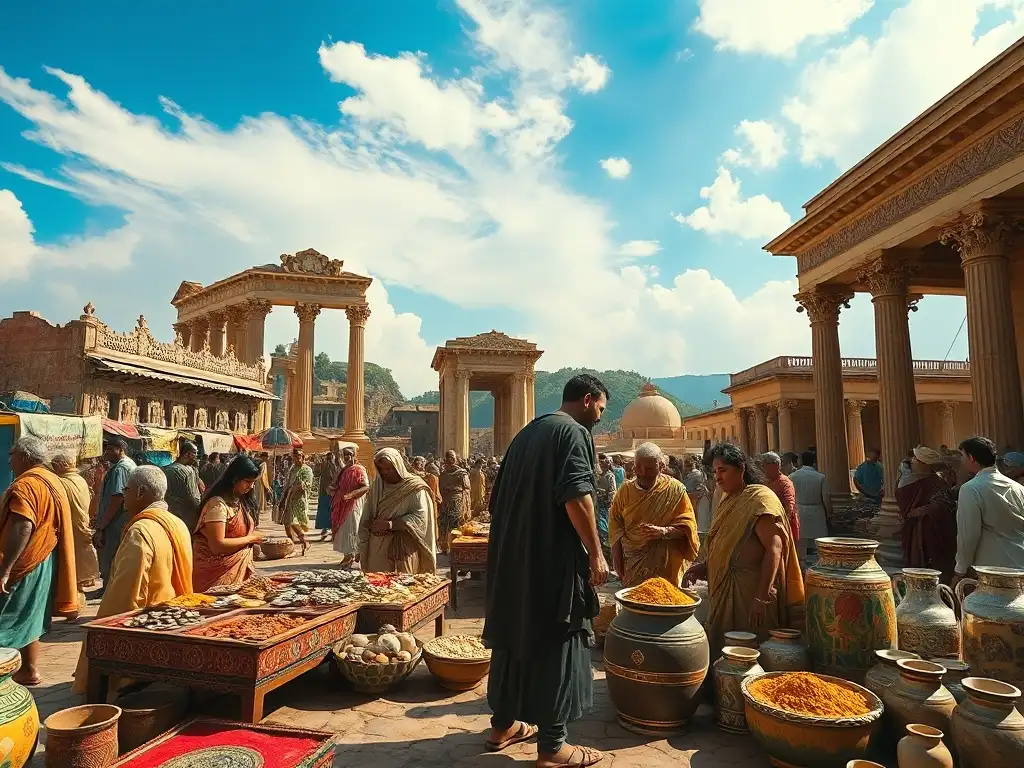
Welcome to Ancient India History, where we embark on a fascinating journey through the rich tapestry of ancient Indian civilizations. Today, we delve into a captivating exploration of the Roman Empire's influence on Indian trade, revealing how this powerful empire shaped economic exchanges and cultural interactions across vast distances. What secrets lie within the trade routes that connected these two remarkable worlds? Join us as we uncover the intricate connections and lasting impacts of this historical relationship, inviting you to discover more about the economic dynamics that defined an era.
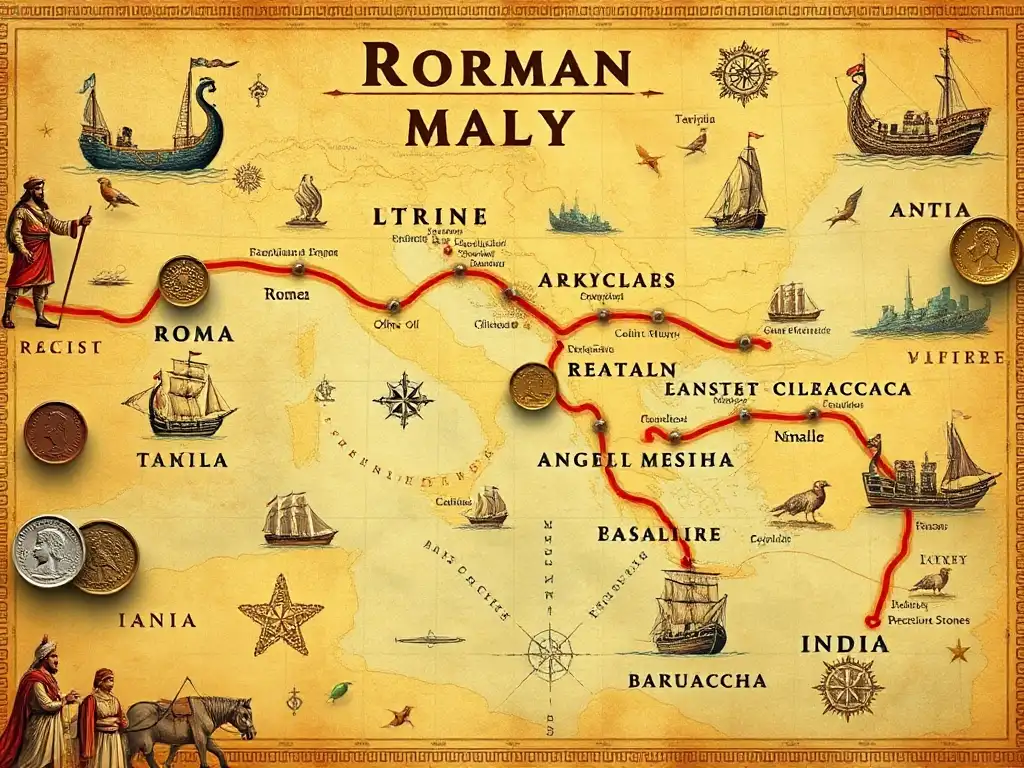
Introduction to the Roman Empire and Indian Trade
The intersection of the Roman Empire and ancient Indian trade represents a fascinating chapter in the annals of history, showcasing the intricate tapestry of economic exchange between two of the most influential civilizations of the ancient world. Spanning from the 1st century BCE to the 3rd century CE, this period was marked by significant trade interactions that not only enriched both empires but also laid the groundwork for a complex network of commerce that extended across continents.
The Roman Empire's influence on Indian trade can be seen through the establishment of trade routes, the exchange of goods and ideas, and the profound impact on local economies.
The collaboration and commerce between these two cultures were facilitated by a variety of factors, including geographical advantages and shared interests in luxury goods, spices, and textiles. This article will delve into the Roman Empire's influence on Indian trade, exploring how these ancient societies navigated the challenges and opportunities presented by long-distance trade.
Overview of the Roman Empire's Influence on Global Trade
The Roman Empire was a powerhouse of trade and commerce, commanding a vast network that connected Europe, North Africa, and parts of Asia. At its zenith, the empire's economic reach extended to various corners of the known world, facilitating the exchange of goods, culture, and technology. Roman roads and maritime routes played a pivotal role in this expansion, allowing for the mobility of traders and the flow of commodities such as silk, spices, precious metals, and textiles.
The empire's well-organized trade system not only benefitted Rome but also impacted neighboring regions, including ancient India. The demand for Indian goods like pepper, silk, and gems created a lucrative market, which in turn encouraged Indian merchants to engage in trade with Roman counterparts.
The Context of Ancient Indian Trade Dynamics
Ancient India was home to a thriving economy characterized by vibrant trade practices. The Indian subcontinent boasted rich resources, including spices, textiles, and precious stones, which were highly sought after in international markets. Trade was not only an economic activity but also a cultural exchange, as it facilitated the movement of ideas, religions, and technologies across borders.
During this period, Indian traders established prosperous ports along the western and eastern coasts, including Brokhar and Kalyan, which served as vital hubs for maritime trade. The interaction with the Roman Empire introduced new dimensions to these trade dynamics, allowing for the fusion of cultures and the enhancement of economic exchanges.
Key Factors of Roman Empire Influence on Indian Trade
Trade Routes Connecting the Roman Empire and Ancient India
The establishment of trade routes between the Roman Empire and ancient India was a fundamental aspect of their economic relationship. Overland routes, such as the famous Silk Road, facilitated the exchange of goods between the two regions. These routes were not merely pathways for trade; they were channels of cultural interaction, allowing merchants to share knowledge and customs along with products.
Both empires recognized the strategic importance of these routes, leading to the development of caravanserais and trading posts that supported long-distance trade. The flourishing trade along these routes contributed to the prosperity of cities and towns within both empires.
The Role of the Silk Road in Enhancing Trade Relations
The Silk Road served as a crucial artery for commerce, linking the East and West. This extensive network of trade routes enabled the flow of silk, spices, and other luxury goods from China to Rome, with India serving as an intermediary. Indian merchants played a vital role in this exchange, transporting goods to various markets and enhancing their value through trade.
The interactions along the Silk Road not only stimulated economic growth but also facilitated the transfer of ideas, cultures, and technologies. Thus, the Silk Road was instrumental in shaping the economic landscape of both the Roman Empire and ancient India, highlighting the interconnectedness of their trade systems.
Maritime Trade: The Importance of the Indian Ocean
The Indian Ocean was a critical maritime trade route that connected the Roman Empire with ancient India. The strategic location of Indian ports on the ocean allowed for the easy transport of goods, including textiles, spices, and metals, between the two regions. Roman ships, well-equipped for long voyages, frequently sailed to Indian ports, establishing a vibrant exchange network.
This maritime trade not only enriched the economies of both empires but also fostered cultural exchanges. The movement of people, ideas, and goods across the Indian Ocean contributed to the diversity and richness of both Roman and Indian societies, further solidifying their economic ties.
The economic impact of the Roman Empire on ancient Indian trade was profound, driven by a combination of overland and maritime routes that facilitated the exchange of goods and ideas. As we delve deeper into this topic, we will explore specific trade routes, commodities exchanged, and the lasting effects of this ancient partnership on subsequent trade practices.
Economic Exchanges Between the Roman Empire and Ancient India
The economic exchanges between the Roman Empire and ancient India were marked by a vibrant network of trade that flourished from around the 1st century BCE to the 3rd century CE. This interaction was facilitated primarily through maritime routes connecting the Red Sea with the Indian subcontinent, particularly through ports such as Alexandria and the Malabar Coast. The Romans were particularly interested in the wealth of resources and luxury goods that India had to offer, leading to a mutually beneficial trade relationship.
The exchange of goods was not just limited to tangible products; it also included cultural and technological influences that shaped both civilizations. This dynamic interaction played a significant role in the economic prosperity of both the Roman Empire and ancient Indian states.
Goods Traded: What Did the Romans Want from India?
The Romans had a keen interest in several specific goods from India, which were highly sought after in the European markets. Among these, the most notable were:
- Spices: India was renowned for its rich variety of spices, such as pepper, cardamom, and cinnamon. These spices were not only used for culinary purposes but also for preservation and medicinal applications.
- Silks and Textiles: Indian textiles, particularly silk, cotton, and woollen fabrics, were highly prized by the Romans. The intricate designs and vibrant colors made these textiles a staple in Roman fashion.
- Precious Stones: India was a significant source of diamonds, rubies, and other gemstones that were desired by the Roman elite. These stones were often used in jewelry and decorative items.
- Medicinal Herbs: Various herbs and plants used in traditional medicine were also sought after, contributing to the burgeoning trade in pharmaceuticals between the two regions.
The demand for these goods drove extensive trade routes, leading to a rich exchange of commodities and culture.
Indian Exports: Spices, Textiles, and Precious Stones
Indian exports during the period of Roman influence included a diverse array of products, with spices, textiles, and precious stones at the forefront.
- Spices: Indian spices were essential for Roman cuisine, enhancing flavors and preserving food. Pepper, often referred to as "black gold," was particularly valuable, with its trade linking Indian farmers directly to Roman markets.
- Textiles: The Indian textile industry flourished, producing high-quality materials such as muslin and silk. These fabrics were exported in large quantities, and their intricate designs became a symbol of luxury in Roman society.
- Precious Stones: The export of precious stones from India contributed significantly to the wealth of both regions. Roman jewelers prized Indian diamonds and rubies, which were often incorporated into elaborate jewelry pieces.
This vibrant trade not only boosted the Indian economy but also established India as a key player in global commerce during ancient times.
Roman Imports: Wine, Olive Oil, and Other Commodities
In exchange for the abundant resources offered by India, the Romans imported various commodities that were in high demand.
- Wine: Roman wine was a staple in ancient diets and was highly valued. The trade routes facilitated the importation of fine wines to India, where they were enjoyed by the elite.
- Olive Oil: Olive oil was another significant import, utilized for cooking, lighting, and as a base for perfumes. Its demand in India was fueled by the growing culinary practices influenced by Roman culture.
- Glassware and Metal Goods: Romans also exported glassware and metal goods to India, which were often highly sought after for their quality and craftsmanship.
These imports not only enriched the Indian markets but also reflected the cultural exchanges that characterized the trade between these two ancient civilizations.
Cultural and Economic Consequences of Trade
The trade between the Roman Empire and ancient India had profound cultural and economic consequences that shaped the societies involved.
The Spread of Roman Culture in Ancient India
The interaction between Roman traders and Indian merchants facilitated the spread of Roman culture across the Indian subcontinent. Elements such as:
- Art and Architecture: Roman artistic styles began to influence local artisans, resulting in a fusion of artistic techniques and motifs that can be observed in sculptures and building designs.
- Religious Practices: The presence of Roman traders also led to the introduction of new religious ideas and practices, including the spread of Christianity in certain regions of India.
- Language: The exchange of merchants fostered communication, leading to the introduction of Latin terms and concepts into local languages, enriching the linguistic tapestry of India.
This cultural exchange laid the groundwork for a more interconnected world, where ideas and customs transcended geographic boundaries.
Economic Prosperity in Indian Ports Due to Roman Trade
The economic prosperity of Indian ports was significantly bolstered by the trade with the Roman Empire. Key factors included:
- Increased Trade Activity: Ports like Muziris and Arikamedu became bustling centers of commerce, attracting merchants from various regions and fostering a vibrant trading community.
- Infrastructure Development: The demand for goods and services led to improved infrastructure, including better roads, storage facilities, and shipbuilding capabilities, enhancing the overall efficiency of trade.
- Wealth Generation: The influx of goods from the Roman Empire contributed to the wealth of local traders and governments, which in turn stimulated local economies and supported the growth of urban centers.
As a result, these ports thrived, becoming crucial links in the maritime trade networks of the ancient world.
The Impact on Local Economies and Trade Practices
The influence of Roman trade on local economies and trade practices in India was multifaceted, leading to several significant changes:
- Commercial Practices: Roman trading practices introduced new methods of commerce, including credit systems and trade agreements, which enhanced the efficiency of transactions.
- Market Expansion: The demand for Indian goods in Rome led to the expansion of local markets, encouraging farmers and artisans to produce surplus goods for export.
- Cultural Exchange: The continuous interaction with Roman traders facilitated a broader exchange of goods, ideas, and technologies, enriching local practices and leading to innovations in production techniques.
Overall, the Roman Empire's influence on Indian trade catalyzed significant economic and cultural transformations that resonated throughout ancient Indian civilization.
Decline of Roman Influence on Indian Trade
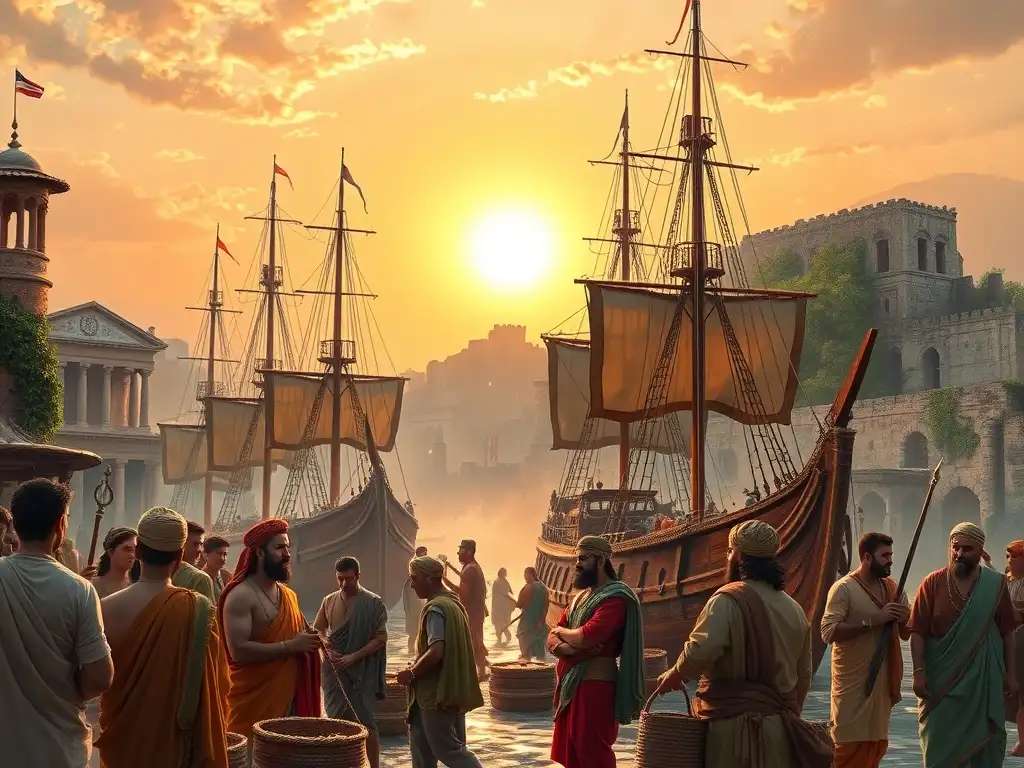
The decline of Roman influence on Indian trade can be traced back to a combination of internal and external factors that reshaped the economic landscape of both regions. By the end of the 2nd century CE, the once robust trade relationships began to falter, leading to a significant shift in commerce patterns. This decline not only affected the availability and variety of goods exchanged but also had lasting repercussions on the economies of both the Roman Empire and the Indian subcontinent.
Factors Leading to the Decline of Roman Trade Relations
Several key factors contributed to the decline of Roman trade relations with India:
- Political Instability in Rome: The Roman Empire faced numerous internal challenges, including political turmoil, civil wars, and economic crises, which diverted attention and resources away from trade. The rise of powerful regional leaders weakened central authority, leading to disruptions in trade routes.
- Economic Competition: The emergence of competing trade routes and powers, particularly from the East, began to undermine Roman dominance in the Indian Ocean trade. The Parthians and later the Sassanids effectively controlled access to vital trade routes, challenging Roman interests.
- Natural Disasters and Climate Changes: Environmental factors, such as droughts and floods, impacted agricultural production in both regions, leading to food shortages and economic strain. These conditions made it difficult for both Romans and Indians to maintain robust trade.
- Changes in Demand: The tastes and demands of consumers evolved over time. As luxury goods from other regions grew in popularity, the demand for Indian spices and textiles began to decline in Rome, further diminishing the incentive for trade.
Shift in Trade Dynamics with the Rise of Other Empires
As the Roman influence waned, new powers emerged that reshaped trade dynamics in the region:
- Rise of the Gupta Empire: The Gupta Empire, which flourished in India from the 4th to 6th centuries CE, revitalized trade relations within South Asia and beyond. Its emphasis on trade and commerce led to increased internal stability, encouraging trade with other regions, including Southeast Asia and China.
- Expansion of Maritime Trade Routes: The decline of Roman influence coincided with the growth of maritime trade routes established by other empires, such as the Sassanids and the emerging kingdoms in Southeast Asia. This shift allowed for new economic partnerships and the exchange of goods that bypassed Roman-controlled areas.
- Cultural Exchange and Influence: The decline of direct Roman influence opened the door for increased cultural exchanges with other civilizations, such as the Chinese and Southeast Asian kingdoms. This diversification of trade partners contributed to a more complex and enriched trade network.
Conclusion
The decline of the Roman Empire’s influence on Indian trade marked a significant turning point in the economic history of both regions. While the initial interactions had brought wealth and cultural exchange, the eventual decline led to a reconfiguration of trade dynamics that set the stage for future economic developments in the Indian subcontinent.
Summary of the Roman Empire's Lasting Economic Impact on Indian Trade
Despite the decline, the Roman Empire left a lasting legacy on Indian trade. The initial trade relationships established foundations for subsequent economic interactions, influencing trade practices, commerce, and cultural exchanges that continued long after the Roman control diminished. The introduction of Roman currency, for instance, facilitated trade transactions, and the demand for Indian goods contributed to the establishment of key trade routes that remained vital in later centuries.
The Legacy of Roman-Indian Trade Relations in Historical Context
In a broader historical context, the trade relations between the Roman Empire and ancient India exemplify the interconnectedness of civilizations. This relationship not only fostered economic growth but also facilitated the exchange of ideas, art, and culture, contributing to the rich tapestry of ancient Indian history. The legacy of Roman-Indian trade relations can be observed in the continued importance of trade in shaping the geopolitical landscape of South Asia and beyond. As new empires rose and fell, the echoes of Roman influence remained, reminding us of the enduring nature of trade as a catalyst for cultural and economic exchange.
References
The economic interactions between the Roman Empire and ancient India have been a subject of scholarly interest for decades. This section provides a compilation of sources that delve into the complexities of trade relations, economic exchanges, and their broader implications on both civilizations. The following references are invaluable for understanding the nuanced influences of the Roman Empire on Indian trade.
Suggested Further Reading on Roman and Indian Trade Influences
-
"The Silk Roads: A New History of the World" by Peter Frankopan
This book explores the multifaceted trade networks connecting the East and West, including the routes that facilitated trade between the Roman Empire and ancient India. Frankopan illustrates how these connections shaped economies and cultures.
-
"India and the Roman Empire" by Kenneth G. Holum
Holum provides a focused analysis of the direct trade relationships between Roman merchants and Indian traders. This work details the goods exchanged, such as spices, textiles, and precious stones, highlighting the economic benefits for both sides.
-
"The Ancient Indian Economy" by R.C. Gupta
Gupta's study examines the broader context of India's economy during ancient times, including the impact of foreign trade. This book is essential for understanding how Roman trade influenced local markets and economic structures.
-
"Trade and Traders in the Roman Empire" by David A. Scourfield
Scourfield discusses the role of merchants in the Roman Empire and their interactions with foreign markets, including India. This resource provides insights into the economic mechanisms that facilitated trade and the cultural exchanges that resulted.
-
"Merchants and Trade in Ancient India" by M. R. Singh
Singh's work sheds light on the profiles of Indian traders during the Roman period, discussing their strategies and the socio-economic impacts of their interactions with Roman counterparts.
Academic Sources on the Economic Impact of the Roman Empire
-
"Roman Trade and the Economy of the East" by Peter H. Temin
Temin's research presents a detailed examination of Roman economic practices and their effects on Eastern economies, including Indian trade dynamics. The article discusses the role of currency, trade routes, and commercial regulations.
-
"The Roman Empire and the Indian Ocean Trade" by R. A. B. van der Meer
This journal article explores the implications of Roman maritime trade in the Indian Ocean, detailing how Roman demand for Indian commodities influenced local economies and trade practices.
-
"Cultural and Economic Exchanges between India and the Roman Empire" in the Journal of Economic History
This peer-reviewed article analyzes the cultural ramifications of trade alongside economic exchanges, arguing that the interactions had profound effects on societal structures in both Rome and India.
-
"Trade Networks in the Ancient World: The Case of India and Rome" by J. M. Roberts
Roberts uses archaeological and textual evidence to discuss the vast trade networks that linked India and Rome, providing a comprehensive overview of the economic interdependencies that developed.
-
"The Influence of Roman Currency on Indian Trade Practices" by A. P. Sharma
Sharma investigates the effects of Roman coinage on Indian trade systems, examining how the introduction of Roman currency impacted trade volumes and merchant practices within ancient Indian markets.
These references and suggested readings provide a robust foundation for understanding the intricate relationship between the Roman Empire and ancient Indian trade, revealing the significant influence of this connection on both civilizations' economic landscapes.
- Introduction to the Roman Empire and Indian Trade
- Key Factors of Roman Empire Influence on Indian Trade
- Economic Exchanges Between the Roman Empire and Ancient India
- Cultural and Economic Consequences of Trade
- Decline of Roman Influence on Indian Trade
- Conclusion
- References
- What was the Roman Empire's influence on Indian trade?
- How did trade between the Roman Empire and ancient India benefit both civilizations?
- What goods were commonly traded between the Roman Empire and ancient India?
- Were there any cultural exchanges due to trade with the Roman Empire?
- How did the decline of the Roman Empire affect Indian trade?
Frequently Asked Questions
What was the Roman Empire's influence on Indian trade?
The Roman Empire significantly impacted Indian trade by establishing extensive trading routes that facilitated the exchange of goods such as spices, textiles, and precious metals.
How did trade between the Roman Empire and ancient India benefit both civilizations?
The trade resulted in economic growth for both civilizations, as Indian goods became highly sought after in Rome, while Rome provided valuable commodities like wine and olive oil to Indian merchants.
What goods were commonly traded between the Roman Empire and ancient India?
Key trade items included spices, silks, jewelry, and cotton textiles from India, while the Romans exported glassware, metals, and woolen products.
Were there any cultural exchanges due to trade with the Roman Empire?
Yes, trade facilitated significant cultural exchanges, including the spread of art, religion, and ideas, enriching both Roman and Indian societies.
How did the decline of the Roman Empire affect Indian trade?
The decline of the Roman Empire led to a decrease in trade activity, as the loss of stability disrupted established routes and reduced the demand for Indian goods in Europe.
Final Reflection: The Enduring Influence of the Roman Empire on Indian Trade
The exploration of the economic impact of the Roman Empire on ancient Indian trade reveals a profound interconnectedness that resonates with our current globalized economy. Today, as we navigate complex trade networks and international relations, the historical ties between distant civilizations remind us that commerce has always transcended borders. The legacy of the Roman Empire serves as a striking testament to how trade can foster cultural exchange and economic growth, shaping societies in ways that are still relevant in our interconnected world.
The influence of the Roman Empire on Indian trade is not merely a relic of the past; it continues to echo through our cultural and social landscapes. The exchange of goods, ideas, and innovations between these ancient civilizations laid the groundwork for the rich tapestry of global trade we experience today. As we reflect on this historical relationship, we can appreciate the words of historian Peter Brown: The world of late antiquity was a world of connections, where the flow of goods and ideas across vast distances was a defining feature.
This observation underscores the importance of understanding our shared history as we engage with contemporary trade dynamics.
As we conclude this exploration, I invite you to reflect on the lessons learned from the Roman Empire's influence on Indian trade. Consider how the principles of collaboration, cultural exchange, and economic interdependence can inspire your own interactions in today's global marketplace. Embrace the opportunity to foster connections that transcend borders, and remember that, much like in ancient times, our actions today can shape the future of trade and cultural understanding for generations to come.
Unveil the Rich Connections Between Empires!
Thank you for exploring the fascinating links between the Roman Empire and ancient Indian trade! By delving into this intricate topic, you've discovered how cultures intertwined and flourished through economic exchange. Now, it’s time to take your newfound insights and put them into action!
Here are a few steps you can take to deepen your understanding and share your wealth of knowledge:
- Join a discussion group or online forum focused on ancient trade routes to engage with fellow history enthusiasts and exchange ideas.
- Visit a local museum or historical site that showcases artifacts from this era, and witness firsthand the influences of trade.
- Share this article on your social media platforms, adding your personal perspective on how ancient trade still impacts today’s world!
What insights surprised you most about the economic ties between the Roman Empire and ancient India? Let's continue the conversation!