
The Interconnectedness of Music and Poetry in Ancient Indian Culture

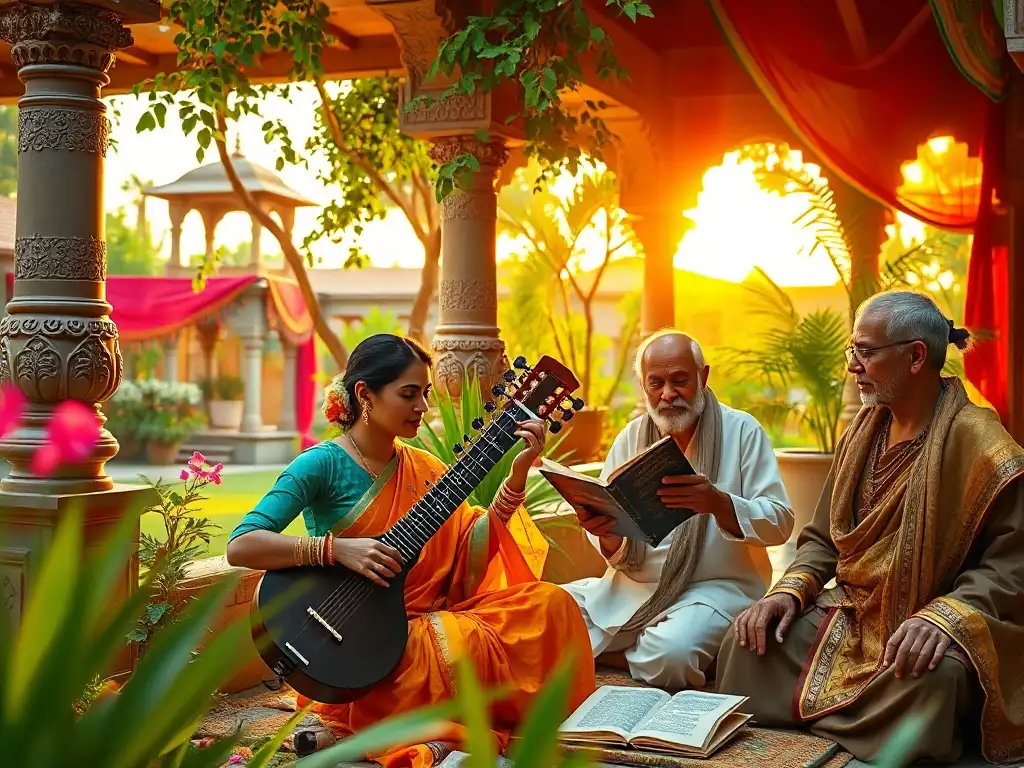
Welcome to Ancient India History, where we embark on a fascinating journey through time to uncover the rich tapestry of ancient Indian civilizations. In this exploration, we delve into the interconnectedness of music and poetry, a vital thread that weaves together the cultural fabric of ancient India.
As we unravel the profound influence these art forms had on society, you'll discover how they shaped not only the literary landscape but also the spiritual and social dimensions of life. Join us as we illuminate the vibrant world of Ancient Indian music and poetry, inviting you to dive deeper into the melodies and verses that echo through history.
Introduction to Ancient Indian Music and Poetry
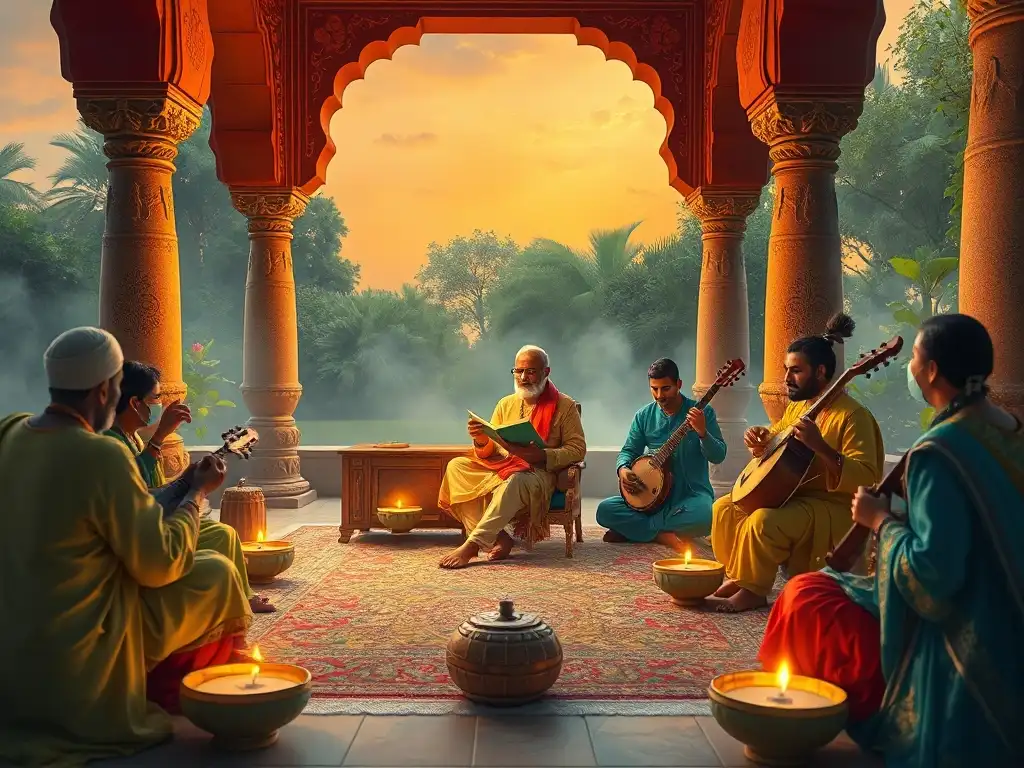
The rich tapestry of Ancient Indian music and poetry is woven deeply into the cultural, spiritual, and social fabric of the civilization that flourished on the Indian subcontinent. From the rhythmic chants of the Vedas to the lyrical brilliance of classical poets, music and poetry have been inseparable companions throughout history. This interconnectedness not only reflects the artistic expressions of the time but also showcases the profound philosophies and emotions that have shaped the identity of ancient Indian society.
As we delve into this exploration, we will uncover how music and poetry served as vital mediums for communication, storytelling, and the preservation of cultural heritage, influencing subsequent generations and enriching the landscape of Indian literature beyond mere epics.
Overview of Ancient Indian Civilization
Ancient India, characterized by its diverse cultures and languages, was home to remarkable achievements in various fields, including art, science, and philosophy. Flourishing from the Indus Valley Civilization (circa 2500 BCE) to the Gupta Empire (circa 320-550 CE), this era witnessed significant advancements in societal structures, trade, and intellectual pursuits.
Key features of ancient Indian civilization include:
- Urbanization: Development of sophisticated city planning and architecture.
- Trade Networks: Extensive trade with neighboring regions, promoting cultural exchange.
- Diverse Beliefs: A plethora of religious practices, including Hinduism, Buddhism, and Jainism, which influenced artistic expressions.
This vibrant backdrop provided fertile ground for the emergence of music and poetry as forms of artistic expression, deeply rooted in the everyday lives and spiritual beliefs of the people.
Importance of Music and Poetry in Cultural Practices
Music and poetry held a place of honor in ancient Indian culture, serving not only as entertainment but also as a means to convey spiritual teachings and social values. They were integral to various cultural practices, including:
- Rituals and Ceremonies: Both music and poetry played crucial roles in religious rituals, enhancing the spiritual experience and fostering a sense of community.
- Storytelling: Poets and musicians often traveled, narrating tales of gods, heroes, and moral lessons through their art, ensuring the transmission of cultural narratives.
- Education: Poetry was utilized as a pedagogical tool, with rhythmic verses aiding in memorization and understanding of complex concepts.
These practices underscore the symbiotic relationship between music and poetry, reinforcing their significance in shaping the cultural ethos of ancient India.
Historical Context of Ancient Indian Music and Poetry
Origins of Music and Poetry in Ancient India
The origins of music and poetry in ancient India can be traced back to the Vedic period (circa 1500-500 BCE), where the earliest forms of both art forms emerged. The Sama Veda, for instance, is a collection of melodies that accompanied the recitation of hymns. This period laid the foundation for classical music and poetic traditions that would evolve over the centuries.
Key aspects of these origins include:
- Vedic Chants: The use of chants for rituals and ceremonies, emphasizing the sacredness of sound.
- Raga System: The establishment of ragas (melodic frameworks) that would later influence classical music forms.
- Poetic Forms: Early poetic forms like Sanskrit shlokas began to emerge, characterized by their meter and rhythm.
This historical context illustrates how the seeds of music and poetry were sown in the spiritual and ritualistic practices of ancient India, setting the stage for their flourishing.
Influences of Religion and Philosophy on Music and Poetry
Religion and philosophy played pivotal roles in shaping ancient Indian music and poetry. The diverse spiritual beliefs of the time acted as catalysts for artistic expression, leading to distinct styles and forms.
Some of the influences include:
- Hinduism: The rich mythological narratives of Hinduism inspired poets and musicians, resulting in devotional compositions that are still celebrated today.
- Buddhism: The teachings of the Buddha emphasized the importance of mindfulness and compassion, reflected in the meditative qualities of music and poetry.
- Philosophical Texts: The Upanishads and other philosophical writings influenced the themes and motifs explored in poetry, integrating existential inquiries with artistic expression.
These influences not only enriched the content of music and poetry but also facilitated a deeper connection between the arts and the spiritual dimensions of life in ancient India.
The Relationship Between Music and Poetry
The interconnectedness of music and poetry in ancient Indian culture is deeply rooted in the traditions and practices of the time. Both art forms served as mediums for expression and communication, often overlapping in their themes, structures, and performances. Poetry, particularly in ancient India, was not merely written text but was designed to be sung or recited, highlighting the intrinsic relationship between the two.
In many ancient texts, poetry is often accompanied by musical instruments, creating a harmonious blend that enhances the auditory experience. This relationship is evident in several classical forms, such as the gaḍya and padya styles of Sanskrit poetry, where rhythmic patterns and melodic elements are intricately woven together. The performance of these poems often took place in the presence of music, which served to elevate the emotional impact and engage the audience more effectively.
Furthermore, the philosophical underpinnings of ancient Indian thought, such as Nāṭyaśāstra by Bharata Muni, emphasize the significance of rasa (aesthetic experience) in both music and poetry, suggesting that the two are essential for evoking emotions and conveying complex ideas. This synergy not only enriched the cultural landscape of ancient India but also established a legacy that continues to influence contemporary art forms.
How Music Enhances Poetic Expression
Music plays a pivotal role in enhancing poetic expression by adding layers of meaning and emotion that words alone may not convey. In ancient Indian culture, music provided a sonic backdrop that complemented the rhythm and meter of poetry, allowing for a more immersive experience. The use of specific ragas (musical scales) and talas (rhythmic patterns) in performances was strategically aligned with the themes of the poetry being presented.
For instance, certain ragas are associated with specific moods or times of day, thus amplifying the emotional resonance of the poetry. The raga associated with love may evoke feelings of longing and desire when paired with romantic verses, while a raga linked to devotion might enhance spiritual or philosophical poetry. This careful selection of musical elements ensures that the audience not only hears the words but feels their weight through sound.
Moreover, the act of singing poetry transforms it from a static form of literature into a dynamic performance art. The intonation and inflection used in singing can significantly alter the perception of the words, allowing the poet's intent to shine through more vividly. This synergy between music and poetry creates a compelling narrative that engages the listener on multiple sensory levels.
The Role of Rhythm and Melody in Poetry
Rhythm and melody are fundamental components of poetry in ancient Indian culture, serving as the backbone that shapes its structure and delivery. The rhythmic patterns in poetry, often dictated by the chanda (meter), create a musicality that enhances the flow of the verses. This rhythmic quality not only aids memorization but also provides a framework for performance, allowing poets to engage their audiences effectively.
Melody, on the other hand, plays a crucial role in conveying emotion and accentuating the meaning of the words. The interplay between rhythm and melody allows poets to manipulate the pace and tone of their recitations, leading to varied interpretations of the same text. For example, a poem recited quickly may evoke excitement or urgency, while a slower rendition may create a reflective or somber atmosphere.
The use of specific melodic patterns, or melakarta, alongside the rhythmic structures adds a layer of complexity to the performance, enabling poets to craft experiences that resonate deeply with listeners. This sophisticated relationship between rhythm and melody not only enriches the aesthetic experience but also exemplifies the artistry inherent in ancient Indian music and poetry.
Key Figures and Texts in Ancient Indian Music and Poetry
The rich tapestry of ancient Indian music and poetry boasts a plethora of influential figures and texts that have shaped the landscape of these art forms. From revered poets to celebrated composers, their contributions have laid the groundwork for future generations, ensuring that the interconnectedness of music and poetry remains a cornerstone of Indian cultural heritage.
Notable Poets and Their Contributions
Several poets stand out in the annals of ancient Indian literature for their innovative approaches to merging music and poetry. One such figure is Kalidasa, often hailed as one of the greatest Sanskrit poets and playwrights. His works, including Shakuntala and Meghaduta, are characterized by rich imagery and lyrical beauty, often set to music in traditional performances. Kalidasa's ability to weave profound philosophical themes into melodic verse has left an indelible mark on Indian literature.
Another significant poet is Bhavabhuti, known for his dramatic compositions that explore themes of love, loss, and devotion. His work, Malati-Madhava, showcases the seamless integration of poetic dialogue with musical elements, illustrating the depth of emotional expression achievable through this fusion.
Furthermore, the devotional poetry of saints like Kabir and Mirabai exemplifies the power of music in conveying spiritual messages. Their verses, often sung to folk melodies, resonate with the common people, bridging the gap between high art and everyday life.
Influential Composers and Their Works
The ancient Indian musical landscape was also shaped by several influential composers whose works remain celebrated to this day. Tansen, one of the nine jewels in the court of Emperor Akbar, is renowned for his mastery in ragas. His compositions not only enriched the classical music tradition but also often drew inspiration from poetic themes, creating a harmonious relationship between the two art forms.
Another significant figure is Anup Jalota, known for his devotional songs that merge traditional Indian music with poetic expressions. His renditions of bhajans and ghazals have brought ancient texts to life, illustrating how composers can reinterpret poetry through music, making it accessible to wider audiences.
These key figures and their works highlight the essential interplay between music and poetry in ancient India, showcasing how each has influenced and enhanced the other, forging a legacy that continues to inspire artists and audiences alike.
Genres of Ancient Indian Music and Poetry
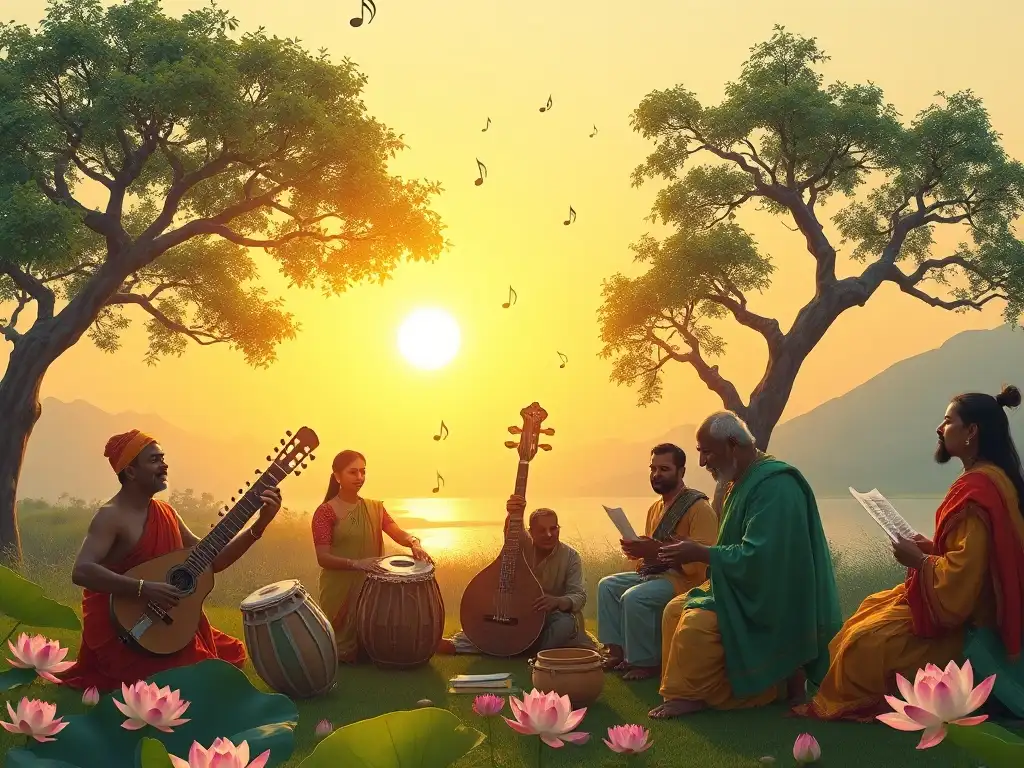
Ancient Indian culture boasts a rich tapestry of music and poetry that is deeply intertwined, with various genres reflecting the spiritual, philosophical, and social fabric of the time. These genres can be broadly categorized into classical and folk forms, each embodying unique characteristics and traditions.
In classical music, the two predominant forms are Hindustani and Carnatic music, each with its own set of ragas and talas that influence the poetic compositions associated with them. Poetry in these genres often takes the shape of dhrupad, khayal, and thumri in Hindustani music, while Carnatic music features kriti and varnam. These poetic forms are not merely lyrical accompaniments but serve as vehicles for expressing complex emotions and spiritual experiences.
Folk music, on the other hand, is more localized and reflects the daily lives, struggles, and celebrations of the people. This genre includes a variety of regional styles, such as the baul music of Bengal and the lavani of Maharashtra, often accompanied by oral poetry that conveys stories, traditions, and communal values. The intermingling of music and poetry in these folk traditions highlights the cultural diversity of ancient India, making it a vital aspect of its artistic heritage.
Classical Music and Its Poetic Forms
Classical Indian music is characterized by its intricate structures and profound emotional depth, which are often conveyed through various poetic forms. In Hindustani music, the dhrupad is one of the oldest forms, known for its meditative quality and adherence to strict rhythmic patterns. The lyrics typically draw from devotional themes, reflecting the spiritual essence of the performer’s connection to the divine.
In contrast, khayal allows for greater improvisation and emotional expression, often utilizing a more diverse range of poetic themes, including love, nature, and philosophical musings. The thumri, on the other hand, is more romantic and playful, often featuring light-hearted lyrics that charm the audience.
In Carnatic music, the kriti is a prominent form, characterized by its structure of pallavi, anupallavi, and charanam. The lyrics are usually in Telugu, Tamil, or Sanskrit, and they often explore themes of devotion to deities, the beauty of nature, and the complexities of human emotions. The poetic richness of these forms elevates the music, creating a profound connection between the two arts.
Folk Music and Oral Poetry Traditions
Folk music in ancient India is an essential vehicle for preserving oral traditions, with songs and poetry passed down through generations. This genre is characterized by its emphasis on community participation, storytelling, and cultural identity. Each region of India boasts its own folk traditions, often reflecting the local language, customs, and lifestyle.
For instance, the baul tradition of Bengal blends music and poetry in a mystical exploration of love and spirituality, where singers often travel as wandering minstrels. The lavani of Maharashtra, known for its fast-paced rhythm and vibrant performances, typically includes playful and romantic poetry that engages the audience in a lively manner.
Additionally, folk poetry often serves as a commentary on social issues, with songs addressing themes such as love, labor, and the changing seasons. The oral nature of these traditions ensures the fluidity of content, allowing for adaptation and evolution over time, while maintaining a strong link to the cultural heritage of the community.
The Role of Performance in Ancient Indian Culture
Performance in ancient Indian culture is not merely an act of entertainment; it is a profound expression of spirituality, tradition, and identity. Both music and poetry are integral to various performance arts, where the interplay between them creates a rich sensory experience. This interconnectedness is evident in the way performers engage with their audiences, often invoking emotions that resonate deeply within the cultural context.
Musical performances often involve intricate storytelling that enhances the poetic narrative. Musicians and poets work together to convey messages that transcend the mere words, tapping into the collective consciousness of the audience. This collaborative approach not only fosters creativity but also strengthens community bonds through shared experiences.
Musical Performances and Their Poetic Narratives
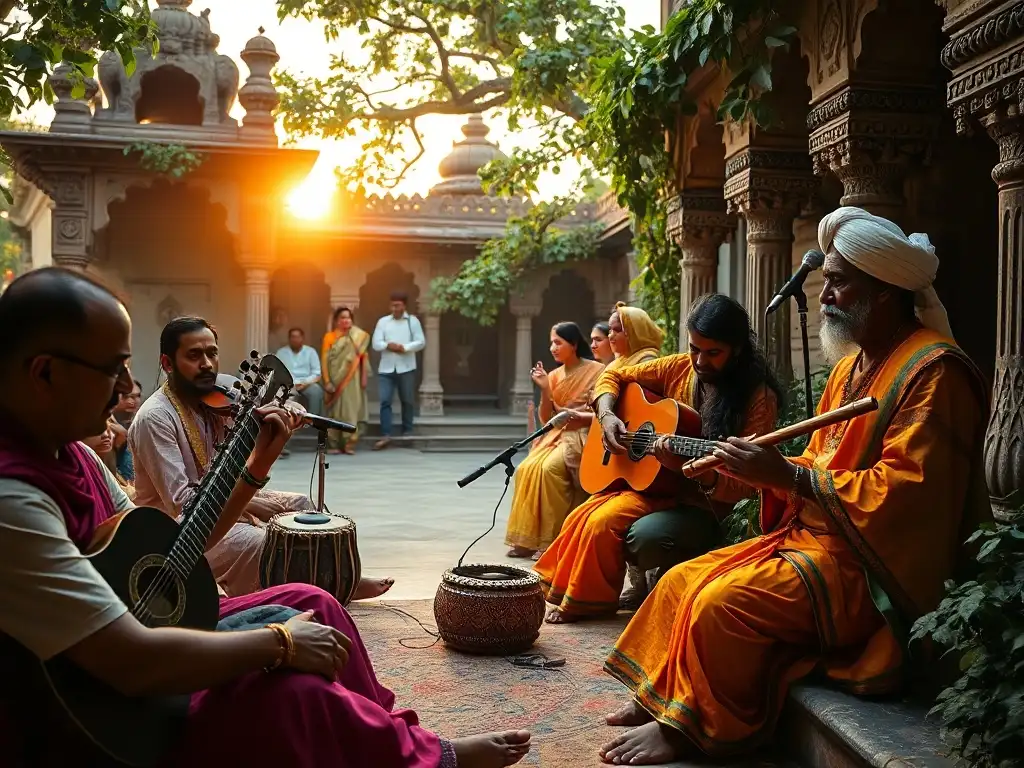
Musical performances in ancient India often feature a seamless blend of melody and narrative, where the poetic lyrics serve to elevate the emotional impact of the music. Performers, such as gharanas in Hindustani music or kuchipudi dancers in classical dance forms, utilize their art to tell stories that reflect cultural myths, historical events, or personal experiences.
The integration of natyashastra, the ancient treatise on performing arts, emphasizes the importance of expression through music and poetry in these performances. The use of gestures, facial expressions, and body movements enhances the poetic narrative, allowing the audience to connect with the underlying themes on a more intimate level.
Moreover, these performances are often situated within larger ceremonial contexts, where the music and poetry contribute to the spiritual atmosphere of rituals and festivals, making them an essential part of ancient Indian culture.
Festivals and Rituals: Celebrating Music and Poetry
Festivals and rituals in ancient India serve as grand celebrations of music and poetry, reflecting the society's values, beliefs, and artistic expressions. Events such as Navaratri, Diwali, and the Pongal festival showcase the vibrant interplay of various artistic forms, with music and poetry playing central roles in the festivities.
During these occasions, performances often include devotional songs, traditional dances, and recitations of poetic verses that honor deities and commemorate historical events. The communal aspect of these celebrations fosters a sense of unity and shared identity among participants, reinforcing cultural traditions.
Rituals, on the other hand, often incorporate music and poetry as part of their ceremonial practices. For instance, puja rituals involve the singing of bhajans and chanting of hymns, which are poetic in nature, creating an atmosphere of devotion and reverence. This interconnectedness between music, poetry, and ritual underscores the holistic nature of ancient Indian culture, where the arts are not separate entities but rather integral parts of a larger tapestry of life.
The Legacy of Ancient Indian Music and Poetry
The legacy of ancient Indian music and poetry is deeply woven into the fabric of India's rich cultural heritage. From the Vedic hymns to the lyrical verses of classical poets, the intertwining of sound and word has played a crucial role in shaping spiritual, social, and artistic expressions. Ancient texts, such as the Natyashastra by Bharata Muni, illustrate the significance of music and poetry in theatrical performances, emphasizing their interconnectedness.
The Samaveda, one of the four Vedas, is particularly notable for its musical composition, as it contains hymns that were meant to be sung during rituals. These sacred chants exemplify the belief that music transcends mere sound, serving as a means of connecting the mortal with the divine. Similarly, classical poets like Kalidasa and Bhasa incorporated musicality into their works, blending rhythm and meter to enhance the emotional resonance of their poetry.
Moreover, the importance of music in religious and cultural ceremonies underscores its role in community bonding. Festivals often feature both poetic recitations and musical performances, reflecting a collective appreciation for the arts that has persisted through centuries. The transition from oral traditions to written forms allowed for the preservation of this legacy, ensuring that the voices of ancient poets and musicians continue to resonate in modern India.
Impact on Later Indian Literature and Arts
The impact of ancient Indian music and poetry on later literature and arts cannot be understated. As the foundation for subsequent literary movements, these ancient forms inspired poets and playwrights throughout history, leading to the flourishing of languages such as Sanskrit, Tamil, and Persian.
During the medieval period, the synthesis of various cultural influences led to the emergence of Bhakti and Sufi poetry, which integrated musical elements to express devotion and love. Poets like Tulsidas and Kabir drew from the rich traditions of ancient music and poetry, creating works that resonated with the common people. Their verses often included musical components, enhancing their accessibility and emotional power.
In visual arts, the influence of ancient music and poetry is evident in various forms of traditional Indian dance, such as Bharatanatyam and Kathak. These dance forms incorporate lyrical poetry and musical expressions, creating a harmonious blend that conveys stories and emotions. The use of rhythm and melody in these performances continues to honor the legacy of ancient Indian arts, demonstrating how deeply intertwined these forms of expression are within Indian culture.
Modern Interpretations of Ancient Music and Poetry
Modern interpretations of ancient Indian music and poetry reflect a dynamic evolution of these art forms while maintaining a connection to their historical roots. Contemporary artists and musicians often draw inspiration from ancient texts, reinterpreting traditional melodies and poetic structures to resonate with today's audiences.
Fusion genres have emerged, blending classical music with modern styles, allowing ancient compositions to find new life. Artists like A.R. Rahman have successfully integrated classical elements with contemporary soundscapes, appealing to a global audience while paying homage to the rich traditions of Indian music.
Poets and lyricists also explore ancient themes and motifs in their works, using modern vernacular to make them more relatable. This approach not only preserves the essence of ancient poetry but also encourages new interpretations and discussions about cultural identity and heritage in contemporary society.
The use of technology, such as digital platforms and social media, has further expanded the reach of these interpretations, allowing for a broader appreciation of ancient music and poetry among younger generations. Through concerts, performances, and online content, the interconnectedness of these art forms continues to thrive in the modern era.
Conclusion
Summary of the Interconnectedness of Music and Poetry
The interconnectedness of music and poetry in ancient Indian culture showcases a profound relationship that has shaped the arts for millennia. The integration of rhythmic patterns, melodic structures, and lyrical content has created a unique artistic expression that transcends time and continues to influence contemporary forms. Ancient texts and practices highlight the importance of this relationship, demonstrating how music and poetry serve not only as artistic endeavors but also as vehicles for spiritual and cultural transmission.
The Continuing Influence of Ancient Indian Music and Poetry on Contemporary Culture
The continuing influence of ancient Indian music and poetry on contemporary culture is evident in various aspects of society today. From classical music festivals to modern dance performances, the echoes of ancient traditions can be heard and felt across different platforms.
Educational institutions often emphasize the study of ancient texts, ensuring that future generations appreciate the rich heritage of music and poetry. Additionally, cultural programs and workshops focus on reviving traditional forms, allowing participants to engage with their history actively.
As globalization increases, the fusion of ancient Indian music and poetry with global art forms creates an exciting dialogue between the past and present, ensuring that these ancient practices remain relevant and vibrant. The legacy of ancient Indian music and poetry continues to inspire artists, scholars, and audiences, affirming its place in the ongoing narrative of cultural identity and expression.
- Introduction to Ancient Indian Music and Poetry
- Historical Context of Ancient Indian Music and Poetry
- The Relationship Between Music and Poetry
- Key Figures and Texts in Ancient Indian Music and Poetry
- Genres of Ancient Indian Music and Poetry
- Classical Music and Its Poetic Forms
- Folk Music and Oral Poetry Traditions
- The Role of Performance in Ancient Indian Culture
- Musical Performances and Their Poetic Narratives
- Festivals and Rituals: Celebrating Music and Poetry
- The Legacy of Ancient Indian Music and Poetry
- Conclusion
Frequently Asked Questions
What role did music play in ancient Indian culture?
Music was an integral part of religious rituals, festivals, and social gatherings, reflecting the spiritual and emotional life of the communities.
How did poetry influence music in ancient India?
Poetry often served as the lyrical foundation for many musical compositions, with poets and musicians collaborating to create a harmonious blend of words and melodies.
What are some key genres of ancient Indian music?
Key genres include classical music like Hindustani and Carnatic, as well as folk music that varied across different regions, often drawing inspiration from poetic traditions.
How did the Indus Valley Civilization contribute to the development of music and poetry?
Although specific records are scarce, archaeological evidence suggests that musical instruments and early forms of poetry were present, indicating a rich tradition of artistic expression.
What impact did the Gupta Empire have on music and poetry?
The Gupta Empire is often referred to as the Golden Age of Indian culture, where significant advancements in music and poetry occurred, leading to the emergence of literary works and musical theories that influenced future generations.
Final Reflection: The Timeless Harmony of Ancient Indian Music and Poetry
The intricate relationship between music and poetry in ancient Indian culture remains profoundly relevant today, as it serves as a reminder of the power of artistic expression to transcend time and connect us to our roots. In a world increasingly dominated by technology and rapid change, the enduring legacy of ancient Indian music and poetry invites us to pause and reflect on the cultural narratives that shape our identities. This harmonious interplay not only enriches our understanding of history but also inspires contemporary artists to explore the depths of human emotion through their craft.
The influence of ancient Indian music and poetry continues to resonate in our cultural landscape, reminding us of the shared experiences that unite us across generations. The lyrical beauty and melodic rhythms of this era have woven themselves into the fabric of modern artistic expressions, fostering a sense of continuity and belonging. As poet Rumi once said, The wound is the place where the Light enters you.
This sentiment echoes the idea that through the exploration of our cultural heritage, we can find healing and inspiration in the stories and sounds that have shaped our collective consciousness.
As you reflect on the themes presented in this article, consider how the interconnectedness of music and poetry can inspire your own creative journey. Embrace the lessons of ancient Indian culture by allowing the rhythms of your life to harmonize with the words you speak and the melodies you create.
Let this exploration encourage you to delve deeper into your own artistic expressions, fostering a connection to the past while paving the way for a vibrant future. Remember, every note and every verse has the potential to resonate within you, creating a symphony that celebrates the beauty of our shared human experience.
Unveil the Harmony of Music and Poetry!
Thank you for immersing yourself in the enchanting world of ancient Indian culture and its rich interconnection between music and poetry. You’ve uncovered how these two art forms have shaped the emotional and spiritual fabric of society. Now, let’s take that knowledge further!
Here are a few ways you can deepen your exploration and appreciation:
- Dive deeper: Read a classic poem or listen to a traditional piece of music from ancient India to experience the emotional resonance for yourself.
- Share your experience: Discuss your discoveries with friends or join an online community to connect with others who share your passion for these timeless arts.
- Explore local resources: Visit a museum or cultural center that showcases Indian art forms to appreciate their beauty firsthand.
What insights or emotions have you discovered through the bond of music and poetry in your own life? **We invite you to share your thoughts below! **