
The Significance of Nature in Gupta Poetry and Art

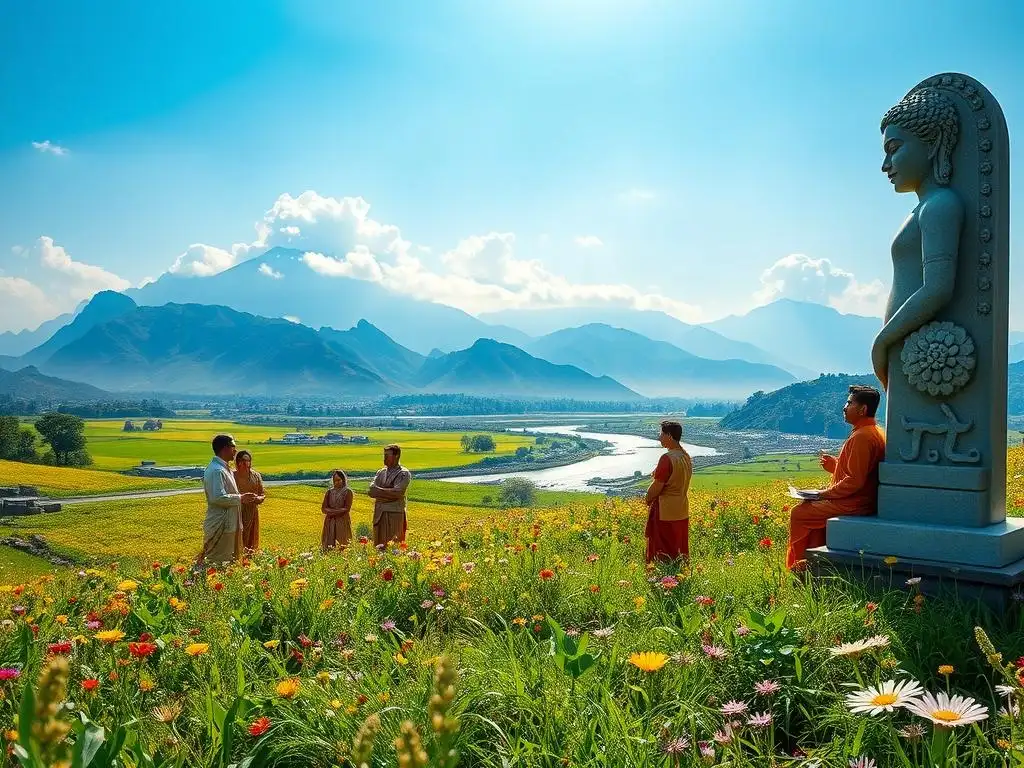
Welcome to Ancient India History, where we embark on a journey through the rich tapestry of ancient Indian civilizations. In this exploration, we delve into the profound significance of nature in Gupta poetry and art—a captivating topic that reveals how the natural world inspired creativity and expression during a transformative period. As you navigate through our content, prepare to uncover the intricate connections between the environment and the artistry that flourished under the Gupta Empire. What hidden meanings lie within these masterpieces? Join us as we unveil the layers of history and culture that shaped this remarkable era.
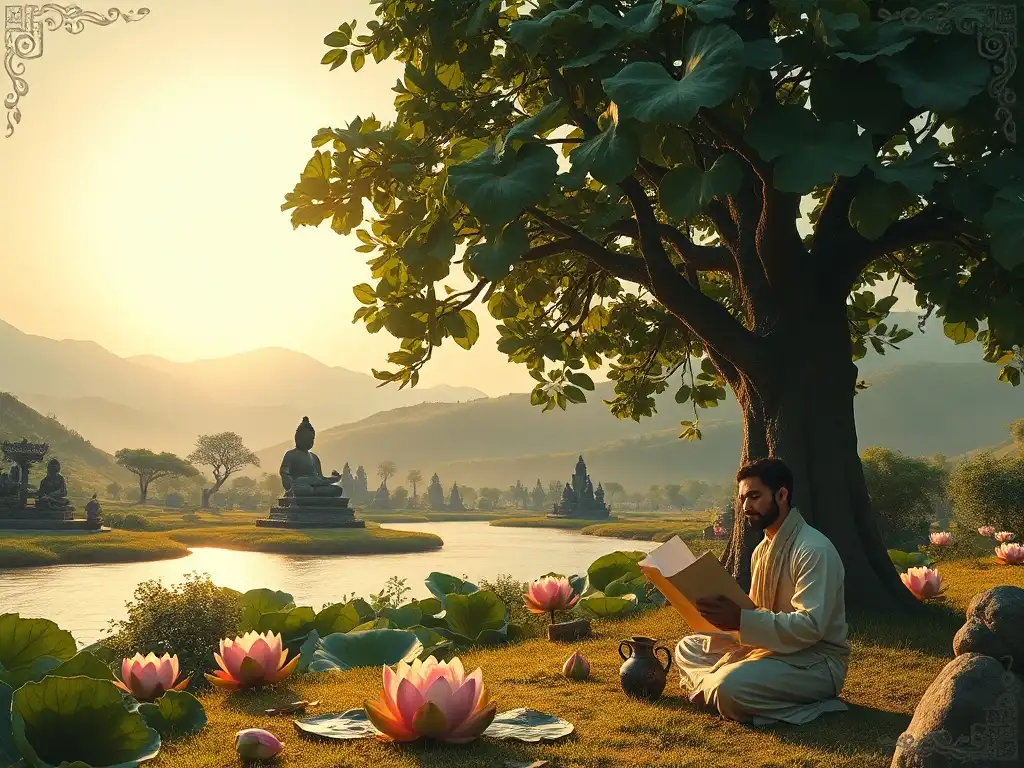
Introduction to Gupta Poetry and Art Significance
The Gupta Empire, often referred to as the "Golden Age" of India, flourished from approximately 320 to 550 CE, marking a period of remarkable achievements in various fields, particularly in art, literature, and philosophy. During this era, the integration of nature into poetry and art became a significant hallmark, reflecting the deep-rooted connection that ancient Indian civilizations had with their environment.
The significance of nature in Gupta poetry and art not only illustrates the aesthetic values of the time but also serves as a testament to the philosophical and spiritual beliefs that were prevalent. This article delves into the profound impact of nature on the artistic expressions and literary creations of the Gupta period, highlighting how these elements intertwined to shape a unique cultural identity.
Overview of Gupta Empire Culture
The Gupta Empire is renowned for its advancements in various domains, including science, mathematics, and the arts. This cultural renaissance was characterized by a flourishing of artistic endeavors that embraced a wide range of themes, with nature being a predominant subject. Artisans and poets drew inspiration from their surroundings, creating works that celebrated the beauty and complexity of the natural world. The influence of nature extended to various forms of expression, including sculpture, painting, and poetry, which collectively contributed to the rich tapestry of Gupta culture.
Importance of Nature in Ancient Indian Art
In ancient Indian art, nature was not merely a backdrop but an integral part of the narrative. Artists often employed natural elements to convey deeper meanings, reflecting the philosophical ideologies of harmony and balance within the universe. The use of flora, fauna, and landscapes in artistic representations underscored the belief that nature was sacred and interconnected with human existence. As we explore the significance of nature in Gupta poetry and art, it becomes evident that these themes were instrumental in shaping not only artistic styles but also the cultural ethos of the Gupta Empire.
The Role of Nature in Gupta Poetry
Nature's role in Gupta poetry is multifaceted, encompassing not only aesthetic enjoyment but also profound philosophical reflections. Poets of this era intricately wove natural imagery into their verses, using it as a vehicle to express emotions, ideals, and human experiences.
Depictions of Landscape in Gupta Poetry
Gupta poets excelled in vividly portraying landscapes, capturing the essence of the Indian subcontinent's diverse terrains. From lush forests and serene rivers to majestic mountains, these depictions provided readers with a vivid sense of place. The detailed imagery not only enhanced the aesthetic appeal of the poetry but also fostered a deeper emotional connection to the environment.
Symbolism of Nature in Gupta Literary Works
Nature served as a rich source of symbolism in Gupta literature, with various elements representing broader themes and ideas. For instance, the lotus often symbolized purity and spiritual enlightenment, while seasonal changes reflected the cycles of life and renewal. Through such symbolism, poets conveyed complex emotions and philosophical concepts, allowing readers to engage with the text on multiple levels.
Influence of Nature on Gupta Poetic Themes
The influence of nature permeated various themes in Gupta poetry, with love, spirituality, and the passage of time frequently intertwined with natural imagery. Poets utilized the changing seasons and the beauty of the natural world to explore human emotions and relationships, creating a harmonious interplay between the external environment and internal experiences. This profound connection to nature not only enriched the poetic narrative but also resonated with the readers' own experiences, making the poetry of the Gupta Empire timeless and relatable.
Nature in Gupta Art
Nature played a pivotal role in Gupta art, serving as both inspiration and a thematic framework that reflected the cultural and aesthetic values of the time. The Gupta Empire, often referred to as the Golden Age of India, flourished from approximately 320 to 550 CE. During this period, artists and poets sought to express the harmony between the natural world and human experience. This integration of nature into art was not only a reflection of the surroundings but also a philosophical statement about the interconnectedness of life.
The portrayal of nature in Gupta art is characterized by intricate details and a profound understanding of the environment. Whether in sculptures, paintings, or architecture, nature is depicted with an emphasis on realism and beauty. This appreciation for natural elements demonstrates the Gupta artists' skill in capturing the essence of the world around them, which was often infused with spiritual and symbolic meanings.
Elements of Nature in Gupta Sculpture and Architecture
Gupta sculptures often depict divine figures surrounded by natural elements, such as trees, flowers, and animals. For instance, the famous sculptures of the Buddha frequently feature lotus flowers, symbolizing purity and enlightenment. These natural motifs not only enhance the aesthetic appeal but also convey deeper spiritual messages. The presence of nature in these sculptures suggests a sacred relationship between the divine and the natural world, reinforcing the idea of harmony.
In architecture, the use of natural elements is evident in the design of temples, which often feature intricate carvings of flora and fauna. The temples of Gupta architecture, such as those found in Udaipur and Khajuraho, are adorned with detailed reliefs that celebrate nature's beauty. These elements serve both decorative and symbolic purposes, representing the connection of the divine to the earthly realm. The careful integration of nature into architectural forms exemplifies the Gupta's reverence for the environment and its significance in their cultural expression.
Nature as a Muse in Gupta Painting
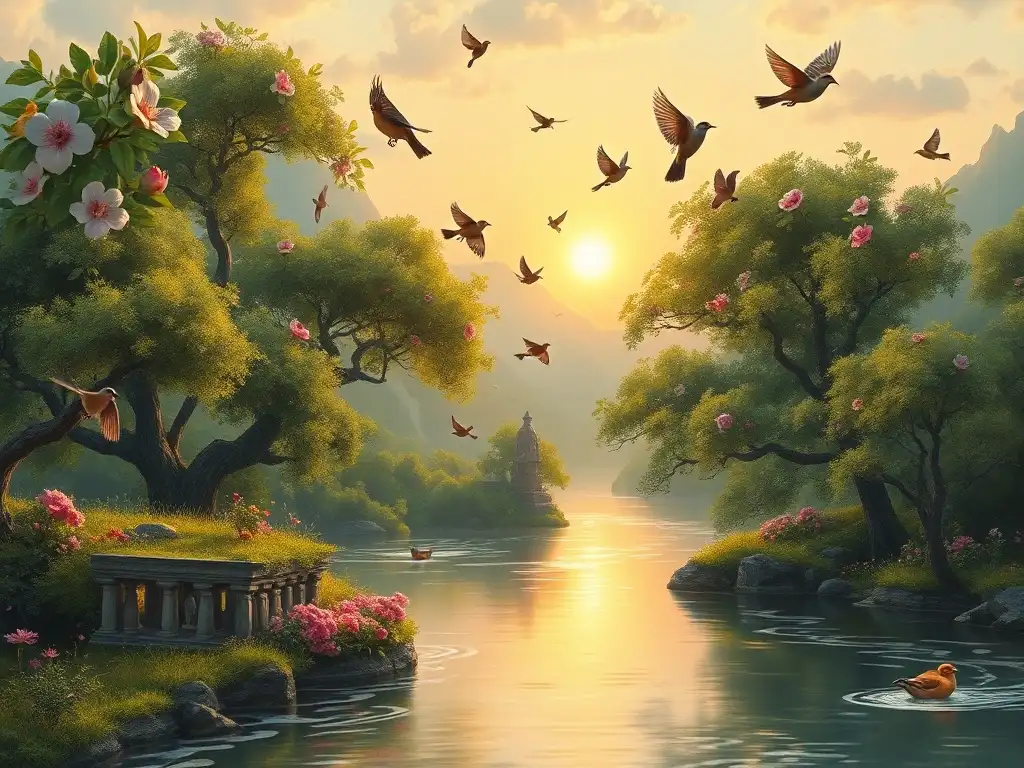
In Gupta painting, nature is a prominent theme that serves as a muse for the artists. The frescoes found in Ajanta Caves are a testament to the vibrant portrayal of natural scenes, including landscapes, flora, and fauna. Artists captured the essence of nature with vivid colors and dynamic compositions, creating a sense of movement and life. These works not only illustrate the beauty of the natural world but also evoke emotions and narratives that resonate with the viewer.
The depiction of nature in Gupta paintings often reflects the changing seasons and their impact on human life. For example, the representation of spring is frequently associated with themes of love and renewal, while winter may symbolize introspection and tranquility. This thematic exploration of nature allows Gupta artists to convey complex emotions and human experiences through the lens of the natural world, making it an essential element of their artistic expression.
Comparative Analysis: Nature in Gupta Art vs. Other Ancient Indian Art Forms
When comparing Gupta art to other ancient Indian art forms, such as those from the Maurya or post-Gupta periods, there are distinct differences and continuities in the representation of nature. While earlier Mauryan art emphasized grandeur and imperial power, Gupta art shifted towards a more intimate and personal portrayal of nature. This change reflects a broader cultural movement towards individual expression and spirituality.
In contrast to the Gupta style, later art forms, such as those from the Chola dynasty, exhibited a more dynamic and narrative-driven approach to nature, often incorporating movement and action in their depictions. Gupta art, however, maintained a sense of serenity and balance, emphasizing the harmony between human existence and the natural environment. This characteristic sets Gupta art apart, showcasing the significance of nature not just as a backdrop but as an integral part of the cultural and spiritual life of the time.
Literary Techniques Highlighting Nature
In Gupta poetry, nature serves as a profound source of inspiration and a vehicle for expressing complex emotions and ideas. The poets of this era employed a variety of literary techniques to highlight the significance of the natural world in their works. Through rich imagery and evocative metaphors, they were able to convey deeper meanings and connect with the reader on an emotional level.
Imagery and Metaphors in Gupta Poetry
Imagery plays a crucial role in Gupta poetry, where natural elements are often used to evoke vivid mental pictures and emotions. Poets would describe landscapes, seasons, and flora in such a way that readers could visualize and feel the essence of nature. For instance, the blossoming of flowers might symbolize love, while the changing of seasons could represent the passage of time and the cycle of life.
Metaphors are also prevalent, allowing poets to draw parallels between human experiences and the natural world. A poet might compare a lover's smile to the brightness of a sunlit day, creating a powerful connection that enhances the emotional depth of the poem. This use of nature as a metaphor not only enriches the language but also reflects the intertwined relationship between humanity and the environment.
Use of Nature in Expressions of Emotion
Nature in Gupta poetry is often employed to express a wide range of emotions, from love and joy to sorrow and longing. The changing landscapes or seasonal transitions can mirror the emotional states of the characters or the poet themselves. For instance, a rainy season might evoke feelings of sadness or nostalgia, while the arrival of spring could symbolize hope and renewal.
Through the lens of nature, Gupta poets were able to articulate complex human emotions in a way that resonated with their audience. The significance of nature as a backdrop for emotional expression underscores its importance in Gupta poetry, reflecting the cultural values and aesthetic sensibilities of the time. This dynamic interplay between nature and emotion not only enriches the literary landscape of the Gupta Empire but also highlights the enduring impact of the natural world on human experience.
The Philosophical Perspective on Nature
The Gupta Empire, which thrived from approximately 320 to 550 CE, is often heralded as a golden age of art, culture, and intellectual advancement in ancient India. At the heart of Gupta poetry and art lies a profound philosophical perspective on nature. This worldview is deeply rooted in the spiritual and metaphysical traditions of Indian thought, particularly the concepts of dharma (duty), karma (action), and the interconnectedness of all life.
Nature, in Gupta philosophy, is not merely a backdrop for human activity; it is a living entity imbued with spiritual significance. This perspective is reflected in various forms of poetry and art, where natural elements symbolize deeper truths about existence, human emotion, and the divine. The integration of nature into artistic expression served as a means to explore and communicate the complexities of life, emphasizing harmony between humans and the natural world.
Nature and Spirituality in Gupta Poetry
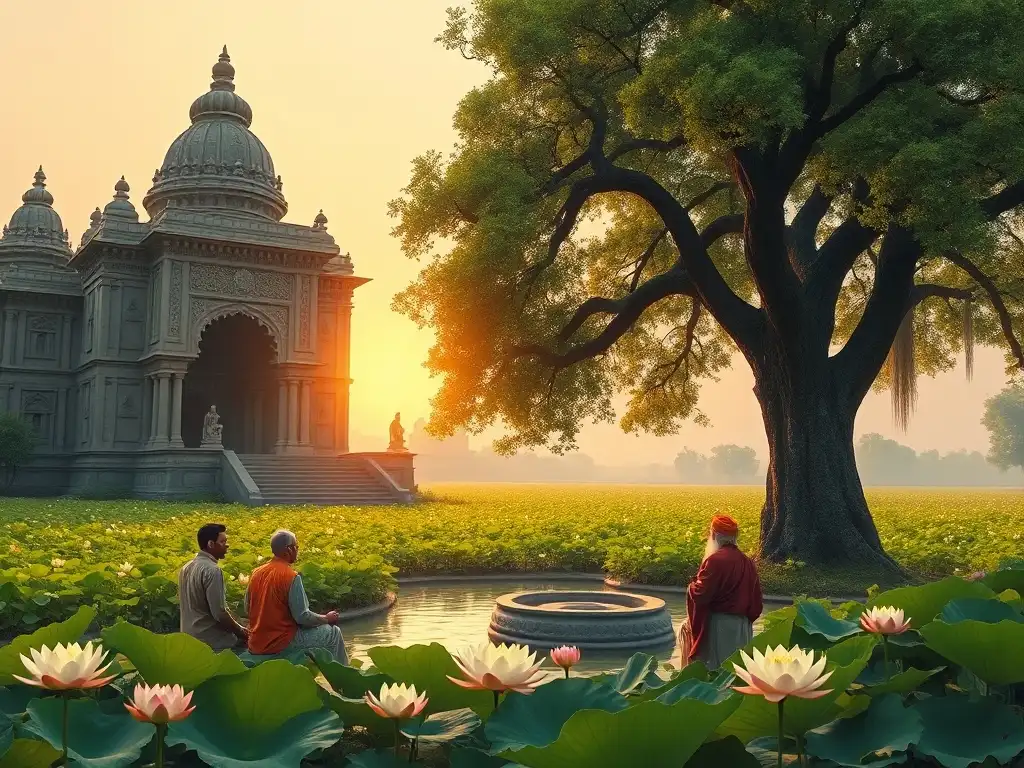
Gupta poetry often draws on vivid imagery of nature to convey spiritual themes. Poets utilized motifs such as the changing seasons, blooming flowers, and flowing rivers to symbolize the transient nature of life and the eternal cycle of birth and rebirth (samsara). For instance, the lush depictions of spring not only celebrate beauty but also signify renewal and hope, reflecting the spiritual journey of the soul.
One notable work, the "Kumarasambhava" by Kalidasa, illustrates this connection beautifully. Kalidasa employs natural imagery throughout the poem to evoke emotions and express the divine love story between Shiva and Parvati. The use of nature as a metaphor for spiritual quests and human emotions is prevalent in Gupta poetry, allowing readers to ponder the deeper meanings behind ordinary experiences.
Reflections of Nature in Gupta Artistic Philosophy
In Gupta art, nature is not just a subject but a fundamental element that shapes the artistic philosophy of the period. Sculptures and paintings often feature intricate representations of flora and fauna, symbolizing the divine and the cyclical nature of life. The aesthetic appeal of natural forms was enhanced by the use of vibrant colors and detailed craftsmanship, reflecting the artists' reverence for the environment.
Moreover, art from this period frequently incorporates natural elements into sacred spaces, such as temples. The architectural designs often harmonize with their surroundings, showcasing a deep respect for nature and its role in spiritual practices. The portrayal of divine beings amidst natural landscapes reinforces the belief that the divine is present in all aspects of life, fostering a sense of unity between the celestial and the earthly.
Conclusion: The Lasting Impact of Nature on Gupta Poetry and Art
The significance of nature in Gupta poetry and art transcends mere aesthetic appreciation; it embodies a philosophical and spiritual framework that influenced subsequent generations. By intertwining natural imagery with profound themes of existence, Gupta artists and poets established a legacy that continues to resonate in contemporary interpretations of art and literature.
Summary of Key Findings on Gupta Poetry and Art Significance
The examination of Gupta poetry and art reveals several key findings regarding their significance:
- Interconnectedness of Nature and Spirituality: Both poetry and art reflect a deep philosophical understanding of nature as a spiritual entity.
- Symbolic Representations: Natural elements are used symbolically to express profound themes such as love, renewal, and the cycle of life.
- Aesthetic Harmony: The integration of nature into artistic expressions showcases the Gupta artists' commitment to harmonizing their creations with the natural world.
These findings underscore the importance of nature in shaping the cultural and artistic landscape of the Gupta Empire.
Legacy of Gupta Artistic Expressions in Contemporary Understanding of Nature
The artistic expressions of the Gupta period have left an indelible mark on contemporary understanding of nature in art and poetry. Modern artists and poets often draw inspiration from Gupta motifs, utilizing similar themes of interconnectedness and spirituality. The legacy of Gupta art serves as a reminder of the enduring relationship between humanity and nature, prompting reflection on environmental issues and the need for conservation.
Furthermore, the philosophical insights gleaned from Gupta poetry about the significance of nature continue to inspire discussions around ecology and sustainability. By revisiting these ancient perspectives, contemporary society can foster a renewed appreciation for the environment and its vital role in our existence.
- Introduction to Gupta Poetry and Art Significance
- The Role of Nature in Gupta Poetry
- Nature in Gupta Art
- Elements of Nature in Gupta Sculpture and Architecture
- Nature as a Muse in Gupta Painting
- Comparative Analysis: Nature in Gupta Art vs. Other Ancient Indian Art Forms
- Literary Techniques Highlighting Nature
- The Philosophical Perspective on Nature
- Nature and Spirituality in Gupta Poetry
- Reflections of Nature in Gupta Artistic Philosophy
- Conclusion: The Lasting Impact of Nature on Gupta Poetry and Art
Frequently Asked Questions
What role does nature play in Gupta poetry?
Nature is a central theme in Gupta poetry, often symbolizing beauty, love, and spiritual connection. Poets used natural imagery to convey deep emotions and ideals.
How did Gupta art reflect natural elements?
Gupta art prominently featured natural elements such as flora and fauna, showcasing the artists' ability to capture the essence of nature in their sculptures and murals.
Why is the Gupta Empire significant in the context of poetry and art?
The Gupta Empire is often referred to as the Golden Age of Indian culture, where poetry and art flourished, leading to significant advancements in literature, sculpture, and painting.
What are some common symbols of nature found in Gupta art?
Common symbols include lotuses, trees, and animals, which often represent purity, life, and divinity, illustrating the interconnection between nature and spirituality.
How did Gupta poets express their relationship with nature?
Gupta poets expressed their relationship with nature through metaphors and similes, portraying it as a source of inspiration and a reflection of human emotions and experiences.
Final Reflection: The Enduring Significance of Nature in Gupta Poetry and Art
The exploration of nature in Gupta poetry and art remains profoundly relevant today, as it reminds us of the intrinsic bond between humanity and the natural world. In a time when environmental concerns are at the forefront of global discourse, the artistic expressions of the Gupta period serve as a timeless reminder of how nature has inspired creativity and reflection throughout history. The beauty and complexity of nature depicted in these works resonate with our contemporary struggles, urging us to reconnect with the world around us.
The influence of Gupta poetry and art on our cultural landscape is undeniable, as it continues to inspire artists, poets, and thinkers alike. The vivid imagery and themes of nature found in these works not only celebrate the environment but also provoke deeper contemplation about our place within it. As poet John Keats once said, A thing of beauty is a joy forever.
This sentiment encapsulates the essence of Gupta art and poetry, where nature is not merely a backdrop but a vital character that enriches the human experience.
As we reflect on the significance of nature in Gupta poetry and art, let us take a moment to consider how we can incorporate this appreciation into our own lives. I invite you to explore the beauty of the natural world around you, whether through art, poetry, or simple observation. By fostering a deeper connection with nature, we can cultivate a sense of gratitude and responsibility towards our environment, ensuring that the legacy of Gupta artistry continues to inspire future generations.
Unveil the Beauty of Nature in Gupta Art and Poetry!
Thank you for diving into the enchanting world of Gupta poetry and art with us! We hope you've discovered the profound significance of nature that permeates these timeless creations. Now, let's bring that inspiration to life with some exciting actions you can take!
- Explore a local park or natural reserve and reflect on how nature influences your thoughts and creativity—just as it did for the poets and artists of the Gupta period.
- Share your newfound appreciation by posting a photo of nature on social media, using the hashtag #GuptaNature, and invite friends to join the conversation.
- Join a local book club or art group, and discuss the themes of nature in ancient poetry and art, sparking discussions that transcend centuries.
What aspect of nature's influence in art and poetry resonates most with you, and how do you see it reflected in your own life?