
The Maurya Empire’s Taxation System: Balancing Prosperity and Control


Welcome to Ancient India History, where we embark on a fascinating journey through the tapestry of time, exploring the rich and diverse legacies of ancient Indian civilizations. Today, we delve into the intricate world of the Maurya Empire's taxation system, a critical mechanism that not only fueled prosperity but also maintained control across vast territories. What secrets lie behind this sophisticated system that balanced wealth and governance?
Join us as we uncover insights that reveal how these ancient practices continue to resonate in our understanding of economic and political structures today. Prepare to be intrigued and inspired as you explore the depths of history with us!
- Introduction to the Maurya Empire Taxation System
- The Framework of the Maurya Empire’s Taxation System
- The Purpose of Taxation in the Maurya Empire
- Administrative Mechanisms of Tax Collection
- Socio-Economic Impact of the Maurya Empire Taxation System
- Challenges and Criticisms of the Maurya Empire Taxation System
- Insights and Lessons from the Maurya Empire Taxation System
- Conclusion: The Legacy of the Maurya Empire’s Taxation System
-
Frequently Asked Questions
- What was the primary purpose of the Maurya Empire's taxation system?
- How did the Maurya Empire manage to balance taxation and prosperity?
- What types of taxes were imposed during the Maurya Empire?
- How did the taxation system contribute to the control of the Maurya Empire?
- Were there any reforms in the Maurya Empire's taxation system?
- Final Reflection: Insights into the Maurya Empire’s Taxation System and Its Lasting Legacy
- Unlock the Secrets of Ancient Governance!
Introduction to the Maurya Empire Taxation System
The Maurya Empire, one of the most significant and influential empires in ancient India, laid the foundation for a sophisticated administrative and taxation system that played a crucial role in its prosperity and governance. Spanning from approximately 322 BCE to 185 BCE, the empire was marked by remarkable advancements in politics, economy, and culture.
Understanding the Maurya Empire taxation system insights provides a deeper appreciation of how these practices shaped the socio-economic landscape of the time, balancing the need for revenue with the welfare of the populace. This article delves into the intricacies of the Maurya Empire's taxation system, highlighting its importance in sustaining the vast empire and maintaining control over its diverse territories.
Overview of the Maurya Empire and its Significance
The Maurya Empire emerged under the leadership of Chandragupta Maurya, who united the fragmented kingdoms of northern India. His grandson, Ashoka the Great, is particularly renowned for his efforts in spreading Buddhism and promoting non-violence and social welfare. The empire's significance lies not only in its territorial extent but also in its contributions to trade, culture, and governance.
Key features of the Maurya Empire include:
- Territorial Expansion: At its height, the empire encompassed a significant portion of the Indian subcontinent, including parts of modern-day India, Pakistan, and Afghanistan.
- Cultural Flourishing: The Maurya Empire is credited with advancements in art, architecture, and literature, as evidenced by the magnificent Ashoka Pillars and the spread of Buddhist teachings.
- Innovative Governance: The centralized administration and bureaucratic structure allowed for effective control over a vast and diverse population.
Understanding the governance model of the Maurya Empire, particularly its taxation system, is essential for grasping how it facilitated economic stability and societal progress.
Importance of Taxation in Ancient Civilizations
Taxation has been a fundamental aspect of governance throughout history, serving as a primary source of revenue for empires and states. In ancient civilizations, including the Maurya Empire, taxation played a critical role in:
- Economic Development: Taxes funded infrastructure projects, such as roads and irrigation systems, which were vital for agriculture and trade.
- Military Funding: A well-funded military was necessary for the protection of the empire's borders and maintenance of order.
- Public Welfare: Revenue collected through taxation could be allocated to public services, such as health and education, contributing to the overall welfare of the citizens.
The Maurya Empire's taxation system exemplified a balanced approach, aiming to generate revenue while ensuring the well-being of its subjects, thus enabling the empire to thrive amidst the challenges of governance and expansion.
The Framework of the Maurya Empire’s Taxation System

The Maurya Empire, which thrived from 322 to 185 BCE, is renowned for its sophisticated administrative structures, particularly its taxation system. This system was designed not only to generate revenue but also to maintain social order and stimulate economic growth. The Mauryan taxation framework was comprehensive, reflecting the empire's vast territories and diverse populations.
The taxation system was deeply intertwined with the agrarian economy, urban trade, and the relationship between the state and its subjects. It aimed to ensure that the empire remained prosperous while allowing for royal control over resources. The efficiency of the Mauryan administration, including figures like Chanakya, played a crucial role in shaping this system, emphasizing the need for a balance between the state's authority and the welfare of its citizens.
Key Features of the Maurya Empire Taxation System
The key features of the Maurya Empire taxation system can be summarized as follows:
- Centralized Control: The taxation system was centrally controlled, with the emperor holding ultimate authority over tax collection and administration.
- Regular Assessment: Tax assessments were conducted regularly to ensure that taxes reflected the economic conditions, such as crop yields and trade activity.
- Variety of Taxes: A diverse range of taxes was implemented, catering to different sectors, including agriculture, trade, and crafts.
- Public Welfare: Some taxes were specifically allocated for public welfare projects, such as irrigation, roads, and education.
- Record Keeping: The Mauryan administration employed scribes and accountants to maintain meticulous records of tax collection and distribution.
This framework enabled the Maurya Empire to thrive economically while maintaining a degree of control over its population.
Types of Taxes Imposed in the Maurya Empire
The Maurya Empire employed a variety of taxes, each serving distinct purposes and impacting different segments of the population. Understanding these types provides valuable Maurya Empire taxation system insights into how the empire functioned.
Land Revenue Tax: Structure and Rates
The land revenue tax was one of the most significant sources of income for the Maurya Empire. This tax was primarily levied on agricultural land and was crucial for sustaining the empire's economy. Here are some key aspects:
- Assessment Basis: Land revenue was assessed based on the productivity of the land, determined by factors such as soil quality and crop type.
- Tax Rate: Typically, the tax rate ranged from 25% to 50% of the agricultural produce, depending on the region and crop yield.
- Collection Mechanism: Taxes were usually collected in kind (i.e., a portion of the harvested crops) rather than cash, facilitating easier collection in agrarian societies.
- Impact on Farmers: While necessary for state revenue, heavy taxation could burden farmers, leading to potential unrest if yields were poor.
The land revenue system was essential for maintaining the agricultural backbone of the Mauryan economy while also ensuring that the state could fund its various administrative and military needs.
Trade and Commerce Taxes: A Detailed Examination
In addition to land revenue, the Maurya Empire also imposed taxes on trade and commerce, which were vital for urban development and economic expansion. Key points include:
- Trade Routes: Taxes were levied on goods transported along major trade routes, including those connecting the empire to neighboring regions.
- Market Taxes: Merchants were required to pay taxes at markets, which could include transaction fees or a percentage of sales.
- Regulation of Prices: The state often regulated prices to ensure fairness in trade, which indirectly influenced tax revenues.
- Impact on Commerce: While these taxes generated significant revenue, they also encouraged the growth of a robust commercial sector, fostering urbanization and cultural exchange.
The taxation of trade and commerce played a fundamental role in linking the Maurya Empire with other regions, enhancing economic ties and cultural interactions.
Indirect Taxes: Their Role and Impact
Indirect taxes were another crucial component of the Maurya Empire's taxation system, impacting everyday life and commerce. These taxes included:
- Consumption Taxes: Levied on goods consumed by the populace, such as salt, textiles, and luxury items.
- Excise Taxes: Imposed on specific industries, like liquor production, these taxes served both as a revenue source and a means of regulation.
- Tolls and Fees: Charges for using roads, rivers, or trade routes, which contributed to infrastructure maintenance.
- Economic Implications: While indirect taxes were less visible to the populace, they significantly influenced consumer behavior and overall economic activity.
The implementation of indirect taxes showcased the Maurya Empire's ability to adapt its fiscal policies to meet the needs of a complex and dynamic economy.
The Maurya Empire taxation system was intricate and multifaceted, designed to support the empire's vast administrative needs while fostering economic growth and stability. Each type of tax played a critical role in the overall governance and prosperity of ancient India.
The Purpose of Taxation in the Maurya Empire

Taxation in the Maurya Empire served multiple essential purposes, acting as a tool for both economic management and political control. The comprehensive taxation system was pivotal in enabling the empire to sustain its vast territories and diverse populations, ensuring stability and prosperity.
Balancing Prosperity and Control Through Taxation
The Maurya Empire, flourishing from 322 to 185 BCE, implemented a nuanced taxation system that aimed to balance economic prosperity with effective governance. The rulers understood that a fair and efficient tax structure could foster loyalty among subjects, thereby enhancing control. The empire employed various forms of taxation, including:
- Land Revenue: This was the primary source of income, levied on agricultural produce. Farmers were taxed based on the size of their land and the productivity of their crops.
- Trade Taxes: Merchants paid taxes on goods traded within and beyond the empire. These taxes were crucial for regulating commerce and boosting the economy.
- Wealth Taxes: Additional taxes were imposed on the affluent classes, ensuring that those with greater financial capabilities contributed more towards the empire’s needs.
By employing these strategies, the Maurya Empire was able to:
- Encourage Agricultural Productivity: By ensuring that taxes were manageable, farmers were incentivized to increase production, contributing to overall economic growth.
- Facilitate Trade: The systematic taxation of trade encouraged merchants to engage in commerce, as clear regulations allowed for predictable profits.
- Maintain Order: A well-structured taxation system helped in maintaining law and order, as it reduced grievances among the populace regarding unfair tax burdens.
Economic Growth and Development Under the Maurya Empire
The Maurya Empire experienced significant economic growth, largely attributed to its effective taxation system. This growth was multi-faceted, involving various sectors and contributing to the overall prosperity of the empire.
- Agriculture: The land revenue system ensured that agricultural production was optimized. With taxes based on yields, farmers were motivated to enhance their cultivation techniques, leading to surplus production. This surplus not only supported local markets but also contributed to trade networks.
- Infrastructure Development: Revenue generated from taxes was strategically reinvested into the empire’s infrastructure. Roads, irrigation systems, and storage facilities were constructed, facilitating trade and improving agricultural efficiency. The development of such infrastructure also stimulated local economies, creating jobs and enhancing the quality of life.
- Urbanization: The growth of cities was closely linked to the economic policies of the Maurya Empire. Urban centers became hubs of trade and commerce, attracting artisans, merchants, and laborers. The wealth generated from these activities further enriched the empire's coffers, allowing for greater public spending.
Funding Public Services and Infrastructure
A critical aspect of the Maurya Empire’s taxation system was its role in funding public services and infrastructure projects. The rulers recognized that investing in public welfare was essential for maintaining the loyalty of their subjects and ensuring long-term stability.
- Public Welfare: Tax revenues were allocated to various social services, including healthcare and education. The establishment of hospitals and educational institutions under the Mauryan rule is a testament to their commitment to public welfare. This investment not only improved the quality of life but also fostered a literate and healthy populace.
- Infrastructure Projects: The Mauryan administration undertook extensive infrastructure projects, including the construction of roads, canals, and bridges. These projects were crucial for enhancing connectivity, facilitating trade, and ensuring the efficient movement of troops. The effective use of tax revenues for infrastructure development demonstrated the empire's commitment to progress and modernization.
- Administrative Efficiency: The taxation system itself was administered with a focus on efficiency and fairness. Officials were appointed to oversee tax collection, ensuring that the process was transparent and that resources were allocated effectively. This administrative structure not only streamlined operations but also reduced corruption, fostering trust between the rulers and the ruled.
The Maurya Empire's taxation system was a sophisticated mechanism that balanced prosperity with control. By funding economic growth and public services, the empire not only enhanced its wealth but also secured the loyalty and well-being of its citizens, laying the groundwork for a prosperous civilization that would leave a lasting legacy in Indian history.
Administrative Mechanisms of Tax Collection
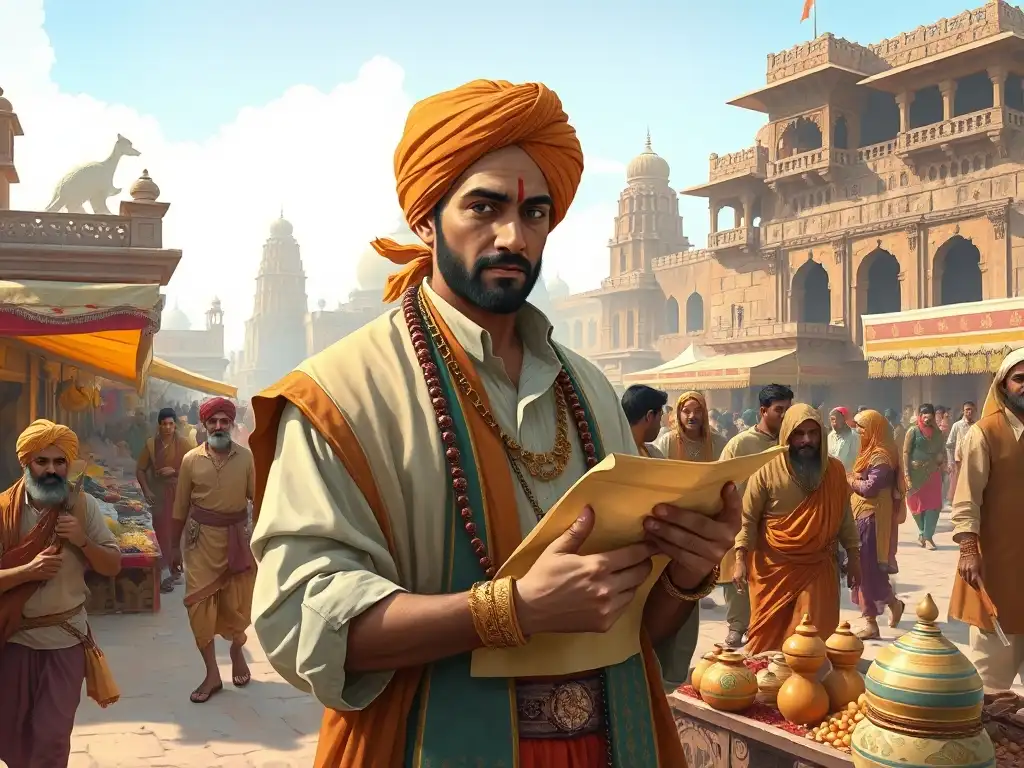
The Maurya Empire, one of the most significant ancient Indian civilizations, implemented a sophisticated taxation system that was integral to its administration and governance. The administrative mechanisms of tax collection were designed to ensure a steady revenue stream while maintaining social stability and encouraging economic growth. The efficiency of these mechanisms is a testament to the Mauryan rulers' ability to balance prosperity and control.
Roles of Officials in Tax Administration
In the Maurya Empire, the tax administration relied heavily on a structured hierarchy of officials tasked with various responsibilities. Key roles included:
- Samaharta (Chief Collector): Responsible for overseeing tax collection in a specific region, the Samaharta ensured that tax policies were implemented effectively and that revenue targets were met. They reported directly to higher authorities, maintaining accountability within the system.
- Amatyas (Ministers): Acting as advisors to the king, Amatyas played a critical role in formulating tax policies and regulations. They analyzed economic conditions and recommended adjustments to tax rates based on agricultural productivity and trade activities.
- Karmakaras (Tax Collectors): These officials were directly involved in the collection process. They traveled to various villages and towns, assessing local economic conditions and collecting taxes owed. Their presence was vital in fostering a sense of duty among the local populace.
The effective functioning of these officials created a robust framework for tax collection, which was essential for funding the empire's military, infrastructure, and public welfare initiatives.
The Process of Tax Assessment and Collection
The Maurya Empire employed a systematic approach to tax assessment and collection. This included several stages to ensure fairness and efficiency:
- Land Surveys: Regular surveys were conducted to assess agricultural productivity and land ownership. This data formed the basis for tax calculations, ensuring that taxes were levied according to the capacity of the landowners.
- Tax Types: The Mauryan taxation system consisted of various taxes, including:
- Kara (Agricultural Tax): Typically a fixed portion of the harvest, this tax was the primary source of revenue.
- Goods and Service Taxes: Levied on trade and commerce, these taxes ensured that economic activities contributed to the empire's coffers.
- Customs Duties: Imposed on goods entering or leaving the empire, these duties facilitated trade regulation.
- Collection Methods: Taxes were collected through direct payments in kind (crops or goods) or in cash, depending on the region's economic structure. The use of local marketplaces facilitated easier collection.
- Dispute Resolution: A formal system was in place to address grievances related to tax assessments. Local courts overseen by Amatyas allowed for appeals, ensuring fairness and maintaining public trust in the system.
The Use of Technology and Methods for Efficient Tax Collection
The Maurya Empire was innovative in its use of technology and methods to enhance the efficiency of tax collection. Some notable practices included:
- Standardized Measures: The introduction of standardized weights and measures facilitated fair assessments and reduced disputes over tax quantities. This uniformity was critical in a vast empire with diverse regions.
- Record Keeping: Detailed records were maintained by scribes to track tax payments and outstanding dues. This documentation was vital for monitoring compliance and ensuring that tax collection was systematic.
- Communication Networks: The empire's extensive road systems allowed for efficient communication between tax collectors and central authorities. This connectivity helped in the timely reporting of revenue and economic conditions.
- Use of Coins: The Mauryan introduction of a standardized currency made cash transactions easier, further streamlining the tax collection process. This innovation fostered a more integrated economy, enhancing trade and commerce.
By leveraging these technologies and methods, the Maurya Empire established a taxation system that not only met its financial needs but also promoted economic stability and growth across its vast territories.
The Maurya Empire taxation system insights reveal a well-organized framework that was pivotal in supporting one of the most powerful empires in ancient India. The careful balance between effective tax collection and the welfare of its citizens underscores the sophistication of Mauryan administration.
Socio-Economic Impact of the Maurya Empire Taxation System

The Maurya Empire's taxation system was a crucial aspect of its governance, significantly influencing the socio-economic landscape of ancient India. This system not only aimed at revenue generation but also facilitated the state’s administrative functions and the welfare of its citizens. Let’s explore the various dimensions of its socio-economic impact, focusing on how it affected farmers, trade, and social structures.
Effects on Farmers and Agriculture
The Maurya Empire's taxation system imposed several levies on agricultural production, which were primarily designed to ensure the state’s revenue while also supporting agricultural development. The most notable tax was the Kharaj, a land revenue tax that demanded a portion of the produce, often estimated at about one-sixth to one-fourth of the harvest.
- Stability and Support: The taxation system provided stability through irrigation projects and agricultural infrastructure, which were funded by tax revenues. This support not only enhanced productivity but also led to agricultural innovations.
- Burden on Farmers: However, the tax burden could be heavy, especially during poor harvests. Farmers often faced difficulties in meeting tax obligations, which could lead to indebtedness and loss of land. The state sometimes provided relief through debt forgiveness or reduced taxes in times of famine.
- Incentives for Production: To encourage agricultural productivity, the Mauryan administration also implemented policies that rewarded higher yields. This included better access to seeds, tools, and knowledge, which were often facilitated through local governance structures.
The dual nature of taxes—providing both support and burden—created a complex relationship between the state and its agrarian populace, reflecting the intricate balance of the Maurya Empire taxation system.
Impact on Trade and Commercial Activities
Trade flourished under the Maurya Empire, bolstered by a well-structured taxation system that regulated commercial activities. The state levied taxes on various goods and services, which played a pivotal role in the economy.
- Market Regulation: The Mauryan taxation system included taxes on trade goods, such as customs duties, which were imposed on goods entering and leaving the empire. This not only generated revenue but also allowed the state to regulate market practices effectively.
- Encouragement of Trade Routes: The maintenance and security of trade routes by the state encouraged commerce. Tax revenues were often reinvested into infrastructure, such as roads and ports, facilitating smoother trade operations.
- Integration of Regions: The taxation system helped integrate various regions of the empire, promoting the movement of goods and cultural exchange. This integration was vital for the economic prosperity of the Maurya Empire, with major trade hubs emerging in cities like Pataliputra and Taxila.
The interplay between taxation and trade under the Maurya Empire demonstrates how effective governance can stimulate economic growth while ensuring state revenues.
The Maurya Empire's taxation system had profound implications for social stratification. While the state utilized taxes for various public services, the distribution of benefits was often uneven.
- Beneficiaries of Taxation: The elite classes, including the Brahmins and wealthy merchants, often benefited the most from the taxation system. They had the means to influence tax policies and often enjoyed exemptions or reduced rates. This created a disparity between the wealthy and the common populace.
- Role of the State: The state aimed to balance this inequality through welfare programs funded by tax revenues. Projects aimed at public health, education, and infrastructure development were intended to uplift the lower classes, although the effectiveness varied.
- Resistance and Compliance: Taxation led to both compliance and resistance among different social strata. While many accepted the taxes as a means of state support, there were instances of revolt against excessive taxation, particularly among the peasantry, who felt overburdened.
The Maurya Empire taxation system thus played a dual role in shaping social hierarchies, promoting both the welfare of certain classes while perpetuating inequalities that could lead to social unrest.
The Maurya Empire's taxation system was a complex mechanism that influenced various aspects of society, from agriculture to trade and social structures. Its impacts reflect the challenges of governance in balancing prosperity and control, providing valuable insights into the socio-economic fabric of ancient India.
Challenges and Criticisms of the Maurya Empire Taxation System

The Maurya Empire’s taxation system, while innovative and comprehensive, faced numerous challenges and criticisms that affected its overall efficacy and long-term sustainability. Understanding these challenges is crucial for gaining insights into the complexities of governance during this era.
Rebellions and Resistance Against Taxation Policies
Resistance against the Maurya Empire’s taxation policies was not uncommon. High taxation rates, often viewed as burdensome, led to widespread discontent among various strata of society, particularly among farmers and artisans.
- Peasant Rebellions: Many peasants found the tax demands, which sometimes amounted to 25-50% of their produce, unsustainable. This led to uprisings in regions such as Magadha.
- Regional Discontent: The imposition of taxes in newly annexed territories often resulted in local resistance. For example, when Chandragupta Maurya expanded the empire, the local populations resisted harsh tax collection methods that disrupted their traditional practices.
- Cultural Resistance: The centralized taxation system often clashed with local customs and practices, leading to social unrest. In certain areas, resistance took the form of non-cooperation or secretive tax evasion.
Inequities in Tax Collection and Distribution
The Maurya Empire’s taxation system was marked by significant inequities in both collection and distribution.
- Disparities: Wealthier landowners often managed to evade taxes or negotiate lower rates, while the burden fell disproportionately on poorer farmers. This inequity created a perception of favoritism towards the elite, undermining the legitimacy of the state.
- Corruption and Mismanagement: Tax collectors, or Amatyas, sometimes abused their power, leading to corruption in the tax collection process. Reports indicate that some collectors demanded additional payments beyond the official rates, exacerbating the grievances of the lower classes.
- Resource Allocation: The distribution of tax revenues was often criticized for favoring military expenditures and royal projects, such as the construction of grand palaces and roads, rather than being reinvested into the local communities. This led to a widening gap between the ruling elites and the common populace.
Long-Term Sustainability of the Taxation System
The sustainability of the Maurya Empire’s taxation system came into question over time, as the initial revenues that fueled the empire began to dwindle.
- Economic Pressures: As the empire expanded, the costs of maintaining a large military and administrative apparatus grew. If tax revenues could not keep pace with these expenses, the empire risked financial instability.
- Agricultural Dependence: The heavy reliance on agriculture for tax revenues made the empire vulnerable to fluctuations in agricultural output due to natural disasters or poor harvests. This dependence raised concerns about the long-term viability of the taxation structure.
- Administrative Overreach: The sheer scale of the Maurya Empire stretched its administrative capabilities. As the empire became larger, inefficient tax collection methods emerged, leading to decreased compliance and increased resistance from citizens.
While the Maurya Empire's taxation system was integral to its governance and economic management, it faced significant challenges that highlighted the complexities of ruling a vast and diverse empire. Understanding these insights into the Maurya Empire taxation system helps clarify the balance between prosperity and control faced by ancient Indian civilizations.
Insights and Lessons from the Maurya Empire Taxation System

The taxation system of the Maurya Empire, one of the most prominent ancient Indian empires, serves as a significant case study in evaluating the balance between economic prosperity and governmental control. Established by Chandragupta Maurya in the 4th century BCE, the empire's taxation framework was meticulously designed to optimize revenue while ensuring the welfare of its subjects. This section delves into valuable insights derived from the Maurya Empire taxation system, which can inform contemporary governance and fiscal policies.
Key Features of the Maurya Empire Taxation System
- Diverse Taxation Sources:
- The Maurya Empire implemented a multifaceted taxation system that included land revenue, trade taxes, and taxes on various professions.
- Land revenue constituted the bulk of the empire's income, with rates typically set around 25% of the agricultural produce. This allowed for consistent revenue while supporting farmers.
- Administrative Efficiency:
- A well-structured bureaucracy played a crucial role in tax collection. The Mauryan administration employed officials known as Amatyas to oversee tax collection, ensuring both efficiency and accountability.
- The use of local intermediaries helped in minimizing resistance and fostering a cooperative relationship with the agrarian population.
- Equitable Taxation Principles:
- The Mauryan taxation policy emphasized fairness and avoided excessive burdens on the peasantry. Taxation was scaled according to the capacity of individuals, reflecting an early understanding of progressive taxation.
- Special provisions were made during famine or disasters, demonstrating a compassionate governance approach aimed at maintaining social stability.
- Impact on Economic Growth:
- The taxation system significantly contributed to the empire's robust infrastructure development, including roads and trade routes, which facilitated commerce and increased tax revenues.
- By investing in public works and security, the Maurya Empire laid down a framework that enhanced trade and economic activities.
Comparative Analysis with Other Ancient Civilizations
The Maurya Empire's taxation system can be contrasted with those of other ancient civilizations, such as Mesopotamia, Ancient Egypt, and the Roman Empire, to highlight unique features and common practices.
- Mesopotamia:
- Mesopotamian taxation was heavily reliant on temple economies and a barter system, in contrast to the Maurya's structured monetary taxes.
- While Mesopotamian rulers often imposed harsh penalties for tax evasion, the Mauryan approach prioritized cooperation and understanding.
- Ancient Egypt:
- The Egyptian taxation system centered around grain and agricultural output, similar to the Maurya Empire. However, it lacked the administrative sophistication seen in Maurya's bureaucracy.
- Egypt’s taxation tended to be more rigid and less adaptable to the needs of its citizens compared to the Mauryan system.
- Roman Empire:
- The Roman taxation system was extensive and complex, often resulting in dissatisfaction among provinces. The Mauryan model's emphasis on local governance and equitable taxation proved more effective in maintaining social order.
- While Rome relied heavily on indirect taxes and tariffs, the Mauryan Empire focused on direct taxation that was more transparent and easier to manage.
Modern Implications of Ancient Taxation Insights
The insights gleaned from the Maurya Empire's taxation system bear significant relevance for contemporary governance and fiscal policy frameworks.
- Progressive Taxation Models:
- The Maurya Empire's equitable approach to taxation can inspire modern governments to adopt progressive taxation principles, ensuring that tax burdens are fairly distributed according to citizens' income levels.
- Administrative Efficiency:
- Learning from the Mauryan emphasis on a well-trained bureaucracy can lead to improved tax collection systems today. Investing in administrative capacities can enhance efficiency and reduce corruption.
- Responsive Governance:
- The Mauryan model illustrates the importance of a responsive taxation system that adapts to citizens' needs, especially during crises. Modern states can benefit from implementing flexible tax policies that provide relief during economic downturns.
- Public Investment:
- By understanding the connection between taxation and public investment, contemporary governments can prioritize infrastructure and social programs that stimulate economic growth, much like the Maurya Empire did.
- Civic Engagement:
- Encouraging civic engagement in tax policy formulation, as seen in the Mauryan interactions with local populations, can enhance trust and compliance in modern taxation systems.
The Maurya Empire taxation system offers rich insights that transcend time, providing lessons in governance, equity, and economic strategy that remain pertinent for today's challenges. Understanding these principles can aid contemporary policymakers in crafting sustainable and effective taxation frameworks.
Conclusion: The Legacy of the Maurya Empire’s Taxation System
The Maurya Empire's taxation system was a hallmark of its administrative prowess, reflecting a delicate balance between state control and the economic prosperity of its citizens. This sophisticated system not only facilitated the empire's expansive governance but also laid the groundwork for future economic frameworks in ancient India. By leveraging a variety of tax types, including land revenue, trade taxes, and specialized levies on crafts and industries, the Mauryan administration ensured a steady influx of resources necessary for public welfare and military expenditures.
Summary of Key Insights on Maurya Empire Taxation System
The Maurya Empire’s taxation system can be summarized through several key insights:
- Diverse Taxation Types:
- Land Revenue: The primary source of income, calculated based on land productivity and agricultural yields.
- Trade Taxes: Levied on goods transported via trade routes, crucial for maintaining commerce.
- Craft and Industry Levies: Specific taxes imposed on artisans and craftsmen, encouraging regulated production.
- Administrative Structure:
- Centralized Control: The taxation system was streamlined under a centralized authority, ensuring consistency and efficiency in tax collection.
- Local Governance: Local officials played a significant role in enforcing tax policies, adapting them to regional contexts.
- Economic Incentives:
- Tax exemptions and reductions were strategically employed to stimulate certain sectors, such as agriculture during drought periods.
- Social Welfare:
- Revenue generated through taxation was directed towards public projects, infrastructure, and welfare programs, promoting overall societal stability.
This multifaceted approach allowed the Mauryan Empire to maintain a stable economy, supporting its vast territories while fostering loyalty among its subjects through visible benefits from taxation.
The Influence of the Maurya Empire on Future Taxation Systems in India
The innovative taxation practices of the Maurya Empire had a lasting influence on subsequent Indian empires and states. Their legacy can be observed in several notable ways:
- Framework for Future Empires:
- Subsequent empires, such as the Gupta Empire, adopted and adapted Mauryan tax structures to suit their administrative needs, ensuring continuity in taxation practices across India.
- Cultural Integration of Taxation:
- The Mauryan emphasis on fairness and the welfare of citizens influenced the perception of taxation in later societies, embedding the notion that taxes should serve the public good rather than merely serve the state.
- Administrative Innovations:
- The Mauryan use of a detailed bureaucracy for tax collection became a model for future rulers, leading to more refined methods of governance and resource management.
- Economic Theories:
- The insights derived from Mauryan taxation practices informed later economic theories in India, particularly regarding land revenue systems and their impact on agrarian societies.
The Maurya Empire’s taxation system was not merely a means of revenue collection; it was a sophisticated mechanism that balanced state control with the prosperity of its citizens. Its insights and methodologies continue to resonate within the historical context of taxation in India, influencing governance and economic policies for centuries to come.
Frequently Asked Questions
What was the primary purpose of the Maurya Empire's taxation system?
The primary purpose of the Maurya Empire's taxation system was to generate revenue for the state while ensuring the welfare of its citizens and maintaining order.
How did the Maurya Empire manage to balance taxation and prosperity?
The Maurya Empire succeeded in balancing taxation and prosperity by implementing a fair taxation system that took into account the economic conditions of its subjects, promoting agriculture and trade.
What types of taxes were imposed during the Maurya Empire?
The Maurya Empire imposed various types of taxes, including land taxes, trade taxes, and customs duties, which were designed to be proportional to the income of individuals and businesses.
How did the taxation system contribute to the control of the Maurya Empire?
The taxation system allowed the Maurya Empire to maintain control over its vast territories by ensuring that the central authority had the necessary resources to enforce laws and provide public services.
Were there any reforms in the Maurya Empire's taxation system?
Yes, the Maurya Empire underwent several reforms in its taxation system, particularly under Chandragupta Maurya and Ashoka, aimed at making the system more efficient and equitable for all citizens.
Final Reflection: Insights into the Maurya Empire’s Taxation System and Its Lasting Legacy
The Maurya Empire's taxation system serves as a remarkable example of how governance can balance prosperity and control in a vast and diverse realm. In today’s world, where economic disparities and governance challenges persist, understanding the intricacies of historical taxation systems can provide valuable insights into contemporary fiscal policies. The Maurya Empire’s approach to taxation not only facilitated economic growth but also maintained social order, highlighting the timeless relevance of these strategies in our modern societies.
The influence of the Maurya Empire’s taxation system extends beyond mere historical interest; it continues to shape our cultural and social landscapes. As we navigate the complexities of modern taxation and governance, the lessons learned from the Maurya Empire resonate deeply. The balance they struck between revenue generation and the welfare of their citizens reminds us of the importance of equitable taxation. As the philosopher Chanakya once said, There is some self-interest behind every friendship. There is no friendship without self-interests.
This quote underscores the necessity of mutual benefit in governance, a principle that remains crucial in today’s political and economic discussions.
As we reflect on the insights gained from the Maurya Empire’s taxation system, I invite you to consider how these lessons can be applied in your own life and community. Think about the role of fairness and responsibility in your interactions and decisions. Whether you are involved in local governance, business, or community service, strive to create systems that promote equity and prosperity for all. By embracing the wisdom of the past, we can forge a brighter future that honors the balance between control and the collective good.
Unlock the Secrets of Ancient Governance!
Thank you for diving into the fascinating world of the Maurya Empire's taxation system. You've uncovered the delicate balance between prosperity and control that shaped one of history's greatest civilizations. Now, it's time to take your newfound knowledge a step further.
Here’s how you can continue this journey:
- Explore further: Delve into related topics like trade practices or urban development in ancient India to see how they intertwined with the taxation system.
- Share your thoughts: Discuss this article with friends or on social media; your insights could inspire a deeper conversation about ancient governance.
- Join a community: Engage with online forums dedicated to ancient history where you can ask questions and share your interests with like-minded enthusiasts.
Which aspect of the Maurya Empire’s governance resonates with you the most? How do you think these principles can be applied to modern systems?