
The Role of Merchants in Ancient Indian Trade: Beyond Economics

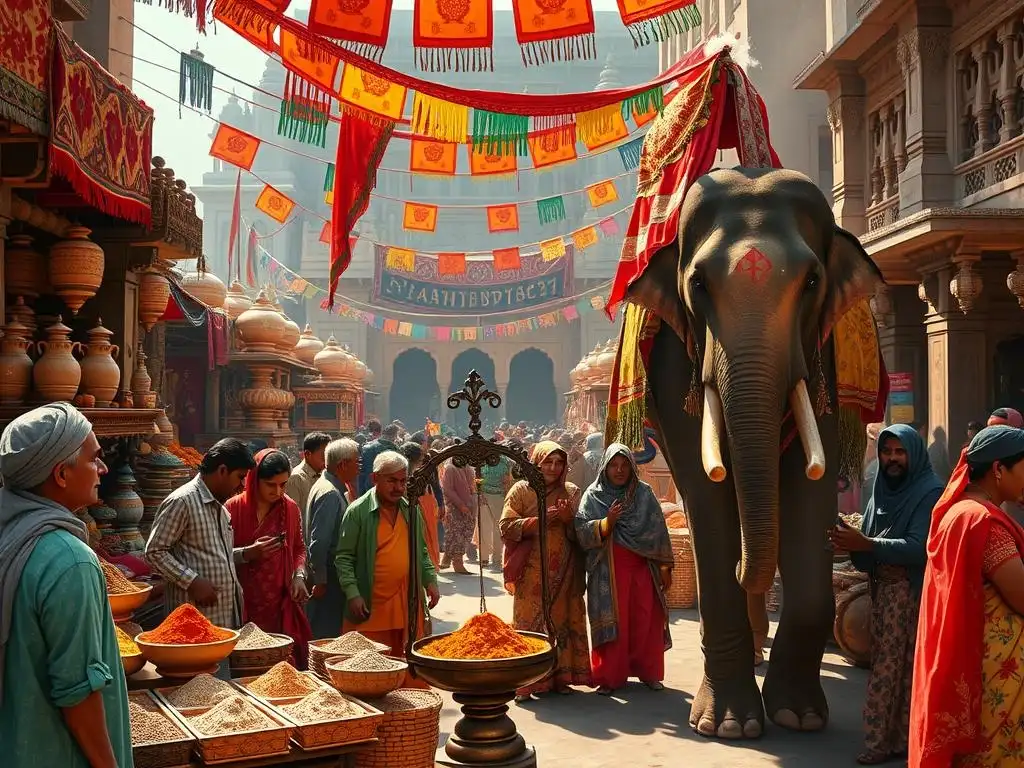
Welcome to Ancient India History, where we delve into the fascinating tapestry of rich cultures and remarkable civilizations that shaped one of the world's oldest lands. In this exploration, we invite you to uncover the intricate world of ancient Indian trade and merchants, a realm that extends far beyond mere economics. Discover how these pivotal figures not only facilitated commerce but also bridged cultures, influenced social dynamics, and contributed to the vibrant legacy of ancient India.
Are you ready to embark on a journey through time and uncover the secrets of trade that once thrived along the bustling routes of this magnificent civilization? Dive in and let the story unfold!
Introduction to Ancient Indian Trade and Merchants
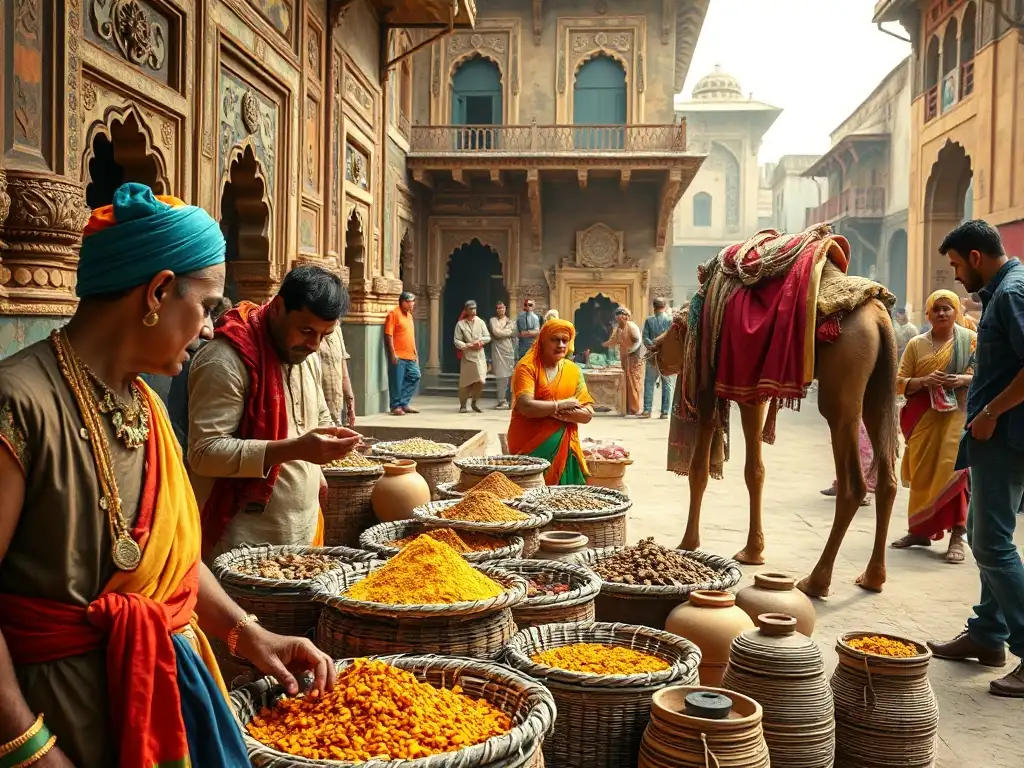
The intricate tapestry of ancient Indian trade and commerce is woven with the contributions of merchants who played a pivotal role beyond mere economic transactions. In a civilization renowned for its cultural, scientific, and artistic innovations, merchants were not just traders; they were crucial intermediaries who facilitated the exchange of ideas, goods, and cultural practices across vast distances. This article delves into the multifaceted roles of merchants in ancient India, examining how they shaped economic systems, influenced societal structures, and contributed to the rich legacy of Indian civilization.
Overview of Ancient Indian Trade
Ancient Indian trade dates back to the Indus Valley Civilization (circa 2500–1900 BCE), which established sophisticated urban centers that engaged in extensive trade networks. The Indus Valley merchants traded commodities such as cotton, beads, and pottery, utilizing advanced techniques like standardized weights and measures.
- Key Features of Ancient Indian Trade:
- Diverse range of goods: textiles, spices, precious stones, and metals.
- Use of barter systems and, later, coinage.
- Influence of geographical features like rivers and mountains on trade routes.
Trade flourished during various periods, including the Mauryan Empire (322–185 BCE) and the Gupta Empire (circa 240–550 CE), where merchants were vital in connecting India with distant lands, including Southeast Asia, the Middle East, and the Mediterranean.
Importance of Merchants in Economic Systems
Merchants were not merely facilitators of goods but also pivotal to the functioning of ancient economic systems. Their activities influenced:
- Market Dynamics: Merchants established marketplaces that became centers of commerce, fostering competition and innovation.
- Cultural Exchange: They acted as cultural ambassadors, introducing foreign products and ideas, which enriched Indian culture and society.
- Social Structures: Merchants often formed guilds, which provided them with collective bargaining power and social status.
The role of merchants extended beyond economics; they were instrumental in the dissemination of knowledge, religion, and technology throughout ancient India.
The Evolution of Trade and Commerce in Ancient India
The evolution of trade in ancient India reflects the changing dynamics of society, politics, and technology. Understanding this evolution provides insight into the complexities of ancient Indian civilization and its influence on global trade practices.
Historical Context of Trade in Ancient India
Trade in ancient India evolved through various phases, influenced by political stability, technological advancements, and cultural interactions. Key developments include:
- The Vedic Period (circa 1500–500 BCE): Marked by the transition from barter to more structured forms of trade, with evidence of trade in cattle, grains, and textiles.
- The Mauryan Period: The emergence of a unified political entity allowed for the development of extensive trade networks and the introduction of standardized currency.
- The Gupta Period: Known as the Golden Age of India, marked by significant advancements in trade practices, including the use of coins and the flourishing of international trade.
Major Trade Routes and Their Significance
Ancient India was crisscrossed by numerous trade routes that facilitated not only the exchange of goods but also ideas and cultures. Some of the most significant trade routes include:
- The Silk Road: Connecting India with Central Asia and beyond, facilitating the exchange of silk, spices, and precious stones.
- The Spice Route: Vital for the export of Indian spices, which were highly sought after in global markets.
- Maritime Trade Routes: Engaging with Southeast Asia and the Arabian Peninsula, where Indian goods reached distant shores.
These routes played a crucial role in establishing India as a central hub in ancient global trade, highlighting the importance of merchants in fostering international relations and cultural exchange.
The Role of Merchants in Economic Development
The role of merchants in ancient Indian trade extends far beyond mere economic transactions; they were pivotal figures in the development of local and regional economies. Merchants facilitated not only the flow of goods but also the movement of capital, which in turn stimulated agricultural production, handicrafts, and urban growth. Their networks provided the necessary infrastructure for trade routes, connecting distant markets and allowing for the exchange of a diverse range of commodities, including spices, textiles, and precious stones.
Merchants often acted as intermediaries between producers and consumers, ensuring that goods reached their intended markets. This role was crucial in enhancing economic interconnectivity among various regions of ancient India, contributing to a more integrated economy. The wealth generated through trade allowed merchants to invest in local projects and infrastructure, further promoting economic development and urbanization.
Merchants as Catalysts for Economic Growth
Merchants played a vital role as catalysts for economic growth in ancient Indian societies. By establishing trade routes both inland and overseas, they opened up new markets, which led to increased demand for local products. This demand stimulated production and innovation in various sectors, including agriculture, textiles, and metallurgy. The rise of merchant guilds and associations also fostered collaboration and resource sharing among traders, enhancing their bargaining power and influence.
Moreover, as they accumulated wealth, many merchants transitioned into roles as patrons of the arts and culture. Their investments in local artisans and craftsmen not only enriched cultural life but also provided employment opportunities, thus further supporting economic stability and growth. The competitive nature of trade encouraged merchants to seek new products and improve their offerings, leading to a culture of innovation that benefited the economy as a whole.
The Impact of Trade on Local Economies
The extensive trade networks established by merchants had significant impacts on local economies throughout ancient India. Regions that were strategically located along trade routes often experienced economic booms due to the influx of goods and wealth. For instance, coastal cities such as Calicut and Surat became bustling trade hubs where merchants exchanged spices, textiles, and other commodities with foreign traders.
These interactions resulted in a vibrant economic landscape characterized by increased specialization. Local economies began to focus on specific goods that they could produce efficiently, leading to the development of regional specialties. For example, the Deccan plateau was known for its cotton textiles, while the Himalayan regions were recognized for their exquisite handicrafts. The prosperity generated through trade not only enhanced local economies but also elevated the social status of merchants within their communities.
Cultural Exchange Through Trade
Trade in ancient India was not solely an economic activity; it served as a bridge for cultural exchange. The interactions between merchants and diverse communities facilitated the sharing of ideas, traditions, and customs. As merchants traveled along trade routes, they brought with them not only goods but also cultural practices that enriched the societies they encountered.
Influence of Merchants on Cultural Interactions
Merchants were instrumental in fostering cultural interactions across various regions of ancient India and beyond. Their extensive travels exposed them to different cultures, languages, and belief systems, enabling them to act as conduits for cultural diffusion. This interaction often led to the blending of traditions, as merchants adopted elements from different cultures and introduced them to their own communities.
The influence of merchants can be seen in the spread of languages, artistic styles, and culinary practices. For instance, the interaction between Indian merchants and traders from the Arab world led to the incorporation of Arabic words into local languages and the introduction of new culinary techniques. The cultural exchanges facilitated by merchants contributed to a rich tapestry of diversity that characterized ancient Indian society.
Spread of Ideas, Religions, and Innovations
The role of merchants extended to the dissemination of ideas and religious beliefs, significantly impacting the cultural landscape of ancient India. Along trade routes, merchants were often among the first to encounter new philosophies and religions. Buddhism and Jainism, for example, spread through trade networks, as merchants shared these teachings with their communities and beyond.
Additionally, merchants played a crucial role in the exchange of innovations, including agricultural techniques and technological advancements. The introduction of new crops and farming methods, such as the use of irrigation systems, contributed to agricultural productivity and food security. This exchange of knowledge not only benefited the economy but also laid the groundwork for future advancements in various fields, including science and technology.
Merchants were vital figures in ancient Indian trade, serving as catalysts for economic development and cultural exchange. Their contributions shaped not only the economic landscape but also the cultural identity of ancient India, leaving a lasting legacy that continues to be recognized today.
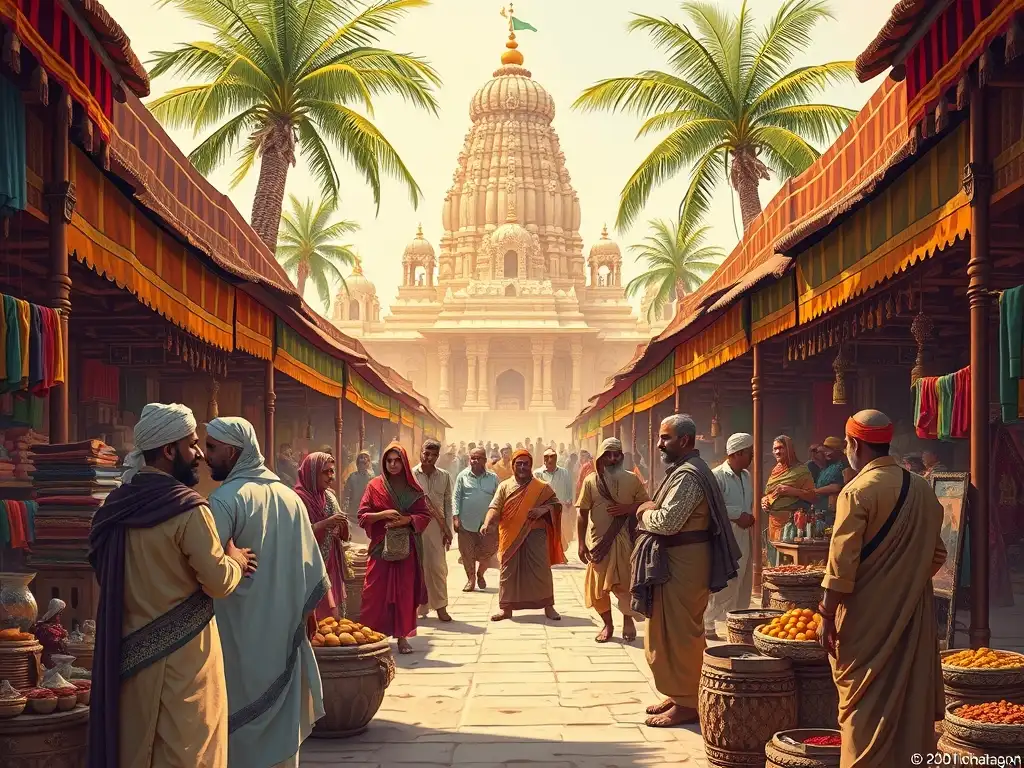
In ancient India, merchants held a significant position within the social fabric, influencing various aspects of life beyond mere economic transactions. Their roles were multifaceted, as they were not just traders but also custodians of cultural exchange and facilitators of social networks. Merchants often migrated across regions, establishing connections that transcended local communities. This mobility allowed them to share diverse cultural practices, languages, and ideas, ultimately enriching the societies they interacted with.
The social status of merchants varied significantly across different periods and regions. In some instances, they were revered as vital contributors to society, while in others, they faced social stigma, often viewed as lower in status compared to the warrior and priestly classes. Despite this, many merchants amassed wealth and power, which enabled them to contribute to public works, patronize the arts, and engage in charitable activities, thus elevating their social standing.
The Status of Merchants in Ancient Indian Society
The status of merchants in ancient Indian society was complex and often dictated by regional customs and the prevailing economic systems. In the Vedic period, merchants were often seen as a part of the Vaishya varna, which included agriculturalists and artisans. Texts like the Manusmriti offered mixed views on merchants, sometimes elevating their status due to their economic contributions, while at other times, reinforcing a hierarchy that placed them below the priestly and warrior classes.
As trade routes expanded during the Mauryan and Gupta periods, the influence of merchants grew. They were instrumental in the proliferation of goods such as spices, textiles, and precious stones, which enhanced their social prestige. Wealthy merchants often became patrons of culture and religion, funding temples and educational institutions. This patronage not only solidified their status but also allowed them to wield considerable influence over local governance and community affairs.
Merchant Guilds and Their Functions
Merchant guilds, known as shrenis, played an essential role in the organization and regulation of trade in ancient India. These guilds functioned as associations that brought together merchants engaged in similar trades, providing a structured framework for economic activities. They established rules and standards for trade, resolved disputes, and ensured fair practices among their members.
The functions of guilds extended beyond mere economic facilitation. They acted as social institutions that provided a sense of identity and solidarity among merchants. The guilds often had their own internal governance systems, which included elected leaders responsible for overseeing trade activities and mediating conflicts. Additionally, they participated in community welfare, engaging in charitable activities and supporting local infrastructure development.
The Political Influence of Merchants
Merchants in ancient India were not only pivotal in the economic landscape but also wielded significant political influence. Their wealth and connections allowed them to play a role in shaping political dynamics, often acting as intermediaries between rulers and subjects. This influence was particularly pronounced in city-states and regional kingdoms where trade was a key economic driver.
Merchants and Their Role in Political Systems
The political role of merchants was particularly evident during the rise of the Mauryan Empire when trade networks expanded dramatically. Merchants often engaged with local authorities, negotiating taxes and trade rights that benefited both parties. Some merchants even ascended to positions of power within the political hierarchy, becoming advisors or officials in government. Their insights into trade dynamics and regional affairs made them valuable assets to rulers, who sought to maintain stability and economic prosperity.
Moreover, merchants played a crucial role in the administration of trade-related laws and regulations. The establishment of trade routes often required collaboration with local and regional authorities, leading to the creation of policies that promoted commerce. This symbiotic relationship between merchants and political systems fostered an environment conducive to economic growth and stability.
Influence of Trade on Diplomacy and Relations
Trade in ancient India was a catalyst for diplomatic relations, fostering connections not only within the subcontinent but also with distant lands such as Persia, Greece, and the Roman Empire. Merchants acted as cultural ambassadors, facilitating exchanges of goods, ideas, and technologies that transcended geographical boundaries. The movement of goods often led to the establishment of treaties and alliances between different states.
The impact of trade on diplomacy is exemplified by the Silk Road and maritime routes, which connected India to various civilizations. Merchants engaged in these networks were instrumental in negotiating terms that favored trade, leading to prosperous relations between nations. Their ability to navigate complex political landscapes underscored their importance as both economic and diplomatic agents, enhancing India's role in global trade networks.
Challenges Faced by Ancient Indian Merchants
Merchants in ancient India played a critical role in trade, both regionally and internationally. However, their journeys were fraught with numerous challenges that affected their ability to conduct business effectively. These challenges stemmed from geographical obstacles, political instability, and evolving economic landscapes that required merchants to be adaptable and resilient.
Navigating Geographical and Political Risks
The ancient Indian subcontinent was characterized by a diverse and often harsh geography. Merchants had to traverse vast deserts, dense forests, and rugged mountains, which posed significant risks to their safety and cargo. For instance, routes such as the Silk Road and maritime pathways could be perilous due to natural disasters or difficult terrains.
In addition to geographical challenges, merchants faced political risks that could disrupt trade routes. The constant change of local rulers, conflicts between kingdoms, and the threat of banditry made trade uncertain. For example, during the Mauryan Empire, political stability encouraged trade, but as power dynamics shifted, merchants often found themselves at the mercy of local conflicts or tariffs imposed by new rulers. This necessitated a keen awareness of the political landscape and sometimes required merchants to adapt their routes or alliances to ensure safe passage.
Adapting to Changing Economic Conditions
The economic landscape of ancient India was dynamic, influenced by both internal developments and external trade relationships. Merchants had to be adept at responding to fluctuations in supply and demand, shifts in consumer preferences, and competition from other traders. For instance, the introduction of new goods, such as spices or textiles from foreign lands, could significantly impact local markets, prompting merchants to diversify their offerings.
Moreover, the rise of powerful empires, such as the Gupta Empire, brought both opportunities and challenges. While increased stability and patronage opened new markets, it also meant more competition among merchants. Adapting to these changing economic conditions required merchants to be innovative, often adopting new trading practices and technologies to maintain their competitive edge.
Conclusion: The Lasting Legacy of Ancient Indian Merchants
The contributions of ancient Indian merchants extend far beyond mere economic transactions. Their influence can still be felt in modern commerce, and their historical significance is a testament to their resilience and adaptability.
The Impact of Ancient Indian Trade on Modern Commerce
The intricate trade networks established by ancient Indian merchants laid the foundation for contemporary trade practices. These merchants not only facilitated the exchange of goods but also the transfer of ideas and cultural practices, leading to a rich tapestry of shared knowledge that influences today’s global commerce. Concepts such as trade fairs and the importance of market regulation can trace their roots back to ancient practices.
Furthermore, the legacy of ancient Indian merchants can be seen in the modern emphasis on trade diplomacy and the importance of maintaining relationships across borders. The ability to navigate complex political and economic landscapes is still a crucial skill for today’s business leaders, echoing the strategies employed by their ancient counterparts.
Reflection on the Contributions of Merchants to Indian Civilization
Ancient Indian merchants played an essential role in shaping not only the economy but also the cultural and social fabric of Indian civilization. They were instrumental in the spread of ideas and technologies, contributing to advancements in various fields such as mathematics, astronomy, and art. The intercultural exchanges facilitated by trade enriched Indian society and fostered a spirit of innovation.
Reflecting on their contributions, it is clear that these merchants were not merely traders; they were pioneers of cultural exchange and economic development. Their legacy continues to resonate, reminding us of the integral role that commerce and trade have played in the evolution of Indian civilization and its enduring impact on the world.
- Introduction to Ancient Indian Trade and Merchants
- The Evolution of Trade and Commerce in Ancient India
- The Role of Merchants in Economic Development
- Cultural Exchange Through Trade
- Merchants and Social Structures in Ancient India
- The Political Influence of Merchants
- Challenges Faced by Ancient Indian Merchants
- Conclusion: The Lasting Legacy of Ancient Indian Merchants
- What was the significance of merchants in ancient Indian trade?
- How did ancient Indian trade influence other civilizations?
- What goods were commonly traded by ancient Indian merchants?
- How did the social status of merchants evolve in ancient India?
- What were some challenges faced by ancient Indian merchants?
Frequently Asked Questions
What was the significance of merchants in ancient Indian trade?
Merchants played a crucial role in the economic development of ancient India by facilitating trade across regions, which contributed to the exchange of goods and cultural ideas.
How did ancient Indian trade influence other civilizations?
Ancient Indian trade established trade routes that connected India with Mesopotamia, China, and Southeast Asia, leading to cultural exchanges and the spread of religion and technology.
What goods were commonly traded by ancient Indian merchants?
Merchants traded a variety of goods, including spices, textiles, precious stones, and metals, which were highly sought after in both domestic and international markets.
Initially viewed with suspicion, merchants gradually gained respect and influence due to their wealth and the vital role they played in the economy, particularly during the Maurya and Gupta Empires.
What were some challenges faced by ancient Indian merchants?
Merchants faced numerous challenges, including political instability, banditry, and fluctuations in market demand, which affected their trade networks and economic stability.
Final Reflection: The Enduring Legacy of Ancient Indian Merchants
The role of merchants in ancient Indian trade transcends mere economics; it embodies a rich tapestry of cultural exchange, innovation, and community building. Today, as we navigate a globalized economy, the lessons from ancient Indian trade practices remind us of the profound interconnectedness of societies. The merchants of the past were not just traders; they were the architects of relationships that shaped civilizations, emphasizing that commerce is as much about human connection as it is about transactions.
The influence of these ancient merchants continues to resonate in our cultural and social landscapes. Their ability to facilitate dialogue between diverse communities laid the groundwork for a shared cultural heritage that we still cherish today. As we reflect on their contributions, we can appreciate the words of historian Romila Thapar: Trade is not merely an economic activity; it is a means of cultural exchange that enriches societies.
This observation highlights how the legacy of ancient Indian merchants extends beyond the marketplace, fostering a spirit of collaboration and understanding that remains crucial in our contemporary world.
As we conclude, I invite you to reflect on the lessons of ancient Indian trade and the merchants who played a pivotal role in shaping it. Consider how you can embody their spirit of connection and collaboration in your own life. Whether through fostering relationships in your community or embracing the diversity of cultures around you, let the example of these ancient traders inspire you to build bridges that enrich not just your life but the lives of others as well.
Explore the Legacy of Ancient Indian Merchants!
Thank you for diving into the fascinating world of ancient Indian trade! You've uncovered valuable insights into the profound impact merchants had on economic, cultural, and social exchanges. Now, it’s time to take those insights and act on them!
Here are some engaging ways to deepen your understanding and connect with others who share your enthusiasm:
- Delve Deeper: Read more about the specific trade routes and goods that shaped ancient India’s trade networks, and explore their influence on neighboring civilizations.
- Share Your Knowledge: Discuss your findings with friends or engage in community forums focused on history—your insights can spark inspiring conversations!
- Experience History: Visit local museums or explore online exhibits dedicated to ancient trade practices to see artifacts that vividly illustrate these vibrant stories.
How do you envision the influence of ancient merchants shaping our modern understanding of trade and culture? **We invite you to share your thoughts and insights! **