
The Diversity Within Jainism: Digambara vs. Svetambara Traditions

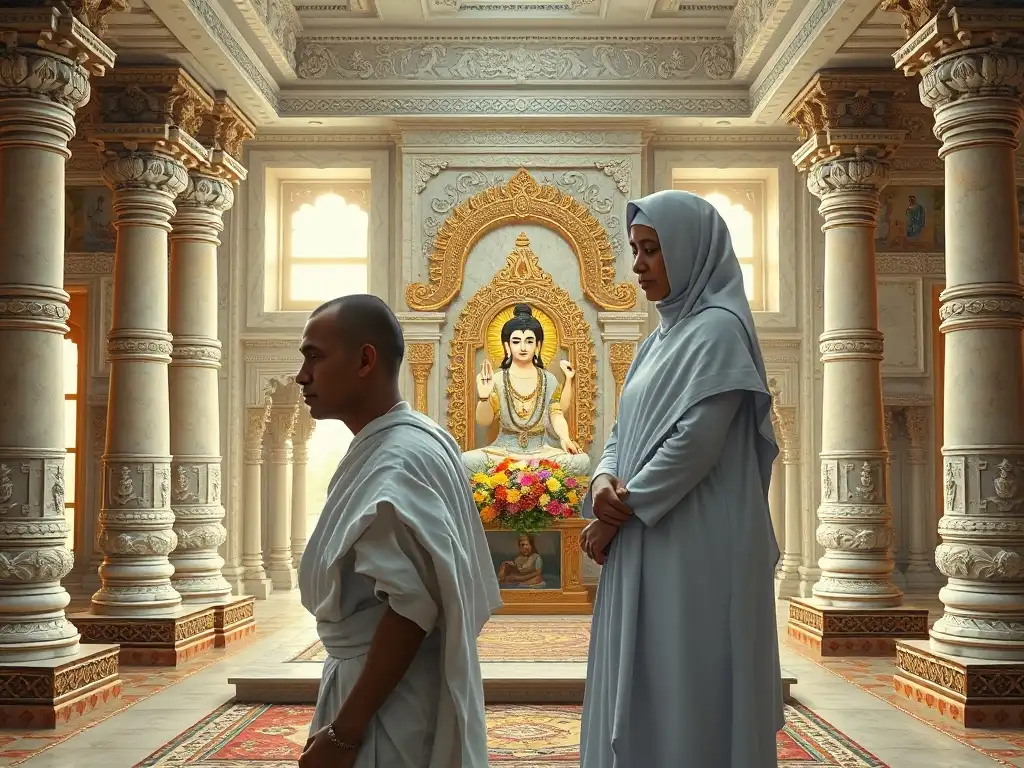
Welcome to Ancient India History, your gateway to the fascinating tapestry of ancient Indian civilizations! Here, we delve deep into the rich and diverse history, culture, and contributions that have shaped our world. In this journey, we invite you to explore the intriguing diversity within Jainism, particularly the distinct traditions of Digambara and Svetambara. What sets these two paths apart, and how do they reflect the broader landscape of ancient Indian religions? Join us as we unfold the layers of this profound belief system, igniting your curiosity to learn more about its impact on society and spirituality.
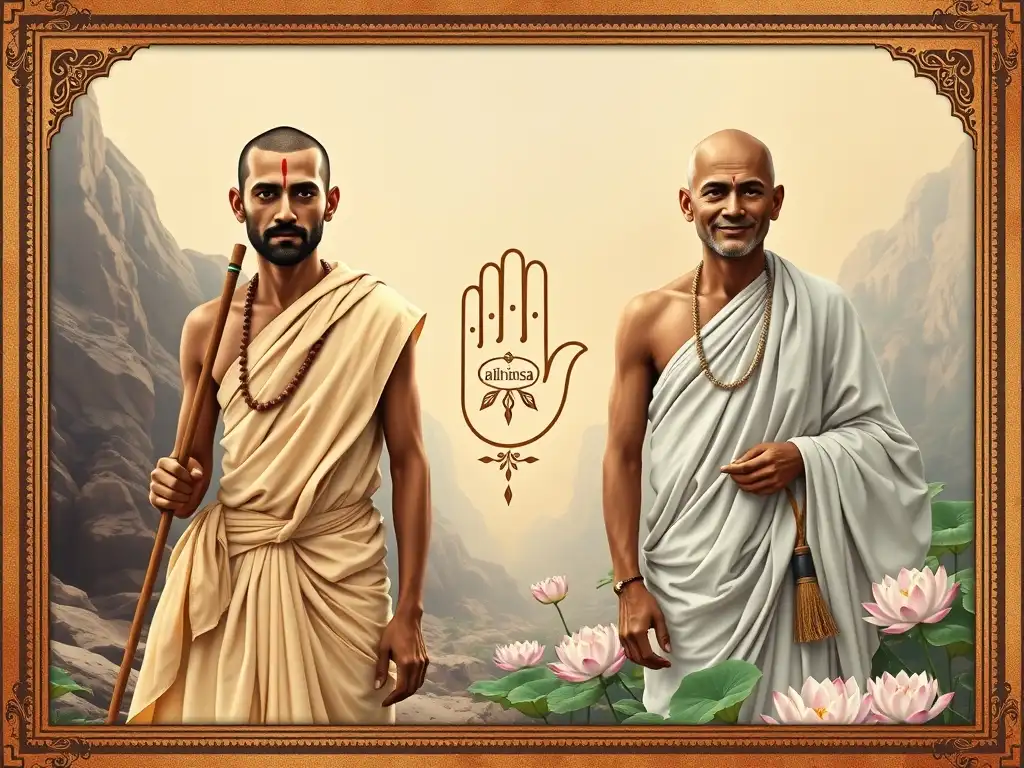
Introduction to Jainism Traditions
Jainism, one of the oldest religions in the world, has a profound history that spans thousands of years, reflecting the rich cultural tapestry of ancient India. Within this spiritual tradition, there exists a remarkable diversity, particularly illustrated through its two main sects: the Digambara and the Svetambara.
Each of these traditions has distinct beliefs, practices, and historical developments that significantly contribute to the overall understanding of Jain philosophy and its place in ancient Indian civilization. This article aims to delve into the differences and similarities between these two traditions, illuminating their unique contributions to Jainism and the broader historical and cultural context of ancient India.
Overview of Jainism and Its Historical Context
Jainism emerged around the 6th century BCE, contemporaneously with Buddhism, and has its roots deeply embedded in the spiritual practices of ancient India. The foundational figure of Jainism, Mahavira, also known as Vardhamana, emphasized the path of non-violence (ahimsa), truth, and asceticism. The religion advocates for the liberation of the soul through strict ethical conduct and self-discipline.
Throughout its history, Jainism has flourished in various regions of India, adapting to local cultures while maintaining core tenets. The split between the Digambara and Svetambara traditions occurred during the early medieval period, partly due to differing interpretations of Jain scriptures and practices. This division has led to the evolution of distinctive rituals, beliefs, and community structures within the two sects.
Importance of Digambara and Svetambara Traditions in Jainism
The Digambara and Svetambara traditions are not merely sects within Jainism; they represent two fundamental approaches to Jain philosophy and practice.
- Digambara: Meaning "sky-clad," members of this tradition traditionally renounce all clothing, symbolizing the ultimate detachment from worldly possessions and desires. They believe that only through complete renunciation can one achieve liberation.
- Svetambara: Translating to "white-clad," this sect allows for the wearing of simple white robes by its monks and nuns. Svetambaras emphasize community engagement and rituals that include both lay and monastic participation, allowing for a broader interpretation of Jain teachings.
Understanding these traditions is vital for comprehending the diversity of beliefs and practices within Jainism, as well as their influence on Indian culture and spirituality.
Understanding Jainism: Core Principles
Jainism is grounded in several core principles that guide its followers in their spiritual journey. These principles shape the ethical framework of both Digambara and Svetambara traditions, despite their differences in practice and interpretation.
Fundamental Beliefs in Jainism
At the heart of Jainism lies the belief in the eternal soul (jiva) and the cycle of birth and rebirth (samsara). Key principles include:
- Ahimsa (Non-violence): The most fundamental tenet, promoting non-harm towards all living beings.
- Aparigraha (Non-possessiveness): Advocating detachment from material possessions and desires.
- Satya (Truth): Emphasizing honesty in thought, word, and deed.
- Asteya (Non-stealing): Respecting others' property and rights.
These beliefs are integral to the daily lives of Jains, influencing their actions, dietary practices, and interactions with the world.
The Concept of Ahimsa in Digambara and Svetambara
Ahimsa is central to both Digambara and Svetambara traditions, yet its interpretation and application may vary.
- In Digambara tradition: Ahimsa extends to a strict vegetarian diet and the avoidance of any actions that could harm even the smallest of creatures. This principle is taken to an extreme, as Digambara monks often take additional precautions, such as sweeping the ground before them to avoid stepping on insects.
- In Svetambara tradition: While also adhering to non-violence, Svetambara monks may engage more with the lay community, participating in rituals and social events. This engagement reflects a broader interpretation of ahimsa, recognizing the importance of compassion and help towards others in a communal context.
The exploration of Jainism traditions, particularly the Digambara and Svetambara sects, reveals a rich diversity within an ancient religious framework. Understanding these distinctions not only enhances our appreciation of Jainism but also sheds light on its significant contributions to the cultural and spiritual heritage of ancient India.
Historical Development of Jainism Traditions
Jainism, one of the oldest religions in the world, has a rich tapestry of traditions that have evolved over millennia. Among these, the two major sects, Digambara and Svetambara, have distinct beliefs, practices, and historical narratives that shape their identity within Jainism. Understanding the historical development of these traditions reveals the complexities and diversities that lie within Jainism, reflecting the various interpretations and adaptations of its fundamental principles.
Origins of Digambara Tradition
The Digambara tradition traces its origins back to the early days of Jainism, around the 4th century BCE. The term "Digambara," meaning "sky-clad," signifies the practice of asceticism that includes renouncing clothing entirely. Digambaras believe that this practice is essential for achieving the highest spiritual purity.
The roots of the Digambara sect are often linked to the legendary figure of Bhadrabahu, a prominent monk who is said to have led a significant part of the Jain community to South India during a famine. This migration led to the establishment of the Digambara tradition, which emphasizes strict ascetic practices and the belief that only men can attain liberation (moksha) in their physical bodies. The Digambara sect also posits that the original teachings of Mahavira, the 24th Tirthankara, were preserved more accurately than in other sects, leading to their distinctive views on various doctrinal elements.
Origins of Svetambara Tradition
In contrast, the Svetambara tradition, meaning "white-clad," emerged around the same time as the Digambara sect but developed its distinct practices and beliefs. The Svetambaras wear white robes and allow for both men and women to attain liberation. This inclusivity is a hallmark of their tradition, reflecting a more egalitarian approach to spiritual attainment.
The origins of the Svetambara sect are often attributed to a schism that arose in the Jain community due to differing interpretations of the teachings of Mahavira. This division became more pronounced after the passing of the last Tirthankara, leading to the establishment of the Svetambara canon and the recognition of their own set of scriptures. The Svetambara tradition emphasizes community and the importance of laypeople in the spiritual journey, promoting a more accessible approach to Jain teachings and practices.
Key Historical Figures in Both Traditions
Both the Digambara and Svetambara traditions have been shaped by significant historical figures who contributed to their development and propagation.
In the Digambara tradition, notable figures include:
- Bhadrabahu: A revered monk and teacher who played a crucial role in shaping the Digambara sect's practices and beliefs.
- Acharya Kundakunda: A prominent philosopher and theologian whose works, such as the "Samayasara," laid down the foundational doctrines of Digambara Jainism.
On the other hand, the Svetambara tradition boasts key personalities such as:
- Umaswati (or Umasvami): An influential thinker whose text, the "Tattvartha Sutra," is considered a critical philosophical work for both sects, though interpreted differently.
- Pushpadanta: An early scholar who contributed to the Svetambara canon through his writings, helping to establish the sect's identity.
These figures have not only enriched their respective traditions but have also influenced the broader landscape of Jain philosophy and practice.
Comparison of Digambara and Svetambara Practices
The differences between the Digambara and Svetambara traditions extend beyond historical origins; they manifest prominently in their practices, rituals, and texts. This comparison highlights the unique aspects and shared beliefs of both sects while underscoring their distinct identities within Jainism.
Differences in Monastic Practices
Monastic practices in Digambara and Svetambara traditions showcase clear distinctions.
- Digambara Monks: They adhere to strict asceticism, including nudity, which symbolizes the renouncement of worldly attachments. They practice rigorous meditation and follow a lifestyle that emphasizes severe austerity.
- Svetambara Monks: In contrast, they wear white robes and permit a more moderate approach to asceticism. Svetambara monks engage in community activities and teachings, emphasizing the importance of both monastic and lay participation in spiritual life.
This difference in monastic practices reflects broader philosophical views on the path to liberation and the role of asceticism within each tradition.
Variances in Rituals and Worship
Rituals and worship practices also differ significantly between the two traditions:
- Digambara Rituals: Digambaras tend to emphasize internal meditation and self-discipline over external rituals. Their worship often involves the veneration of Tirthankara images, particularly those representing Mahavira, and the performance of ascetic practices.
- Svetambara Rituals: Svetambara rituals are more elaborate and inclusive, involving communal worship and festivals. They celebrate events such as Paryushana, where the community gathers for prayers, penance, and reflection, emphasizing the role of lay people in spiritual practices.
These variances illustrate how each tradition approaches the concept of devotion and the role of community in spiritual life.
Distinctive Texts and Scriptures
The texts and scriptures of both traditions play a vital role in defining their beliefs and practices:
- Digambara Scriptures: The Digambara tradition primarily relies on texts such as the "Shatkhandagama" and the "Kasayapahuda," which elaborate on their doctrinal teachings and ascetic practices.
- Svetambara Scriptures: In contrast, the Svetambara sect values texts like the "Tattvartha Sutra" and the "Kalpa Sutra," which provide a comprehensive overview of Jain philosophy, ethics, and the lives of the Tirthankaras.
These distinctive scriptures not only guide the respective communities in their spiritual practices but also reflect the theological differences that characterize the two traditions within Jainism.
Digambara Tradition: Key Characteristics
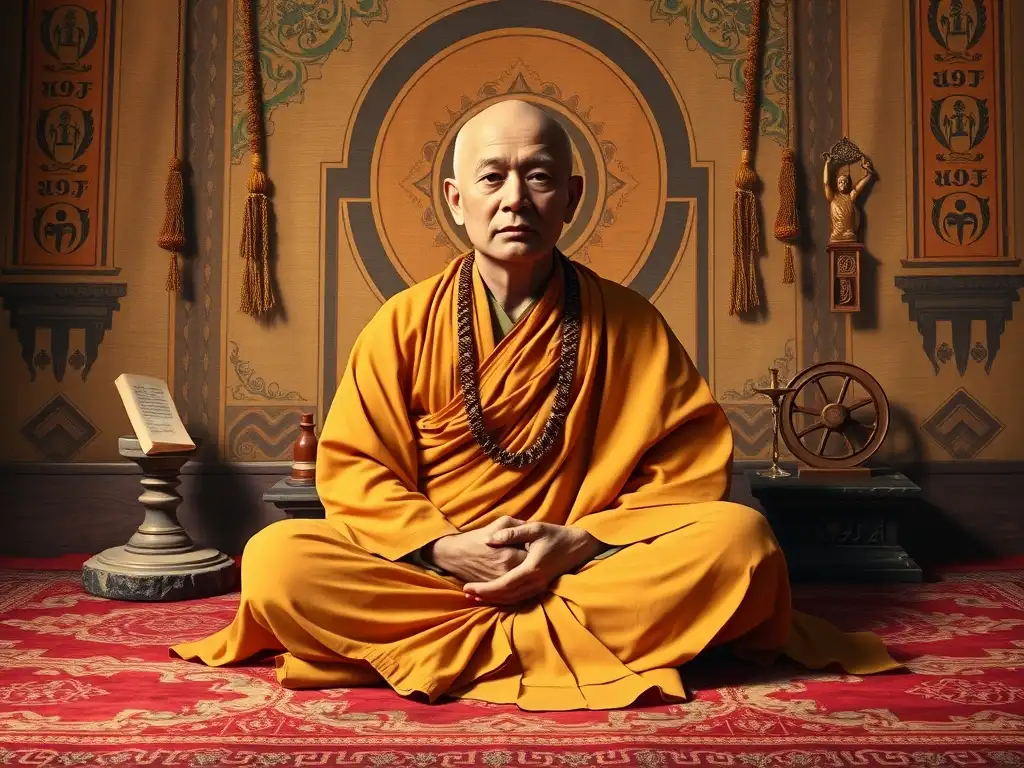
The Digambara tradition of Jainism, one of the two main sects, is distinguished by its unique beliefs, practices, and interpretations of Jain scriptures. Originating around the 4th century BCE, the Digambaras emphasize absolute renunciation and the pursuit of liberation through asceticism. Their name, which translates to "sky-clad," reflects their practice of going unclothed as a symbol of their detachment from material possessions.
Digambaras believe that only those who have renounced all worldly attachments can achieve true spiritual purity. This sect holds that women must be reborn as men to attain liberation, a belief that contrasts sharply with the Svetambara tradition. Additionally, Digambaras maintain that the highest spiritual beings, like the Tirthankaras, exist in a pure, non-material form, which influences their practices and rituals.
Beliefs and Practices Unique to Digambara
One of the hallmark beliefs of the Digambara sect is the strict adherence to asceticism. Digambaras practice rigorous self-discipline, which may include fasting, meditation, and other forms of austerity. They believe that physical detachment is essential for spiritual progress, leading to the practice of complete nudity as a form of renunciation.
Moreover, Digambaras do not accept the authority of certain scriptures, particularly those that have been influenced by the Svetambara community. They often rely on their own texts, which they believe preserve the original teachings of Mahavira, the 24th Tirthankara. The Digambara tradition also has distinct rituals, including specific forms of worship and annual observances, which are integral to their spiritual life.
The Role of Asceticism in Digambara Jainism
Asceticism is central to the Digambara tradition, representing the path to liberation (moksha). Digambara ascetics, known as "sadhus," undergo intense training to cultivate spiritual discipline, often spending years in meditation and fasting. The ideal of renunciation is paramount, as Digambaras believe that only through extreme self-denial can one attain the highest state of enlightenment.
The ascetic life involves rigorous practices such as "pratikraman," a ritual of repentance, and "samyama," the practice of self-control over one's mind and senses. Digambara ascetics also engage in extensive travel, often walking barefoot and relying on alms for sustenance, as part of their commitment to non-attachment and humility. This lifestyle not only reflects their spiritual ideals but also reinforces community bonds, as lay followers support the ascetics through food and care.
The Significance of the Digambara Community
The Digambara community plays a crucial role in preserving the unique tenets of their tradition. With a robust network of monasteries, temples, and educational institutions, the Digambaras ensure the transmission of their beliefs and practices to future generations. The community is actively involved in social welfare and environmental initiatives, reflecting the Jain principle of non-violence (ahimsa) in broader societal contexts.
Furthermore, the Digambara community fosters a sense of identity and belonging among its members. Festivals such as "Paryushana" are celebrated with great fervor, providing opportunities for communal worship and reflection. The emphasis on asceticism and renunciation serves as a guiding principle for many within the community, inspiring them to lead lives aligned with Jain values.
Svetambara Tradition: Key Characteristics
The Svetambara tradition, the other major sect of Jainism, emphasizes the importance of community, inclusivity, and the role of lay followers in spiritual practice. The term "Svetambara," meaning "white-clad," refers to the practice of wearing white robes, symbolizing purity and simplicity. This sect traces its origins back to the time of Mahavira and has developed its teachings and rituals, often in contrast to Digambara beliefs.
Svetambaras believe that both men and women can attain liberation without the necessity of rebirth as men. This inclusive view has contributed to a broader acceptance of women's roles within the religious framework. The Svetambara sect also recognizes a collection of texts known as the "Agamas," which they believe document the teachings of Mahavira more comprehensively than those accepted by the Digambaras.
Beliefs and Practices Unique to Svetambara
Svetambara beliefs are characterized by greater emphasis on communal worship and the involvement of laypeople in religious life. Unlike the ascetic-focused practices of the Digambaras, Svetambaras engage in a more balanced approach, integrating ritual observances with daily life. The use of icons and images in worship is prominent among Svetambaras, who believe these representations facilitate devotion and connection to the divine.
Svetambaras also celebrate various festivals, such as "Mahavir Jayanti," which commemorates the birth of Mahavira. Their rituals often incorporate hymns, prayers, and communal feasts, fostering a sense of unity among followers. Additionally, Svetambara literature significantly contributes to the understanding of Jain philosophy, ethics, and spirituality, providing a rich source of guidance for practitioners.
The Role of Community and Lay Followers in Svetambara Jainism
In Svetambara Jainism, the community plays a pivotal role in religious practice and the support of ascetics. The lay followers, known as "shrāvakas" and "shrāvikās," are integral to the spiritual ecosystem, actively participating in rituals, donations, and the maintenance of temples. This strong relationship between ascetics and laypeople enhances the communal aspect of Jainism, allowing for a shared commitment to the principles of non-violence and truth.
The encouragement of lay participation fosters a more accessible form of spirituality, where individuals can engage in practices that align with their daily lives. Svetambara Jains often organize educational programs, discussions, and religious gatherings to deepen their understanding of Jain teachings. This inclusiveness not only strengthens community ties but also ensures the continuity of Jain traditions across generations.
The Significance of the Svetambara Community
The Svetambara community significantly influences the broader Jain culture and society. Through their extensive network of temples and educational institutions, they promote the values of Jainism beyond religious confines, advocating for social justice, environmental sustainability, and ethical living.
Moreover, the community's commitment to inclusivity has led to a more diverse representation within Jainism, allowing for greater discourse on gender roles, social equity, and the relevance of Jain principles in contemporary society. The Svetambara tradition continues to thrive, adapting to changing circumstances while remaining rooted in its rich historical heritage.
Interactions and Influences Between Digambara and Svetambara
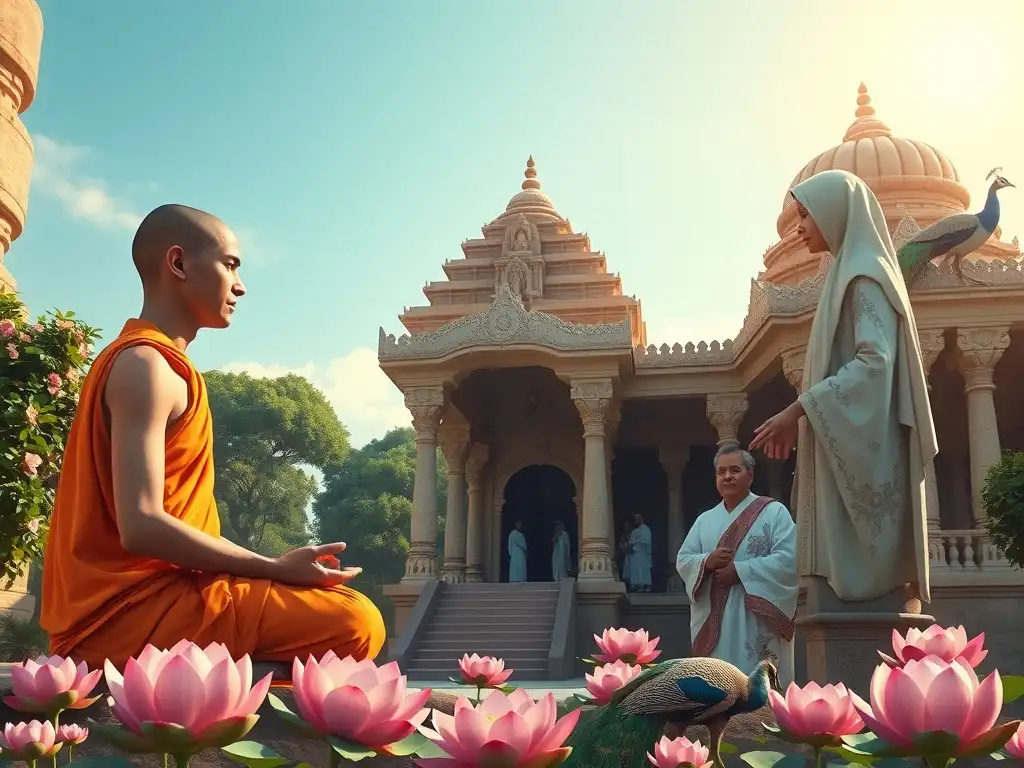
The Digambara and Svetambara traditions of Jainism, while distinct in beliefs and practices, have interacted and influenced each other throughout history. Their relationship is marked by historical conflicts, philosophical exchanges, and mutual respect that have shaped the development of Jainism as a whole. Understanding these interactions provides valuable insight into the complexities of Jain practices and ideologies.
Historical Interactions and Conflicts
The historical interactions between the Digambara and Svetambara sects date back to the early medieval period when Jainism was beginning to solidify its doctrines. These interactions were often characterized by doctrinal disputes and differing interpretations of core Jain philosophies, particularly concerning ascetic practices and the nature of liberation.
- Key Historical Events:
- The Council of Vallabhi (5th century CE) was a significant moment where the Svetambara sect codified their scriptures, leading to tensions with the Digambara community, who believed in oral traditions and maintained different texts.
- Conflicts arose over the concept of moksha (liberation), with Digambaras asserting that only male ascetics could achieve it, while Svetambaras accepted that both genders could attain liberation.
Despite these historical tensions, both sects have coexisted for centuries, often engaging in dialogues to address their differences. This coexistence has led to a richer understanding of Jain doctrines and a mutual appreciation for the diversity within Jain practices.
Mutual Influences in Philosophy and Practices
Despite their differences, Digambara and Svetambara traditions have influenced each other in various philosophical and practical aspects. This mutual exchange has fostered a dynamic Jain identity that embraces both sects' values.
- Philosophical Exchanges:
- Both traditions emphasize the core Jain tenets of ahimsa (non-violence) and aparigraha (non-possessiveness) but interpret these principles through different lenses.
- Digambaras focus more on extreme asceticism, while Svetambaras promote a balance between ascetic practices and community life.
- Practical Influences:
- Rituals and festivals, such as Paryushana, showcase how both communities have adopted and adapted practices from each other over time, leading to a unique blend of cultural expressions within Jainism.
- The establishment of common pilgrimage sites, such as Shikharji, reflects the unifying aspects of Jainism, where both sects come together to celebrate their shared heritage.
Contemporary Significance of Jainism Traditions
In contemporary society, the significance of both Jain traditions continues to be profound, as they collectively contribute to the moral and ethical landscape of modern India and beyond. The teachings of Digambara and Svetambara sects resonate with broader themes of sustainability, non-violence, and ethical living.
Current Status of Digambara and Svetambara Communities
Today, the Digambara and Svetambara communities remain vibrant and active, although their demographics and practices may differ.
- Demographics:
- The Svetambara community is more populous and has a significant presence in Gujarat and Rajasthan, while the Digambara sect primarily resides in Karnataka and parts of Maharashtra.
- Community Activities:
- Both sects engage in various educational and charitable initiatives, promoting Jain values through institutions that foster learning and community service.
- Cultural Events:
- Festivals and events, such as Mahavir Jayanti and Vardhman Jayanti, see participation from both communities, highlighting their shared heritage despite doctrinal differences.
Contributions of Jainism to Modern Society
Jainism's contributions to modern society extend beyond religious practices, influencing various aspects of social, environmental, and ethical discourse.
- Philosophical Contributions:
- The principles of ahimsa have gained global recognition, influencing movements for peace and non-violence, including Mahatma Gandhi's philosophy.
- Environmental Advocacy:
- Jains are known for their commitment to environmental sustainability, advocating for practices that minimize harm to living beings and promote ecological balance.
- Social Contributions:
- The Jain community actively participates in philanthropy, healthcare, and education, contributing significantly to society’s welfare and development.
The diversity within Jainism, represented by the Digambara and Svetambara traditions, not only enriches the religious landscape of ancient India but also offers valuable insights into contemporary issues, emphasizing the relevance of Jain teachings in today’s world.
Conclusion
The diversity within Jainism, particularly between the Digambara and Svetambara traditions, highlights the richness of this ancient religion. While both sects share core beliefs such as non-violence (ahimsa), truth (satya), and asceticism, they diverge in practices, interpretations, and even in the role of gender within their communities.
Understanding these differences not only enriches our knowledge of Jainism but also illustrates the broader themes of adaptability and pluralism within religious traditions. As Jainism continues to evolve in the modern world, recognizing the unique attributes of both Digambara and Svetambara traditions is essential for fostering mutual respect and dialogue within and outside the Jain community.
The Importance of Understanding Jainism Traditions
Understanding the distinctions between Digambara and Svetambara traditions is crucial for several reasons:
- Cultural Heritage: These traditions represent significant aspects of Indian culture and heritage. Acknowledging their differences helps preserve the historical context and significance of Jain practices.
- Interfaith Dialogue: In a world increasingly characterized by multicultural interactions, knowledge of Jainism's internal diversity can contribute to more meaningful interfaith conversations and collaborations.
- Religious Identity: For followers of Jainism, recognizing the nuances between these traditions nurtures a sense of identity and belonging. It allows practitioners to appreciate their own sect while respecting others' practices.
- Academic Study: Scholars of religious studies benefit from a comprehensive understanding of these traditions, which can enhance research and discussions around ancient Indian religions and their philosophies.
By appreciating the complexity within Jainism, we can foster a more inclusive understanding of its teachings and practices.
Future of Digambara and Svetambara Traditions in Jainism
The future of the Digambara and Svetambara traditions in Jainism appears promising yet challenging. Here are several factors that may influence their paths:
- Globalization: As Jain communities expand globally, they face the challenge of maintaining their unique identities while adapting to diverse cultural contexts. This may lead to a blending of practices or a reaffirmation of traditional beliefs.
- Technological Influence: The rise of digital communication and social media offers both traditions opportunities to connect with younger generations. Engaging with technology can help disseminate Jain teachings and attract new followers while also presenting challenges in maintaining traditional practices.
- Social Issues: The evolving discourse on gender roles, particularly regarding women's participation in religious practices, may lead to reforms within both traditions. Svetambaras may be seen as more progressive due to their acceptance of female monks, while Digambaras will need to address these issues to remain relevant.
- Inter-sect Relations: Ongoing dialogues between Digambara and Svetambara sects could lead to greater collaboration or understanding, potentially enriching the overall Jain experience.
The future of Digambara and Svetambara traditions will be shaped by their ability to navigate modern challenges while preserving their rich historical legacies. Through mutual respect and understanding, both traditions can continue to thrive and contribute significantly to the tapestry of ancient Indian religions.
- Introduction to Jainism Traditions
- Understanding Jainism: Core Principles
- Historical Development of Jainism Traditions
- Comparison of Digambara and Svetambara Practices
- Digambara Tradition: Key Characteristics
- The Significance of the Digambara Community
- Svetambara Tradition: Key Characteristics
- Interactions and Influences Between Digambara and Svetambara
- Contemporary Significance of Jainism Traditions
- Conclusion
- What are the main differences between Digambara and Svetambara traditions in Jainism?
- How do Digambara and Svetambara sects view asceticism?
- What are the key texts that guide Digambara and Svetambara practices?
- How does the concept of Moksha differ between the two traditions?
- Are there any significant festivals celebrated differently by Digambara and Svetambara followers?
Frequently Asked Questions
What are the main differences between Digambara and Svetambara traditions in Jainism?
The Digambara tradition believes that women cannot achieve liberation without being reborn as men, while Svetambara allows women to attain Moksha and emphasizes more inclusive practices.
How do Digambara and Svetambara sects view asceticism?
Both sects value asceticism, but Digambara monks traditionally go nudity as a symbol of renunciation, whereas Svetambara monks wear white robes, showcasing different interpretations of detachment.
What are the key texts that guide Digambara and Svetambara practices?
The Digambara sect follows the Kashaya Sutra, while the Svetambara sect relies on texts like the Tattvartha Sutra, both providing guidance on philosophy and rituals.
How does the concept of Moksha differ between the two traditions?
Both traditions aim for Moksha, but Digambara emphasizes that it is achievable only by men, while Svetambara recognizes that both genders can attain liberation through spiritual practice.
Are there any significant festivals celebrated differently by Digambara and Svetambara followers?
Yes, while both celebrate Paryushana, the Digambara observe it with a focus on fasting and prayer, the Svetambara sect incorporates more communal rituals and feasting into their celebrations.
Final Reflection: Embracing the Rich Tapestry of Jainism Traditions
The exploration of Jainism, particularly the distinctions between the Digambara and Svetambara traditions, is not just an academic exercise; it is a vital inquiry into how diverse beliefs shape our understanding of spirituality today. In a world increasingly characterized by globalization and cultural exchange, recognizing and respecting such differences fosters a deeper appreciation for the myriad ways in which humanity seeks truth and meaning. The richness of Jainism's traditions serves as a powerful reminder that diversity is not merely a challenge to be managed, but a treasure to be celebrated.
The ongoing dialogue between the Digambara and Svetambara sects illustrates the dynamic nature of cultural and spiritual evolution. This conversation is not confined to historical texts; it resonates in contemporary society, where the principles of non-violence and respect for all living beings are more relevant than ever. As Mahatma Gandhi once said, "> The best way to find yourself is to lose yourself in the service of others." This sentiment encapsulates the essence of Jainism and its enduring influence on ethical living, urging us to reflect on our own roles within our communities and the broader world.
As we conclude this exploration of Jainism's rich traditions, I invite you to reflect on how these teachings can inspire your own journey. Consider how the values of compassion, tolerance, and respect for diversity can manifest in your daily life. Let the lessons drawn from the Digambara and Svetambara traditions guide you in fostering understanding and harmony in your interactions with others. In embracing the diversity of beliefs, we not only enrich our own lives but also contribute to a more peaceful and interconnected world.
Unveil the Rich Tapestry of Jain Traditions!
Thank you for exploring the intricate diversity within Jainism! You've gained valuable insights into the unique philosophies and practices of the Digambara and Svetambara traditions. Now, it’s time to deepen your understanding and engage with this profound heritage.
Here are some powerful actions you can take next:
- Dive deeper: Explore books or documentaries that highlight the history and teachings of Jainism. Challenge yourself to learn more about its ethical practices.
- Join a community: Participate in discussions or forums with fellow enthusiasts on social media or at local cultural centers to share insights and experiences.
- Spread the knowledge: Share this article with friends or on social media to inspire others to appreciate the diversity within Jainism and spark meaningful conversations.
What aspects of Jain philosophy resonate with you the most, and how do you see their teachings being applied in today’s world?