
The Contribution of Ancient Indian Poets to World Literature: A Global Perspective

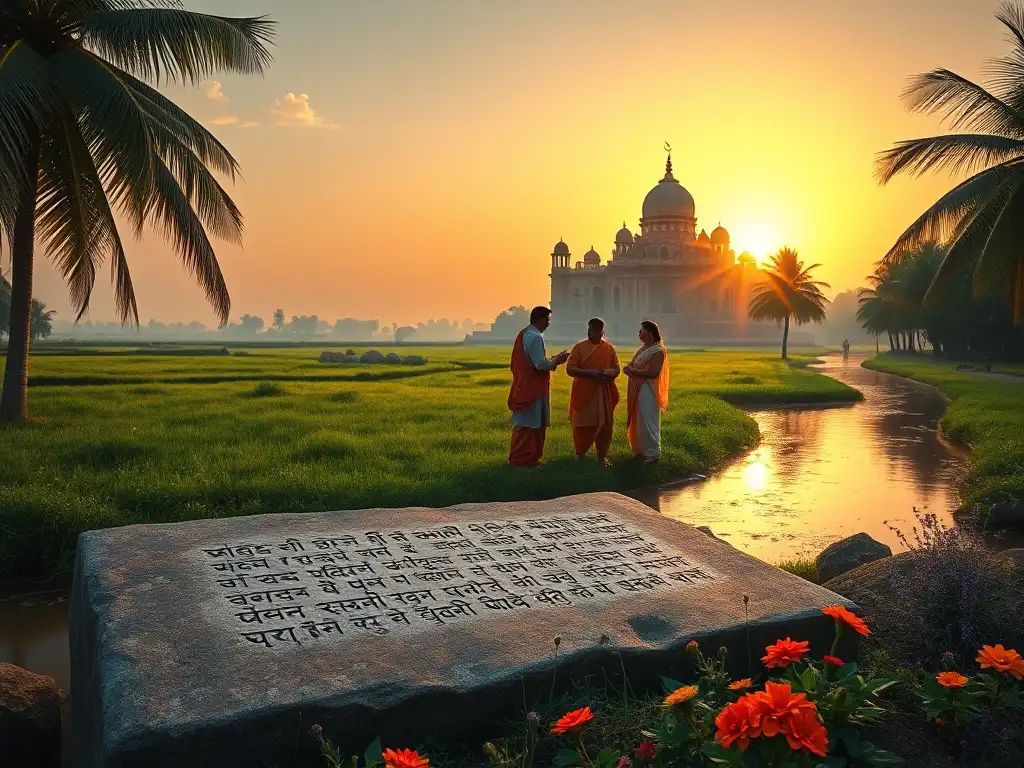
Welcome to Ancient India History, where we embark on a journey through the vibrant tapestry of ancient Indian civilization. Here, we delve into the rich and diverse history, culture, and contributions that have shaped not just India, but the world. In our featured article, "The Contribution of Ancient Indian Poets to World Literature: A Global Perspective," we unravel the profound impact of ancient Indian poets whose words transcended time and geography.
Get ready to discover how their lyrical genius continues to resonate in literature today, sparking curiosity and inspiring generations. Dive in to explore the legacy that these literary titans have bestowed upon us!
Introduction to Ancient Indian Poets
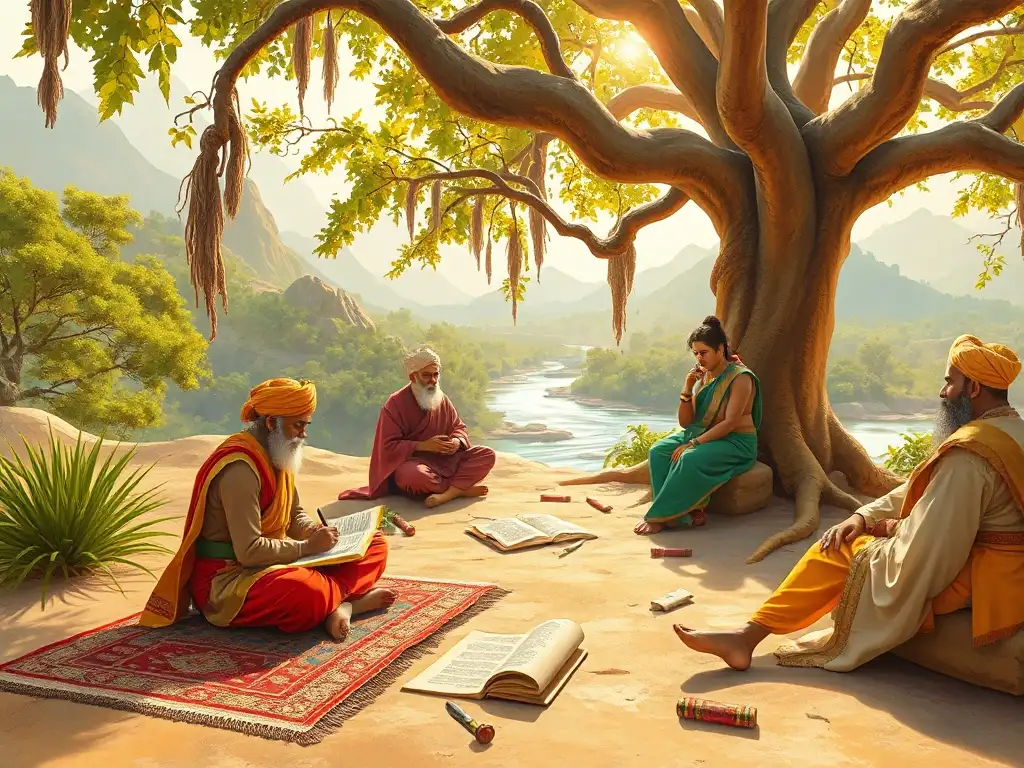
The contributions of ancient Indian poets to world literature are profound and multifaceted, reflecting the rich tapestry of India's cultural and artistic heritage. From the early verses of the Vedic texts to the intricate compositions of the Gupta period, ancient Indian poetry has played a pivotal role in shaping literary traditions not only within India but across the globe.
This article aims to explore the remarkable impact of these poets, examining their works, themes, and the lasting influence they have had on global literature. By delving into the lives and creations of these literary giants, we can appreciate the depth and diversity of ancient Indian poetry and its enduring legacy in the world of letters.
Overview of Ancient Indian Poetry
Ancient Indian poetry encompasses a wide range of styles, forms, and themes, often intertwined with the philosophical, spiritual, and social fabric of the time. It can be traced back to the Vedic period, where hymns were composed to honor deities and express deep philosophical inquiries. These early texts laid the groundwork for subsequent literary developments, leading to the emergence of various poetic forms, including Sanskrit shlokas, Prakrit verses, and Tamil Sangam poetry.
Key features of ancient Indian poetry include:
- Meticulous Structure: Poets often adhered to specific metrical patterns, showcasing their mastery over language.
- Symbolism and Allegory: Rich symbolism was used to convey complex ideas and emotions, often reflecting the spiritual and philosophical ethos of the time.
- Themes of Nature and Love: Many poets drew inspiration from nature, exploring themes of love, beauty, and the human experience.
Significance of Ancient Indian Poets in Literature
The significance of ancient Indian poets extends beyond their immediate cultural context. Their works have not only enriched Indian literature but have also influenced writers and thinkers across the world. Poets such as Kalidasa, Bharavi, and Bhasa have been celebrated for their intricate use of language and their ability to evoke profound emotions. Their contributions can be summarized as follows:
- Cultural Exchange: Ancient Indian poetry facilitated cultural dialogues between India and other civilizations, particularly through trade routes.
- Philosophical Insights: Many poets integrated philosophical themes within their works, contributing to global intellectual traditions.
- Inspiration for Future Generations: The themes and styles of ancient Indian poets have inspired countless authors, poets, and playwrights worldwide.
Historical Context of Ancient Indian Poetry
To fully appreciate the contributions of ancient Indian poets, it is essential to understand the historical context in which they flourished. The evolution of poetry in ancient India was closely linked to the socio-political and cultural dynamics of different eras.
The Evolution of Poetry in Ancient India
The evolution of poetry in ancient India can be traced through several key phases, each marked by distinctive characteristics:
- Vedic Period (1500–500 BCE) - The earliest forms of poetry emerged, characterized by hymns dedicated to the gods.
- Epic Period (500 BCE – 500 CE) - The composition of epics like the Mahabharata and Ramayana showcased narrative poetry's power.
- Classical Period (500–1200 CE) - This era saw the rise of sophisticated literary forms and the flourishing of poets like Kalidasa, who blended emotional depth with aesthetic beauty.
Major Literary Periods and Their Influence on Poetry
The major literary periods of ancient India had a significant impact on the development of poetry:
| Period | Key Features | Notable Poets |
|---|---|---|
| Vedic Period | Hymns, rituals, oral tradition | Valmiki, Vyasa |
| Epic Period | Narrative themes, moral lessons | Vyasa, Valmiki |
| Classical Period | Aesthetic refinement, complex themes | Kalidasa, Bhasa |
| Medieval Period | Regional languages, devotional poetry | Meera Bai, Kabir |
These periods not only reflect the evolution of poetic forms but also highlight the interplay between cultural, religious, and artistic expressions in ancient India. By examining these phases, we can better understand the rich legacy of ancient Indian poets and their contributions to world literature.
Key Ancient Indian Poets and Their Works
Ancient Indian poetry is characterized by its rich tapestry of themes, language, and cultural significance. Among its many contributors, several poets stand out, each leaving an indelible mark on the literary landscape not only of India but also of world literature. Their works often encompass a range of subjects, from spirituality to romance, providing insights into the society and culture of their times. Here, we explore some of the key poets and their notable contributions.
Valmiki: The Father of Indian Poetry
Valmiki, revered as the "Adi Kavi" or the first poet, is best known for his epic, the Ramayana. Composed in Sanskrit, this monumental work narrates the life and adventures of Lord Rama, embodying the ideals of dharma (righteousness) and virtue. Valmiki's innovative use of the shloka meter established the foundation for classical Sanskrit poetry. His portrayal of complex characters and moral dilemmas has influenced countless literary works across cultures. The Ramayana not only serves as a religious text but also as a source of inspiration for various adaptations in diverse art forms, including dance, theater, and literature worldwide.
Kalidasa: The Shakespeare of India
Kalidasa is often referred to as the Shakespeare of India due to his profound impact on Indian literature and drama. His masterpieces, such as Shakuntala and Meghaduta, showcase his exceptional ability to weave intricate narratives with exquisite poetic language. Shakuntala, a poignant tale of love and separation, exemplifies the blend of human emotion with nature, while Meghaduta (The Cloud Messenger) reflects deep yearning and the transience of love. Kalidasa's works have transcended time, influencing writers and poets across the globe, and his themes continue to resonate in contemporary literature.
Bhasa: The Pioneer of Classical Drama
Bhasa, one of the earliest playwrights in Indian history, is credited with establishing the foundations of classical Indian drama. His plays, such as Pratima Nataka and Madhyama Vyayoga, exhibit a unique blend of poetry and theatrical performance. Bhasa's works are characterized by their dynamic characters and intricate plots, often exploring themes of love, valor, and moral dilemmas. His influence on later dramatists, including Kalidasa, is profound, as he introduced elements of dialogue and character development that became staples in Indian theater. Bhasa's contributions have enriched the field of drama and continue to inspire playwrights today.
Other Notable Poets and Their Contributions
In addition to Valmiki, Kalidasa, and Bhasa, ancient India boasts a plethora of poets who have contributed significantly to its literary heritage. Poets like Bhavabhuti, known for his emotional depth in plays such as Malati-Madhava, and Jayadeva, celebrated for his lyrical Gita Govinda, have also made remarkable contributions. Each of these poets has explored diverse themes, including devotion, love, and the human experience, further enriching the landscape of ancient Indian literature.
Themes Explored by Ancient Indian Poets
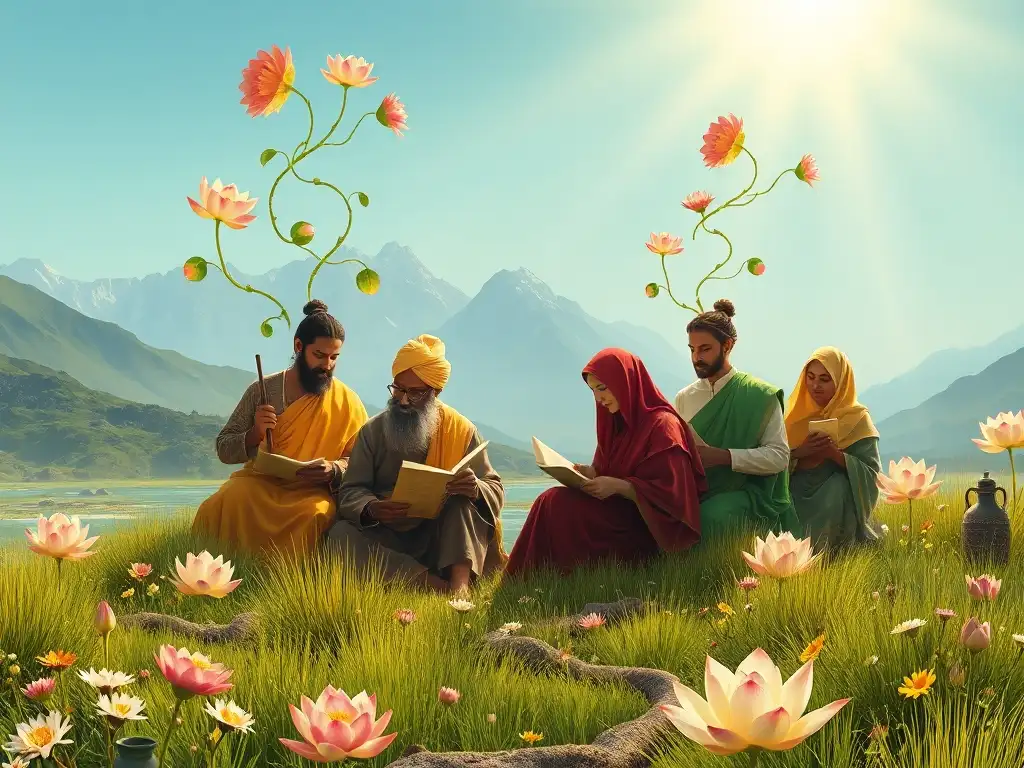
Ancient Indian poets delved into a variety of themes that reflected the complexities of human experience and the philosophical underpinnings of their society. Their works often explore spirituality, nature, and love, each contributing to a deeper understanding of life, existence, and emotional connections.
Spirituality and Philosophy in Ancient Indian Poetry
Spirituality is a predominant theme in ancient Indian poetry, often intertwined with philosophical inquiries. Poets like Valmiki and Kalidasa frequently explored the concept of dharma and the pursuit of truth. The Bhagavad Gita, part of the Mahabharata, serves as a philosophical treatise on duty, righteousness, and the nature of the self. This exploration of spirituality is not only a reflection of personal belief systems but also provides insight into the social and cultural values of ancient Indian civilization.
Nature and its Representation in Ancient Literature
Nature holds a significant place in ancient Indian poetry, often serving as a backdrop for human emotions and experiences. Poets like Kalidasa vividly depicted the beauty of the natural world, using imagery of flora and fauna to convey deeper meanings. In Meghaduta, the cloud becomes a messenger of love, symbolizing longing and connection. The representation of nature in poetry highlights the intrinsic relationship between humans and their environment, emphasizing the reverence for nature in ancient Indian thought.
Love and Romance in Classical Indian Poetry
Love and romance are central themes in classical Indian poetry, exploring the complexities of relationships and the emotional spectrum of human experience. Works like Gita Govinda by Jayadeva illustrate the divine love between Radha and Krishna, blending spiritual devotion with romantic longing. Ancient Indian poets often depicted love in various forms—spiritual, romantic, and even tragic—reflecting the multifaceted nature of this universal emotion. Their ability to articulate the nuances of love has contributed to a rich tradition of romantic poetry that continues to inspire writers and poets across cultures today.
Influence of Ancient Indian Poets on World Literature
The contributions of ancient Indian poets have been pivotal in shaping literary traditions not just within India, but across the globe. Through their innovative use of language, metaphor, and rhythm, poets such as Kalidasa, Bhartrihari, and Bhasa have left an indelible mark on the literary landscape. Their works, often steeped in philosophy and spirituality, resonate with universal themes of love, nature, and the human condition, making them relevant across cultures and eras. The interplay of local and global perspectives in their poetry has fostered a rich exchange of ideas, influencing poets and writers worldwide.
The Spread of Indian Poetry Across Cultures
The dissemination of ancient Indian poetry was significantly facilitated by trade routes and cultural exchanges. The Silk Road, for instance, not only connected India to Central Asia and beyond but also acted as a conduit for artistic and literary ideas.
Poets like Kabir and Mirabai, whose works transcended regional boundaries, found their way into the hearts of diverse audiences, both in Asia and the Middle East. Furthermore, the translation of texts like the "Mahabharata" and "Ramayana" into various languages enabled the philosophical and poetic essence of Indian literature to inspire global literary movements, leading to a fusion of styles and themes.
Comparative Analysis: Ancient Indian Poets vs. Global Literary Figures
When comparing ancient Indian poets to global literary figures, several parallels emerge. For instance, Kalidasa's lyrical style and intricate characterizations can be likened to the works of Shakespeare, whose plays explore similar themes of love and ambition. Similarly, the mystical poetry of Kabir finds resonance in the works of Rumi, both drawing on spiritual experiences to convey profound truths. Such comparisons highlight not only the unique qualities of Indian poetry but also its shared human experiences with other literary traditions, fostering a greater understanding of the interconnectedness of world literature.
The Impact of Ancient Indian Poetic Techniques on World Poetry
The poetic techniques employed by ancient Indian poets have significantly influenced global poetry. The use of metaphors, similes, and intricate imagery can be traced in the works of various poets across different cultures. The concept of "Rasa," or aesthetic experience, introduced by Bharata in the "Natyashastra," has found its way into Western literary criticism, shaping the way emotions are conveyed in poetry. Furthermore, the rhythmic patterns, such as "Chanda," have inspired poets in diverse traditions to experiment with form and structure, enriching the global poetry scene.
Modern Relevance of Ancient Indian Poetry
The legacy of ancient Indian poetry continues to resonate today, finding new expressions in contemporary literature and art. As modern readers seek connections to their cultural heritage, the exploration of ancient poetic works has gained momentum, prompting a revival of interest in these timeless texts.
Revival of Interest in Ancient Indian Poets' Works
In recent years, there has been a noticeable resurgence of interest in the works of ancient Indian poets. Scholars, translators, and literary enthusiasts are increasingly engaging with texts that were once overlooked. This revival is fueled by the growing awareness of the richness of Indian literary heritage and its relevance to contemporary societal issues. Festivals, workshops, and academic conferences dedicated to ancient Indian poetry are further contributing to this renewed appreciation, allowing new generations to explore the profound insights contained within these works.
How Ancient Indian Poetry Inspires Contemporary Writers
Contemporary writers often draw inspiration from ancient Indian poetry, utilizing its themes, forms, and philosophical underpinnings in their own creations. The exploration of love, nature, and spirituality found in works by poets like Kalidasa and Tagore influences modern narratives, as authors seek to evoke similar emotional depths in their storytelling. This connection fosters a dialogue between the past and present, allowing for a rich tapestry of literature that honors traditional wisdom while addressing contemporary issues.
Educational Approaches to Ancient Indian Poetry in Modern Times
Educational institutions are increasingly recognizing the importance of ancient Indian poetry in their curricula. By incorporating these texts into literature programs, educators aim to expose students to diverse literary traditions and encourage critical engagement with historical contexts. Innovative teaching methods, such as interdisciplinary approaches that blend literature with philosophy, art, and cultural studies, enhance the understanding of ancient Indian poetry's contributions. Workshops and public readings further bridge the gap between ancient texts and modern audiences, ensuring that the voices of ancient Indian poets continue to resonate in our contemporary world.
Conclusion: The Enduring Legacy of Ancient Indian Poets
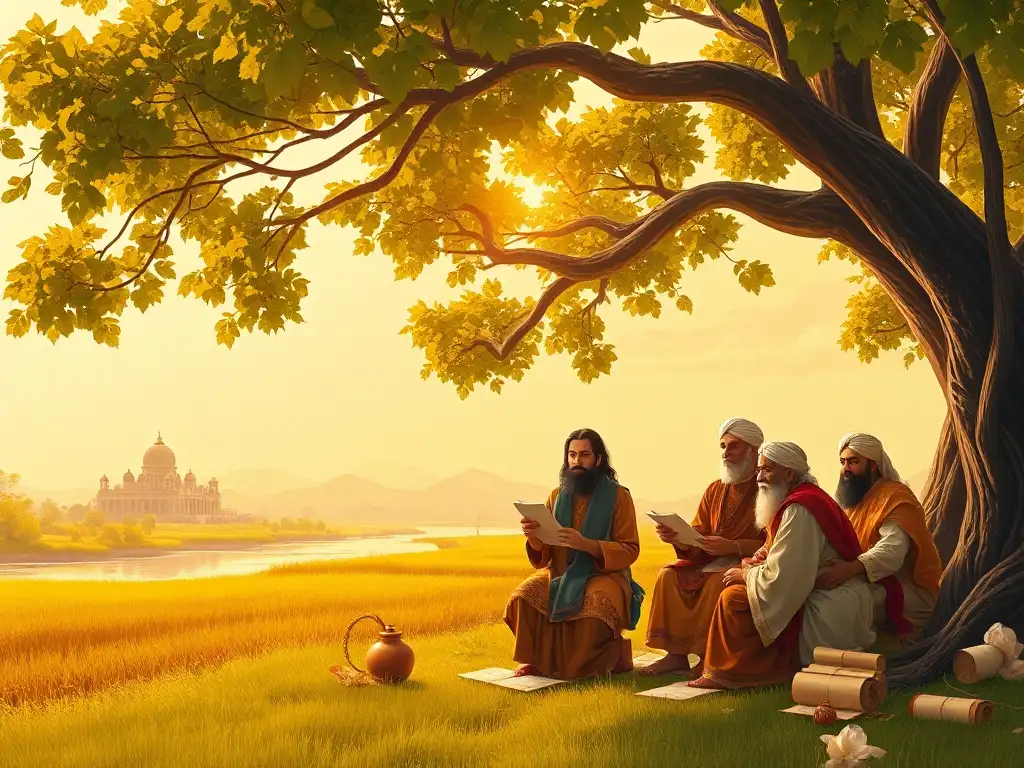
The contributions of ancient Indian poets to world literature are not only significant but also enduring. Through their profound works, these poets have shaped literary traditions, influenced countless writers across cultures, and enriched the global literary landscape. Their ability to weave complex philosophical ideas with rich emotional experiences has left an indelible mark on poetry and prose, making their works timeless and universally relatable.
The exploration of themes such as love, nature, spirituality, and morality in ancient Indian poetry resonates with readers even today. By employing diverse forms, such as the lyrical verses of Kalidasa or the philosophical insights of Valluvar, ancient Indian poets have established a literary legacy that transcends geographic and cultural boundaries. Their works continue to inspire contemporary writers and poets, affirming their relevance in modern literature.
Summary of Ancient Indian Poets Contributions to World Literature
Ancient Indian poets have made numerous contributions to world literature that span various genres and themes. Notably, the Sanskrit poetic tradition produced remarkable figures like Kalidasa, whose plays and poems explore human emotions and the beauty of nature. His famous work, Shakuntala, not only captivates readers with its narrative but has also influenced playwrights worldwide.
Additionally, the Tamil Sangam literature introduced a plethora of poetic forms that express the intricacies of love and heroism. Poets like Tiruvalluvar, known for his Thirukkural, have offered profound ethical insights that resonate globally, establishing a moral framework that remains relevant across cultures.
Moreover, the Bhakti movement poets, such as Mirabai and Kabir, contributed significantly to world literature by infusing spirituality with personal devotion and social critique. Their verses advocate for a universal love that transcends religious boundaries, making their messages timeless.
The contributions of ancient Indian poets are characterized by:
- Innovative forms that have influenced poetic structures worldwide.
- Universal themes that resonate across cultures and epochs.
- Philosophical depth that invites readers to reflect on moral and ethical questions.
Final Thoughts on the Importance of Preserving Ancient Literary Heritage
Preserving the literary heritage of ancient Indian poets is vital for several reasons. Firstly, it allows future generations to engage with the rich tapestry of human thought and emotion encapsulated in their works. Such engagement fosters a deeper understanding of cultural diversity and shared human experiences that transcend time and place.
Secondly, ancient Indian poetry serves as a repository of knowledge, wisdom, and artistic expression that can inspire contemporary writers and thinkers. By safeguarding these literary treasures, we ensure that the voices of the past continue to echo in today’s literary dialogue.
Furthermore, the act of preservation supports cultural identity and pride. It highlights the contributions of ancient Indian poets to global literature, fostering appreciation for their artistry and insights. This recognition can lead to a more inclusive understanding of world literature, where diverse voices are celebrated.
The importance of preserving ancient literary heritage cannot be overstated. It enriches our cultural landscape, supports ongoing literary traditions, and ensures that the wisdom of ancient Indian poets continues to inspire generations to come.
- Introduction to Ancient Indian Poets
- Historical Context of Ancient Indian Poetry
- Key Ancient Indian Poets and Their Works
- Themes Explored by Ancient Indian Poets
- Influence of Ancient Indian Poets on World Literature
- Modern Relevance of Ancient Indian Poetry
- Conclusion: The Enduring Legacy of Ancient Indian Poets
- Summary of Ancient Indian Poets Contributions to World Literature
- Final Thoughts on the Importance of Preserving Ancient Literary Heritage
- What are the key contributions of ancient Indian poets to world literature?
- Which ancient Indian poets are most notable for their works?
- How did ancient Indian poetry influence other cultures?
- What role did poetry play in ancient Indian society?
- Are there modern interpretations of ancient Indian poetry?
Frequently Asked Questions
What are the key contributions of ancient Indian poets to world literature?
Ancient Indian poets made significant contributions through their epic poetry, lyrical works, and philosophical texts, influencing literary traditions across the globe.
Which ancient Indian poets are most notable for their works?
Notable poets include Kalidasa, known for his plays and poems, and Bhartrihari, famous for his subhasitas (wise sayings), both of whom left a lasting impact on literature.
How did ancient Indian poetry influence other cultures?
Ancient Indian poetry, particularly through texts like the Mahabharata and Ramayana, inspired literary movements in various cultures, showcasing themes of morality, love, and heroism.
What role did poetry play in ancient Indian society?
Poetry served as a medium for cultural expression, education, and spiritual reflection, helping to preserve historical narratives and philosophical ideas throughout ancient India.
Are there modern interpretations of ancient Indian poetry?
Yes, many modern authors and scholars continue to explore and reinterpret ancient Indian poetry, making its themes and insights relevant to contemporary audiences and global literature.
Final Reflection: The Enduring Legacy of Ancient Indian Poets
The contributions of ancient Indian poets resonate profoundly in today's global literary landscape. Their works not only shaped the cultural and philosophical foundations of India but also influenced countless writers and thinkers across the world. In a time when the world is more interconnected than ever, the timeless themes of love, spirituality, and the human experience found in their poetry continue to inspire and unite diverse cultures. The echoes of their verses remind us that literature knows no boundaries; it is a universal language that transcends time and geography.
The impact of ancient Indian poets is not confined to the pages of history; it is woven into the fabric of contemporary literature and thought. Their explorations of complex emotions and philosophical inquiries have paved the way for modern literary movements and continue to inspire new generations of writers. As Rabindranath Tagore once said, The highest education is that which does not merely give us information but makes our life in harmony with all existence.
This sentiment captures the essence of how ancient Indian poetry encourages us to seek deeper connections with ourselves and the world around us.
As we reflect on the contributions of ancient Indian poets, let us embrace the lessons embedded in their works and apply them to our lives. Consider how their insights into the human condition can guide us in navigating the complexities of modern existence. Take a moment to explore the poetry that has shaped our world and allow it to inspire your own creative journey. By engaging with these timeless texts, we can cultivate a greater appreciation for the rich tapestry of global literature and recognize our shared humanity.
Unleash the Wisdom of Ancient Poets: Take Action Today!
Thank you for diving into the rich legacy of ancient Indian poets with us. Their contributions to world literature are not just historical facts; they are sources of inspiration that can shape our modern narratives. Now, let’s channel this knowledge into meaningful actions!
- Explore the works of an ancient poet and write a reflection on how their themes resonate with today's world.
- Share this article with friends or colleagues to spark discussions about the importance of diverse literary contributions in shaping global culture.
- Join a local or online book club focused on world literature to discover and celebrate works from various cultures, including those of ancient India.
Which ancient poet’s work resonates with you the most, and how can you incorporate their wisdom into your life today?