
The Impact of Sanskrit Prose on Classical Indian Literature: An Exploration

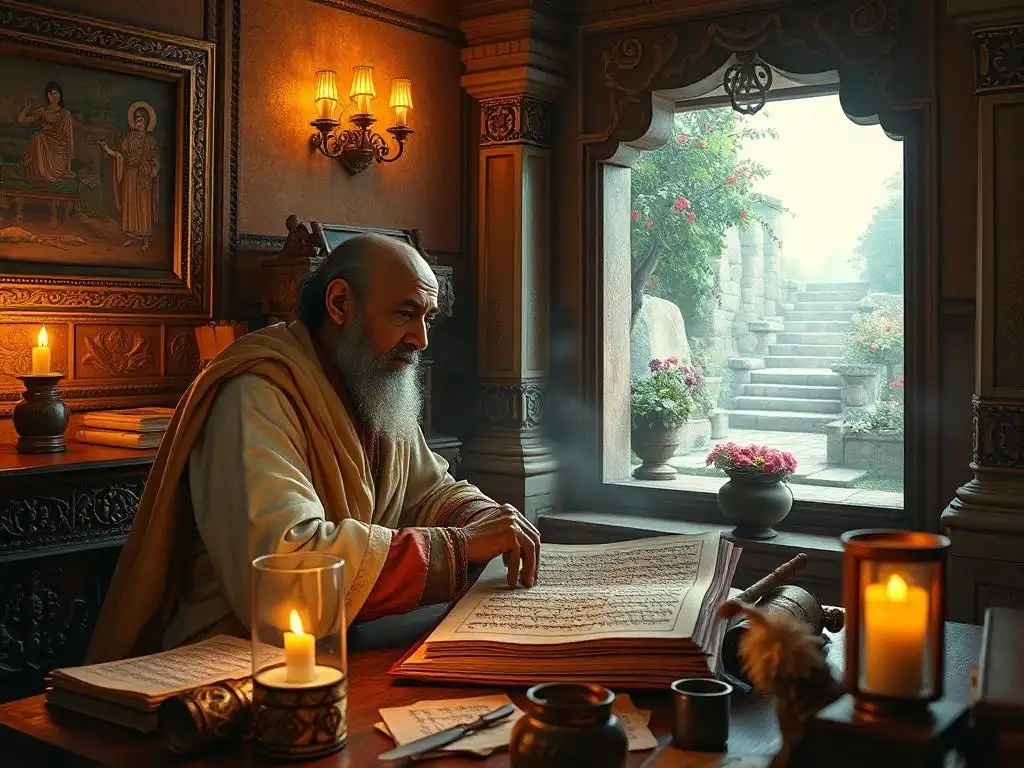
Welcome to Ancient India History, where we embark on an enlightening journey through the rich tapestry of ancient Indian civilizations. Here, we unveil the profound influence of Sanskrit prose on literature, a topic that not only showcases the linguistic brilliance of our ancestors but also reveals how their literary innovations shaped narratives beyond the epics.
As you delve deeper into our featured article, "The Impact of Sanskrit Prose on Classical Indian Literature: An Exploration," prepare to uncover the myriad ways in which this ancient language has left an indelible mark on the literary landscape. Join us as we explore the stories that continue to resonate through time and inspire generations.

Introduction to Sanskrit Prose and Its Significance
Sanskrit prose holds a foundational place in the tapestry of classical Indian literature, serving not only as a vehicle for storytelling but also as a medium for philosophical discourse, scientific exploration, and cultural expression. The influence of Sanskrit prose on literature is profound, shaping the narrative styles, thematic elements, and linguistic richness that define various literary forms across centuries.
This exploration delves into the intricate web of Sanskrit prose, tracing its historical roots, its evolution, and the pivotal works that have left a lasting impact on Indian literature. Through this examination, we aim to highlight the remarkable contributions of Sanskrit prose to the broader landscape of classical poetry and prose, showcasing how it continues to resonate within the literary traditions of India and beyond.
Understanding Sanskrit Prose
Sanskrit prose is characterized by its structured narrative style, sophisticated vocabulary, and eloquent expression. Unlike poetry, which often relies on meter and rhyme, prose in Sanskrit emphasizes clarity and depth of thought, making it an ideal medium for conveying complex ideas. Notable forms of Sanskrit prose include philosophical texts, fables, and historical accounts, each contributing to the rich literary heritage of ancient India.
- Key Features of Sanskrit Prose:
- Clarity: Prose allows for straightforward communication of ideas.
- Rhetoric: Use of persuasive language and argumentation.
- Narrative Techniques: Inclusion of dialogue and character development.
Historical Context of Prose in Ancient India
The roots of Sanskrit prose can be traced back to the Vedic texts, where early narratives began to emerge alongside hymns. The transition from oral traditions to written forms marked a significant shift in the preservation and dissemination of knowledge. By the time of the Maurya Empire, prose had evolved, reflecting the complexities of society, culture, and governance.
- Timeline of Prose Development:
- Vedic Period: Initial oral traditions.
- Maurya Empire (322–185 BCE): Emergence of written prose.
- Gupta Empire (c. 320–550 CE): Flourishing of literary works in prose.
Importance of Sanskrit in Classical Indian Literature
Sanskrit is often referred to as the "mother of all languages" in India, and its role in classical literature cannot be overstated. It served as the lingua franca of scholars, poets, and philosophers, facilitating the exchange of ideas across different regions and cultures.
- Cultural Significance:
- Philosophy: Texts like the Bhagavad Gita and Upanishads utilized prose to articulate profound philosophical concepts.
- Science and Arts: Sanskrit prose played a crucial role in documenting advancements in mathematics, astronomy, and arts.
The Evolution of Sanskrit Prose
The evolution of Sanskrit prose is marked by significant developments in literary forms and styles. As society evolved, so too did the themes and expressions found within prose works.
Early Forms of Prose in Sanskrit Literature
Early Sanskrit prose can be seen in texts such as the Hitopadesha and Panchatantra, which used fables to impart moral lessons. These works laid the groundwork for storytelling traditions that would flourish in later periods.
Major Works and Authors Influencing Sanskrit Prose
Prominent authors like Bhasa and Kalidasa made substantial contributions to Sanskrit prose, enriching the literary canon with their innovative narratives and character portrayals. Their works not only entertained but also reflected the societal norms and philosophical inquiries of their times.
| Author | Notable Works | Contribution |
|---|---|---|
| Bhasa | The Urubhanga | Early dramatic prose and style |
| Kalidasa | Shakuntala | Blending poetry with prose |
Transition from Oral Tradition to Written Prose
The shift from oral to written prose was pivotal in preserving literary traditions and expanding their reach. This transition facilitated the standardization of texts and allowed for greater accessibility to a wider audience. With the advent of paper and printing technology, the dissemination of Sanskrit prose gained momentum, influencing not only Indian literature but also extending its reach to various cultural spheres.
The exploration of Sanskrit prose influence on literature reveals a rich tapestry of historical context, evolution, and significance that continues to shape literary traditions today.
Key Characteristics of Sanskrit Prose
Sanskrit prose is a distinguished form of literary expression that emerged in ancient India, characterized by its structured syntax, rich vocabulary, and philosophical depth. Unlike poetry, which often relies on meter and rhyme, prose allows for greater flexibility in language, enabling authors to convey complex ideas with clarity.
One key characteristic of Sanskrit prose is its use of compound words (samasa), which can condense intricate concepts into single terms. This linguistic feature enhances the expressiveness of the language, allowing for nuanced meaning. Additionally, Sanskrit prose often employs elegant sentence structures that balance brevity and depth, making it accessible yet profound.
Another defining aspect is its rhetorical flourishes. Authors frequently use techniques such as anaphora, where a word or phrase is repeated at the beginning of successive clauses, to create rhythm and emphasis. This stylistic choice enhances the reader's engagement and aids in the retention of ideas.
Linguistic Features of Sanskrit Prose

The linguistic features of Sanskrit prose set it apart from other literary forms and contribute to its lasting influence. One prominent element is its rich vocabulary, which is drawn from a vast lexicon that includes terms specific to various disciplines, including philosophy, science, and the arts. This extensive vocabulary allows authors to articulate sophisticated ideas effectively.
Sanskrit prose also exhibits grammatical precision, with a complex system of declensions and conjugations that enriches the language's expressiveness. The use of sandhi (the phonetic combination of words) further enhances the fluidity of prose, creating a seamless reading experience.
Moreover, the syntax of Sanskrit prose often follows a subject-object-verb order, which differs from the more common subject-verb-object structure found in many modern languages. This unique syntax can imbue prose with a distinct rhythm and pacing, allowing for various emphases within the text.
Stylistic Elements: Rhetoric and Composition
Sanskrit prose is known for its rhetorical sophistication, which plays a crucial role in its composition. Authors skillfully employ various rhetorical devices, such as metaphor, simile, and alliteration, to enrich the text and engage readers on multiple levels. These devices not only embellish the prose but also serve to deepen the thematic impact of the narratives.
The structure of Sanskrit prose often follows a logical progression that mirrors classical argumentation, where ideas are systematically presented and developed. This organized approach enables authors to build compelling narratives or arguments that guide the reader through complex philosophical discussions or historical accounts.
Additionally, the use of dialogue is a notable stylistic element in Sanskrit prose. Philosophical texts like the Upanishads and works like the Mahabharata utilize dialogue to explore moral dilemmas, presenting contrasting viewpoints that encourage critical thinking and reflection.
Themes and Motifs in Sanskrit Prose
The themes and motifs in Sanskrit prose reflect the cultural, philosophical, and spiritual contexts of ancient India. One prevalent theme is the interconnectedness of life and the cosmos, often explored through narratives that depict the relationship between humans and divine forces. This theme is particularly evident in texts like the Mahabharata, where human actions are portrayed as part of a larger cosmic order.
Another significant motif is the quest for knowledge and enlightenment. Many prose works delve into philosophical inquiries, addressing questions about existence, morality, and the nature of reality. The exploration of dharma (duty) is also central, as characters grapple with ethical dilemmas and their roles within society.
Furthermore, nature frequently emerges as a motif, symbolizing both the physical world and the inner journey of the self. Authors often draw parallels between natural phenomena and human emotions, enhancing the thematic richness of their works.
Sanskrit Prose Influence on Classical Indian Literature
Sanskrit prose has profoundly influenced classical Indian literature, shaping not only narrative forms but also thematic explorations across various genres. Its impact is most notably seen in the transition from oral traditions to written texts, which allowed for the preservation and dissemination of knowledge on a larger scale.
The flexibility and depth of Sanskrit prose laid the groundwork for subsequent literary movements, fostering a rich environment for creativity and experimentation. This influence is particularly evident in the evolution of literary forms that followed, including poetry, drama, and philosophical treatises.
Prose as a Catalyst for Literary Development
Prose served as a catalyst for literary development in ancient India by providing a medium through which complex ideas and narratives could be articulated and preserved. The emergence of prose allowed authors to explore a range of subjects, from philosophy and politics to ethics and aesthetics, thus broadening the literary landscape.
By establishing a framework for narrative structure and character development, Sanskrit prose influenced later literary forms, paving the way for dramatic works and poetry that drew upon its themes and stylistic elements. The integration of prose into the literary canon also contributed to the establishment of literary criticism, as scholars began to analyze and evaluate prose works.
Influence on Poetry and Dramatic Works
The influence of Sanskrit prose on poetry and dramatic works is significant, as many poets and playwrights drew inspiration from the narrative techniques and thematic depth of prose. For instance, the Mahakavya (epic poetry) often incorporates prose narratives, blending the two forms to create a richer textual experience.
Dramatic works, such as those by Kalidasa, showcase the interplay between prose and poetry, where prose is used for dialogue and exposition, while poetry enhances emotional expression and lyrical beauty. This synergy between prose and poetry has become a hallmark of classical Indian literature, enriching both forms.
Interrelation with Philosophy and Spiritual Texts

The relationship between Sanskrit prose and philosophical or spiritual texts is profound. Many classical philosophical treatises, including the Brahmanas and Upanishads, are written in prose, allowing for nuanced discussions of metaphysical concepts and ethical principles.
This interrelation reflects the broader cultural milieu of ancient India, where literature was not only a means of artistic expression but also a vehicle for spiritual exploration. The philosophical inquiries found in Sanskrit prose often resonate with the themes of self-realization and universal truth, encouraging readers to engage in introspective thought.
Furthermore, the influence of Sanskrit prose on spiritual texts has transcended time, as its core ideas continue to inform contemporary philosophical discourse. The lasting impact of Sanskrit prose underscores its role as a foundational element in the development of classical Indian literature and thought.
Case Studies of Influential Sanskrit Prose Works
The influence of Sanskrit prose on classical Indian literature can be vividly observed through several seminal works that have shaped the literary landscape. Two prominent examples, "Buddhacharita" by Aśvaghoṣa and "Shakuntala" by Kālidāsa, exemplify the rich narrative techniques and philosophical depth that characterize Sanskrit prose. These texts not only reflect the linguistic artistry of their time but also offer insights into the cultural and spiritual ethos of ancient India.
"Buddhacharita" by Aśvaghoṣa
"Buddhacharita," composed by Aśvaghoṣa in the 1st century CE, is a biographical narrative that chronicles the life of Siddhartha Gautama, who became the Buddha. This work is a seminal example of Sanskrit prose, blending poetic elements with prose narration to enhance its philosophical themes. Aśvaghoṣa's narrative style is marked by eloquent descriptions, vivid imagery, and deep psychological insights, which together create a compelling portrayal of the Buddha's journey from prince to enlightened teacher.
The prose of "Buddhacharita" serves not just as a historical account but also as a vehicle for Buddhist teachings. Aśvaghoṣa employs metaphors and allegorical language to convey complex ideas about suffering, enlightenment, and the nature of reality. This blending of narrative and philosophy illustrates how Sanskrit prose can engage readers on multiple levels, influencing both literary practices and spiritual discourse in subsequent centuries.
"Kālidāsa's 'Shakuntala'"
Another cornerstone of Sanskrit prose is Kālidāsa's "Shakuntala," written in the 5th century CE. Although primarily recognized as a poetic work, it is essential to note that its prose passages serve as critical narrative transitions that enhance the dramatic structure of the play. "Shakuntala" tells the story of the love between King Dushyanta and Shakuntala, drawing upon themes of love, destiny, and the complexities of human emotions.
Kālidāsa's prose is renowned for its lyrical quality and aesthetic beauty. The seamless transition between prose and poetry in "Shakuntala" exemplifies the versatility of Sanskrit literature, allowing for emotional depth and character development. The work has had a profound influence on various art forms, including dance and theater, further demonstrating the enduring impact of Sanskrit prose on Indian cultural expressions.
Comparative Analysis: Sanskrit Prose vs. Other Ancient Literatures
To appreciate the influence of Sanskrit prose, it is essential to compare it with other ancient literatures, particularly Greek and Persian. This comparative analysis reveals both similarities and differences that highlight the unique attributes of Sanskrit prose.
Similarities and Differences with Greek Prose
Sanskrit prose shares several characteristics with Greek prose, particularly in its exploration of philosophical themes and moral dilemmas. Both traditions utilize narrative techniques that blend storytelling with deeper existential queries, inviting readers to reflect on human nature and societal values. For instance, like Plato's dialogues, which often explore ethical and metaphysical issues, Sanskrit prose works like "Buddhacharita" engage with profound questions about life and suffering.
However, there are notable differences as well. One key distinction lies in the cultural contexts in which these prose forms developed. Greek prose often emphasizes rationality and individualism, reflecting the philosophical traditions of Ancient Greece, while Sanskrit prose tends to incorporate spiritual and religious dimensions, deeply rooted in the Indian philosophical landscape. The richness of Sanskrit's poetic forms also allows for a more fluid integration of prose and poetry, which is less common in Greek literature.
Influence of Persian Literature on Sanskrit Prose
The interaction between Sanskrit prose and Persian literature is another important facet of its evolution. During the medieval period, particularly under the Delhi Sultanate and Mughal Empire, Persian became a dominant literary language in India. This cultural exchange led to the incorporation of Persian narrative styles and themes into Sanskrit prose.
Works such as "Raja Vikrama's 'Vikramorvasiyam'" reflect this hybridization, showcasing elements of Persian storytelling techniques, such as intricate plots and character development, while retaining the linguistic beauty of Sanskrit. This cross-cultural exchange enriched Sanskrit prose, allowing it to adapt and evolve in response to new literary influences while maintaining its distinctive identity.
The Global Context of Sanskrit Prose Influence
The impact of Sanskrit prose extends beyond the borders of India, influencing literary traditions across Asia and even into the Western literary canon. As Sanskrit texts were translated into various languages, their philosophical and narrative techniques permeated different cultures.
For instance, the translations of works like "Shakuntala" into English and other languages in the 18th and 19th centuries sparked a renewed interest in Indian literature and philosophy among Western scholars and writers. The themes of love, destiny, and the human experience found in Sanskrit prose resonated with global audiences, leading to a richer understanding of the interconnectedness of literary traditions.
The exploration of Sanskrit prose's influence on literature reveals a complex tapestry of cultural exchange, thematic exploration, and narrative innovation. Through case studies and comparative analyses, it becomes clear that Sanskrit prose has not only shaped Indian literature but has also left an indelible mark on the global literary scene.
Conclusion: The Lasting Legacy of Sanskrit Prose in Classical Literature
Sanskrit prose has left an indelible mark on the landscape of classical Indian literature. Its structured elegance and profound thematic depth have not only shaped the narratives of its own time but have also provided a foundation for literary traditions that followed.
The intricate relationship between prose and poetry during ancient times facilitated a rich tapestry of storytelling, philosophy, and cultural expression, which continues to resonate in contemporary literary forms. The legacy of Sanskrit prose is reflected in its enduring influence on various genres, including drama, philosophy, and historical texts, establishing a framework that many writers still draw upon today.
Recap of Sanskrit Prose's Influence
Sanskrit prose emerged as a vital medium for conveying complex ideas and narratives, transcending the limitations of oral tradition. Key figures such as Panini, Kālidāsa, and Bāṇa utilized prose to explore themes ranging from morality to aesthetics, setting a precedent for future writers. The influence of Sanskrit prose can be seen in:
- Narrative Structures: The use of elaborate storytelling techniques, including the framing of stories, character development, and the interweaving of philosophical discourse.
- Cultural Identity: Prose works often reflect the socio-political context of their times, offering insights into the values and beliefs of ancient Indian society.
- Language Development: The grammatical precision and stylistic richness of Sanskrit prose have contributed to the evolution of literary languages in India, influencing regional literatures.
The impact of these elements continues to be felt, as modern authors often refer back to these classical texts for inspiration and guidance.
Future Directions for Research and Exploration in Sanskrit Literature
As the field of Sanskrit literature continues to evolve, several promising areas for future research and exploration emerge:
- Interdisciplinary Studies: Collaborations with fields such as anthropology, history, and religious studies can provide deeper insights into the socio-cultural contexts of Sanskrit prose.
- Digital Humanities: The digitization of ancient texts allows for broader accessibility and innovative analytical methods, facilitating new interpretations and understandings of classical works.
- Comparative Literature: Exploring the dialogues between Sanskrit prose and other literary traditions, such as Greek or Persian, can reveal shared themes and narrative techniques, enriching our comprehension of global literary heritage.
These avenues not only aim to preserve the legacy of Sanskrit prose but also to enhance its relevance in contemporary discourse.
References
Key Texts and Scholars in Sanskrit Prose
Several foundational texts and scholars have significantly contributed to the study of Sanskrit prose:
- "Aṣṭādhyāyī" by Panini: This seminal work on Sanskrit grammar lays the groundwork for understanding the structure of classical Sanskrit prose.
- "Kālidāsa's Works": His plays and poems epitomize the poetic and dramatic potential of prose in classical literature.
- "Harshacharita" by Bāṇa: This historical narrative offers insights into the prose style of the time and the political landscape of ancient India.
- Modern scholars: Figures like Sheldon Pollock and Romila Thapar have provided critical analyses of Sanskrit literature and its cultural implications.
Suggested Further Reading on Classical Indian Literature
For those interested in delving deeper into the realm of classical Indian literature, the following texts are recommended:
- "The Sanskrit Language" by Michael Witzel: An exploration of the historical and linguistic significance of Sanskrit.
- "Classical Indian Literature: An Anthology" edited by V. Raghavan: This collection provides a broad overview of significant prose and poetic works.
- "Sanskrit Poetics in Context" by A. K. Ramanujan: This book examines the aesthetics and theoretical frameworks surrounding Sanskrit literature.
- "The Concept of Rasa in Indian Aesthetics" by K. Satchidanandan: A detailed analysis of the emotional and aesthetic experience in classical Indian literature.
These resources offer a comprehensive introduction to the themes, styles, and historical contexts of Sanskrit prose and its wide-ranging influence on literature.
- Introduction to Sanskrit Prose and Its Significance
- Understanding Sanskrit Prose
- Historical Context of Prose in Ancient India
- Importance of Sanskrit in Classical Indian Literature
- The Evolution of Sanskrit Prose
- Key Characteristics of Sanskrit Prose
- Linguistic Features of Sanskrit Prose
- Stylistic Elements: Rhetoric and Composition
- Themes and Motifs in Sanskrit Prose
- Sanskrit Prose Influence on Classical Indian Literature
- Prose as a Catalyst for Literary Development
- Influence on Poetry and Dramatic Works
- Interrelation with Philosophy and Spiritual Texts
- Case Studies of Influential Sanskrit Prose Works
- Comparative Analysis: Sanskrit Prose vs. Other Ancient Literatures
- Conclusion: The Lasting Legacy of Sanskrit Prose in Classical Literature
- References
- What is Sanskrit prose and its significance in literature?
- How did Sanskrit prose influence classical Indian literature?
- What are some notable works of Sanskrit prose?
- How did the Gupta Empire contribute to the development of Sanskrit prose?
- Is the influence of Sanskrit prose limited to Indian literature?
Frequently Asked Questions
What is Sanskrit prose and its significance in literature?
Sanskrit prose refers to written works in the ancient Indian language of Sanskrit, characterized by its structured and sophisticated style. It played a crucial role in shaping classical Indian literature.
How did Sanskrit prose influence classical Indian literature?
Sanskrit prose introduced narrative techniques and stylistic elements that enriched literary expression, influencing genres such as epics, dramas, and philosophical texts throughout Indian history.
What are some notable works of Sanskrit prose?
Key works include the Mahabharata, Ramayana, and various philosophical treatises by authors like Buddhism and Jainism, which laid the groundwork for future literary traditions in India.
How did the Gupta Empire contribute to the development of Sanskrit prose?
The Gupta Empire (circa 320-550 CE) marked a golden age for Sanskrit literature, fostering an environment where prose forms flourished, leading to the creation of important texts that reflected the era's cultural advancements.
Is the influence of Sanskrit prose limited to Indian literature?
No, the influence of Sanskrit prose extends beyond Indian literature; it has impacted Southeast Asian cultures and their literary traditions, showcasing the cultural exchange that occurred over centuries.
Final Reflection: The Enduring Legacy of Sanskrit Prose in Literature
The profound influence of Sanskrit prose on classical Indian literature remains a cornerstone of cultural identity and artistic expression today. As we explore the intricate layers of this literary tradition, it becomes evident that the beauty and complexity of Sanskrit prose not only shaped the narratives of its time but also continue to resonate in contemporary storytelling. The elegance of its structure and the depth of its themes serve as a reminder of the power of language to transcend time and connect generations.
Sanskrit prose has woven itself into the very fabric of our cultural and social landscape, influencing countless writers and thinkers across centuries. The echoes of its philosophical insights and narrative techniques can be seen in modern literature, where authors draw inspiration from its rich heritage. As Mahatma Gandhi once said, "> The best way to find yourself is to lose yourself in the service of others." This sentiment reflects the essence of Sanskrit prose, which encourages a deep engagement with the self and the world, fostering a sense of unity and purpose that is still relevant today.
As we reflect on the lessons imparted by Sanskrit prose, I invite you to consider how these timeless narratives can inspire your own journey. Embrace the richness of language and storytelling in your life, allowing the wisdom of the past to guide your present and future. Whether through writing, reading, or simply engaging with the world around you, let the influence of Sanskrit prose ignite your creativity and deepen your understanding of the human experience.
Embark on Your Journey into Sanskrit Literature!
Thank you for taking the time to explore the profound influence of Sanskrit prose on classical Indian literature with us! You've delved into a captivating realm rich with cultural heritage and artistic expression. Now, it’s time to take inspired action.
Here are some meaningful ways to deepen your understanding and appreciation:
- Dive deeper into Sanskrit texts by exploring translations of seminal works; consider starting with epic narratives like the Mahabharata or the Ramayana.
- Share your newfound insights with others by joining or initiating a book club focused on ancient Indian literature; collaboration can significantly enhance your learning experience.
- Engage with online forums or social media groups dedicated to Sanskrit and Indian classics—connect, discuss, and discover fresh perspectives!
What intriguing insights have you uncovered about the evolution of literary styles in Sanskrit?