
Analyzing the Historical Context of Classical Indian Literature: A Timeline

Welcome to Ancient India History, where we embark on a fascinating journey through time to uncover the rich tapestry of ancient Indian civilizations. Here, we delve into the intricate details of Classical Indian literature history, revealing not only its literary masterpieces but also the cultural and historical contexts that shaped them. Prepare to be captivated as we analyze the evolution of literature beyond the epics, exploring the myriad voices and stories that have influenced generations. Join us as we unravel the timeline that highlights the profound contributions of ancient India to the world of literature—your exploration begins now!
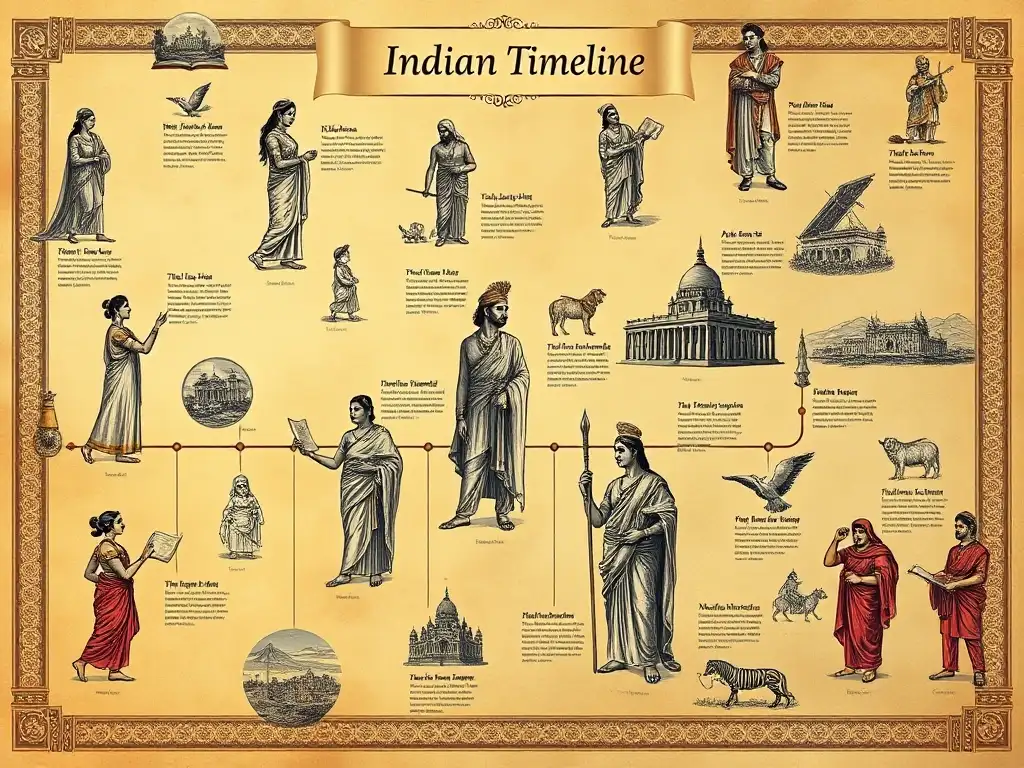
Introduction to Classical Indian Literature History
Classical Indian literature encompasses a vast and intricate tapestry of poetic and prose traditions that have flourished across centuries in the Indian subcontinent. From the early Vedic hymns to the profound works of the Gupta period, this literary journey reflects not just the evolution of language and style, but also the socio-cultural dynamics that shaped ancient Indian society.
Understanding the historical context of this literature is crucial, as it allows us to appreciate the cultural, philosophical, and religious themes that permeate these works. In this article, we will delve into the historical timeline of classical Indian literature, exploring its roots, development, and the significant influences that have left an indelible mark on the literary landscape.
Overview of Classical Indian Literature
Classical Indian literature is characterized by its rich diversity, showcasing a variety of forms including poetry, drama, and philosophical treatises. The earliest pieces, such as the Vedas, represent a fusion of spiritual and poetic thought, while later works like the Mahabharata and Ramayana introduced narrative complexity and moral inquiry. Notable literary forms such as Sanskrit drama, lyric poetry, and the philosophical dialogues of the Upanishads further expand the scope of classical literature.
Key features include:
- Language and Style: Predominantly written in Sanskrit, classical Indian literature employs intricate linguistic structures and poetic devices.
- Themes and Motifs: Common themes include dharma (duty), karma (action), and moksha (liberation), which reflect the philosophical underpinnings of Indian culture.
- Influence of Religion: Many literary works are intertwined with religious narratives, offering insights into the spiritual life of ancient Indians.
Importance of Historical Context in Literature
Understanding the historical context of classical Indian literature is essential for several reasons:
- Cultural Insights: Literature serves as a mirror to the societal norms, values, and beliefs of its time. By analyzing the historical backdrop, readers gain insight into the everyday lives of ancient Indians.
- Evolution of Thought: The progression of literary styles and themes is often a response to historical events, such as invasions, political changes, and religious transformations.
- Preservation of Knowledge: Many classical texts are repositories of knowledge, preserving not only literary art but also scientific, astronomical, and philosophical insights that were relevant in their respective eras.
Early Beginnings of Classical Indian Literature
The origins of classical Indian literature can be traced back to the Vedic period, a time marked by the composition of some of the earliest texts that laid the foundation for subsequent literary traditions.
The Vedic Period (1500 - 500 BCE)
The Vedic period is significant for producing the Vedas, which are among the oldest sacred texts in the world. Composed in ancient Sanskrit, these texts consist of four primary collections: the Rigveda, Samaveda, Yajurveda, and Atharvaveda. Each Veda encompasses hymns, rituals, and philosophical discourses that illustrate the spiritual and cultural ethos of early Indian society.
Key characteristics of Vedic literature include:
- Oral Tradition: The Vedas were initially passed down orally, demonstrating the importance of memory and recitation in ancient Indian culture.
- Hymns and Rituals: The literature primarily focuses on hymns dedicated to various deities and rituals that underpin Vedic rituals.
- Philosophical Inquiry: Early philosophical concepts, including the nature of the universe and human existence, emerge in texts such as the Upanishads, which are considered the culmination of Vedic thought.
The Vedic period set the stage for the flourishing of classical Indian literature, paving the way for later developments that would further enrich the literary heritage of the region.
In the following sections, we will continue to explore the evolution of classical Indian literature through its significant periods and prominent contributions.
The Rise of Classical Prose and Poetry
The emergence of classical prose and poetry in ancient India marks a significant evolution in the cultural and literary landscape of the subcontinent. The roots of this literary tradition can be traced back to Vedic texts, where early forms of poetry began to take shape through the recitation of hymns and mantras. As society progressed, the literary forms became more sophisticated, incorporating rich themes that reflected the philosophical, spiritual, and societal concerns of the time.
This period saw the development of various genres, including lyrical poetry, dramatic works, and prose narratives. Poets and authors sought to convey complex ideas through metaphor and allegory, enriching the literary tradition with diverse expressions of human experience.
The introduction of regional languages and dialects further diversified the literary scene, paving the way for a broader audience and greater accessibility of literature. As the influence of Buddhism and Jainism spread, it also played a crucial role in shaping the themes and styles of classical literature, leading to a fusion of spiritual and secular elements that characterized the works of this era.
The Epic Era (500 BCE - 200 CE)
The Epic Era is a pivotal phase in the history of classical Indian literature, primarily characterized by the composition of monumental texts such as the Mahabharata and the Ramayana. These epics not only showcase the artistry of ancient poets but also encapsulate the moral, ethical, and philosophical dilemmas faced by society. The Mahabharata, attributed to the sage Vyasa, is a comprehensive narrative that includes narratives, dialogues, and discourses on dharma (duty), ethics, and the complexities of human relationships.
The Ramayana, composed by Valmiki, tells the story of Lord Rama, his quest to rescue his wife Sita, and the moral lessons derived from his adventures. Both epics served as frameworks for cultural values and social norms, influencing generations of readers and thinkers. The period also witnessed the emergence of various regional adaptations and retellings of these epics, further enriching the literary tapestry of ancient India.
In addition to the great epics, this era saw the rise of other significant works, including the Panchatantra, a collection of fables that imparts wisdom through storytelling, and various works of drama that explored human emotions and societal issues. The blend of myth, philosophy, and practical wisdom in these texts laid the groundwork for subsequent literary developments and continues to resonate in modern Indian literature.
The Golden Age of Classical Indian Literature
The Golden Age of Classical Indian Literature is typically associated with the Gupta Period, a time marked by significant cultural and intellectual advancements. This era flourished under the patronage of Gupta emperors, who fostered an environment conducive to artistic expression and scholarly pursuits. Literature thrived, with poets, playwrights, and philosophers producing remarkable works that would leave a lasting legacy.
During this time, classical Sanskrit literature reached its zenith, with notable figures such as Kalidasa, whose works like Shakuntala and Meghaduta exemplify the beauty and complexity of Sanskrit poetry. Kalidasa’s writings reflect a deep appreciation for nature, love, and the human condition, employing sophisticated literary devices that enriched the poetic form. Additionally, the period saw the emergence of important prose works, including Kamasutra by Vātsyāyana, which explored themes of love, aesthetics, and social conduct, blending literary elegance with practical insights.
The Gupta Period also marked the development of narrative poetry and dramatic literature, with playwrights such as Bhasa and Ashvagosa contributing significantly to the theatrical arts. Their works often drew upon mythological themes, exploring the interplay between the divine and the human, while also addressing contemporary social issues. The diversity of genres and themes during this golden age reflects the vibrant intellectual and artistic climate of the time, laying the foundation for future literary traditions in India.
The Gupta Period (300 - 550 CE)
The Gupta Period (300 - 550 CE) is often celebrated as the pinnacle of classical Indian literature, characterized by an unparalleled flourishing of literary creativity and intellectual achievement. The Gupta rulers, particularly Chandragupta II, were known for their patronage of arts and culture, enabling a conducive environment for literary figures to thrive.
During this era, Sanskrit emerged as the preeminent literary language, and numerous poets and playwrights made significant contributions to the literary canon. Kalidasa, often regarded as the greatest Sanskrit poet, produced masterpieces that emphasized the beauty of nature and the depth of human emotion. His works, such as Raghuvamsha and Vikramorvasiyam, showcase his mastery of poetic form and thematic depth.
Moreover, the Gupta Period saw the rise of philosophical and scientific texts alongside literary works, as scholars like Aryabhata and Varahamihira made advancements in mathematics and astronomy. This intellectual synergy enriched the literary tradition, with literature serving not only as a means of artistic expression but also as a vessel for disseminating knowledge and ideas.
In addition, the Gupta Period is notable for the development of various genres of poetry, including romantic poetry, devotional hymns, and didactic literature. The Natyashastra, a comprehensive treatise on performing arts by Bharata Muni, laid the groundwork for Indian drama and performance, influencing the theatrical landscape for centuries to come.
The legacy of the Gupta Period is evident in its lasting impact on Indian literature, culture, and philosophy, making it a foundational era in the history of classical Indian literature that continues to be studied and revered today.
Diverse Literary Forms in Classical Indian Literature
Classical Indian literature is characterized by a rich tapestry of diverse literary forms that reflect the complexities of ancient Indian society and culture. This diversity can be seen in various genres, styles, and themes that emerged across different periods. Notably, these literary forms include poetry, prose, plays, and philosophical texts, each contributing uniquely to the cultural and intellectual heritage of India.
The early literary forms can be traced back to the Vedic texts, which laid the foundation for subsequent works. Over time, various regional languages developed their own literary traditions, enriching the overall landscape of classical literature. This evolution illustrates how literary forms grew in response to societal changes, philosophical inquiries, and religious practices, making classical Indian literature a dynamic and multifaceted domain.
Poetry: Styles and Genres
Poetry in classical Indian literature encompasses a wide range of styles and genres, each with its distinctive features. Among the most significant forms are:
- Sanskrit Poetry: This genre includes works like the Mahabharata and Ramayana, which, although epic narratives, incorporate poetic elements. The use of meter, rhyme, and alliteration enhances the lyrical quality of these texts.
- Prakrit Poetry: Emerging alongside Sanskrit literature, Prakrit poetry often reflects the vernacular languages of the time. A prime example is the Gaha Sattasaï, which showcases the simplicity and beauty of everyday language.
- Bhakti and Sufi Poetry: These movements brought forth devotional poetry that transcended linguistic barriers. Poets like Kabir and Mirabai expressed profound spiritual devotion through their verses, blending personal emotion with universal themes.
- Court Poetry: This genre flourished during the reign of various dynasties and is characterized by themes of love, valor, and nature. Notable works include Meghaduta by Kalidasa, which employs rich imagery and emotional depth.
Each genre not only showcases artistic expression but also serves as a reflection of societal values, philosophical inquiries, and historical contexts, making poetry a vital component of classical Indian literature.
Prose: Narrative Techniques and Themes
Prose in classical Indian literature is marked by its narrative techniques and thematic explorations. Various forms of prose emerged, including:
- Fables and Animal Stories: Texts like the Panchatantra utilized animal characters to convey moral lessons. These stories often employed a simple narrative style, making them accessible to a wide audience.
- Historical Narratives: Works such as Rajatarangini by Kalhana chronicled the history of Kashmir, employing a blend of historical fact and poetic embellishment. This prose style highlights the importance of historical documentation in preserving cultural narratives.
- Philosophical Treatises: Prose also includes significant philosophical texts, such as the Upanishads, which explore profound themes related to existence, consciousness, and the nature of reality. The discourse in these texts often employs dialogical techniques to engage readers in deep reflection.
- Travel Literature: Accounts from travelers like Fa-Hien and Hiuen Tsang provide insights into the socio-cultural milieu of ancient India, reflecting the interactions between different civilizations and the exchange of ideas.
Through these diverse prose forms, classical Indian literature offers a comprehensive understanding of human experience, cultural values, and philosophical thought.
Influence of Religion and Philosophy on Literature
Religious and philosophical influences are integral to understanding the evolution of classical Indian literature. The texts produced during this era often intertwine literary expression with spiritual practice and philosophical inquiry, reflecting the values and beliefs of the time.
The Role of Hinduism, Buddhism, and Jainism
Hinduism, Buddhism, and Jainism played a pivotal role in shaping the literary landscape of classical India. Each religion contributed distinct themes and perspectives that enriched literary expression:
- Hinduism: The epics and Puranas are fundamental to Hindu literary tradition, presenting narratives that explore dharma (duty), karma (action), and moksha (liberation). These texts often serve as moral guides, encapsulating the essence of Hindu philosophy.
- Buddhism: Buddhist literature, including the Tripitaka, emphasizes teachings on suffering, impermanence, and enlightenment. The narrative style often reflects these themes, using parables and dialogues to elucidate complex philosophical concepts.
- Jainism: Jain literature, particularly the Tattvartha Sutra, focuses on ethics and non-violence, influencing various literary works. Jain poets often highlighted the pursuit of truth and the interconnectedness of all living beings.
The intermingling of these religious traditions in literature not only illustrates their philosophical underpinnings but also showcases their impact on cultural identity and societal norms.
Philosophical Literature: Exploring Indian Thought
Philosophical literature in classical India represents a profound exploration of ideas and concepts that have shaped Indian thought. Key aspects include:
- Metaphysics and Cosmology: Texts like the Brahma Sutras and Yoga Sutras delve into the nature of reality, consciousness, and the universe. They provide a framework for understanding existence through various philosophical lenses.
- Ethical and Moral Philosophy: Works by philosophers such as Adi Shankaracharya and Ramanuja discuss ethical dilemmas and the nature of the self, influencing moral thought and practice within society.
- Dialectical Method: Indian philosophical texts often employ a dialogical approach, encouraging debate and discussion. This method not only fosters critical thinking but also allows for the synthesis of diverse perspectives.
Philosophical literature thus serves as a mirror reflecting the intellectual currents and debates of its time, contributing significantly to the rich tapestry of classical Indian literature history.
The Transition to Medieval Literature
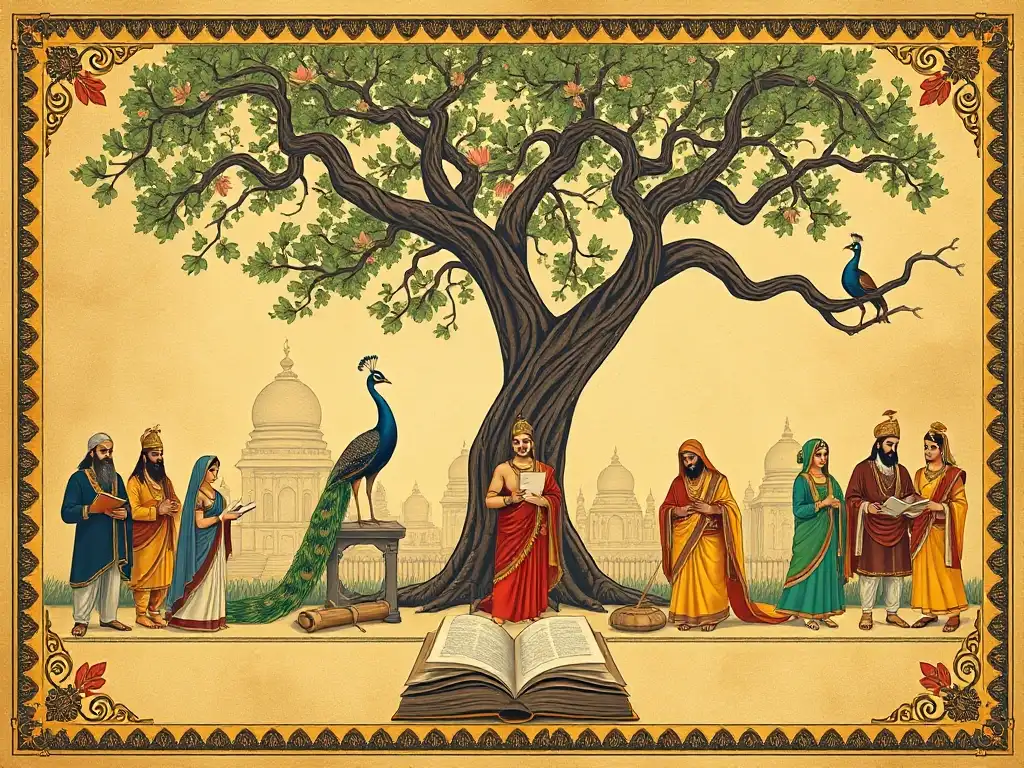
The transition from classical to medieval literature in India marks a significant evolution in the literary landscape, characterized by diverse influences and innovations. This period, which roughly extends from 600 to 1200 CE, witnessed the emergence of new languages, styles, and thematic concerns that reflected the changing socio-political milieu of the time. The decline of the Gupta Empire led to regional fragmentation, paving the way for local rulers who patronized different forms of literature. Consequently, this era gave rise to a rich tapestry of literary expressions, including poetry, prose, and devotional literature.
During this transition, the influence of regional languages became more pronounced. Sanskrit, although still revered, began to coexist with vernacular languages like Tamil, Kannada, and Bengali. This shift was not merely linguistic but also cultural, as local tales and folklore gained prominence, enriching the literary heritage. The emergence of bhakti (devotional) literature, which emphasized personal devotion to deities, marked a significant departure from the grand narratives of classical epics. Poets like Kabir and Mirabai articulated profound spiritual insights through their works, reflecting the growing accessibility of literature to the general populace.
Furthermore, the period was marked by the fusion of various cultural and literary traditions due to trade and invasions. The arrival of Persian and Arabic influences through trade routes and invasions introduced new poetic forms and themes. This cultural amalgamation led to the creation of a unique literary style that blended classical motifs with local expressions, setting the stage for the rich literary traditions of medieval India.
Shifts in Language and Style (600 - 1200 CE)
The period from 600 to 1200 CE saw considerable shifts in language and style within Indian literature. As vernacular languages gained prominence, literary works began to reflect local dialects and cultural nuances. This change was crucial in making literature more accessible to the masses, moving beyond the exclusivity of Sanskrit.
- Emergence of Vernacular Literature:
- The proliferation of regional literary forms created a diverse literary ecosystem. For instance, Tamil literature thrived with works like the Tirukkural by Thiruvalluvar, which offered moral and ethical guidance.
- In the north, the rise of Hindi and Braj languages facilitated the creation of devotional poetry, exemplified by poets like Tulsidas, whose Ramcharitmanas reinterpreted the Ramayana for a broader audience.
- Innovations in Poetic Form:
- New poetic forms emerged, such as the ghazal, introduced by Persian influences, which blended romantic and mystical themes. This form eventually found a place in Indian literature, influencing poets across various languages.
- The use of metaphors and imagery became more pronounced, with poets experimenting with different styles to convey complex emotions and spiritual ideas, moving away from the rigid structures of earlier classical poetry.
- Cultural Exchange:
- The interactions between different cultural groups due to trade and invasions enriched the literary landscape. For example, the Chola dynasty's patronage of Tamil literature coincided with the influx of Persian literary traditions, leading to a unique fusion.
- This cultural exchange also fostered the development of new themes that addressed contemporary social issues, such as caste, gender, and spirituality, making literature a medium for social commentary.
Conclusion: The Legacy of Classical Indian Literature
The legacy of classical Indian literature is profound and far-reaching, laying the groundwork for subsequent literary traditions in India. The works produced during the classical period not only reflect the rich cultural and philosophical heritage of ancient India but also continue to influence contemporary literature in various forms. The intricate interplay of languages, styles, and themes established during this era has left an indelible mark on the literary landscape.
Lasting Impact on Modern Indian Literature
The impact of classical Indian literature on modern literature is significant, as many contemporary writers draw inspiration from the themes, narratives, and stylistic elements of the past. For instance, the exploration of moral dilemmas, human emotions, and the quest for spiritual fulfillment, prevalent in works like the Mahabharata and Ramayana, resonates with modern readers.
- Influence on Narrative Structure:
- Modern Indian novels often incorporate elements of epic storytelling, weaving complex narratives that echo the classical tradition. Authors like Salman Rushdie and Arundhati Roy have integrated mythological themes into their works, showcasing the timeless relevance of classical narratives.
- Revival of Classical Genres:
- There has been a resurgence of interest in traditional poetic forms, with contemporary poets experimenting with classical meters and themes. This revival not only honors the literary past but also reinterprets it for modern audiences, creating a dialogue between ancient and contemporary literature.
Continuing Relevance of Classical Themes and Styles
Classical Indian literature remains relevant today, as its themes and styles continue to resonate with contemporary society. The exploration of universal human experiences—love, loss, duty, and spirituality—ensures that these works maintain their significance across generations.
- Universal Themes:
- The moral and philosophical inquiries central to classical texts invite readers to reflect on their own lives, fostering a deeper understanding of the human condition. The enduring nature of these themes facilitates discussions around ethics and morality in modern contexts.
- Adaptation and Reinterpretation:
- Many modern adaptations of classical works, such as retellings of the Mahabharata and Ramayana, highlight their continuing relevance. These adaptations often address contemporary social issues, making the ancient narratives accessible and relatable to today's audience.
The transition to medieval literature not only reflects a dynamic evolution in language and style but also underscores the lasting legacy of classical Indian literature. Its themes and styles continue to influence modern literary expressions, ensuring that the rich tapestry of India's literary heritage remains vibrant and relevant.
References and Further Reading
Understanding the historical context of classical Indian literature requires delving into various scholarly works, primary texts, and analytical resources. The following sections provide a comprehensive overview of key texts and significant scholars who have contributed extensively to the study of classical Indian literature history.
Key Texts and Scholars on Classical Indian Literature History
-
"The History of Indian Literature" by Sukanta Chaudhuri
This pivotal work offers a detailed examination of Indian literature from its earliest times through the classical period, providing insights into the socio-political and cultural factors that influenced literary development. Chaudhuri’s scholarship is critical for understanding the evolution of genres and themes in classical literature.
-
"Classical Sanskrit Literature: A Comprehensive Survey" by R. N. Dandekar
Dandekar's text serves as an essential guide to classical Sanskrit literature, summarizing key works and authors while analyzing their historical significance. The book highlights the interplay between literature and philosophy in ancient India.
-
"Indian Literature: An Overview" by Amritavalli R. S. Rao
This work compiles a variety of literary forms including poetry, prose, and drama, tracing their development through different historical periods. Rao provides a critical lens on how literature reflects the socio-cultural milieu of its time.
-
"The Ramayana and the Mahabharata: A Critical Appraisal" by R. K. Narayan
Narayan's interpretations of these epic texts are invaluable for understanding their influence on classical literature and Indian culture. His analyses not only cover narrative elements but also broader themes such as duty, morality, and justice.
-
"The Poetics of Classical Sanskrit Poetry" by K. M. Jha
This book explores the aesthetic and structural aspects of classical Sanskrit poetry, providing a foundation for appreciating the complexity and beauty of poetic forms used in classical Indian literature.
Suggested Resources for In-Depth Study
-
Online Journals and Databases:
- Journal of Indian Literature: A peer-reviewed journal that features articles, reviews, and research focusing on various aspects of Indian literature.
- Project Gutenberg: Offers a collection of classical Indian texts available for free, including translations of significant works.
-
University Courses and Lectures:
Many universities offer online courses on Indian literature and culture. Platforms like Coursera and edX provide access to lectures by leading scholars in the field.
-
Documentaries and Educational Videos:
- "The Soul of India": A documentary series that explores the rich tapestry of Indian culture, including literature and arts.
- YouTube Educational Channels: Channels such as "Crash Course" and "Khan Academy" often feature segments on classical Indian literature and its historical context.
-
Books by Contemporary Scholars:
- "The Many Worlds of Classical Indian Literature" by Sheldon Pollock: Pollock's work is essential for understanding the multiplicity of voices and contexts in classical literature.
- "Sanskrit Poetics: A Historical Survey" by V. S. Mehta: A detailed account of the evolution of poetics in Sanskrit literature, crucial for anyone studying classical forms.
Collectively, these resources provide a robust framework for anyone looking to deepen their understanding of classical Indian literature history and its significance within the broader scope of ancient Indian civilization.
- Introduction to Classical Indian Literature History
- Overview of Classical Indian Literature
- Importance of Historical Context in Literature
- Early Beginnings of Classical Indian Literature
- The Rise of Classical Prose and Poetry
- The Epic Era (500 BCE - 200 CE)
- The Golden Age of Classical Indian Literature
- Diverse Literary Forms in Classical Indian Literature
- Poetry: Styles and Genres
- Prose: Narrative Techniques and Themes
- Influence of Religion and Philosophy on Literature
- The Transition to Medieval Literature
- Conclusion: The Legacy of Classical Indian Literature
- References and Further Reading
- What is Classical Indian Literature?
- How did the historical context influence Classical Indian Literature?
- What are some key works in Classical Indian Literature?
- How did the Indus Valley Civilization contribute to later literature?
- What role did the Gupta Empire play in the evolution of literature?
Frequently Asked Questions
What is Classical Indian Literature?
Classical Indian Literature refers to the body of literary works produced in ancient India, encompassing texts in various languages like Sanskrit and Tamil, which include epics, poems, and philosophical treatises.
How did the historical context influence Classical Indian Literature?
The historical context shaped the themes and styles of Classical Indian Literature through influences from religion, politics, and social dynamics, reflecting the cultural and intellectual milieu of the time.
What are some key works in Classical Indian Literature?
Notable works include the Mahabharata, Ramayana, and Sanskrit drama like those by Kalidasa, which reveal the depth and diversity of Indian literary traditions.
How did the Indus Valley Civilization contribute to later literature?
The Indus Valley Civilization laid the foundation for early cultural expressions and social organization, which influenced subsequent literature and philosophical thought in later Indian civilizations.
What role did the Gupta Empire play in the evolution of literature?
The Gupta Empire is often referred to as the Golden Age of India, where arts, science, and literature flourished, leading to significant contributions in drama, poetry, and scholarship that shaped Classical Indian Literature.
Final Reflection: The Enduring Legacy of Classical Indian Literature History
The exploration of classical Indian literature history reveals not only the richness of its narratives but also the profound impact it has on contemporary society. As we delve into the timelines and milestones of this literary tradition, we uncover a tapestry woven with cultural, philosophical, and spiritual threads that continue to resonate today. The stories, philosophies, and artistic expressions from centuries past are not merely relics; they are vibrant reflections of human experience that challenge and inspire us in our modern lives.
Classical Indian literature has shaped the cultural and social landscape of India and beyond, influencing countless generations. The themes of love, duty, and morality found in works like the Mahabharata and Ramayana are timeless, offering insights that remain relevant in our daily lives. As noted by scholar A.K. Ramanujan, “A poem is a poem only when it is read.” This underscores the importance of engaging with these texts, as they invite us to reflect on our own values and beliefs while connecting us to a broader human experience.
As we conclude this exploration, I invite you to take a moment to reflect on the lessons embedded within classical Indian literature. Consider how these ancient narratives can inform your understanding of the world today and inspire you to cultivate empathy and wisdom in your own life. Let the stories of the past guide your actions and thoughts, reminding you that literature is not just a window to history, but a mirror reflecting our shared humanity. Embrace the richness of this literary heritage and allow it to enrich your journey forward.
Unearth the Rich Tapestry of Classical Indian Literature!
Thank you for diving deep into the fascinating world of classical Indian literature! By exploring the historical context and timeline presented in this article, you’ve taken a significant step towards understanding the profound impact of these literary masterpieces. Now, it’s time to transform that knowledge into action!
Here are some ways you can continue your journey:
- Dive Deeper: **Choose a literary work that captivated you** and investigate its themes, historical significance, and influence on contemporary literature. You can find additional resources through library databases or reputable online archives.
- Join the Conversation: **Share this article** with friends or fellow literature enthusiasts! Start a discussion group to explore these texts together, fostering a vibrant community passionate about classical works.
- Contribute Your Insights: **Write a brief blog post** about your favorite classical Indian literary piece or author and submit it to our platform. Your perspective could inspire others to appreciate this rich heritage!
What classical piece or author has inspired you the most, and how do you believe their work continues to resonate in today's world? Let's spark a discussion in the comments below!