
The Gupta Empire's Legacy in Eastern India: Prosperity and Innovation


Welcome to Ancient India History, where we invite you to embark on a captivating journey through the layers of time that define one of the world's most remarkable civilizations. Delve into the Gupta Empire's contributions to Eastern India, a period marked by unparalleled prosperity and innovation. What secrets did this era hold, and how did it shape the cultural and economic landscape of the region?
As you explore our detailed insights and fascinating narratives, prepare to uncover the profound impact of ancient Indian achievements that continue to resonate today. Join us as we unveil the legacy of the Gupta Empire and its enduring influence on Eastern India!

The Gupta Empire stands as a monumental chapter in the annals of Indian history, particularly noted for its remarkable contributions to Eastern India. Flourishing between the 4th and 6th centuries CE, this period is often referred to as the "Golden Age" of India due to its advancements in various fields such as art, science, and literature.
The legacy of the Gupta Empire is not only marked by political stability and economic prosperity but also by significant cultural innovations that have left an indelible mark on Eastern India. In this article, we will explore the multifaceted contributions of the Gupta Empire to this region, highlighting how their achievements fostered a unique blend of prosperity and innovation that continues to resonate in India’s historical narrative.
Introduction to the Gupta Empire
Overview of the Gupta Empire
The Gupta Empire, established by Maharaja Sri Gupta, is recognized for its extensive territory, which included much of Northern and Eastern India. Its most prominent rulers, such as Chandragupta I, Samudragupta, and Chandragupta II, are celebrated for their military conquests and administrative prowess. Under their reign, the Gupta Empire experienced a renaissance in various disciplines, paving the way for significant developments in philosophy, mathematics, astronomy, and the arts.
- Key Features of the Gupta Empire:
- Political Structure: Centralized administration with local governance.
- Cultural Flourishing: Patronage of arts and literature.
- Scientific Advancements: Notable contributions in mathematics, including the concept of zero.
Historical Context of Eastern India During the Gupta Period
Eastern India, during the Gupta period, was characterized by a blend of indigenous cultures and the influences brought by the Gupta rulers. The region, comprising modern-day West Bengal, Odisha, and parts of Assam, saw a significant transformation due to the stability and economic policies implemented by the Gupta administration. This era witnessed the flourishing of trade routes, both inland and maritime, which facilitated not only economic exchanges but also cultural interactions.
- Key Aspects of Eastern India During the Gupta Period:
- Trade Networks: Development of trade routes connecting Eastern India to Southeast Asia.
- Cultural Exchanges: Interaction with various cultures leading to the fusion of artistic styles.
- Religious Influence: Spread of Hinduism and Buddhism, with significant patronage for religious institutions.
Gupta Empire Contributions to Eastern India
Economic Prosperity in Eastern India
The economic contributions of the Gupta Empire to Eastern India were profound and far-reaching. The era marked an increase in agricultural productivity, facilitated by advancements in irrigation and farming techniques. The establishment of trade networks not only enhanced local economies but also connected Eastern India to broader markets, including those in Southeast Asia.
- Economic Highlights:
- Agricultural Advancements: Introduction of improved irrigation techniques.
- Trade Flourishing: Active trade with Southeast Asia, leading to wealth accumulation.
- Urban Development: Growth of cities like Pataliputra as economic hubs.
Cultural Innovations in Eastern India
The Gupta Empire’s influence on culture in Eastern India was equally significant. The period is renowned for its artistic achievements, including sculpture, temple architecture, and literature. The Gupta rulers were patrons of the arts, which led to a resurgence in cultural expression and the establishment of a rich literary tradition.
- Cultural Highlights:
- Art and Sculpture: Development of distinctive styles in sculpture, particularly in temple architecture.
- Literary Contributions: Flourishing of Sanskrit literature, including works by Kalidasa.
- Religious Architecture: Construction of significant temples that reflected the era's artistic sensibilities.
The Gupta Empire's legacy is a testament to its profound impact on Eastern India, ushering in an era of prosperity and innovation that shaped the region's historical and cultural landscape.
The Impact of Gupta Rule on Eastern Indian Society
The Gupta Empire, which thrived from the early 4th to the late 6th century CE, is often regarded as a golden age in Indian history, particularly in Eastern India. This period was marked by significant advancements in various fields, including social structure, education, and religion. The empire's influence extended deeply into the fabric of Eastern Indian society, fostering a climate of prosperity and innovation.
One of the most notable aspects of Gupta rule was the emphasis on a more structured social hierarchy, which, while retaining many features of previous eras, also introduced changes that responded to the evolving societal context. The period saw an increased emphasis on the roles of various castes, particularly the Brahmins, who gained prominence as scholars, priests, and advisors. This stratification played a crucial role in shaping the governance and social interactions of the time, leading to distinct cultural norms and practices that defined the Eastern Indian landscape.
Social Structure and Changes
The social structure during the Gupta period was characterized by a rigid caste system that was both reinforced and adapted to meet the needs of a growing economy. The emergence of new trading classes, particularly in urban areas, contributed to a fusion of traditional roles with emerging economic opportunities. This period saw the rise of merchants and artisans, who gained social standing and contributed significantly to the prosperity of Eastern India.
Women's roles also evolved during this time. While traditional norms persisted, there were instances of women participating in religious and cultural practices, and some even held positions of influence. The Gupta period thus marked a complex interplay of continuity and change within the social fabric of Eastern India, as traditional values coexisted with evolving economic and cultural dynamics.
Educational Advancements in Eastern India
Education flourished under the Gupta Empire, especially in Eastern India, where institutions such as Nalanda University emerged as centers of learning. This period saw an increased emphasis on subjects like mathematics, astronomy, medicine, and philosophy. The Gupta rulers patronized scholars and intellectuals, facilitating a conducive environment for academic pursuits.
The spread of literacy and knowledge was pivotal in shaping the region's socio-economic landscape. Texts such as the Aryabhatiya, authored by the renowned mathematician Aryabhata, exemplified the advancements made in mathematics and science during this period. The Gupta Empire's commitment to education laid the groundwork for future generations, fostering a culture of inquiry and scholarship that would resonate throughout Indian history.
Religious Influence of the Gupta Empire in Eastern India
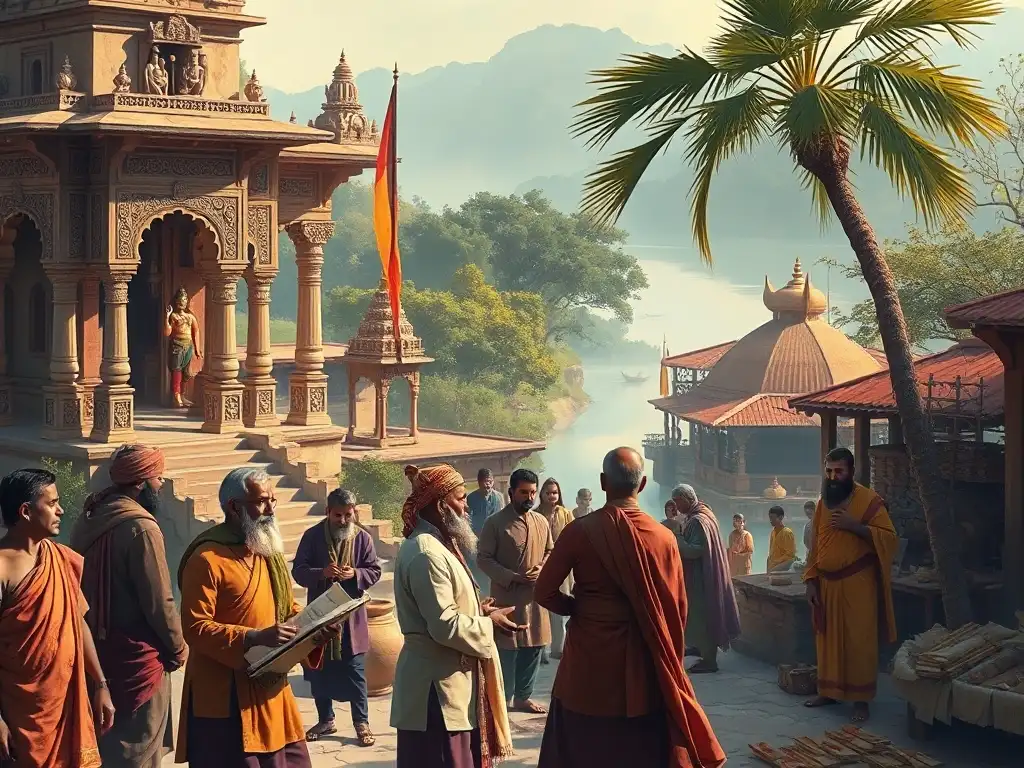
The Gupta Empire played a significant role in shaping the religious landscape of Eastern India. The rulers were known for their patronage of various religious traditions, leading to a unique synthesis of beliefs that flourished during this era. This period marked a resurgence of Hinduism and Buddhism, as well as the integration of indigenous beliefs, reflecting the diverse spiritual fabric of the region.
Promotion of Hinduism and Its Practices
Hinduism saw a remarkable revival during the Gupta period, with the establishment of temples and the promotion of various rituals and practices. The Gupta rulers actively supported the construction of grand temples, which became centers of worship and community gathering. Notable examples include the temples in Bhitargaon and Deogarh, which showcased intricate architectural styles and rich iconography that celebrated Hindu deities.
The period also witnessed the codification of Hindu texts and practices, such as the Puranas, which played a vital role in disseminating religious teachings and fostering a sense of cultural identity among the people. This revitalization of Hindu practices not only strengthened the religion's hold in Eastern India but also influenced the broader cultural and societal norms of the time.
Buddhist Contributions and Sites
Buddhism continued to thrive in Eastern India during the Gupta Empire, with significant contributions to art, literature, and philosophy. The rulers often supported Buddhist monasteries, contributing to the construction of stupas and viharas. Prominent sites such as Bodh Gaya, where the Buddha attained enlightenment, were further developed and became pilgrimage destinations.
The artistic expressions of Buddhism flourished during this era, with exquisite sculptures and carvings that depicted various aspects of Buddhist teachings. This artistic legacy not only enriched the spiritual landscape of Eastern India but also left a lasting impact on the region's cultural heritage.
Integration of Regional Beliefs and Traditions
A noteworthy characteristic of the Gupta Empire was its ability to integrate regional beliefs and traditions into the broader religious framework. The rulers recognized the importance of local customs and practices, allowing them to coexist alongside orthodox Hindu and Buddhist traditions. This integration fostered a sense of unity among diverse communities, promoting social harmony and cultural exchange.
Local deities and indigenous rituals were often incorporated into mainstream religious practices, creating a rich tapestry of beliefs that were uniquely Eastern Indian. This inclusive approach not only preserved regional identities but also contributed to the overall prosperity and cohesion of society during the Gupta period, making it a hallmark of this influential era in Indian history.
Legacy of the Gupta Empire in Modern Eastern India
The Gupta Empire, which flourished from approximately 240 to 550 CE, has left a profound legacy in modern Eastern India, influencing various aspects of culture, education, architecture, and philosophy. The contributions made during this golden age are still visible today, shaping the region's historical identity and cultural fabric. The Gupta rulers fostered an environment of prosperity, leading to advancements in science, literature, and the arts, which continue to resonate in contemporary society.
Historical Significance in Contemporary Culture
The historical significance of the Gupta Empire is deeply embedded in the cultural consciousness of Eastern India. Festivals, rituals, and local customs often trace their origins to the practices established during this period. For instance, the celebration of various classical art forms such as dance and music can be linked back to Gupta patronage of the arts. Additionally, the region's rich tapestry of folklore and mythology often reflects themes and narratives from the Gupta era, maintaining a connection with the past.
Furthermore, the Gupta period is renowned for its contributions to literature, including the works of Kalidasa and Aryabhata, which continue to be studied and celebrated. Modern Eastern Indian literature often draws inspiration from these ancient texts, showcasing the enduring influence of Gupta writers and thinkers.
Influence on Modern Education and Philosophy
The Gupta Empire's commitment to education and philosophy laid the groundwork for modern academic pursuits in Eastern India. The establishment of centers of learning, such as Nalanda University, attracted scholars from across the globe, fostering an environment of intellectual exchange. This tradition of valuing education has persisted, with contemporary institutions in Eastern India often invoking the legacy of Gupta-era scholarship.
Philosophically, the Gupta period saw the flourishing of various schools of thought, including Hinduism and Buddhism. The integration of these philosophies into modern educational curricula highlights their relevance and impact on Eastern Indian society. Concepts of ethics, governance, and metaphysics from this era continue to influence discussions in contemporary philosophy and ethics.
Preservation of Gupta Heritage Sites
The preservation of Gupta heritage sites in Eastern India serves as a testament to the empire's enduring legacy. Sites such as the ruins of Nalanda, the ancient city of Pataliputra, and the archaeological findings at Bhitargaon showcase the architectural brilliance and urban planning of the Gupta period. Efforts by the government and local organizations to maintain these sites not only promote tourism but also enhance cultural pride among residents.
Moreover, these heritage sites are pivotal for educational purposes, providing insight into ancient Indian civilization's achievements. They serve as open-air museums where scholars, students, and tourists can engage with the past, fostering a deeper appreciation for the Gupta Empire's contributions.
Conclusion
Summary of Gupta Empire Contributions to Eastern India
The Gupta Empire's contributions to Eastern India are multifaceted, spanning cultural, educational, philosophical, and architectural realms. The empire's patronage of the arts, establishment of centers of learning, and advancements in science have left a lasting imprint on the region. The influence of Gupta-era literature, philosophy, and traditions continues to enrich the cultural landscape of modern Eastern India.
The Lasting Impact of the Gupta Empire on Eastern Indian History
The lasting impact of the Gupta Empire on Eastern Indian history is evident in the ongoing celebration of its cultural heritage. The empire's legacy influences contemporary art, education, and social values, creating a bridge between the past and the present. As Eastern India continues to evolve, the foundational contributions of the Gupta Empire remain a vital part of its identity, reminding us of a rich historical legacy that still resonates today.
- Introduction to the Gupta Empire
- Gupta Empire Contributions to Eastern India
- The Impact of Gupta Rule on Eastern Indian Society
- Religious Influence of the Gupta Empire in Eastern India
- Legacy of the Gupta Empire in Modern Eastern India
- Conclusion
- What were the main contributions of the Gupta Empire to Eastern India?
- How did the Gupta Empire influence trade in Eastern India?
- What role did art and architecture play in the Gupta Empire?
- How did the Gupta Empire contribute to education and literature in Eastern India?
- What lasting impacts did the Gupta Empire have on Eastern Indian society?
Frequently Asked Questions
What were the main contributions of the Gupta Empire to Eastern India?
The Gupta Empire is known for its cultural, economic, and technological advancements. Key contributions include the development of mathematics, astronomy, and art, which significantly influenced Eastern India.
How did the Gupta Empire influence trade in Eastern India?
During the Gupta Empire, trade flourished due to improved infrastructure such as roads and ports. This led to increased commercial activity, connecting Eastern India with other regions and enhancing economic prosperity.
What role did art and architecture play in the Gupta Empire?
The Gupta Empire is often called the "Golden Age" of Indian art, characterized by intricate sculptures, cave paintings, and the construction of temples. These artistic expressions reflected religious themes and showcased the empire's cultural richness.
How did the Gupta Empire contribute to education and literature in Eastern India?
The Gupta Empire established universities like Nalanda, promoting scholarship in various fields such as philosophy, medicine, and literature. This emphasis on education laid the foundation for future intellectual pursuits in Eastern India.
What lasting impacts did the Gupta Empire have on Eastern Indian society?
The Gupta Empire's contributions to social organization, religion, and art have had enduring effects on Eastern India, shaping its cultural identity and influencing subsequent civilizations in the region.
Final Reflection: The Enduring Legacy of the Gupta Empire
The Gupta Empire's contributions to Eastern India resonate profoundly in today's world, illustrating how innovation and prosperity can shape societies for generations. As we navigate the complexities of modern civilization, the lessons from this ancient empire remind us of the transformative power of cultural and intellectual advancements. The Gupta period was not merely a time of wealth; it was a golden age that laid the groundwork for future achievements in art, science, and governance.
The influence of the Gupta Empire continues to be felt in contemporary Eastern India, where the echoes of its innovations still inspire creativity and progress. The advancements in mathematics, literature, and architecture during this era have become foundational elements of Indian identity. As noted by historian Romila Thapar, The Gupta period was not just a time of prosperity but also a time of cultural flowering that set the stage for future generations.
This reflection underscores the importance of recognizing our historical roots and the cultural heritage that shapes our present.
As we contemplate the Gupta Empire's legacy, I invite you to reflect on how the principles of innovation and prosperity can be applied in your own life. Consider how you can contribute to your community, fostering an environment of creativity and growth. Embrace the spirit of the Gupta era by seeking knowledge, nurturing talent, and championing collaboration. In doing so, you not only honor the past but also pave the way for a brighter future, echoing the timeless lessons of one of history's most remarkable empires.
Unveil the Gupta Legacy Today!
Thank you for diving into the fascinating world of the Gupta Empire and discovering the immense prosperity and innovation they brought to Eastern India. Your interest in this rich history signifies the importance of preserving and sharing these legacies.
Now, it's time to take action and explore a deeper connection with this incredible heritage! Here are a few steps you can take:
- Visit local museums or historical sites related to the Gupta period to experience the richness of this legacy firsthand.
- Share your newfound knowledge with friends or online communities—start a discussion on social media to spark interest in Ancient Indian history.
- Engage with blogs and forums that focus on Ancient Indian civilizations, and consider participating in webinars or local lectures that delve deeper into the Gupta Empire.
What aspect of the Gupta Empire inspires you the most, and how do you plan to share or explore that inspiration with others?