
The Evolution of Language and Literature in Ancient Eastern India

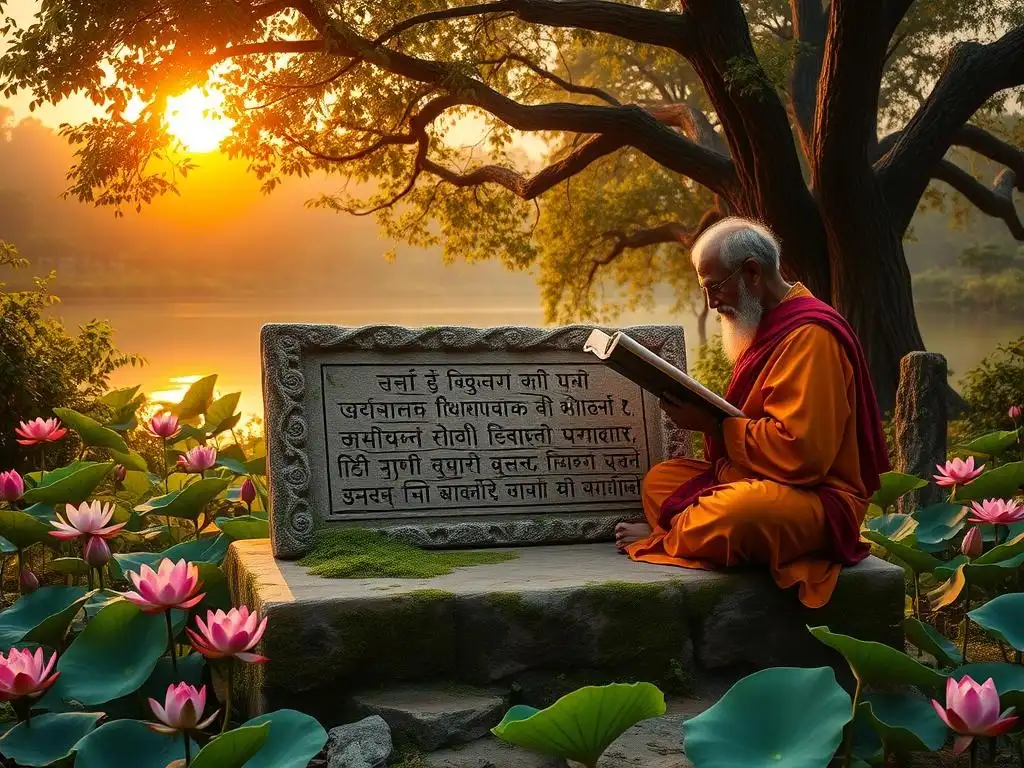
Welcome to Ancient India History, where we invite you to embark on a fascinating journey through time as we explore the rich tapestry of cultures, histories, and contributions of ancient Indian civilizations. Today, we delve into the captivating realm of ancient Eastern India literature, uncovering how language evolved and flourished in this vibrant region. What secrets do the texts of yesteryears hold, and how did they shape the identity of a society?
Join us as we unravel these intriguing narratives, sparking your curiosity and inspiring a deeper connection to the profound legacy of ancient Eastern India. Read on to discover the evolution of language and literature that has left an indelible mark on history!
Introduction to Ancient Eastern India Literature
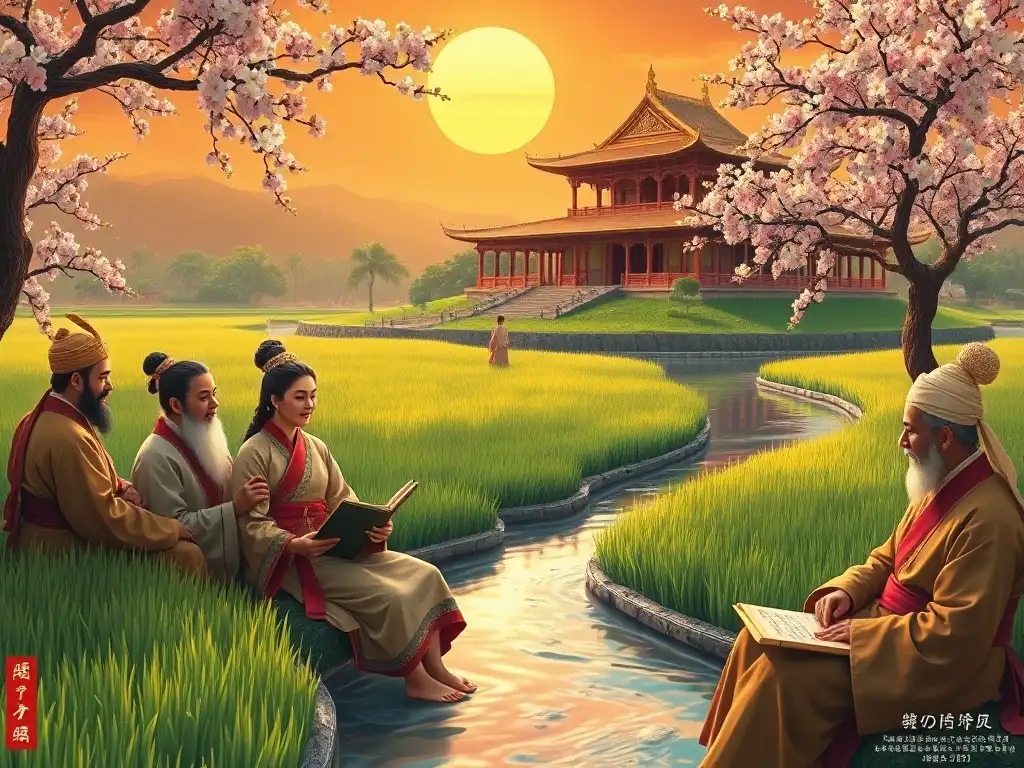
The literature of ancient Eastern India is a captivating tapestry woven from the threads of diverse languages, cultural influences, and historical contexts. This region, encompassing areas that are now part of modern-day West Bengal, Odisha, and Assam, has been a cradle of civilization, fostering unique literary traditions that reflect the ethos of its people.
From the early scripts of the Brahmi and Kharosthi to the flourishing of Sanskrit and vernacular languages, the evolution of language in this region is deeply intertwined with its literary heritage. The ancient Eastern India literature not only offers insights into the socio-cultural dynamics of the time but also highlights the philosophical and spiritual quests that shaped the lives of its inhabitants.
Overview of Language Development in Eastern India
The development of language in ancient Eastern India can be traced through several significant milestones:
- Early Scripts: The use of Brahmi and Kharosthi scripts during the Mauryan period laid the foundation for written communication in the region. These scripts were pivotal in recording inscriptions and texts that have survived through centuries.
- Sanskrit Influence: As the cultural and religious center of ancient India, Eastern India saw the proliferation of Sanskrit, especially during the Gupta Empire. Sanskrit texts, including poetry and philosophical treatises, became essential in the literary canon.
- Vernacular Languages: With the decline of Sanskrit's exclusive use, vernacular languages began to emerge, enriching the literary landscape. Languages such as Bengali, Odia, and Assamese began to flourish, allowing literature to reach wider audiences.
The evolution of these languages played a crucial role in shaping the region's literary output, serving as a medium for storytelling, religious texts, and philosophical discussions.
Importance of Literature in Ancient Indian Societies
Literature in ancient Indian societies was not merely a form of artistic expression; it was a vital component of cultural identity and social cohesion. The significance of literature can be summarized as follows:
- Cultural Transmission: Literature served as a means to transmit cultural values, traditions, and knowledge across generations. Epic narratives, religious texts, and folk tales played a central role in educating the masses about moral and ethical conduct.
- Religious Expression: Many literary works were deeply embedded in the spiritual beliefs of the time. Texts such as the Puranas and the Mahabharata not only provided entertainment but also explored complex philosophical questions and moral dilemmas.
- Documentation of History: Literature acted as a historical record, preserving the events, achievements, and societal norms of the time. The writings of poets and scholars offer invaluable insights into the political and social structures of ancient Eastern India.
Historical Context of Ancient Eastern India
To fully appreciate the evolution of language and literature in ancient Eastern India, it is essential to understand the historical context that shaped these developments.
Major Civilizations Influencing Literature
Several civilizations significantly influenced the literary landscape of ancient Eastern India:
- Indus Valley Civilization: As one of the earliest urban centers, the Indus Valley Civilization laid the groundwork for subsequent cultural developments. Though much of its script remains undeciphered, its impact on trade and social organization is evident in later literature.
- Mauryan Empire: The Mauryan Empire, particularly under Ashoka, promoted the use of inscriptions and edicts, marking a significant shift in literary documentation. This period saw the spread of Buddhism, which further enriched the literary corpus with religious texts.
- Gupta Empire: Often referred to as the Golden Age of India, the Gupta period was marked by remarkable advancements in arts and literature. The patronage of scholars and poets led to the creation of timeless literary works that continue to influence modern literature.
Key Historical Periods in Eastern India
Understanding the key historical periods is crucial in tracing the evolution of literature in ancient Eastern India:
- Vedic Period (c. 1500–500 BCE): This era saw the composition of the Vedas, which laid the foundation for Indian philosophy and spirituality. The oral tradition of storytelling began, influencing future literary forms.
- Classical Period (c. 500 BCE–1200 CE): The emergence of regional languages and the flourishing of Sanskrit literature occurred during this time. Notable works include Kalidasa's plays and the poetic compositions of various scholars.
- Medieval Period (c. 1200–1700 CE): This period witnessed the rise of devotional literature, with poets like Chaitanya Mahaprabhu contributing to the Bhakti movement through their writings, further diversifying the literary landscape.
The exploration of language and literature in ancient Eastern India reveals a rich and complex heritage that has significantly shaped the region's cultural identity. As we delve deeper into specific aspects of this evolution, we can uncover the intricate connections between language, literature, and society in one of India's most vibrant historical contexts.
The Origins of Language in Ancient Eastern India
The origins of language in ancient Eastern India are deeply intertwined with the region's diverse cultural and ethnic tapestry. This area, comprising modern-day states such as West Bengal, Odisha, and Assam, has been a melting pot of languages influenced by migrations, trade, and conquests. The early inhabitants of Eastern India spoke a variety of dialects that eventually evolved into distinct languages shaped by geographical and social factors.
Linguistic studies suggest that the proto-Indo-Aryan languages, which were prevalent in the northern parts of India, began to influence the local dialects of Eastern India around the first millennium BCE. This period saw the emergence of several regional languages and dialects, gradually developing into more structured forms. The interplay between local languages and classical tongues highlighted the dynamic nature of communication in this ancient society, paving the way for a rich literary tradition.
Ancient Dialects and Their Evolution
The ancient dialects of Eastern India, such as Magadhi, Pali, and Prakrit, played a crucial role in the region's linguistic evolution. Magadhi Prakrit, for instance, is believed to be the vernacular language spoken in the ancient kingdom of Magadha and served as a linguistic bridge between Sanskrit and later local languages. This dialect not only influenced the speech of the common people but also became a medium for the dissemination of Buddhist teachings during the Mauryan period.
As these dialects evolved, they absorbed elements from various sources, including Dravidian languages, due to the interactions with the southern regions of India. The result was a rich tapestry of linguistic features that contributed to the development of modern languages like Bengali, Odia, and Assamese. Each of these languages retains traces of their ancient dialectical roots, showcasing the historical journey of language in Eastern India.
Influence of Sanskrit in Eastern Indian Languages
Sanskrit has had a profound impact on the languages of Eastern India, shaping their vocabulary, syntax, and literary forms. The introduction of Sanskrit during the Vedic period marked a significant turning point, as it became the language of the elite, literature, and religious texts. Over time, as dynasties like the Gupta Empire flourished, Sanskrit's influence permeated local dialects, infusing them with a wealth of literary and philosophical terminology.
This influence is particularly evident in the sophisticated literary traditions of Eastern India, where Sanskrit texts served as models for poetry and prose. The process of Sanskritization allowed local languages to flourish while simultaneously enriching their literary heritage. Many works of literature, including religious scriptures and philosophical treatises, were composed in Sanskrit, and their themes and forms were often adapted into regional languages, creating a bilingual literary culture.
Literary Forms in Ancient Eastern India
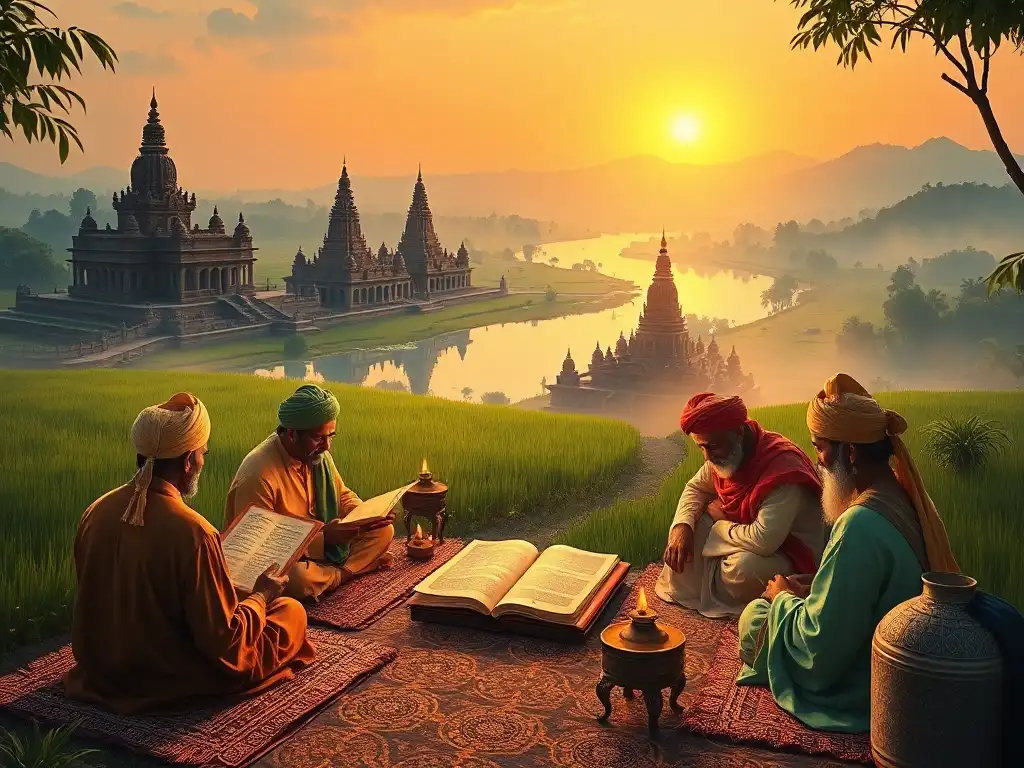
The literary landscape of ancient Eastern India was diverse and vibrant, characterized by a variety of forms that reflected the region's cultural richness. From epic narratives to lyrical poetry, the literature of this era encapsulated the beliefs, values, and experiences of its people. The evolution of these literary forms was significantly influenced by the region's historical context, including religious movements, political changes, and interactions with neighboring cultures.
Epic Poetry: The Mahabharata and Ramayana
Epic poetry holds a prominent place in the literary heritage of ancient Eastern India, with the Mahabharata and Ramayana being two of the most celebrated epics. These texts, originally composed in Sanskrit, narrate grand tales of heroism, morality, and the complexities of human relationships. As these epics spread across the region, they were translated and adapted into local languages, allowing for a broader audience to engage with their timeless themes.
In Eastern India, the retelling of these epics often incorporated local customs, deities, and cultural nuances, creating unique regional variations. For instance, the performance of Ramayana and Mahabharata through dance and drama became a significant part of Eastern Indian culture, thereby preserving these narratives and making them accessible to the masses. This oral tradition not only sustained the legacy of these epics but also fostered a sense of community and cultural identity among the people.
Prose and Narrative Traditions in Eastern India
In addition to epic poetry, prose narratives also flourished in ancient Eastern India. The region saw the emergence of various narrative forms, including fables, folk tales, and philosophical texts. These stories often featured moral lessons and were passed down through generations, serving both educational and entertainment purposes.
Notable examples include the Jataka tales, which recount the previous lives of the Buddha, and the Panchatantra, a collection of animal fables that impart wisdom on human behavior. These prose forms were instrumental in shaping the narrative tradition of Eastern India, emphasizing the importance of storytelling in preserving cultural values and collective memory. The narratives often reflected the social realities of the time, providing insight into the lives and struggles of the people.
Oral Traditions and Their Role in Literature
Oral traditions played a vital role in the evolution of literature in ancient Eastern India. The transmission of stories, songs, and rituals through oral means ensured that cultural knowledge was preserved and shared across generations. This tradition fostered a rich environment for creativity, allowing for the spontaneous composition of poetry and narratives based on local experiences.
Bards and folk singers were pivotal in this process, as they would perform tales of valor, love, and folklore in communal settings. These performances not only entertained but also reinforced social bonds and cultural identity. The oral literature of Eastern India thus became a dynamic and adaptive form, evolving with the changing times while maintaining its roots in the community's collective consciousness.
The evolution of language and literature in ancient Eastern India reflects a complex interplay of historical, cultural, and social influences. From the origins of language to the emergence of diverse literary forms, the region's literary heritage remains a testament to its rich and dynamic history.
Major Literary Works of Ancient Eastern India
Ancient Eastern India is known for its rich tapestry of literature that reflects the culture, traditions, and philosophies of the time. Key literary works from this region include the Mahabharata and Ramayana, which, although pan-Indian epics, have significant Eastern influences in their retellings and interpretations. The Puranas, particularly the Brahmanda Purana and Vishnu Purana, also hold a vital place in Eastern Indian literature, offering insights into mythology, cosmology, and local traditions.
Additionally, the Jataka Tales, which narrate the previous lives of the Buddha, were widely disseminated and adapted in Eastern India, showcasing the region's commitment to oral storytelling traditions. The Ashtavakra Gita, a philosophical text that emphasizes the nature of reality and self-knowledge, is another notable mention that reveals the intellectual pursuits of ancient Eastern Indian scholars.
The emergence of regional languages, such as Bengali, Odia, and Assamese, catalyzed the creation of unique literary forms and expressions. The Charyapada, a collection of early mystical songs in the Bengali language, is one of the earliest examples of vernacular literature in Eastern India. These works not only highlight the linguistic evolution but also the cultural and spiritual life of the people.
Analysis of Prominent Texts
The analysis of prominent texts from ancient Eastern India reveals a complex interplay of themes such as morality, philosophy, and spirituality. For instance, the Mahabharata embodies the moral dilemmas faced by its characters, presenting profound ethical questions that remain relevant even today. It serves as a reflection of the societal norms and conflicts of the time, illustrating how literature can be a mirror to society.
The Puranas, with their mythological narratives, provide a historical context that helps us understand the cultural beliefs and practices of ancient Eastern Indian societies. Their structured format and repetitive storytelling technique made them accessible to a wider audience, ensuring the transmission of knowledge across generations.
In terms of poetic works, the Charyapada is particularly noteworthy. Its verses are laden with spiritual symbolism, often exploring the relationship between the individual and the divine. The use of everyday language in these texts makes them relatable, showcasing the evolution of literary expression from Sanskrit to regional dialects.
Contributions of Notable Authors and Poets
Several notable authors and poets from ancient Eastern India made significant contributions to the literary landscape. Kalidasa, though often associated with classical Sanskrit literature, had a profound influence on Eastern Indian literature through his works like Shakuntala, which were eventually translated and adapted into regional languages. His intricate portrayal of nature and human emotion set a high standard for subsequent poets.
Another prominent figure is Jayadeva, known for his lyrical composition Gita Govinda, which celebrates the divine love between Radha and Krishna. This work not only enriched Eastern Indian literature but also influenced various art forms, including dance and music, thus fostering a holistic cultural development.
In the realm of devotional poetry, Chaitanya Mahaprabhu, a saint from Bengal, contributed to the Bhakti movement through his devotional songs and teachings. His emphasis on love and devotion profoundly impacted the literary traditions of Eastern India, inspiring countless poets and writers to express spiritual themes in their works.
The Role of Religious Texts in Shaping Literature
Religious texts played a pivotal role in shaping the literature of ancient Eastern India. The Vedas and Upanishads, though primarily philosophical, influenced literary expression by introducing concepts of cosmology and metaphysics that permeated poetic works. These texts served as a foundation for later literary endeavors, embedding spiritual and ethical dimensions into the fabric of literature.
Furthermore, the Buddhist scriptures, particularly the Tripitaka and Sutras, provided narratives that were later adapted into literary forms, such as the Jataka Tales. These works not only conveyed moral lessons but also facilitated the spread of Buddhist philosophy throughout Eastern India.
The intertwining of literary and religious traditions is evident in the Bhakti literature, which emerged as a response to the rigid caste system and ritualistic practices. Poets like Mirabai and Kabir utilized their verses to express devotion in a more personal and accessible manner, thereby democratizing spiritual literature and making it relatable to the masses.
Cultural Influences on Language and Literature
The evolution of language and literature in ancient Eastern India was significantly influenced by various cultural factors. The region's strategic position along trade routes facilitated interactions with diverse cultures, leading to a rich exchange of ideas and linguistic developments.
The Impact of Religion on Literary Expression
Religion played a crucial role in shaping the literary landscape of ancient Eastern India. The spiritual doctrines of Hinduism, Buddhism, and Jainism influenced literary themes, styles, and content. The emphasis on morality, ethics, and spiritual enlightenment found in religious texts permeated secular literature, resulting in a blending of spiritual and poetic expression.
Additionally, religious festivals and rituals often inspired literary works, leading to the creation of hymns and devotional songs. This fusion of religious fervor and artistic expression contributed to a vibrant literary culture that celebrated both divine and human experiences.
Trade and Its Influence on Language Development
Trade was a catalyst for the evolution of language in ancient Eastern India. The influx of merchants and travelers introduced new vocabulary and expressions, enriching the local languages. The interaction with traders from regions like Southeast Asia facilitated linguistic exchanges that influenced both spoken and written forms of communication.
Furthermore, the establishment of trade routes allowed for the dissemination of literary works beyond Eastern India, promoting cross-cultural influences. This exchange resulted in the adaptation of literary styles, themes, and languages, contributing to a dynamic literary environment.
Interactions with Other Cultures and Their Effects
Interactions with neighboring cultures had a profound impact on the literature and language of ancient Eastern India. The influence of Persian literature during the medieval period, for instance, introduced new poetic forms and stylistic nuances that were blended with local traditions.
Additionally, the presence of Greek and Hellenistic thought, particularly during the time of the Maurya Empire, resulted in the incorporation of philosophical concepts into Eastern Indian literature. This cross-pollination of ideas enriched the literary canon, fostering a diverse and inclusive literary culture that celebrated both indigenous and foreign influences.
As a result, the literature of ancient Eastern India not only reflects its own cultural heritage but also serves as a testament to the region's ability to assimilate and adapt influences from various cultures throughout history.
The Transition of Language and Literature Over Time
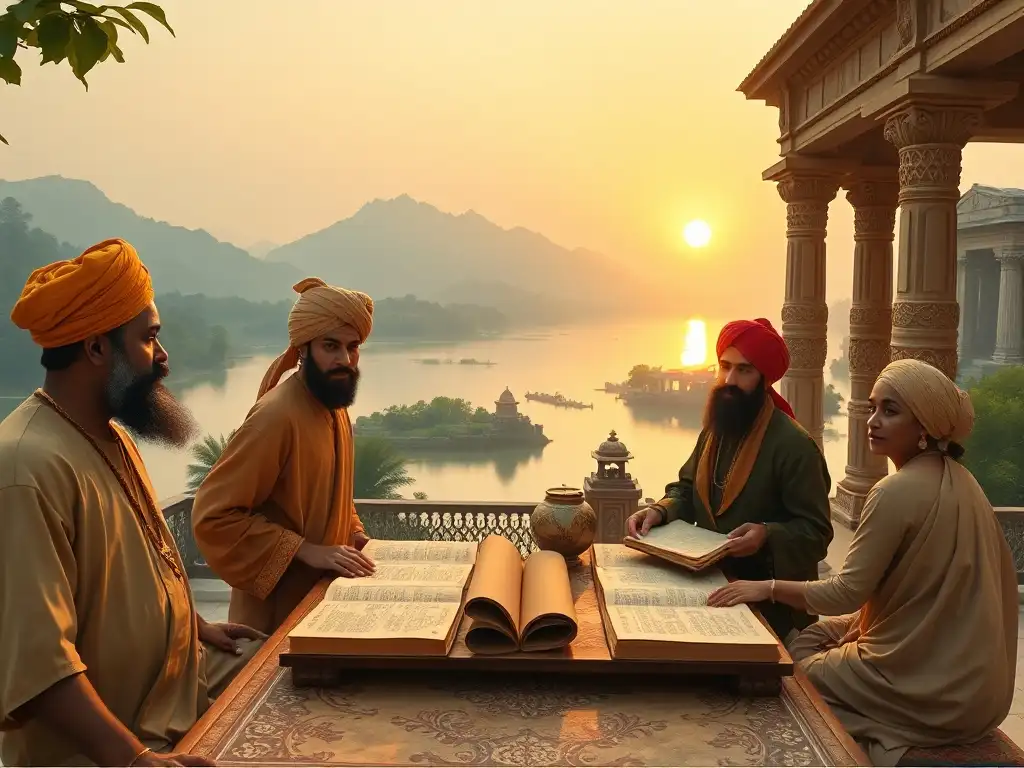
The evolution of language and literature in ancient Eastern India reflects a rich tapestry of cultural, social, and political changes. From the formative years of the Indus Valley Civilization through the flourishing Gupta Empire and into the medieval period, the region experienced significant shifts in linguistic expression and literary form. This transformation was influenced by various factors, including trade, conquests, the spread of religions, and the interaction between different communities.
During the early phases, languages such as Sanskrit were predominant, particularly in religious and scholarly texts. As time progressed, the emergence of regional dialects began to shape the literary landscape, leading to a diversification in literature that represented local cultures and traditions. Notably, the transition from primarily oral traditions to written forms marked a crucial development in how stories, philosophies, and histories were recorded and shared.
The literary output of ancient Eastern India showcases a blend of poetry, prose, and drama, often reflecting the socio-political context of the times. The influence of various dynasties, such as the Mauryas and Guptas, not only enriched the literary heritage but also facilitated the integration of diverse languages and styles, paving the way for future literary developments.
Language Changes from the Gupta Empire to Medieval Period
The Gupta Empire (circa 320–550 CE) is often heralded as a golden age for Sanskrit literature. Renowned poets and playwrights like Kalidasa produced seminal works that set a high standard for literary excellence. During this period, Sanskrit was the lingua franca for intellectual and cultural discourse, which influenced the languages that emerged subsequently.
As the Gupta Empire declined, the medieval period saw a gradual shift towards regional languages, including Bengali, Assamese, and Odia. These languages began to flourish, allowing local narratives and folklore to find their expression in literature. This transition marked a significant departure from the exclusivity of Sanskrit, making literature accessible to a broader audience.
The rise of Bhakti and Sufi movements further propelled linguistic diversity, as these spiritual traditions embraced vernacular languages to communicate their messages of devotion and love. Poets such as Chandidas and Jayadeva emerged, using regional dialects to articulate their thoughts, thus enriching the literary fabric of Eastern India. The shift from a predominantly Sanskrit-centric literary tradition to one that celebrated regional languages laid the foundation for a more inclusive literary culture.
The Influence of Regional Languages on Literature
Regional languages played a pivotal role in shaping the literary landscape of ancient Eastern India. As dialects evolved, they not only enriched the existing literary traditions but also fostered the creation of unique genres and styles. The emergence of Bengali literature in the 14th century, for instance, introduced new forms of poetry and prose that resonated with the local populace.
The influence of regional languages can be seen in various literary movements that arose during this period. The use of local metaphors, idioms, and cultural references made literature more relatable and engaging for the common people. This accessibility encouraged a surge in literary production, with works that explored themes of love, nature, devotion, and social issues, reflecting the lives and aspirations of ordinary individuals.
Additionally, the interaction between different linguistic groups facilitated the exchange of ideas and narratives, leading to a fusion of literary styles. The confluence of languages such as Sanskrit, Prakrit, and the emerging regional dialects contributed to a rich and diverse literary heritage that continues to influence modern literature in Eastern India.
Conclusion: The Legacy of Ancient Eastern India Literature
The legacy of ancient Eastern India literature is profound and enduring, characterized by its richness and diversity. The literary traditions that emerged from this region not only shaped the cultural identity of Eastern India but also had far-reaching impacts on the broader literary landscape of the Indian subcontinent.
The contributions of poets, playwrights, and philosophers created a foundation upon which contemporary literature is built. Their works continue to inspire modern writers, highlighting the timeless themes of love, morality, and the human experience.
Lasting Impacts on Modern Language and Literature
The impacts of ancient Eastern Indian literature on modern language and literature are evident in various forms. Many contemporary literary movements draw inspiration from the themes and styles established by ancient authors. The use of regional languages in literature today can be traced back to the literary efforts of the medieval period, which sought to represent local cultures authentically.
Moreover, the philosophical and spiritual texts produced during ancient times still resonate in modern discussions around ethics, spirituality, and identity. The literary heritage of Eastern India provides a continuum from which modern writers can draw, ensuring that the voices of the past continue to echo in today’s narratives.
The Importance of Preserving Ancient Texts
Preserving ancient texts is crucial for understanding the evolution of language and literature in Eastern India. These texts serve as invaluable resources for scholars and enthusiasts alike, offering insights into the cultural, social, and political contexts of their time.
Efforts to digitize and restore ancient manuscripts have gained momentum, allowing for wider access and study. Furthermore, preserving these texts helps ensure that the stories, philosophies, and artistic expressions of ancient Eastern India are not lost to time. The ongoing commitment to safeguarding this literary heritage is essential for fostering a deeper appreciation of the region's rich past and its contributions to the world of literature.
References
The study of ancient Eastern India literature offers a fascinating glimpse into the region's linguistic and cultural evolution. Below are some key sources and academic works that provide a deeper understanding of the topic.
Key Sources for Further Reading on Ancient Eastern India Literature
-
"The Literature of Ancient India: An Introduction" by R. S. Sharma
This book provides an overview of the major literary works and traditions that emerged in ancient India, with a focus on Eastern regions. It discusses the socio-political context of literature and its impact on society.
-
"The Poetry of the East: Ancient Eastern Indian Literature" by M. K. Bhattacharya
Bhattacharya examines the poetic forms and themes prevalent in ancient Eastern India, offering insights into the cultural and philosophical underpinnings of the literature.
-
"Language and Literature in Ancient Eastern India" by N. D. Roy
This comprehensive study analyzes the evolution of language in Eastern India and its correlation with literary developments. Roy’s work is pivotal for understanding the intricacies of dialects and literary styles.
-
"Epic Narratives of Ancient India" by S. P. Dutta
This text delves into the epics and narratives that shaped the literary landscape of ancient Eastern India, exploring their themes, characters, and historical significance.
-
"Cultural Dialogues: The Role of Literature in Ancient Eastern India" by A. S. Chatterjee
Chatterjee highlights the interplay between various cultures in Eastern India and how this influenced literary expressions, making it a vital read for understanding cross-cultural interactions.
Suggested Academic Works on Language Evolution in Eastern India
-
"The Historical Development of Language in Eastern India" by K. P. Mukherjee
This academic work traces the linguistic changes in Eastern India from the ancient period to the early medieval era, providing a framework for understanding how language impacted literature.
-
"Linguistic Variations in Eastern Indian Literature" by T. R. Bhattacharya
Bhattacharya's research focuses on the different dialects and their representations in literature, offering a critical analysis of how language reflects regional identities.
-
"Sanskrit and Prakrit: Language Evolution in Ancient Eastern India" by R. C. Jain
Jain discusses the transition from Sanskrit to various Prakrit languages and how this shift influenced literary forms and production in Eastern India.
-
"The Role of Oral Traditions in Shaping Eastern Indian Literature" by S. N. Das
This work examines the significance of oral traditions in the development of literature in Eastern India, shedding light on the intergenerational transmission of stories and linguistic styles.
-
"Language, Culture, and Identity in Ancient India" by P. S. Roy
Roy’s book explores the intricate relationship between language, culture, and identity in ancient Eastern India, providing insights into how these elements coalesced to form a rich literary heritage.
These resources serve as an essential starting point for anyone interested in exploring the evolution of language and literature in ancient Eastern India, facilitating a deeper understanding of the region's historical and cultural significance.
- Introduction to Ancient Eastern India Literature
- Overview of Language Development in Eastern India
- Historical Context of Ancient Eastern India
- The Origins of Language in Ancient Eastern India
- Literary Forms in Ancient Eastern India
- Major Literary Works of Ancient Eastern India
- Cultural Influences on Language and Literature
- The Transition of Language and Literature Over Time
- Conclusion: The Legacy of Ancient Eastern India Literature
- References
- What is the significance of ancient Eastern India literature?
- Which civilizations are primarily associated with ancient Eastern India literature?
- How did language evolve in ancient Eastern India?
- What are some notable works from ancient Eastern India?
- How does ancient Eastern India literature influence modern literature?
Frequently Asked Questions
What is the significance of ancient Eastern India literature?
Ancient Eastern India literature plays a crucial role in understanding the cultural and intellectual developments of early Indian civilizations, reflecting their values, beliefs, and societal structures.
Which civilizations are primarily associated with ancient Eastern India literature?
The Indus Valley Civilization, along with later Buddhist and Hindu cultures, significantly contributed to the body of literature that emerged from ancient Eastern India.
How did language evolve in ancient Eastern India?
Language in ancient Eastern India evolved through various influences, including Sanskrit, Pali, and Prakrit, which shaped the region's literary expressions and cultural identity.
What are some notable works from ancient Eastern India?
Notable works include Buddhist texts like the Tripitaka, and Sanskrit dramas, which showcase the rich literary tradition that emerged in the region.
How does ancient Eastern India literature influence modern literature?
The themes and styles found in ancient Eastern India literature continue to inspire contemporary writers, highlighting timeless human experiences and enriching the narrative of Indian literature today.
Final Reflection: The Timeless Legacy of Ancient Eastern India Literature
The evolution of language and literature in ancient Eastern India is not merely a historical account; it is a testament to the enduring power of storytelling and communication. In today’s fast-paced world, where digital communication often overshadows the written word, the rich tapestry of ancient Eastern India literature serves as a reminder of our roots and the profound impact that language can have on culture and identity. This legacy is not just a relic of the past; it continues to resonate in contemporary narratives, shaping our understanding of human experience.
The literary traditions of ancient Eastern India have profoundly influenced not only the region but also the broader cultural landscape of South Asia. From the poetic verses of Sanskrit to the intricate narratives found in Pali texts, these works have laid the foundation for countless literary movements. As we explore this heritage, we recognize that literature is a living entity, evolving yet remaining deeply connected to its origins. Literature is the most agreeable way of ignoring life.
– Fernando Pessoa. This quote encapsulates the dual nature of literature: it reflects reality while also providing an escape, a theme that has persisted through the ages.
As we conclude our exploration of ancient Eastern India literature, I invite you to reflect on how these timeless narratives can inspire your own life. Consider the stories that shape your identity and the language that connects you to others. Embrace the lessons from the past and let them guide your journey forward. Whether through writing, reading, or simply sharing stories, you have the power to contribute to this ongoing evolution of language and literature. Engage with the past, and allow it to illuminate your path as you create your own narrative in this ever-changing world.
Unlock the Wonders of Ancient Languages and Literature!
Thank you for diving into the fascinating world of language and literature in ancient Eastern India! You've uncovered the rich tapestry of cultural evolution that has shaped our understanding of history. Now, let’s keep that momentum going! Here are some actionable steps to further explore this captivating topic:
- Start a personal journal: Begin documenting your thoughts and reflections on ancient texts that resonate with you. This practice will enhance your understanding and appreciation for the art of writing!
- Join an online forum or community: Connect with fellow enthusiasts by sharing insights or questions about ancient literature. Your contributions can spark enlightening discussions!
- Visit local libraries or museums: Explore resources on ancient Indian languages and literature firsthand. You might uncover hidden gems that ignite your curiosity!
As you embark on this journey of exploration and connection, consider this: Which ancient text or linguistic concept do you think still influences today’s culture? Share your thoughts in the comments!