
The Role of Eastern India in the Development of Ancient Indian Warfare

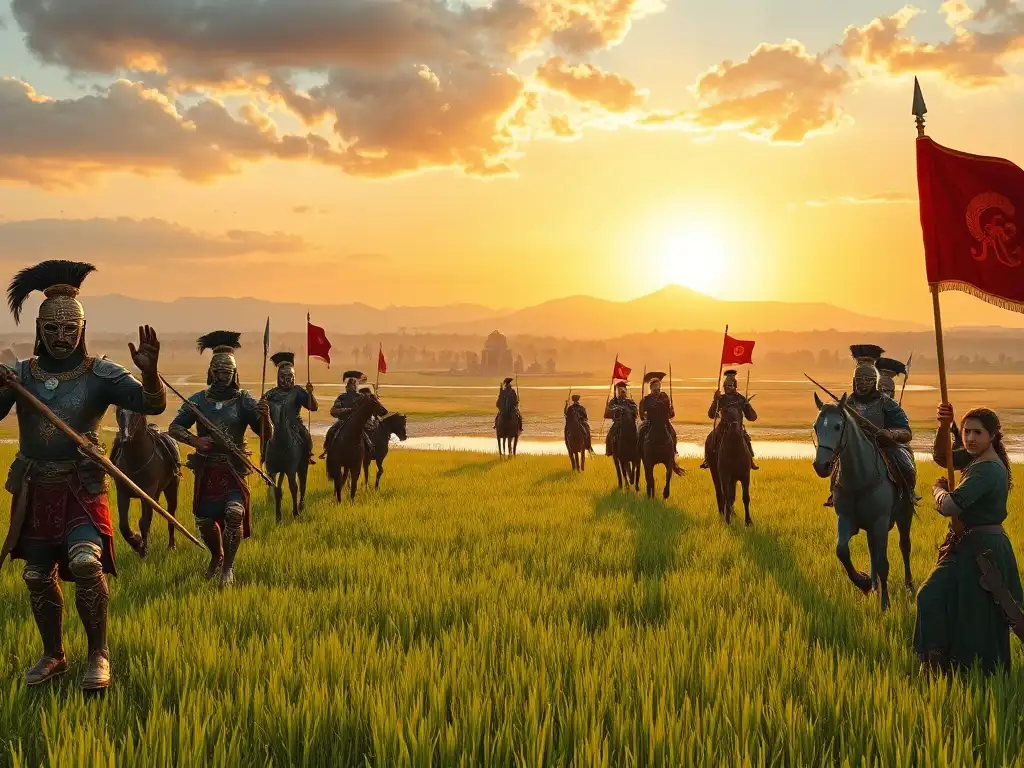
Welcome to Ancient India History, where we embark on a captivating journey through the rich tapestry of ancient Indian civilizations. In this exploration, we delve into the eastern India ancient warfare history, uncovering the strategic innovations and cultural dynamics that shaped the landscape of conflict and cooperation. What secrets lie within the battles fought and alliances forged in this vibrant region?
Join us as we illuminate the pivotal role of Eastern India in the evolution of ancient warfare, and prepare to be intrigued by the stories that have shaped our understanding of this remarkable era. Your adventure into the depths of history starts here!
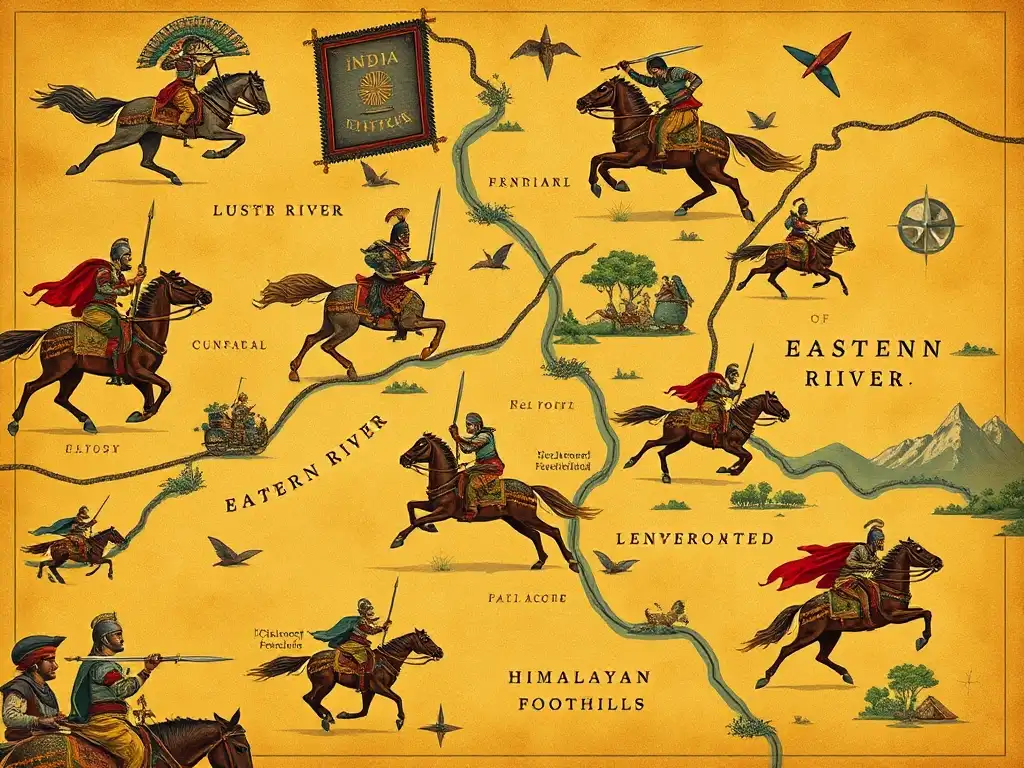
Eastern India, with its rich tapestry of history and culture, played a pivotal role in shaping the landscape of ancient Indian warfare. This region, known for its vibrant civilizations and strategic geographic position, served as a crucible for military innovation and development. From the early days of the Indus Valley Civilization to the sophisticated military strategies of the Gupta Empire, Eastern India’s influence on warfare has been profound and multifaceted.
Understanding this historical significance not only sheds light on the evolution of military practices in ancient India but also highlights the intricate connections between geography, culture, and warfare. This article delves into the key features of Eastern India ancient warfare history, exploring how geographic factors and cultural contributions have shaped military practices throughout the ages.
Introduction to Eastern India and Its Historical Significance
Overview of Eastern India in Ancient History
Eastern India, comprising modern-day states like West Bengal, Odisha, Bihar, and Jharkhand, has been a hub of civilization since ancient times. The region was home to significant settlements and empires, including the Mauryas and the Guptas, which played crucial roles in the political and cultural spheres of ancient India. The fertile plains of the Ganges and the rich resources of the eastern coast fostered economic prosperity, allowing for the emergence of powerful kingdoms that could support extensive military campaigns.
The ancient cities of Pataliputra and Kalinga are testament to the advanced urbanization and governance that characterized the region. Notably, the Kalinga War, fought between the Mauryan Emperor Ashoka and the state of Kalinga, marked a turning point in Indian history, emphasizing the importance of warfare in territorial expansion and political consolidation.
Importance of Warfare in Ancient Indian Civilizations
Warfare in ancient Indian civilizations was not merely a means of conquest; it was intricately linked to the social, economic, and political fabric of society. Military prowess determined the stability and power of kingdoms, influencing trade routes, territorial disputes, and diplomatic relations. The art of warfare incorporated various elements, including chariotry, infantry, and naval power, reflecting the technological advancements and strategic thinking of the time.
Moreover, warfare also played a significant role in the cultural development of the region. It fostered a sense of identity and unity among various tribes and communities, which were often brought together under a common cause. The epics, such as the Mahabharata, highlight the valor and strategies employed in battles, encapsulating the ethos of ancient Indian warfare.
Key Features of Eastern India Ancient Warfare History
Geographic Influences on Warfare Strategies
The geographic diversity of Eastern India has greatly influenced its military strategies. The vast river systems, including the Ganges and Brahmaputra, provided natural barriers and facilitated the movement of troops and resources. The dense forests of the region also served as both hideouts and ambush points for guerrilla warfare, allowing smaller factions to challenge larger armies effectively.
Strategically located near trade routes, Eastern India’s kingdoms were often involved in conflicts over control of these valuable passages. The coastal regions allowed for naval engagements, which were crucial for trade and military expeditions. As a result, Eastern Indian warfare strategies evolved to incorporate both land and maritime elements, showcasing a sophisticated understanding of geography in military planning.
Cultural Contributions to Military Practices
Eastern India’s rich cultural heritage has significantly contributed to its military practices. The region was known for its skilled artisans and craftsmen who produced advanced weaponry and armor. The integration of local martial traditions with the broader Indian military practices led to the development of unique fighting techniques and strategies.
Moreover, the influence of religious and philosophical thought, particularly from Buddhism and Hinduism, shaped the ethical dimensions of warfare. The principles of dharma (righteousness) and ahimsa (non-violence) influenced the conduct of wars, leading to a complex interplay between aggression and morality in military engagements.
The exploration of Eastern India ancient warfare history reveals a nuanced understanding of how geography and culture interplayed to shape military practices. As we delve deeper into this topic, we will uncover more about the specific events, figures, and innovations that characterized the martial traditions of this influential region.
Major Kingdoms of Eastern India and Their Military Innovations
Eastern India was home to several influential kingdoms that played a pivotal role in the development of ancient Indian warfare. Among these, the Kalinga Empire and the Gupta Empire stand out due to their military innovations and strategic prowess. The rich geographical diversity of Eastern India, including coastal regions, riverine plains, and dense forests, influenced the military strategies adopted by these kingdoms.
These kingdoms developed unique military formations, tactics, and weaponry that not only defined their own regional warfare but also influenced neighboring territories. For instance, the Kalinga Empire was known for its naval power and use of elephants in warfare, which provided significant advantages in both land and sea battles. Similarly, the Gupta Empire, often referred to as the "Golden Age" of India, introduced advanced military techniques and organizational structures that set the stage for future military developments across the subcontinent.
The Kalinga Empire: A Case Study in Military Strategy
The Kalinga Empire, located in present-day Odisha, was a formidable force during its peak, particularly noted for its strategic military planning and execution. One of the most significant events in Kalinga's military history was the Kalinga War fought against Emperor Ashoka of the Maurya Dynasty around 261 BCE. This war was not only notable for its scale but also for its profound impact on Ashoka's subsequent policies.
Kalinga's military strength lay in its ability to leverage its coastal geography for naval warfare. The empire maintained a powerful fleet that enabled it to control trade routes and conduct amphibious operations. Furthermore, Kalinga's use of war elephants was a game changer in battles, providing both a psychological edge and a tactical advantage in combat scenarios.
The aftermath of the Kalinga War led to significant changes in military strategy across India. Ashoka's remorse over the war's devastation prompted a shift towards diplomacy and non-violence, demonstrating how military encounters could reshape broader political landscapes. Thus, the Kalinga Empire serves as a crucial case study in understanding the strategic intricacies of ancient warfare in Eastern India.
The Gupta Empire: Advancements in Warfare Techniques
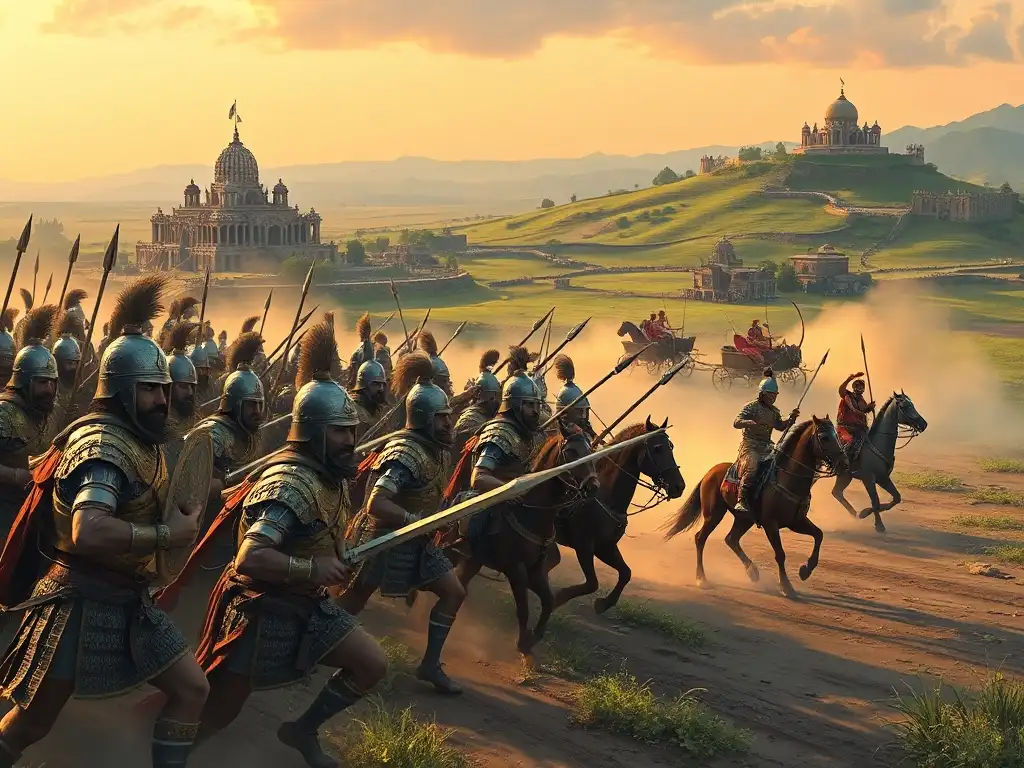
The Gupta Empire, flourishing from approximately 320 to 550 CE, is often celebrated for its remarkable contributions to various fields, including warfare. Under the Gupta rulers, military organization became more sophisticated, featuring a well-structured army that included infantry, cavalry, chariots, and elephants, all coordinated for effective battlefield maneuvers.
One of the significant advancements during the Gupta period was the development of new military technologies, such as the use of crossbows and siege equipment. The Guptas also implemented strategic fortifications and established a vast network of supply lines, which proved crucial for sustaining military campaigns. Their focus on training and discipline within the ranks led to a highly efficient army capable of rapid mobilization.
Additionally, the Gupta Empire's diplomatic strategies often involved military alliances, allowing them to expand their influence without direct conflict. The combination of military innovation and strategic diplomacy enabled the Gupta Empire to maintain stability and foster cultural advancements during what is often referred to as India's Golden Age.
The Evolution of Warfare Tactics in Eastern India
The evolution of warfare tactics in Eastern India is marked by a dynamic interplay of innovation and adaptation to the changing political landscape. Over centuries, the military strategies of Eastern Indian kingdoms reflected both indigenous practices and influences from neighboring regions.
Early warfare in Eastern India was characterized by tribal conflicts and localized skirmishes. As kingdoms formed and expanded, there was a shift towards organized military campaigns. The use of war elephants became widespread, significantly altering battlefield dynamics. These massive animals were not only used in direct combat but also served to intimidate opponents, altering the psychological aspects of warfare.
Additionally, the rise of fortified cities and strategic encampments highlighted the importance of geography in military planning. Kingdoms learned to utilize the natural landscape to their advantage, employing ambush tactics and guerrilla warfare in difficult terrains. This adaptability was pivotal in responding to various threats, including invasions, local rebellions, and competition among regional powers.
Traditional Weapons and Combat Techniques
Eastern India’s military history is rich with traditional weapons and combat techniques that evolved over time. Various kingdoms developed distinctive armaments suited to their strategies and the nature of their conflicts.
- Weapons:
- Swords and Shields: Infantry soldiers typically wielded short swords (known as "khandas") and large shields for protection.
- Bows and Arrows: Archery was a vital component of warfare; long-range bows allowed troops to strike enemies from a distance.
- War Elephants: Used primarily by the Kalinga and Gupta armies, these massive creatures were equipped with armor and often carried howdahs (platforms) for archers.
- Combat Techniques:
- Phalanx Formation: This tactical formation involved soldiers standing shoulder to shoulder, providing a solid front against enemy charges.
- Flanking Maneuvers: Generals often employed flanking tactics to outmaneuver opponents, utilizing terrain features to their advantage.
- Siege Warfare: With the construction of fortified cities, siege warfare techniques became essential, including the use of catapults and battering rams.
Overall, the evolution of traditional weapons and combat techniques in Eastern India reflects a blend of practicality and artistic expression, indicative of the region's rich martial culture.
Influence of Trade and Diplomacy on Warfare
Trade and diplomacy played crucial roles in shaping the warfare landscape of Eastern India. The region's position along major trade routes facilitated cultural exchanges and economic prosperity, which directly impacted military capabilities.
- Trade Networks: The flourishing trade with Southeast Asia and beyond allowed Eastern Indian kingdoms to acquire advanced weaponry and military technologies, enhancing their combat effectiveness. The influx of resources enabled the maintenance of larger, better-equipped armies.
- Diplomatic Alliances: Many Eastern Indian rulers engaged in diplomatic marriages and alliances with neighboring states to secure peace and stability. Such alliances often included military pacts, allowing for coordinated defenses against common threats. The Gupta Empire, for example, skillfully leveraged diplomacy to expand its influence without extensive military conflict.
- Cultural Exchange: The interaction of different cultures through trade led to the sharing of military tactics and technologies, further enriching Eastern India's military traditions. The adaptation of foreign techniques often resulted in innovative approaches to warfare.
The intricate relationship between trade, diplomacy, and warfare in Eastern India not only shaped its military history but also contributed to the overall development of ancient Indian civilization. The lessons learned from these interactions continue to inform military strategies and diplomatic practices in modern contexts.
Significant Battles and Conflicts in Eastern India
Eastern India has been a crucial arena for military conflicts throughout ancient history, shaping not only regional but also national dynamics. Several significant battles and conflicts have emerged from this region, reflecting its strategic importance. Among these, the Kalinga War stands out as a pivotal event that influenced the course of Indian history. Other noteworthy conflicts include the battles between the Magadhan empire and various local kingdoms, as well as skirmishes involving tribal groups and foreign invaders.
The region was characterized by frequent skirmishes between local rulers vying for supremacy. Notable among these was the rivalry between the Mauryas and the Kalingas, which exemplified the push for territorial expansion. Eastern India’s geographic diversity, including coastal areas, river valleys, and dense forests, also played a significant role in the tactics employed during these battles. The complexity of terrain necessitated innovative military strategies, with armies adapting to both land and naval engagements.
The Kalinga War: Outcomes and Impacts
The Kalinga War, fought around 261 BCE, is perhaps the most significant conflict in Eastern India ancient warfare history. Waged by Emperor Ashoka of the Mauryan dynasty, this war aimed to conquer the powerful kingdom of Kalinga, which resisted Mauryan expansion. The conflict was marked by intense fighting and resulted in significant casualties, with estimates suggesting that over 100,000 soldiers and civilians lost their lives.
The aftermath of the Kalinga War had profound implications for both Ashoka and Indian society. Witnessing the extensive suffering caused by the war, Ashoka underwent a transformation, adopting Buddhism and renouncing further military conquests. This shift led to the promotion of non-violence and dharma throughout his empire, influencing the philosophical and ethical landscape of ancient India.
In terms of military strategy, the Kalinga War showcased the effective use of war elephants and infantry, which became integral to subsequent Indian warfare. The war also highlighted the importance of intelligence and reconnaissance, as Ashoka employed spies to gather crucial information about Kalinga's defenses.
Notable Military Leaders from Eastern India
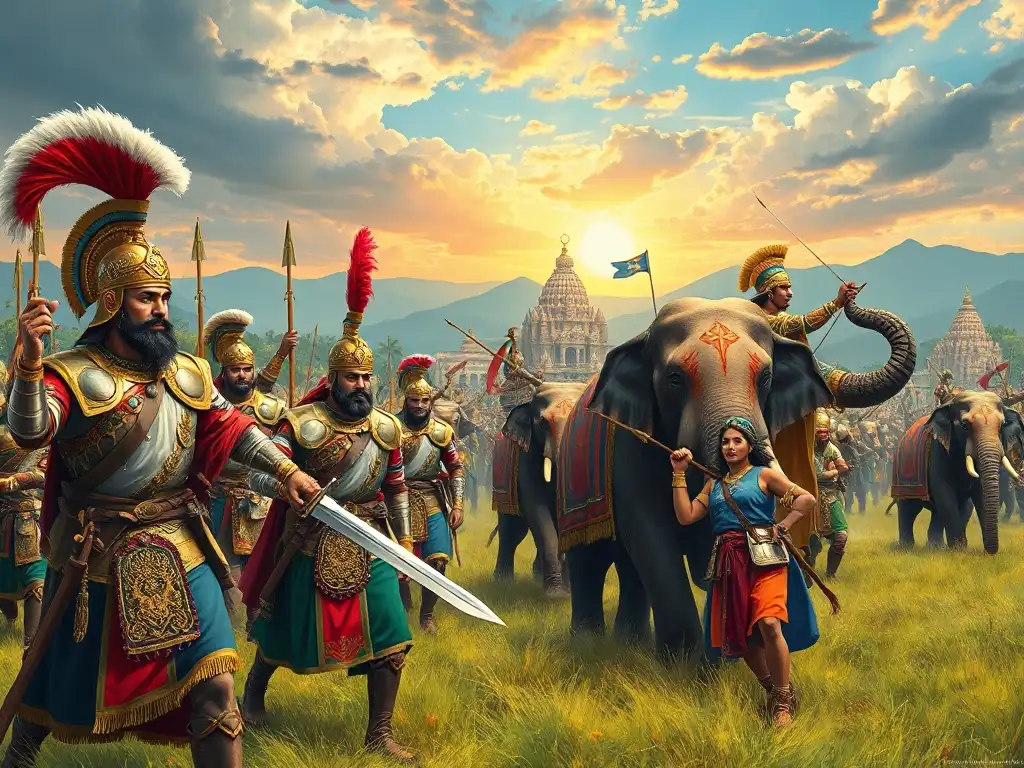
Eastern India has been home to several remarkable military leaders who played pivotal roles in shaping the region's warfare history. Among them, Chandragupta Maurya stands out for establishing the Mauryan Empire, which became one of the largest empires in ancient India. His military acumen, combined with the strategic counsel of Chanakya, laid the foundation for a unified Indian subcontinent.
Another significant figure is Ashoka, who not only led the Mauryan forces but also transformed the nature of warfare through his advocacy for peace post-Kalinga War. His leadership style emphasized moral authority over brute force, setting a precedent for future rulers.
Additionally, local chieftains and kings, such as the rulers of Kalinga and the Gupta emperors, contributed to the evolution of military tactics and strategies in Eastern India. Their ability to adapt to changing warfare conditions, including the incorporation of new technologies and alliances, highlights the dynamic nature of military leadership in this region.
The Role of Eastern India in Pan-Indian Warfare
Eastern India has played a critical role in shaping the broader landscape of warfare across the Indian subcontinent. Its strategic location, rich resources, and formidable armies contributed significantly to both regional and national military campaigns. The interactions between various kingdoms in Eastern India and their counterparts in the north and south facilitated the exchange of military techniques and strategies.
Eastern India’s Contributions to Regional Military Alliances
Throughout ancient history, Eastern India was instrumental in forming regional military alliances, which were essential for collective defense and territorial expansion. Kingdoms like Kalinga and Magadha often allied with other local powers to counter external threats, such as invasions from the northwest. These alliances not only helped in pooling resources but also facilitated the sharing of military knowledge and tactics.
The Mauryan Empire exemplified this trend, as it sought to forge alliances with other kingdoms to consolidate power. The use of diplomacy, alongside military might, allowed for the expansion of influence without direct confrontation. Such alliances were crucial in maintaining stability in the region and fostering a sense of unity among diverse kingdoms.
Interactions with Southern and Northern Indian Warfare Traditions
The interactions between Eastern India and the other regions of India significantly influenced military practices and traditions. With the rise of powerful empires like the Mauryas in the north and the emergence of the Chola and Pandya dynasties in the south, Eastern India served as a crossroads for military innovation.
Eastern Indian warfare traditions were enriched by interactions with both Northern and Southern military practices. For instance, the use of war elephants, prevalent in Eastern India, became a common feature in battles fought in the south, while the chariot warfare techniques of the north found their way into Eastern military strategies. This cross-pollination of military tactics not only enhanced the combat effectiveness of regional armies but also established a legacy of shared military heritage that influenced the course of Indian warfare for centuries to come.
Cultural and Religious Influences on Warfare Practices
Eastern India has a rich tapestry of cultural and religious influences that significantly shaped its warfare practices throughout ancient history. This region, home to various ethnic communities and belief systems, saw the intertwining of military affairs with religious rituals and cultural traditions. The concept of Dharma, or righteousness, played a pivotal role in justifying wars, where conflict was often viewed through a moral lens.
The reverence for deities associated with warfare, such as Durga and Kali, not only inspired warriors but also instilled a sense of duty and valor. Temples dedicated to these deities often served as rallying points for soldiers, reinforcing the belief that they were fighting under divine protection and guidance. Moreover, the artistic depictions of battles in temple reliefs provide insight into the military strategies and armaments used during various conflicts.
In addition, the diverse philosophies of Buddhism and Jainism, which flourished in Eastern India, also influenced military ethics. These religions emphasized non-violence and compassion, which prompted some rulers to adopt more humane approaches in warfare, focusing on diplomacy and negotiation over outright aggression.
The Role of Religion in Shaping Military Ethics
Religion played a crucial role in shaping the military ethics of ancient Eastern India. The concept of Kshatriya Dharma, the duty of warriors, was deeply rooted in Hindu philosophy. This code not only dictated the conduct of soldiers in battle but also emphasized the importance of honor, bravery, and loyalty. The text of the Bhagavad Gita, a part of the epic Mahabharata, illustrates this ethical framework, presenting a dialogue on duty and righteousness in the context of warfare.
Moreover, rulers and military leaders often sought blessings from spiritual leaders and performed rituals before embarking on military campaigns. These practices underscored the belief that success in battle was not merely a result of strategy and strength but also contingent upon divine favor.
In contrast, the ethical considerations brought forth by Buddhism and Jainism encouraged a more reflective approach to warfare. While some rulers adhered strictly to the principles of their faith, others found a balance between their religious beliefs and the pragmatic necessities of governance and defense.
Festivals and Rituals Associated with Warfare
Festivals and rituals in Eastern India were often intertwined with military traditions, serving both as preparations for war and as celebrations of victory. One prominent festival is Vijaya Dashami, which commemorates the victory of Goddess Durga over the buffalo demon Mahishasura, symbolizing the triumph of good over evil. This festival not only reinforced the warrior ethos but also inspired soldiers to embody the qualities of the goddess during battle.
Another significant ritual is the Shastra Puja, where weapons are worshipped before battles. This practice emphasizes the sacredness of arms and the belief that victory is granted by divine forces. Such rituals fostered a sense of unity and purpose among warriors, as they gathered to seek blessings before engaging in combat.
Additionally, traditional games and martial arts demonstrations during festivals served as both training and community bonding activities, ensuring that the martial spirit was alive within the populace. These cultural expressions not only prepared warriors for conflict but also celebrated their skills and heritage.
Conclusion: The Legacy of Eastern India in Ancient Warfare
Eastern India’s contributions to ancient warfare extend beyond mere military tactics; they encompass a deep cultural heritage that continues to resonate today. The synthesis of diverse religious beliefs and cultural practices created a unique framework for understanding and conducting warfare, which has left a lasting legacy in the region’s history.
Lasting Impacts on Modern Indian Military Practices
The principles established in ancient Eastern Indian warfare have influenced modern military practices in India. Concepts of duty, honor, and the ethical conduct of soldiers are echoed in contemporary military training and philosophy. The celebration of festivals that honor fallen soldiers and the reverence for military leaders from ancient times serve as an inspiration for current generations.
Moreover, traditional martial arts originating from Eastern India, such as Kalaripayattu, continue to thrive, emphasizing discipline, strategy, and the historical significance of combat techniques developed over centuries. These practices remind modern soldiers of their roots and the rich history that shapes their identity.
Reflection on Eastern India’s Contributions to Global Warfare History
The contributions of Eastern India to the history of warfare resonate beyond regional boundaries, influencing neighboring cultures and military systems. The integration of religious ethics in warfare, along with innovative military strategies, has provided valuable insights into the art of war that are relevant to global military historians.
Furthermore, the region's historical narratives, encapsulated in texts and folklore, continue to inspire scholars and military enthusiasts alike. As we reflect on the legacy of Eastern India in ancient warfare, it becomes clear that its rich history is not merely a chapter of the past but an enduring influence on the present and future of military practices worldwide.
- Introduction to Eastern India and Its Historical Significance
- Key Features of Eastern India Ancient Warfare History
- Major Kingdoms of Eastern India and Their Military Innovations
- The Kalinga Empire: A Case Study in Military Strategy
- The Gupta Empire: Advancements in Warfare Techniques
- The Evolution of Warfare Tactics in Eastern India
- Significant Battles and Conflicts in Eastern India
- The Kalinga War: Outcomes and Impacts
- Notable Military Leaders from Eastern India
- The Role of Eastern India in Pan-Indian Warfare
- Cultural and Religious Influences on Warfare Practices
- Conclusion: The Legacy of Eastern India in Ancient Warfare
- What is the significance of Eastern India in ancient warfare history?
- Which ancient civilizations are highlighted in the context of Eastern Indian warfare?
- How did the geography of Eastern India impact its warfare strategies?
- What contributions did Eastern India make to military technology?
- How does modern understanding of Eastern Indian warfare contribute to historical studies?
Frequently Asked Questions
What is the significance of Eastern India in ancient warfare history?
Eastern India played a crucial role in the development of ancient Indian warfare, influencing military strategies and tactics that shaped regional conflicts and alliances.
Which ancient civilizations are highlighted in the context of Eastern Indian warfare?
The article discusses civilizations such as the Maurya and Gupta Empires, showcasing how their military innovations and tactics emerged from the Eastern Indian region.
How did the geography of Eastern India impact its warfare strategies?
The diverse geography of Eastern India provided unique challenges and advantages, leading to the development of specialized military tactics suited for varied terrains.
What contributions did Eastern India make to military technology?
Eastern India contributed to advancements in weaponry and fortification techniques, enhancing the effectiveness of ancient armies and influencing warfare across the subcontinent.
How does modern understanding of Eastern Indian warfare contribute to historical studies?
Modern studies of Eastern Indian warfare provide insights into cultural exchanges and the evolution of military practices, enriching our understanding of ancient Indian history and its broader implications.
Final Reflection: The Enduring Legacy of Eastern India in Ancient Warfare
The exploration of Eastern India's pivotal role in the development of ancient Indian warfare is not just a historical inquiry; it is a testament to the region's profound influence on military strategy and cultural evolution. Today, as we navigate complex global conflicts and seek to understand the roots of strategic thinking, the lessons drawn from Eastern India's ancient warfare history resonate more than ever. The strategies, innovations, and philosophies that emerged from this region continue to shape military doctrines and cultural narratives across the world.
The impact of Eastern India on ancient warfare extends beyond mere tactics; it has woven itself into the very fabric of our cultural identity. The rich tapestry of stories, legends, and historical accounts from this region serves as a reminder of the interconnectedness of warfare and society. As historian Romila Thapar once said, "> History is not just about the past; it is a narrative that shapes our present and future." This perspective invites us to reflect on how the lessons learned from Eastern India's military past can inform our understanding of contemporary conflicts and peace-building efforts.
As we conclude this exploration, I invite you to reflect on the significance of Eastern India's contributions to warfare and to consider how these insights can be applied in your own life. Think about the strategies you employ in your daily challenges and the values that guide your decisions. Embrace the wisdom of the past as you forge your path forward, recognizing that the legacy of ancient warfare is not just a relic of history but a source of inspiration for navigating the complexities of modern life.
Unleash Your Inner Warrior: Dive Deeper into Ancient Indian Warfare!
Thank you for taking the time to explore the fascinating role of Eastern India in the development of ancient Indian warfare. Your interest helps keep the legacy of our history alive! Now, it’s time to take what you've learned and put it into action.
Here are some **engaging ways** to deepen your connection to this captivating topic:
- Join a local historical society or online community focused on ancient warfare and share insights you've gained from this article.
- Explore further by reading books or articles that delve into ancient Indian military strategies and their influences on contemporary warfare.
- Organize a discussion with friends or family members to examine how the lessons from ancient warfare can be relevant in today's world.
What insights regarding Eastern India's contributions to warfare will you share with others?