
The Evolution of Literary Forms in Ancient Indian Prose and Poetry

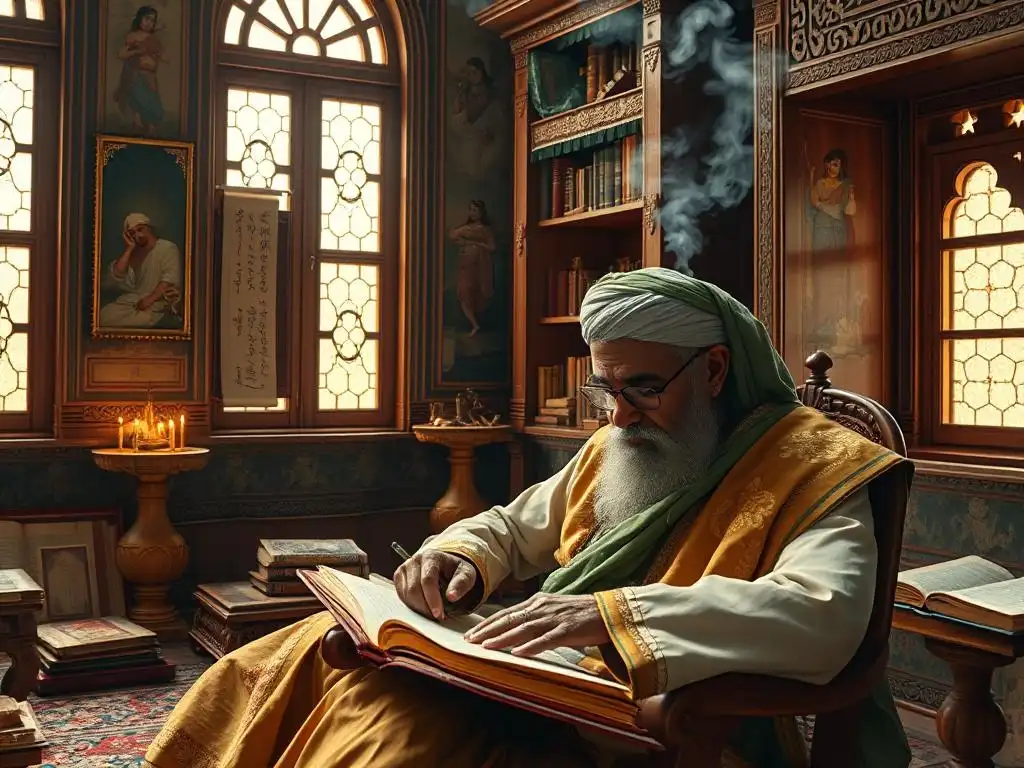
Welcome to Ancient India History, where we delve into the rich tapestry of ancient Indian civilizations! Prepare to embark on a fascinating journey as we explore the evolution of literary forms in ancient Indian prose and poetry. In this article, we illuminate the intricate pathways through which literature flourished beyond the grand epics, revealing how ancient writers crafted narratives that reflect the soul of a society. Curious about the profound impact of these literary developments? Join us as we uncover the stories and insights that shaped a vibrant cultural legacy—one that continues to inspire and resonate today.
Introduction to Ancient Indian Literary Evolution
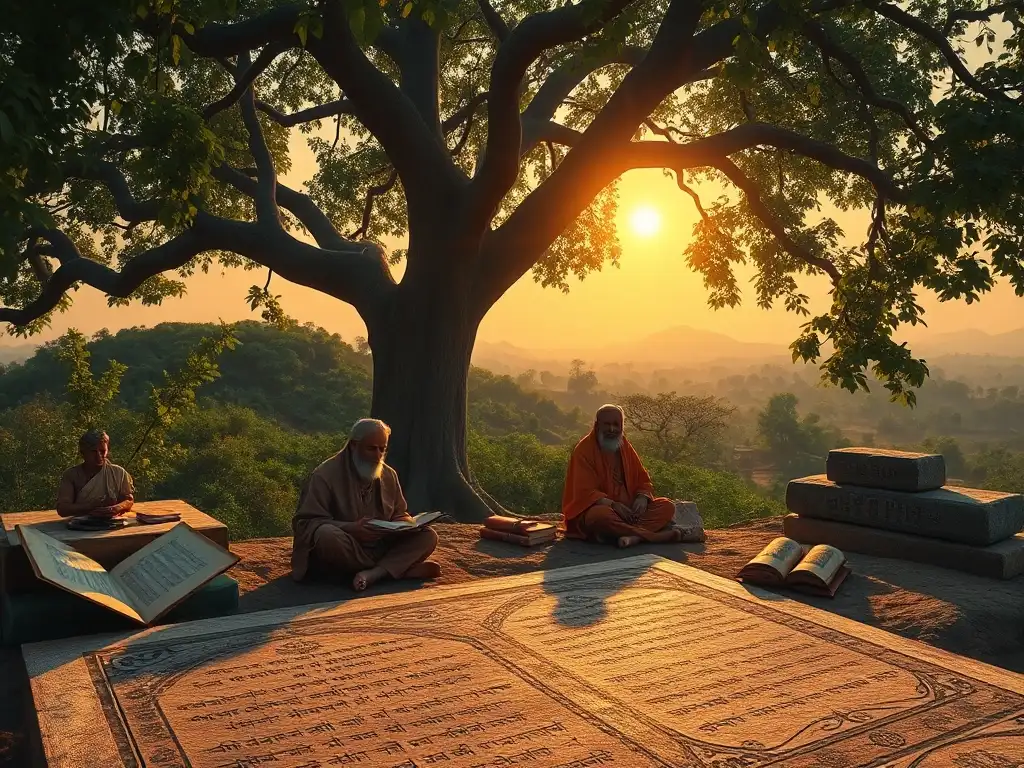
The journey of ancient Indian literary evolution is a captivating exploration of the rich tapestry of prose and poetry that has shaped the cultural and intellectual landscape of India. Spanning millennia, this evolution reflects the complexities of societal changes, philosophical inquiries, and artistic expressions.
From the profound hymns of the Vedas to the intricate narratives of the epics, ancient Indian literature serves not only as a mirror to its times but also as a foundation for future literary endeavors. In this article, we will delve into the various literary forms that emerged through different historical periods, examining how they contributed to the overall evolution of Indian literary traditions.
Understanding the Historical Context of Ancient Indian Literature
To fully appreciate the evolution of ancient Indian literary forms, it is crucial to understand the historical context in which they developed. The literatures of ancient India were deeply intertwined with the religious, social, and political dynamics of the time.
- Vedic Period (c. 1500 – 500 BCE): The earliest texts originate from the Vedic period, characterized by the composition of hymns and rituals that laid the groundwork for future literary traditions.
- Epic Period (c. 500 BCE – 400 CE): This period saw the emergence of significant epics like the Mahabharata and Ramayana, which encapsulated moral dilemmas and heroic narratives.
- Post-Epic Period (c. 400 CE – 1200 CE): A flourishing of diverse literary forms occurred, including poetry, plays, and philosophical texts, reflecting the dynamic cultural landscape of medieval India.
Understanding these contexts allows readers to appreciate how literature in ancient India was not merely an art form but a vital component of the civilization's identity.
Importance of Prose and Poetry in Ancient Indian Culture
Prose and poetry held significant importance in ancient Indian culture, serving various roles that extended beyond mere entertainment.
- Cultural Preservation: Literary forms acted as vessels for preserving traditions, values, and histories.
- Philosophical Exploration: Texts often engaged with profound philosophical questions, shaping the intellectual discourse of the time.
- Artistic Expression: The aesthetic qualities of poetry and prose provided a means for creative expression, influencing not only literature but also music and dance.
Thus, the evolution of literary forms in ancient India can be seen as a reflection of the civilization's broader cultural and philosophical developments.
Major Literary Periods in Ancient Indian Prose and Poetry
Vedic Period: The Foundation of Ancient Indian Literary Evolution
The Vedic Period marks the foundational phase of ancient Indian literary evolution, characterized by the composition of sacred texts known as the Vedas. These texts are primarily composed in verse and are divided into four collections: the Rigveda, Samaveda, Yajurveda, and Atharvaveda. Each Veda contains hymns, rituals, and philosophical discourses that reflect the spiritual and cultural ethos of early Indian society.
- Key Features:
- Hymn Composition: The Rigveda consists of poetic hymns dedicated to various deities.
- Ritualistic Texts: The Yajurveda provides prose instructions for rituals, showcasing the blend of prose and poetry.
- Philosophical Inquiry: The Upanishads, emerging from this period, delve into metaphysical concepts and philosophical questions.
The Vedic literature laid the groundwork for subsequent literary traditions, influencing later forms of poetry and prose.
Epic Period: The Rise of Classical Texts and Narratives
The Epic Period is renowned for the creation of monumental texts such as the Mahabharata and the Ramayana, which are not only central to Indian literature but also to its cultural identity. These epics are characterized by their intricate plots, moral dilemmas, and heroic characters, serving as both entertainment and moral instruction.
- Significant Works:
- Mahabharata: A vast narrative encompassing themes of duty, righteousness, and the complexities of human relationships.
- Ramayana: A tale of heroism and devotion, illustrating the virtues of dharma through the journey of Lord Rama.
The narratives from this period established a rich tradition of storytelling that would influence countless generations of writers and poets.
Post-Epic Period: Emergence of Diverse Literary Forms
Following the epic age, the Post-Epic Period saw a remarkable diversification in literary forms, including poetry, prose, and drama. This era witnessed the rise of notable poets and playwrights who explored new themes and styles, contributing to a vibrant literary culture.
- Key Developments:
- Poetry: The works of Kalidasa and Bhasa introduced lyrical beauty and emotional depth, exploring themes of love, nature, and the human experience.
- Drama: The emergence of Sanskrit drama brought forth a new genre that combined narrative with performance, influencing theatrical traditions in India.
- Philosophical Texts: The emergence of texts like the Nyaya Sutras and Bhagavad Gita reflected a growing interest in logic and ethics.
This period is crucial in understanding the evolution of ancient Indian literature, showcasing its adaptability and enduring relevance through various cultural shifts.
Key Features of Ancient Indian Prose
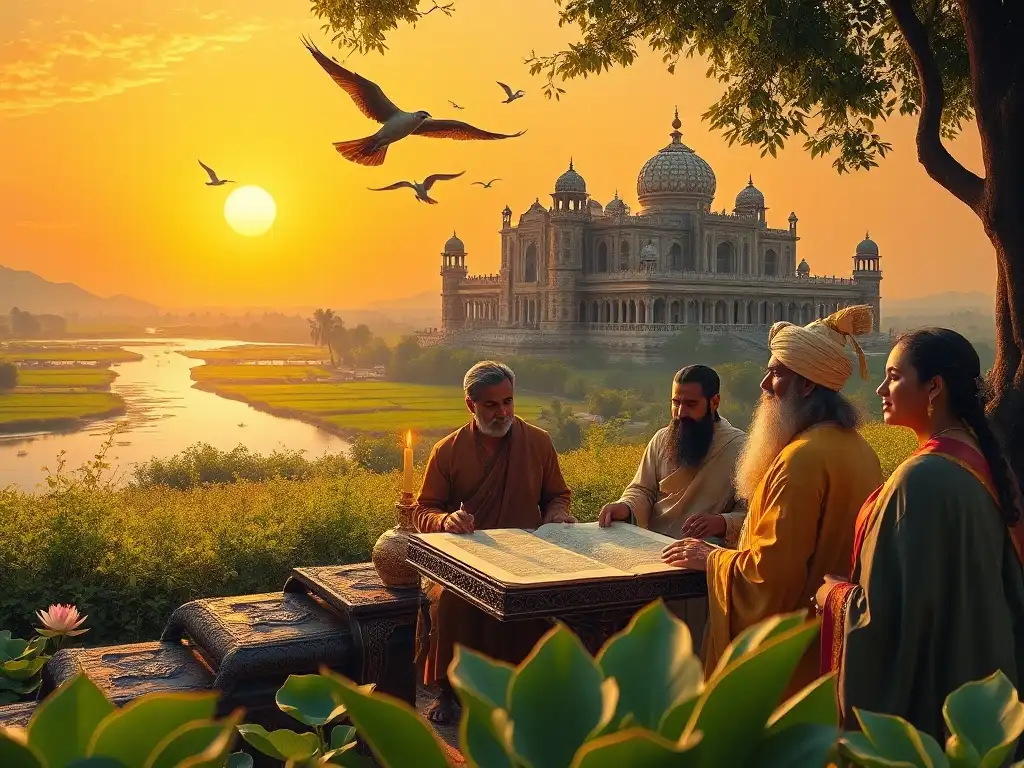
Ancient Indian prose is marked by its unique linguistic structures, thematic depth, and cultural significance. The prose of this period often intertwined with oral traditions, philosophical discourses, and practical treatises, showcasing a blend of literary artistry and functionality. Key features of ancient Indian prose include:
- Clarity and Precision: Ancient Indian prose aimed for clarity, employing straightforward language to convey complex ideas, especially in scientific and philosophical texts.
- Didactic Purpose: Much of the prose served an educational purpose, aiming to instruct and enlighten the reader about moral, practical, and spiritual matters.
- Narrative Techniques: With a strong oral tradition, prose often employed storytelling methods, using anecdotes and parables to illustrate moral lessons and philosophical concepts.
- Cultural Context: The prose reflected the societal norms, beliefs, and historical contexts of ancient India, making it a rich source for understanding the civilization's ethos.
Characteristics of Early Prose in Ancient India
Early prose in ancient India was primarily influenced by the oral traditions that preceded it. Notable characteristics include:
- Oral Tradition Influence: The early prose forms were often recited aloud, fostering a rhythmic and mnemonic quality that made them easier to remember and transmit.
- Didactic Themes: Texts such as the "Arthashastra" and "Hitopadesha" emphasized moral and ethical teachings, often using practical examples to illustrate their points.
- Simplicity and Accessibility: The language was usually straightforward, aimed at reaching a wider audience, as it was essential for the teachings to be understood by common people.
- Philosophical Undertones: Early prose often reflected the philosophical inquiries of the time, engaging with concepts from schools like Vedanta and Buddhism, thereby enriching the intellectual discourse.
Notable Prose Works of Ancient Indian Literature
Several works stand out in the realm of ancient Indian prose, showcasing the diverse themes and narratives of the period. Among them are:
- Arthashastra: Attributed to Kautilya (Chanakya), this treatise on statecraft and economic policy is a seminal work that combines practical advice with philosophical insights.
- Panchatantra: A collection of fables and moral tales, this work uses animal characters to teach valuable life lessons, showcasing the narrative style prevalent in early prose.
- Kadambari: Written by Banabhatta, this romantic novel is celebrated for its intricate character development and poetic language, reflecting the aesthetics of its time.
- Buddhist Texts: Works like the "Dhammapada" and "Jataka Tales" highlight the narrative techniques and moral teachings of Buddhist philosophy, serving both religious and literary functions.
Influence of Philosophy and Religion on Prose Development
The development of prose in ancient India was significantly shaped by philosophical and religious contexts. Key influences include:
- Philosophical Schools: Various philosophical schools, such as Sankhya, Yoga, and Buddhism, contributed to prose development, emphasizing logical argumentation and ethical teachings.
- Religious Texts: Sacred texts like the Vedas and Upanishads laid the groundwork for prose forms, influencing language, themes, and narrative styles within philosophical discourse.
- Moral and Ethical Dimensions: Prose often served to convey moral lessons derived from religious teachings, aiming to cultivate virtue and ethical living among readers.
- Integration of Knowledge: The blending of philosophical inquiry with literary expression fostered a rich tradition of prose that sought to explore the human condition and the nature of existence.
The Richness of Ancient Indian Poetry
Ancient Indian poetry is distinguished by its diverse forms, intricate aesthetics, and profound cultural significance. It reflects the emotional depth and intellectual engagement of its time, characterized by:
- Variety of Forms: From the lyrical verses of the Vedas to the elaborate structures of classical poetry, ancient Indian poetry showcases a remarkable range of styles and forms.
- Cultural Narratives: Poetry often served as a medium for expressing cultural identities, historical narratives, and social values, making it a vital component of ancient Indian literature.
- Emotional Resonance: The exploration of love, longing, and spirituality in poetry reveals the emotional landscape of ancient Indian society, highlighting the universal human experiences.
Defining Features of Ancient Indian Poetic Forms
The poetic forms of ancient India exhibit several defining features that contribute to their uniqueness:
- Meter and Rhythm: Ancient Indian poetry is characterized by its use of various meters (chandas), such as "Anushtubh," which governed the rhythm and structure of verses.
- Imagery and Symbolism: Rich imagery and symbolic language are prevalent, with nature often serving as a metaphor for deeper philosophical and emotional themes.
- Rasa Theory: The concept of "rasa" (aesthetic flavor) plays a crucial role in ancient Indian poetry, focusing on evoking specific emotions in the reader or listener.
- Intertextuality: Many poems reference earlier texts or mythological narratives, creating a tapestry of interconnected literary traditions.
Prominent Poetic Traditions in Ancient India
Ancient India witnessed the emergence of numerous poetic traditions, each with its distinct characteristics and contributions. Notable traditions include:
- Vedic Poetry: The earliest form of poetry, characterized by its hymns and chants, which were integral to religious rituals and ceremonies.
- Sanskrit Classical Poetry: Flourishing during the Gupta period, this tradition is marked by works like Kalidasa's "Shakuntala," which blend romantic themes with sophisticated language.
- Bhakti Poetry: Emerging in the medieval period, bhakti poetry expresses devotional fervor through lyrical compositions, emphasizing personal devotion to deities.
- Tamil Sangam Poetry: An ancient body of Tamil literature that features themes of love, valor, and nature, showcasing the richness of regional poetic traditions.
The Role of Rhetoric and Aesthetics in Ancient Indian Poetry
Rhetoric and aesthetics were central to ancient Indian poetry, influencing its composition and reception. Key aspects include:
- Rhetorical Devices: Poets employed a variety of rhetorical devices, such as metaphors, similes, and alliteration, to enhance the emotional and intellectual impact of their verses.
- Aesthetic Appreciation: The appreciation of beauty in poetry was paramount, with poets striving to achieve a balance between form and content, creating a harmonious reading experience.
- Cultural Significance: Rhetorical and aesthetic elements served to convey cultural values and beliefs, embedding societal norms within poetic expressions.
- Interplay of Sound and Meaning: The auditory quality of poetry, including the use of sound patterns and rhythmic cadences, was crafted to resonate with audiences, making the experience of reading or reciting poetry deeply engaging.
The landscape of ancient Indian literature was shaped by numerous authors whose works continue to resonate through time. They were instrumental in laying the foundations for various literary forms, from prose narratives to poetry. Each author played a unique role in reflecting the cultural, religious, and philosophical ethos of their time, leading to a rich tapestry of literary evolution.
Among the prominent figures, Kalidasa stands out as a monumental playwright and poet, known for masterpieces like "Shakuntala" and "Raghuvamsa." His ability to blend emotion with nature's beauty has left an indelible mark on Indian literature. Similarly, Bhasa, often regarded as the father of Sanskrit drama, contributed significantly with his plays that explored themes of love, valor, and morality.
Moreover, the contributions of other authors such as Ashvagosa and Banabhatta highlight the rich narrative tradition of ancient India. Ashvagosa's "Buddhacharita" is one of the earliest biographies of the Buddha, reflecting the deep spiritual and philosophical currents of his time. Banabhatta's "Kadambari" introduced intricate narrative techniques that influenced prose writing significantly.
Major Figures in Ancient Indian Prose and Their Works
Ancient Indian prose is characterized by its diverse themes and narrative styles, primarily influenced by notable figures. One of the most significant contributors was Bhasa, whose plays were pivotal in shaping the dramatic tradition. His works, such as "Svapnavasavadattam," exhibit a sophisticated blend of dialogue, character development, and plot structure.
Another key figure is the scholar and poet, Banabhatta. His "Kadambari" not only showcases an elaborate narrative style but also integrates philosophical discussions, making it a cornerstone of prose literature. The work exemplifies a high level of linguistic artistry and thematic depth, exploring love, destiny, and the complexities of human relationships.
Additionally, Vikramaditya's court was home to several notable writers, including Kalidasa, who, although primarily known for his poetry, also contributed to prose with works like "Malavikagnimitram." This play emphasizes the fluidity between poetic and prose forms in ancient literature.
Renowned Poets of Ancient India and Their Impact
The realm of ancient Indian poetry flourished with the contributions of several renowned poets, each bringing unique perspectives and styles. Kalidasa, often hailed as the greatest Sanskrit poet, created works that resonated with both beauty and profound insight. His poems, such as "Meghaduta," explore themes of longing and nature, employing rich imagery that captures the essence of the human experience.
Another significant poet is Bhartrihari, whose "Sringara Shataka" delves into the complexities of love and desire. His ability to articulate human emotions with depth and clarity has influenced generations of poets and writers. The lyrical quality of his verses continues to inspire contemporary poetry.
Moreover, the poet-saint Kabir, although slightly later, played a crucial role in shaping the poetic landscape with his devotional verses that transcended religious boundaries. His work emphasizes spirituality and social critique, showcasing the power of poetry as a means of expression and change.
The Legacy of Ancient Indian Literary Masters
The legacy of ancient Indian literary masters is profound and enduring, leaving an indelible impact on subsequent generations of writers and thinkers. Their works not only enriched the literary landscape of their time but also laid the groundwork for various literary traditions that followed.
Kalidasa's influence extends beyond his lifetime, with his plays and poems serving as templates for later writers. The themes of love, nature, and morality found in his works continue to be explored in modern literature, demonstrating the timelessness of his artistic vision.
Bhasa's dramatic narratives also paved the way for future playwrights, emphasizing the importance of character development and dialogue in storytelling. His innovative approach to drama has inspired countless adaptations and interpretations throughout Indian history.
Additionally, the philosophical underpinnings present in the works of poets like Bhartrihari have fostered a rich tradition of introspective and meditative poetry, shaping the spiritual discourse in Indian literature for centuries.
Cultural and Historical Influences on Literary Evolution
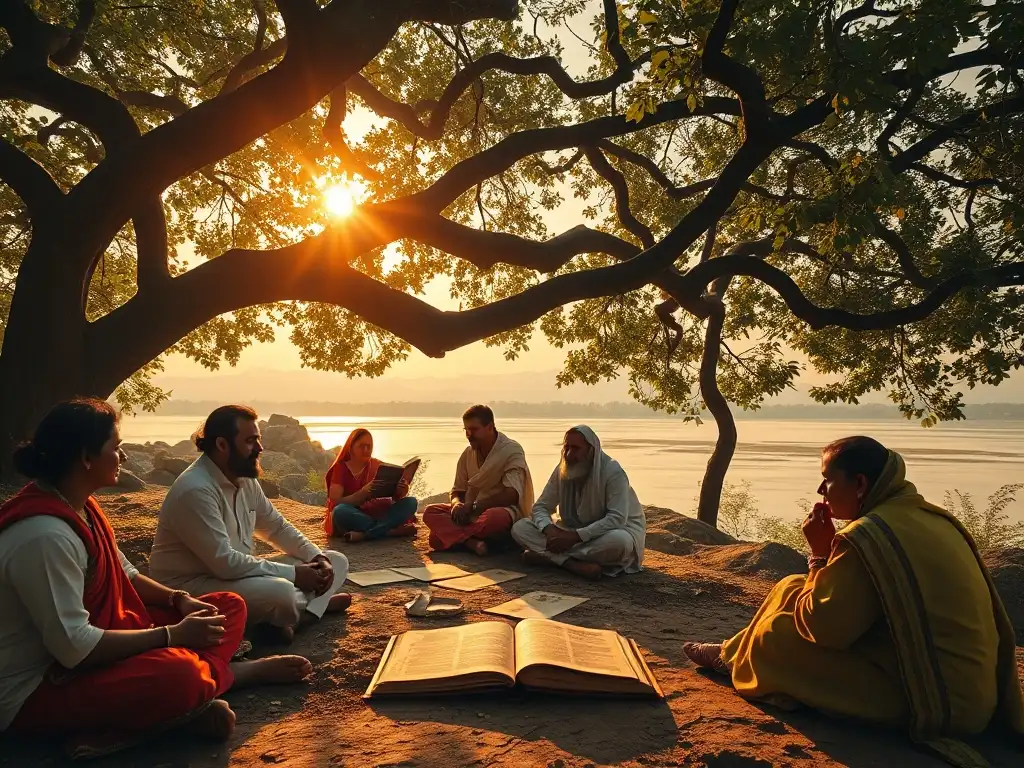
The evolution of ancient Indian literature was significantly influenced by cultural and historical contexts. Various factors, including religion, social dynamics, and political changes, played pivotal roles in shaping literary forms and themes.
The Impact of Religion on Ancient Indian Literature
Religion profoundly influenced ancient Indian literature, serving as a core theme in many literary works. Hinduism, Buddhism, and Jainism provided rich narrative frameworks and philosophical ideas that authors wove into their texts.
For instance, the epics "Mahabharata" and "Ramayana" are not merely literary works; they embody the religious and moral values of Hinduism, exploring the concepts of dharma (duty) and karma (action). These texts have served as a foundation for storytelling, inspiring countless adaptations in various forms.
Buddhist literature, particularly the "Tripitaka," encompasses teachings that influenced not only religious thought but also narrative styles in prose and poetry. The stories of the Buddha's life and teachings have been recounted in various forms, emphasizing moral lessons and ethical living.
The devotional poetry of saints like Mirabai and Kabir reflects the impact of Bhakti movement, illustrating how spirituality intertwined with literary expression, fostering a vibrant culture of poetic devotion.
Social and Political Factors Shaping Literary Forms
Social and political factors also played a crucial role in the evolution of ancient Indian literature. The rise and fall of empires, changes in social structures, and the influence of various dynasties significantly impacted literary production.
The Gupta Empire, often referred to as a golden age of Indian culture, saw a flourishing of arts and literature. During this period, poets and playwrights received patronage from rulers, leading to an environment conducive to literary experimentation and innovation. The support of the arts was seen as a reflection of a ruler's power and cultural sophistication.
Social changes, such as the emergence of new castes and the interaction between different communities, also influenced literary themes. Writers began to address contemporary social issues, weaving them into their narratives and poetry. This evolving social landscape contributed to the richness and diversity of literary forms.
The Interplay Between Regional Languages and Literary Evolution
The interplay between regional languages and literary evolution played a significant role in shaping ancient Indian literature. As the subcontinent was home to a multitude of languages and dialects, this linguistic diversity enriched the literary tradition.
Sanskrit remained the dominant literary language for a long time, especially in classical literature. However, regional languages like Tamil, Kannada, and Bengali began to flourish, leading to the development of distinct literary traditions. The Sangam literature of Tamil Nadu, for instance, showcases an early form of poetry that reflects the cultural and social dynamics of the region.
As authors began to write in their native languages, they brought forth unique styles and forms that resonated with local audiences. This shift not only broadened the scope of literary expression but also fostered a sense of regional identity.
The evolution of literary forms in ancient India was thus a complex interplay of linguistic, cultural, and historical factors, culminating in a rich literary heritage that continues to inspire scholars and writers today.
Conclusion: The Lasting Influence of Ancient Indian Literary Evolution
The evolution of literary forms in ancient India has left an indelible mark on the world of literature. From the profound spiritual insights of the Vedas to the intricate storytelling of the Puranas, ancient Indian prose and poetry reflect a tapestry of cultural, philosophical, and artistic expressions. These literary forms not only shaped the identity of Indian civilization but also contributed significantly to global literary traditions. The interplay between oral and written forms, as well as the fusion of various regional languages and dialects, created a rich literary landscape that continues to inspire writers and poets today.
Summarizing the Evolution of Literary Forms in Ancient India
Ancient Indian literary evolution can be traced through several key phases, beginning with the Vedic texts, which laid the groundwork for poetry and prose in the subcontinent. The subsequent development of classical Sanskrit literature introduced notable works such as the Mahabharata and Ramayana, which combined narrative and didactic elements, showcasing the complexities of dharma and ethics.
The emergence of regional languages and their respective literary forms further enriched this evolution, as seen in the works of poets like Kalidasa and Bhasa, who innovatively blended traditional themes with contemporary issues. Ultimately, this literary evolution demonstrates a dynamic interplay between tradition and innovation, characterized by a diverse array of genres, styles, and themes.
The Continuing Legacy of Ancient Indian Prose and Poetry in Modern Literature
The legacy of ancient Indian prose and poetry persists in modern literature, influencing a wide spectrum of writers both in India and abroad. Contemporary authors draw upon the rich narratives, philosophical insights, and poetic devices established in ancient texts, often reinterpreting them in modern contexts. The themes of love, morality, and the human experience, which were so eloquently explored in ancient works, continue to resonate with today's audiences.
Additionally, the revival of interest in classical Indian literature has led to translations and adaptations, ensuring that the wisdom and beauty of these ancient texts remain accessible to new generations. Thus, the evolution of ancient Indian literary forms not only enriches our understanding of the past but also shapes the future of literature in a globalized world.
References for Further Reading on Ancient Indian Literary Evolution
Recommended Books and Articles
- The History of Indian Literature by Susheela Punitha
- Classical Sanskrit Literature: A Historical Introduction by M. S. P. Rao
- The Art of Indian Poetry by A. K. Ramanujan
- Epic and Purāṇic Literature by John Brockington
- Articles published in journals such as Indian Literary Criticism and Journal of South Asian Literature.
Online Resources for the Study of Ancient Indian Literature
- The Digital Library of India, which offers a vast collection of ancient texts and manuscripts.
- Sanskrit Documents, a website that provides access to various classical texts in Sanskrit along with translations.
- The National Mission for Manuscripts, dedicated to the preservation and promotion of ancient Indian manuscripts.
- Online courses and lectures available through platforms like Coursera and edX, focusing on ancient Indian literature.
- Introduction to Ancient Indian Literary Evolution
- Understanding the Historical Context of Ancient Indian Literature
- Importance of Prose and Poetry in Ancient Indian Culture
- Major Literary Periods in Ancient Indian Prose and Poetry
- Key Features of Ancient Indian Prose
- The Richness of Ancient Indian Poetry
- Influential Authors and Their Contributions
- Cultural and Historical Influences on Literary Evolution
- Conclusion: The Lasting Influence of Ancient Indian Literary Evolution
- References for Further Reading on Ancient Indian Literary Evolution
- What are the main literary forms of ancient Indian prose and poetry?
- How did the Indus Valley civilization contribute to ancient Indian literature?
- What role did religious texts play in the evolution of ancient Indian literature?
- How did the Gupta Empire impact literary development in ancient India?
- What significance does ancient Indian literary evolution hold today?
Frequently Asked Questions
What are the main literary forms of ancient Indian prose and poetry?
Ancient Indian literature is characterized by diverse forms such as epics, poetry, and prose, with notable works like the Mahabharata and Ramayana showcasing cultural values and philosophical ideas.
How did the Indus Valley civilization contribute to ancient Indian literature?
The Indus Valley civilization laid the groundwork for early literary traditions through its script and seals, although much of this writing remains undeciphered, hinting at a rich cultural narrative.
What role did religious texts play in the evolution of ancient Indian literature?
Religious texts such as the Vedas and Upanishads were crucial in shaping philosophical thought and poetic forms, influencing literary expression and contributing to the cultural identity of ancient India.
How did the Gupta Empire impact literary development in ancient India?
The Gupta Empire is often referred to as the Golden Age of India, fostering an environment where literature flourished, leading to advancements in poetry, drama, and the prose narrative.
What significance does ancient Indian literary evolution hold today?
The evolution of ancient Indian literature offers valuable insights into the social structures, cultural practices, and philosophical beliefs of the time, influencing contemporary literary forms and cultural expressions.
Final Reflection: Embracing the Legacy of Ancient Indian Literary Evolution
The evolution of literary forms in ancient Indian prose and poetry is not just a historical account; it is a vibrant tapestry that continues to resonate in contemporary literature. As we explore the intricate layers of ancient Indian literary evolution, we uncover timeless themes and styles that have shaped not only the literary landscape of India but also the global narrative. The richness of these forms serves as a reminder of the enduring power of storytelling and the profound impact it has on culture and identity.
Cultural narratives and poetic expressions from ancient India have laid the groundwork for modern literature, influencing countless writers and thinkers across generations. The depth of these literary forms invites us to reflect on our own storytelling traditions and the ways in which they connect us to our heritage. As poet A.K.
Ramanujan once said, "> A language is something infinitely greater than grammar and philology. It is the poetic testament of the human spirit." This sentiment underscores the idea that the evolution of literary forms is not merely an academic pursuit; it is an exploration of our shared humanity and the stories that bind us together.
As we conclude our journey through the evolution of ancient Indian literary forms, I invite you to reflect on your own relationship with literature and storytelling. Consider how the themes and styles of the past can inspire your own creative expressions today. Whether through writing, reading, or sharing stories, let us honor the legacy of ancient Indian literary evolution by weaving our narratives into the rich fabric of human experience. Embrace the power of words, and allow them to guide you on your own journey of discovery and connection.
Unlock the Timeless Secrets of Ancient Indian Literature!
Thank you for taking the time to explore the fascinating evolution of literary forms in ancient Indian prose and poetry! You've gained insights into how these rich traditions shaped culture and literature. Now, it’s time to take the next step in your journey of discovery.
Here are some exciting actions you can take:
- Dive deeper by reading a classic work of ancient Indian literature. Choose a translation of a significant text and immerse yourself in the beauty of the language.
- Share your newfound knowledge! Discuss your insights with friends or family, or participate in an online forum dedicated to literary studies.
- Join a local or virtual book club that focuses on ancient texts to connect with others who share your passion for literature and history.
As you reflect on the enchanting world of ancient Indian prose and poetry, consider this: Which ancient text resonates most deeply with you, and how does it inspire your own writing or creativity?