
Exploring the Richness of Ancient India: A Guide to Cultural Etiquette

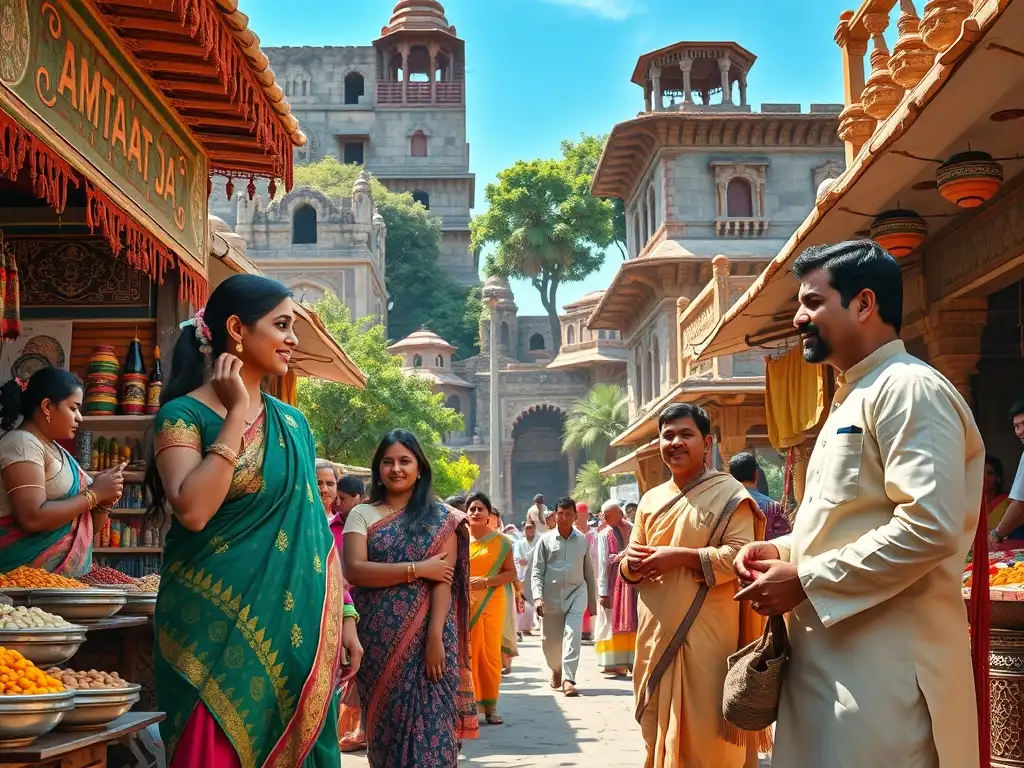
Welcome to Ancient India History, where we embark on a mesmerizing journey through time to uncover the profound legacy of ancient Indian civilizations. From the awe-inspiring Indus Valley to the illustrious Gupta Empire, we delve deep into the rich tapestry of culture, history, and tradition that shapes India's identity.
In our featured article, "Exploring the Richness of Ancient India: A Guide to Cultural Etiquette," we invite you to discover the nuanced practices and customs that have defined social interactions throughout India's storied past. Get ready to unlock the secrets of ancient wisdom and enrich your understanding of this vibrant heritage—your adventure into the world of ancient Indian etiquette begins now!
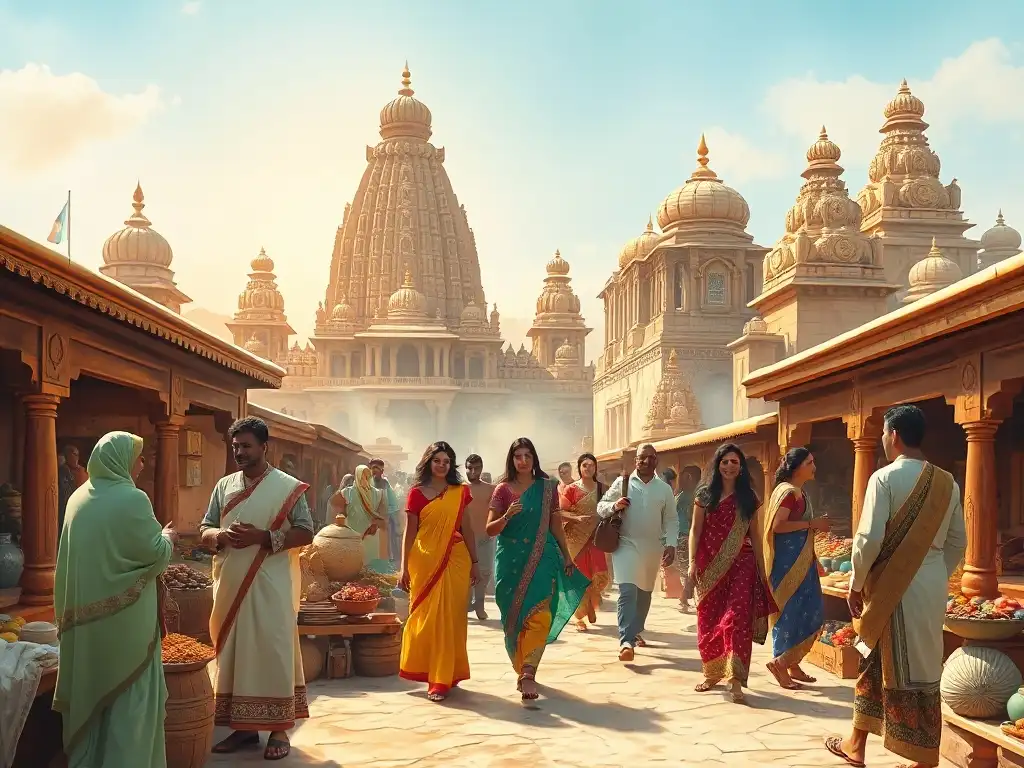
Exploring the cultural etiquette of ancient India unveils a world of traditions, customs, and practices that have shaped the interactions and behaviors of its people over millennia. As travelers venture into the remnants of ancient civilizations—from the majestic ruins of the Indus Valley to the intellectual hubs of the Gupta Empire—understanding the nuances of cultural etiquette becomes paramount.
This guide serves as an essential resource for visitors seeking to immerse themselves respectfully in the rich tapestry of ancient Indian culture. By recognizing and honoring the etiquette that has evolved through centuries, travelers can enhance their experiences, foster connections with local communities, and gain deeper insights into the remarkable history that defines ancient India.
Introduction to Ancient Indian Cultural Etiquette
Ancient Indian cultural etiquette is a reflection of the diverse philosophies, religions, and social structures that have influenced the subcontinent over time. Rooted in traditions that prioritize respect, hospitality, and spirituality, etiquette in ancient India is not merely about following rules; it embodies a way of life that reveres interpersonal relationships and the environment.
- Respect for Elders: In ancient Indian culture, elders are revered as the bearers of wisdom and tradition. Greeting them with gestures like folding hands in a "Namaste" signifies respect and acknowledgment of their status.
- Hospitality: The phrase "Atithi Devo Bhava," meaning "The guest is God," encapsulates the essence of hospitality. Visitors are often treated with warmth and generosity, reflecting a deeply ingrained cultural value.
- Spiritual Practices: Rituals and daily practices, such as offering prayers or maintaining silence in sacred spaces, form an integral part of cultural etiquette. Understanding these practices can significantly enhance one’s experience while visiting temples or historical sites.
Historical Context of Ancient Indian Etiquette
To appreciate ancient Indian cultural etiquette, it is essential to consider its historical roots and development. Ancient Indian societies were immensely varied, shaped by different regions, religions, and philosophies.
- Indus Valley Civilization (c. 3300–1300 BCE):
- Known for its advanced urban planning and social organization, this civilization laid the groundwork for many cultural practices. Evidence suggests a community-oriented society where cooperation and mutual respect were crucial.
- Vedic Period (c. 1500–500 BCE):
- The arrival of the Indo-Aryans introduced new social structures and religious practices. The Vedas, sacred texts of this era, emphasized rituals and duties that governed daily life.
- Maurya and Gupta Empires (c. 322 BCE–550 CE):
- These empires brought significant developments in art, literature, and philosophy. The emphasis on Dharma (moral law) during this period heavily influenced social interactions and ethics.
- Cultural Syncretism:
- Over centuries, ancient India witnessed the blending of diverse cultures, including Buddhist, Jain, and later Islamic influences. This syncretism enriched cultural etiquette, adding layers of complexity to the way people interacted.
Understanding this historical context provides invaluable insight into the foundations of ancient Indian cultural etiquette, allowing travelers to navigate their experiences with greater awareness and appreciation.
Key Aspects of Ancient Indian Cultural Etiquette
Understanding the cultural etiquette of ancient India is essential for anyone looking to explore its rich history and vibrant traditions. Ancient Indian civilizations, from the Indus Valley to the Gupta Empire, have cultivated values and customs that continue to influence contemporary society. As you navigate through historical sites and engage with local cultures, being aware of these practices can enhance your experience and show respect for the heritage.
Key aspects of ancient Indian cultural etiquette include greetings, attire, dining practices, and the way one interacts with sacred spaces and local communities. Familiarizing yourself with these elements will help you appreciate the depth of Indian culture and ensure a respectful visit.
Greetings and Interactions
In ancient Indian culture, greetings hold significant importance and often reflect the values of respect and humility. One of the most common forms of greeting is the traditional "Namaste," where the palms are pressed together at the heart and a slight bow is made. This gesture signifies acknowledgment of the divine in the other person and is used in both casual and formal settings.
When engaging in conversation, it’s essential to maintain a polite demeanor. Addressing individuals using their titles, such as "ji" after their name, conveys respect. Furthermore, physical contact in interactions should be approached with caution; for example, touching a person’s head, particularly that of an elder, is generally considered inappropriate.
In group settings, it's customary to greet the eldest person first, reflecting the cultural reverence for age and wisdom. Understanding these nuances will facilitate smoother interactions and foster goodwill with those you meet.
Dress Code and Attire
The attire worn in ancient India was not merely functional but also a reflection of social status, regional identity, and cultural values. When visiting ancient sites, it is advisable to wear modest clothing that covers the shoulders and knees. Loose-fitting garments made of natural fabrics are preferred, as they align with the climate and cultural practices.
For women, traditional attire such as sarees or salwar kameez is often appreciated, while men might consider wearing kurta-pajama. However, Western clothing is generally acceptable as long as it adheres to the modesty norms.
Additionally, wearing bright and vibrant colors can be seen as a sign of joy and celebration, which resonates with the colorful tapestry of Indian culture. Avoiding overly casual attire, such as shorts and tank tops, is essential when visiting religious or historical sites to demonstrate respect for the cultural context.
Dining Etiquette
Dining in ancient India is a ritual that underscores hospitality, sharing, and respect for food. Traditionally, meals are enjoyed on a banana leaf or a thali (a round tray) with various dishes served in small bowls. When invited to dine, it’s customary to wait for the host to initiate the meal.
Using the right hand for eating is a significant aspect of dining etiquette, as the left hand is considered impolite in many contexts. Furthermore, it is polite to express gratitude before and after the meal, often with phrases that acknowledge the effort put into the cooking.
Sharing food is a common practice, and guests may be encouraged to try various dishes. However, if you have dietary restrictions, it is advisable to communicate these respectfully in advance. Understanding these dining customs enhances the experience and reflects your appreciation of ancient Indian hospitality.
Visiting Ancient Sites: What to Keep in Mind
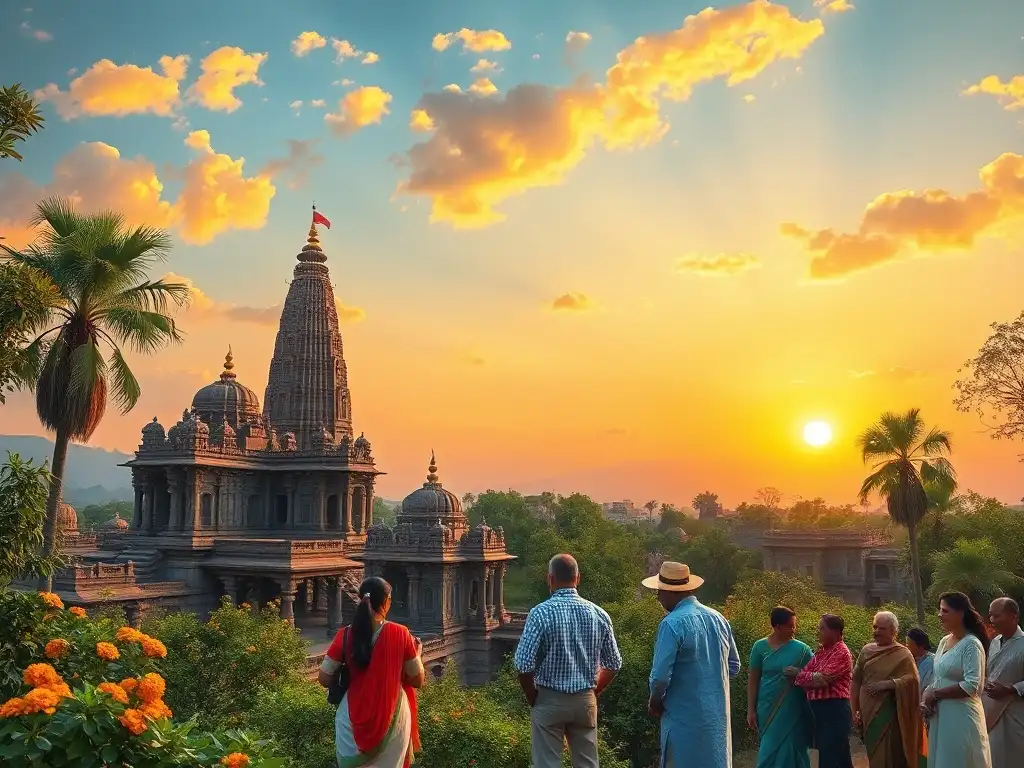
When exploring ancient sites, it is crucial to be mindful of the cultural and historical significance these places hold. Practicing cultural etiquette not only enriches your visit but also preserves the sanctity of these heritage locations.
Respecting Sacred Spaces
Ancient Indian sites often include temples, forts, and monuments that serve as places of worship or historical significance. When visiting these sacred spaces, remove your shoes before entering and maintain a quiet demeanor to show respect. Photography may be restricted in certain areas, so be sure to observe any signage and ask for permission if you are unsure.
Additionally, avoid touching sacred objects or artifacts unless explicitly permitted. Engaging in conversations with reverence and avoiding loud or disruptive behaviors will contribute to a respectful atmosphere.
Engaging with Local Communities
Interacting with local communities enhances your understanding of ancient Indian culture. Approach conversations with openness and curiosity, and be respectful of local customs and traditions. When visiting rural areas or smaller villages, it’s advisable to take cues from locals regarding appropriate behaviors.
Participating in local festivals or community events can provide deeper insights into cultural practices. However, it’s essential to ask for permission before taking photographs of people or their homes, as this can be seen as intrusive. By being considerate and respectful, you can foster positive relationships and gain meaningful experiences during your travels in ancient India.
When exploring the rich tapestry of ancient Indian civilizations, understanding and respecting cultural sensitivities is paramount. The diversity of languages, religions, and traditions across India means that what may be acceptable in one region could be considered disrespectful in another. Therefore, travelers should approach interactions with locals and ancient sites with an open mind and a willingness to learn.
One of the key aspects of navigating cultural sensitivities is to be aware of the various religious practices and norms associated with ancient sites. For instance, many temples and sacred places have specific dress codes that require modest attire. Women may be expected to cover their shoulders and knees, while men should avoid shorts. Additionally, shoes are often not permitted within temple premises; hence it is advisable to wear easily removable footwear.
Understanding local customs and traditions is equally important. In many communities, greeting elders with a respectful "Namaste," accompanied by a slight bow, can foster goodwill. Furthermore, it’s essential to engage with the local culture genuinely; showing interest in their traditions and customs can lead to meaningful exchanges and enhance your travel experience.
Common Cultural Misunderstandings to Avoid
Travelers often encounter certain cultural misunderstandings that can lead to unintentional offense. Here are some common pitfalls to avoid:
- Touching or Pointing: In many Indian cultures, physical interactions can carry different meanings. Pointing with the index finger is considered impolite; instead, use your whole hand to gesture. Additionally, touching someone’s head, especially a child's, is generally frowned upon as the head is seen as sacred.
- Disrespecting Religious Symbols: Ancient Indian sites often feature intricate religious symbols that hold deep significance. Be mindful of where you take photographs, and avoid capturing images of worshippers during prayers or rituals as a sign of respect.
- Ignoring Local Dietary Practices: India has a diverse culinary landscape that includes a variety of dietary restrictions, particularly among Hindus and Jains who may avoid beef and root vegetables. Always inquire about food preferences when dining with locals or at traditional meals.
By being aware of these common misunderstandings, travelers can navigate their journeys more smoothly and create respectful interactions with local communities.
Practical Tips for Travelers
Traveling through ancient India not only offers a glimpse into its storied past but also presents opportunities to immerse oneself in its cultural richness. Here are some practical tips to enhance your experience:
- Research Local Customs: Before visiting a site, take time to research the local customs and etiquette. Understanding the historical significance of the site can also provide context to your visit.
- Dress Appropriately: Always opt for modest and comfortable clothing. Lightweight fabrics that cover shoulders and knees are advisable, especially in temple areas.
- Learn Basic Phrases: Familiarizing yourself with a few basic phrases in the local language can go a long way in building rapport with locals. Simple greetings like "Namaste" or "Shukriya" (thank you) can break the ice.
- Practice Patience and Respect: Ancient sites can be crowded and may require waiting in line. Maintain patience and respect for fellow visitors and worshippers.
- Engage with Local Guides: Hiring a knowledgeable local guide can enrich your understanding of the site’s history and cultural significance, ensuring a more fulfilling experience.
Recommended Resources for Learning About Ancient Indian Etiquette
To deepen your understanding of ancient Indian cultural etiquette, consider exploring the following resources:
- Books: Titles such as "The Cultural Heritage of India" and "India: A Sacred Geography" provide insights into the traditions and customs.
- Online Courses: Platforms like Coursera and Udemy offer courses on Indian culture and etiquette, which can be beneficial for travelers.
- Travel Blogs and Vlogs: Many travel bloggers share their experiences and tips regarding Indian cultural etiquette, providing firsthand accounts and practical advice.
- Local Tourist Guides: Engaging with local tourist guides can provide an immersive experience into the customs and etiquette specific to the region you are visiting.
Suggested Products for Your Journey
Equipping yourself with the right products can enhance your journey through ancient India. Here are some suggested items to consider:
- Modest Clothing: Lightweight, breathable fabrics that cover the arms and legs are essential. Look for tunics or long skirts that are comfortable and respectful.
- Travel Guidebooks: A comprehensive travel guide can be invaluable for understanding the cultural nuances and historical contexts of the sites you visit.
- Portable Footwear: Comfortable sandals or slip-on shoes can be helpful, especially when visiting places where you need to remove your shoes.
- Cultural Etiquette Cards: Consider carrying cards that summarize cultural dos and don’ts, which can serve as quick references during your travels.
- Language Translation Apps: Downloading apps that can help with translation can be beneficial, especially in regions where English is not widely spoken.
By being culturally sensitive and well-prepared, travelers can enjoy a profound connection with the ancient sites of India and the vibrant cultures that surround them.
Conclusion: Embracing the Richness of Ancient Indian Culture
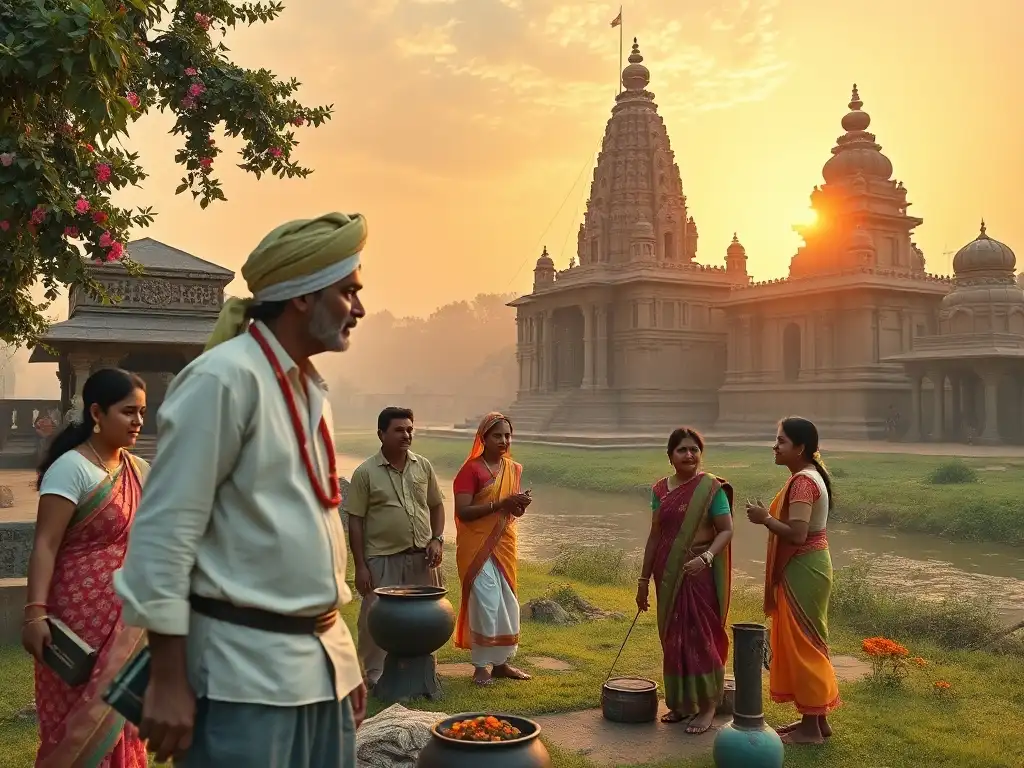
Exploring ancient India provides a unique opportunity to immerse oneself in a tapestry of history, traditions, and customs that have shaped not only the region but also the world. Understanding and embracing the cultural etiquette of ancient Indian civilizations is essential for anyone looking to delve deeper into this rich heritage. The legacy of the Indus Valley, the philosophical teachings of the Vedic period, and the artistic achievements during the Gupta Empire all contribute to a vibrant cultural milieu that deserves respect and appreciation.
As travelers and history enthusiasts navigate these ancient sites, practicing cultural etiquette can enhance their experience, foster meaningful connections with locals, and promote a sense of mutual respect. Whether it's offering a traditional greeting, observing sacred practices, or being mindful of dress codes, these small gestures can lead to profound insights into the values and beliefs that have endured through centuries.
In embracing the richness of ancient Indian culture, visitors not only honor the past but also engage with the present. This engagement allows for a more authentic and enriching experience, creating lasting memories and fostering a deeper understanding of the world's cultural diversity.
Call to Action
Are you ready to embark on a journey through ancient India and its remarkable heritage? Start planning your visit today! Research the ancient sites you wish to explore, and take the time to learn about the local customs and traditions. Consider joining guided tours led by knowledgeable locals who can provide deeper insights into the cultural etiquette of the regions you visit.
Moreover, share your experiences with others who may be interested in ancient Indian culture. The more we discuss and celebrate our diverse histories, the more we contribute to a global appreciation of cultural heritage. Join online forums, participate in workshops, or even write about your adventures to inspire future travelers.
Embrace the opportunity to connect with ancient India in a respectful and meaningful way—your journey awaits!
Additional Resources
To enhance your understanding of ancient Indian cultural etiquette and prepare for your travels, consider exploring the following resources:
- Books:
- "The Culture of Ancient India" by R. S. Sharma
- "The Art and Architecture of Ancient India" by John C. Huntington
- Websites:
- The Archaeological Survey of India (ASI) for information on historical sites
- Cultural India for insights into customs, traditions, and festivals
- Documentaries:
- "Ancient India: The Land of Mysteries" available on various streaming platforms
- "The Indus Valley Civilization" series for a visual exploration of ancient sites
By utilizing these resources, you can deepen your knowledge and appreciation for the intricate cultural fabric of ancient India, ensuring a more enriching travel experience.
- Introduction to Ancient Indian Cultural Etiquette
- Historical Context of Ancient Indian Etiquette
- Key Aspects of Ancient Indian Cultural Etiquette
- Visiting Ancient Sites: What to Keep in Mind
- Navigating Cultural Sensitivities
- Practical Tips for Travelers
- Conclusion: Embracing the Richness of Ancient Indian Culture
- Call to Action
- Additional Resources
- What is the significance of cultural etiquette in ancient India?
- How did the Indus Valley Civilization influence cultural practices?
- What were some common etiquette practices during the Gupta Empire?
- How can modern individuals learn from ancient Indian etiquette?
- Where can I find more information on ancient Indian cultural etiquette?
Frequently Asked Questions
What is the significance of cultural etiquette in ancient India?
Cultural etiquette in ancient India reflects the values and traditions that shaped social interactions and community life, emphasizing respect, hospitality, and harmony.
How did the Indus Valley Civilization influence cultural practices?
The Indus Valley Civilization laid the foundation for urban planning and trade, influencing future cultural etiquette by promoting commerce and social structure in ancient Indian society.
What were some common etiquette practices during the Gupta Empire?
During the Gupta Empire, common practices included respect for elders, proper conduct during social gatherings, and the importance of hospitality, which were critical to maintaining social order.
How can modern individuals learn from ancient Indian etiquette?
Modern individuals can gain insights from ancient Indian etiquette by studying its principles of respect, tolerance, and community bonding, which remain relevant in today's multicultural societies.
Where can I find more information on ancient Indian cultural etiquette?
For more information, you can explore resources focused on ancient Indian history, literature, and texts that discuss the customs and traditions from the Indus Valley to the Gupta Empire.
Final Reflection: Embracing the Wisdom of Ancient Indian Cultural Etiquette
In a world that is increasingly interconnected, understanding and respecting the nuances of different cultures is more important than ever. The exploration of ancient Indian cultural etiquette not only enriches our knowledge but also fosters deeper connections among diverse communities. As we navigate through a global landscape, the wisdom embedded in these ancient practices serves as a guiding light, reminding us of the values of respect, humility, and harmony that transcend time.
Cultural etiquette is not merely a set of rules; it is a reflection of shared values and collective identity. The teachings of ancient India continue to resonate in contemporary society, influencing how we interact with one another across cultural divides. As we embrace these traditions, we become part of a larger narrative that honors our shared humanity. The beauty of ancient wisdom lies in its ability to guide us through the complexities of modern life.
This ongoing influence encourages us to cultivate empathy and understanding, paving the way for a more inclusive world.
As you reflect on the insights gained from this exploration, consider how you can incorporate these lessons into your daily interactions. Let the principles of ancient Indian cultural etiquette inspire you to approach every encounter with an open heart and a willingness to learn. By doing so, you not only honor the rich heritage of ancient India but also contribute to a future where cultural appreciation and respect are at the forefront of our global community. Embrace this journey of understanding, and let it transform the way you connect with the world around you.
Embrace the Heritage: Take Action Today!
Thank you for exploring the intricate world of Ancient India's cultural etiquette! We hope you’ve gained insights that will enhance your understanding and appreciation of this rich heritage. Now, let’s turn that knowledge into action!
Here are a few steps you can take to deepen your connection with Ancient India's vibrant culture:
- Participate in a local Indian cultural event to experience the traditions and etiquette firsthand. Look for festivals, workshops, or cultural fairs in your area!
- Share what you’ve learned by discussing this topic with friends or on social media to spread awareness about the importance of cultural respect and understanding.
- Join a community group focused on Indian history or cultural studies to connect with like-minded individuals and explore further.
Which aspect of Ancient India's culture are you most eager to experience or learn more about?