
How to Make the Most of Your Time at Ancient Indian Historical Sites

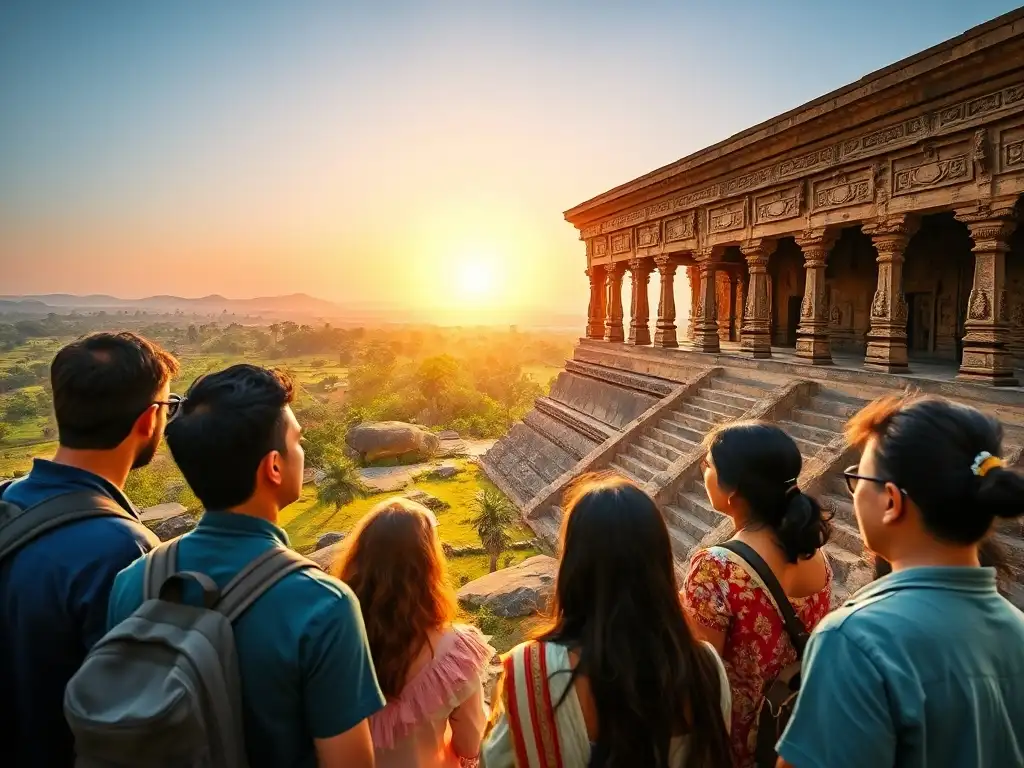
Welcome to Ancient India History, where we embark on a captivating journey through the rich tapestry of India's past. From the awe-inspiring Indus Valley to the illustrious Gupta Empire, this is your gateway to uncovering the remarkable legacies that shaped modern civilization. In our featured article, "How to Make the Most of Your Time at Ancient Indian Historical Sites," we delve into an exclusive Ancient Indian historical sites guide designed to enhance your travel experience.
Are you ready to step back in time and explore the wonders that await you? Dive in and let the stories of ancient civilizations unfold!
Introduction to Ancient Indian Historical Sites
Exploring the ancient Indian historical sites offers an unparalleled journey through time, revealing the rich tapestry of civilizations that flourished in the Indian subcontinent. From the sophisticated urban planning of the Indus Valley Civilization to the artistic and scholarly achievements of the Gupta Empire, these sites stand as testament to the ingenuity and cultural depth of ancient India. As you venture through these magnificent locations, you will not only witness stunning architecture and intricate carvings but also gain insights into the daily lives, beliefs, and traditions of the people who once thrived here.
Understanding the significance of these historical sites is crucial in making the most of your visit. This guide is designed to help you navigate the vast array of ancient Indian landmarks, ensuring that each moment spent amidst these storied ruins is both enriching and memorable. Whether you are a history enthusiast, a cultural explorer, or simply seeking a unique travel experience, this Ancient Indian historical sites guide will equip you with the essential tips and strategies to maximize your time in these extraordinary settings.
Planning Your Visit: Ancient Indian Historical Sites Guide
When it comes to planning your visit to ancient Indian historical sites, thoughtful preparation can greatly enhance your experience. By focusing on research, scheduling, and logistics, you can ensure a smooth and fulfilling journey through India's remarkable past.
Researching Historical Significance
Before setting off on your adventure, it’s vital to delve into the historical significance of the sites you wish to visit. This knowledge will not only enrich your experience but also allow you to appreciate the profound cultural heritage of these locations. Here are some key points to consider:
- Identify Key Sites: Research prominent sites such as:
- Mohenjo-Daro: An archaeological marvel of the Indus Valley Civilization.
- Ajanta and Ellora Caves: Renowned for their stunning rock-cut architecture and exquisite frescoes.
- Hampi: A UNESCO World Heritage Site that showcases the grandeur of the Vijayanagara Empire.
- Historical Context: Understand the timeline and events surrounding each site. For instance, the Maurya Empire's influence on art and architecture can be explored through sites like Sanchi Stupa.
- Cultural Practices: Familiarize yourself with the customs and traditions associated with each location, which can provide deeper insight into the daily lives of ancient inhabitants.
Creating an Itinerary for Ancient Indian Historical Sites
An effective itinerary is essential for optimizing your time at these historical sites. Here are some steps to help you craft a well-rounded plan:
- Prioritize Your Interests: Determine whether you are more interested in architecture, archaeology, or cultural performances, and prioritize sites accordingly.
- Allocate Time Wisely:
- Allocate sufficient time for each site, considering travel distances and the depth of exploration you desire. For example, plan a full day for Hampi to fully appreciate its vast ruins.
- Be flexible in your schedule to allow spontaneous discoveries and local experiences.
- Travel Logistics:
- Research transportation options, including local guides, public transit, or private tours.
- Check for any seasonal variations or timing of site openings, ensuring you visit during the best months for exploration.
By thoroughly researching the historical significance of ancient Indian sites and meticulously planning your itinerary, you will ensure a rewarding experience that honors the incredible legacy of India's ancient civilizations.
Essential Tips for Visiting Ancient Indian Historical Sites
Visiting ancient Indian historical sites can be a transformative experience, allowing travelers to connect with the rich tapestry of India’s past. Here are some essential tips to enhance your visit:
- Research Before You Go: Familiarize yourself with the history, significance, and key features of the site. Understanding the context can enrich your experience and appreciation.
- Plan Your Itinerary: Create a flexible itinerary that allows ample time to explore each site. Consider visiting during off-peak hours to avoid crowds and fully immerse yourself in the atmosphere.
- Respect Cultural Norms: Be aware of local customs and etiquette. Dress modestly and be respectful when interacting with local communities, as many historical sites are still culturally significant to residents.
- Stay Hydrated and Nourished: Traveling in hot climates can be taxing. Carry water and snacks to keep your energy levels up while you explore.
- Engage a Local Guide: If possible, hire a local guide who can provide in-depth insights, stories, and historical context that you might not get from guidebooks.
Best Times to Visit Ancient Indian Historical Sites
Timing your visit can significantly enhance your experience at ancient Indian historical sites. The best times to visit are influenced by weather, festivals, and peak tourist seasons:
- Winter Months (October to March): This is the most favorable time for visiting, with pleasant temperatures and clear skies. Major sites like the Taj Mahal, Hampi, and Jaipur are particularly beautiful during this season.
- Monsoon Season (June to September): While the landscapes are lush and vibrant, heavy rains can hinder travel. If you enjoy the tranquility and fewer crowds, visiting during the early monsoon can be rewarding.
- Festivals: Visiting historical sites during local festivals can provide unique insights into cultural practices and offer vibrant experiences. However, expect larger crowds during these times.
What to Wear and Bring

Dressing appropriately is crucial for comfort and respect when visiting ancient sites:
- Comfortable Footwear: Opt for sturdy shoes that provide good support, as many sites involve substantial walking and uneven terrain.
- Lightweight Clothing: In warmer months, wear breathable fabrics that keep you cool. In winter, layering is key to adapt to fluctuating temperatures.
- Sun Protection: Bring a wide-brimmed hat, sunglasses, and sunscreen to protect yourself from the sun, especially during midday.
- Reusable Water Bottle: Stay hydrated by carrying a reusable water bottle. Many sites have refill stations or vendors where you can replenish water.
- Camera or Smartphone: Capture the moments, but be mindful of photography restrictions at certain sites.
Efficient navigation is vital for maximizing your time and enjoyment at ancient Indian historical sites. Here are some tips to help you:
Guided Tours vs. Self-Guided Exploration
Choosing between guided tours and self-guided exploration depends on your preferences and objectives:
- Guided Tours:
- Pros: Offer expert knowledge, deeper insights, and often skip long lines. They can enhance your understanding of the site's historical significance.
- Cons: May feel rushed or limit your ability to explore independently.
- Self-Guided Exploration:
- Pros: Allows for a more personal experience, enabling you to spend time at your own pace and focus on what interests you most.
- Cons: Requires more research and planning to ensure you don’t miss key highlights.
Transportation Tips for Visiting Ancient Indian Historical Sites
Transportation logistics can significantly impact your travel experience. Here are some helpful tips:
- Public Transport: Utilize local buses and trains for affordable travel. This method allows you to experience local life and culture firsthand.
- Ride-Sharing Services: Apps like Uber and Ola are available in many cities, providing convenient and reliable transportation to and from sites.
- Car Rentals: If comfortable driving in India, renting a car can offer flexibility, especially for remote sites. Ensure you’re aware of local traffic regulations and road conditions.
- Local Taxis: Hiring a local taxi for a full day can be a good option for visiting multiple sites in one go, as drivers often have useful local knowledge.
- Plan Your Routes: Research the distances between sites to optimize your travel route and minimize time spent on the road.
By following these tips, you'll be well-prepared to make the most of your journey through ancient India's captivating historical sites. Enjoy your exploration!
Engaging with the Culture at Ancient Indian Historical Sites
Visiting ancient Indian historical sites is not just about observing relics of the past; it’s an opportunity to immerse yourself in the vibrant culture that has thrived for millennia. Engage with local traditions, art forms, and communities to enrich your experience. Begin by participating in guided tours led by knowledgeable locals who can share stories and insights that bring the history to life.
Additionally, consider attending cultural festivals or events that often take place near these sites. These celebrations provide a unique glimpse into ancient practices, dance forms, and music that have been preserved through generations. By joining in, you can appreciate the continuity of culture and its relevance in contemporary society.
Another way to engage is through the arts. Many sites offer workshops in traditional crafts, such as pottery, painting, or textile weaving. These hands-on experiences not only allow you to create your own piece of art but also deepen your understanding of the techniques and histories behind them.
Learning Opportunities: Workshops and Activities
Several ancient Indian historical sites host workshops and activities that cater to both tourists and locals. These immersive experiences are designed to educate while providing a fun and engaging way to connect with the culture.
- Art and Craft Workshops: Many sites offer classes in traditional art forms, such as Madhubani painting in Bihar or block printing in Rajasthan. Participants can learn techniques that have been passed down for generations.
- Cooking Classes: Discover the rich culinary heritage of India by taking part in cooking classes that teach you how to prepare traditional dishes. This not only enhances your appreciation for Indian cuisine but also allows you to recreate these flavors at home.
- Yoga and Meditation Retreats: Locations like Rishikesh, near the Ganges, offer yoga and meditation workshops that draw upon ancient practices. Engaging in these activities at historical sites can provide a serene backdrop that enhances the experience.
Photography Tips for Capturing Ancient Indian Historical Sites
Capturing the essence of ancient Indian historical sites through photography requires a blend of technique and creativity. Here are some essential tips to help you take stunning photographs:
- Golden Hour Advantage: The best time to photograph these sites is during the golden hour—shortly after sunrise or before sunset. The soft light enhances textures and colors, providing a magical quality to your images.
- Composition Techniques: Utilize the rule of thirds by placing points of interest off-center for a more dynamic composition. Experiment with angles—shooting from a low perspective can give a sense of grandeur to architectural features.
- Incorporate Local Life: Include local people in your shots to convey the living culture around these ancient sites. Candid moments can tell compelling stories and provide context to your photographs.
- Details Matter: Don’t forget to capture the intricate details of carvings, frescoes, and architecture. Close-up shots can reveal the artistry and craftsmanship that define ancient Indian heritage.
Dining and Accommodation Near Ancient Indian Historical Sites
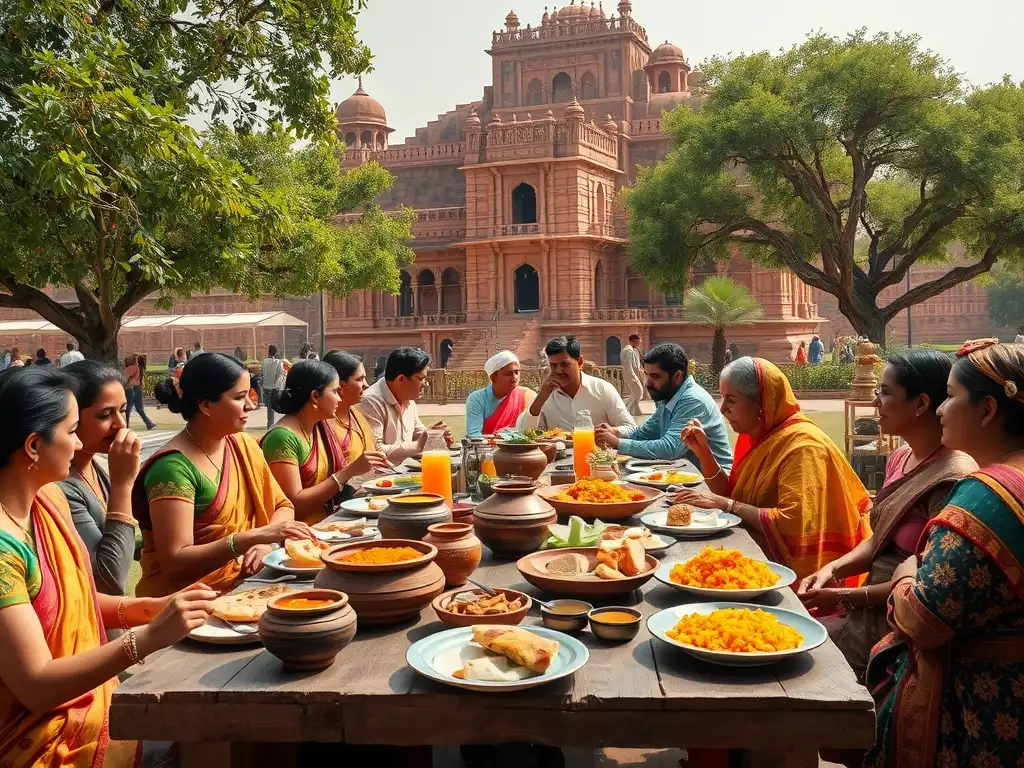
After a day of exploration, indulging in authentic cuisine and comfortable lodging is essential for a fulfilling experience at ancient Indian historical sites. This section will guide you through dining and accommodation options that enhance your journey.
Top Restaurants for Authentic Indian Cuisine
When visiting ancient Indian sites, sampling local cuisine is a must. Here are some top restaurants renowned for their authentic flavors:
- Viva Panjim (Goa): A charming eatery that serves Goan specialties, including fish curry and vindaloo, in a heritage setting that echoes the region's colonial past.
- Bukhara (Delhi): Located in the ITC Maurya Hotel, this restaurant is famous for its kebabs and tandoori dishes, served in a luxurious ambiance that pays homage to India's culinary heritage.
- The Spice Route (Kochi): This restaurant offers a unique dining experience showcasing the flavors of South India with dishes that include traditional Kerala seafood and vegetarian options.
Recommended Luxury Accommodations
For a lavish stay near ancient Indian historical sites, these luxury accommodations are recommended:
- The Oberoi Udaivilas (Udaipur): This palatial hotel overlooks Lake Pichola and provides an opulent experience with its grand architecture, exquisite service, and proximity to the City Palace.
- Taj Mahal Palace (Mumbai): A landmark hotel known for its stunning views of the Gateway of India, this hotel combines historical charm with modern luxury, making it an ideal base for exploring the city’s historical sites.
- Rambagh Palace (Jaipur): Once the residence of the Maharaja of Jaipur, this hotel offers a royal experience complete with beautiful gardens and traditional Rajasthani cuisine, all within easy reach of the city's forts and palaces.
By thoughtfully engaging with the culture and enjoying local dining and luxury accommodations, visitors can create lasting memories at ancient Indian historical sites.
Conclusion: Maximizing Your Experience at Ancient Indian Historical Sites
Visiting ancient Indian historical sites can be a transformative experience, allowing you to connect with the rich tapestry of India's past. By planning effectively and being mindful of your surroundings, you can deepen your understanding and appreciation of these remarkable locations. Here are some key takeaways to ensure you maximize your experience:
- Do Your Research: Familiarize yourself with the historical significance of each site before your visit. Understanding the context will enhance your appreciation of the architecture, art, and culture that you encounter. You can explore various resources, including books, documentaries, and reputable websites dedicated to ancient Indian history.
- Engage with Local Guides: Hiring a knowledgeable local guide can provide you with insights and stories that you might not discover on your own. These guides often have a wealth of information about the site’s history, legends, and cultural nuances, making your visit more enriching.
- Embrace the Culture: Take the time to interact with local communities and participate in cultural activities. Whether it's sampling traditional cuisine or attending a local festival, immersing yourself in the culture surrounding the historical sites will enhance your overall experience.
- Capture the Moment: Don't forget to document your journey through photographs, sketches, or journals. Reflecting on your experiences will help solidify your memories and understanding of ancient India’s rich heritage.
- Be Respectful: Many ancient sites are sacred to local communities. Be mindful of the customs and practices that are observed at these locations. Respecting the cultural significance will not only enrich your experience but also contribute positively to the preservation of these sites.
By following these tips, you can ensure that your visits to ancient Indian historical sites are not just trips, but meaningful explorations that foster a deeper connection to the history and culture of this incredible civilization.
Call to Action
Ready to embark on your journey through the ancient wonders of India? Start planning your adventure today!
- Create Your Itinerary: Research must-visit ancient Indian historical sites and curate an itinerary that suits your interests and time frame.
- Join a Community: Engage with fellow travelers and history enthusiasts online or in local forums. Share experiences, tips, and recommendations to make the most of your travels.
- Book Your Trip: Look for travel packages that focus on luxury and historical travel to ensure a comfortable and enriching experience. Many tour operators offer tailored experiences that highlight the best of ancient Indian sites.
- Stay Informed: Keep an eye on local events or exhibitions that might enhance your visit. Cultural programs, workshops, and guided tours can provide additional layers of understanding and enjoyment.
Don’t wait any longer—dive into the rich history of ancient India and create lasting memories at its incredible historical sites! 🌏✨
- Introduction to Ancient Indian Historical Sites
- Planning Your Visit: Ancient Indian Historical Sites Guide
- Essential Tips for Visiting Ancient Indian Historical Sites
- Best Times to Visit Ancient Indian Historical Sites
- What to Wear and Bring
- Navigating Ancient Indian Historical Sites
- Engaging with the Culture at Ancient Indian Historical Sites
- Photography Tips for Capturing Ancient Indian Historical Sites
- Dining and Accommodation Near Ancient Indian Historical Sites
- Conclusion: Maximizing Your Experience at Ancient Indian Historical Sites
- Call to Action
Frequently Asked Questions
What are some must-visit ancient Indian historical sites?
Some must-visit sites include the Indus Valley Civilization ruins, Ajanta Caves, and Hampi. Each site offers a unique glimpse into India's rich history and cultural heritage.
How can I prepare for a visit to these sites?
To prepare, research the site's historical significance and plan your visit during off-peak hours. Carry essentials like water, snacks, and a camera to capture your experience.
What are the best times of year to visit ancient sites in India?
The best times are typically during winter months (October to March) when the weather is more pleasant for exploring. This helps in enjoying the sites without extreme heat.
Are there any guided tours available for exploring these sites?
Yes, many sites offer guided tours that provide in-depth information about the history and architecture. These tours can enhance your understanding of the site's cultural importance.
How can I respect local culture while visiting historical sites?
To respect local culture, dress modestly, follow site rules, and avoid disturbing sacred areas. Engaging with local guides can also offer insights into cultural practices and traditions.
Final Reflection: Embracing the Legacy of Ancient Indian Historical Sites
The exploration of ancient Indian historical sites is not merely a journey through time; it is an invitation to connect with the rich tapestry of our shared heritage. In today's fast-paced world, where the past often feels distant, immersing ourselves in these historical narratives allows us to appreciate the wisdom and artistry of our ancestors. The significance of these sites transcends their physical presence; they serve as a reminder of the cultural and spiritual legacies that continue to shape our identities.
Cultural heritage is a living testament to our collective memory, influencing not only how we see ourselves but also how we relate to one another. The stories etched in the stones of ancient temples, forts, and palaces resonate with the values and philosophies that have endured through centuries. As Mahatma Gandhi once said, A nation's greatness is measured by how it treats its weakest members.
This perspective invites us to reflect on the importance of preserving these sites, not just for their historical value, but as a means to foster understanding and respect among diverse communities.
As you embark on your journey to explore these magnificent sites, I encourage you to take a moment to reflect on the lessons they impart. Consider how the wisdom of the past can inform your present and inspire your future. Let the stories of resilience, creativity, and cultural richness guide your actions and interactions in today's world. By engaging with our history, we not only honor those who came before us but also empower ourselves to build a more connected and compassionate future.
Unveil the Wonders of Ancient India Today!
Thank you for taking the time to explore the rich tapestry of ancient Indian history with us! We hope you gained valuable insights that will enhance your visits to these awe-inspiring historical sites. Now it's time to take your journey further and make the most of your explorations.
Here are some actionable steps you can take right now:
- Plan your next visit! Choose an ancient site that intrigues you and create a detailed itinerary that includes lesser-known spots to uncover hidden gems.
- Engage with fellow history enthusiasts by sharing your experiences and discoveries on social media or local history forums. Your stories could inspire others to join the adventure!
- Visit a local museum or explore a virtual tour that showcases artifacts from ancient India, allowing you to deepen your understanding and appreciation of the culture.
Which ancient site are you most excited to visit, and what discoveries do you hope to make there?✨