
The Best Luxury Souvenirs to Bring Home from Ancient Indian Sites

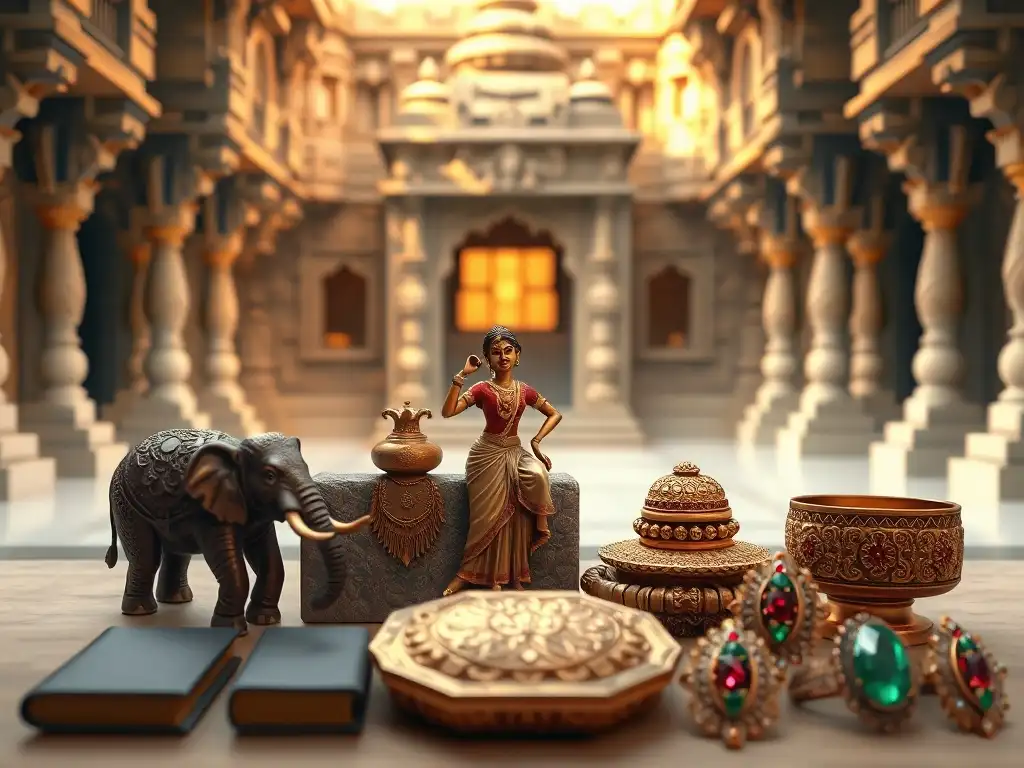
Welcome to Ancient India History, where we embark on a fascinating journey through the vibrant tapestry of ancient Indian civilizations. In this exploration, we delve into the exquisite world of luxury souvenirs from ancient India, uncovering the treasures that once adorned the lives of its people. From the intricate craftsmanship of the Indus Valley to the opulent relics of the Gupta Empire, each piece tells a story waiting to be discovered.
Are you ready to uncover how these remarkable artifacts can connect you to a rich heritage? Join us as we guide you through the best luxury souvenirs to bring home from ancient Indian sites, igniting your curiosity and enriching your travels.
- Introduction: Discovering Luxury Souvenirs from Ancient India
- The Allure of Ancient Indian History and Culture
- Top Luxury Souvenirs from Ancient Indian Sites
- Tips for Buying Luxury Souvenirs from Ancient Indian Sites
- The Impact of Luxury Souvenirs on Local Economies
- Conclusion: Bringing Home a Piece of Ancient India
-
Frequently Asked Questions
- What are some examples of luxury souvenirs from ancient India?
- How can I identify authentic luxury souvenirs?
- Are there specific ancient Indian sites known for luxury souvenirs?
- What materials are commonly used in luxury souvenirs from ancient India?
- How do luxury souvenirs from ancient India reflect its culture?
- Final Reflection: The Timeless Allure of Luxury Souvenirs from Ancient India
- Unveil Treasures from Ancient India’s Past!
Introduction: Discovering Luxury Souvenirs from Ancient India
When exploring the enchanting landscapes of ancient India, visitors often find themselves captivated not only by the stunning architecture and historical significance of the sites but also by the rich tapestry of craftsmanship and artistry that ancient civilizations have left behind. Luxury souvenirs from ancient India serve as tangible connections to this storied past, allowing travelers to bring home unique pieces that evoke the essence of the cultures that flourished millennia ago.
From intricately designed textiles to exquisite jewelry and handcrafted artifacts, these souvenirs encapsulate the artistry and heritage of India's diverse civilizations. In this article, we will delve into the significance of luxury souvenirs in cultural preservation and explore the reasons why selecting these exquisite items from ancient Indian sites can enrich your travel experience.
The Significance of Luxury Souvenirs in Cultural Preservation
Luxury souvenirs play a vital role in preserving the cultural heritage of ancient civilizations. By purchasing these items, travelers contribute to the ongoing practice of traditional craftsmanship, ensuring that age-old skills and techniques are passed down through generations. In many cases, artisans rely on the support of tourists to sustain their livelihoods, thus fostering a symbiotic relationship between cultural preservation and economic development.
- Cultural Identity: Luxury souvenirs often embody the unique artistic expressions of a region, reflecting its history, beliefs, and values. By acquiring these pieces, travelers help maintain the cultural identity of ancient Indian communities.
- Artisan Empowerment: Supporting local artisans by purchasing luxury souvenirs not only preserves traditional crafts but also empowers communities economically. This can lead to the resurgence of age-old techniques that may otherwise fade into obscurity.
- Educational Value: Luxury souvenirs often come with rich stories and historical significance. Each piece can serve as a conversation starter, helping to educate others about the ancient cultures of India and their contributions to the world.
Why Choose Luxury Souvenirs from Ancient Indian Sites?
Choosing luxury souvenirs from ancient Indian sites offers several compelling benefits that enhance the travel experience and provide a meaningful connection to the past.
- Authenticity: Unlike mass-produced items, luxury souvenirs from ancient sites are often handcrafted using traditional methods, ensuring that they are authentic representations of the culture and craftsmanship of the time.
- Unique Designs: Many luxury souvenirs feature intricate designs and patterns that are not only beautiful but also steeped in historical significance. This uniqueness adds value to the items and makes them cherished keepsakes.
- Support for Local Economies: Purchasing luxury souvenirs directly from artisans or local markets contributes to the economic sustainability of the region. This practice helps to preserve ancient skills and supports families and communities reliant on their craft.
- Connection to History: Each luxury souvenir carries a story of its own, often linked to the ancient civilizations of India. Owning such items allows travelers to maintain a personal connection to the rich history and culture of the places they visit.
By choosing to invest in luxury souvenirs from ancient Indian sites, travelers not only take home exquisite pieces of art but also participate in the preservation of a vibrant cultural heritage that has shaped the identity of India for centuries.
The Allure of Ancient Indian History and Culture
Ancient India is a tapestry woven with rich traditions, diverse cultures, and significant historical milestones that have shaped not only the Indian subcontinent but also the world. The allure of ancient Indian history and culture lies in its profound depth, characterized by remarkable advancements in various fields such as mathematics, astronomy, philosophy, and art. Each ancient civilization, from the sophisticated urban planning of the Indus Valley to the spiritual philosophies of the Gupta Empire, has contributed to a legacy that continues to captivate travelers and historians alike.
As you explore ancient sites across India, you will encounter an array of luxury souvenirs that reflect this vibrant history. These items are not merely artifacts; they are embodiments of centuries of tradition, craftsmanship, and artistry that tell the stories of civilizations that once thrived. Whether it is intricately designed textiles, exquisite jewelry, or ornate sculptures, each luxury souvenir from ancient India serves as a tangible connection to its storied past.
A Brief Overview of Ancient Indian Civilizations
Ancient India is home to several remarkable civilizations, each contributing unique cultural, artistic, and intellectual advancements that have left an indelible mark on history:
-
Indus Valley Civilization (circa 3300–1300 BCE)
One of the world's earliest urban cultures, the Indus Valley civilization is known for its advanced town planning, drainage systems, and standardized brick sizes. Major sites like Harappa and Mohenjo-Daro reveal a sophisticated society with trade networks and a script that remains undeciphered. Luxury souvenirs from this era typically include terracotta figurines and intricate bead jewelry.
-
Vedic Period (circa 1500–500 BCE)
Following the decline of the Indus Valley civilization, the Vedic period saw the rise of Hinduism and the composition of the Vedas, which are foundational texts of Indian philosophy. Artifacts from this period often include ceremonial objects, such as ritualistic tools and intricately designed pottery, reflecting the spiritual and cultural practices of the time.
-
Maurya Empire (322–185 BCE)
The Maurya Empire was notable for its political unification and the spread of Buddhism under Emperor Ashoka. The period is known for monumental architecture, including stupas and rock-cut caves. Luxury souvenirs from this era may feature intricate carvings and sculptures of Buddha and other significant symbols.
-
Gupta Empire (circa 240–550 CE)
The Gupta Empire is often referred to as the Golden Age of India, marked by significant achievements in arts, science, and literature. This period produced exquisite coinage and finely crafted metalwork. Luxury souvenirs from the Gupta period can include beautifully embossed coins and ornate jewelry, showcasing the remarkable craftsmanship of the time.
The Role of Art and Craftsmanship in Ancient India
Art and craftsmanship have been integral to ancient Indian civilizations, reflecting their cultural values and spiritual beliefs. The intricate methods and techniques employed by artisans have been passed down through generations, ensuring the survival of traditional crafts.
-
Textiles
Ancient India was renowned for its textiles, with techniques like weaving and dyeing that produced luxurious fabrics such as silk and cotton. Traditional patterns and motifs often depicted mythological stories or nature, making textiles not just clothing but also status symbols. Luxury souvenirs in this category include handwoven sarees and embroidered shawls.
-
Metalwork
The expertise in metalwork during ancient times led to the creation of intricate jewelry, utensils, and decorative items. The use of gold, silver, and bronze in crafting these items demonstrates the high level of skill among artisans. Items like ornate rings, bracelets, and ceremonial vessels are sought after as luxury souvenirs, each representing a piece of history.
-
Sculpture and Pottery
Sculpture in ancient India was often religious in nature, with deities and mythological figures being skillfully carved from stone or molded from clay. Pottery was also highly decorative, featuring detailed designs and glazes. Luxury souvenirs can be found in the form of handcrafted sculptures and beautifully painted pottery, which serve as both art and history.
The luxury souvenirs from ancient India are not just items to take home; they are pieces of a grand narrative that encapsulates the essence of ancient Indian civilizations. They offer travelers a chance to connect with the past while celebrating the incredible artistry and craftsmanship that have thrived through the ages.
Top Luxury Souvenirs from Ancient Indian Sites
1. Handcrafted Silver Jewelry
Features and Craftsmanship of Ancient Silver Jewelry
Handcrafted silver jewelry from ancient India is a testament to the rich craftsmanship and cultural heritage of the region. Silver has been a favored material in Indian jewelry-making for centuries, with artisans employing traditional techniques that have been passed down through generations.
- Artistic Designs: The designs often feature intricate patterns, including filigree work, meenakari (enamel work), and gemstone inlays. Each piece tells a story, often representing elements of nature, mythology, or historical significance.
- Cultural Significance: Silver jewelry is not just an adornment but also carries cultural and spiritual significance. It is commonly worn during festivals, weddings, and other auspicious occasions, symbolizing prosperity and good luck.
The quality of craftsmanship is crucial; therefore, discerning buyers should look for pieces that reflect authenticity and heritage.
Recommended Places to Buy Authentic Silver Jewelry
When seeking authentic handcrafted silver jewelry, consider visiting:
- Jaipur: Known as the "Pink City," Jaipur is famous for its silver jewelry markets, particularly the Johari Bazaar and Bapu Bazaar, where a plethora of unique designs awaits.
- Delhi: The bustling streets of Chandni Chowk offer a variety of silver jewelry shops where artisans showcase their skills.
- Udaipur: Renowned for its artistic jewelry, Udaipur's local markets provide exquisite silver pieces that capture the essence of Rajasthan.
Before making a purchase, it's advisable to inquire about the craftsmanship and origin of the jewelry to ensure you are buying an authentic piece.
2. Traditional Indian Textiles
The Art of Weaving: From Banarasi to Kanchipuram
Traditional Indian textiles are celebrated for their exceptional craftsmanship and vibrant colors, making them a luxurious souvenir option. Two of the most notable textile types include:
- Banarasi Silk: Originating from Varanasi, Banarasi silk is known for its opulent fabric and intricate zari (gold and silver thread) work. These sarees often feature elaborate motifs inspired by Mughal art.
- Kanchipuram Silk: Hailing from Tamil Nadu, Kanchipuram silk sarees are characterized by their durability and luxurious feel. The use of contrasting colors and rich embellishments make them a favorite among bridal attire.
The weaving process itself is a labor of love, often involving techniques that can take weeks or months to complete. Each piece is not only a fabric but a work of art that reflects the region's cultural heritage.
Where to Find Luxurious Fabrics and Clothing
To discover luxurious traditional textiles, consider visiting:
- Varanasi: The heart of Banarasi silk production, where you can find shops like Mohanlal Sons and Bharat Silks that offer a stunning range of sarees and fabrics.
- Kanchipuram: Here, you will find numerous weaving houses that sell authentic Kanchipuram silk sarees, such as Vankatashree Silks and Nalli Silks.
- Delhi: The bustling markets of Delhi, particularly Chandni Chowk, are filled with shops offering a variety of traditional Indian textiles, from cotton to silk.
When purchasing textiles, always check for authenticity and consider asking the seller about the weaving process and the materials used to ensure you are acquiring a high-quality piece.
3. Intricately Carved Wooden Artifacts
Intricately carved wooden artifacts are a testament to the exquisite craftsmanship that flourished in ancient India. These items, often made from rich hardwoods like teak and rosewood, reflect the cultural and artistic heritage of the region. The carvings typically feature intricate designs, including floral patterns, mythological figures, and geometric shapes, showcasing the artisans' skills and the historical influences of various dynasties.
These wooden pieces serve as not only decorative items but also functional objects, such as furniture, boxes, and utensils. Each piece tells a story, often linked to the traditions and practices of the time, making them significant as souvenirs that carry a piece of history. The durability and beauty of these artifacts ensure they can be treasured for generations, adding a touch of ancient elegance to modern homes.
The Craft of Wood Carving in Ancient India
The craft of wood carving in ancient India has roots that date back thousands of years, with references found in texts and archaeological sites. Carpenters and artisans developed sophisticated techniques to transform raw wood into intricate art forms. The use of tools such as chisels and mallets enabled them to achieve fine details and smooth finishes.
Different regions in India specialized in various styles of wood carving. For instance, the Saharanpur region in Uttar Pradesh is renowned for its floral designs, while the artisans of Rajasthan are famous for their vivid and ornate carvings that often depict folklore and mythology. This tradition not only flourished during ancient times but continues to thrive today, with craftsmen employing both age-old methods and modern innovations.
Notable Shops and Markets for Wooden Souvenirs
When visiting ancient Indian sites, several markets and shops stand out for their exceptional wooden souvenirs:
- Dilli Haat, Delhi: A vibrant market that showcases a variety of wooden artifacts from different states in India. The artisans frequently sell their handcrafted items directly, providing an authentic shopping experience.
- Chowkri, Jaisalmer: Known for its unique desert wood carvings, this market offers a range of wooden products, including intricately designed furniture and decorative items.
- Saharanpur Handicrafts: Located in Saharanpur, this area is famous for its wood carving and features numerous shops that specialize in finely crafted wooden artifacts.
Exploring these locations not only allows visitors to purchase high-quality souvenirs but also supports the artisans who preserve these traditional crafts.
4. Marble Inlay Art Pieces
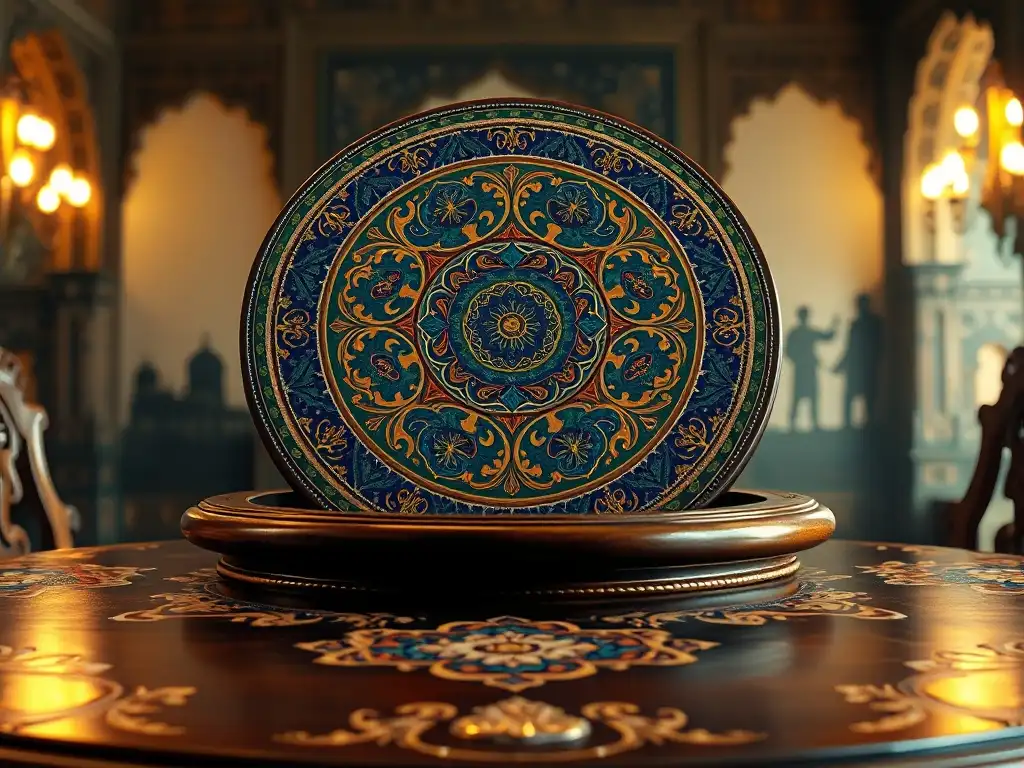
Marble inlay art pieces are among the most luxurious souvenirs you can bring home from ancient Indian sites. This art form, known as Pietra Dura, involves the intricate inlay of colored stones into marble to create stunning decorative works. The craftsmanship is often seen in historical monuments, most notably the Taj Mahal, where exquisite floral and geometric patterns adorn the surfaces.
These inlay pieces range from small coasters and tabletops to larger decorative panels, each showcasing the remarkable skill and patience of the artisans who create them. The vibrancy of the colored stones against the pristine white marble makes these artifacts visually striking and highly sought after by collectors and travelers alike.
Understanding the Technique of Pietra Dura
Pietra Dura, or stone inlay, is an ancient technique that utilizes various semi-precious stones such as lapis lazuli, carnelian, and malachite to create intricate designs set within marble. The process involves cutting the stones into precise shapes and then carefully embedding them into the marble surface to form elaborate patterns.
The origins of this art form can be traced back to the Mughal era, where it was used extensively in palace architecture. Artisans employed meticulous methods, ensuring that each stone was perfectly aligned and polished to achieve a seamless finish. The results are breathtakingly beautiful pieces that reflect the rich artistic traditions of ancient India.
Best Locations for Purchasing Marble Inlay Products
For those looking to purchase exquisite marble inlay products, several locations stand out:
- Agra: Home to the Taj Mahal, Agra features numerous shops and workshops where skilled artisans create marble inlay art. The city's vibrant markets offer a range of products from small decorative items to large furniture pieces.
- Jaipur: Known as the Pink City, Jaipur is another hub for marble craftsmanship. The local markets, such as Johari Bazaar, are filled with stunning inlay products that showcase the artistic heritage of the region.
- Delhi: The capital city has various stores specializing in marble inlay art. Areas such as Connaught Place and Khan Market offer a selection of high-quality pieces, making it easy to find a luxurious souvenir.
By visiting these locations, travelers not only acquire beautiful artifacts but also engage with a tradition that has stood the test of time, ensuring their souvenirs are imbued with history and artistry.
5. Terracotta Pottery and Sculptures
Terracotta pottery and sculptures are among the most cherished luxury souvenirs that visitors can bring home from ancient Indian sites. These artifacts not only showcase the artistic skills of ancient artisans but also reflect the cultural and historical richness of various Indian civilizations. Terracotta, which translates to "baked earth," has been used for thousands of years, with its origins dating back to the Indus Valley Civilization.
The History and Significance of Terracotta in Ancient India
Terracotta items have a deep-rooted history in ancient India, serving various purposes from functional ware to artistic expressions. The Indus Valley Civilization (circa 3300–1300 BCE) is renowned for its sophisticated terracotta figurines, often depicting animals, deities, and human forms. These artifacts were not merely decorative; they played a significant role in rituals and daily life.
The use of terracotta continued through subsequent eras, including the Maurya and Gupta empires, where artisans created intricate pottery adorned with beautiful designs and motifs. Terracotta sculptures often symbolize fertility, prosperity, and protection, making them significant in both historical and cultural contexts. Today, these pieces are celebrated for their craftsmanship, providing a tactile connection to India's ancient past.
Where to Find Unique Terracotta Souvenirs
Travelers looking to acquire unique terracotta souvenirs should explore regions known for their artisanal heritage. Key locations include:
- Kutch, Gujarat: Famous for its vibrant terracotta pottery, featuring colorful glazes and traditional designs.
- Bihar: Home to several artisans creating exquisite terracotta crafts, particularly in the town of Maner.
- West Bengal: The terracotta temples of Bishnupur are not only architectural marvels but also a source of beautiful terracotta figurines and pottery.
- Tamil Nadu: Known for its traditional terracotta toys and figurines, especially in villages like Kumbakonam.
Visiting local markets and artisan workshops in these regions can lead to finding exceptional pieces that encapsulate the beauty and history of ancient Indian terracotta art.
6. Ancient Indian Spices and Herbal Products
Ancient India has long been celebrated for its rich array of spices and herbal products, which are not only essential to its culinary traditions but also hold significant medicinal properties. These luxury souvenirs offer a sensory experience that captures the essence of Indian culture, making them perfect for travelers seeking to bring home a piece of their journey.
Exploring the Richness of Indian Spices
The diversity of Indian spices is astounding, with each region contributing its unique flavors and aromas. Spices such as saffron, cardamom, turmeric, and black pepper have been integral to Indian cooking and are often referred to as "black gold." The historical trade of these spices, particularly during the spice trade era, significantly influenced global culinary practices.
In addition to culinary uses, many of these spices are utilized in traditional Ayurvedic medicine, promoting health and wellness. For instance, turmeric is renowned for its anti-inflammatory properties, while cardamom is valued for its digestive benefits. Visitors can explore the vast world of Indian spices by selecting high-quality products that embody both flavor and health benefits.
Recommended Shops for Quality Spices and Herbal Remedies
When hunting for authentic spices and herbal products, consider visiting reputable shops known for their quality and authenticity. Here are some recommended places:
- Spice Markets in Delhi: The bustling markets of Khari Baoli and Chandni Chowk are excellent for sourcing a variety of spices, from exotic to everyday essentials.
- Coorg, Karnataka: Renowned for its coffee and spices, local estates offer fresh produce, including pepper and cardamom, often available for direct purchase.
- Kolkata: The historic spice market at Burrabazar provides a range of spices and traditional herbal remedies.
- Ayurvedic Shops: Cities like Varanasi and Rishikesh feature stores specializing in Ayurvedic products, offering herbal remedies, oils, and medicinal spices.
By exploring these shops, travelers can find premium spices and herbal products to take home, enriching their culinary experiences and promoting well-being long after their travels.
Tips for Buying Luxury Souvenirs from Ancient Indian Sites
How to Identify Authentic Luxury Souvenirs
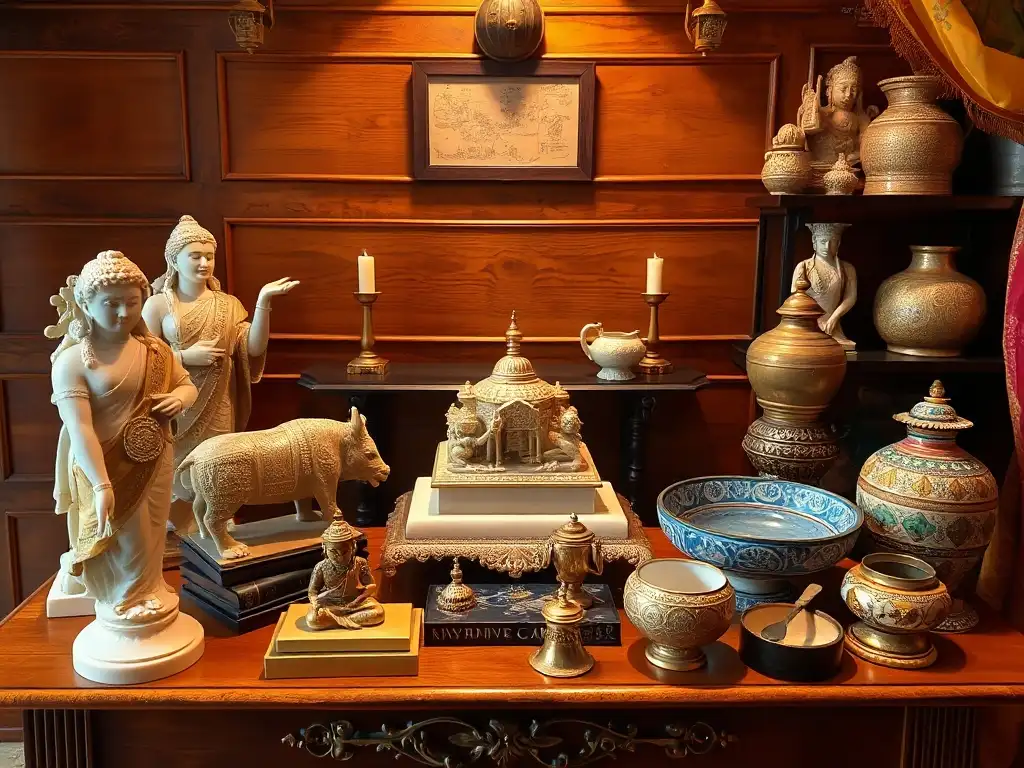
When visiting ancient Indian sites, the allure of luxury souvenirs can be tempting. However, discerning authenticity is crucial to ensure that your purchase is both meaningful and genuine. Here are key tips to help you identify authentic luxury souvenirs:
- Research the Craftsmanship:
- Understand the traditional crafts associated with the region. For example, Mysore silk is renowned for its quality, while Jaipur's blue pottery is notable for its intricate designs.
- Look for artisans who follow age-old techniques, which are often a sign of authenticity.
- Examine Materials:
- Authentic luxury items often use high-quality materials. Check for natural fabrics (like silk or wool), precious metals (such as gold or silver), and organic dyes in textiles and pottery.
- Be cautious of items labeled as "handmade" but show signs of mass production.
- Ask About the Origin:
- Inquire where and how the item was made. Genuine artisans usually have stories or certificates that highlight their craftsmanship.
- Authentic items may come with provenance or documentation that details their historical significance.
- Look for Signatures or Markings:
- Many artisans will leave their mark or signature on their work, which can be a good indicator of authenticity.
- Some luxury items, like jewelry, may also come with hallmarks that denote quality and authenticity.
- Trust Your Instincts:
- If a price seems too good to be true, it probably is. Authentic luxury souvenirs often come with a price that reflects their quality and craftsmanship.
- Don’t hesitate to walk away from a purchase if you have doubts about its authenticity.
Understanding Price Ranges and Value
When exploring luxury souvenirs from ancient India, understanding the price ranges and what constitutes value is essential. The following factors can guide your purchasing decisions:
- Material Quality:
- Silk Products: Prices can range from ₹1,000 to ₹10,000 or more, depending on the intricacy of the weave and the quality of the silk.
- Jewelry: Authentic gold or silver jewelry typically starts at ₹5,000 and can escalate significantly based on design and craftsmanship.
- Artisan Skill Level:
- Unique pieces crafted by skilled artisans often carry a premium. For instance, a handmade Patan Patola saree can cost upwards of ₹20,000, reflecting the skill involved in its creation.
- Historical Significance:
- Items with a rich historical background or those that are part of a specific cultural heritage often demand higher prices. For example, ancient coins or sculptures from archaeological digs can range from ₹3,000 to ₹50,000, depending on their significance.
- Market Demand:
- Seasonal tourism can affect prices. Visiting during peak season may lead to higher prices due to increased demand. Conversely, off-season visits might yield better deals.
- Condition and Rarity:
- The condition of the item plays a crucial role in its value. Items in pristine condition, especially those that are rare or unique, can command higher prices.
Conclusion
Navigating the world of luxury souvenirs from ancient India requires a keen eye and a bit of knowledge. By understanding how to identify authentic items and recognizing the factors that influence pricing, you can make informed purchases that not only serve as beautiful mementos but also reflect the rich heritage of ancient Indian craftsmanship. Happy shopping!
The Impact of Luxury Souvenirs on Local Economies
Supporting Artisans and Craftspeople in Ancient India
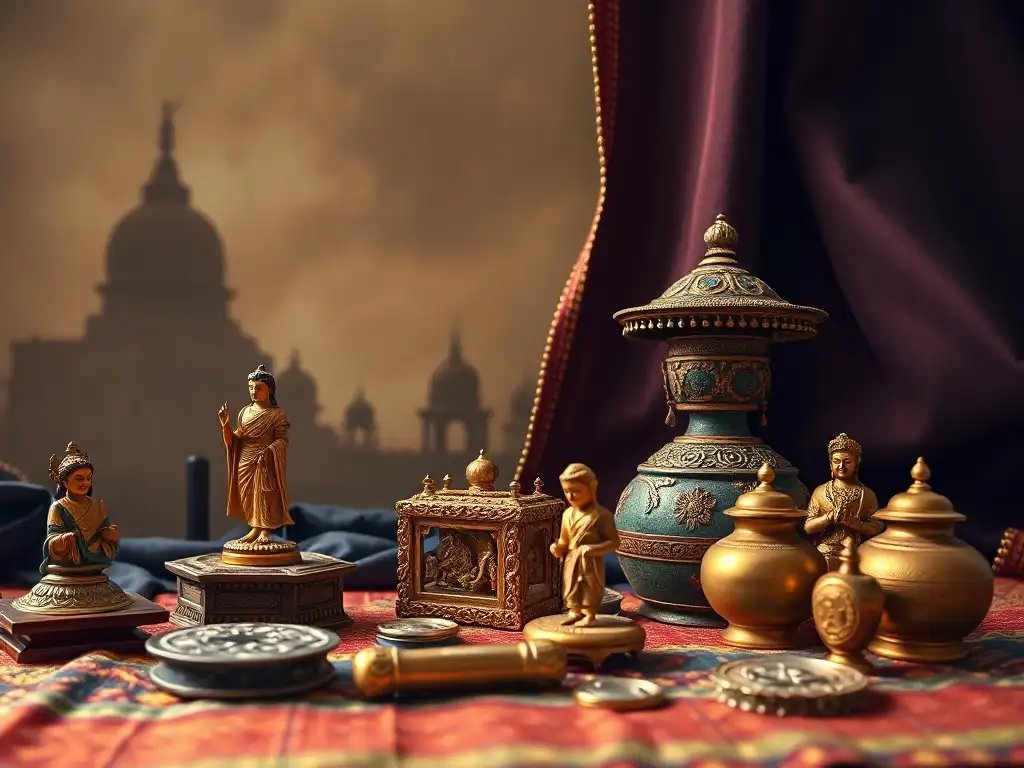
Luxury souvenirs from ancient India are not merely decorative items; they are embodiments of rich cultural heritage and craftsmanship that have been passed down through generations. Purchasing these luxury items directly supports local artisans and craftspeople, allowing them to sustain their traditional practices and improve their livelihoods.
For instance, consider the intricately crafted Patan Patola silk sarees from Gujarat or the exquisite blue pottery from Jaipur. By opting for these luxury souvenirs, travelers directly contribute to the economy of these regions. This economic support enables artisans to continue their work, preserving traditional techniques that might otherwise fade into obscurity due to modern mass production.
- Economic Empowerment: When tourists buy luxury souvenirs, they provide a significant source of income for artisans. This economic boost facilitates better living conditions, education, and healthcare for their families.
- Cultural Preservation: Supporting local crafts not only sustains livelihoods but also helps maintain the cultural identity tied to these crafts. Many artisans are committed to passing their skills to the next generation, ensuring that these traditions persist.
The Benefits of Ethical Shopping for Luxury Items
Engaging in ethical shopping when purchasing luxury souvenirs from ancient India has a profound impact on both the local economy and the environment. Ethical shopping emphasizes transparency, sustainability, and respect for local cultures, fostering a positive relationship between travelers and the communities they visit.
- Sustainable Practices: Many artisans use sustainable materials and methods that minimize environmental impact. For example, the use of naturally dyed fabrics and organic materials in handicrafts helps preserve the ecosystem.
- Fair Trade Principles: Ethical shopping often aligns with fair trade practices, ensuring that artisans receive fair compensation for their labor. This not only promotes economic fairness but also empowers communities to thrive independently.
Advantages of Ethical Shopping
- Conscious Consumerism: By choosing luxury souvenirs obtained through ethical means, consumers become part of a larger movement toward responsible tourism. This approach encourages businesses to adopt ethical practices, leading to long-term benefits for all stakeholders.
- Cultural Respect: Ethical shopping fosters respect for local cultures and traditions. Tourists who understand the significance of their purchases are more likely to engage with the culture and history of the area, enriching their travel experience.
The impact of luxury souvenirs from ancient India extends far beyond the act of shopping; it influences local economies, supports artisans, and encourages sustainable practices. Travelers are thus invited to not only collect beautiful items but also contribute positively to the rich tapestry of ancient Indian culture.
Conclusion: Bringing Home a Piece of Ancient India
Final Thoughts on Luxury Souvenirs from Ancient Indian Sites
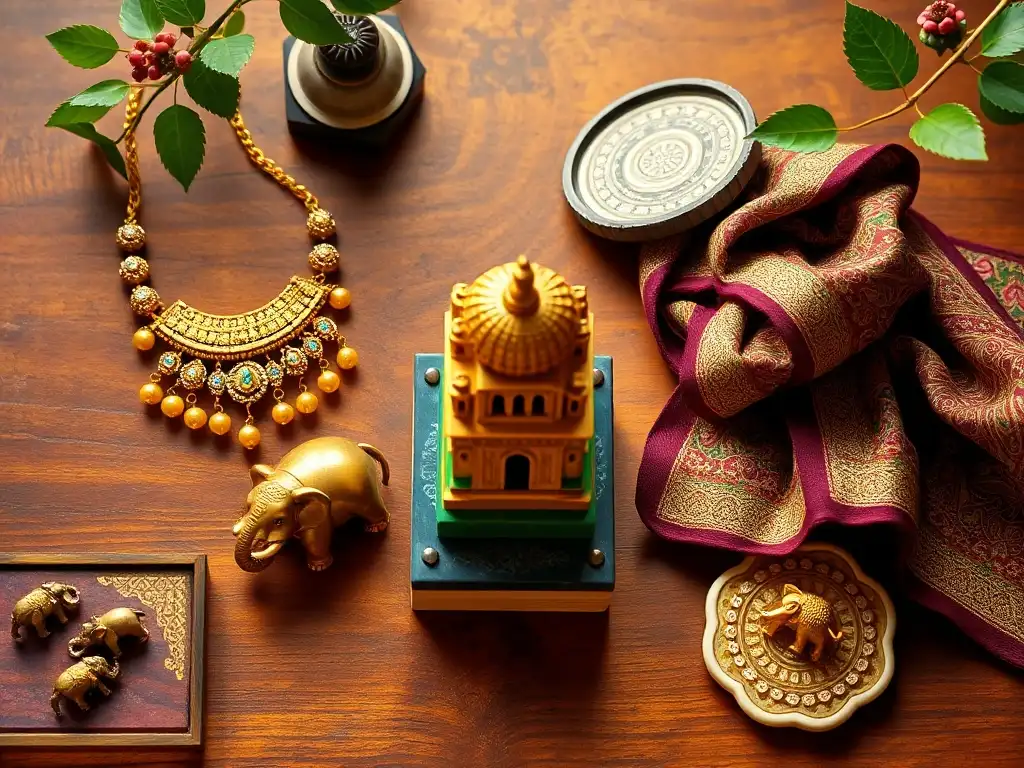
When considering luxury souvenirs from ancient India, it's essential to focus on pieces that not only reflect the rich history and craftsmanship of the region but also resonate with personal experiences and memories made during your travels. From intricately designed textiles to exquisite jewelry, each item tells a story that connects you to the vibrant cultures that thrived in ancient India.
To truly appreciate the value of these luxury souvenirs, it is important to look for authenticity. Items sourced from local artisans or reputable shops often carry more significance than mass-produced items found in tourist traps. Engaging directly with artisans can also enhance your understanding of the techniques and traditions that have been passed down through generations.
Consider the following popular luxury souvenir categories when shopping:
- Handcrafted Jewelry: Look for unique pieces made from traditional materials, such as gold and silver, adorned with semi-precious stones.
- Textiles: Fine silk sarees or embroidered shawls can serve as stunning reminders of your travels, showcasing intricate craftsmanship.
- Art and Pottery: Hand-painted pottery and traditional artworks reflect the rich artistic heritage of ancient Indian civilizations.
- Spices and Teas: High-quality spices and artisanal teas are not only luxurious but also evoke the flavors of Indian cuisine back home.
Encouraging Cultural Appreciation Through Thoughtful Purchases
Purchasing luxury souvenirs from ancient Indian sites should be more than just acquiring items for display; it should be a means to foster cultural appreciation and understanding. By choosing to buy from local artisans, you contribute to the preservation of traditional crafts and support the livelihoods of communities that depend on these practices.
To deepen your connection with the local culture, consider the following approaches:
- Learn the Story: Ask artisans about their work, the materials used, and the significance of their crafts. This knowledge enriches your experience and adds meaning to your purchase.
- Support Sustainable Practices: Look for souvenirs that are made using sustainable methods and materials, ensuring that your purchase helps protect the environment and promotes ethical practices.
- Share Your Experience: When you bring these souvenirs home, share the stories behind them with friends and family. This not only honors the artisans' work but also spreads awareness about the rich cultural heritage of ancient India.
Luxury souvenirs from ancient India offer a unique opportunity to connect with the history and culture of this incredible region. By making thoughtful purchases, you can bring home not just beautiful items, but also a deeper appreciation for the traditions and stories that shape the ancient Indian civilization.
Frequently Asked Questions
What are some examples of luxury souvenirs from ancient India?
Luxury souvenirs from ancient India include intricately designed handcrafted jewelry, exquisite textiles, and detailed stone carvings representing cultural heritage.
How can I identify authentic luxury souvenirs?
To ensure authenticity, look for certificates of authenticity, purchase from reputable artisans or shops, and check for quality in craftsmanship and materials used.
Are there specific ancient Indian sites known for luxury souvenirs?
Yes, sites like Varanasi, Jaipur, and Delhi are renowned for their unique handicrafts and luxury items, showcasing the rich artistic traditions of ancient India.
What materials are commonly used in luxury souvenirs from ancient India?
Common materials include precious metals like gold and silver, semi-precious stones, and handwoven fabrics such as silk, reflecting the opulence of ancient Indian craftsmanship.
How do luxury souvenirs from ancient India reflect its culture?
These souvenirs often represent historical narratives, artistic expressions, and cultural values, showcasing the diverse heritage and artistic excellence of ancient Indian civilizations.
Final Reflection: The Timeless Allure of Luxury Souvenirs from Ancient India
The exploration of luxury souvenirs from ancient India not only highlights the rich cultural heritage of the subcontinent but also underscores the importance of preserving and celebrating our historical narratives. In a world increasingly driven by mass production and fleeting trends, these exquisite artifacts serve as a reminder of the craftsmanship and artistry that have stood the test of time. They invite us to connect with a past that is both vibrant and profound, urging us to cherish the stories behind each piece.
Cultural heritage is not just a relic of the past; it is a living, breathing entity that continues to shape our identities and values. The luxury souvenirs we choose to bring home from ancient Indian sites are more than mere objects; they are vessels of history, encapsulating the essence of a civilization that has influenced art, philosophy, and spirituality across the globe. The past is never dead. It's not even past.
— William Faulkner. This quote resonates deeply as we reflect on how these souvenirs can inspire a deeper appreciation for the intricate tapestry of human experience, reminding us of our shared journey through time.
As you consider your next adventure, I invite you to reflect on the significance of the souvenirs you choose to bring back. Let each piece be a testament to the stories you wish to carry forward, a bridge connecting you to the ancient wisdom of India. By choosing luxury souvenirs that embody the spirit of their origins, you not only enrich your own life but also contribute to the preservation of cultural heritage for generations to come. Embrace the opportunity to honor the past while creating meaningful connections in the present.
Unveil Treasures from Ancient India’s Past!
Thank you for joining us on this journey through the exquisite luxury souvenirs that encapsulate the rich heritage of Ancient Indian sites. We hope you're inspired by the timeless beauty and craftsmanship that these treasures offer! Now, let’s dive deeper into your own exploration of this vibrant culture.
Here are a few engaging steps you can take right now:
- Start your own collection: Visit local artisan markets or online platforms and choose a luxury item that speaks to you—whether it’s a handcrafted piece of jewelry or an intricately carved artifact.
- Share your experience: Document your hunt for cultural treasures! Share your findings on social media using the hashtag #AncientIndiaFinds to connect with fellow enthusiasts.
- Join a local cultural workshop: Seek out classes or workshops to learn about traditional crafting techniques and history, allowing you to appreciate the artistry behind these luxurious pieces.
What unique luxury souvenir would you love to bring home from your travels, and what significance does it hold for you?