
The Mathematical Principles Behind Ancient Indian Temples and Structures


Welcome to Ancient India History, where we embark on a fascinating journey through the rich tapestry of India's past. In this exploration, we delve into the intricate world of ancient Indian temple architecture, a subject that reveals the profound mathematical principles and innovative design techniques that shaped these magnificent structures. Have you ever wondered how ancient architects blended spirituality with mathematics to create such enduring beauty?
Join us as we uncover the secrets behind these architectural wonders and their lasting impact on the realms of both culture and science. Dive deeper into the legacy of ancient Indian civilizations and discover how their contributions to mathematics still resonate today!
Introduction to Ancient Indian Temple Architecture
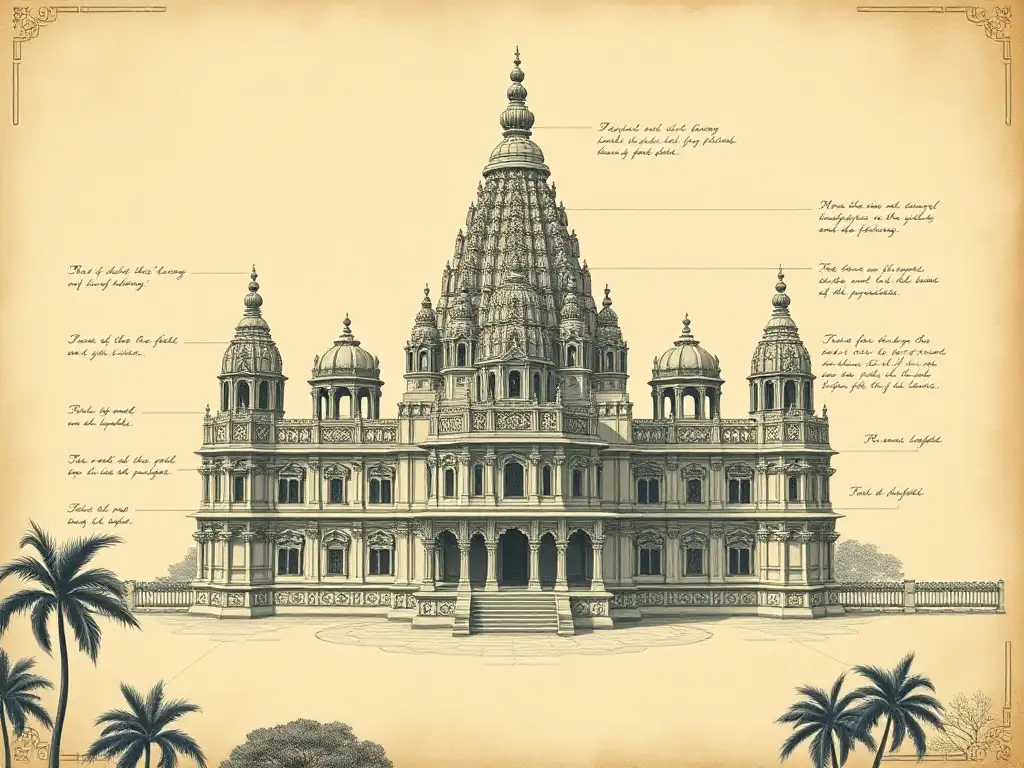
The architectural marvels of ancient India are not only a testament to the artistic prowess and spiritual fervor of its builders but also serve as an extraordinary example of the sophisticated mathematical principles that underpinned their construction. Ancient Indian temple architecture, characterized by its intricate carvings, towering spires, and complex layouts, reflects a deep understanding of geometry, symmetry, and spatial relationships. This article delves into the mathematical foundations that guided the construction of these magnificent structures, exploring how ancient Indian architects utilized mathematical concepts to create enduring legacies that continue to inspire awe today.
Overview of Ancient Indian Temple Architecture
Ancient Indian temple architecture is distinguished by its diversity and complexity, encompassing various styles that evolved over centuries. From the early rock-cut caves of Ajanta and Ellora to the grand stone temples of Khajuraho and the intricate Dravidian style of South India, each temple embodies unique characteristics while adhering to core architectural principles. Key features often include:
- Vimana (Tower): The towering structure above the sanctum, often designed with precise proportions.
- Mandapa (Pillared Hall): A hall used for gatherings, showcasing stunning column designs and layouts.
- Garbhagriha (Sanctum Sanctorum): The innermost chamber housing the deity, meticulously aligned with cardinal directions.
These elements reflect an adherence to mathematical precision, with dimensions and ratios carefully calculated to achieve aesthetic balance and spiritual significance.
Importance of Mathematics in Ancient Architecture
Mathematics played a crucial role in the development of ancient Indian temple architecture, influencing everything from layout and design to structural integrity. Key mathematical concepts employed by ancient architects included:
- Geometry: The use of geometric shapes and principles to create harmonious proportions.
- Symmetry: Achieving visual balance through symmetrical design, which is vital for aesthetic appeal.
- Calculations: Precise calculations for scaling, alignment, and the integration of decorative elements.
Through the application of these mathematical principles, ancient Indian architects were able to construct not only beautiful temples but also structures that could withstand the test of time, demonstrating an advanced understanding of engineering and architecture.
Historical Context of Ancient Indian Temples
The historical context of ancient Indian temples is marked by significant cultural and religious developments that shaped architectural practices. Understanding this context allows us to appreciate the evolution of temple design and the contributions made by various dynasties throughout history.
Evolution of Temple Architecture in Ancient India
Temple architecture in ancient India evolved through distinct phases, each characterized by unique styles and innovations. Key milestones in this evolution include:
- Early Rock-Cut Architecture (3rd century BCE - 1st century CE): The initial phase, where temples were carved directly into rock faces, showcasing rudimentary designs.
- Nagara Style (6th century CE - 12th century CE): A prominent style in Northern India, characterized by curvilinear shikharas (spires) and intricate stonework.
- Dravidian Style (7th century CE - 16th century CE): Dominant in Southern India, noted for its towering vimanas and expansive temple complexes.
Each phase reflects advancements in mathematical knowledge and architectural techniques, culminating in the rich tapestry of temple designs that we see today.
Major Dynasties Contributing to Temple Design
Several dynasties played pivotal roles in the development of ancient Indian temple architecture, each contributing unique styles and innovations:
- Maurya Dynasty: Known for monumental structures like the Ashoka Pillars, which showcased early architectural sophistication.
- Gupta Empire: Often referred to as the Golden Age of India, this period saw the emergence of intricate temple designs and refined artistic expression.
- Chola Dynasty: Famous for their grand temples, such as the Brihadeeswarar Temple, which exemplify advanced engineering and artistic skill.
These dynasties not only advanced the aesthetic and structural aspects of temple architecture but also integrated mathematical principles that ensured the enduring nature of their designs.
Key Mathematical Principles in Temple Architecture
Ancient Indian temple architecture is a remarkable synthesis of art, science, and spirituality. The intricate designs and monumental structures reveal profound mathematical principles that guided their construction. These principles include geometry, symmetry, and sacred geometry, which not only contributed to the aesthetic appeal of the temples but also infused them with deep symbolic meanings. Understanding these mathematical concepts helps us appreciate the brilliance of ancient Indian architects, who meticulously planned every aspect of these structures to create harmoniously balanced and spiritually uplifting environments.
Geometry in Temple Layout and Design
Geometry plays a pivotal role in the layout and design of ancient Indian temples. The foundational shape of most temples is often square or rectangular, reflecting the cosmic order and the four cardinal directions. This geometric foundation is further divided into smaller sections, aligning with various philosophical concepts in Hinduism, such as the four aims of life (Dharma, Artha, Kama, and Moksha).
The use of geometric shapes extends beyond the ground plan to the vertical structures, where elements like the shikhara (temple tower) and vimana (sanctum) are meticulously proportioned. The design is often based on principles derived from the sacred texts, such as the Vaastu Shastra, which prescribes specific measurements and orientations that harmonize with natural forces. This harmony not only enhances the aesthetic value but also serves a functional purpose, ensuring stability and structural integrity.
Symmetry and Proportion in Ancient Structures
Symmetry and proportion are fundamental to the beauty and balance of ancient Indian temples. Architects employed precise ratios to ensure that different elements of the temple, such as the pillars, domes, and walls, are in proportion to each other. This meticulous attention to detail creates a visual harmony that draws the eye and evokes a sense of tranquility.
The golden ratio, a mathematical ratio commonly found in nature and art, is often reflected in the proportions of temple components. For instance, the height of the shikhara might be designed in relation to its width, creating a visually appealing silhouette against the sky. Furthermore, the symmetrical arrangement of temples—where the main deity's sanctum is central and flanked by symmetrical structures—enhances the overall aesthetic experience and symbolizes cosmic balance.
The Role of Sacred Geometry in Temples
Sacred geometry is another essential aspect of ancient Indian temple architecture. It encompasses geometric shapes and proportions that are believed to have spiritual significance. The mandala, for example, is a geometric figure representing the universe and is often used as a blueprint for temple layouts. This diagrammatic representation serves as a guide for aligning the temple in accordance with cosmic principles.
The incorporation of sacred geometry in temple architecture is not merely decorative; it is intended to create a space that resonates with divine energies. Each shape and proportion is carefully chosen to facilitate spiritual experiences, drawing worshippers into a deeper connection with the divine. The use of circular, triangular, and square forms reflects both the physical and metaphysical dimensions of existence, creating an atmosphere conducive to meditation and worship.
Case Studies of Notable Ancient Indian Temples
Brihadeeswarar Temple: A Marvel of Engineering
The Brihadeeswarar Temple, located in Thanjavur, Tamil Nadu, is a remarkable example of ancient Indian temple architecture that embodies key mathematical principles. Completed in 1010 CE during the reign of Rajaraja Chola I, the temple showcases an impressive use of geometry and engineering. The massive vimana rises to a height of 66 meters, making it one of the tallest of its kind in the world.
The architectural layout is meticulously planned, with a square base that symbolizes earth and a towering shikhara that reaches towards the heavens. The temple is adorned with intricate carvings that reflect the skill of artisans who worked under strict geometric guidelines, ensuring symmetry and proportion in every detail. The use of the golden ratio in various elements further enhances its aesthetic appeal, creating a harmonious relationship between structure and space.
Khajuraho Temples: Geometry and Aesthetics
The Khajuraho Temples, a UNESCO World Heritage Site located in Madhya Pradesh, are renowned for their stunning sculptures and intricate architectural designs. Built between 950 and 1050 CE, these temples exemplify the fusion of geometry and aesthetics. The layout of the temples is carefully designed using geometric principles, with a focus on symmetry and proportion.
Each temple is meticulously aligned with the cardinal directions, and the intricate carvings are arranged in a manner that reflects balance and harmony. The use of triangular and circular motifs throughout the temple complex is a testament to the architects' understanding of sacred geometry, as these shapes are imbued with spiritual significance. The result is a breathtaking ensemble of structures that not only serve as places of worship but also as masterpieces of art and engineering.
Sun Temple at Konark: Mathematical Precision
The Sun Temple at Konark, built in the 13th century, is a stunning representation of mathematical precision in ancient Indian architecture. Designed in the shape of a colossal chariot, the temple features intricately carved wheels and horses, all meticulously aligned to reflect the movement of the sun. This unique design highlights the architects' deep understanding of geometry and their ability to integrate it into a dynamic architectural form.
The temple's layout is not only visually striking but also functionally significant. The wheels of the chariot are designed with mathematical precision, allowing the sun's rays to illuminate specific sections of the temple at different times of the day, creating a mesmerizing play of light and shadow. This careful consideration of solar alignment underscores the importance of mathematics in temple architecture, showcasing how ancient architects harmonized their designs with natural phenomena to enhance the spiritual experience of worshippers.
The Influence of Mathematics on Temple Construction Techniques
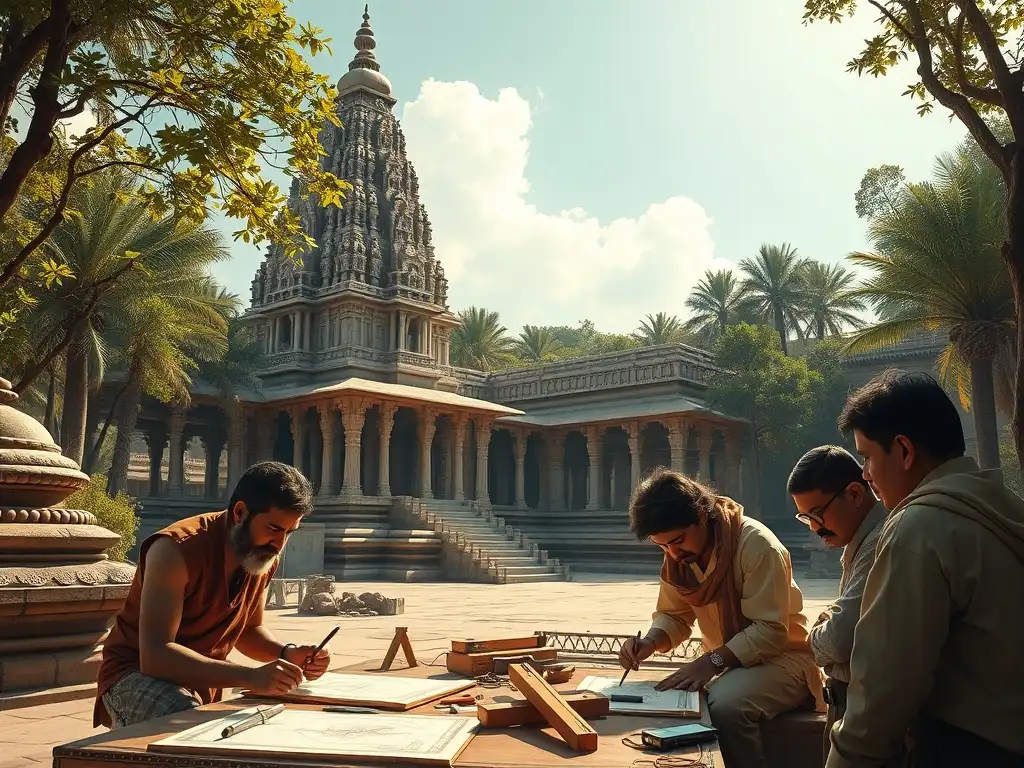
Mathematics played a pivotal role in the construction of ancient Indian temples, influencing everything from their foundational layouts to the intricate carvings that adorned their surfaces. The architects of these grand structures employed geometric principles, symmetry, and proportion to create harmonious designs that not only served aesthetic purposes but also embodied spiritual significance. Temples such as the Brihadeeswarar Temple in Thanjavur exemplify this influence, showcasing complex layouts that reflect mathematical precision.
The principles of geometry were particularly important in establishing the temple's orientation and layout. For instance, many temples were aligned to cardinal directions, which required precise calculations to ensure accuracy. The use of various geometric shapes, such as squares and circles, was common, symbolizing the cosmos and the divine. Furthermore, the concept of "Vastu Shastra," a traditional Indian system of architecture, integrates mathematical calculations into the planning of spaces, emphasizing the significance of directional alignment and proportions.
Tools and Techniques Used by Ancient Architects
Ancient Indian architects employed a variety of tools and techniques to achieve the remarkable precision evident in temple architecture. Some of the primary tools included:
- Measuring Instruments: Tools like the
panchang, a five-measure system, were used to ensure accurate distances and dimensions. This allowed builders to maintain proportional relationships between different parts of the structure. - Plumb Lines and Levels: These tools helped in establishing verticality and horizontality, ensuring that the temple's walls were straight and the floors were level.
- Templates and Models: Scale models of the temple were often constructed to visualize the layout and proportions before actual construction began. This practice allowed architects to make necessary adjustments early in the process.
The techniques used by these architects also involved meticulous planning and collaboration among various specialists, including mathematicians, artisans, and craftsmen, to realize the complex designs envisioned.
The Significance of Measurements and Scale in Temple Building
Measurements and scale were crucial components in the process of temple building in ancient India. Each temple was designed with specific ratios and scales that not only defined its physical attributes but also its spiritual essence. The use of the sama, a unit of measurement based on human proportions, ensured that the temple's dimensions resonated with the human experience.
Moreover, the concept of sacred geometry was integral to temple architecture. The mandala, a geometric figure representing the universe, often served as a blueprint for temple layouts, reinforcing the connection between the physical structure and cosmic principles. The precise measurements used in the construction process were believed to attract positive energies and blessings, making the temple a focal point for spiritual practices.
Conclusion: Legacy of Mathematical Principles in Ancient Indian Temple Architecture
The mathematical principles embedded in ancient Indian temple architecture continue to resonate through the ages, showcasing the ingenuity and sophistication of ancient builders. The thoughtful application of geometry, proportion, and measurement not only enhanced the aesthetic appeal of these structures but also imbued them with profound spiritual significance. This legacy can be seen in the enduring beauty and functionality of temples, which have become symbols of cultural identity and heritage.
Lasting Impact on Modern Architecture

The influence of ancient Indian temple architecture extends into modern architectural practices. Contemporary architects often draw inspiration from the geometric precision and harmonious proportions of these ancient structures. The principles of symmetry, balance, and spatial organization are increasingly recognized in modern designs, reflecting a blend of traditional wisdom with contemporary aesthetics.
Furthermore, the resurgence of interest in sustainable and culturally rich architecture has led to a revival of traditional techniques and materials reminiscent of ancient practices. This connection to the past not only honors cultural heritage but also brings forward timeless principles that continue to inspire innovation in modern architecture.
The continued relevance of Ancient Indian Mathematics in Contemporary Design
Ancient Indian mathematics remains relevant in contemporary design across various disciplines, from architecture to urban planning. The mathematical concepts developed during ancient times, such as the use of ratios and proportions, continue to inform modern design methodologies. These principles provide a framework for creating spaces that are not only visually appealing but also functional and harmonious.
Moreover, the study of ancient Indian mathematics encourages a deeper understanding of cultural heritage and its application in today's context. By integrating these mathematical foundations into contemporary practices, designers can create environments that resonate with historical significance while addressing modern needs and challenges. The legacy of ancient Indian mathematics thus endures, influencing and enriching contemporary design in meaningful ways.
References and Further Reading on Ancient Indian Temple Architecture
The study of ancient Indian temple architecture is rich and multifaceted, encompassing a variety of influences, styles, and mathematical principles. For those interested in delving deeper into this fascinating topic, there are numerous resources available that provide comprehensive insights and analyses. Below are some recommended books, articles, and academic journals that explore the intricate details of ancient Indian temple architecture, highlighting the mathematical principles that underpin these architectural marvels.
Suggested Books and Articles on the Subject
-
"Indian Temple Architecture: Form and Transformation" by Adam Hardy
This book provides an in-depth examination of the evolution of Indian temple architecture, focusing on the geometric principles and mathematical concepts that have influenced design throughout history.
-
"The Architecture of the Indian Subcontinent" by Takeo Kamiya
A comprehensive overview of the architectural styles in India, this work includes sections dedicated to the mathematical foundations of temple design and the significance of symmetry and proportion.
-
"Temples of India: A Comprehensive Guide" by R. K. Sharma
This guide offers insights into specific temples across India, detailing their architectural features and the mathematical principles employed in their construction.
-
"Mathematics in India" by Kim Plofker
This scholarly work explores the broader context of mathematics in ancient India, including its application in architecture and engineering, particularly in temple construction.
-
"Sacred Architecture and the Geometry of the Cosmos" by Richard M. Kauffman
This article discusses the spiritual significance of mathematical principles in temple architecture, particularly how geometry reflects cosmic order.
Academic Journals and Research Papers
-
Journal of the Society of Architectural Historians
This journal frequently publishes articles examining various aspects of ancient architecture, including studies focused on Indian temples and their mathematical foundations.
-
Journal of Indian Philosophy
Articles in this journal often explore the philosophical implications of architectural practices in ancient India, including the role of mathematics in temple design.
-
"Mathematics and Architecture: A Historical Perspective"
This research paper examines the relationship between mathematics and architecture throughout history, with case studies on ancient Indian temples.
-
"Geometric Principles in Ancient Indian Temple Architecture" by R. S. Sharma
A focused study on how geometric principles were integrated into the design of temples, this paper sheds light on the mathematical sophistication of ancient Indian builders.
-
"The Intersection of Religion and Mathematics in Ancient India"
This academic paper investigates how religious beliefs influenced the mathematical approaches used in temple architecture.
These resources provide a thorough grounding in the subject and facilitate a deeper understanding of the mathematical principles that characterize ancient Indian temple architecture. Whether you are a student, researcher, or enthusiast, these readings will enhance your appreciation of the intricate relationship between mathematics and architecture in ancient India.
- Introduction to Ancient Indian Temple Architecture
- Historical Context of Ancient Indian Temples
- Key Mathematical Principles in Temple Architecture
- Case Studies of Notable Ancient Indian Temples
- The Influence of Mathematics on Temple Construction Techniques
- Tools and Techniques Used by Ancient Architects
- The Significance of Measurements and Scale in Temple Building
- Conclusion: Legacy of Mathematical Principles in Ancient Indian Temple Architecture
- Lasting Impact on Modern Architecture
- The continued relevance of Ancient Indian Mathematics in Contemporary Design
- References and Further Reading on Ancient Indian Temple Architecture
- What are the key features of ancient Indian temple architecture?
- How did mathematics influence ancient Indian temple designs?
- What are some notable examples of ancient Indian temples?
- How does ancient Indian architecture reflect its cultural diversity?
- What contributions did the Gupta Empire make to temple architecture?
Frequently Asked Questions
What are the key features of ancient Indian temple architecture?
Ancient Indian temple architecture is characterized by intricate carvings, sculptures, and elaborate designs that reflect the cultural and religious significance of the structures.
How did mathematics influence ancient Indian temple designs?
Mathematics played a crucial role in the alignment, proportions, and symmetry of temples, ensuring that structures were not only aesthetically pleasing but also structurally sound.
What are some notable examples of ancient Indian temples?
Prominent examples include the Brihadeeswarar Temple in Thanjavur and the Kandariya Mahadeva Temple in Khajuraho, both showcasing the geometric precision and artistic mastery of their time.
How does ancient Indian architecture reflect its cultural diversity?
The diversity in styles and techniques across different regions, such as the Nagara and Dravidian styles, highlights the regional variations and the influence of local traditions and beliefs.
What contributions did the Gupta Empire make to temple architecture?
The Gupta Empire is known for its innovative designs and construction techniques, leading to significant advancements in temple architecture, including the use of shikhara and ornate carvings.
Final Reflection: The Enduring Legacy of Ancient Indian Temple Architecture
The intricate mathematical principles behind ancient Indian temple architecture not only showcase the brilliance of our ancestors but also resonate profoundly in today's world. As we navigate the complexities of modern architecture and design, the wisdom embedded in these ancient structures serves as a reminder of the harmonious relationship between mathematics, art, and spirituality. The precision and thoughtfulness that went into constructing these temples reflect a deep understanding of geometry and proportion, which continues to inspire architects and scholars alike.
The influence of ancient Indian temple architecture extends far beyond its physical structures; it shapes our cultural identity and spiritual practices. The meticulous designs and sacred geometry found in these temples invite us to appreciate the interconnectedness of our existence and the universe. Architecture is the learned game, correct and magnificent, of forms assembled in the light.
– Le Corbusier. This quote encapsulates the essence of how ancient Indian temples were not merely buildings but profound expressions of knowledge, devotion, and community.
As we reflect on the lessons from ancient Indian temple architecture, let us embrace the call to honor and preserve this legacy. Consider how you can incorporate the principles of balance, harmony, and purpose into your own life and work. Whether through mindful design in your surroundings or fostering a deeper connection with your cultural heritage, each of us has the power to carry forward the wisdom of the past into the future. Take a moment to reflect on how these timeless principles can inspire your journey and contribute to a more harmonious world.
Unveil the Secrets of Ancient Indian Architecture!
Thank you for diving into the fascinating world of ancient Indian temples and structures with us! Your interest in the mathematical principles that shaped these magnificent creations opens the door to a deeper understanding of our rich heritage. Now, it's time to take action and explore further!
- Visit a local museum or temple to experience these architectural marvels up close and appreciate their intricate designs.
- Join a discussion group or online forum dedicated to the mathematics of architecture to connect with fellow enthusiasts and share your insights.
- Consider volunteering at a heritage site, where you can help preserve the cultural treasures of our past while gaining a deeper understanding of their construction techniques.
Which architectural principles or techniques do you believe are essential for preserving our ancient heritage today?