
The Legacy of Women in Ancient Indian Education Systems

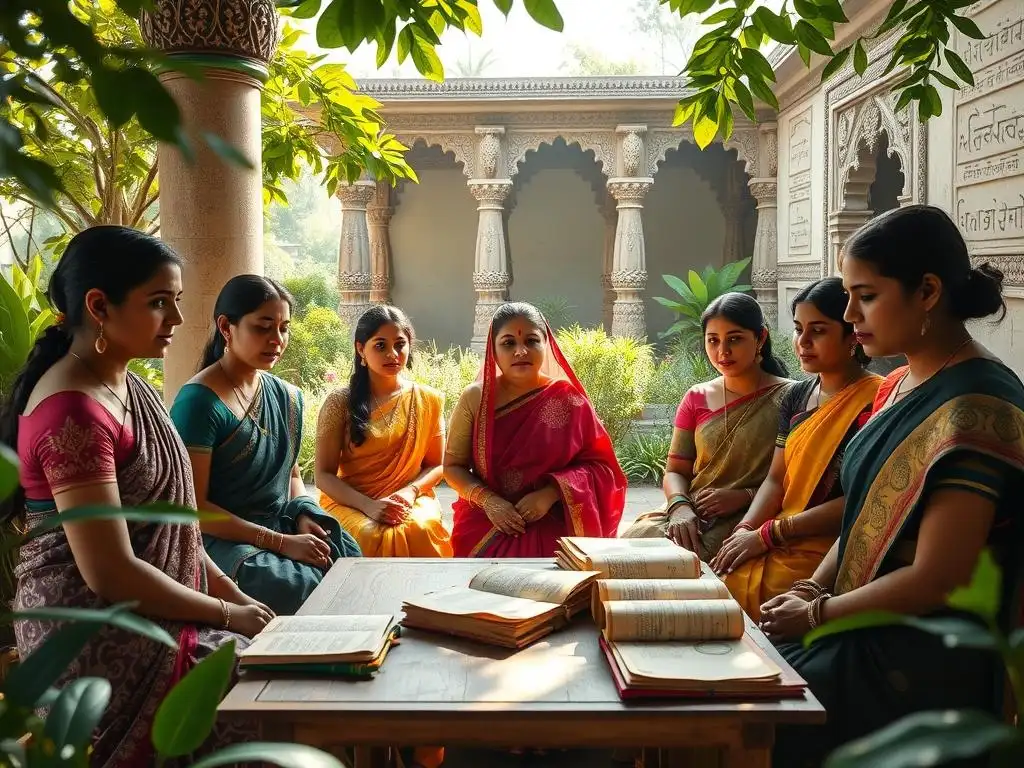
Welcome to Ancient India History! Here, we embark on a fascinating journey through the vibrant tapestry of ancient Indian civilizations, delving into their rich history and remarkable contributions. In our featured article, The Legacy of Women in Ancient Indian Education Systems, we uncover the pivotal roles women played in shaping educational practices and preserving knowledge during times of great philosophical and cultural evolution.
Prepare to be intrigued as we explore how these trailblazing women not only influenced the educational landscape but also left an indelible mark on society. Dive deeper with us and discover the untold stories that continue to inspire generations!
Introduction to Women in Ancient Indian Education
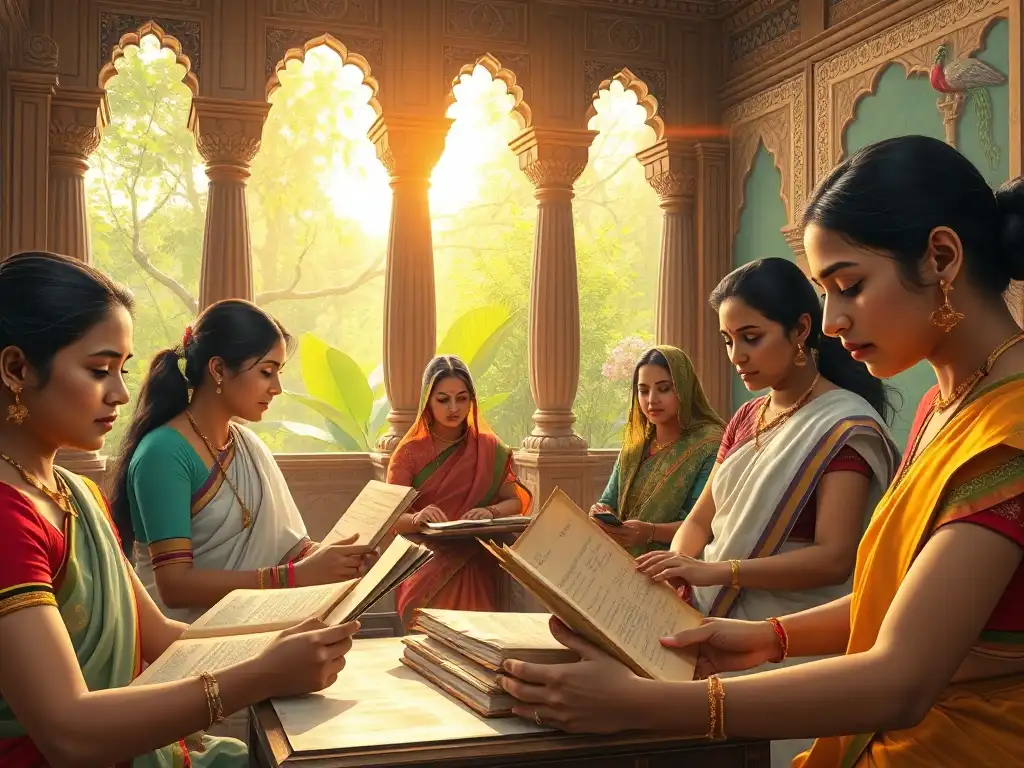
The role of women in ancient Indian education is a rich and multifaceted aspect of history that has often been overlooked. While traditional narratives frequently highlight the contributions of male scholars and educators, women played a crucial role in shaping educational systems and philosophies throughout ancient India.
From the earliest Vedic texts to the flourishing of Buddhist educational institutions, women not only participated in learning but also contributed significantly to the intellectual and spiritual landscape of their times. Understanding the legacy of women in ancient Indian education is essential for appreciating the broader context of gender roles within Indian civilization and the contributions of women to philosophy, religion, and society.
Overview of Ancient Indian Education Systems
Ancient Indian education was characterized by its diversity and adaptability, influenced by various cultural, religious, and philosophical traditions. The primary systems of education included the Gurukula system, where students lived with their teachers (gurus) in a residential setting, and the more formalized institutions that emerged later, particularly during the Gupta period.
Key features of ancient Indian education systems included:
- Focus on Holistic Learning: Education encompassed not only academic knowledge but also moral and ethical training.
- Religious Instruction: A significant portion of the curriculum was devoted to Vedic studies, philosophy, and spiritual practices.
- Inclusivity: While Brahminical traditions often dominated, some texts and practices indicate that women were allowed to participate in educational activities, particularly in certain philosophical and spiritual contexts.
Significance of Women's Roles in Education
Women in ancient India were not merely passive recipients of education; they were active participants and contributors. Their roles varied widely based on class, region, and religious affiliation, yet their impact was profound:
- Preservation of Knowledge: Women often played a crucial role in preserving oral traditions and texts, ensuring the transmission of knowledge across generations.
- Philosophical Contributions: Many women philosophers and scholars emerged, contributing to discussions on ethics, spirituality, and social issues, thereby enriching the intellectual discourse of their time.
- Influence on Future Generations: As educators and mentors, women influenced their families and communities, instilling values and knowledge in the next generation.
Historical Context of Women in Education
Education in the Vedic Period
The Vedic period (approximately 1500-500 BCE) laid the foundation for Indian education, and it is during this time that we begin to see women's involvement. While the majority of Vedic texts were composed by male sages, some evidence suggests that women, known as Brahmavadinis, were educated in sacred knowledge and participated in spiritual discourses.
Key aspects include:
- Access to Vedic Knowledge: Some texts, like the Rigveda, contain hymns attributed to women, illustrating their engagement in religious and philosophical thought.
- Role in Rituals: Women were often involved in rituals and ceremonies, further emphasizing their educational role in understanding sacred texts and practices.
Contributions of Women in the Upanishadic Era
The Upanishadic era (approximately 800-200 BCE) marked a significant evolution in Indian thought, with a shift towards more philosophical inquiry. During this time, women began to emerge as notable thinkers and scholars.
Highlights include:
- Notable Figures: Women such as Gargi and Maitreyi are mentioned in the Upanishads for their intellectual prowess and philosophical dialogues with male sages.
- Philosophical Debates: Their participation in philosophical debates not only challenged gender norms but also enriched the spiritual discourse of the period.
The Influence of Buddhist Education on Women
The rise of Buddhism around the 5th century BCE brought about a transformative approach to education, particularly concerning women's roles. Buddhist monastic communities provided women with unprecedented access to education.
Key points include:
- Establishment of Monasteries: Buddhist monasteries became centers of learning for both men and women, offering educational opportunities that were often unavailable in other traditions.
- Prominent Female Figures: Women like Mahapajapati Gotami, the Buddha's aunt, played a pivotal role in the establishment of the Bhikkhuni Sangha, advocating for women's education and spiritual development.
By delving into these historical contexts, we can better understand the legacy of women in ancient Indian education and their contributions to shaping the educational landscape of their time.
Prominent Women Educators in Ancient India
Ancient India boasted a rich tradition of education that transcended gender boundaries, with several prominent women educators making significant contributions. These women not only challenged the stereotypes of their time but also played crucial roles in shaping the educational landscape. Their impact can be traced through various texts, philosophies, and oral traditions that highlight their intellect and authority in education.
Gargi: The Philosopher and Scholar
Gargi Vachaknavi is one of the most celebrated figures in ancient Indian philosophy and education. She is renowned for her profound knowledge and logical reasoning, particularly evident in the Brihadaranyaka Upanishad, where she engages in philosophical debates with male sages. Gargi's willingness to question established norms and seek deeper truths exemplifies the intellectual vigor of women in ancient Indian education. Her legacy continues to inspire discussions on the role of women in philosophy and the importance of inclusive education.
Maitreyi: The Trailblazer of Women’s Education
Maitreyi, another prominent sage and philosopher, is often recognized for her contributions to the discourse on education and spirituality. In the context of the Brihadaranyaka Upanishad, Maitreyi is depicted as a learned woman who dialogues with her husband, Yajnavalkya, on complex philosophical matters. Her insistence on understanding the nature of the self and existence underscores the intellectual capabilities of women in ancient India, paving the way for future generations of female scholars. Maitreyi's legacy is significant in promoting the idea that women can be both educators and learners in their own right.
Other Notable Women in Ancient Indian Education
In addition to Gargi and Maitreyi, several other women made notable contributions to ancient Indian education. For instance, the poetess and scholar, Lopamudra, is known for her poetic compositions and philosophical insights, while Sulabha, a learned woman, is recognized for her debates with male scholars. These women, alongside many others, illustrate the diverse roles women played in fostering knowledge and education during ancient times, showcasing a tradition of intellectual engagement that transcended gender limitations.
The Role of Women in Gurukuls and Ashrams
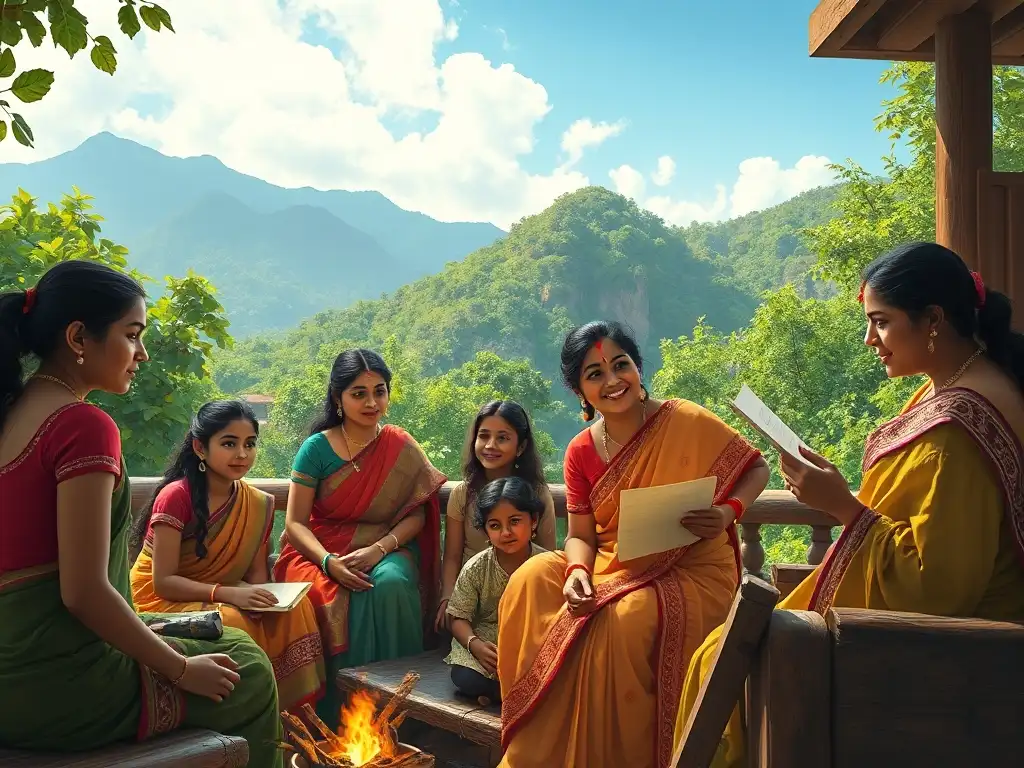
The Gurukul system, an ancient form of education in India, was characterized by its inclusive nature, allowing women to participate actively in learning alongside men. Women played essential roles in both Gurukuls and Ashrams, contributing to the transmission of knowledge and culture.
Structure of Gurukuls: Inclusion of Women
Gurukuls were often structured to facilitate the education of both boys and girls, emphasizing the importance of a holistic educational experience. Female students were taught various subjects, including philosophy, mathematics, and the arts, which were traditionally considered male domains. This inclusive structure not only empowered women but also ensured that they had access to the same level of education as their male counterparts, fostering a society that valued knowledge regardless of gender.
Women as Educators and Knowledge Keepers
Women in Gurukuls and Ashrams often served as educators and knowledge keepers, passing down wisdom through generations. Their roles included teaching younger students, guiding discussions, and preserving ancient texts and traditions. By engaging in these educational practices, women not only contributed to their communities but also asserted their positions as intellectual leaders. This legacy underscores the critical role women played in maintaining and advancing the educational standards of ancient Indian society.
Impact on Society and Culture
The involvement of women in education during ancient times had a profound impact on society and culture. By promoting the idea that women could be scholars and educators, these pioneers challenged societal norms and contributed to a more egalitarian view of education. The knowledge shared by women facilitated the growth of a vibrant cultural and intellectual environment, influencing literature, philosophy, and the arts. This legacy continues to resonate today, reminding us of the significant contributions of women in shaping the educational landscape of ancient India.
Philosophical Contributions of Women
The contributions of women in ancient Indian education systems extend far beyond mere participation; they were pivotal in shaping philosophical thought and spiritual education. Women philosophers and educators played a crucial role in the discourse of Vedic philosophy, contributing unique perspectives that enriched the intellectual landscape of ancient India. Their insights not only influenced the teachings of their time but also provided a foundation for subsequent generations. The legacy of these women is reflected in the texts and traditions that continue to inform contemporary understanding of philosophy and education in India.
Women’s Perspectives in Vedic Philosophy
During the Vedic period, women such as Gargi and Maitreyi emerged as prominent thinkers, engaging in discussions that challenged traditional philosophical boundaries. Gargi, known for her profound questions during the philosophical debates at King Janaka's court, posed inquiries about the nature of the universe and the self, demonstrating that women possessed deep intellectual capabilities.
Maitreyi, another notable figure, was celebrated for her dialogue with the sage Yajnavalkya, where she sought knowledge about the nature of reality and the self. Their contributions illustrate that women's perspectives were not only accepted but revered in philosophical circles, providing a counter-narrative to the male-dominated discourse of the time.
The Role of Women in Spiritual Education
Women in ancient India also played significant roles in spiritual education, often serving as gurus and mentors. Spiritual leaders like the poet-saint Mirabai and the philosopher Anandamayi Ma were instrumental in disseminating knowledge and promoting the spiritual teachings of their respective traditions. They taught not only through formal instruction but also through personal example, embodying the principles they espoused. Their influence extended to a wide audience, inspiring both men and women to explore spirituality and philosophical inquiry. This role was essential in fostering a more inclusive educational environment where diverse voices and experiences contributed to the understanding of spirituality.
Legacy of Women Philosophers in Ancient Texts
The philosophical contributions of women have been preserved in various ancient texts, showcasing their intellectual prowess and the respect they commanded. Texts such as the Upanishads and the Brahmanas contain references to female philosophers, reflecting their integral role in the development of philosophical ideas. Additionally, commentaries written by women on existing philosophical works further solidified their legacy, ensuring that their insights were not lost to history. This preservation of knowledge highlights the importance of women in the intellectual tradition of ancient India, emphasizing their contributions as both educators and philosophers.
Challenges Faced by Women in Ancient Education
Despite their significant contributions, women in ancient India faced numerous challenges that hindered their full participation in educational systems. Societal norms, economic factors, and political circumstances often dictated the extent to which women could engage in learning and teaching. Understanding these challenges is crucial to appreciating the resilience and determination of women who sought knowledge and education in a restrictive environment.
Societal Norms and Restrictions
Societal norms in ancient India often dictated strict roles for women, confining them to domestic spheres and limiting their access to formal education. The prevailing belief in women's primary responsibilities as wives and mothers restricted their opportunities to engage in philosophical and educational pursuits. In many cases, educational institutions were predominantly male, and women who sought knowledge faced societal backlash. However, some families broke these norms, allowing women to pursue education, albeit against the grain of societal expectations. This divergence underscores the complex interplay between tradition and the pursuit of knowledge among women.
Economic and Political Factors Affecting Women's Education
Economic constraints played a pivotal role in limiting women's access to education. Families often prioritized the education of male children due to the expectation that they would become the primary breadwinners. Additionally, political instability and warfare could disrupt educational institutions, further marginalizing women's educational opportunities. In some regions, the lack of resources meant that educational facilities were not available to women, forcing them to rely on informal modes of learning, such as oral traditions. Despite these challenges, many women persevered, seeking knowledge through alternative means and contributing to the preservation of culture and philosophy.
Preservation of Knowledge and Oral Traditions
The oral tradition was a significant aspect of knowledge preservation in ancient India, and women played a vital role in this process. Through storytelling, hymns, and rituals, women transmitted cultural and philosophical knowledge across generations. This method of knowledge-sharing allowed women to maintain their connection to education and philosophy, even when formal avenues were closed to them.
The oral traditions created a rich tapestry of knowledge that celebrated women's contributions and ensured their voices were heard, albeit often in the background of the dominant narrative. This legacy of oral transmission highlights the resilience of women in the face of educational limitations, showcasing their vital role in the continuity of ancient Indian culture and philosophy.
The Influence of Religion on Women’s Education
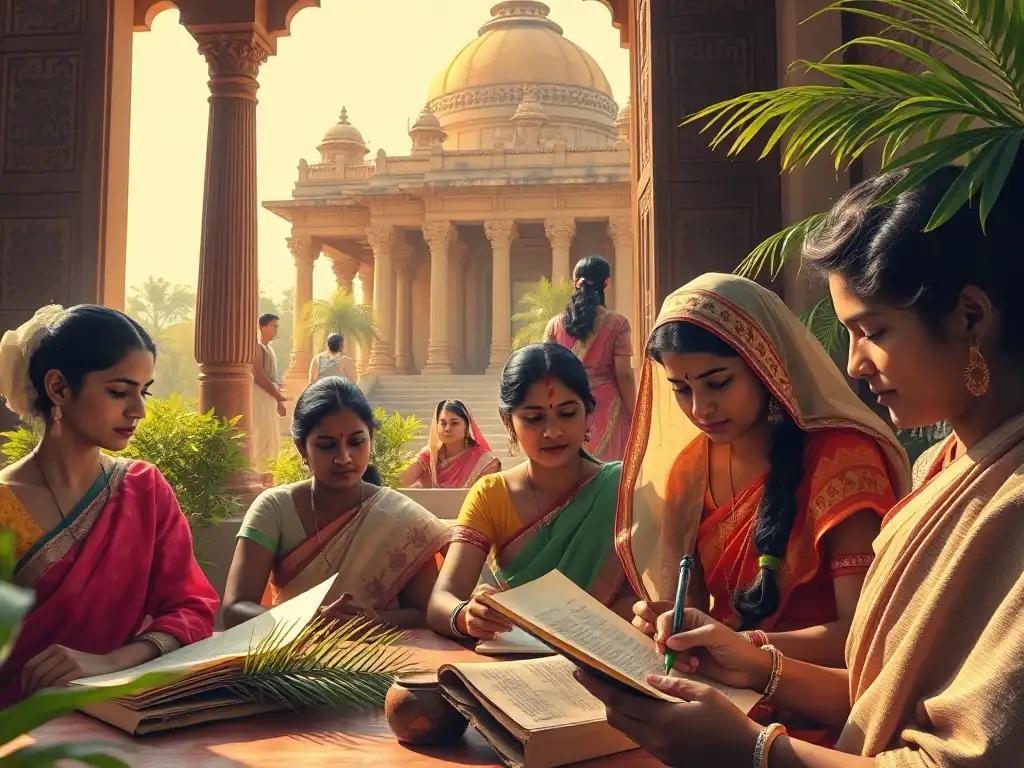
In ancient India, religion played a pivotal role in shaping the educational landscape for women. Different religious traditions contributed uniquely to the educational opportunities available to women, influencing their roles within society and their access to knowledge. The interplay between religious doctrine and cultural practices often determined the extent to which women could engage in formal and informal learning, leading to varied educational experiences across different regions and communities.
Hinduism and Women’s Educational Roles
Hinduism, one of the predominant religions in ancient India, had a complex relationship with women's education. While Vedic texts such as the Rigveda acknowledged the intellectual capabilities of women, later interpretations often restricted their access to formal education. However, notable figures like Gargi and Maitreyi emerged in ancient texts as learned scholars, indicating that women's education was not entirely absent.
In some regions, the concept of Gurukul allowed women to receive education alongside men, particularly in the realms of philosophy, literature, and the arts. Educational institutions such as Ashrams sometimes provided women with opportunities to learn sacred texts and engage in spiritual discourse. Despite the challenges posed by societal norms, many women participated in oral traditions, passing down knowledge through generations, thus ensuring their roles as educators and preservers of culture.
The Impact of Jainism and Buddhism on Women’s Education
Jainism and Buddhism significantly contributed to the evolution of women's education in ancient India by promoting inclusivity and emphasizing the importance of knowledge. Both religions encouraged the pursuit of learning for all, including women, often establishing monastic communities where women could access education.
In Jain communities, women were respected as scholars and teachers, with texts like the Acaranga Sutra illustrating their contributions to philosophy and ethics. Buddhism, similarly, created spaces for women to learn and practice, as seen in the establishment of Bhikkhuni orders, where women could attain spiritual knowledge and engage in scholarly activities. The teachings of figures like Mahapajapati Gotami, the Buddha's aunt, further exemplified the role of women in disseminating knowledge and fostering educational growth within their communities.
Cross-Cultural Influences on Women’s Learning
The educational experiences of women in ancient India were not only shaped by indigenous religious practices but also by cross-cultural interactions. The Silk Road and maritime trade routes facilitated the exchange of ideas and knowledge between India and other civilizations, including Persia, Greece, and China.
These interactions led to the blending of educational philosophies and practices. For instance, the influence of Greek thought and methodology can be seen in the way philosophical discourses evolved in Indian texts. Women from different cultural backgrounds often shared knowledge and educational practices, enriching the learning environment. The rise of cosmopolitan cities, where diverse cultures coexisted, further offered women unique opportunities to learn from various traditions, enhancing their roles as intellectuals and educators within their own communities.
Conclusion: The Enduring Legacy of Women in Ancient Indian Education
The legacy of women in ancient Indian education is profound and multifaceted, reflecting the rich tapestry of cultural, religious, and philosophical influences that shaped their learning experiences.
Reflection on Women’s Contributions to Knowledge
Women’s contributions to knowledge in ancient India were significant, often overlooked yet crucial in the preservation and dissemination of cultural and spiritual wisdom. Through oral traditions, scholarship, and active participation in educational systems, women played an integral role in shaping the intellectual landscape of their times. Their efforts not only enriched their communities but also laid the groundwork for future generations of scholars.
The Modern Relevance of Ancient Indian Educational Practices
The educational practices of ancient India, particularly regarding women's roles, hold modern relevance as societies strive for gender equality in education. By recognizing the historical contributions of women, contemporary educational frameworks can draw inspiration from the inclusive practices of the past, promoting a more equitable learning environment.
Call to Recognize and Honor Women’s Historical Roles
To honor the legacy of women in ancient Indian education, it is imperative to acknowledge their historical roles and contributions. This recognition can serve as a catalyst for future scholarship and inspire current and future generations to appreciate and uphold the values of inclusivity, respect, and the pursuit of knowledge for all, regardless of gender. By celebrating these contributions, we ensure that the rich history of women's education continues to be a vital part of our collective cultural heritage.
References
The study of women's roles in ancient Indian education is enriched by a variety of scholarly works, historical texts, and archaeological findings. These references provide insights into the contributions of women and the educational practices that shaped their lives in ancient Indian society. Below are some key sources that can be consulted for a deeper understanding of this topic.
Suggested Readings on Women in Ancient Indian Education
-
"Women in Ancient India" by R. S. Sharma
This book provides an overview of women's status, roles, and contributions throughout ancient Indian history, including their involvement in education and learning.
-
"The Role of Women in Education in Early India" by Kumudini P. Sharma
This research article explores the educational opportunities available to women during ancient times and highlights notable female scholars and educators.
-
"Historical Perspectives on Women's Education in India" by Nandita Sharma
This compilation offers various essays discussing the evolution of women's education in India, focusing on ancient practices and their implications.
-
"The Vedic Era: Women and Education" by Devika B. Menon
Menon examines the role of women in the Vedic period, specifically their participation in educational activities and philosophical discussions.
-
"Educating Women: The Indian Experience" by Shalini V. Rao
This book covers the historical trajectory of women's education in India, providing insights into how ancient systems laid the groundwork for future advancements.
Key Texts and Sources for Further Research
-
The Rigveda
As one of the oldest sacred texts, the Rigveda contains references to women scholars and their contributions to Vedic education, shedding light on the early educational practices.
-
The Manusmriti
This ancient legal text discusses the roles of women in society, including education, offering a perspective on the accepted norms and rules governing women's learning.
-
Tales from the Upanishads
The Upanishads include stories and philosophical discussions that feature women as knowledgeable figures, highlighting their contributions to ancient Indian thought.
-
Archaeological Reports from the Indus Valley Civilization
Findings from archaeological digs in the Indus Valley provide evidence of educational structures and artifacts that suggest the presence of women in educational roles.
-
"Women Philosophers in Ancient India" by Aditi Shankar
This scholarly work delves into the lives and teachings of female philosophers in ancient India, emphasizing their educational philosophies and impact on society.
These readings and texts form a solid foundation for understanding the complex legacy of women in ancient Indian education systems, illustrating their important roles in shaping intellectual traditions and cultural practices.
- Introduction to Women in Ancient Indian Education
- Historical Context of Women in Education
- Prominent Women Educators in Ancient India
- The Role of Women in Gurukuls and Ashrams
- Philosophical Contributions of Women
- Challenges Faced by Women in Ancient Education
- The Influence of Religion on Women’s Education
- Conclusion: The Enduring Legacy of Women in Ancient Indian Education
- References
- What role did women play in ancient Indian education systems?
- Were there any formal institutions for women's education in ancient India?
- How did the education of women differ across ancient Indian civilizations?
- What subjects were women taught in ancient Indian educational systems?
- How did ancient Indian education systems affect women's status in society?
Frequently Asked Questions
What role did women play in ancient Indian education systems?
Women in ancient India were actively involved in education, contributing as teachers and scholars in various fields, including philosophy and literature.
Were there any formal institutions for women's education in ancient India?
Yes, ancient India had gurukuls and ashrams where women could receive education, particularly in subjects like music, dance, and scripture.
How did the education of women differ across ancient Indian civilizations?
The education of women varied significantly, with some regions offering more opportunities for learning than others, influenced by cultural and social norms of the time.
What subjects were women taught in ancient Indian educational systems?
Women were typically educated in arts, sciences, and spiritual texts, with a focus on skills that were beneficial for both personal development and societal contributions.
How did ancient Indian education systems affect women's status in society?
The education that women received helped to enhance their status in society, allowing them to participate more fully in intellectual and cultural life, although this varied by region and time period.
Final Reflection: The Enduring Legacy of Women in Ancient Indian Education
The contributions of women in ancient Indian education systems remain profoundly relevant today, as they highlight the pivotal role of female scholars and educators in shaping knowledge and culture. The exploration of this topic reveals not only the historical significance of women in education but also underscores the ongoing struggle for gender equality in academic spaces. As we reflect on the past, we must recognize that the legacy of these women continues to inspire modern movements advocating for equal educational opportunities for all.
The influence of women in ancient Indian education is a testament to the resilience and intellect of female scholars who defied societal norms. Their stories remind us that education has always been a powerful tool for empowerment and change. When you educate a woman, you educate a nation.
This quote encapsulates the essence of the impact that educated women can have on society, emphasizing that their contributions are foundational to the progress of communities and cultures alike.
As we look to the future, let us take a moment to reflect on our own roles in promoting educational equity. Consider how you can champion the cause of women in education, whether through mentorship, advocacy, or simply by sharing their stories. By honoring the legacy of women in ancient Indian education, we not only celebrate their achievements but also commit ourselves to ensuring that future generations of women have the same opportunities to learn, teach, and lead.
Embrace the Legacy: Take Action Today!
Thank you for diving into the fascinating world of women in ancient Indian education systems! Your interest not only enriches your understanding but also honors the incredible contributions of these trailblazers. Now, it's time to bring that knowledge to life. Here are some powerful steps you can take today:
- Explore local museums or cultural centers that showcase the rich history of education in ancient India. This will deepen your appreciation and understanding of their contributions.
- Share this article with your friends and family to spark conversations about the significance of women's roles in education throughout history.
- Consider volunteering or supporting initiatives that focus on women's education and empowerment in your community. Your commitment can help continue this important legacy!
What aspect of women's education in ancient India inspires you the most, and how do you think it can influence modern education today?