
The Intersection of Art and Science: Gupta Innovations in Sculpture and Engineering

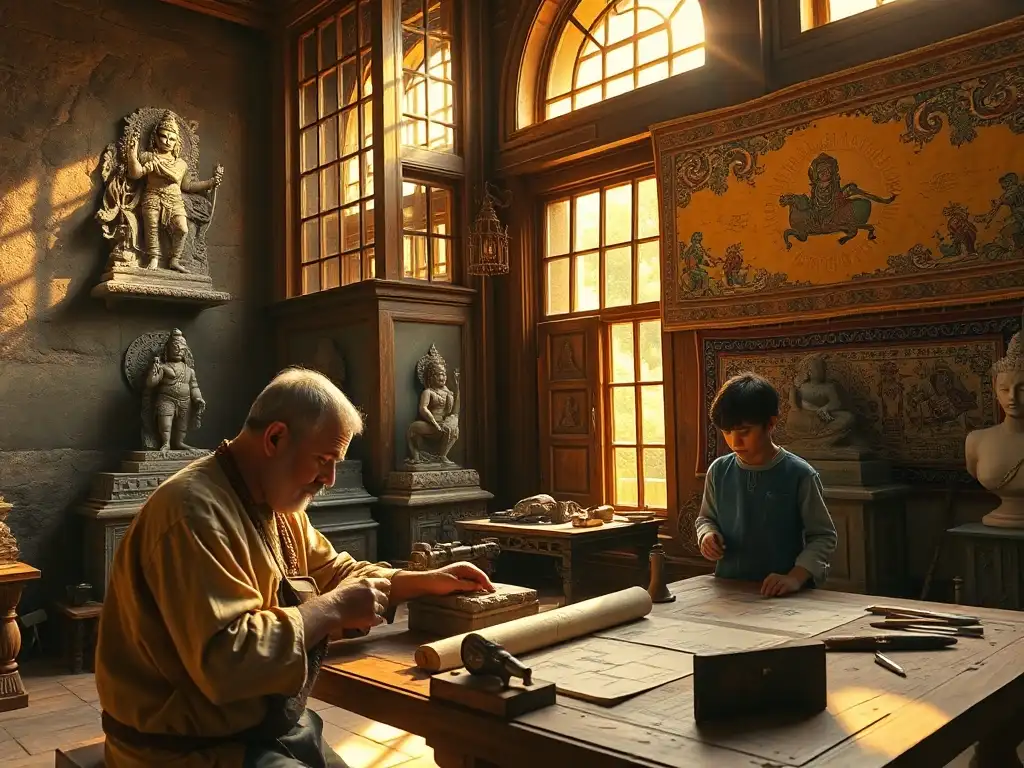
Welcome to Ancient India History, where we embark on a fascinating journey through the rich tapestry of ancient Indian civilizations. Delve into the remarkable era of the Gupta Empire, a time when art and science intertwined to create extraordinary innovations in sculpture and engineering. This exploration not only showcases the artistic brilliance but also uncovers the ingenious engineering feats that defined this golden age. Are you ready to discover how these innovations shaped the cultural landscape? Let’s dive deeper into the intersection of art and science that still resonates today!
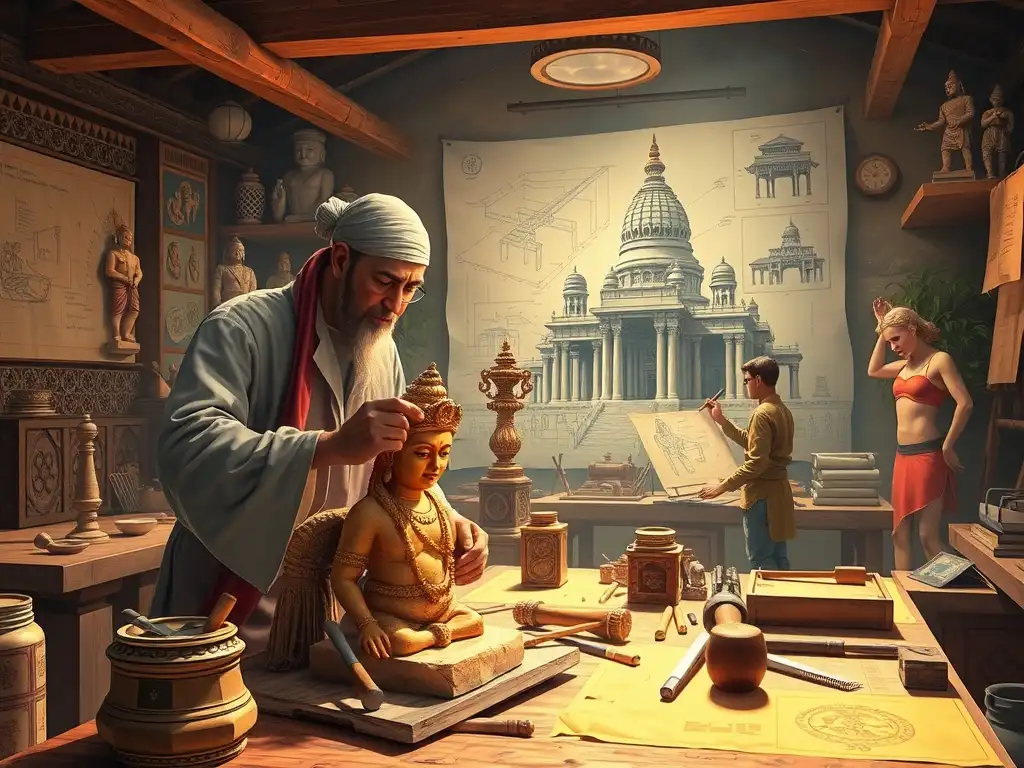
Introduction to the Gupta Empire
The Gupta Empire, often referred to as the "Golden Age of India," flourished between approximately 320 and 550 CE. This period is characterized by remarkable advancements in multiple fields, including art, science, mathematics, and philosophy. The Gupta rulers, particularly Chandragupta I and his successors, played a significant role in fostering an environment where creativity and intellectual pursuits could thrive. As a result, the empire became a melting pot of cultural and scientific innovations, setting a precedent for future generations.
In this article, we will explore the intricate relationship between art and science during the Gupta period, particularly focusing on sculpture and engineering innovations. The Gupta Empire's contributions to these fields not only reflect the aesthetic sensibilities of the time but also showcase the advanced techniques and knowledge that were employed. By examining these innovations, we can gain a deeper understanding of how the Gupta Empire laid the groundwork for future artistic and scientific endeavors.
Overview of the Gupta Empire's Cultural Significance
The Gupta Empire is renowned for its extensive cultural achievements, which have left an indelible mark on Indian history. Known for promoting Hinduism and Buddhism, the empire saw the construction of numerous temples, stupas, and sculptures that are masterpieces of artistic expression. This period also witnessed a flourishing of literature, with notable works such as Kalidasa's plays and Aryabhata's contributions to mathematics and astronomy.
The Gupta period's cultural significance can be attributed to its emphasis on education and scholarship. Universities like Nalanda and Takshashila attracted scholars from across the world, fostering an environment of learning that facilitated the exchange of ideas and knowledge. This cultural revival not only promoted the arts and sciences but also solidified the Gupta Empire's legacy as a beacon of civilization in ancient India.
Key Contributions to Art and Science
The Gupta Empire made significant contributions to both art and science, intertwining these fields to create a rich tapestry of innovation. In the realm of sculpture, Gupta artisans developed techniques that allowed for greater realism and expression in their work. The intricate carvings of deities and mythological figures reflected the spiritual and cultural beliefs of the time, showcasing the skills of sculptors who mastered the use of stone and metal.
In science, the Gupta Empire is credited with advances in mathematics, astronomy, and medicine. Mathematicians like Aryabhata introduced concepts such as zero and the decimal system, while astronomers accurately calculated the circumference of the Earth. These scientific innovations not only influenced Indian culture but also laid the groundwork for future developments in various disciplines.
Gupta Empire Sculpture Innovations
The innovations in sculpture during the Gupta Empire exemplify the intersection of artistic creativity and technical mastery. This period is marked by a distinctive style that emphasizes grace, proportion, and intricate details, setting the stage for future artistic movements in India.
The Evolution of Sculpture During the Gupta Period
Sculpture during the Gupta period experienced a notable evolution, moving from the more rigid and less expressive forms of earlier periods to a style characterized by fluidity and dynamism. This shift can be attributed to several factors, including advancements in techniques and a deeper understanding of human anatomy.
Gupta sculptors utilized a variety of materials, including sandstone, marble, and bronze, which allowed for more detailed and lifelike representations. The sculptures often depicted deities, celestial beings, and scenes from Hindu and Buddhist mythology, reflecting the religious and cultural milieu of the time.
Notable Gupta Sculptors and Their Techniques
Several prominent sculptors emerged during the Gupta Empire, each contributing unique techniques and styles that enriched the artistic landscape. One such notable figure is the sculptor of the famous "Buddha in Meditation" statue, which showcases the serene expression and intricate detailing characteristic of Gupta art.
Gupta sculptors employed techniques such as:
- Chisel Work: Masterful chisel techniques allowed for fine details in facial expressions and intricate clothing.
- Polishing: The use of polishing methods enhanced the surface quality of sculptures, giving them a luminous finish.
- Proportionality: A keen understanding of proportion led to more realistic representations of figures, contributing to the overall harmony of the artwork.
Iconic Gupta Sculptures: Themes and Symbolism
The themes and symbolism found in Gupta sculptures are deeply connected to the spiritual beliefs and cultural narratives of the time. Many sculptures portray deities and mythological figures, serving both religious and decorative purposes.
Common themes include:
- Divinity: Sculptures often depict Hindu gods such as Vishnu and Shiva, embodying the ideals of power and compassion.
- Mythological Narratives: Scenes from epics like the Ramayana and Mahabharata are frequently illustrated, capturing pivotal moments in these timeless tales.
- Cosmic Symbolism: Many works incorporate cosmic elements, reflecting the Gupta understanding of the universe and humanity's place within it.
The Gupta Empire's innovations in sculpture and engineering illustrate the profound interplay between art and science during this remarkable period. By exploring these contributions, we can appreciate the legacy that the Gupta Empire has left on the cultural and intellectual heritage of ancient India.
Engineering Innovations in the Gupta Empire
The Gupta Empire, flourishing from approximately 320 to 550 CE, is often referred to as the Golden Age of India due to its remarkable achievements in various fields, particularly in engineering and architecture. This period witnessed significant advancements that not only reflected the artistic sensibilities of the time but also showcased sophisticated engineering techniques. The Gupta engineers were adept at problem-solving, allowing them to build enduring structures and infrastructure that have left a lasting legacy.
Advancements in Engineering Techniques
One of the hallmarks of Gupta engineering was the innovative use of materials and construction techniques. Gupta engineers utilized high-quality stone, mortar, and iron, demonstrating an understanding of material properties that enhanced the durability of their structures. They employed techniques such as:
- Corbel arching: This method allowed for the construction of larger, more stable domes and ceilings in temples and other buildings.
- Precision masonry: The skillful cutting and fitting of stones enabled the creation of intricate designs and robust structures.
- Water management systems: The Gupta period saw the development of advanced irrigation techniques, including the construction of canals and reservoirs to support agriculture and urban settlements.
These advancements not only improved the aesthetic appeal of Gupta architecture but also contributed to the functionality and sustainability of their cities.
Infrastructure Development: Roads, Temples, and More
Infrastructure development was a cornerstone of Gupta innovations, with extensive networks of roads and impressive architectural projects.
- Roads: The Gupta Empire established trade routes that facilitated commerce across vast distances. These roads were engineered for efficiency, featuring well-planned paths that enabled the safe and swift movement of goods and people.
- Temples: The construction of temples was a significant focus, characterized by intricate carvings and elaborate designs that showcased both artistic skill and engineering prowess. Notable examples include the Dasavatara Temple in Deogarh, which features detailed sculptures and a robust structural design.
- Urban planning: Cities like Pataliputra (modern-day Patna) were meticulously planned with a focus on sanitation and public amenities, including drainage systems that highlighted the Gupta commitment to public health and hygiene.
These projects not only served religious and commercial purposes but also demonstrated the Gupta Empire's engineering capabilities.
The Role of Mathematics in Gupta Engineering
Mathematics played a crucial role in the engineering innovations of the Gupta Empire. The period is renowned for significant developments in mathematical theories, particularly in geometry and arithmetic, which were applied to various engineering projects.
- Geometry: Gupta engineers utilized geometric principles to design temples and other structures, ensuring stability and aesthetic symmetry. The understanding of shapes and forms facilitated the construction of complex architectural features.
- Calculations: The use of algorithms and calculations for determining dimensions and materials was integral to the construction process. This mathematical foundation allowed for precise engineering, contributing to the longevity of structures.
- Astronomical alignments: Some Gupta constructions incorporated astronomical knowledge, aligning structures with celestial bodies, which reflected the sophisticated understanding of mathematics and astronomy during this period.
The integration of mathematics into engineering practices not only enhanced the quality of construction but also reflected the intellectual climate of the Gupta Empire.
The Fusion of Art and Engineering
The Gupta Empire is celebrated for its unique ability to blend art with engineering, resulting in structures that are both functional and aesthetically pleasing. This fusion is evident in their temples, sculptures, and urban infrastructure, showcasing the creative potential of ancient Indian civilization.
How Sculpture Reflects Engineering Innovations
Sculpture during the Gupta period was not merely decorative but also served structural purposes. Many temples featured intricate sculptures that were carefully integrated into the overall engineering design.
- Relief sculptures: These were often carved into the walls of temples, adding depth and narrative to the architectural surfaces while reinforcing the structural integrity of the edifices.
- Symbolism: The sculptures embodied religious and cultural symbolism, merging artistic expression with engineering functionality. The placement and orientation of these sculptures often adhered to specific architectural and religious principles.
This symbiotic relationship between sculpture and engineering not only enhanced the visual impact of structures but also conveyed the cultural and spiritual values of the Gupta Empire.
Case Studies: Notable Projects Combining Art and Science
Several notable projects from the Gupta period exemplify the synergy between art and engineering:
- The Ajanta Caves: These rock-cut caves are a magnificent example of Gupta art and architecture, featuring intricate frescoes and sculptures that reflect advanced engineering techniques. The caves were excavated with precision, and the artistic depictions showcase the high level of craftsmanship.
- The Vishnu Temple at Deogarh: This temple is renowned for its exquisite carvings and architectural design. The structural elements, including its soaring shikhara (tower), demonstrate the advanced engineering techniques employed by Gupta builders.
These projects highlight how the Gupta Empire’s engineers and artists collaborated to create lasting monuments that continue to inspire awe.
The Impact of Gupta Innovations on Later Civilizations
The engineering and artistic innovations of the Gupta Empire laid the groundwork for future civilizations in India and beyond.
- Cultural exchange: The Gupta Empire's achievements influenced neighboring regions and later empires, including the Chola and Vijayanagara, which adopted and adapted Gupta techniques in their own architectural endeavors.
- Legacy in architecture: Gupta innovations in temple architecture, such as the use of intricate carvings and corbel arches, have been observed in subsequent Indian architecture, demonstrating a continuity of artistic and engineering principles.
- Mathematical influence: The mathematical advancements of the Gupta period, particularly in the fields of geometry and calculus, provided a foundation for later scholars and mathematicians, influencing Islamic and European mathematics during the Middle Ages.
The Gupta Empire's fusion of art and engineering not only defined its own era but also left an indelible mark on the trajectory of global architecture and engineering practices.
Legacy of Gupta Innovations in Sculpture and Engineering
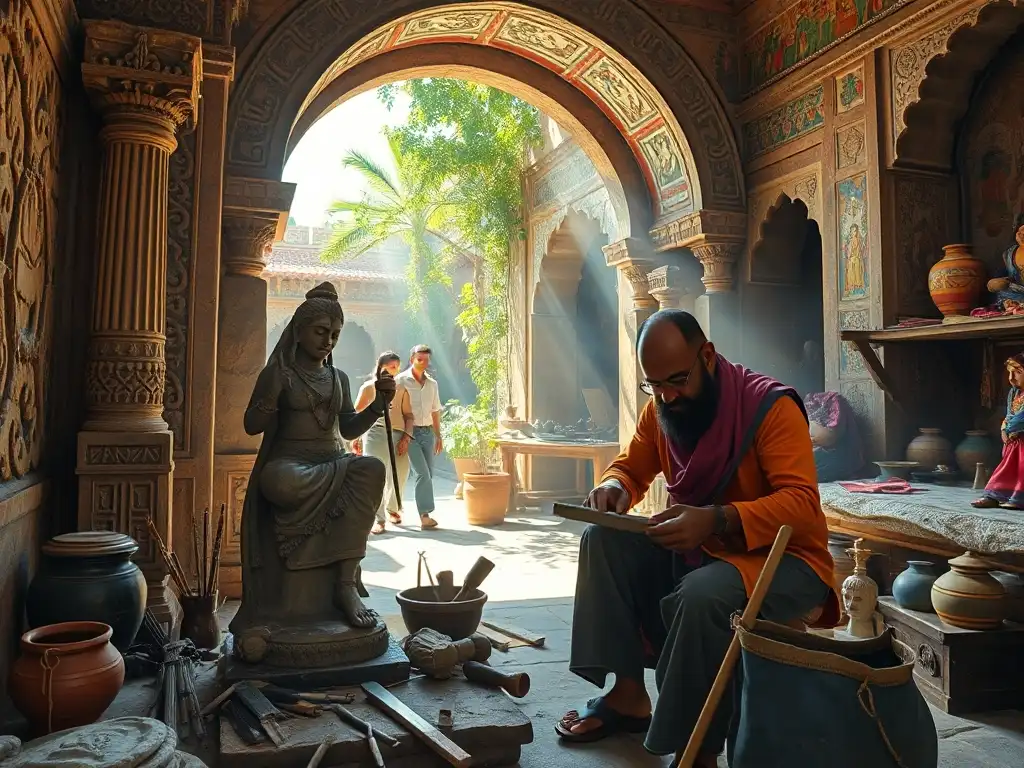
The Gupta Empire, often referred to as the Golden Age of India, left an indelible mark on the realms of sculpture and engineering. The innovations from this period are characterized by their intricate craftsmanship, aesthetic beauty, and technical advancements. Sculptors of the Gupta era employed advanced techniques in stone carving, which allowed for greater detail and lifelike representations in their artworks. This artistic precision not only enhanced spiritual and cultural expression but also set a new standard for artistic endeavors in subsequent Indian history.
Moreover, the engineering feats accomplished during the Gupta period, such as the construction of temples and public structures, showcased an advanced understanding of materials and structural dynamics. The use of brick and stone in large-scale construction projects reflected a significant leap in architectural techniques. These innovations would influence not only local practices but also inspire the architectural styles of neighboring regions, thereby establishing a legacy that would endure for centuries.
Influence on Subsequent Indian Art and Architecture
The artistic innovations of the Gupta Empire significantly influenced the trajectory of Indian art and architecture in the centuries that followed. The stylistic elements developed during this era can be seen in the intricate carvings and sculptures of later dynasties, such as the Chola and Rajput empires. Notably, the emphasis on naturalism and the depiction of divine figures in human-like forms became a hallmark of Indian sculpture, evolving from the Gupta traditions.
Temples built during the Gupta period, such as those in Ujjain and Sarnath, set a precedent for future temple architecture. The architectural principles of symmetry, proportionality, and intricate ornamentation became foundational elements in later Indian temple designs. This influence extended beyond geographical borders, impacting Buddhist art in Southeast Asia as well, where Gupta-style sculptures and architectural forms were adopted and adapted.
Continued Relevance in Modern Engineering and Art
The engineering and artistic innovations of the Gupta Empire continue to resonate in modern contexts. Contemporary architects and engineers often look to the principles established during this time for inspiration. The Gupta emphasis on symmetry and harmony in design informs modern architectural practices, particularly in the conservation and restoration of historical sites. The techniques of stone carving and sculpture developed during this period are also studied in art schools, where the blending of aesthetics and functionality is still a vital consideration.
Furthermore, the Gupta innovations in engineering, such as advanced water management systems and urban planning, provide insights into sustainable practices that are increasingly relevant in today's world. By examining these ancient techniques, modern engineers can find solutions to contemporary challenges, such as urban sprawl and resource management.
Conclusion
The Gupta Empire's contributions to sculpture and engineering represent a remarkable intersection of art and science that has had lasting implications. The artistic legacies and engineering innovations of this period not only shaped the cultural landscape of ancient India but also laid the groundwork for future advancements in these fields.
Reflections on the Gupta Empire's Lasting Contributions
Reflecting on the Gupta Empire's legacies reveals a civilization that thrived on the synergy of art and science. The intricate sculptures and architectural marvels from this era serve as a testament to the creativity and ingenuity of its people. These contributions have stood the test of time, continuing to inspire generations of artists, engineers, and historians alike. The Gupta period exemplifies how the fusion of artistic expression and scientific understanding can lead to profound advancements that resonate through history.
The Importance of Interdisciplinary Approaches in History
The study of the Gupta Empire’s innovations underscores the importance of interdisciplinary approaches in historical research. By examining the connections between art, engineering, and cultural context, historians can gain a more comprehensive understanding of the complexities of ancient civilizations. The Gupta Empire exemplifies how diverse fields can intersect to produce remarkable achievements, highlighting the need for a holistic perspective in the study of history. Such an approach not only enriches our understanding of the past but also provides valuable lessons for contemporary society in fostering innovation and creativity across disciplines.
References
The Gupta Empire, known for its remarkable contributions to art and science, has been extensively studied through various historical texts and archaeological discoveries. This section highlights significant scholarly works and key findings that provide a deeper understanding of the innovations in sculpture and engineering during this illustrious period.
Suggested Reading on Gupta Empire Sculpture and Engineering
-
"The Age of the Gupta" by D. C. Sircar
This comprehensive text explores the political, cultural, and artistic achievements of the Gupta period, focusing on sculpture and architectural innovations.
-
"Indian Sculpture: A History" by A. L. Dallapiccola
Dallapiccola's work provides a detailed analysis of Indian sculpture, with extensive sections dedicated to the distinct styles and techniques developed during the Gupta Empire.
-
"Architecture and Sculpture of the Gupta Period" by K. V. Raman
This book delves into the architectural advancements and sculptural forms that characterized the Gupta Empire, emphasizing the intersection of aesthetics and engineering.
-
"The Gupta Empire: A New Look" edited by R. S. Sharma
This compilation of essays offers fresh perspectives on the Gupta Empire's contributions, including discussions on the scientific principles applied in sculpture and engineering.
-
"Sculpture of the Gupta Period" by J. C. Harle
Harle's work is an essential reference for understanding the stylistic developments in Gupta sculpture, with a focus on iconography and technique.
Key Historical Texts and Archaeological Findings
-
The Aryabhatiya by Aryabhata
Written in 499 CE, this seminal mathematical treatise not only discusses mathematics but also has implications for engineering practices during the Gupta period.
-
The Vishnu Dharmottara
This ancient text contains references to temple construction and sculpture, providing insight into the engineering principles and artistic values of the Gupta era.
-
The inscriptions at the Ajanta Caves
These inscriptions reveal the advanced techniques used in the construction and decoration of the caves, showcasing the blend of art and engineering.
-
The Iron Pillar of Delhi
An exemplary feat of Gupta engineering, this 7-meter tall iron pillar demonstrates advanced metallurgy and has remained rust-free for over 1,600 years, highlighting the scientific prowess of the time.
-
Sculptural reliefs at the Udayagiri Caves
The intricate carvings found in these caves illustrate the artistic finesse and engineering skill in creating complex narrative scenes, reflecting the culture and beliefs of the Gupta Empire.
These references and findings serve as a foundation for understanding the remarkable innovations in sculpture and engineering that flourished during the Gupta Empire, contributing significantly to the legacy of ancient Indian civilization.
- Introduction to the Gupta Empire
- Gupta Empire Sculpture Innovations
- Engineering Innovations in the Gupta Empire
- The Fusion of Art and Engineering
- Legacy of Gupta Innovations in Sculpture and Engineering
- Conclusion
- References
- What were the key innovations in sculpture during the Gupta Empire?
- How did engineering advancements during the Gupta period influence architecture?
- What is the significance of art in understanding the culture of the Gupta Empire?
- How did the Gupta Empire contribute to the development of sculpture and engineering in subsequent periods?
- Can you name some famous sculptures or engineering works from the Gupta period?
Frequently Asked Questions
What were the key innovations in sculpture during the Gupta Empire?
The Gupta Empire is known for its intricate sculptures that showcased realism, expressive poses, and fine details, reflecting the era's mastery in artistic techniques.
How did engineering advancements during the Gupta period influence architecture?
During the Gupta Empire, engineering innovations led to the construction of grand temples and monuments, utilizing advanced techniques like archways and domes that were pivotal in Indian architecture.
What is the significance of art in understanding the culture of the Gupta Empire?
The art produced during this time provides valuable insights into the social norms, religious beliefs, and everyday life of the people, showcasing the cultural richness of the Gupta era.
How did the Gupta Empire contribute to the development of sculpture and engineering in subsequent periods?
The Gupta Empire set a foundation for artistic styles and engineering practices that influenced later Indian dynasties, ensuring that their techniques were preserved and evolved over time.
Can you name some famous sculptures or engineering works from the Gupta period?
Notable examples include the Ajanta Caves and the Sarnath Lion Capital, both celebrated for their artistic excellence and engineering prowess, reflecting the peak of Gupta creativity.
Final Reflection: Embracing the Harmony of Art and Science
The Gupta Empire's innovations in sculpture and engineering are not just relics of the past; they are a testament to the profound connection between creativity and intellect that remains relevant today. In an era where technology and artistry often seem at odds, the Gupta achievements remind us that the most remarkable advancements arise from the synergy of these two realms. The intricate sculptures and engineering feats of this ancient civilization serve as a powerful reminder that innovation flourishes when we allow art and science to coexist harmoniously.
The legacy of the Gupta Empire continues to shape our cultural and social landscapes, inspiring contemporary artists and engineers alike to explore the boundaries of their disciplines. The seamless integration of aesthetic beauty and functional design in Gupta sculptures is a reflection of a holistic approach to creativity that we can still learn from today. As the renowned artist Pablo Picasso once said, "> Every act of creation is first an act of destruction." This quote encapsulates the essence of innovation—embracing the transformative power of both art and science to create something entirely new and meaningful.
As we move forward, let us take a moment to reflect on how we can apply the lessons from the Gupta Empire in our own lives. Consider how you might blend creativity with analytical thinking in your pursuits, whether in art, engineering, or any other field.
Embrace the challenge of merging different disciplines, and allow yourself to be inspired by the beauty of innovation that arises from their intersection. By doing so, we not only honor the legacy of the Gupta Empire but also pave the way for a future where the boundaries of art and science continue to dissolve, leading to extraordinary possibilities.
Unveil the Wonders of Gupta Innovations!
Thank you for diving into the fascinating connection between art and science in the Gupta era! You've gained valuable insights into how innovations shaped sculpture and engineering, celebrating a legacy that continues to inspire. Now, it's time to take action and explore this vibrant intersection further.
- Discover a local art or science exhibition that showcases the remarkable achievements of ancient civilizations. Immerse yourself in the creativity that bridges these realms.
- Share your insights with friends and family! Discuss how the innovations from the Gupta period have influenced modern art and engineering, fostering a broader appreciation for these historic advancements.
- Join an online community focused on the rich history of ancient India. Engage in discussions, share resources, and learn from others who are passionate about this remarkable era.
What aspects of Gupta innovations do you find most inspiring, and how do you think they can influence today's artists and engineers?