
The Influence of Geography on the Development of the Indus Valley Civilization

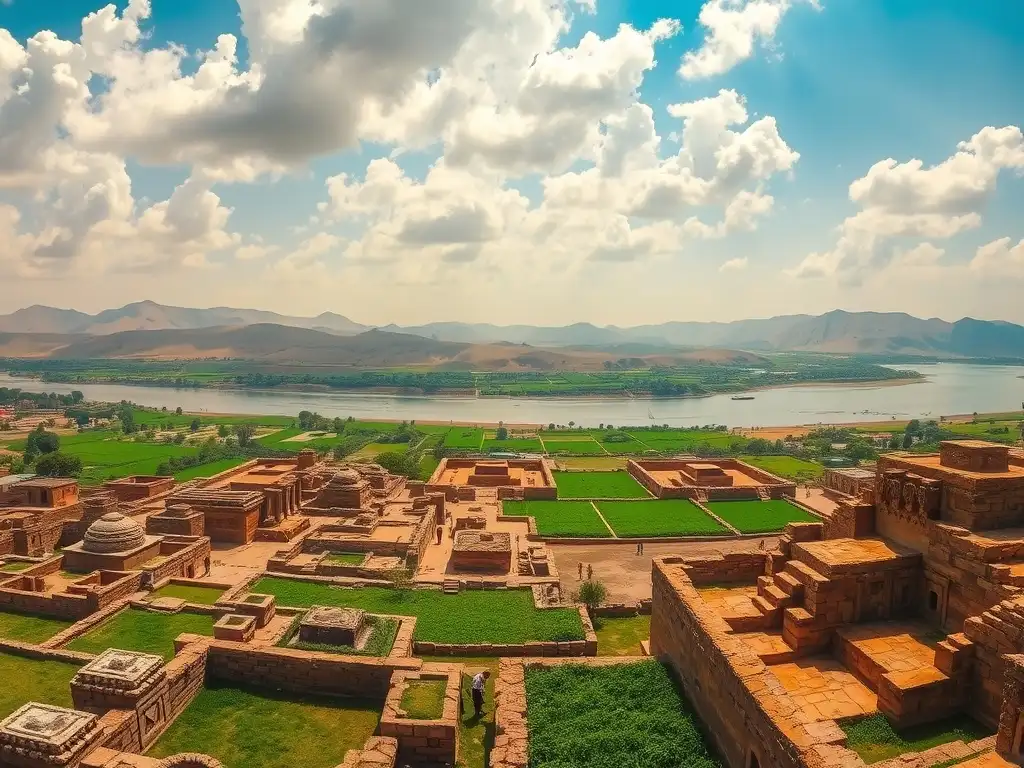
Welcome to Ancient India History, where we embark on a fascinating journey through the vibrant tapestry of ancient Indian civilizations! Today, we delve into the intricate relationship between geography and the development of the Indus Valley Civilization. Discover how the unique landscapes and resources shaped one of the world's earliest urban societies, and uncover the secrets that lie within this remarkable era. Are you ready to explore the profound impact that geography had on the lives, culture, and innovations of the Indus Valley? Dive in, and let the story unfold!
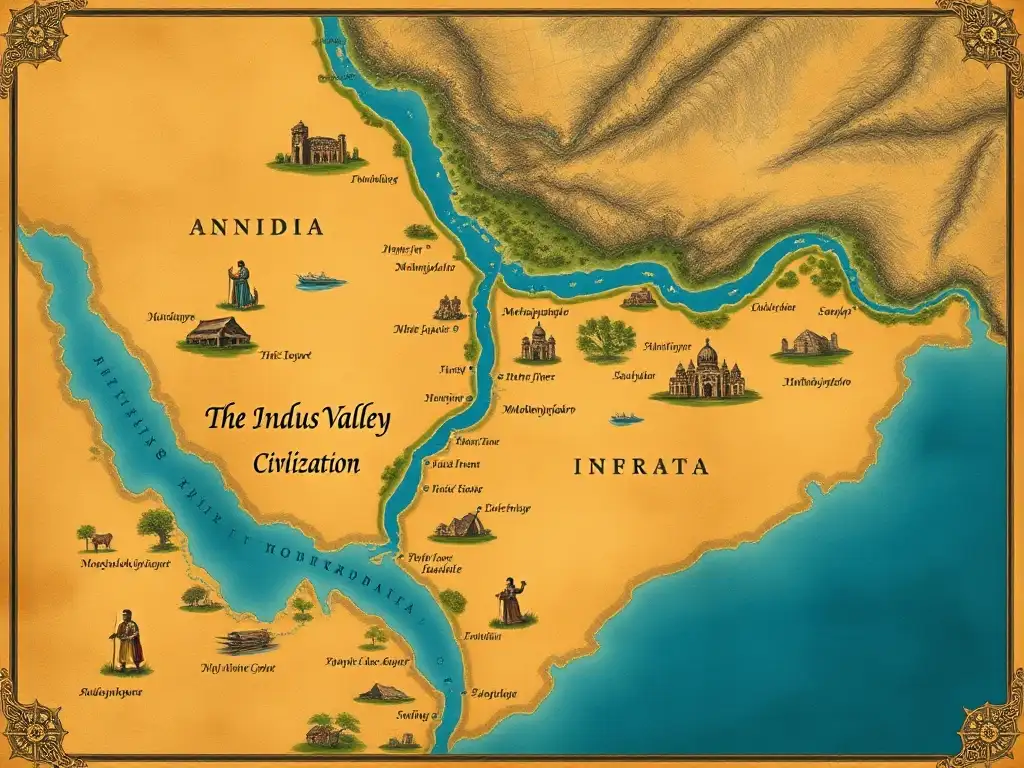
Introduction to Geography and the Indus Valley Civilization
The Indus Valley Civilization (IVC), one of the world's earliest urban cultures, flourished from approximately 3300 BCE to 1300 BCE in what is now Pakistan and northwest India. Its development was profoundly influenced by the geographical features of the region, which shaped its economy, culture, and architectural achievements. Understanding the relationship between geography and the Indus Valley Civilization is crucial for appreciating its advancements and contributions to ancient history.
Geography played a vital role in the establishment and sustainability of the IVC. The civilization emerged in a fertile region, nourished by the Indus River and its tributaries, which provided essential resources for agriculture and trade. The strategic location of the IVC also facilitated connections with neighboring cultures, enhancing its influence and exchange of ideas. Throughout this article, we will explore how various geographical factors, including terrain, climate, and water sources, contributed to the rise and evolution of the Indus Valley Civilization.
The Geographic Location of the Indus Valley Civilization
The Indus Valley Civilization was primarily located in the northwestern part of the Indian subcontinent, encompassing present-day Pakistan and parts of northwest India. Its geographical setting was characterized by a diverse landscape that included plains, plateaus, and mountains, which collectively shaped the lifestyle and development of its inhabitants.
Key Regions and Terrain Features
- The Indus River Plain: This fertile plain was the heart of the civilization, providing rich alluvial soil ideal for agriculture. The river's annual flooding enriched the fields, ensuring bountiful harvests.
- The Thar Desert: Located to the southeast, this arid region presented challenges for settlement. However, it also served as a natural barrier, isolating the civilization from external threats.
- The Himalayan Mountains: To the north, these towering peaks not only offered protection but also influenced the climate and monsoon patterns critical for agriculture.
The interplay between these key regions created a unique environment that facilitated the growth of urban centers, such as Harappa and Mohenjo-Daro, known for their advanced planning and sophisticated drainage systems.
Rivers and Water Sources
The rivers of the Indus Valley were lifelines for the civilization, enabling agriculture, trade, and communication. The Indus River and its tributaries, including the Ravi, Chenab, and Jhelum, provided essential water resources. Some notable aspects include:
- Agricultural Sustenance: The reliable water supply allowed for the cultivation of various crops, including wheat, barley, and cotton, which were staples of the IVC economy.
- Trade Networks: The rivers facilitated transportation and trade with neighboring regions, contributing to economic prosperity and cultural exchanges.
- Urban Development: The availability of water sources encouraged the establishment of cities, which became hubs of innovation and social organization.
The geography of the Indus Valley Civilization was not merely a backdrop but a dynamic force that shaped its very essence, from its agricultural practices to its urban planning and trade. Understanding these geographical influences is key to appreciating the remarkable achievements of this ancient civilization.
Climate and Its Impact on the Indus Valley Civilization
The climate of the Indus Valley Civilization (IVC) played a crucial role in shaping its development. Located in what is now Pakistan and northwest India, the region experienced a semi-arid climate with distinct seasonal variations. The success of the IVC can largely be attributed to its ability to adapt to these climatic conditions, particularly in terms of agriculture, water management, and urban planning.
The region's climate was characterized by hot summers, mild winters, and a monsoon season that brought heavy rainfall. These climatic factors influenced the agricultural practices of the civilization, which relied heavily on the fertile floodplains of the Indus River and its tributaries. The regular flooding of these rivers deposited nutrient-rich silt, creating a conducive environment for farming. This agricultural abundance supported a growing population and laid the foundation for one of the world's earliest urban societies.
Seasonal Variations and Monsoon Effects
The monsoon season, occurring between June and September, was vital for the agricultural output of the IVC. The heavy rains replenished the rivers and ensured that crops such as wheat, barley, and cotton thrived. However, the dependence on monsoons also posed challenges; erratic rainfall could lead to droughts or floods, impacting food security.
The people of the Indus Valley developed sophisticated water management systems, including reservoirs and irrigation channels, to mitigate the risks associated with seasonal variations. These innovations allowed them to harness the benefits of the monsoon while minimizing its potential for destruction. The ability to adapt to these climatic challenges was fundamental to the longevity and success of the Indus Valley Civilization.
Natural Resources and Sustainability
The Indus Valley was rich in natural resources, which significantly influenced its economic and social structures. The fertile land supported diverse agriculture, while nearby mountains provided essential materials such as stones and metals. These natural resources facilitated trade and craftsmanship, enabling the civilization to thrive.
The sustainability of the IVC was also linked to its environmental management practices. The inhabitants implemented techniques for crop rotation and soil conservation, which helped maintain agricultural productivity over generations. Furthermore, their knowledge of local flora and fauna allowed them to utilize resources sustainably, ensuring that their society could endure through various climatic challenges.
Urban Planning and Geography
The geography of the Indus Valley Civilization was a critical factor in its urban planning and development. The civilization is renowned for its well-planned cities, which reflect a high degree of organization and foresight. The unique topography and river systems greatly influenced city layouts, infrastructure, and overall urban design.
City Layouts and Geographic Considerations
Indus Valley cities, such as Harappa and Mohenjo-Daro, were characterized by grid-like street patterns, advanced drainage systems, and standardized brick sizes. These features indicate a sophisticated understanding of urban planning, influenced by the region's geography. The cities were strategically located near rivers to facilitate trade and agriculture while also considering flood risks.
The elevation and layout of the land were essential in determining where settlements were established. For instance, cities were often built on higher ground to avoid flooding during the monsoon season. Additionally, the proximity to resources such as clay for brick-making and water sources was crucial in the placement of these urban centers.
Infrastructure Development
Infrastructure development in the Indus Valley Civilization showcased remarkable engineering skills and a deep understanding of geography. The cities featured extensive drainage systems that prevented waterlogging and ensured sanitary conditions, a significant achievement for urban centers of that time. Streets were lined with houses equipped with bathrooms and latrines, reflecting a commitment to public health.
Moreover, the construction of granaries and marketplaces facilitated trade and storage, vital for an economy based on agriculture and commerce. The strategic positioning of these infrastructures not only catered to the needs of the population but also harnessed the geographical advantages of the region, promoting connectivity and economic growth.
The influence of geography on the Indus Valley Civilization is evident in its climate adaptability, resource management, urban planning, and infrastructure development. Understanding these geographical factors provides a comprehensive view of how the IVC flourished in the ancient world.
Agricultural Practices in Relation to Geography
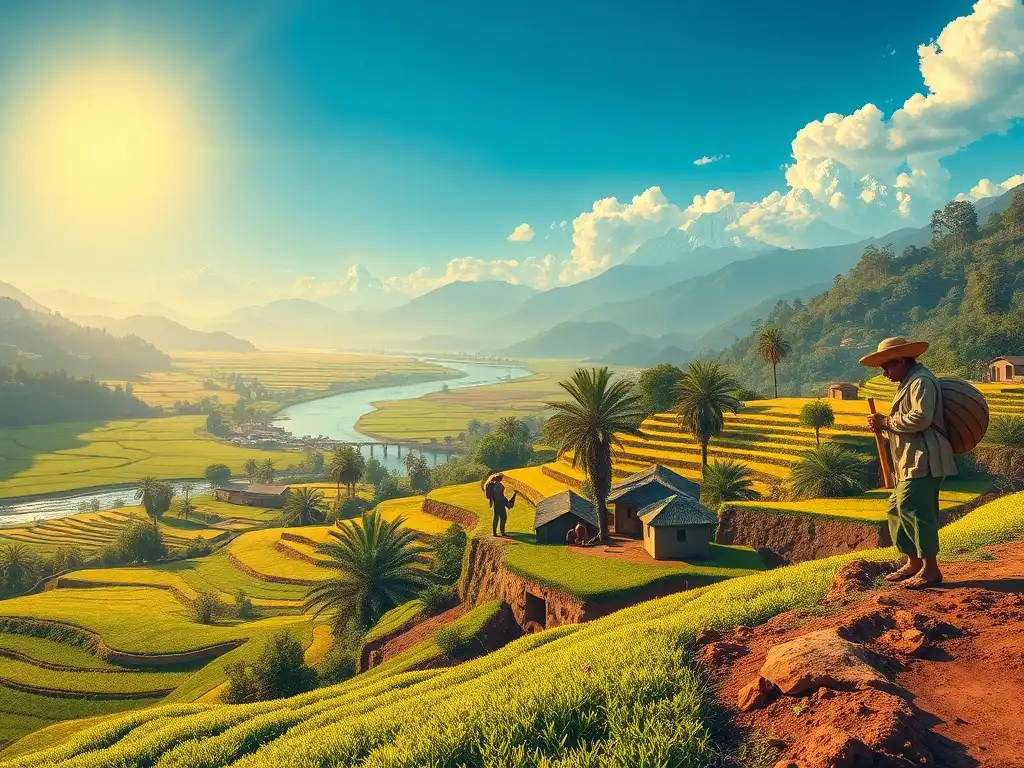
The geography of the Indus Valley Civilization played a pivotal role in shaping its agricultural practices. The region, characterized by its river valleys, fertile plains, and seasonal monsoons, provided the ideal conditions for farming. The two primary rivers, the Indus and its tributaries, not only nourished the land but also facilitated irrigation, making it possible for inhabitants to cultivate a variety of crops. The strategic location of the civilization allowed for an advanced agrarian society, which was crucial for its economic stability and population growth.
Fertile Land and Crop Cultivation
The alluvial soil deposited by the Indus River contributed significantly to the fertility of the region. This fertile land supported the cultivation of staple crops such as wheat, barley, and peas, as well as cotton, which was crucial for textile production. Archaeological evidence suggests that the people of the Indus Valley engaged in sophisticated agricultural practices, including crop rotation and irrigation techniques, to maximize their yields. The seasonal monsoon rains further enriched the soil, allowing for multiple harvests throughout the year.
Additionally, the variety of climates and elevations within the Indus Valley enabled the cultivation of a diverse range of crops, supporting a rich diet that included grains, legumes, and vegetables. The agricultural surplus contributed to the development of urban centers, as it allowed for the specialization of labor and the growth of trade.
Challenges Faced by Agriculture
Despite the advantages presented by the geography of the Indus Valley, agricultural practices faced several challenges. One significant issue was the unpredictability of monsoon rains. While the seasonal rains were essential for irrigation, fluctuations in rainfall patterns could lead to droughts or flooding, severely impacting crop yields. Archaeological findings indicate that some settlements experienced periods of abandonment, likely linked to agricultural failures due to these climatic changes.
Moreover, soil salinity posed another challenge. Intensive irrigation practices sometimes led to the accumulation of salts in the soil, which could diminish its fertility over time. This necessitated careful management of agricultural practices to avoid long-term degradation of the land. The combination of these challenges required the Indus Valley inhabitants to adapt their farming techniques continually.
Trade and Geography
The geographical features of the Indus Valley Civilization also significantly influenced its trade practices. The proximity to major rivers facilitated the movement of goods and resources, making trade both efficient and expansive. The establishment of urban centers like Harappa and Mohenjo-Daro along trade routes underscores the importance of geography in economic activities.
Trade Routes and Economic Exchange
The Indus Valley civilization established extensive trade networks, both within the region and with neighboring cultures. The rivers served as natural highways, allowing for the transportation of goods such as textiles, metals, and pottery. Additionally, overland routes connected the Indus Valley to regions like Mesopotamia and the Arabian Peninsula, facilitating the exchange of commodities and ideas.
Archaeological evidence of standardized weights and measures suggests that the Indus Valley engaged in organized trade practices, enhancing economic stability. The trade routes not only contributed to the prosperity of the civilization but also played a crucial role in the dissemination of cultural practices and innovations.
Cultural Exchange and Influence
The trade networks established by the Indus Valley Civilization fostered significant cultural exchange with other contemporary civilizations. Through interactions with Mesopotamia and Central Asia, the people of the Indus Valley were exposed to new technologies, artistic styles, and religious practices. This cultural interchange is evident in various artifacts, such as seals and pottery, which display artistic influences from neighboring regions.
Furthermore, the movement of people along trade routes often led to the sharing of agricultural techniques and crop varieties, enhancing the diversity of the local economy. The resultant cultural synthesis created a rich tapestry of influences that shaped the identity of the Indus Valley Civilization, ultimately contributing to its enduring legacy in ancient history.
Conclusion: The Lasting Influence of Geography on the Indus Valley Civilization
The geography of the Indus Valley played a pivotal role in shaping one of the world's earliest urban civilizations. The fertile plains nourished by the Indus River and its tributaries allowed for the development of agriculture, which was the foundation of the Indus Valley Civilization's economy. This agricultural productivity not only supported a growing population but also enabled the rise of complex societies characterized by urban planning, trade, and social stratification.
Moreover, the natural barriers created by the surrounding mountain ranges and deserts provided protection from invasions, allowing the civilization to flourish for centuries. The strategic location of the Indus Valley facilitated trade routes that connected it with neighboring regions, fostering cultural exchange and economic prosperity. This interplay between geography and human activity is evident in the sophisticated urban centers, such as Harappa and Mohenjo-Daro, which showcased advanced architectural and engineering skills.
As we reflect on the lasting influence of geography on the Indus Valley Civilization, it becomes clear that the environmental factors were not merely backdrops but active participants in the civilization's development. The legacy of this ancient culture continues to resonate today, offering insights into how geographical elements can shape societal evolution. Understanding these dynamics enriches our appreciation of the Indus Valley Civilization and illustrates the profound connection between geography and human civilization.
The Indus Valley Civilization stands as a testament to how geography can influence agricultural practices, urban development, trade, and ultimately the cultural and social frameworks of a society. The lessons learned from this ancient civilization remind us of the importance of geographical context in shaping human history and civilization.
- Introduction to Geography and the Indus Valley Civilization
- The Geographic Location of the Indus Valley Civilization
- Climate and Its Impact on the Indus Valley Civilization
- Urban Planning and Geography
- Agricultural Practices in Relation to Geography
- Trade and Geography
- Conclusion: The Lasting Influence of Geography on the Indus Valley Civilization
- What role did geography play in the Indus Valley Civilization?
- How did the river systems affect the Indus Valley Civilization?
- What are some notable cities of the Indus Valley Civilization that showcase its geographic advantages?
- How did the topography influence the social structure of the Indus Valley Civilization?
- In what ways did the geographic features contribute to the eventual decline of the Indus Valley Civilization?
Frequently Asked Questions
What role did geography play in the Indus Valley Civilization?
Geography provided the Indus Valley Civilization with natural barriers and resources, influencing its urban planning and agricultural practices.
How did the river systems affect the Indus Valley Civilization?
The river systems, particularly the Indus River, were crucial for irrigation, trade, and sustaining agriculture, contributing to the civilization's prosperity.
What are some notable cities of the Indus Valley Civilization that showcase its geographic advantages?
Notable cities like Harappa and Mohenjo-Daro exemplify the civilization's use of floodplains for agriculture and their strategic locations for trade.
The diverse topography, including mountains and plains, led to the development of distinct regional cultures and trade networks, shaping the civilization's social hierarchy.
In what ways did the geographic features contribute to the eventual decline of the Indus Valley Civilization?
Changes in climate and river patterns likely disrupted agriculture and trade, leading to the civilization's decline and eventual abandonment of cities.
Final Reflection: The Enduring Legacy of Geography in Shaping Civilizations
The intricate relationship between geography and the development of the Indus Valley Civilization is not just a historical curiosity; it is a vital lens through which we can understand the dynamics of human societies today. The geographical features of the Indus Valley, from its fertile plains to its strategic waterways, played a crucial role in fostering one of the world's earliest urban cultures. This connection between environment and civilization underscores the timeless truth that our surroundings significantly influence our social, economic, and cultural trajectories.
Clearly, the impact of geography extends far beyond the ancient past; it continues to shape our modern world in profound ways. The lessons learned from the rise and fall of the Indus Valley Civilization remind us of the importance of sustainable practices and the need to adapt to our changing environments. As we navigate contemporary challenges such as climate change and urbanization, we can draw inspiration from the resilience and ingenuity of those who came before us. Civilizations are not defined by their boundaries, but by their relationships with the land and each other.
As we reflect on the lessons of the Indus Valley Civilization, let us consider how we can apply these insights to our lives and communities. I invite you to explore your own relationship with geography—how does your environment shape your experiences, values, and aspirations? By fostering a deeper understanding of our surroundings, we can cultivate a greater appreciation for the interconnectedness of our world and work towards a future that honors the lessons of the past while embracing the possibilities of tomorrow.
Uncover the Secrets of the Indus Valley Civilization!
Thank you for joining us on this journey through the fascinating development of the Indus Valley Civilization! Your curiosity about how geography shaped this remarkable culture is commendable. Now, it's time to take what you've learned and enhance your understanding of ancient civilizations.
Here are some actionable steps to deepen your exploration:
- Dive deeper into the topic: Investigate specific aspects of the Indus Valley, such as urban planning or trade networks, to appreciate their ingenuity.
- Engage with your community: Share this article with friends or join a discussion group focused on ancient civilizations to broaden your perspectives and insights.
- Explore related civilizations: Take time to compare the Indus Valley with contemporaneous cultures, such as Mesopotamia and Ancient Egypt, to discover intriguing parallels and contrasts.
What geographical factor do you think had the most profound impact on the success of the Indus Valley Civilization? Share your thoughts in the comments below!