
Unraveling the Mysteries of Sangam Literature: The Heart of Ancient Tamil Poetry

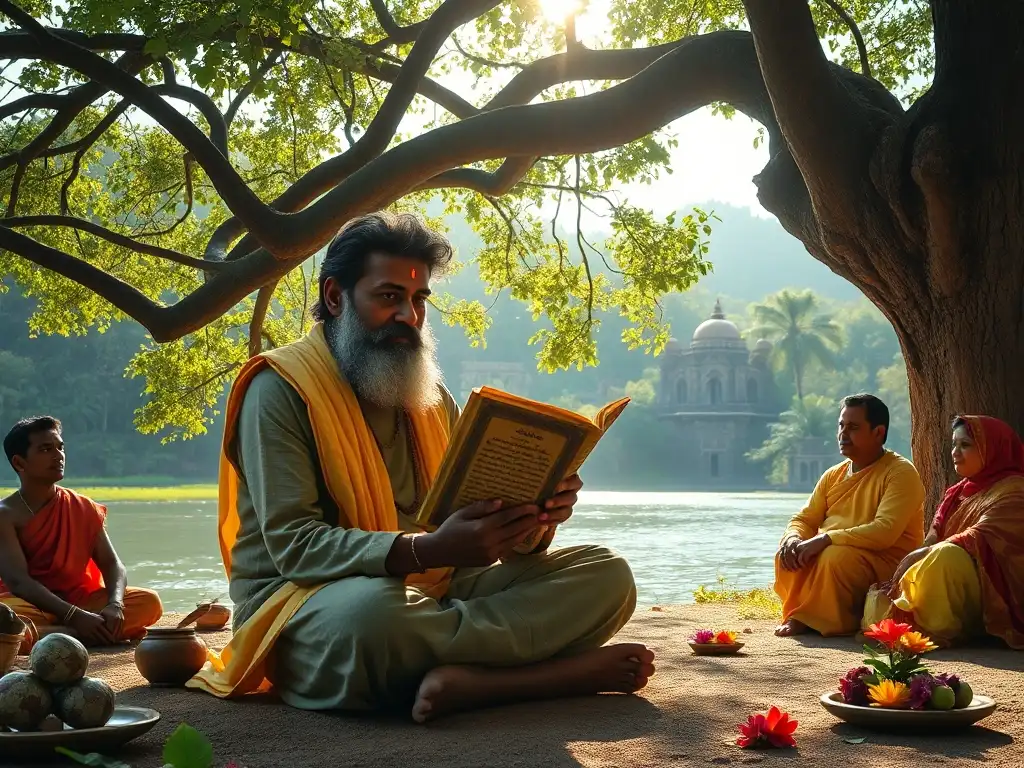
Welcome to Ancient India History, where we embark on a journey through the rich tapestry of India's ancient civilizations. In this exploration, we delve into the captivating world of Sangam literature, a treasure trove of ancient Tamil poetry that reveals the profound cultural and emotional landscapes of its time. From the poetic verses that echo the lives and loves of early Tamils to the intricate connections woven through history, we invite you to unlock the mysteries of this literary tradition.
Are you ready to discover how these timeless works shaped the cultural identity of a civilization? Dive in and join us as we unravel the heart of ancient Tamil poetry!
- Introduction to Sangam Literature: The Essence of Ancient Tamil Poetry
- Historical Context of Sangam Literature
- Thematic Elements of Sangam Poetry
- Structure and Form of Sangam Poetry
- Major Texts and Anthologies of Sangam Literature
- Cultural Impact of Sangam Literature
- Conclusion: The Enduring Significance of Sangam Literature
- References and Further Reading on Sangam Literature
- Frequently Asked Questions
- Final Reflection: Embracing the Legacy of Sangam Literature
- Dive Deeper into Sangam Literature Today!
Introduction to Sangam Literature: The Essence of Ancient Tamil Poetry
Sangam literature stands as a monumental testament to the rich cultural and literary heritage of ancient Tamil civilization. Emerging between 300 BCE and 300 CE, this body of work encompasses a vast array of poems that reflect the social, political, and emotional landscapes of the time.
The term "Sangam" refers to the assemblies of poets and scholars who gathered to compose, critique, and celebrate poetry, fostering a unique literary tradition that continues to influence Tamil culture today. This article delves into the intricate world of Sangam literature, revealing its profound significance as the heart of ancient Tamil poetry and its lasting impact on the cultural fabric of India.
Understanding Sangam Literature: A Brief Overview
Sangam literature comprises a collection of over 2,300 poems, attributed to around 473 poets, and is divided into three primary categories: Ettuthokai, Pathupattu, and Thirukkural. These works explore a multitude of themes, including love, valor, ethics, and the beauty of nature, often categorized into two main genres: Akam (interior or love poetry) and Puram (exterior or war poetry).
- Akam poems typically express the emotions and experiences of love, often set in various landscapes that symbolize different stages of relationships.
- Puram poetry, on the other hand, tends to celebrate heroism, valor, and the social duties of individuals in society.
The language used in Sangam literature is characterized by its lyrical quality, intricate metaphors, and vivid imagery, providing readers with a glimpse into the lives and values of ancient Tamils. The influence of Sangam poetry extends beyond literature; it has shaped Tamil identity and continues to inspire contemporary poets and writers.
Importance of Sangam Poetry in Ancient Tamil Culture
Sangam poetry played a pivotal role in the cultural and social life of ancient Tamil Nadu. It served not only as a form of artistic expression but also as a means of documenting historical events and societal norms. The themes explored in Sangam literature reflect the values and beliefs of the time, illustrating the importance of community, love, honor, and nature.
- Cultural Identity: Sangam poetry is a cornerstone of Tamil culture and identity, fostering a sense of pride and continuity among Tamil speakers. The works are revered for their linguistic richness and philosophical depth, often serving as a source of inspiration for subsequent generations.
- Historical Insight: The poems provide valuable insights into the socio-political landscape of ancient Tamil Nadu, including the dynamics of kingship, trade, and warfare. They offer a glimpse into the lives of ordinary people, their struggles, and their aspirations, making them an essential resource for historians.
- Philosophical Reflections: Many Sangam poems grapple with moral and ethical dilemmas, encouraging readers to reflect on human experiences and relationships. This philosophical aspect enriches the literature, making it relevant even in contemporary discussions about love, duty, and existence.
The significance of Sangam literature extends far beyond its poetic form. It is a cultural artifact that encapsulates the essence of ancient Tamil civilization, inviting readers to explore its complexities and celebrate its enduring legacy.
Historical Context of Sangam Literature
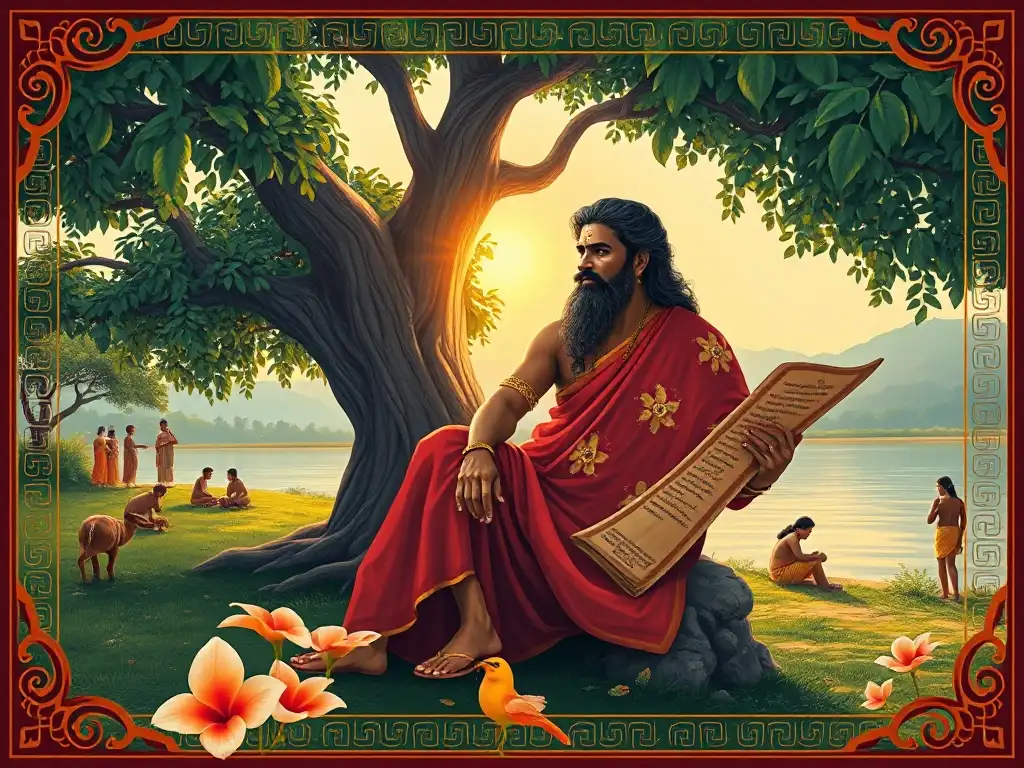
Sangam literature is a remarkable testament to the cultural, social, and political milieu of ancient Tamil Nadu. This body of work, composed between approximately 300 BCE and 300 CE, reflects a period of significant development in Tamil language, literature, and societal structures. The term “Sangam” refers to the academies of poets and scholars that patronized and nurtured literary excellence in the Tamil region, particularly in what is now southern India.
This era is marked by the emergence of a sophisticated literary tradition that not only celebrated the beauty of the Tamil language but also encapsulated the ethos of the people. The Sangam texts are primarily divided into two categories: Aham (inner) poetry, which focuses on personal emotions and relationships, and Puram (outer) poetry, which deals with themes of valor, ethics, and societal matters.
The Timeframe of Sangam Poetry: An Era of Flourishing Arts
The timeframe of Sangam poetry is often considered a golden age for Tamil literature, spanning from around 300 BCE to 300 CE. This period witnessed the flourishing of arts and culture, with the rise of various dynasties such as the Cholas, Pandyas, and Cheras, who played pivotal roles in the patronage of literature and the arts.
- Cultural developments: The period saw advancements in various art forms, including music, dance, and visual arts, which were often intertwined with the Tamil literary tradition.
- Political landscape: The Sangam age was characterized by frequent conflicts and alliances between kingdoms, which are vividly depicted in the poems. The valor and heroism of warriors, along with the intricate dynamics of court life, are recurring themes in Sangam poetry.
The flourishing of Tamil literature during this era was not only a reflection of the artistic capabilities of its poets but also a manifestation of the vibrant society that encouraged creative expression.
Key Historical Figures and Poets in Sangam Literature
Several poets and figures from the Sangam period have left an indelible mark on Tamil literature. Their contributions are crucial for understanding the nuances of Sangam poetry and its significance in ancient Tamil culture.
- Ilango Adigal:
- Renowned for his epic Silapathikaram, Ilango Adigal is celebrated for his exploration of love and ethics, providing moral lessons through the lives of its characters.
- Kapilar:
- A prolific poet, Kapilar's works often reflect the themes of nature and love, embodying the rich landscape of the Tamil heartland. His verses resonate with emotional depth and vivid imagery.
- Auvaiyar:
- A prominent female poet, Auvaiyar is known for her wisdom and philosophical insights. Her poetry often addresses societal norms and emphasizes moral values, making her a significant figure in Sangam literature.
- Nakkirar:
- Another key poet, Nakkirar is famed for his contributions to both Aham and Puram poetry. His works often delve into themes of love and heroism, showcasing the duality of human experience.
- Pattinappalai:
- This text is attributed to an anonymous poet and serves as a narrative account of the life of a chieftain, blending elements of history and poetry to illustrate the values of the time.
The legacy of these poets and their contemporaries continues to influence Tamil literature today, as their works not only encapsulate the historical context of the Sangam era but also serve as foundational texts in the Tamil literary canon.
Thematic Elements of Sangam Poetry
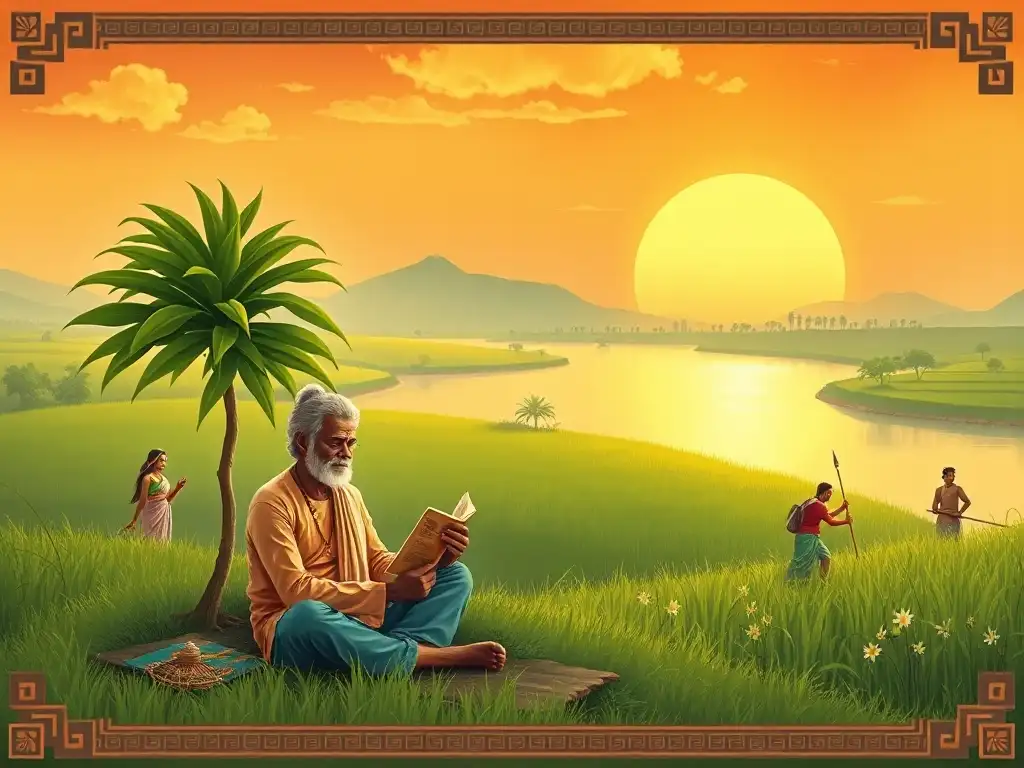
Sangam literature, a treasure trove of ancient Tamil poetry, is renowned for its intricate exploration of various themes that resonate with human experiences. This body of work, emerging from the early centuries of the Common Era, showcases the richness of Tamil culture and psychology. The thematic elements of Sangam poetry can be broadly categorized into love, nature, and heroism, each woven with deep emotional and philosophical insights.
The poems are often structured in a way that reflects the emotional landscape of the times, utilizing a unique blend of metaphor, symbolism, and vivid imagery. The following sections delve deeper into the key themes that define this remarkable literary tradition.
Love and Desire in Sangam Literature: A Deep Dive
Love, or "kaadhal," is perhaps the most prominent theme in Sangam literature. The poets articulate the complexities of romantic relationships, ranging from initial attraction to the pangs of separation. This exploration of love is categorized into two main types: "Akam" (interior) and "Puram" (exterior).
- Akam:
- Focuses on the emotional and psychological aspects of love.
- Often depicts the inner feelings of lovers and the nuances of their relationships.
- Poets use rich metaphors and similes to express feelings of joy, longing, and sorrow.
- Puram:
- Highlights the external aspects, such as the social and heroic contexts of love.
- Celebrates the valor of lovers who engage in battles for their beloveds.
The poems frequently reference the "five landscapes" (tinai), which symbolize different emotional states:
- Marudham: Agricultural land representing prosperity and stability.
- Neidhal: Coastal regions symbolizing longing and separation.
- Mullai: Forests depicting romance and intimacy.
- Palai: Desert areas reflecting despair and loneliness.
- Vallam: Water bodies embodying purity and renewal.
These landscapes serve not only as physical settings but also as emotional backdrops that enhance the depth of the poetic expressions.
Nature and Landscape in Ancient Tamil Poetry
Nature plays a crucial role in Sangam literature, often depicted as an integral part of human emotion and experience. The poets have a profound connection with the environment, using it to mirror and amplify the feelings of their characters. The following aspects highlight the interplay between nature and poetry:
- Imagery and Symbolism: Nature is described through rich imagery, with elements like rivers, mountains, and flora serving as metaphors for human emotions. For example, the blooming of flowers may symbolize the blossoming of love, whereas wilted leaves could represent heartbreak.
- Cyclical Patterns: The poets often reflect on the cyclical nature of life and emotions, using seasonal changes to parallel human experiences. The changing seasons symbolize the transient nature of love and life itself.
- Cultural Significance: The natural world is not only a backdrop but also a character in its own right, influencing the actions and emotions of the personas within the poems. The reverence for nature is evident, showcasing the ancient Tamil people’s deep connection to their environment.
Heroism and Valor: Themes of War and Glory
War and heroism are pivotal themes in the Sangam corpus, illustrating the valor of warriors and the codes of honor prevalent in ancient Tamil society. This theme is often interwoven with love and loyalty, reflecting the complexities of human relationships against the backdrop of conflict. Key aspects include:
- Valor in Battle: The poets celebrate the bravery and strategic prowess of warriors, often depicting glorious conquests and heroic deeds. The imagery associated with battle is vivid, emphasizing the valor of the protagonists.
- Loyalty and Honor: Central to many poems is the idea of loyalty to one's king, family, or beloved. The sacrifices made for love or duty are highlighted, showcasing the intertwining of personal and collective identities.
- Cultural Identity: The valorous acts of heroes serve not only to inspire but also to fortify cultural identity. The narratives reinforce communal values, emphasizing bravery as a virtue that defines Tamil society.
The thematic elements of Sangam poetry encompass a rich tapestry of emotions and experiences, revealing the depth of ancient Tamil culture through its exploration of love, nature, and valor. Each theme is intricately interwoven, demonstrating the poetic prowess of the ancient Tamils and their enduring legacy in literature.
Structure and Form of Sangam Poetry
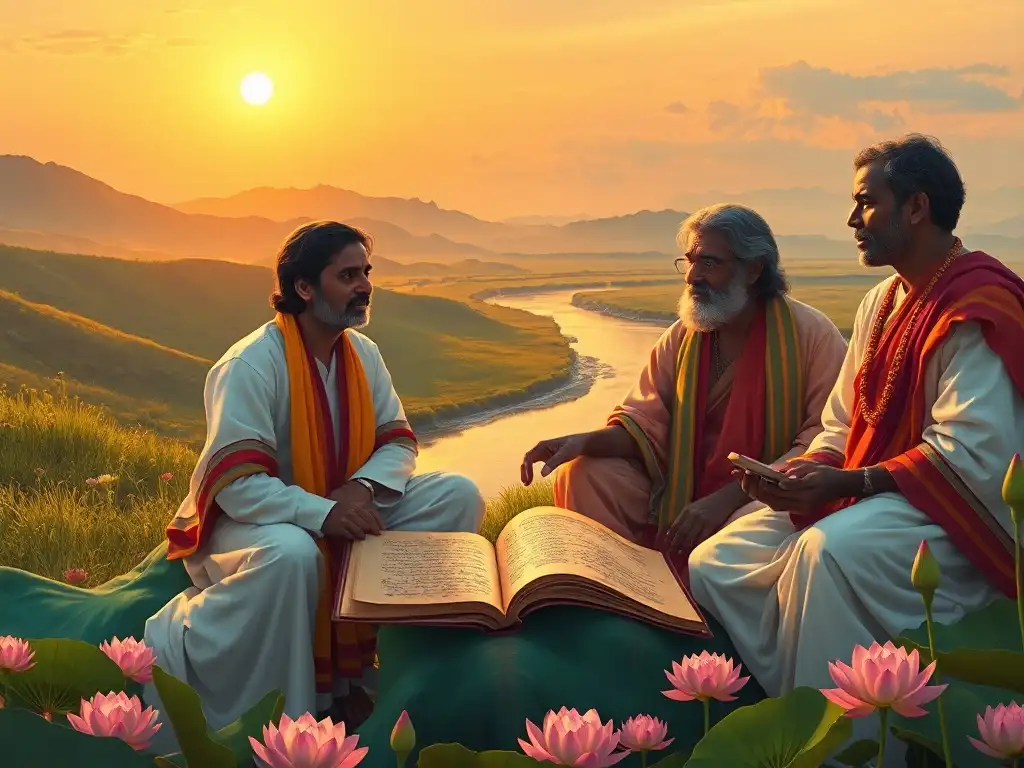
Sangam literature, a cornerstone of ancient Tamil poetry, exhibits a unique structure and form that distinguishes it from other literary traditions. This body of work, composed between 300 BCE and 300 CE, is characterized by its rich diversity in themes, styles, and poetic conventions. Understanding the structure of Sangam poetry is essential for appreciating its aesthetic and cultural significance.
Poetic Forms and Styles in Sangam Literature
Sangam poetry encompasses a variety of poetic forms, each serving a specific purpose and expressing distinct emotional resonances. The most notable forms include:
- Akam (Inner Landscape): This form captures the intimate emotions of love and personal relationships. Akam poems often explore themes of love, longing, and separation, using nature as a backdrop to reflect the inner feelings of the characters. The five landscapes— Kurunji (mountain), Mullai (forest), Marudham (agricultural land), Neithal (coastal region), and Paalai (desert)—are central to Akam poetry, symbolizing different phases of love.
- Puram (Outer Landscape): Puram poetry, in contrast, focuses on themes related to valor, heroism, and societal issues. This form emphasizes the exploits of warriors, the glory of kings, and the values of honor and friendship. The content often includes praise for chieftains and reflections on the collective experiences of society.
- Venpa: A structured verse form characterized by its rhythmic patterns and alliteration. Venpa is often composed in eight-line stanzas with a specific meter, making it a favored choice for conveying complex emotions and narratives succinctly.
- Aasiriyappa: A more elaborate form, featuring longer verses that delve deeper into philosophical themes and moral lessons. This form is often reflective and didactic, providing wisdom and insights into human behavior and society.
The combination of these forms results in a rich tapestry of Tamil poetry that showcases the versatility and creativity of its poets.
The Role of Metaphor and Imagery in Tamil Poetry
Metaphor and imagery play a pivotal role in Sangam poetry, elevating the emotional depth and aesthetic appeal of the verses. Here are key aspects of their significance:
- Nature as Metaphor: Poets frequently employ natural elements as metaphors for human emotions and experiences. For example, the blooming of flowers may symbolize the blossoming of love, while the changing seasons reflect the cycles of human relationships. This deep connection between nature and emotion creates a vivid sensory experience for the reader.
- Symbolism: Specific symbols, such as the lotus representing purity and beauty or the moon symbolizing love and serenity, are consistently used throughout Sangam literature. These symbols provide a cultural resonance that enhances the meaning of the texts.
- Imagery: The use of striking imagery allows poets to paint powerful pictures with their words. Descriptive language evokes vivid scenes that engage the reader's senses, making the emotions depicted in the poetry more tangible.
- Cultural Context: The metaphors and imagery used in Sangam poetry are often rooted in the socio-cultural context of ancient Tamil society. Poets reflect the values, beliefs, and practices of their time, creating a rich intertextuality that resonates with contemporary readers.
Through the intricate use of metaphor and imagery, Sangam literature not only communicates feelings and ideas but also creates a lasting connection between the past and the present, ensuring its continued relevance in the study of ancient Tamil poetry.
Major Texts and Anthologies of Sangam Literature
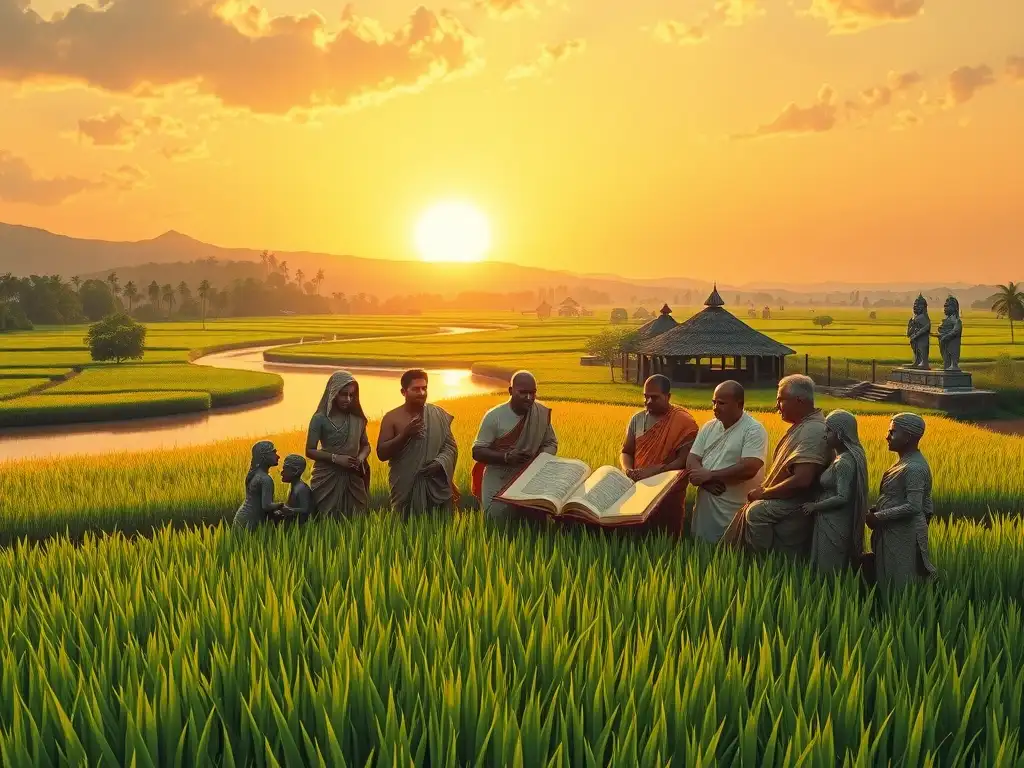
The Sangam literature is considered the foundation of ancient Tamil poetry, encapsulating the ethos of Tamil culture, society, and philosophy. This body of work, composed between 300 BCE and 300 CE, consists of various anthologies and texts that provide invaluable insights into the lives and beliefs of the Tamil people. The literature is primarily categorized into two types: Aham (inner) and Puram (outer), reflecting the themes of love and heroism, respectively.
Overview of Key Sangam Texts: Eighteen Major Poems
The core of Sangam literature is often represented by the Eighteen Major Poems, which showcase a variety of poetic forms and styles. These texts are revered for their lyrical beauty and philosophical depth, comprising works that delve into both personal emotions and social commentary. Below are some of the pivotal texts included in this anthology:
- Akanāṉūṟu: A collection of 400 poems focusing on love, showcasing the emotional experiences and inner thoughts of lovers.
- Puranāṉūṟu: This anthology consists of 400 poems that highlight the valor of kings and warriors, celebrating the achievements and ethics of the ruling class.
- Tirukkural: A unique work that contains 1,330 couplets, offering moral guidance and philosophical insights on various aspects of life.
- Muthollayiram: A collection of poems that reflect on the beauty of nature and the human experience, emphasizing the connection between the two.
- Nedunalvadai: A narrative poem that tells the story of love and loss, illustrating the complexities of human relationships.
These texts not only illustrate the richness of ancient Tamil poetry but also serve as historical documents, providing context about the social and cultural dynamics of the time.
The Tirukkural: A Pinnacle of Tamil Wisdom
Among the Sangam texts, the Tirukkural stands out as a monumental work that transcends the boundaries of time and space. Composed by the poet Thiruvalluvar, this text is divided into three main sections: Aram (virtue), Porul (wealth), and Inbam (love). Each section contains couplets that impart wisdom on ethical living, governance, and relationships.
Structure and Themes
- Aram: Focuses on moral values and ethical conduct, advocating for righteousness and virtue as the foundation of a fulfilling life.
- Porul: Discusses the importance of wealth and prosperity, highlighting the responsibilities that come with material success.
- Inbam: Explores the realm of love, delving into romantic relationships and the emotional complexities associated with them.
The Tirukkural is praised for its universal themes, making it relevant even today. Its aphoristic style allows for easy memorization and recitation, contributing to its enduring popularity across generations.
Moreover, the wisdom embedded within the couplets has inspired numerous interpretations and translations worldwide. The text is often regarded as a guide for ethical living and has influenced various fields, from literature to philosophy, making it a cornerstone of Sangam literature ancient Tamil poetry.
The major texts and anthologies of Sangam literature, particularly the Tirukkural, represent a vibrant tapestry of ancient Tamil thought, reflecting the cultural richness and intellectual depth of the time. These works continue to resonate, offering insights into the values and traditions that have shaped Tamil identity over the centuries.
Cultural Impact of Sangam Literature
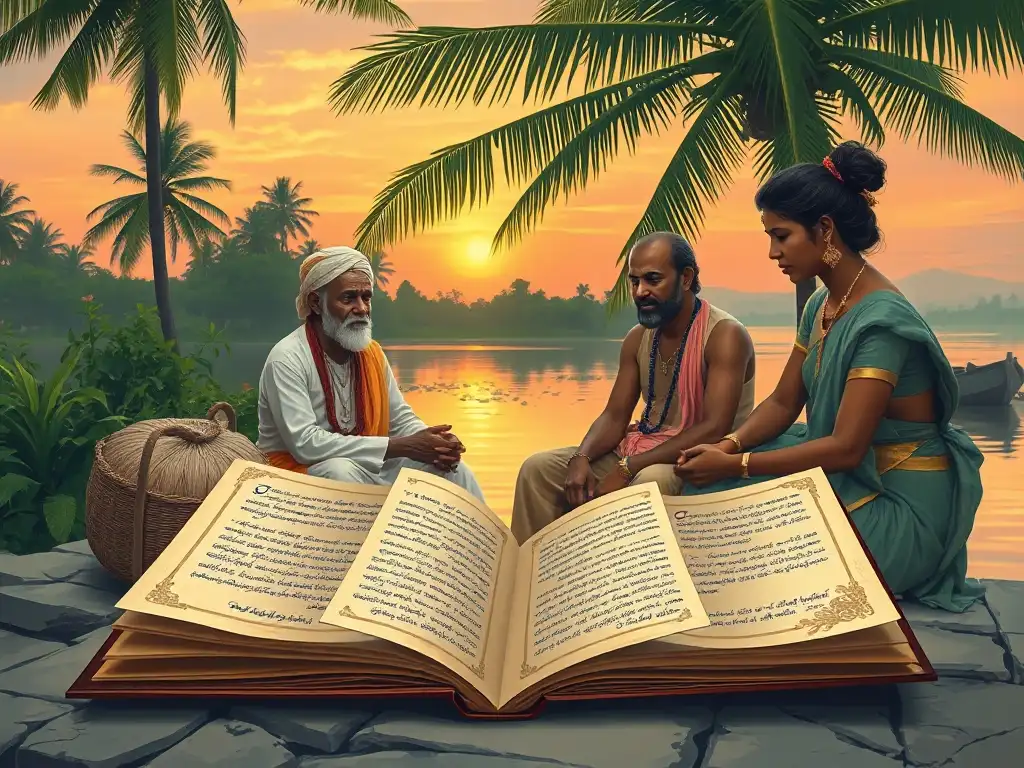
Sangam literature, a remarkable collection of poetry composed between 300 BCE and 300 CE, holds a pivotal place in the cultural tapestry of ancient Tamil civilization. This body of work not only reflects the socio-economic conditions of its time but also serves as a foundation for later literary and artistic expressions. The impact of Sangam literature can be seen in various dimensions, including its influence on subsequent Tamil literature, the arts, and its enduring legacy in modern Tamil culture.
Influence on Later Tamil Literature and Arts
The influence of Sangam literature on later Tamil literature is profound and multifaceted. It established a rich tradition of poetic expression that subsequent authors and poets would draw upon. Key aspects of this influence include:
- Thematic Continuity: Many themes explored in Sangam poetry, such as love (akam) and valor (puram), have persisted in Tamil literature. These themes continue to resonate in modern poetry, prose, and music.
- Form and Structure: The poetic forms and conventions introduced during the Sangam period set a precedent for later works. The use of metaphors, imagery, and structured verses can be traced back to Sangam influences, providing a framework for poets like Kambar and Auvaiyar.
- Cultural Narratives: Sangam literature often incorporated local myths, legends, and folklore, which later writers adopted and reinterpreted. This has created a continuous narrative thread in Tamil storytelling traditions.
The arts, particularly in dance and music, have also been significantly shaped by Sangam themes. The classical dance forms of Tamil Nadu, such as Bharatanatyam, often depict stories and emotions rooted in Sangam poetry, showcasing the timeless nature of these works.
The Legacy of Sangam Poetry in Modern Tamil Culture
The legacy of Sangam poetry is profoundly embedded in modern Tamil culture, influencing various aspects of daily life, education, and identity. Key elements of this enduring legacy include:
- Cultural Identity: Sangam literature is a source of pride and cultural identity for Tamils. Its poetry reflects the ethos and values of ancient Tamil society, fostering a sense of belonging and continuity among modern Tamil speakers.
- Educational Relevance: Sangam texts are integral to Tamil education systems, where they are studied for their linguistic beauty and historical importance. Schools and universities often include these works in their curricula, ensuring that new generations appreciate their significance.
- Contemporary Literature and Media: Modern Tamil writers, filmmakers, and musicians frequently draw inspiration from Sangam poetry. Themes of love, nature, and heroism are prevalent in contemporary works, illustrating the timeless relevance of these ancient texts.
The cultural impact of Sangam literature extends far beyond its historical context. Its themes, forms, and narratives continue to shape Tamil literature, arts, and identity, ensuring that the heart of ancient Tamil poetry beats strong in contemporary society.
Conclusion: The Enduring Significance of Sangam Literature
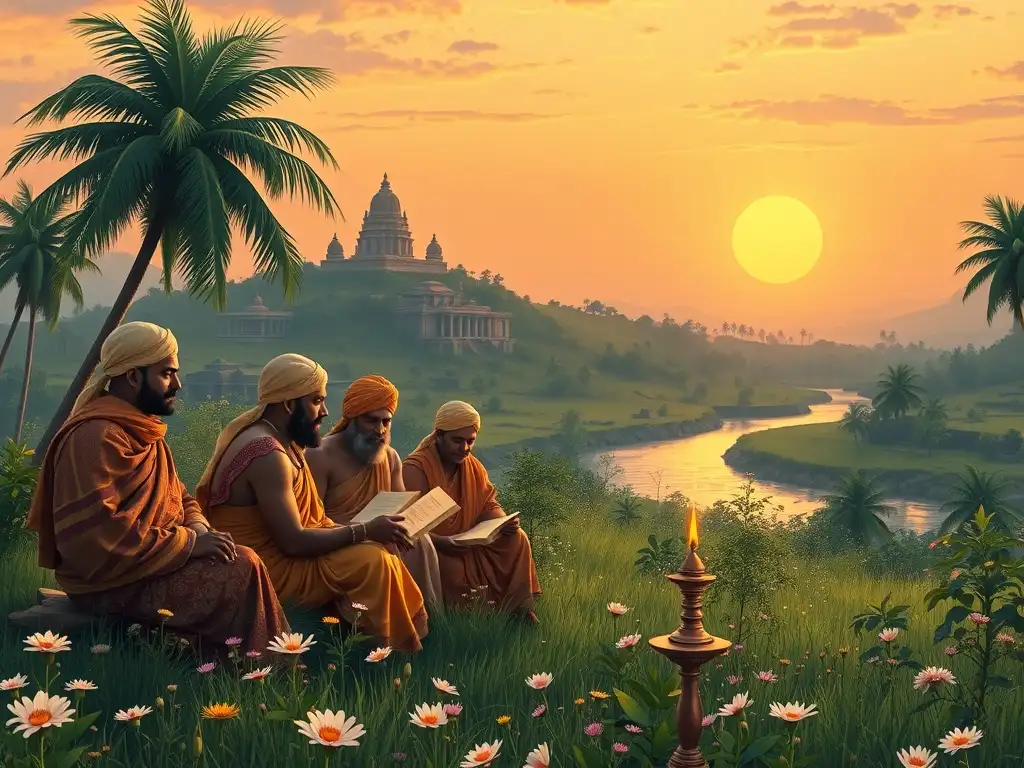
Sangam literature stands as a testament to the rich cultural heritage of ancient Tamil civilization, reflecting the intricate tapestry of life, emotions, and philosophies that prevailed during its time. Its enduring significance lies not only in its historical value but also in its continued relevance in contemporary society. The themes explored in these ancient texts resonate with modern readers, providing insights into the human experience that transcend time and geography.
Reflections on the Relevance of Ancient Tamil Poetry Today
The relevance of Sangam literature in today's context cannot be overstated. Its exploration of universal themes such as love, valor, ethics, and nature continues to inspire various forms of art and literature. Contemporary poets and writers often draw from the rich imagery and emotional depth found in Sangam verses, integrating these elements into their own works.
Moreover, the philosophical underpinnings of Sangam poetry, which emphasize the interconnectedness of humanity and nature, resonate strongly with current global movements focused on environmental sustainability and social justice. For instance:
- Cultural Identity: Sangam literature plays a crucial role in shaping Tamil identity and pride. The revival of interest in Tamil culture has led to increased appreciation for these ancient texts, fostering a sense of belonging among Tamils worldwide.
- Educational Impact: Scholars and educators are increasingly incorporating Sangam poetry into curricula to teach not only the literary aesthetics but also the socio-cultural context of ancient South India. This educational approach enriches students' understanding of their heritage.
- Artistic Influence: Modern artists and musicians often interpret Sangam themes, creating works that bridge ancient wisdom with contemporary expressions. This fusion of old and new keeps the spirit of Sangam literature alive.
The Future of Sangam Literature in Scholarly Research
The future of Sangam literature in scholarly research looks promising, with numerous avenues for exploration that can deepen our understanding of this ancient body of work. Researchers are increasingly focused on various aspects of Sangam literature, including:
- Interdisciplinary Studies:
- Scholars are exploring connections between Sangam poetry and other fields such as anthropology, history, and philosophy. This interdisciplinary approach broadens the scope of research and encourages a holistic understanding of ancient Tamil society.
- Digital Humanities:
- The advent of digital tools and platforms offers new opportunities for the preservation and analysis of Sangam texts. Digital archives and databases can facilitate access to manuscripts, enabling a wider audience to engage with these works.
- Comparative Literature:
- Comparative studies between Sangam literature and other ancient literary traditions—such as Greek, Roman, and Chinese poetry—can uncover parallels and divergences in themes, styles, and cultural expressions, enriching the global literary landscape.
- Translation Studies:
- There is a growing demand for high-quality translations of Sangam poetry that capture its nuances and aesthetics. This effort not only makes the literature accessible to a broader audience but also sparks interest in Tamil language and culture globally.
The study of Sangam literature ancient Tamil poetry remains a vibrant and evolving field that continues to inspire, educate, and connect people across cultures and generations. As we delve deeper into these ancient texts, we unearth not only the beauty of their language but also the timeless truths they convey about existence, society, and the human spirit.
References and Further Reading on Sangam Literature
Sangam literature represents a significant cultural and literary heritage of ancient Tamil civilization. For those looking to delve deeper into this topic, a variety of resources are available, ranging from scholarly texts to online platforms that explore the depth of ancient Tamil poetry. Below are curated sections that encompass suggested books, articles, and online resources to enhance your understanding of Sangam literature.
Suggested Books and Articles on Ancient Tamil Poetry
-
The Sangam Anthology: An Introduction to the Classical Literature of South India
This book provides a comprehensive overview of Sangam literature, including detailed analyses of key poems and their historical context. The author discusses the themes of love, valor, and nature prevalent in these poems.
-
Tamils and the Sangam: A Historical Perspective
This scholarly article examines the socio-political background of the Sangam period, providing insight into how the literary works reflect the culture and norms of ancient Tamil society.
-
Sangam Literature: The Poetry of the Tamil Landscape
This anthology features a collection of translated poems from the Sangam period, accompanied by critical essays that highlight the significance of nature and geography in Tamil poetry.
-
The Tolkappiyam: A Study of the Structure and Style of Ancient Tamil Grammar
This work explores the foundational text of Tamil grammar and its influence on Sangam poetry, shedding light on the linguistic intricacies that characterize ancient Tamil literature.
-
An Overview of Sangam Literature
This book serves as a beginner's guide, providing summaries of major works and poets from the Sangam era, making it accessible for readers new to the subject.
Online Resources for Exploring Sangam Literature Further
-
Tamil Virtual Academy
The Tamil Virtual Academy offers a plethora of resources, including digital libraries and research articles dedicated to Tamil literature. Their section on Sangam literature features translations and critical analyses of important works.
-
Sangam Literature – An Online Anthology
This website presents a curated collection of Sangam poems, along with English translations and commentaries. It's an excellent resource for readers who wish to experience the original texts alongside interpretative insights.
-
Digital South Asia Library
This digital archive provides access to a range of historical texts, including works related to Sangam literature. Researchers can find primary and secondary sources that enrich their understanding of the context in which these poems were written.
-
Academia.edu
A platform where scholars publish their research papers, you can find numerous articles and theses focused on Sangam literature. Searching for terms like “Sangam literature” or “Tamil poetry” will yield a variety of academic studies.
-
YouTube Lectures and Documentaries
Various university channels and independent creators have uploaded lectures and documentaries about Sangam literature. These audiovisual resources can provide engaging insights into the themes and historical significance of ancient Tamil poetry.
By utilizing these references and resources, readers can gain a deeper appreciation and understanding of Sangam literature, exploring the rich tapestry of ancient Tamil poetry and its enduring legacy.
Frequently Asked Questions
What is Sangam literature?
Sangam literature refers to a collection of ancient Tamil poetry created between 300 BCE and 300 CE, showcasing the rich cultural heritage of Tamil Nadu.
What themes are explored in Sangam literature?
The poems often explore themes such as love, valor, nature, and social life, reflecting the complex emotions and realities of ancient Tamil society.
How did Sangam literature influence Tamil culture?
Sangam literature laid the foundation for Tamil language and literature, influencing subsequent generations of poets and contributing to the cultural identity of Tamil speakers.
Who were the prominent figures associated with Sangam literature?
Notable poets like Kapilar, Avvaiyar, and Kaniyan Pungundranar are celebrated figures whose works are crucial to understanding the depth of Sangam poetry.
Why is Sangam literature significant in Indian history?
Sangam literature is significant because it provides insights into the socio-political environment, cultural practices, and philosophical thoughts of ancient Tamil civilization, making it a vital part of Indian history.
Final Reflection: Embracing the Legacy of Sangam Literature
Sangam literature remains a vibrant testament to the richness of ancient Tamil poetry, resonating with contemporary audiences in ways that transcend time. As we navigate the complexities of modern life, the themes of love, valor, and nature found in these ancient texts continue to inspire and provoke thought, reminding us of our shared human experience. The beauty of Sangam literature lies not only in its artistic expression but also in its ability to connect us to our roots and to one another.
The influence of Sangam literature on our cultural and social landscape is profound and enduring. It shapes our understanding of identity, heritage, and the power of storytelling. The verses of poets like Avvaiyar and Kapilar echo through the ages, encouraging us to reflect on our values and relationships. As the renowned poet Kaniyan Poongundran once said, Yathum Oorey Yavarum Kelir,
which translates to "Every land is our own, and every person is our kin." This sentiment encapsulates the universal themes present in Sangam poetry, fostering a sense of unity and belonging that is crucial in today's fragmented world.
As you close this exploration of Sangam literature, I invite you to reflect on how these ancient voices can guide your own journey. Consider how the themes of love, nature, and community resonate in your life and how you can embody these values in your interactions with others. Let the wisdom of Sangam poetry inspire you to forge deeper connections, celebrate your heritage, and contribute to the rich tapestry of human experience that binds us all. Embrace the legacy of Sangam literature, and allow it to illuminate your path forward.
Dive Deeper into Sangam Literature Today!
Thank you for exploring the captivating world of Sangam Literature with us! We hope this journey through ancient Tamil poetry has sparked your curiosity and offered valuable insights into its rich cultural heritage. Now, let's turn that inspiration into action!
- Explore further: Pick up a Sangam poem and read it aloud. Feel the rhythm and embrace the emotion behind the words!
- Share your thoughts: Join our community forum and discuss your favorite Sangam poems with fellow enthusiasts.
- Create your own piece: Try writing a short poem inspired by the themes of Sangam literature—celebrate nature, express love, or depict valor!
What key themes resonate with you from Sangam literature, and how do you think they reflect our lives today?