
The Legacy of the Mahabharata and Ramayana Beyond Epic Narratives

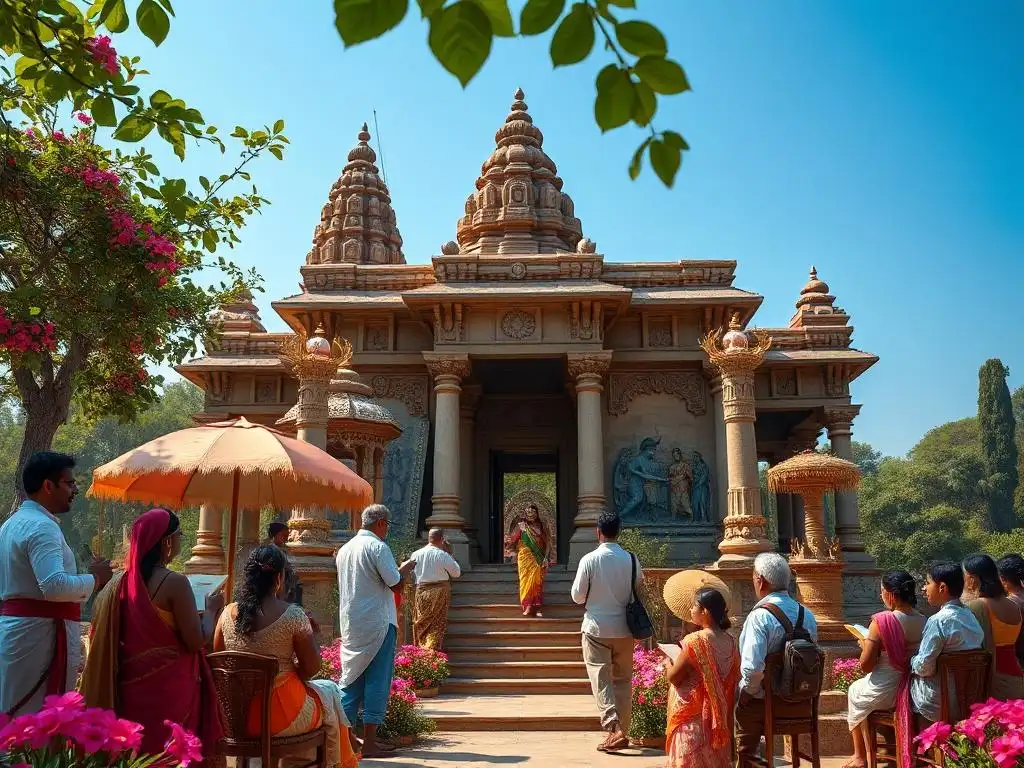
Welcome to Ancient India History, where we embark on a fascinating journey through the rich tapestry of India's past. Here, we delve deep into the Legacy of the Mahabharata and Ramayana Beyond Epic Narratives, uncovering how these timeless tales shaped not only literature but also the very fabric of Indian culture and philosophy. What secrets lie within these ancient texts, and how do they resonate in today’s world?
Join us as we explore the profound contributions of these epics, and discover the lasting impact they have on our heritage and identity. Ready to dive into the depths of history? Let’s begin!
-
The Legacy of Mahabharata and Ramayana Beyond Epic Narratives
- Introduction to the Legacy of Mahabharata and Ramayana
- Cultural Impact of the Mahabharata
- Cultural Impact of the Ramayana
- Literary Contributions Beyond the Epics
- Philosophical Interpretations of the Mahabharata and Ramayana
- Legacy in Modern Context
- Conclusion: Enduring Influence of the Mahabharata and Ramayana
- Summary of the Legacy's Impact on Modern Culture
- Future Directions for Studying the Epics
-
Frequently Asked Questions
- What is the legacy of the Mahabharata and Ramayana in Indian culture?
- How have the Mahabharata and Ramayana contributed to philosophy and ethics?
- In what ways do the Mahabharata and Ramayana affect modern literature?
- How do these epics reflect India's cultural diversity?
- What role do the Mahabharata and Ramayana play in spiritual practices today?
- Final Reflection: The Enduring Legacy of Mahabharata and Ramayana
- Embrace the Timeless Wisdom of the Epics!
The Legacy of Mahabharata and Ramayana Beyond Epic Narratives
Introduction to the Legacy of Mahabharata and Ramayana
The Legacy of the Mahabharata and Ramayana extends far beyond their roles as ancient epic narratives; they have profoundly shaped Indian culture, philosophy, and artistic expression throughout the centuries. These texts, which recount the tales of heroism, moral dilemmas, and the cosmic struggle between good and evil, serve not only as literary masterpieces but also as cultural cornerstones that continue to influence contemporary society. By examining the rich tapestry woven by the Mahabharata and Ramayana, we can appreciate their enduring relevance and the myriad ways they have impacted various facets of Indian life.
Overview of Mahabharata and Ramayana
The Mahabharata and Ramayana are two of the most significant epics in Indian literature, each narrating complex stories of divine intervention, human struggles, and ethical dilemmas. The Mahabharata, attributed to the sage Vyasa, is the longest epic poem in the world, consisting of over 100,000 verses. It chronicles the epic battle of Kurukshetra between the Pandavas and Kauravas, exploring themes of duty (dharma), righteousness, and the consequences of war.
In contrast, the Ramayana, attributed to the sage Valmiki, tells the story of Lord Rama's quest to rescue his wife Sita from the demon king Ravana. It emphasizes ideals such as virtue, devotion, and the importance of familial bonds. Together, these epics encapsulate the values and moral foundations of ancient Indian civilization, offering readers profound insights into the human experience.
Significance of Epic Narratives in Indian Culture
The Mahabharata and Ramayana hold a pivotal place in Indian culture, serving as moral guides and repositories of wisdom. They have been instrumental in shaping the social and philosophical landscape of India, influencing everything from religious practices to cultural rituals. The narratives provide a framework for understanding complex human emotions and ethical dilemmas, making them timeless resources for personal reflection and societal discourse.
Both epics have transcended their literary origins, becoming integral to various art forms, including theater, dance, and visual arts. The ability of these narratives to adapt and resonate across generations speaks to their profound significance in Indian culture, reinforcing their legacy as more than mere stories but as living traditions that continue to inspire and educate.
Cultural Impact of the Mahabharata
Influence on Indian Philosophy and Ethics
The philosophical underpinnings of the Mahabharata are profound, delving into the intricacies of dharma (duty) and the moral ambiguities that arise from conflicting responsibilities. Characters such as Yudhishthira, Arjuna, and Krishna embody different ethical perspectives, challenging readers to contemplate their moral choices. The teachings encapsulated in the Bhagavad Gita, a part of the Mahabharata, further solidify its impact on Indian philosophy, presenting a discourse on righteousness, selflessness, and the pursuit of truth.
Reflections of Social Structures and Norms
The Mahabharata also serves as a reflection of ancient Indian society, illustrating the complexities of social hierarchies, gender roles, and familial dynamics. The interactions between characters reveal insights into the cultural norms of the time, including the significance of kinship, loyalty, and honor. Through its portrayal of various social classes and their responsibilities, the epic provides a lens through which we can examine the evolution of social structures in India.
Artistic Inspirations Drawn from the Mahabharata
The influence of the Mahabharata extends into the realm of art, inspiring countless adaptations in literature, dance, music, and visual arts. From classical dance forms like Kathakali and Bharatanatyam to contemporary theatrical performances, the themes and characters of the Mahabharata continue to be reinterpreted and celebrated. Artists draw on the rich narratives to explore contemporary issues, ensuring that the legacy of the Mahabharata remains vibrant and relevant in modern cultural expressions.
The Legacy of the Mahabharata and Ramayana is a multifaceted phenomenon that encompasses ethical teachings, social reflections, and artistic inspirations, ensuring their continued relevance in both historical and contemporary contexts.
Cultural Impact of the Ramayana
The Ramayana, attributed to the sage Valmiki, has transcended mere storytelling to become an integral part of Indian culture and identity. Its influence extends across various domains—religious, artistic, and social—shaping the very fabric of Indian society. The narrative’s central themes of duty (dharma), righteousness, and the struggle between good and evil resonate deeply, providing moral guidance that has been embraced by generations.
One of the most significant aspects of the Ramayana's cultural impact is its role in festivals and rituals. Events like Diwali, which celebrates Lord Rama's return to Ayodhya, exemplify how the epic has permeated religious practices. The performance of Ramlila, a dramatic reenactment of the Ramayana, is another cultural manifestation that reinforces its teachings and values while serving as a medium for community bonding.
Ramayana's Role in Shaping Religious Practices
The Ramayana plays a crucial role in shaping various religious practices within Hinduism and beyond. It provides foundational texts that guide worship and rituals centered around the deities portrayed in the epic, particularly Rama and Sita. Temples dedicated to these figures often incorporate scenes and narratives from the Ramayana, creating a space where devotees can engage with the text in a sacred context.
Pilgrimages to significant sites associated with the Ramayana, such as Ayodhya, Hampi, and Rameswaram, reflect the epic's importance in religious devotion. These locations are not just cultural landmarks; they embody the spiritual journey of the characters, allowing followers to connect with the narrative on a personal level.
Contributions to Indian Dance and Drama
The Ramayana has had a profound influence on Indian dance and drama, inspiring numerous traditional forms across the subcontinent. Classical dance forms like Kathak, Bharatanatyam, and Odissi frequently incorporate themes and stories from the Ramayana, using expressive movements and narratives to convey its moral teachings.
In theatrical traditions, the Ramlila performances bring the epic to life, engaging audiences with its dramatic portrayals of heroism, sacrifice, and moral dilemmas. These performances are not only artistic expressions but also serve as educational tools, instilling the virtues of the characters in the hearts of viewers.
Symbolism and Moral Lessons in the Ramayana
The Ramayana is rich in symbolism, with characters and events that embody various moral lessons. For example, Lord Rama represents the ideal man and king, upholding dharma (righteousness) even in the face of personal loss. Sita symbolizes virtue, fidelity, and strength, demonstrating the power of resilience amidst adversity.
The epic's narrative serves as a moral compass, encouraging individuals to reflect on their actions and decisions in light of ethical principles. The conflicts faced by characters are often allegorical, representing internal struggles between duty and desire, right and wrong, thereby fostering a deeper understanding of human nature and morality.
Literary Contributions Beyond the Epics
The legacy of the Mahabharata and Ramayana extends well beyond their narratives, influencing a vast array of literary works in various formats. Their themes, characters, and moral dilemmas have inspired generations of poets, playwrights, and storytellers, highlighting their enduring relevance in the literary canon.
Classical Poetry Inspired by Mahabharata and Ramayana
Numerous poets have drawn inspiration from the Mahabharata and Ramayana, weaving their themes into classical poetry. Works like Kalidasa's "Shakuntala" and Bhasarvajna's "Shakuntalā" reflect the influence of these epics, exploring similar themes of love, loss, and duty. The rich metaphors and narratives from the epics serve as a fertile ground for poetic exploration, allowing poets to delve into the complexities of human emotions and relationships.
Additionally, the Bhakti movement saw poets like Tulsidas and Surdas reinterpret the stories of the Ramayana and Mahabharata in their devotional verses, making these narratives accessible to a broader audience and emphasizing their spiritual significance.
Prose Works and Their Connections to Epic Themes
Prose literature has also been significantly shaped by the Mahabharata and Ramayana, with numerous adaptations and retellings that reinterpret their narratives. Works such as "The Palace of Illusions" by Chitra Banerjee Divakaruni provide a fresh perspective on the epic tales, focusing on female characters and their experiences. This approach not only highlights the richness of the original stories but also explores their relevance in contemporary society.
Moreover, historical texts and philosophical treatises often reference the epics to elucidate moral and ethical dilemmas, showcasing their integral role in Indian thought and literature.
Folk Tales and Regional Variations of the Epics
The Mahabharata and Ramayana have inspired a wealth of folk tales and regional adaptations, reflecting the diverse cultural landscape of India. These narratives often incorporate local customs, traditions, and languages, making the epics relatable to various communities.
For instance, in South India, the Kamba Ramayanam tells the story of the Ramayana through the lens of Tamil culture, while in the North, various folk adaptations add unique elements to the traditional narrative. These variations not only preserve the essence of the original tales but also enrich the cultural heritage by showcasing the adaptability and relevance of the epic themes across different contexts.
The legacy of the Mahabharata and Ramayana is a rich tapestry that weaves together cultural, literary, and moral aspects, highlighting their profound influence on Indian civilization. Their teachings continue to resonate, inspiring new generations to explore and understand the complexities of life, duty, and virtue.
Philosophical Interpretations of the Mahabharata and Ramayana
The Mahabharata and Ramayana are not merely epic narratives; they are profound philosophical texts that explore complex themes of duty, morality, and the human condition. The philosophical interpretations of these epics have greatly influenced Indian thought and continue to be a source of inspiration for moral and ethical dilemmas faced by individuals and societies alike. These interpretations delve into the nature of reality, the pursuit of truth, and the essence of righteousness, providing insights that transcend time and culture.
The Concept of Dharma in Mahabharata
At the heart of the Mahabharata is the concept of dharma, which refers to duty, righteousness, and moral law. The text presents multiple perspectives on dharma, illustrating its complexity through the characters' struggles to uphold their responsibilities. For instance, the dilemma faced by Arjuna on the battlefield of Kurukshetra challenges the reader to contemplate the nature of righteousness when familial bonds and ethical duties clash.
The Bhagavad Gita, a segment of the Mahabharata, further elaborates on dharma, emphasizing the importance of selfless action (karma yoga) and the pursuit of truth. This multifaceted exploration encourages readers to reflect on their own lives and the moral choices they encounter.
The Role of Bhakti and Devotion in Ramayana
The Ramayana, while also encompassing themes of duty, places significant emphasis on bhakti (devotion) as a pathway to understanding divine love and righteousness. The character of Lord Rama embodies the ideal man, demonstrating unwavering loyalty, courage, and adherence to dharma. Sita, Rama's devoted wife, symbolizes the ideal of fidelity and self-sacrifice. The interactions between characters, particularly the devotion showcased by Hanuman, highlight the transformative power of bhakti. These narratives not only present religious devotion but also serve as a reminder of the importance of love and surrender to a higher power in overcoming life's challenges.
Comparative Analysis of Philosophical Themes
Both epics, despite their differing focuses, share common philosophical themes that invite comparative analysis. Dharma is central to both texts, yet it manifests differently in the Mahabharata's complex moral landscapes compared to the Ramayana's more straightforward moral narratives. While the Mahabharata explores the ambiguities of duty through its characters' conflicts, the Ramayana emphasizes devotion and love as guiding principles. Furthermore, both texts address the themes of justice, sacrifice, and the quest for truth, providing a rich tapestry of philosophical inquiry that continues to resonate with readers today.
Legacy in Modern Context
The legacy of the Mahabharata and Ramayana extends beyond their historical and literary significance; they continue to shape contemporary culture, art, and thought. Their narratives have been reinterpreted and adapted across various forms, reflecting the timeless relevance of their teachings and themes.
Adaptations in Contemporary Literature and Media
In recent decades, the Mahabharata and Ramayana have inspired a plethora of adaptations in literature, film, and television. Modern authors reinterpret these epics, exploring themes of gender, identity, and societal norms. Works such as "The Palace of Illusions" by Chitra Banerjee Divakaruni and "Asura: Tale of the Vanquished" by Anand Neelakantan offer fresh perspectives, giving voice to marginalized characters and reexamining traditional narratives. In the realm of media, television adaptations like "Ramayan" and "Mahabharat" have brought these epic tales to new generations, highlighting their enduring popularity and cultural significance.
The Relevance of Mahabharata and Ramayana in Today's Society
The teachings of the Mahabharata and Ramayana remain relevant in contemporary society, offering guidance on ethical dilemmas and personal conduct. Issues such as justice, leadership, and the balance of duty and desire are as pertinent today as they were in ancient times. The epics encourage individuals to reflect on their responsibilities within their families, communities, and the larger society. The timeless wisdom found in these texts serves as a framework for navigating the complexities of modern life, fostering dialogue on morality and ethics.
Global Influence of Indian Epics
The impact of the Mahabharata and Ramayana extends beyond Indian borders, influencing global literature, philosophy, and spirituality. The themes of heroism, sacrifice, and the quest for justice resonate universally, making them relatable across cultures. Scholars and artists worldwide have drawn inspiration from these epics, integrating their narratives into diverse contexts. The global interest in Indian philosophy, particularly in the teachings of the Bhagavad Gita, reflects the significant role these texts play in fostering cross-cultural dialogues on ethics, spirituality, and human values.
The legacy of the Mahabharata and Ramayana, therefore, is not confined to their historical origins but continues to evolve, influencing contemporary thought and artistic expression around the world.
Conclusion: Enduring Influence of the Mahabharata and Ramayana
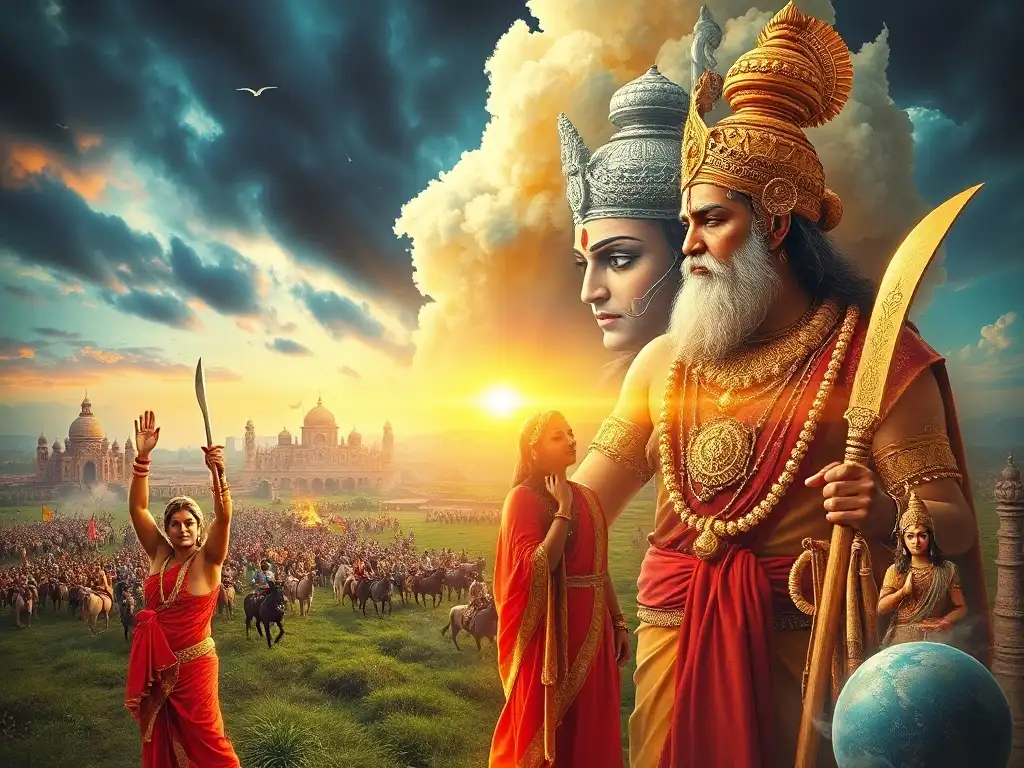
The Mahabharata and Ramayana are not merely ancient texts; they represent the bedrock of Indian culture, philosophy, and moral values. Their narratives have transcended time, continuing to shape and influence various aspects of contemporary society. The enduring legacy of these epics manifests in literature, art, theater, and even politics, where their characters and teachings resonate with modern-day issues. As we reflect on their profound impact, it becomes evident that the Mahabharata and Ramayana have woven themselves into the very fabric of Indian identity, serving as guiding beacons for generations.
One of the most significant aspects of their legacy is the moral and ethical dilemmas presented within their narratives. These timeless themes encourage introspection and dialogue, prompting individuals to reflect on righteousness (dharma) and justice in a constantly evolving world. Through various forms of artistic expression, including adaptations in cinema and literature, the messages of these epics continue to inspire and provoke thought, ensuring their relevance in modern discourse.
Summary of the Legacy's Impact on Modern Culture
The legacy of the Mahabharata and Ramayana extends beyond mere storytelling; it has profoundly influenced modern culture in multiple ways.
- Literature:
- Contemporary writers often draw inspiration from the plots and characters of these epics, reinterpreting their themes to address current societal issues. Novels, poems, and short stories continue to be crafted based on their rich narratives.
- Performing Arts:
- Traditional forms of dance and drama, such as Kathakali and Ramleela, have evolved from these epics, presenting their stories through vibrant performances that engage audiences and keep the cultural heritage alive.
- Visual Arts:
- Artists frequently depict scenes and characters from the Mahabharata and Ramayana in paintings, sculptures, and murals, further embedding these stories into the cultural landscape.
- Television and Film:
- The epics have been adapted into numerous television series and films, making their stories accessible to a broader audience. These adaptations have sparked renewed interest in the source texts and have helped educate younger generations about their significance.
- Philosophy and Religion:
- The philosophical concepts embedded in the epics continue to be studied and revered in spiritual discourses, influencing various schools of thought and religious practices in India and beyond.
Through these diverse cultural representations, the Mahabharata and Ramayana maintain a dynamic presence in modern society, serving as a bridge between the past and present.
Future Directions for Studying the Epics
As we look to the future of studying the Mahabharata and Ramayana, several promising avenues emerge that can deepen our understanding of their significance:
- Interdisciplinary Approaches:
- Scholars can benefit from combining insights from anthropology, sociology, and psychology to explore how these epics impact contemporary social structures and personal identities.
- Comparative Literature:
- By comparing the Mahabharata and Ramayana with other cultural epics worldwide, researchers can uncover common themes and divergences, enriching the global understanding of storytelling traditions.
- Digital Humanities:
- Utilizing technology to create digital archives and interactive platforms can facilitate greater access to these texts, allowing for broader engagement and analysis by diverse audiences.
- Global Perspectives:
- Examining the reception and adaptation of these epics in various cultures outside India can provide insights into their universal themes and the global influence of Indian literature.
- Focus on Marginalized Voices:
- Future studies may also benefit from highlighting lesser-known narratives within the epics, particularly those that give voice to marginalized characters and perspectives, thus promoting a more inclusive understanding of the texts.
By pursuing these directions, the study of the Mahabharata and Ramayana can continue to flourish, ensuring that their rich legacy remains relevant in our understanding of both past and present cultures.
Frequently Asked Questions
What is the legacy of the Mahabharata and Ramayana in Indian culture?
The legacy of the Mahabharata and Ramayana extends beyond their epic narratives, influencing everything from literature and art to moral values and social norms in Indian society.
How have the Mahabharata and Ramayana contributed to philosophy and ethics?
These epics provide profound philosophical insights and ethical dilemmas, shaping Indian thought on duty (dharma), righteousness, and the complexities of human relationships.
In what ways do the Mahabharata and Ramayana affect modern literature?
Both epics continue to inspire modern writers, filmmakers, and artists, leading to retellings, adaptations, and critical analyses that resonate with contemporary issues and themes.
How do these epics reflect India's cultural diversity?
The Mahabharata and Ramayana encompass a wide range of regional interpretations and traditions, showcasing the cultural diversity of India through various languages, performing arts, and festivals.
What role do the Mahabharata and Ramayana play in spiritual practices today?
These texts are integral to many spiritual practices in India, often serving as guides for rituals, meditation, and moral conduct, thus maintaining their relevance in contemporary spiritual life.
Final Reflection: The Enduring Legacy of Mahabharata and Ramayana
The legacy of the Mahabharata and Ramayana transcends mere storytelling; it serves as a profound mirror reflecting the complexities of human nature and societal values. In today's fast-paced world, where moral dilemmas and ethical questions are ever-present, these ancient epics continue to resonate, offering timeless wisdom that guides individuals in navigating their own life challenges. The narratives remind us that the struggles of the past are not so distant; they echo in our contemporary experiences, urging us to seek understanding and compassion in our interactions.
Culturally and socially, the influence of the Mahabharata and Ramayana is woven into the fabric of our lives, shaping our beliefs, practices, and identities. These epics have inspired countless adaptations in literature, art, and performance, fostering a sense of unity and shared heritage among diverse communities. As Mahatma Gandhi once said, “The Mahabharata is a great epic that teaches us how to live.” This sentiment captures the essence of these stories as not just historical accounts but as living texts that continue to inform our moral compass and societal norms.
As we reflect on the lessons embedded within these narratives, let us embrace the call to action they present. Consider how the themes of duty, righteousness, and the quest for truth can be applied in your own life. Engage with these stories not just as relics of the past but as guiding principles that can inspire your journey. In doing so, we honor the legacy of the Mahabharata and Ramayana, ensuring that their wisdom remains a vital part of our collective consciousness for generations to come.
Embrace the Timeless Wisdom of the Epics!
Thank you for exploring the profound impact of the **Mahabharata** and **Ramayana**! Your interest in these epic narratives opens the door to a treasure trove of wisdom and inspiration. Now, it’s time to take actionable steps to further delve into this rich legacy.
- Start a reading group: Gather friends or family to read and discuss these epics, sharing insights for a deeper understanding.
- Connect with local cultural events: Participate in workshops or lectures focused on the **Mahabharata** and **Ramayana** to immerse yourself in their teachings.
- Share your thoughts: Write a blog or share on social media about how these stories resonate with you in the modern world.
How have the lessons from the **Mahabharata** or **Ramayana** influenced your life or choices? Your experiences could serve as inspiration for others!