
The Role of Women in Ancient Indian Diplomacy: Unseen Contributors

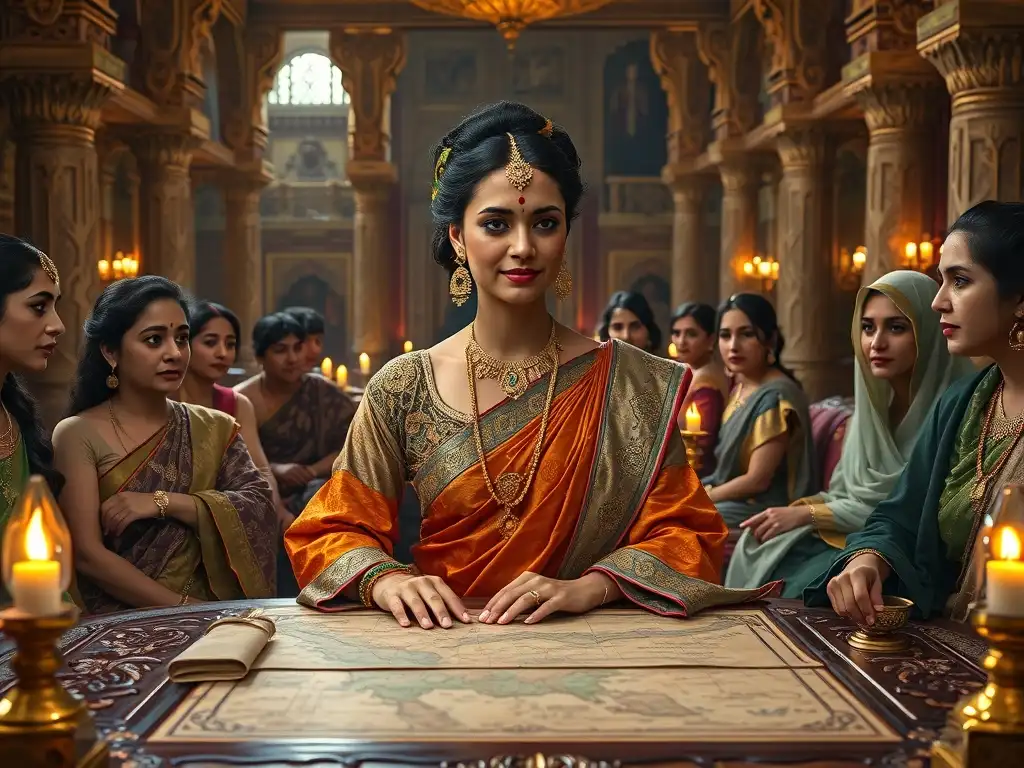
Welcome to Ancient India History, where we delve into the rich tapestry of civilizations that shaped the Indian subcontinent. Today, we invite you to uncover a fascinating aspect of our heritage: "Women in Ancient Indian Diplomacy." This article will shed light on the unseen contributors who played vital roles in shaping diplomatic relations and influencing the course of history.
Prepare to be intrigued as we explore the hidden narratives of powerful women who navigated the political landscape of their time, demonstrating that their contributions were as significant as they were often overlooked. Join us in this journey to discover the remarkable stories that await!
Introduction to Women in Ancient Indian Diplomacy
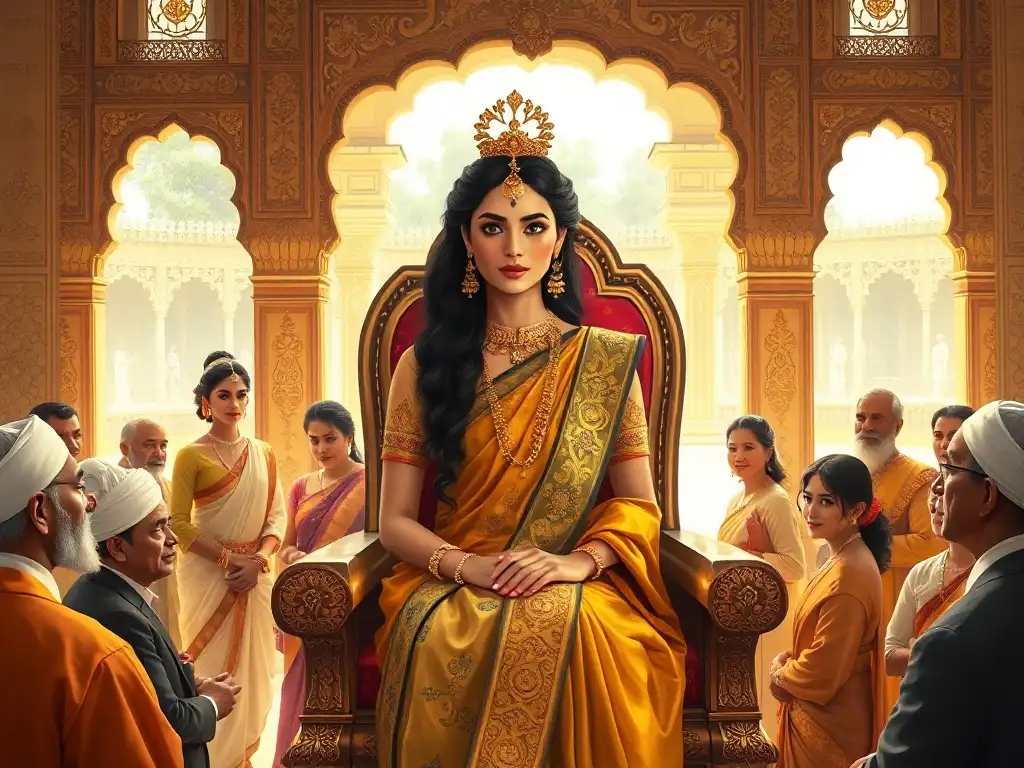
The intricate tapestry of ancient Indian history is woven with diverse threads, one of which significantly highlights the often-overlooked contributions of women in diplomacy. While the narratives surrounding ancient Indian civilizations frequently focus on kings, warriors, and statesmen, the role of women in this domain has remained largely unexamined.
From the Indus Valley Civilization through to the Gupta Empire, women played critical yet understated roles in diplomatic relations, influencing political alliances, negotiations, and cultural exchanges. This article seeks to illuminate the profound impact of women in ancient Indian diplomacy, showcasing their essential contributions to the political and cultural fabric of their time.
Overview of Women’s Roles in Ancient Civilizations
Women in ancient civilizations were not merely passive figures; they were integral to various aspects of societal functioning. Across different cultures, including those in ancient India, women often held positions of power and influence, although their contributions were frequently marginalized in historical accounts. In India, historical texts and archaeological findings suggest that women were involved in:
- Political decision-making: Many women served as advisors to kings or even as rulers in their own right.
- Cultural diplomacy: Women were often seen as cultural ambassadors, marrying into foreign kingdoms and fostering peaceful relations.
- Economic influence: Women managed estates and resources, which were crucial for sustaining diplomatic relationships.
Through these avenues, women shaped the political landscape and contributed to the establishment and maintenance of diplomatic ties.
Importance of Diplomacy in Ancient India
Diplomacy in ancient India was a sophisticated and essential aspect of statecraft. It encompassed a range of activities, including negotiations, alliances, and conflict resolution. The significance of diplomacy can be understood through several key functions:
- Alliance Formation: Marriages between royal families often served as diplomatic tools to secure alliances and peace.
- Cultural Exchange: Diplomatic missions facilitated the sharing of ideas, art, and technology, enriching the cultures involved.
- Conflict Resolution: Diplomacy played a crucial role in mitigating conflicts and maintaining stability within the region.
The ability to negotiate and navigate complex political landscapes was vital to the survival and prosperity of ancient Indian states, and women were pivotal in these processes, often acting as mediators and negotiators.
Historical Context of Diplomacy in Ancient India
Understanding the role of women in ancient Indian diplomacy requires a closer examination of the historical context in which they operated. This section delves into key periods of diplomatic activity and the influential women who shaped these dynamics.
Key Periods of Diplomatic Activity
- Indus Valley Civilization (c. 3300–1300 BCE): Evidence suggests that trade relations extended beyond the region, indicating the potential role of women in these early diplomatic exchanges.
- Maurya Empire (c. 322–185 BCE): The Mauryan period marked significant diplomatic interactions, including marriages between royal families that strengthened alliances.
- Gupta Empire (c. 240–550 CE): This era saw women taking on more prominent roles in governance, with several women becoming influential figures in diplomacy.
Each of these periods not only witnessed the evolution of diplomatic practices but also highlighted the indispensable roles women played within them.
Influential Women in Ancient India’s Political Landscape
Throughout history, several women emerged as key players in the political arena, shaping the course of diplomacy. Notable figures include:
- Chandragupta Maurya's Queen: Engaged in strategic marriages that fortified alliances with neighboring states.
- Vasanti Devi: A prominent diplomat during the Gupta period, known for her astute negotiation skills.
- Rani Durgavati: Though often remembered for her valor in battle, she also engaged in diplomatic efforts to secure her kingdom's sovereignty.
These women, among others, not only contributed to the diplomatic landscape but also left a lasting legacy that challenges the traditional narratives surrounding women's roles in ancient Indian society.
As we explore the unseen contributions of women in ancient Indian diplomacy, we uncover a vital aspect of history that reshapes our understanding of their influence and agency in a male-dominated world.
Contributions of Women to Diplomacy
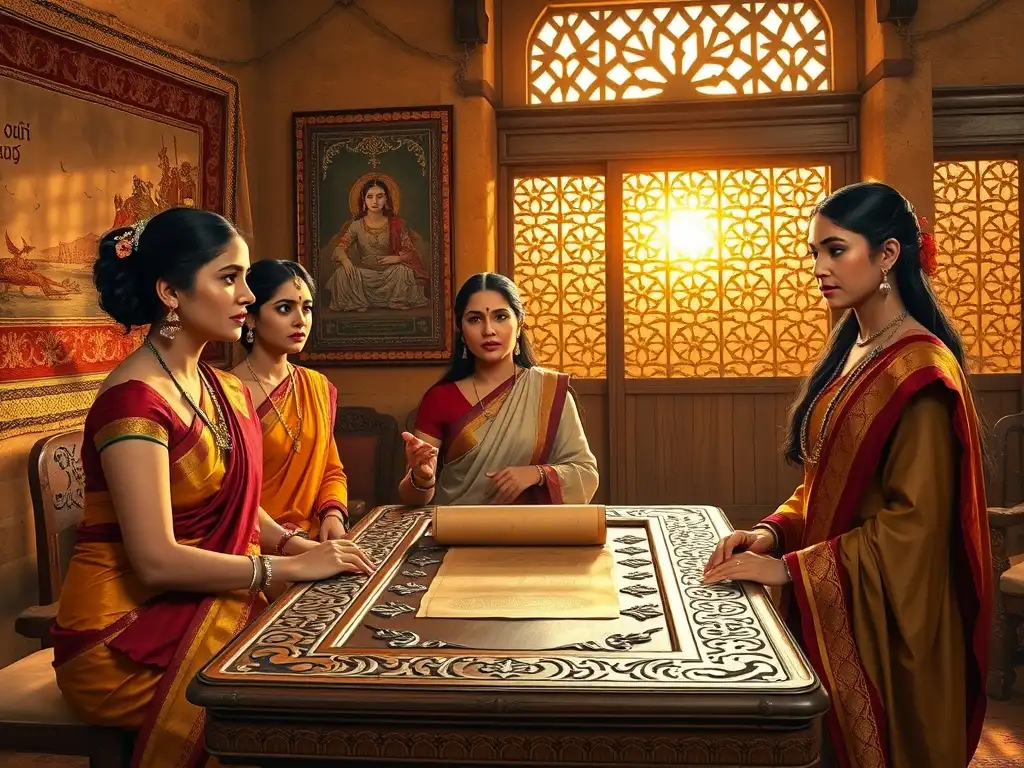
Women played a pivotal yet often overlooked role in the diplomatic landscape of ancient India. Their contributions spanned various aspects, including mediation, negotiation, and influencing political alliances, often leveraging their unique positions within royal households and society. The influence of women in diplomacy can be observed through their involvement as mediators in political alliances, the significant roles played by queens, and instances of female envoys. These contributions highlight the integral part women played in fostering relationships between different states and cultures.
Women as Mediators in Political Alliances
In ancient India, women often served as crucial mediators in forming political alliances. Marriages were commonly used as diplomatic tools to establish peace and strengthen ties between kingdoms. For instance, royal daughters were married off to kings of neighboring states, effectively creating bonds that would deter conflict and promote collaboration. These women wielded considerable influence, as they could sway their husbands, brothers, and fathers towards political decisions that favored peace and cooperation.
Additionally, women acted as informal diplomats, using their relationships and social networks to facilitate discussions and negotiations. They were adept at navigating the complex social hierarchies of ancient Indian society, allowing them to connect with influential figures across different regions. Their roles as mediators were not only about familial alliances but also about fostering goodwill and understanding among diverse cultures.
The Role of Queens in Diplomatic Negotiations
Queens held a prominent position in ancient Indian diplomacy, often participating directly in negotiations and decision-making processes. They were not merely passive figures but active participants in their kingdoms’ political affairs. For example, queens often accompanied their husbands to diplomatic meetings and were instrumental in discussions regarding treaties and agreements.
The historical records highlight instances where queens utilized their intellect and charisma to negotiate crucial treaties. Their ability to empathize and communicate effectively made them valuable assets in maintaining peace and resolving conflicts. Moreover, the presence of a queen in negotiations often symbolized stability and continuity within a dynasty, further enhancing their diplomatic significance.
Female Envoys: Case Studies and Examples
Several historical accounts document the presence of female envoys in ancient Indian diplomacy, showcasing women as formal representatives of their kingdoms. One notable example is the story of Chandragupta Maurya's daughter, who was sent as an envoy to negotiate with foreign powers. Her mission underscored the acceptance of women in diplomatic roles during the Mauryan Empire.
Another example includes the diplomatic efforts of the Rajput princesses, who were often sent to forge alliances through marriage or treaties. Their journeys to foreign courts not only exemplified their diplomatic responsibilities but also highlighted their roles as cultural ambassadors, introducing their customs and traditions to new territories.
Notable Figures in Ancient Indian Diplomacy
The history of ancient India is replete with influential women who made significant contributions to diplomacy. Their stories often intertwine with the political narratives of their times, revealing the profound impact they had on shaping diplomatic relations.
The Influence of Nandini: A Case Study
Nandini, a prominent figure in ancient Indian history, exemplifies the role of women in diplomacy through her strategic marriages and alliances. As a princess, her marriage to a powerful king positioned her as a key player in the political dynamics of her time. Nandini's influence extended beyond her marriage; she was known for her wisdom and ability to mediate conflicts between rival factions, often acting as a trusted advisor to her husband.
Her legacy is a testament to the power women held in ancient Indian politics, showcasing how their roles extended far beyond traditional expectations. Through her strategic thinking and diplomatic acumen, Nandini played a crucial role in maintaining stability in her kingdom and building alliances that would benefit her state.
Contributions of Other Prominent Women
Beyond Nandini, several other women made notable contributions to ancient Indian diplomacy. Figures such as Rani Durgavati and Razia Sultana showcased their strength and leadership abilities, often leading armies and negotiating peace treaties themselves. Their courage and intelligence not only challenged the gender norms of their time but also established them as formidable players on the diplomatic stage.
Women in the royal courts often acted as advisors and influencers, leveraging their positions to impact decisions that affected their kingdoms. Their contributions, while frequently overshadowed by their male counterparts, were essential in shaping the diplomatic landscape of ancient India and ensuring the continuity of their dynasties.
The Impact of Women in Shaping Diplomatic Relations
Women in ancient India played a crucial role in shaping diplomatic relations, often acting as intermediaries and negotiators in political matters. Their influence was rooted in strategic marriages, which were used to forge alliances between kingdoms. These marriages were not merely personal unions; they were political tools that helped maintain peace and foster relationships between rival states.
For instance, princesses were frequently married off to kings from different regions, creating bonds that were pivotal in ensuring stability. These alliances were essential in an era where warfare and territorial disputes were commonplace. Women, thus, became vital players in the political landscape, wielding power behind the scenes. They often facilitated communication between rulers, leveraging their familial connections to influence decisions that affected their states' political dynamics.
Moreover, women were not just passive recipients of diplomatic strategies. Many of them actively participated in negotiations and discussions, utilizing their intellect and persuasive abilities to sway outcomes in favor of their people. Their roles, while often overshadowed by their male counterparts, were instrumental in shaping the diplomatic landscape of ancient India.
Women’s Contributions to Cultural Diplomacy
Cultural diplomacy was another significant area where women made impactful contributions. They were often the bearers of cultural exchange, promoting art, literature, and customs between different regions. Royal women, particularly, engaged in the patronage of artists and scholars, thereby enhancing the cultural ties between their own kingdoms and those of their allies.
For example, women would host gatherings that featured poets, musicians, and philosophers, which not only entertained but also fostered intellectual discourse and cultural appreciation. Such interactions were pivotal in creating a shared identity among diverse groups, ultimately strengthening diplomatic relations.
Additionally, women were pivotal in the transmission of religious and philosophical ideas across borders. Through their connections, they facilitated the spread of Hinduism, Buddhism, and Jainism, which contributed to greater understanding and cooperation among various states. Their efforts in cultural diplomacy not only enriched the civilizations but also laid the groundwork for future alliances based on shared values and beliefs.
The Legacy of Women in Ancient Indian Statecraft
The legacy of women in ancient Indian statecraft is profound, as their influence extended beyond their immediate contributions. Historical texts and epics often depict women as wise advisors and formidable leaders, suggesting that they held significant sway in governance and policy-making. Figures such as Rani Durgavati and Razia Sultana exemplify the leadership capabilities of women in ancient India, demonstrating that they could ascend to positions of power and authority.
These women, alongside their male counterparts, contributed to the administrative and diplomatic frameworks of their respective kingdoms. Their participation in state affairs set a precedent that recognized the potential of women as critical stakeholders in governance. This legacy is reflected in the acknowledgment of women’s roles in ancient texts, which serve as vital records of their contributions to diplomacy and statecraft.
The impact of these women can still be felt today, as their stories inspire contemporary discussions about gender and leadership. By examining the roles of women in ancient Indian diplomacy, we gain insights into the complexities of their contributions and the enduring influence they have had on the political landscape.
Challenges Faced by Women in Diplomacy
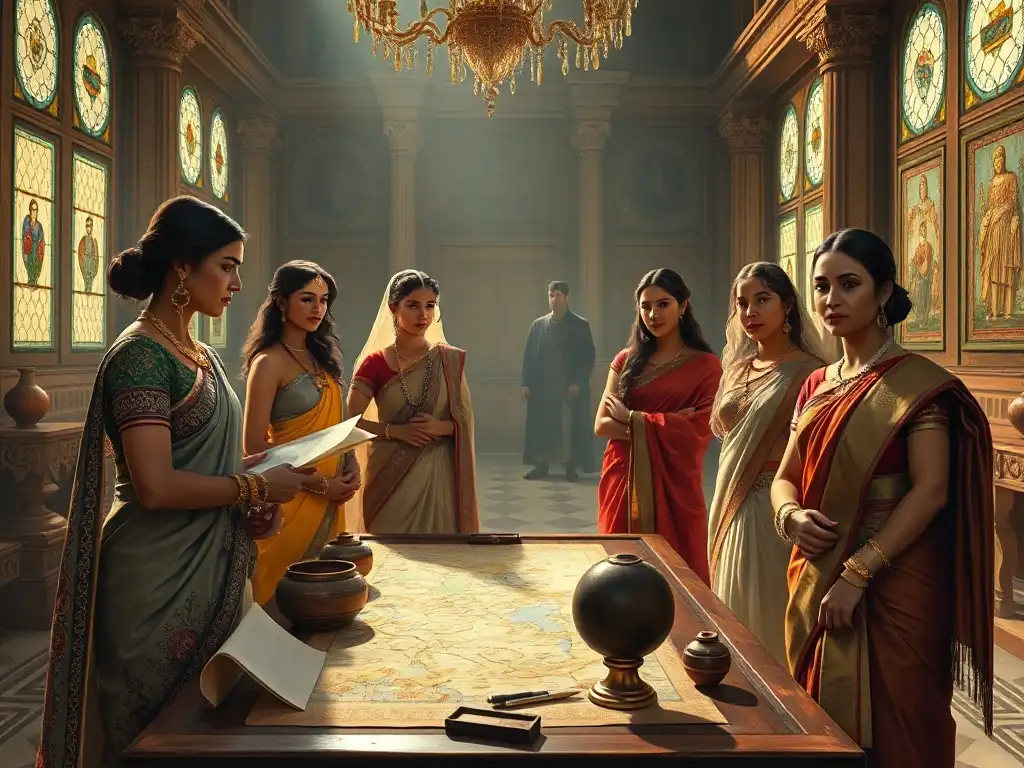
Despite their significant contributions, women in ancient Indian diplomacy faced numerous challenges that often hindered their full potential. The societal framework of the time placed considerable restrictions on women, limiting their roles to that of caretakers and homemakers in many instances.
Societal Norms and Gender Roles
Societal norms and gender roles in ancient India were deeply entrenched, often dictating the extent and nature of women's involvement in diplomatic affairs. While some women rose to prominence, many were confined to the domestic sphere. Cultural expectations often prioritized marriage and motherhood over political engagement, which led to a lack of representation in formal diplomatic roles.
The perception of women as secondary to men in matters of statecraft meant that their contributions were frequently overlooked or undervalued. Even when women did participate, they often had to navigate a landscape rife with patriarchal attitudes, which could undermine their authority and diminish their achievements.
Limitations in Historical Records
Another significant challenge is the limitation of historical records, which often fail to adequately document women's roles in diplomacy. Most ancient texts were authored by men and tended to focus on male achievements, leaving women's contributions in the shadows. The lack of comprehensive accounts makes it difficult to fully appreciate the extent of women's involvement in diplomatic relations.
Additionally, the prevailing narrative often romanticized or simplified women's roles, reducing complex figures to mere footnotes in history. This gap in documentation has led to a skewed understanding of women’s contributions and has made it challenging to reconstruct their true impact on ancient Indian diplomacy.
While women played a vital role in the diplomatic landscape of ancient India, societal norms and historical limitations have often obscured their contributions. Acknowledging these challenges is crucial for a more accurate representation of women's roles in ancient Indian history.
Modern Perspectives on Women in Ancient Indian Diplomacy
In recent years, there has been a significant shift in how scholars and historians approach the topic of women in ancient Indian diplomacy. Traditionally, historical narratives often overlooked the contributions of women, focusing primarily on male figures in political and diplomatic roles. However, modern perspectives emphasize the importance of understanding women's roles as integral to the political landscape of ancient India. This re-evaluation not only highlights the active participation of women in diplomatic activities but also showcases their influence in shaping political decisions and alliances.
Women in ancient India were not merely passive figures; they were often key players in diplomatic negotiations, influencing treaties and peace processes. Notable figures such as Rani Durgavati, who led her kingdom in battles and negotiations, illustrate how women operated within and beyond traditional roles. Furthermore, the examination of texts and historical accounts has revealed that women often acted as intermediaries, using their social and familial connections to foster diplomatic relations.
Re-evaluating Historical Narratives
Re-examining historical narratives allows for a broader understanding of the complexities surrounding women’s roles in ancient Indian diplomacy. Traditional histories have often marginalized women's contributions, framing them as secondary to those of men. However, recent scholarship is uncovering evidence that women actively participated in diplomatic missions, serving as envoys, advisers, and negotiators.
For instance, the accounts of women from royal families who were married off to forge alliances demonstrate how these unions were not solely personal but served critical diplomatic functions. Women like Chand Bibi of Ahmednagar exemplify this, as she not only defended her territory but also engaged in strategic negotiations with the Mughal Empire.
By re-evaluating these narratives, historians are beginning to understand that women wielded significant power and influence within their societies, contributing to the political and diplomatic fabric of ancient India in ways that were previously unrecognized.
Lessons from the Past for Contemporary Diplomacy
Reflecting on the roles of women in ancient Indian diplomacy offers valuable lessons for contemporary diplomatic practices. In modern times, the inclusion of women in diplomatic discussions is increasingly recognized as essential for effective negotiation and conflict resolution. Women bring unique perspectives and experiences that can lead to more comprehensive and inclusive solutions.
The ancient practices of women acting as mediators and negotiators highlight the need for diverse voices in diplomacy today. Incorporating women into diplomatic teams can enhance cultural understanding and foster better communication between nations. The historical precedent of women successfully navigating complex political landscapes serves as a reminder of the importance of gender equality in diplomatic efforts.
Furthermore, the strategies employed by women in ancient diplomacy, such as leveraging personal relationships and cultural ties, can inform modern diplomatic strategies. By learning from the past, contemporary diplomats can develop more nuanced approaches that prioritize collaboration and empathy.
Conclusion: Acknowledging the Unseen Contributors
The role of women in ancient Indian diplomacy has often been relegated to the background, yet their contributions were instrumental in shaping the political landscape of their time. As historical narratives evolve, it becomes increasingly clear that women were not just passive observers but active participants in diplomatic affairs.
Summary of Women’s Impact on Ancient Indian Diplomacy
Women in ancient India played multifaceted roles in diplomacy, from acting as diplomats and peacekeepers to influencing political decisions through familial ties and marriages. Their contributions were pivotal in forging alliances and maintaining peace among rival kingdoms. Figures such as Rani Durgavati and Chand Bibi serve as powerful examples of women's engagement in diplomacy, showcasing their capabilities and impact on the historical record.
The Importance of Recognizing Women’s Roles in History
Recognizing the roles of women in ancient Indian diplomacy is crucial for a comprehensive understanding of history. By acknowledging their contributions, we not only correct historical imbalances but also enrich our understanding of the complexities of ancient political structures. This recognition serves to inspire future generations by highlighting the importance of inclusivity and diversity in all spheres of society, particularly in roles of leadership and diplomacy. In doing so, we honor the legacy of these unseen contributors, ensuring that their stories and impacts are woven into the broader narrative of history.
- Introduction to Women in Ancient Indian Diplomacy
- Overview of Women’s Roles in Ancient Civilizations
- Importance of Diplomacy in Ancient India
- Historical Context of Diplomacy in Ancient India
- Contributions of Women to Diplomacy
- Notable Figures in Ancient Indian Diplomacy
- The Impact of Women in Shaping Diplomatic Relations
- Challenges Faced by Women in Diplomacy
- Modern Perspectives on Women in Ancient Indian Diplomacy
- Conclusion: Acknowledging the Unseen Contributors
- What was the role of women in ancient Indian diplomacy?
- How did cultural norms influence women's participation in diplomacy?
- Can you name some notable women involved in ancient Indian diplomacy?
- What impact did women's diplomacy have on ancient Indian society?
- Are there any historical texts that mention women in diplomacy?
Frequently Asked Questions
What was the role of women in ancient Indian diplomacy?
Women played crucial roles as diplomats, negotiators, and peacekeepers, often leveraging their social connections and influence to foster relationships between states.
How did cultural norms influence women's participation in diplomacy?
Cultural norms often restricted women's public roles, but many women utilized their education and strategic marriages to engage in diplomatic efforts behind the scenes.
Can you name some notable women involved in ancient Indian diplomacy?
Yes, figures such as Vasavadatta and Madhavi are known for their significant contributions, using their intellect and charm to mediate and influence political affairs.
What impact did women's diplomacy have on ancient Indian society?
The involvement of women in diplomacy helped to strengthen alliances, promote peace, and facilitate trade, thereby enhancing the political stability of their societies.
Are there any historical texts that mention women in diplomacy?
Yes, ancient texts like the Mahabharata and Arthashastra reference women's roles in political negotiations, showcasing their importance in the diplomatic landscape of the time.
Final Reflection: Unveiling the Silent Architects of Diplomacy
The exploration of Women in Ancient Indian Diplomacy reveals a profound truth about the often-overlooked contributions of women in shaping political landscapes. As we navigate through the complexities of modern diplomacy, it becomes increasingly clear that the roles women played in ancient times are not merely historical footnotes but rather foundational elements that resonate in today’s discussions on gender equality and representation. The recognition of these unseen contributors challenges us to rethink our understanding of power dynamics and the multifaceted nature of influence.
The impact of women in ancient Indian diplomacy extends far beyond their time, influencing the cultural and social fabric of society. Their strategic insights and diplomatic acumen were pivotal in forging alliances and maintaining peace. This historical perspective invites us to acknowledge the ongoing struggle for women's voices to be heard in contemporary political arenas. As we reflect on this legacy, we are reminded of the words of historian Romila Thapar: History is not just about kings and battles; it is also about the lives of ordinary people, including women who shaped the course of events.
This sentiment underscores the importance of recognizing and valuing the contributions of women throughout history.
As we conclude this exploration, I invite you to reflect on the lessons learned from the roles women played in ancient Indian diplomacy. Consider how you can apply these insights in your own life, whether by advocating for gender equality, supporting women's leadership, or simply acknowledging the diverse voices that shape our world. Let us honor the legacy of these unseen contributors by ensuring that their stories are told and celebrated, inspiring future generations to embrace the power of inclusivity in all spheres of life.
Unleash the Power of Women in History!
Thank you for exploring the fascinating role of women in ancient Indian diplomacy with us! By diving into this often-overlooked topic, you’ve uncovered the essential contributions women made to shaping diplomatic relations and cultural exchanges. Now, let's take that knowledge and put it into action!
Here are a few ways you can engage further:
- Join the Conversation: Share your thoughts on this article or your insights about women's roles in diplomacy in the comments below. **Every voice matters! **
- Explore Further: Read about other influential women in ancient history by visiting our related articles or suggested readings section on ancientindiahistory.com .
- Spread the Word: Share this article with friends or on social media to inspire others to learn about the invaluable contributions of women throughout history.
What aspect of women's contributions to diplomacy surprised you the most? How do you think this knowledge can reshape our understanding of history today?