
How Ancient Indian Innovations Shaped the Future of Global Agriculture


Welcome to Ancient India History, where we embark on an enlightening journey through the rich and diverse tapestry of ancient Indian civilizations. Here, we delve into the remarkable contributions and innovations that have shaped not only India but the entire world. In this article, we’ll uncover the fascinating realm of Ancient Indian agricultural innovations, revealing how these groundbreaking techniques laid the foundation for modern agriculture.
Prepare to be intrigued as we explore the legacy of ingenuity that continues to influence global farming practices today. Join us as we connect the past with the present and inspire your curiosity to learn more!
- Introduction to Ancient Indian Agricultural Innovations
- Key Innovations in Ancient Indian Agriculture
- Impact of Ancient Indian Agricultural Innovations on Global Agriculture
- Case Studies of Ancient Indian Agricultural Innovations
- Conclusion: The Lasting Legacy of Ancient Indian Agricultural Innovations
- References and Further Reading
-
Frequently Asked Questions
- What were some key agricultural innovations in ancient India?
- How did the Indus Valley Civilization contribute to agriculture?
- What role did the Gupta Empire play in agricultural advancements?
- How did ancient Indian agricultural practices influence other regions?
- What is the significance of studying ancient Indian agricultural innovations today?
- Final Reflection: The Enduring Legacy of Ancient Indian Agricultural Innovations
- Unleash the Wisdom of Ancient Innovations!
Introduction to Ancient Indian Agricultural Innovations
The agricultural innovations of ancient India are a testament to the ingenuity and resourcefulness of its civilizations. From the sophisticated irrigation systems of the Indus Valley to the advanced agronomic practices of the Gupta Empire, ancient Indian societies made significant contributions that not only transformed their own agricultural landscapes but also laid the groundwork for future developments in global agriculture.
These innovations encompassed a wide array of techniques and technologies, including crop rotation, seed selection, and the use of organic fertilizers, which collectively enhanced productivity and sustainability. Understanding these advancements offers valuable insights into how ancient Indian agricultural practices have influenced modern farming methods across the world.
Overview of Ancient Indian Contributions to Agriculture
The history of agriculture in ancient India is rich and varied, reflecting the diverse climatic and geographical conditions of the region. The Indus Valley Civilization (circa 3300–1300 BCE) is often credited with some of the earliest agricultural practices, including:
- Irrigation Systems: The development of complex irrigation canals allowed for the cultivation of crops in arid regions, significantly increasing agricultural output.
- Crop Cultivation: Evidence suggests that ancient Indians cultivated a variety of crops, such as wheat, barley, and legumes, with techniques that promoted soil fertility and crop yield.
- Horticulture: The use of fruit trees and gardens not only provided food but also contributed to the overall ecology of farming landscapes.
As Indian civilizations evolved, so did their agricultural practices. The Vedic period (circa 1500–500 BCE) introduced new techniques such as:
- Crop Rotation: This practice helped maintain soil health and prevent pest infestations by varying the types of crops grown in succession.
- Fertilization: The use of compost and animal manure was documented, which improved soil fertility and crop resilience.
Importance of Agricultural Innovations in Ancient India
The significance of ancient Indian agricultural innovations extends beyond mere food production; they played a crucial role in shaping societal structures, economies, and trade. Key points include:
- Economic Growth: Enhanced agricultural productivity led to surplus food production, which in turn supported population growth and urbanization.
- Trade Development: Agricultural surplus facilitated trade both locally and with neighboring regions, contributing to the wealth of ancient Indian cities and the establishment of trade routes.
- Cultural Impact: Agriculture influenced various aspects of life, including religious practices, festivals, and social organization. The agrarian calendar dictated the rhythm of life in ancient Indian societies.
The agricultural innovations of ancient India were foundational in developing sustainable farming practices that have had a lasting impact on global agriculture. Understanding these contributions provides valuable lessons in sustainability and ecological balance that remain relevant today.
Key Innovations in Ancient Indian Agriculture
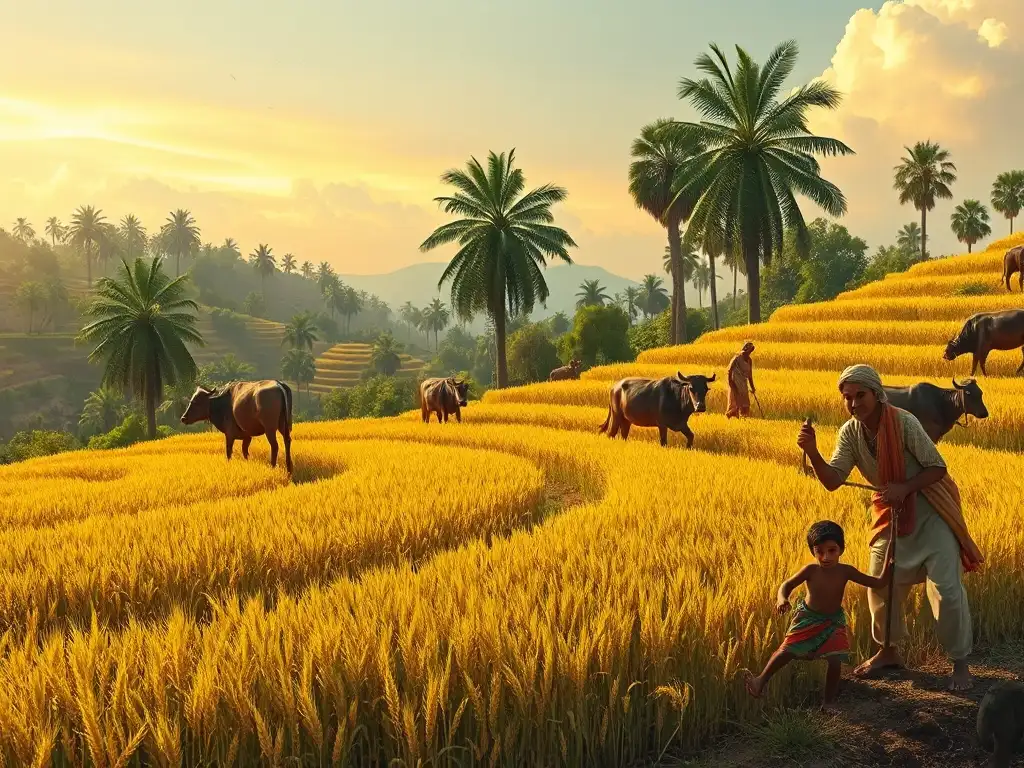
Ancient Indian agricultural innovations significantly influenced not only local practices but also had far-reaching effects on global agriculture. By harnessing natural resources and employing innovative techniques, ancient Indian civilizations established effective agricultural systems that laid the groundwork for future advancements. Here, we explore the key innovations that defined ancient Indian agriculture, focusing on irrigation systems and crop management practices.
Development of Irrigation Systems
Irrigation was a cornerstone of ancient Indian agriculture, enabling the cultivation of crops in regions that would otherwise be unsuitable for farming. Ancient Indian civilizations developed several sophisticated irrigation techniques that enhanced agricultural productivity.
Techniques of Flood Irrigation
Flood irrigation, also known as surface irrigation, was one of the earliest methods employed by ancient Indian farmers. This technique involved the diversion of river water to flooded fields, ensuring that crops received adequate moisture. Key features of flood irrigation included:
- Natural Water Flow: Utilizing the natural flow of rivers and streams to inundate agricultural lands.
- Field Design: Creating leveled fields to facilitate uniform water distribution and minimize water loss due to runoff.
- Seasonal Timing: Farmers timed their planting and irrigation practices to coincide with seasonal floods, maximizing water usage.
This approach not only supported crop growth but also helped in maintaining soil fertility through sediment deposits.
Use of Canals and Wells
The construction of canals and wells marked a significant advancement in ancient Indian irrigation practices. These systems allowed for more controlled and sustained water supply, crucial for agriculture in arid regions.
- Canals: Ancient Indian civilizations, such as those in the Indus Valley, built extensive canal systems that channeled river water to agricultural fields. These canals improved water management and enabled farmers to cultivate larger areas.
- Wells: The use of dug wells became prevalent in many regions, providing a reliable water source during dry seasons. Farmers used simple yet effective techniques to extract groundwater, ensuring crop irrigation even in periods of insufficient rainfall.
The combination of these irrigation methods significantly improved crop yields and agricultural sustainability.
Crop Rotation and Diversification
Crop rotation and diversification were essential practices that ancient Indian farmers implemented to enhance soil health and maximize agricultural output. These methods contributed to a more resilient agricultural system capable of withstanding pest invasions and climatic fluctuations.
Benefits of Crop Rotation
Crop rotation involves the sequential planting of different crops on the same land, which offers numerous benefits:
- Soil Fertility: Different crops contribute various nutrients to the soil, preventing nutrient depletion and promoting a balanced ecosystem.
- Pest Management: Rotating crops disrupts the life cycles of pests and diseases, reducing the need for chemical interventions.
- Improved Yields: By alternating deep and shallow-rooted plants, farmers optimized space and resource utilization, leading to enhanced overall productivity.
Ancient texts and agricultural manuals from the time suggest that farmers practiced crop rotation systematically, leading to sustained agricultural success.
Types of Crops Used in Ancient India
Ancient Indian agriculture was characterized by a wide variety of crops, reflecting the region's diverse climatic conditions. Key crops included:
- Cereals: Wheat, barley, and rice were staple crops that formed the backbone of ancient diets. They were often cultivated in rotation to maximize land use.
- Legumes: Pulses such as lentils and chickpeas played a crucial role in enriching the soil with nitrogen, enhancing soil fertility.
- Spices and Fibers: Crops like cotton and various spices not only contributed to local economies but also established trade networks with distant lands.
This diversification allowed ancient Indian farmers to adapt to changing environmental conditions and market demands, highlighting their innovative spirit.
The ancient Indian agricultural innovations in irrigation systems and crop management practices set the foundation for sustainable agriculture. These contributions not only shaped local practices but also influenced agricultural methods across the globe, demonstrating the profound impact of ancient Indian civilization on future generations.
Introduction of Fertilizers and Soil Management
Ancient India was a cradle of agricultural innovation, significantly influencing farming practices through the introduction of fertilizers and soil management techniques. The cultivation of crops in ancient Indian civilization was not merely an exercise in planting seeds but a sophisticated practice that involved understanding soil health and fertility. Farmers recognized that the quality of soil directly impacted crop yields, which led to the development of various methods to enhance soil productivity.
The use of fertilizers in ancient India can be traced back to the Vedic period, where texts provided insights into agriculture and the necessity of maintaining soil fertility. The emphasis on sustainable farming practices ensured that soils were not depleted, allowing for continuous cultivation of crops. This understanding laid the groundwork for future agricultural practices worldwide, contributing to the global discourse on sustainable farming.
Organic Fertilizers in Ancient Indian Agriculture
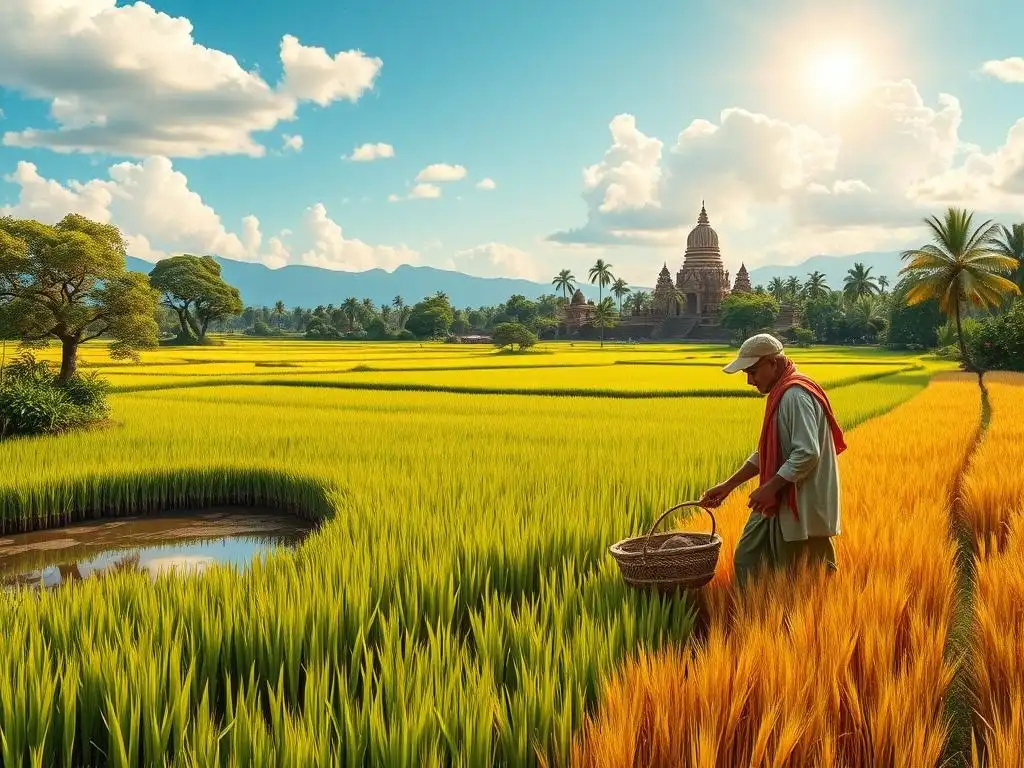
Organic fertilizers played a crucial role in ancient Indian agriculture, emphasizing the use of natural materials to enhance soil fertility. Farmers utilized a variety of organic substances, such as animal manure, compost, and green manure, to enrich the soil. These materials not only provided essential nutrients to crops but also improved soil structure, moisture retention, and microbial activity.
- Animal Manure: This was one of the most common fertilizers used. Cattle dung, particularly from cows, was valued for its high nutrient content. It was often mixed with soil or used as a top dressing for crops.
- Compost: Farmers practiced composting by collecting plant residues, kitchen waste, and other organic matter to create nutrient-rich compost. This method was sustainable and encouraged the recycling of materials within the agricultural cycle.
- Green Manure: Certain crops, such as legumes, were grown and then plowed back into the soil to enhance fertility. These crops not only added nitrogen but also improved soil texture and structure.
The use of these organic fertilizers exemplified ancient Indians' profound understanding of ecological balance and their commitment to sustainable agricultural practices.
Soil Enrichment Techniques
Various soil enrichment techniques were employed by ancient Indian farmers to maintain and improve soil quality. These techniques were essential for ensuring high crop yields and sustainable farming practices. Some of the notable methods included:
- Crop Rotation: Farmers practiced crop rotation to prevent soil depletion and control pests. By alternating different crops, particularly legumes with cereals, they were able to enhance soil nitrogen levels naturally.
- Intercropping: This technique involved planting two or more crops in proximity. The diversity of plants helped in optimizing the use of resources, as different crops would use different nutrients and prevent soil erosion.
- Terracing: In hilly regions, the construction of terraces helped in preventing soil erosion while optimizing water use. This method allowed for more efficient farming practices on uneven terrain.
- Mulching: Farmers used organic materials as mulch to cover the soil, which helped retain moisture, suppress weeds, and gradually enrich the soil as the mulch decomposed.
These soil enrichment techniques demonstrate the ingenuity and resourcefulness of ancient Indian agricultural practices, highlighting their lasting impact on agriculture globally. The principles established in ancient India continue to resonate today, informing modern approaches to sustainable agricultural practices.
Impact of Ancient Indian Agricultural Innovations on Global Agriculture

The agricultural innovations from ancient India have had a profound and lasting impact on global agriculture, influencing farming practices, crop diversity, and agricultural sustainability across various regions. These innovations not only catered to the local needs of ancient Indian civilizations but also set the foundation for agricultural practices that would be adopted and adapted by neighboring civilizations and later by the world at large.
Influence on Neighboring Civilizations
The advancements made in ancient Indian agriculture were not isolated; they significantly influenced neighboring regions, particularly through trade, migration, and cultural exchanges. Practices such as crop rotation, irrigation techniques, and the use of organic fertilizers were disseminated to various civilizations, fostering agricultural growth beyond India's borders.
Spread of Techniques to Southeast Asia
Ancient Indian agricultural techniques found their way to Southeast Asia through maritime trade routes. Indian merchants and travelers introduced innovative farming practices, such as:
- Terracing: This method was particularly beneficial in hilly regions, allowing for effective water management and soil conservation.
- Paddy Cultivation: The transplantation method for rice, which originated in India, became a staple in countries like Vietnam and Thailand, contributing to their agricultural success.
- Crop Diversity: The introduction of diverse crops, including spices such as black pepper and cardamom, enriched the agricultural landscape of Southeast Asia, leading to economic prosperity.
These techniques not only improved crop yields but also integrated local agricultural practices with Indian innovations, enhancing food security in the region.
Adaptation of Innovations in the Middle East
In the Middle East, ancient Indian agricultural practices were adapted to suit the arid climate and soil conditions. Key adaptations included:
- Irrigation Systems: The sophisticated irrigation techniques developed in ancient India were modified to optimize water usage in the Middle Eastern deserts. The use of wells, canals, and qanats (underground aqueducts) became prevalent.
- Crop Selection: Indian farmers' knowledge of drought-resistant crops allowed Middle Eastern farmers to diversify their crops, leading to improved agricultural resilience and productivity.
The cross-pollination of agricultural knowledge facilitated a more robust agricultural framework in the Middle East, which was crucial for sustaining growing populations.
Long-term Global Agricultural Practices
The agricultural innovations from ancient India laid the groundwork for long-term practices that are still relevant today. These practices have been integrated into modern farming techniques worldwide, showcasing the enduring legacy of ancient Indian agriculture.
Adoption of Indian Crops Worldwide
Many crops that originated in ancient India have been adopted globally, leading to significant agricultural transformations. Notable examples include:
| Crop | Region of Adoption | Impact |
|---|---|---|
| Rice | East Asia, Africa | Became a staple food source |
| Sugarcane | Middle East, Americas | Revolutionized sweetener production |
| Cotton | Global (from India) | Spurred textile industries worldwide |
| Spices (e.g., pepper, turmeric) | Global trade networks | Transformed culinary practices |
These crops not only enhanced dietary diversity but also stimulated economic activities such as trade and export.
Legacy of Ancient Indian Farming Techniques
The legacy of ancient Indian farming techniques is evident in contemporary sustainable agricultural practices. Key aspects include:
- Organic Farming: The use of natural fertilizers and pest control methods, rooted in ancient practices, is experiencing a resurgence in modern agriculture as sustainability becomes a priority.
- Agroforestry: The integration of trees and crops, a practice with origins in ancient Indian agriculture, is recognized for its ecological benefits, promoting biodiversity and soil health.
The principles of resource conservation, soil management, and crop diversity established by ancient Indian farmers continue to inspire modern agricultural practices aimed at addressing current global challenges, such as climate change and food security.
The rich tapestry of ancient Indian agricultural innovations not only shaped the agricultural practices of neighboring civilizations but also laid a foundation for sustainable practices that are relevant to contemporary agriculture worldwide. The influences of these innovations serve as a reminder of the interconnectedness of global agricultural history and the significance of ancient contributions to modern practices.
Case Studies of Ancient Indian Agricultural Innovations
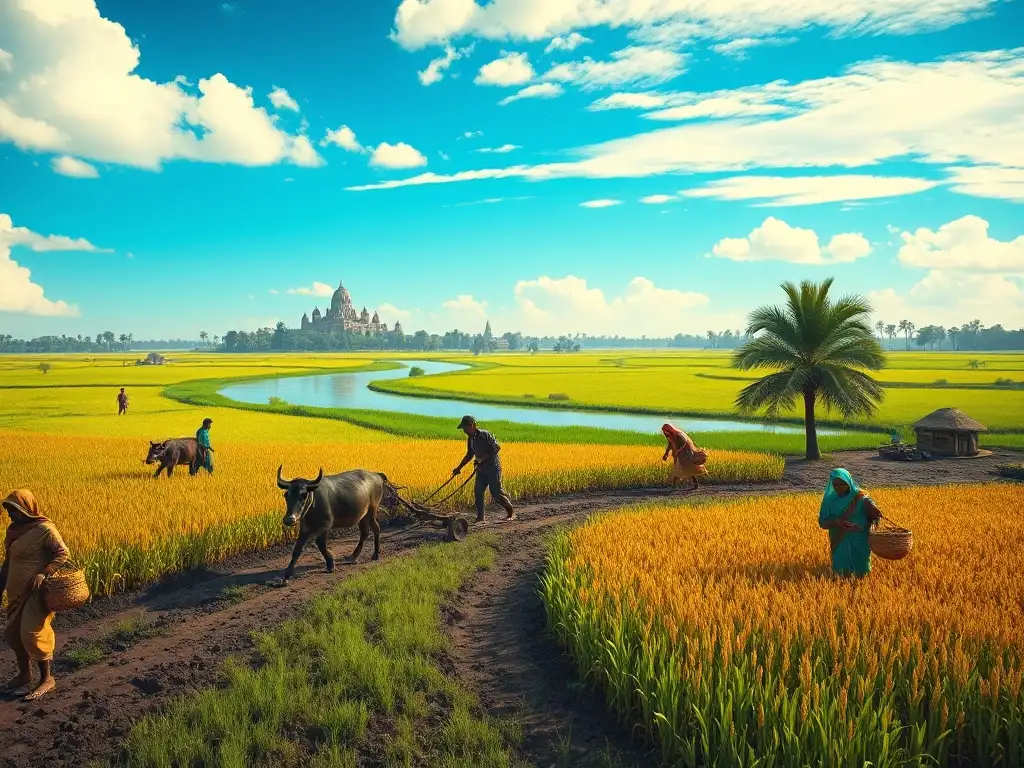
Ancient India is a treasure trove of agricultural innovations that not only shaped its own civilization but also influenced farming practices globally. This section delves into specific case studies from two prominent periods: the Indus Valley Civilization and the Gupta Empire. Each of these eras presents unique advancements that reflect the ingenuity of ancient Indian farmers and their contributions to agriculture.
The Indus Valley Civilization's Agricultural Practices
The Indus Valley Civilization (approximately 3300–1300 BCE) is renowned for its sophisticated urban planning and agricultural practices. Evidence suggests that this civilization employed innovative techniques that laid the foundation for sustainable agriculture.
Evidence of Advanced Farming Techniques
Archaeological findings reveal a variety of advanced farming techniques in the Indus Valley. Farmers utilized:
- Irrigation Systems: The civilization developed complex irrigation systems, including canals and wells, to manage water supply effectively. This allowed them to cultivate crops in a semi-arid environment.
- Crop Rotation: Evidence indicates the practice of crop rotation, which helped maintain soil fertility. Farmers rotated different crops to prevent depletion of nutrients, enhancing long-term agricultural productivity.
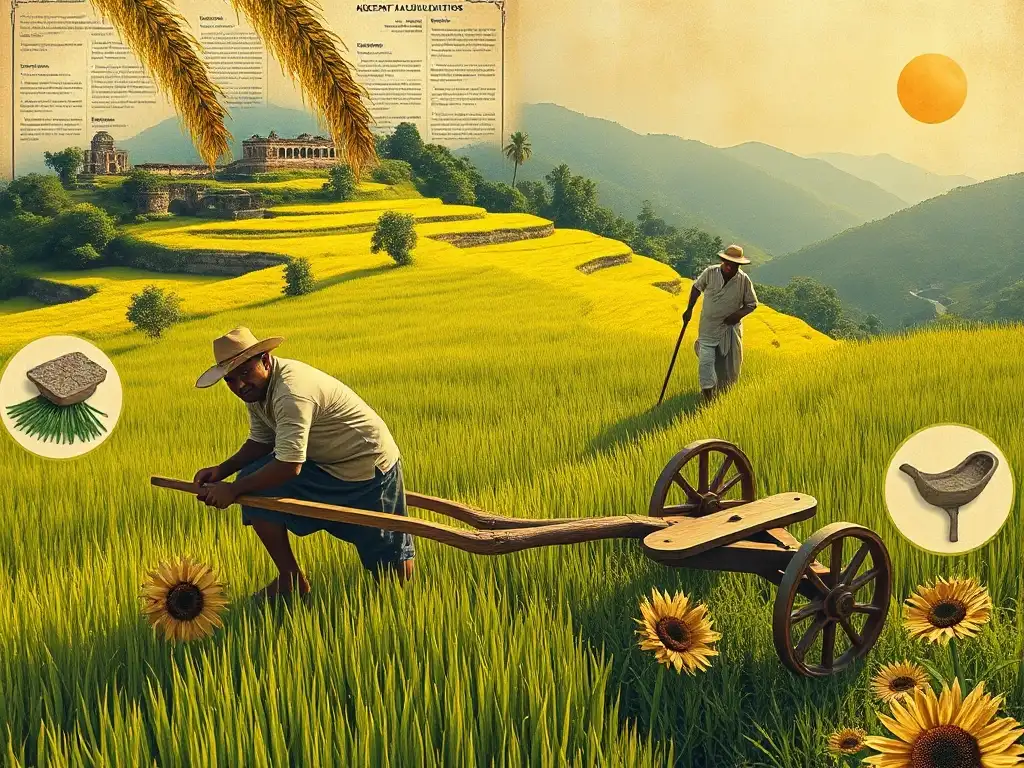
- Use of Ploughs: The introduction of the plough, likely made of wood, revolutionized farming by allowing deeper tillage, which improved seedbed preparation. This tool facilitated the cultivation of larger areas and increased yields.
Role of Agriculture in Urban Planning
Agriculture played a crucial role in the urban planning of Indus Valley cities such as Harappa and Mohenjo-Daro. The layout of these cities reflected a deep understanding of agricultural needs:
- Strategic Location: Cities were built near fertile riverbanks, ensuring easy access to water for irrigation and trade.
- Storage Facilities: Granaries and storage facilities were constructed to preserve surplus grains, indicating an organized approach to managing agricultural outputs.
- Marketplace Development: The presence of marketplaces facilitated trade, allowing farmers to exchange surplus food for other goods, thus strengthening the economy.
Innovations during the Gupta Empire
The Gupta Empire (approximately 320–550 CE) marked a golden age for various fields, including agriculture. During this period, several innovations emerged that significantly impacted agricultural practices.
Expansion of Agricultural Knowledge
The Gupta period saw an expansion of agricultural knowledge through:
- Agricultural Texts: Texts such as the "Krishi Parashara" provided guidelines on farming techniques, crop management, and pest control, thereby enhancing agricultural productivity.
- Improved Crop Varieties: The introduction of new crop varieties, such as rice and wheat, improved food security and diversified the agricultural landscape.
- Farming Techniques: Techniques such as mixed cropping and improved irrigation methods were documented, promoting efficient use of land and water resources.
Impact on Trade and Economy
The agricultural innovations during the Gupta Empire had profound effects on trade and the economy:
- Increased Surplus Production: Enhanced agricultural techniques led to surplus production, which in turn supported population growth and urbanization.
- Trade Networks: Surplus produce fostered extensive trade networks, both domestically and with foreign lands, increasing economic prosperity.
- Cultural Exchange: The flourishing trade brought diverse agricultural products into the Indian subcontinent, promoting cultural exchanges that influenced agricultural practices.
The examination of ancient Indian agricultural innovations reveals a rich tapestry of practices and knowledge that not only sustained their civilizations but also set the stage for future agricultural advancements worldwide. These innovations underscore the significance of ancient Indian contributions to global agriculture and continue to influence modern farming techniques.
Conclusion: The Lasting Legacy of Ancient Indian Agricultural Innovations
Reflection on the Importance of Historical Agricultural Practices
The agricultural innovations of ancient India have played a pivotal role in shaping the agricultural landscape not just in India, but across the globe. Many of these practices emerged from a deep understanding of local ecosystems, climate, and crops, demonstrating a sophisticated relationship between humans and nature.
For instance, the Indus Valley Civilization (c. 3300 – c. 1300 BCE) showcased advanced methods in irrigation and crop storage. They developed an extensive network of canals and wells which facilitated the cultivation of crops such as wheat, barley, and cotton. This early awareness of irrigation underscores how ancient Indian agricultural innovations laid the groundwork for future agricultural practices worldwide.
Moreover, the concept of crop rotation, which was practiced in ancient India, is still a fundamental technique in modern agriculture. By alternating different crops in the same field, farmers can improve soil health, optimize nutrient usage, and reduce pest populations, illustrating how ancient wisdom continues to inform contemporary agricultural strategies.
The ancient texts, such as the Arthashastra and Manasollasa, contain detailed references to agricultural techniques, including land preparation, sowing, and harvesting. This rich documentation reflects a comprehensive understanding of agronomy that resonates even today.
The Future of Agricultural Innovations Inspired by Ancient Methods
As the world grapples with pressing challenges such as climate change, food security, and sustainable farming practices, revisiting ancient Indian agricultural innovations can provide valuable insights for future advancements.
- Sustainable Practices: The ancient Indian approach to agriculture emphasized sustainability. Techniques like mixed cropping and intercropping not only enhanced biodiversity but also minimized soil degradation. Modern agricultural scientists are now turning to these methods to develop eco-friendly farming practices that reduce dependence on chemical fertilizers and pesticides.
- Water Management: The ancient systems of water conservation, such as step wells and tanks, exemplify innovative solutions to water scarcity. As droughts become increasingly common, these time-tested methods can inform modern strategies for efficient water use in agriculture.
- Organic Farming: Many traditional practices, such as using natural fertilizers made from cow dung and plant matter, align with the principles of organic farming today. This ancient knowledge can guide contemporary farmers in creating sustainable and chemical-free farming systems that are both productive and environmentally friendly.
- Crop Diversity: Ancient Indian civilizations recognized the importance of cultivating a variety of crops to enhance resilience against pests and diseases. This principle is increasingly relevant as modern agriculture faces challenges from climate change, emphasizing the need for diverse cropping systems to ensure food security.
By integrating these ancient agricultural innovations into current practices, we can create a more sustainable and resilient agricultural future. The wisdom embedded in ancient Indian methodologies serves as a reminder of the importance of harmonizing agricultural practices with ecological balance, ultimately contributing to a more sustainable global agricultural landscape.
References and Further Reading
Suggested Books on Ancient Indian Agriculture
-
"The Agriculture of Ancient India" by R. S. Sharma
This book provides a comprehensive overview of agricultural practices in ancient India, exploring various techniques and the sociopolitical context that influenced farming methods.
-
"Ancient Indian Agriculture: A Historical Perspective" by M. L. Bhargava
Bhargava delves into the historical evolution of agriculture in India, focusing on the transition from subsistence farming to more advanced agricultural systems.
-
"The Indus Valley Civilization: A New Perspective" by Upinder Singh
This work examines the agricultural innovations of the Indus Valley Civilization, detailing irrigation methods and crop management that laid the foundation for future agricultural practices.
-
"History of Indian Agriculture" by G. R. K. Rao
Rao's book covers the timeline of agricultural development in India, outlining the significant innovations and their impacts on society and economy.
-
"Agricultural Practices in Ancient India" by S. P. Gupta
This title focuses on the specific practices, tools, and techniques used in ancient Indian agriculture, shedding light on how they influenced modern farming.
Academic Articles on Agricultural Innovations in Ancient India
-
"Irrigation Systems of Ancient India: A Comprehensive Study"
This article explores the various irrigation techniques used in ancient India, emphasizing their role in enhancing agricultural productivity and sustainability.
-
"Crop Diversity in Ancient Indian Agriculture: A Historical Analysis"
This research paper discusses the wide variety of crops cultivated in ancient India and how this diversity contributed to food security and agricultural resilience.
-
"The Role of Ancient Indian Agriculture in Global Trade"
An insightful analysis of how agricultural innovations in ancient India influenced trade routes and interactions with other civilizations, impacting global agriculture.
-
"Sustainable Practices in Ancient Indian Farming"
This article examines the eco-friendly practices adopted by ancient Indian farmers, highlighting their relevance to contemporary sustainable agriculture.
-
"Technological Advancements in Ancient Indian Agriculture"
A detailed look into the tools and techniques that revolutionized agriculture in ancient India, showcasing their long-lasting effects on farming practices worldwide.
By engaging with these resources, readers can gain a deeper understanding of ancient Indian agricultural innovations and their profound impact on the evolution of agriculture globally.
Frequently Asked Questions
What were some key agricultural innovations in ancient India?
Ancient India saw innovations such as crop rotation, the development of the plow, and advanced irrigation techniques, which significantly improved agricultural productivity.
How did the Indus Valley Civilization contribute to agriculture?
The Indus Valley Civilization implemented sophisticated drainage systems and irrigation methods, allowing for efficient farming and the cultivation of various crops including wheat and barley.
What role did the Gupta Empire play in agricultural advancements?
During the Gupta Empire, there was a notable increase in agricultural output due to the introduction of new crops and improved farming techniques, which supported population growth and urbanization.
How did ancient Indian agricultural practices influence other regions?
Ancient Indian practices, particularly in irrigation and crop management, were adopted by neighboring regions, contributing to global agricultural techniques and methods that shaped farming worldwide.
What is the significance of studying ancient Indian agricultural innovations today?
Understanding these innovations helps us appreciate the historical foundations of modern agriculture and provides insights into sustainable practices that can still be relevant in today’s farming challenges.
Final Reflection: The Enduring Legacy of Ancient Indian Agricultural Innovations
The innovations of ancient Indian agriculture are not merely relics of the past; they are foundational pillars that continue to influence modern agricultural practices around the globe. As we navigate the complexities of contemporary food systems, the wisdom embedded in these ancient techniques serves as a guiding light, reminding us of the sustainable practices that have nourished civilizations for centuries. The relevance of these innovations is underscored by the pressing need for sustainable agriculture in the face of climate change and a growing global population.
The impact of ancient Indian agricultural innovations extends far beyond historical significance; they have become a vital part of our cultural and social fabric. From the intricate irrigation systems that transformed arid landscapes into fertile fields to the diverse crop varieties that promote biodiversity, these innovations have shaped not only agricultural practices but also the very essence of community life. As Mahatma Gandhi once said, “The future depends on what you do today,” highlighting the importance of learning from our past to inform our present and future actions.
As we reflect on the lessons of ancient Indian agricultural innovations, let us embrace the opportunity to integrate these timeless practices into our modern lives. Consider how you can apply these principles of sustainability and innovation in your own community. Whether it’s supporting local farmers, practicing permaculture, or advocating for agricultural policies that honor traditional knowledge, each of us has a role to play in cultivating a future that respects our agricultural heritage while addressing the challenges of today. Together, we can sow the seeds of change for a more sustainable and equitable world.
Unleash the Wisdom of Ancient Innovations!
Thank you for exploring the fascinating world of ancient Indian innovations and their impact on global agriculture! You’ve discovered how these incredible advancements laid the foundation for sustainable practices we still benefit from today. Now, it’s time to put that inspiration into action!
Here’s how you can keep the momentum going:
- Dive deeper into historical practices: Research and implement an ancient farming technique in your garden or community. Share your experience and results to inspire others!
- Connect with like-minded enthusiasts: Join online forums or local groups focused on sustainable agriculture methods based on ancient practices.
- Spread the knowledge: Share this article with friends and family, and initiate a discussion about how we can apply these timeless techniques in modern farming.
Which ancient innovation will you explore first, and how might it change your approach to gardening or agriculture? Let's discuss how we can keep this rich history alive!