
The Intersection of Astronomy and Agriculture in Ancient India


Welcome to Ancient India History, where we embark on a fascinating journey through the rich tapestry of India’s past. In this exploration, we shine a light on the remarkable intersection of astronomy and agriculture in ancient India, revealing how these two fields interlinked to shape the lives and advancements of early civilizations. What celestial wonders guided farmers in their planting cycles? How did ancient astronomers influence agricultural practices? Join us as we delve deeper into these intriguing questions and uncover the innovations that laid the groundwork for modern techniques. Your adventure into the depths of ancient wisdom begins here!
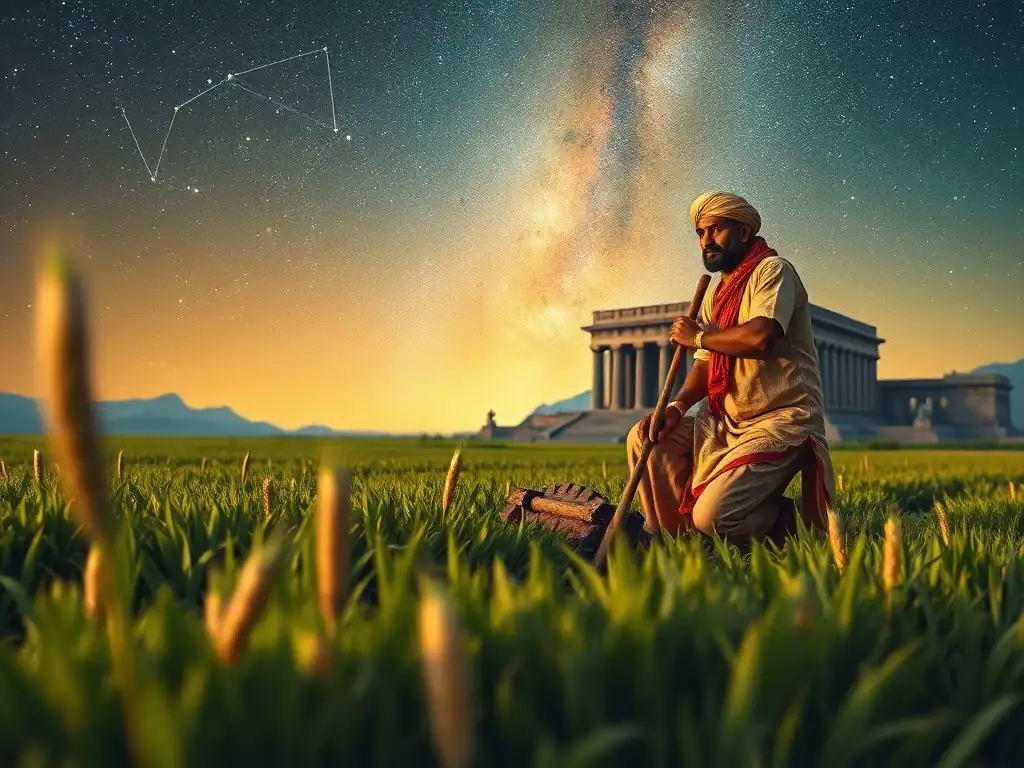
Ancient India is renowned for its profound contributions to various fields, particularly in the realms of astronomy and agriculture. The intricate relationship between these two domains significantly shaped the agricultural practices and societal structures of ancient Indian civilizations. As farmers relied on celestial observations to determine the optimal times for planting and harvesting, the study of astronomy was not merely an academic pursuit but a practical necessity for sustaining livelihoods. This article delves into the fascinating intersection of ancient Indian astronomy and agriculture, exploring how celestial bodies influenced farming practices and the broader implications of these relationships on society.
Introduction to Ancient Indian Astronomy and Agriculture
The ancient Indians were keen observers of the night sky, and their extensive knowledge of astronomy played a vital role in their agricultural success. With a deep understanding of celestial phenomena, they developed sophisticated calendars and farming techniques that aligned with the cycles of nature. This intersection of astronomy and agriculture not only ensured food security but also laid the groundwork for cultural and scientific advancements that would echo through the ages.
Understanding the Role of Astronomy in Ancient Indian Culture
Ancient Indian culture was deeply intertwined with celestial phenomena. The study of astronomy was not limited to understanding the movements of planets and stars; it encompassed religious, philosophical, and practical dimensions. Notable texts such as the Aryabhatiya by Aryabhata and the Surya Siddhanta provided insights into astronomical calculations, which were crucial for agricultural planning.
- Religious Significance: Celestial events were often linked to divine narratives, influencing agricultural rituals and festivals.
- Navigation and Timekeeping: Astronomical knowledge facilitated navigation and the creation of calendars, essential for synchronizing agricultural activities with seasonal changes.
Importance of Agriculture in Ancient Indian Civilizations
Agriculture was the backbone of ancient Indian civilization, supporting population growth and urbanization. The fertile plains of the Indus Valley and the Ganges River basin played host to some of the earliest agricultural societies.
- Crop Diversity: Ancient Indians cultivated a variety of crops including wheat, barley, rice, and legumes, which were essential for sustenance and trade.
- Irrigation Techniques: The development of irrigation systems showcased the ingenuity of ancient engineers and their understanding of hydrology, further amplifying agricultural productivity.
The Influence of Celestial Bodies on Agricultural Practices
Celestial bodies, including the sun, moon, and stars, served as essential guides for ancient farmers. Their positions and movements were closely monitored, leading to the establishment of agricultural practices that aligned with cosmic cycles.
The Zodiac and Seasonal Changes
The twelve signs of the zodiac, each corresponding to different seasonal changes, played a vital role in determining the timing of agricultural activities.
- Seasonal Alignments: Each zodiac sign marked specific agricultural tasks, such as sowing and harvesting, ensuring that farmers worked in harmony with nature.
- Festivals and Rituals: Many agricultural festivals were aligned with the zodiac, celebrating the changes in seasons and the agricultural calendar.
Lunar Cycles and Crop Planting
The lunar phases were another critical component of ancient agricultural practices.
- Planting Cycles: Farmers often relied on the lunar calendar to time their planting, utilizing the moon's gravitational effects on soil moisture and crop growth.
- Harvesting Techniques: Certain crops were believed to be more abundant when harvested during specific lunar phases, reflecting a sophisticated understanding of natural cycles.
The intersection of astronomy and agriculture in ancient India reveals a rich tapestry of knowledge that not only supported agricultural innovations but also fostered cultural and scientific development. This intricate relationship underscores the importance of celestial observations in shaping the agricultural practices that sustained ancient Indian civilizations.
Ancient Indian Astronomical Texts and Their Agricultural Relevance
Ancient Indian astronomy played a pivotal role in shaping agricultural practices. The astronomical texts produced during this period not only advanced the understanding of celestial phenomena but also provided essential guidance for agricultural activities. These texts offered a framework for aligning farming activities with seasonal changes, thereby maximizing agricultural productivity. The intricate relationship between astronomy and agriculture is evident in the way these texts were utilized to determine planting and harvesting times, ensuring that crops were cultivated at the most opportune moments.
The integration of astronomy into agriculture was particularly significant in ancient Indian society, where agriculture was the backbone of the economy. Understanding the cycles of the moon, sun, and stars allowed farmers to predict weather patterns, seasonal shifts, and optimal planting times. This knowledge was disseminated through various texts, aiding farmers in their quest for better yields and more efficient farming techniques.
Key Texts: Surya Siddhanta and Aryabhata's Contributions
Two of the most influential texts in ancient Indian astronomy are the Surya Siddhanta and the works of Aryabhata. The Surya Siddhanta, believed to be composed in the 4th century CE, is a comprehensive treatise that covers various aspects of astronomy, including calculations of time, eclipses, and planetary positions. It emphasizes the significance of astronomical observations for agricultural purposes, detailing how celestial events can affect crop cycles.
Aryabhata, a renowned mathematician and astronomer of the 5th century CE, made groundbreaking contributions that are still celebrated today. His work, Aryabhatiya, includes methods for calculating the circumference of the earth and the position of celestial bodies, which were crucial for determining agricultural seasons. Aryabhata’s emphasis on the relationship between astronomy and agriculture highlights the importance of celestial observations in ensuring successful crop production.
Interpretations of Astronomical Data in Farming
Farmers in ancient India interpreted astronomical data to make informed decisions about their agricultural practices. The lunar phases, for example, played a significant role in determining the best times for sowing and harvesting crops. The waxing and waning of the moon were believed to influence soil fertility and crop growth, leading farmers to align their activities with these cycles.
Additionally, the positioning of stars and constellations was another vital aspect of agricultural planning. Farmers would observe specific constellations to predict the arrival of monsoon rains, which were crucial for irrigation and crop cultivation. By closely monitoring these celestial indicators, farmers could optimize their planting schedules, ensuring that crops received adequate water and sunlight, ultimately leading to better yields.
Techniques and Innovations in Agriculture Linked to Astronomy
The interplay between astronomy and agriculture in ancient India fostered innovative techniques and practices that significantly enhanced agricultural productivity. The systematic observation of celestial phenomena led to the development of methods that improved both crop management and irrigation.
Calendar Systems Based on Astronomical Events
One of the most notable innovations was the development of calendar systems that were intricately tied to astronomical events. These calendars, often lunar-based, provided a framework for scheduling agricultural activities throughout the year. They allowed farmers to track the seasons, including key agricultural dates such as sowing and harvesting periods.
By utilizing these astronomical calendars, farmers could synchronize their activities with celestial cycles, ensuring that they planted crops at the right time to take advantage of seasonal rains and optimal growing conditions. This practice not only improved crop yields but also contributed to the overall efficiency of agricultural production in ancient India.
Irrigation Methods Inspired by Celestial Patterns
Irrigation techniques in ancient India were also influenced by astronomical observations. Farmers often designed their irrigation systems based on the timing of celestial events, such as the onset of monsoon rains, which were closely monitored through astronomical data. By understanding the relationship between the stars, weather patterns, and water availability, they could implement effective irrigation strategies that maximized water usage.
For instance, the construction of canals and reservoirs was often planned around astronomical predictions, ensuring that water could be efficiently distributed to fields during critical growing periods. This integration of astronomy into irrigation practices not only enhanced crop yields but also promoted sustainable agricultural practices, allowing ancient Indian civilizations to flourish.
Case Studies: Successful Agricultural Practices in Ancient India

The relationship between astronomy and agriculture in ancient India is exemplified through various civilizations that successfully integrated celestial observations into their farming practices. These case studies highlight the innovative techniques that ancient Indian societies employed to optimize agricultural yields and ensure sustainable resource management.
The Indus Valley Civilization: Agriculture and Astronomy
The Indus Valley Civilization, flourishing around 2500 BCE, is one of the earliest examples of advanced urban planning and agricultural practices. This civilization utilized a sophisticated understanding of astronomy to guide their agricultural activities. They developed calendars based on lunar cycles, which helped them determine the optimal times for planting and harvesting crops.
The Indus farmers primarily cultivated wheat, barley, and cotton, relying on seasonal monsoons for irrigation. They likely observed the movement of stars and planets to predict weather patterns, which played a crucial role in their farming schedules. Archaeological findings suggest that granaries were strategically positioned to accommodate the harvest timing aligned with astronomical observations, showcasing a deep understanding of the interplay between celestial events and agricultural success.
The Gupta Empire: Integration of Astronomy in Farming Techniques
During the Gupta Empire (approximately 320 to 550 CE), the integration of astronomy into agricultural methods reached new heights. The period is known for significant advancements in science, mathematics, and astronomy, which were directly applied to farming practices. Astronomers developed detailed calendars that tracked solar and lunar cycles, enabling farmers to plan agricultural activities with precision.
One of the notable contributions during this time was the use of the zodiacal calendar, which aligned agricultural tasks with astrological events. For instance, specific constellations signaled the right time for sowing particular crops. Additionally, texts such as Brahmasphutasiddhanta by Brahmagupta included practical guidelines on agriculture that incorporated astronomical observations, illustrating the crucial role that astronomy played in enhancing agricultural productivity during the Gupta era.
The Role of Astronomers and Farmers in Ancient Indian Society
In ancient India, the roles of astronomers and farmers were intricately linked, creating a symbiotic relationship that greatly influenced agricultural success. This collaboration not only advanced farming techniques but also fostered a community spirit centered on shared knowledge and practices.
The Astronomer's Influence on Agricultural Decision-Making
Astronomers held a prestigious position in ancient Indian society, often advising farmers on the best times to plant and harvest based on celestial movements. Their expertise in tracking celestial bodies allowed them to develop calendars that informed agricultural decisions. For example, the appearance of certain stars in the night sky could indicate the beginning of the monsoon season or the ideal time for specific crops to flourish.
Farmers relied heavily on this guidance, understanding that the success of their crops depended on aligning their agricultural practices with the astronomical calendar. This reliance on astronomical knowledge not only optimized crop yields but also reinforced the authority of astronomers in agricultural communities.
Community Collaboration Between Astronomers and Farmers
The collaboration between astronomers and farmers extended beyond mere advisory roles; it fostered a sense of community and collective responsibility. Farmers would often gather to discuss celestial observations, sharing insights and experiences that enhanced their understanding of the natural world. This communal approach allowed for the exchange of agricultural techniques and innovations, further improving farming practices.
Festivals and rituals celebrating celestial events also served as occasions for farmers and astronomers to come together, reinforcing their interconnectedness. Such gatherings were crucial for disseminating knowledge about agricultural practices and celestial cycles, illustrating how astronomy was not just a scientific discipline but a vital aspect of social life in ancient India. Through this synergy, ancient Indian societies were able to thrive, showcasing the profound impact of astronomy on agriculture.
Conclusion: The Lasting Legacy of Ancient Indian Astronomy and Agriculture
The intersection of astronomy and agriculture in ancient India represents a remarkable synthesis of knowledge that has left a lasting legacy. Ancient Indian civilizations, particularly during the Vedic period and the rise of the Gupta Empire, demonstrated a profound understanding of celestial phenomena, which they effectively integrated into their agricultural practices. This blend of astronomy and agriculture facilitated the development of sophisticated farming techniques, seasonal calendars, and rituals that ensured agricultural productivity.
The meticulous observation of celestial bodies allowed ancient Indian farmers to optimize planting and harvesting times, which ultimately contributed to food security and social stability. This integration of astronomy into agricultural practices exemplifies the innovative spirit of ancient Indian societies, showcasing their ability to harness natural phenomena for practical benefits. As we reflect on this legacy, it becomes evident that the principles established during this era continue to resonate in modern agricultural practices, underscoring the enduring importance of ancient knowledge.
Reflection on Modern Agricultural Practices Influenced by Ancient Knowledge
Today, many modern agricultural practices are still influenced by the principles laid down by ancient Indian civilizations. The understanding of seasonal cycles, which were intricately tied to astronomical observations, remains crucial for contemporary farming. For instance, many farmers today still plant certain crops based on the lunar calendar or seasonal changes, echoing the practices of their ancestors.
In addition, contemporary sustainable agricultural practices, such as organic farming and permaculture, find their roots in the traditional methods that ancient Indians used, which were often guided by astronomical insights. These practices emphasize harmony with nature and the cycles of the earth, reflecting a holistic approach to agriculture that ancient societies championed. This continuity not only highlights the relevance of ancient knowledge but also serves as a reminder of the need to respect and integrate these time-tested practices into modern agriculture.
The Importance of Preserving Ancient Astronomical Agricultural Wisdom
Preserving the wisdom of ancient Indian astronomy and its applications in agriculture is crucial for various reasons. First, this knowledge provides valuable insights into sustainable farming practices that can mitigate the challenges posed by modern agricultural methods, which often rely heavily on chemical inputs and monoculture systems. By learning from the past, we can develop more sustainable approaches that align with ecological principles.
Moreover, the preservation of this ancient wisdom fosters cultural identity and heritage. Understanding the agricultural innovations of ancient India enriches our appreciation of the cultural practices that have shaped Indian society over millennia. It also serves to educate future generations about the importance of astronomy in agriculture, ensuring that this valuable knowledge is not lost over time.
Finally, preserving this knowledge can contribute to contemporary research in both agriculture and astronomy, potentially leading to new innovations that address present-day challenges such as climate change and food security. By valuing and integrating ancient wisdom, we can pave the way for a more sustainable and resilient agricultural future.
Further Reading and Resources on Ancient Indian Astronomy and Agriculture
For those interested in delving deeper into the fascinating intersection of ancient Indian astronomy and agriculture, there are numerous resources available that provide comprehensive insights.
Recommended Literature on Ancient Indian Innovations
- "Astronomy and Agriculture in Ancient India" by R. N. Roy - This book explores the intricate relationship between celestial observations and agricultural practices in ancient India, providing readers with a detailed understanding of how these fields intersected.
- "Vedic Agriculture: The Science of Ancient Indian Farming": by S. K. Gupta - An in-depth look at the agricultural methods used in Vedic times, including the role of astronomy in crop cultivation and seasonal planning.
- "The Indian Agricultural Revolution: Historical Perspectives": by A. K. Sharma - This literature traces the evolution of agricultural practices in India, highlighting the significant contributions of ancient astronomical knowledge.
Online Resources for In-Depth Exploration of the Topic
- Digital Library of India - A vast collection of texts and manuscripts that shed light on ancient Indian agricultural practices and astronomical observations.
- Indian Council of Historical Research - An online resource dedicated to the research and dissemination of historical knowledge, including studies on ancient Indian farming and astronomy.
- Open Access Journals - Various journals focus on agriculture, history, and astronomy, providing access to research articles that examine the contributions of ancient Indian civilizations to these fields.
By engaging with these resources, readers can enhance their understanding of how ancient Indian astronomy and agriculture intertwined, shaping the agricultural landscape of the subcontinent and leaving a legacy that continues to influence modern practices.
- Introduction to Ancient Indian Astronomy and Agriculture
- The Influence of Celestial Bodies on Agricultural Practices
- Ancient Indian Astronomical Texts and Their Agricultural Relevance
- Techniques and Innovations in Agriculture Linked to Astronomy
- Case Studies: Successful Agricultural Practices in Ancient India
- The Role of Astronomers and Farmers in Ancient Indian Society
- Conclusion: The Lasting Legacy of Ancient Indian Astronomy and Agriculture
- Further Reading and Resources on Ancient Indian Astronomy and Agriculture
- What role did astronomy play in ancient Indian agriculture?
- How did ancient Indians utilize celestial bodies in farming?
- What are some significant astronomical texts from ancient India?
- How did ancient Indian civilizations contribute to astronomical knowledge?
- In what ways did the Indus Valley Civilization incorporate astronomy into their agricultural systems?
Frequently Asked Questions
What role did astronomy play in ancient Indian agriculture?
Astronomy was crucial for agriculture in ancient India, as it helped farmers determine the best times for planting and harvesting based on celestial events and seasonal changes.
How did ancient Indians utilize celestial bodies in farming?
Ancient Indians relied on the positions of celestial bodies to create calendars that guided agricultural practices, ensuring timely sowing and crop management.
What are some significant astronomical texts from ancient India?
Notable astronomical texts include the Aryabhatiya by Aryabhata and the Surya Siddhanta, which not only discuss celestial phenomena but also their applications in agriculture.
How did ancient Indian civilizations contribute to astronomical knowledge?
Ancient Indian civilizations made significant contributions to astronomy, including the development of mathematical concepts and instruments that enhanced agricultural practices and timekeeping.
In what ways did the Indus Valley Civilization incorporate astronomy into their agricultural systems?
The Indus Valley Civilization showcased advanced understanding of astronomy, using observations of stars and planets to plan their irrigation systems and optimize crop yields.
Final Reflection: The Timeless Bond of Astronomy and Agriculture in Ancient India
The intricate relationship between astronomy and agriculture in ancient India remains profoundly relevant today, as it highlights the essential role of celestial knowledge in sustainable farming practices. The wisdom of our ancestors, who meticulously observed the stars and their movements to guide agricultural cycles, serves as a reminder of the interconnectedness of nature and human life. In an era where technology often overshadows traditional wisdom, we must recognize that the stars still hold secrets that can inform our modern agricultural practices.
The influence of ancient Indian astronomy on agricultural techniques has left an indelible mark on our cultural and social landscape. This legacy not only shaped farming practices but also fostered a deep respect for the natural world, emphasizing the importance of harmony between human activity and cosmic rhythms. To know the stars is to know the earth,
a sentiment echoed in the teachings of ancient scholars, underscores the profound understanding that our ancestors possessed. Their insights continue to inspire contemporary discussions on sustainability and ecological balance, reminding us of the importance of integrating traditional knowledge with modern science.
As we reflect on the lessons from ancient Indian astronomy and agriculture, I invite you to consider how you can apply these insights in your own life. Take a moment to observe the natural world around you and contemplate the rhythms of the seasons, the phases of the moon, and their impact on your daily activities.
Whether you are a gardener, a farmer, or simply someone who appreciates the beauty of nature, let the wisdom of the past guide your actions today. Embrace the timeless bond between the cosmos and the earth, and allow it to inspire a more sustainable and harmonious way of living.
Cultivate Your Knowledge of Ancient Wisdom!
Thank you for exploring the intriguing intersection of astronomy and agriculture in ancient India! Your curiosity opens the door to understanding how traditional practices can inspire contemporary techniques. Now, let's take the next step to deepen that knowledge.
- Dive deeper: Discover the specific astronomical methods employed by ancient farmers through our collection of insightful articles.
- Explore further: Participate in a local workshop or lecture that focuses on traditional agricultural practices and their historical significance.
- Share your thoughts: We invite you to engage with us by leaving a comment below or sharing this article with friends who have a passion for history and science!
In what ways has the understanding of ancient agricultural practices influenced your perspective on modern farming techniques?