
The Aesthetics of Indus Valley Architecture: Form and Function

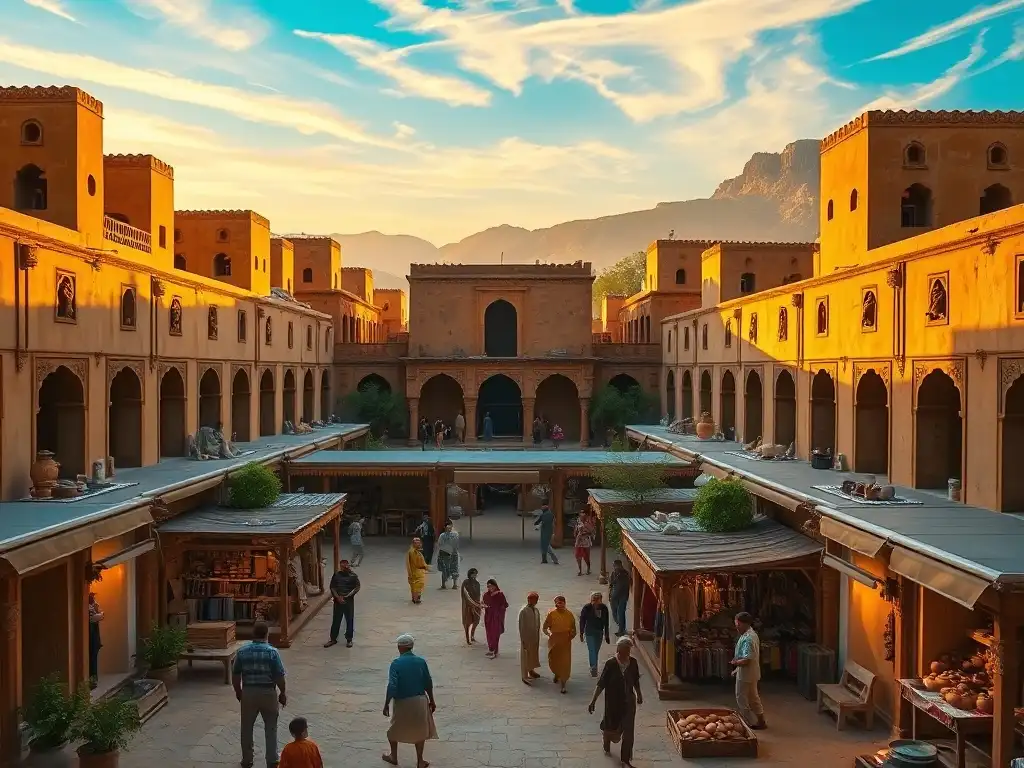
Welcome to Ancient India History, where we delve into the magnificent tapestry of ancient Indian civilizations! Here, you will uncover the rich and diverse history, culture, and contributions that have shaped the subcontinent from the enigmatic Indus Valley to the illustrious Gupta Empire. In our featured article, “ The Aesthetics of Indus Valley Architecture: Form and Function,” we invite you to explore the intricate features that define this remarkable architectural legacy.
What secrets lie within the walls of these ancient structures? Join us on this captivating journey, and let your curiosity lead the way as we unravel the stories of the past!
- Introduction to Indus Valley Architecture
- Key Features of Indus Valley Architecture
- Aesthetic Aspects of Indus Valley Architecture
- Functional Aspects of Indus Valley Architecture
- Comparative Analysis of Indus Valley Architecture
- Conclusion
-
Frequently Asked Questions
- What are the key features of Indus Valley architecture?
- How did the urban planning of the Indus Valley differ from other ancient civilizations?
- What materials were primarily used in Indus Valley construction?
- How did the religious beliefs of the Indus Valley influence their architecture?
- What legacy did Indus Valley architecture leave for future civilizations?
- Final Reflection: The Enduring Legacy of Indus Valley Architecture
- Unveil the Mysteries of Indus Valley Architecture!
Introduction to Indus Valley Architecture
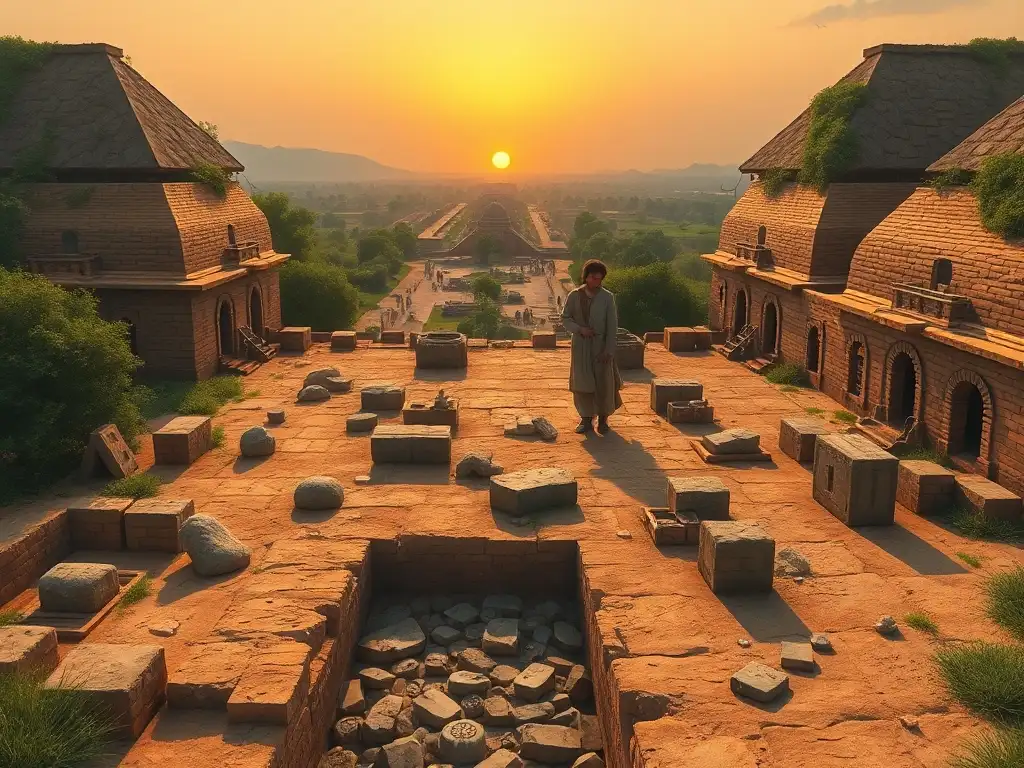
The Indus Valley Civilization, one of the earliest urban cultures in human history, flourished around 2500 BCE in what is now modern-day Pakistan and northwest India. Renowned for its sophisticated urban planning, advanced drainage systems, and distinctive architecture, this civilization presents a fascinating study of how form and function coalesce to create a unique aesthetic.
In this article, we will delve into the key features of Indus Valley architecture, exploring how the civilization's architectural practices not only reflect their cultural values but also their innovative approaches to urban living. Through a thorough examination of the structures, materials, and layout used by the Indus Valley people, we aim to uncover the significance of their architectural achievements and their lasting impact on subsequent Indian cultures.
Overview of the Indus Valley Civilization
The Indus Valley Civilization, also known as the Harappan Civilization, thrived between approximately 3300 BCE and 1300 BCE, primarily along the banks of the Indus River. This civilization encompassed a vast area, with major urban centers such as Harappa and Mohenjo-Daro, showcasing a remarkable level of urban planning and architectural sophistication.
- Key Characteristics:
- Urban Planning: Cities were laid out in a grid pattern, with streets that intersected at right angles.
- Drainage Systems: Advanced drainage systems were implemented to manage water flow and sanitation.
- Materials Used: The primary materials for construction included baked brick, wood, and mud.
The architectural features of the Indus Valley are not merely aesthetic but are intertwined with the social, political, and economic aspects of the civilization. Their buildings served both practical functions and expressed the values of their society.
Importance of Architecture in Ancient Cultures
Architecture serves as a testament to the technological advancements, cultural practices, and social structures of ancient civilizations. In the case of the Indus Valley Civilization, the architectural features reveal much about their way of life, including:
- Civic Planning: The meticulous planning of cities highlights the importance placed on community living and public health.
- Cultural Expression: Structures often reflected religious beliefs and societal values through their design and use of space.
By studying the architecture of ancient cultures, we gain valuable insights into their priorities, innovations, and the environment in which they thrived. The Indus Valley architecture features are a prime example of how form and function can harmoniously coexist, serving both the practical needs of the inhabitants and their cultural identity.
Purpose of the Article
This article aims to provide a comprehensive exploration of the features of Indus Valley architecture, focusing on how these elements reflect the civilization's ingenuity and cultural significance. Our objectives include:
- Analyzing specific architectural elements and their functions.
- Understanding the context in which these architectural styles developed.
- Exploring the influence of Indus Valley architecture on subsequent Indian civilizations.
By delving into these aspects, we hope to enrich the reader's understanding of the Indus Valley Civilization's architectural legacy and its enduring impact on the history of ancient India.
Key Features of Indus Valley Architecture
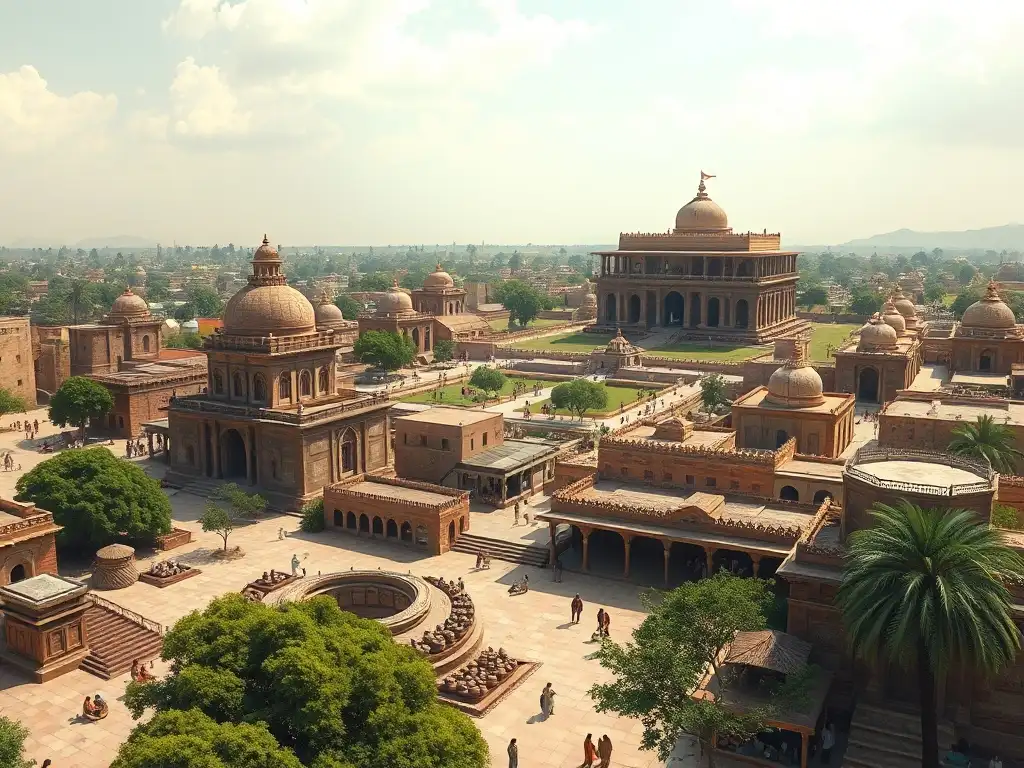
The architectural marvels of the Indus Valley Civilization (IVC) showcase a unique blend of aesthetic appeal and practical functionality. This ancient civilization, which flourished around 2500 BCE in what is now Pakistan and northwest India, is renowned for its sophisticated urban planning, advanced engineering techniques, and distinctive artistic expressions. Understanding the key features of Indus Valley architecture not only highlights the ingenuity of its builders but also provides insight into the cultural values and social organization of the time.
Urban Planning and Layout
One of the most striking characteristics of Indus Valley architecture is its meticulous urban planning. The cities of the IVC, such as Mohenjo-Daro and Harappa, were systematically designed, reflecting a high degree of organization and foresight.
Grid Patterns in City Design
The cities were laid out in a grid pattern, with streets intersecting at right angles. This deliberate geometric layout facilitated efficient navigation and organization within the urban space. The streets varied in width but generally ranged from 9 to 34 feet, allowing for easy movement of people and goods. The uniformity in design suggests a well-thought-out approach to urban planning, indicating that city planners prioritized accessibility and functionality.
- Key aspects of the grid pattern include:
- Straight streets: Facilitated efficient drainage and transportation.
- Standardized city blocks: Created a cohesive urban fabric.
- Proximity to water sources: Ensured the availability of essential resources.
Zoning of Residential and Public Spaces
Indus Valley cities also exemplified zoning principles, separating residential areas from public and administrative spaces. This zoning not only optimized land use but also reflected social hierarchies and community functions.
- Residential zones: Typically located in the western areas of cities, featuring houses with similar architectural styles.
- Public buildings: Often situated in central locations, including the Great Bath and assembly halls, which suggest a focus on communal activities and governance.
The careful zoning indicates that the Indus Valley inhabitants had a strong sense of community organization and civic responsibility, fostering an environment conducive to trade, social interaction, and cultural exchange.
Building Materials and Techniques
The materials and techniques used in constructing Indus Valley architecture further illustrate the sophistication of this ancient civilization.
Use of Baked Brick and Stone
One of the defining features of Indus Valley architecture is the extensive use of baked brick. The bricks were standardized in size, measuring approximately 7.5 x 3.5 x 1.5 inches, which facilitated uniformity in construction.
- Advantages of using baked brick:
- Durability: Baked bricks were more weather-resistant than mud bricks, allowing structures to endure the test of time.
- Ease of construction: The uniform size allowed for efficient stacking and alignment, leading to more stable structures.
In addition to baked bricks, local stone was also utilized, particularly in the construction of drainage systems and public buildings, highlighting the resourcefulness of the architects in adapting to available materials.
Innovations in Construction Methods
The builders of the Indus Valley Civilization demonstrated remarkable innovation in their construction methods, setting precedents for future architectural practices.
- Advanced drainage systems: The cities featured sophisticated drainage systems, with covered drains running along the streets and connected to individual homes. This engineering achievement reflects a deep understanding of sanitation and urban health.
- Water management techniques: Structures like the Great Bath suggest an emphasis on water management and ritualistic practices, indicating a society that valued both practicality and spirituality.
Indus Valley architecture not only showcases aesthetic beauty but also reveals an advanced understanding of urban living, sanitation, and community organization—elements that continue to influence architectural practices today.
Architectural Elements
The architecture of the Indus Valley Civilization is characterized by a unique blend of functionality and aesthetic beauty. The urban planning of cities like Harappa and Mohenjo-Daro exhibits an advanced understanding of geometry and spatial organization. The use of baked bricks, which were standardized in size, allowed for the construction of sturdy and uniform buildings. This uniformity is a hallmark of Indus Valley architecture, highlighting their skilled craftsmanship and attention to detail.
Another defining feature is the grid pattern of city layouts, which facilitated efficient movement and organization. Streets were often straight and wide, lined with houses that had flat roofs, multiple stories, and large windows. The architectural design also emphasized courtyards, serving as communal spaces that fostered social interaction among residents. Furthermore, many homes were equipped with internal rooms, enhancing privacy and comfort.
The integration of natural elements into the architectural framework reflects the civilization's harmonious relationship with its environment. Structures were often built with consideration to local climatic conditions, using materials that provided insulation against heat and cold. This adaptive approach not only ensured durability but also contributed to the overall aesthetic appeal of their urban landscapes.
Drainage Systems and Sanitation
One of the most remarkable features of Indus Valley architecture is its sophisticated drainage system. The cities boasted an intricate network of drains that were built alongside the streets, showcasing advanced engineering skills. These drains were constructed with baked bricks and stones, and many were covered with slabs to prevent blockages and to facilitate maintenance.
The drainage systems were designed to manage both stormwater and wastewater effectively, contributing to public health and hygiene. Each household was often connected to this drainage network, which indicates a high level of urban planning and concern for sanitation. The presence of inspection holes at regular intervals allowed for easy access to clean out debris, further demonstrating the foresight of the engineers.
Moreover, the use of sump pits and soak pits in many homes indicated a systematic approach to waste disposal, significantly reducing the risk of contamination. This focus on sanitation not only highlights the architectural ingenuity of the Indus Valley Civilization but also reflects their understanding of public health long before modern sanitation practices were established.
Public Baths and Water Management
The presence of public baths, particularly the Great Bath of Mohenjo-Daro, is a significant feature of Indus Valley architecture. This large structure, measuring approximately 12 meters by 7 meters, is believed to have served both ritualistic and social functions. The Great Bath was constructed with a waterproof layer of bitumen, showcasing advanced techniques in waterproofing and water management.
Public baths were strategically designed to be accessible, emphasizing the community's value placed on cleanliness and social interaction. The presence of changing rooms and steps leading into the pool reflects a well-thought-out architectural design that catered to the needs of the populace.
In addition to baths, the Indus Valley Civilization implemented sophisticated water management systems, including reservoirs and wells. These systems ensured a reliable water supply for both domestic use and agricultural purposes. The careful planning of water resources indicates a deep understanding of hydrology and resource management, which was crucial for supporting their urban populations.
The architecture of the Indus Valley Civilization, with its emphasis on functional public baths and effective water management systems, illustrates the civilization's commitment to both hygiene and community well-being, underscoring the integral role of architecture in their daily lives.
Aesthetic Aspects of Indus Valley Architecture
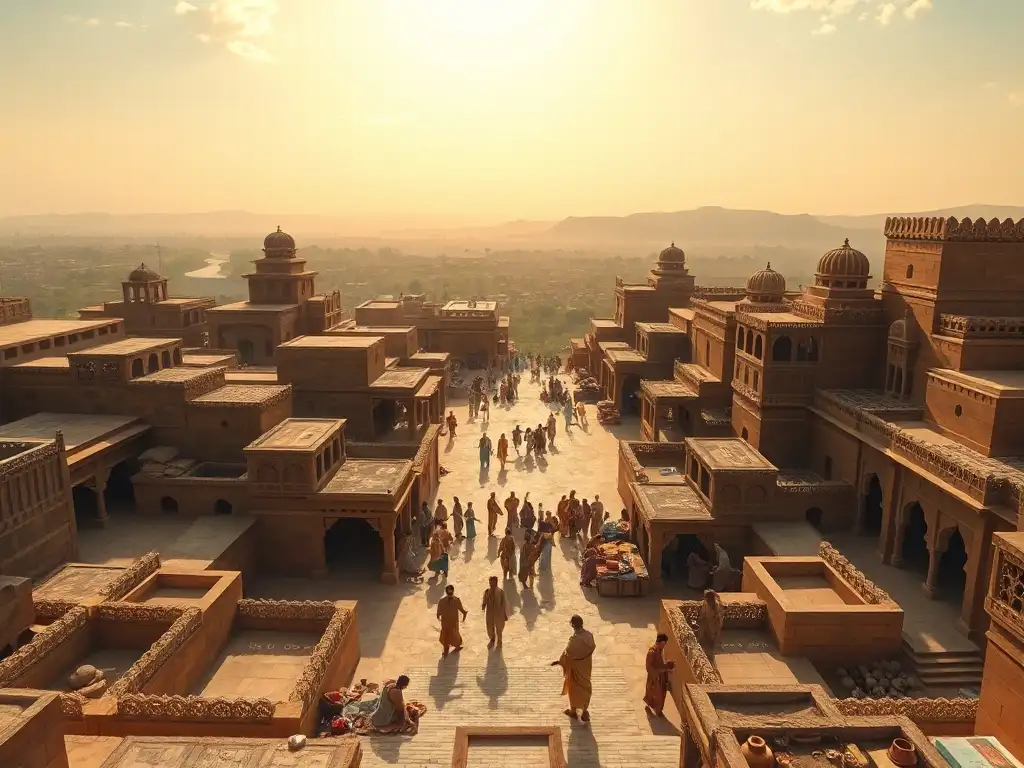
Decorative Features and Artistry
Indus Valley architecture is renowned for its intricate decorative features that reflect the aesthetic sensibilities of the civilization. The use of geometric patterns, motifs, and elaborate carvings not only served decorative purposes but also conveyed cultural significance.
Carvings and Sculptures in Architecture
The architecture of the Indus Valley Civilization (IVC) is characterized by its remarkable carvings and sculptures. These artistic elements often depicted animals, human figures, and mythical beings. One of the most iconic examples is the "Dancing Girl" bronze statue found in Mohenjo-Daro, which showcases the advanced metalworking skills of the period.
- Symbolism: Many carvings are believed to have symbolic meanings, often associated with fertility, nature, and deities.
- Materials Used: The artisans predominantly used stone, terracotta, and bronze, reflecting their mastery over different materials.
Terracotta Figurines and Their Significance
Terracotta figurines are another significant aspect of Indus Valley artistry, often representing various aspects of daily life, spirituality, and social hierarchy. These small sculptures provide invaluable insights into the beliefs and practices of the time.
- Types of Figurines: Common themes include female figures, animals, and ritualistic objects.
- Cultural Insights: The presence of mother goddess figurines suggests the importance of fertility and femininity in their culture.
Influence of Geography on Aesthetics
The geographical context of the Indus Valley, characterized by fertile plains and river systems, greatly influenced the aesthetic dimensions of its architecture.
Regional Variations in Architectural Style
The Indus Valley Civilization spanned a vast area, leading to regional variations in architectural styles. While cities like Harappa and Mohenjo-Daro exhibited a uniform grid pattern and standardized bricks, local adaptations reflected the distinct cultural identities.
- Urban Planning: The meticulous urban planning involved wide streets and advanced drainage systems, demonstrating a blend of utility and aesthetics.
- Materials and Environment: The availability of local materials, such as baked bricks and stone, shaped the architectural techniques and styles across different regions.
Integration with Natural Landscapes
Indus Valley architecture was often designed to harmonize with the surrounding natural landscapes. This integration is evident in the layout of cities, which considered factors such as water management and terrain.
- Water Management Systems: The sophisticated drainage and water supply systems illustrate an understanding of environmental aesthetics, ensuring functionality while preserving beauty.
- Natural Elements: Structures were often oriented to capture natural light and airflow, enhancing the aesthetic experience in relation to the natural environment.
The aesthetics of Indus Valley architecture, characterized by its decorative features, geographical influences, and integration with nature, reveal a civilization deeply attuned to both form and function. These elements contribute to our understanding of the cultural identity and artistic achievements of one of the world's earliest urban societies.
Functional Aspects of Indus Valley Architecture
The Role of Architecture in Daily Life
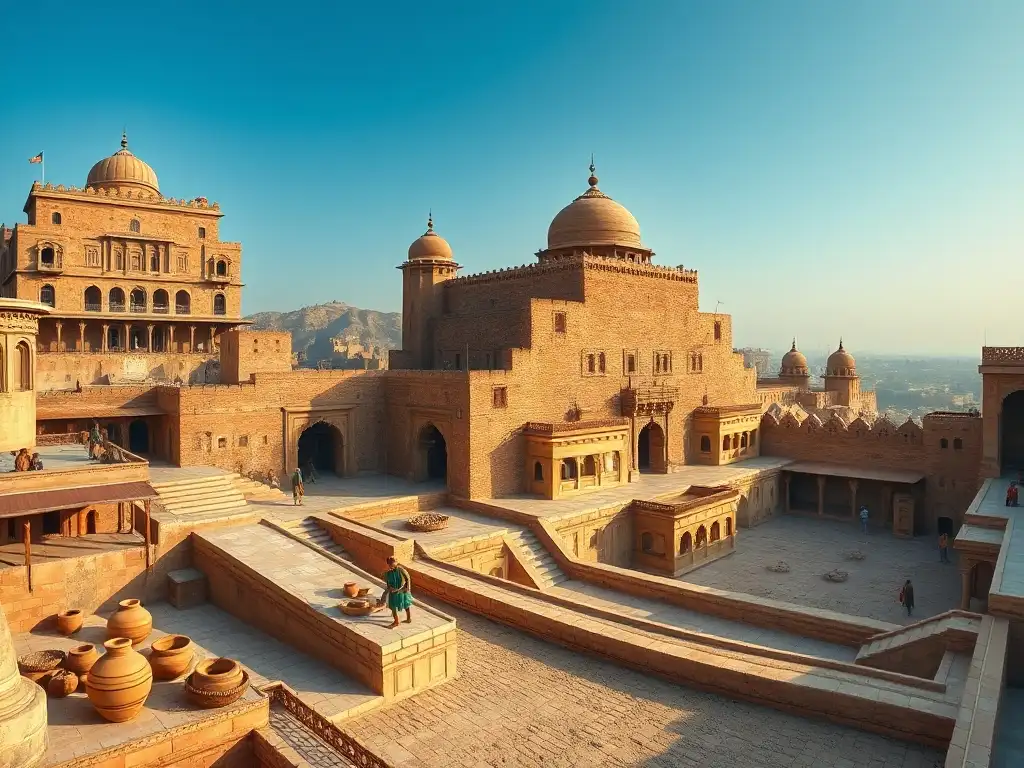
Indus Valley architecture is characterized by its remarkable functionality, closely intertwined with the daily lives of its inhabitants. The urban planning of cities like Harappa and Mohenjo-Daro illustrates how architecture served practical purposes while also reflecting social structures. Streets were laid out in a grid pattern, facilitating efficient movement and trade, which was essential for the thriving economy of these cities.
Residential Structures and Living Conditions
Residential structures in the Indus Valley Civilization (IVC) were primarily made of baked brick, which provided durability and resistance to weather conditions. Houses typically featured:
- Flat roofs: Used as additional living space, often for socializing or drying crops.
- Courtyards: Central to many homes, these spaces allowed for ventilation and light, and were often used for family gatherings.
- Drainage systems: A remarkable feature of IVC houses, these systems included individual bathrooms and toilets that connected to a sophisticated city-wide drainage network, emphasizing the importance of hygiene.
Example: The house of a wealthy merchant might include multiple rooms, a courtyard, and a private well, showcasing the social stratification and the importance of water access in daily life.
Public Buildings and Their Functions
Public architecture in the Indus Valley served various community functions, reflecting the civilization's social and political organization. Notable features include:
- The Great Bath: This large, public structure is believed to have been used for ritualistic purposes, possibly indicating a cultural emphasis on cleanliness and communal activities.
- Granaries: These large storage facilities were crucial for managing surplus grain, indicating a structured approach to agriculture and trade.
The presence of these public buildings also suggests a level of governance and social organization, where resources could be managed and distributed effectively.
Adaptation to Environmental Challenges
The architectural design of the Indus Valley Civilization showcased an impressive adaptability to local environmental challenges, crucial for the sustainability of these urban centers.
Flood Management and Resilience
The Indus Valley is characterized by seasonal flooding due to the Indus River. The planners of this civilization employed various techniques to mitigate flooding:
- Raised platforms: Many structures were built on elevated ground, reducing the risk of water damage during floods.
- Water drainage systems: Streets were designed with a slight incline to facilitate drainage, and the extensive drainage network helped redirect excess water away from living areas.
These strategies illustrate the advanced understanding of hydrology and urban planning that existed in the IVC.
Climate Considerations in Design
The climate of the Indus Valley, which includes hot summers and cooler winters, influenced architectural choices significantly. Key adaptations include:
- Thick walls: Constructed to insulate homes from heat, these walls kept interiors cooler during scorching summers.
- Ventilation systems: Many homes featured strategically placed windows and ventilation shafts, enabling airflow and cooling without relying on artificial means.
The thoughtful design of residential and public structures in the Indus Valley underscores the civilization's ability to harmonize form and function, leading to an enduring legacy in ancient architecture.
Comparative Analysis of Indus Valley Architecture
Comparison with Contemporary Civilizations
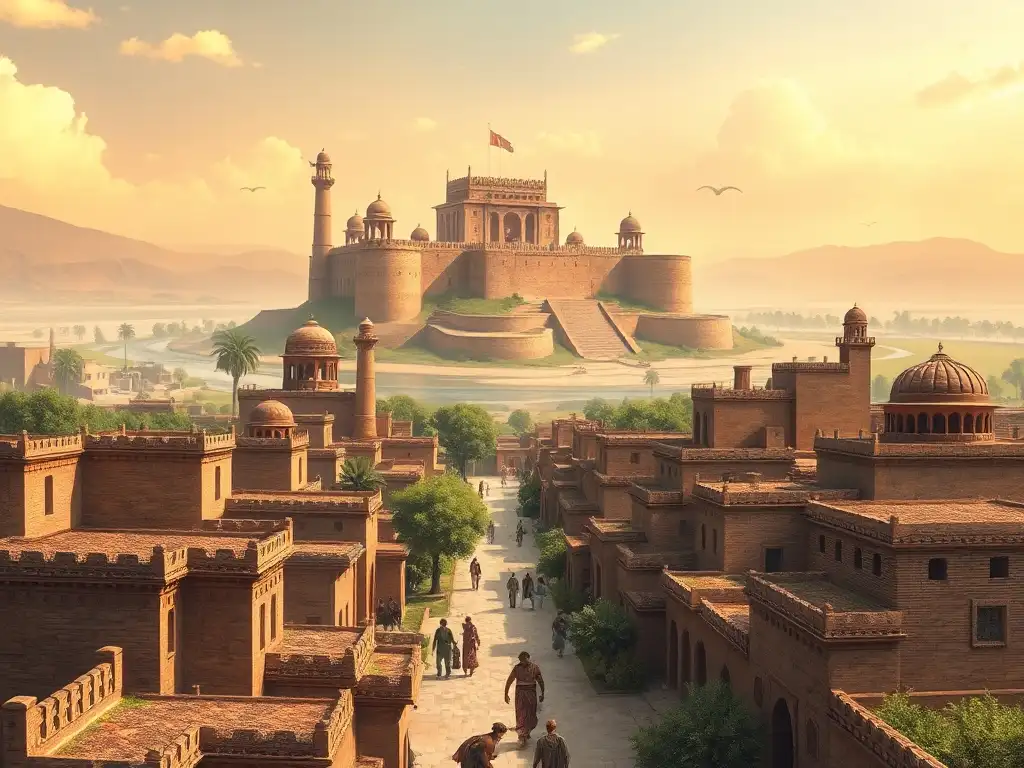
The Indus Valley Civilization (IVC), flourishing around 2500 BCE, is renowned for its sophisticated urban planning and architectural innovations. When we analyze the architectural features of the Indus Valley in comparison to contemporary civilizations, such as Mesopotamia and Ancient Egypt, we uncover both unique characteristics and shared practices that illuminate the ingenuity of these ancient societies.
Architectural Features of Mesopotamia
Mesopotamia, often cited as the cradle of civilization, had its own distinct architectural features, which included:
- Ziggurats: These massive terraced structures were built as religious temples, showcasing a different approach to monumental architecture compared to the IVC's more utilitarian structures.
- Mudbrick Construction: Similar to the IVC, Mesopotamians utilized mudbricks, but their buildings often lacked the advanced drainage systems found in Indus cities.
- City Layout: While both civilizations had planned cities, Mesopotamian cities like Ur and Babylon were less uniform in layout compared to the grid patterns seen in Mohenjo-Daro and Harappa.
The comparison highlights that while Mesopotamian architecture emphasized monumental religious structures, the Indus Valley focused on urban planning and functional living spaces, reflecting the societal values of each civilization.
Similarities and Differences with Ancient Egypt
Ancient Egypt, known for its grandiose tombs and temples, provides an interesting contrast to Indus Valley architecture. Key points of comparison include:
- Monumentality: Egyptian architecture, exemplified by the Pyramids of Giza, focused on monumental structures for the afterlife. In contrast, the IVC prioritized urban infrastructure, such as the Great Bath and sophisticated drainage systems.
- Materials Used: While Egyptians prominently used stone for their constructions, the Indus Valley relied heavily on baked brick, which was more suitable for their urban environment.
- Cultural Significance: Egyptian architecture often had a religious or funerary purpose, whereas Indus Valley buildings served practical functions, indicating a society more focused on daily life than monumental religious expression.
Despite these differences, both civilizations shared advanced engineering techniques and a commitment to urban planning, showcasing their respective adaptations to environmental and cultural needs.
Legacy of Indus Valley Architectural Practices
The architectural innovations of the Indus Valley left a lasting legacy that influenced subsequent architectural practices in India and beyond.
Influence on Later Indian Architecture
The principles of urban design and architectural techniques developed by the Indus Valley Civilization can be observed in later Indian architectural traditions, such as:
- Urban Planning: The grid layout and drainage systems of cities like Mohenjo-Daro served as a model for future urban development in India, influencing cities during the Mauryan and Gupta periods.
- Use of Bricks: The Indus Valley’s brick-making techniques laid the groundwork for brick construction in later Indian architecture, seen in temples and forts.
- Water Management Systems: Advanced drainage and water harvesting methods pioneered by the IVC were integrated into later civilizations, reflecting an enduring legacy in sustainable urban planning.
These elements highlight how the architectural practices of the Indus Valley provided foundational knowledge that was adapted and expanded upon by future generations.
Modern Interpretations of Indus Valley Designs
Today, the aesthetics of Indus Valley architecture continue to inspire modern architects and urban planners. Notable influences include:
- Sustainable Design: The emphasis on water management and environmental adaptation in IVC architecture is mirrored in contemporary sustainable architecture, emphasizing harmony with nature.
- Urban Resilience: The IVC’s effective urban planning principles are being revisited in modern city designs, particularly in flood-prone areas, illustrating the timeless relevance of their architectural wisdom.
- Cultural Heritage: Reviving the motifs and styles of Indus Valley architecture in contemporary buildings serves as a celebration of India’s rich cultural heritage, fostering a sense of identity.
The Indus Valley architecture features not only reflect the technological and artistic achievements of the civilization but also influence modern architectural practices, showcasing the enduring significance of ancient designs in today's world.
Conclusion
The Indus Valley Civilization (IVC) remains one of the most remarkable achievements in ancient architecture. Its structures not only reflect advanced engineering techniques but also an understanding of urban planning that was far ahead of its time. The integration of form and function in Indus Valley architecture features serves as a testament to the civilization's sophistication.
Summary of Indus Valley Architecture Features
Indus Valley architecture features are characterized by several distinct elements that highlight the ingenuity of its builders. Here are some key aspects:
- Urban Planning:
- The grid layout of cities such as Harappa and Mohenjo-Daro reveals a systematic approach to urban design.
- Streets were wide and straight, often intersecting at right angles, facilitating efficient movement and organization.
- Drainage Systems:
- Advanced drainage systems were a hallmark of IVC cities, with covered drains running along the streets.
- Homes were connected to the drainage network, showcasing an understanding of sanitation and public health.
- Materials and Construction:
- The use of baked bricks, standardized in size, allowed for durable and uniform construction.
- Structures often featured flat roofs, which served functional purposes for living and working spaces.
- Public and Private Spaces:
- The presence of large public baths, such as the Great Bath in Mohenjo-Daro, indicates a focus on communal activities and rituals.
- Residential areas were well-planned, often featuring courtyards and wells, emphasizing privacy and self-sufficiency.
- Artistic Elements:
- Architectural embellishments, including terracotta figurines and seals, reflect a rich artistic tradition intertwined with their architectural practices.
The Lasting Impact of Indus Valley Architecture on History
The architectural innovations of the Indus Valley Civilization laid the groundwork for subsequent urban developments in the Indian subcontinent. Their advanced urban planning influenced later civilizations, including the Maurya and Gupta Empires.
- Cultural Continuity:
- The techniques developed during the Indus Valley period persisted in various forms, affecting the design of cities in subsequent eras.
- Influence on Modern Urban Design:
- Modern city planners and architects continue to study the IVC's principles of sanitation and urban organization as models for sustainable living.
- Historical Significance:
- The remains of Indus Valley architecture provide crucial insights into the socio-economic conditions, cultural practices, and technological advancements of ancient societies.
Future Research Directions in Indus Valley Studies
As archaeological techniques advance, future research on Indus Valley architecture features holds great promise. Scholars are encouraged to explore:
- Technological Innovations:
- Further studies on the materials and construction techniques could reveal more about the engineering skills of the IVC builders.
- Cultural Exchange:
- Investigating interactions between the Indus Valley Civilization and neighboring cultures could offer insights into trade and cultural diffusion.
- Environmental Impact:
- Understanding how the natural landscape influenced architectural choices could provide a deeper appreciation of the relationship between humans and their environment.
- Preservation Methods:
- Researching modern preservation techniques for ancient structures will ensure that the legacy of the Indus Valley Civilization endures for future generations.
By focusing on these areas, researchers can enhance our understanding of the Indus Valley Civilization and its architectural legacy, contributing to the broader narrative of ancient Indian history.
Frequently Asked Questions
What are the key features of Indus Valley architecture?
The Indus Valley architecture features include sophisticated urban planning, drainage systems, and the use of baked bricks in construction, showcasing their advanced engineering skills.
How did the urban planning of the Indus Valley differ from other ancient civilizations?
Indus Valley cities like Mohenjo-Daro and Harappa were characterized by a grid-like layout, advanced drainage systems, and public baths, which emphasized hygiene and organization.
What materials were primarily used in Indus Valley construction?
The primary material used was baked brick, which was more durable than sun-dried bricks. They also made use of wood, stone, and plaster for various structures, reflecting their resourcefulness.
How did the religious beliefs of the Indus Valley influence their architecture?
The architecture often included public spaces and granaries, indicating a society that valued community and trade, while some structures may have had religious significance, showcasing their spiritual practices.
What legacy did Indus Valley architecture leave for future civilizations?
The Indus Valley architecture set a foundation for urban development in South Asia, influencing later cultures with its innovative designs and emphasis on city planning, which can be seen in subsequent Indian civilizations.
Final Reflection: The Enduring Legacy of Indus Valley Architecture
The aesthetics of Indus Valley architecture reveal a profound connection between form and function that remains relevant today. As we navigate the complexities of modern urban design and sustainability, the principles exemplified by this ancient civilization remind us of the importance of harmonizing beauty with practicality. The elegance of their structures, characterized by meticulous planning and innovative engineering, serves as a striking testament to the ingenuity of human creativity throughout history.
Clearly, the influence of Indus Valley architecture extends beyond its historical context, shaping contemporary architectural discourse and practices. The careful integration of natural elements and community-focused design principles can be seen in modern architecture, where the emphasis on sustainability and livability is paramount. As noted by renowned architect Louis Kahn, A great building must begin with the unmeasurable, must go through measurable means when it is being designed and in the end must be unmeasurable.
This sentiment resonates deeply with the ethos of Indus Valley architecture, which sought to create spaces that fostered community and functionality while embracing the surrounding environment.
As we reflect on the lessons from the Indus Valley civilization, I invite you to consider how these timeless principles can be applied in your own life and surroundings. What aspects of form and function can you integrate into your daily environment to enhance both beauty and utility? Let the legacy of this remarkable architecture inspire you to create spaces that not only serve a purpose but also evoke a sense of wonder and connection, reminding us that the past can illuminate our path forward.
Unveil the Mysteries of Indus Valley Architecture!
Thank you for diving into the fascinating world of Indus Valley architecture with us! You've explored how form and function intertwine in this ancient civilization, uncovering insights that add depth to your understanding of India's rich heritage. Now, let’s take the next step and put this knowledge into action!
Here’s how you can further engage with the wonders of Indus Valley architecture:
- Visit a museum or archaeological site showcasing artifacts or remnants of the Indus Valley civilization to experience its grandeur firsthand.
- Join an online forum or local group dedicated to ancient architecture—share your newfound insights and learn from others who are passionate about this topic.
- Consider writing a short article or blog post reflecting on how the principles of Indus Valley design can inspire modern architecture!
Which aspect of Indus Valley architecture has captivated you the most, and how do you envision it influencing contemporary design?