
The Influence of the Gupta Empire on Mauryan Administrative Practices

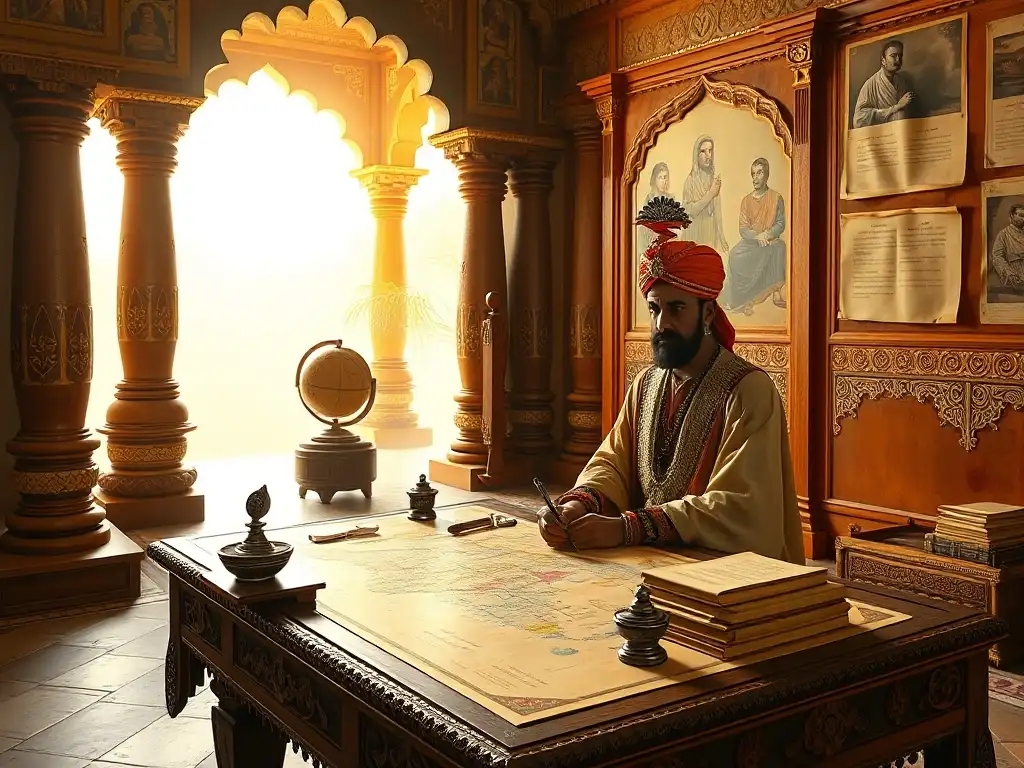
Welcome to Ancient India History, where we embark on a captivating journey through the rich tapestry of India's past. Delve into the intriguing world of the Gupta Empire and discover how its administrative practices not only shaped governance but also laid the groundwork for future civilizations. As you explore our latest article, "The Influence of the Gupta Empire on Mauryan Administrative Practices," prepare to uncover the profound connections that bind these remarkable eras together. Join us as we illuminate the legacies of ancient Indian civilizations that continue to influence our world today—your adventure into history awaits!
- Introduction to the Gupta Empire and Mauryan Administration
- The Mauryan Empire: A Foundation for Governance
- Key Features of Mauryan Administrative Practices
- The Role of Chandragupta Maurya in Shaping Governance
- Administrative Innovations of the Gupta Empire
- The Influence of Gupta Administrative Practices on the Mauryan Empire
- Key Administrative Figures in Both Empires
- Legacy of Gupta Administrative Practices in Ancient India
- Conclusion: The Interplay Between Gupta and Mauryan Administrative Practices
-
Frequently Asked Questions
- What were the key administrative practices of the Gupta Empire?
- How did the Gupta Empire influence Mauryan administrative practices?
- What role did taxation play in the Gupta administrative system?
- Can you explain the significance of education in Gupta administration?
- How did the legal system function under the Gupta Empire?
- Final Reflection: The Enduring Legacy of Gupta Empire Administrative Practices
- Unveil the Secrets of Ancient Administration!
Introduction to the Gupta Empire and Mauryan Administration
The Gupta Empire, often referred to as the Golden Age of India, flourished between the 4th and 6th centuries CE. This era is marked by remarkable advancements in science, art, literature, and philosophy, but it is also crucial to recognize the profound influence of Gupta administrative practices on earlier systems, particularly those of the Mauryan Empire.
The Mauryan Empire, which existed from approximately 322 to 185 BCE, established many foundational governance techniques that were later refined and adapted during the Gupta period. Understanding this relationship not only sheds light on the continuity and evolution of administrative practices in ancient India but also highlights the interconnectedness of these two great civilizations.
In this article, we will explore the administrative innovations of the Gupta Empire and how they drew from and transformed Mauryan practices, ultimately contributing to the sophisticated governance that characterized ancient Indian civilizations.
Overview of the Gupta Empire's Historical Context
The Gupta Empire emerged in a period of relative fragmentation following the decline of the Mauryan Empire. Founded by Maharaja Sri Gupta, the dynasty rose to prominence under the reign of Chandragupta I and reached its zenith under Chandragupta II (Vikramaditya). The Gupta period was characterized by:
- Political Unity: The Guptas unified various regions of northern India, establishing a centralized system of governance that enhanced administrative efficiency.
- Cultural Flourishing: This era witnessed significant achievements in literature, mathematics, and the arts, with notable figures such as Kalidasa and Aryabhata making indelible marks on Indian culture.
- Religious Harmony: The Gupta Empire was marked by a blend of Hinduism and Buddhism, promoting tolerance and cultural diversity.
The administrative framework developed by the Guptas built upon Mauryan innovations, particularly in the areas of taxation, law, and local governance. This synthesis of ideas contributed to a more organized and effective administration, which is essential for understanding the evolution of governance in ancient India.
Importance of Administrative Practices in Ancient Indian Civilizations
Administrative practices in ancient Indian civilizations, particularly during the Mauryan and Gupta periods, served as the backbone of governance and societal organization. The significance of these practices can be understood through the following aspects:
- Efficiency in Governance: Effective administrative systems allowed for the efficient collection of taxes, maintenance of law and order, and the implementation of state policies. This efficiency was crucial for the stability and prosperity of large empires.
- Cultural Integration: Administrative practices facilitated the integration of diverse cultures and communities within the empires, promoting trade, communication, and cultural exchange.
- Legacy: The administrative frameworks established during these periods laid the groundwork for subsequent empires in India, influencing governance structures for centuries to come.
By examining the administrative practices of the Gupta Empire and their roots in Mauryan governance, we gain valuable insights into the complexities and advancements of ancient Indian civilization, enriching our understanding of its historical narrative.
The Mauryan Empire: A Foundation for Governance

The Mauryan Empire, which flourished from 322 to 185 BCE, is often regarded as one of the first great empires in India. It established a well-organized administrative framework that served as a crucial foundation for subsequent Indian empires, including the Gupta Empire. The Mauryan administrative practices were characterized by a centralized form of governance, which allowed for effective control over vast territories.
One of the most significant aspects of the Mauryan administration was the extensive bureaucracy. The empire was divided into provinces, each overseen by a governor, known as a Uparika. This hierarchical structure facilitated efficient governance and enabled the central authority in Pataliputra to maintain oversight over distant regions. The Mauryan administration also emphasized the collection of revenue, which was vital for sustaining the empire's military and public works.
Additionally, law and order were paramount in Mauryan governance. The famous edicts of Emperor Ashoka, inscribed on pillars and rocks throughout the empire, reflect a commitment to justice and ethical administration. These edicts promoted moral governance, social welfare, and religious tolerance, leaving a lasting legacy that influenced the governance philosophies of later empires, particularly the Gupta Empire.
Key Features of Mauryan Administrative Practices

The administrative practices of the Mauryan Empire were multifaceted and innovative, laying the groundwork for future governance structures. Here are some key features:
- Centralized Authority: The Mauryan Empire was characterized by a strong central government that wielded significant power over its provinces. This centralization allowed for uniform policies and laws across the vast empire.
- Bureaucratic Structure: A complex bureaucracy was established, which included various officials responsible for different aspects of governance, such as tax collection, law enforcement, and public works.
- Provincial Administration: The empire was divided into several provinces, each managed by an appointed governor. This division facilitated local governance while maintaining loyalty to the central authority.
- Legal Framework: The Mauryan rulers implemented a comprehensive legal system, ensuring the rule of law. The edicts of Ashoka, for example, serve as early examples of state-enforced legal principles.
- Infrastructure Development: Significant investment in infrastructure, such as roads and irrigation systems, was made to enhance trade and communication within the empire. This focus not only improved economic conditions but also strengthened administrative control.
The influence of these practices can be seen in the subsequent Gupta Empire, which adopted and adapted many Mauryan administrative principles.
The Role of Chandragupta Maurya in Shaping Governance

Chandragupta Maurya, the founder of the Mauryan Empire, played a pivotal role in establishing an effective governance system that would set the stage for future empires. His strategic decisions and policies were instrumental in shaping the administrative landscape of ancient India.
- Unification of Indian Territories: Chandragupta successfully unified fragmented kingdoms under a single banner, establishing a vast empire that spanned much of the Indian subcontinent. This unification was crucial for creating a coherent administrative framework.
- Advisors and Bureaucracy: He surrounded himself with knowledgeable advisors, including the renowned philosopher Chanakya (Kautilya), who contributed to the development of Arthashastra, a seminal text on statecraft and governance. This work emphasized the importance of a strong, centralized administration.
- Military Reforms: Chandragupta implemented military reforms that ensured the empire's security and stability. A strong military presence helped maintain order and facilitated the enforcement of laws across the empire.
- Revenue System: Recognizing the importance of a robust revenue system, Chandragupta established mechanisms for tax collection that were efficient and effective. This revenue provided the necessary resources for governance and public welfare.
- Cultural Integration: Under Chandragupta's rule, there was an emphasis on cultural integration, which fostered unity among the diverse populations within the empire. This integration was crucial for maintaining stability and facilitating governance.
The Gupta Empire administrative practices were significantly influenced by the foundational governance established by the Mauryan Empire, particularly through the initiatives of Chandragupta Maurya. Understanding this lineage of administrative thought helps to appreciate the complexities and advancements in governance that emerged in ancient India.
Administrative Innovations of the Gupta Empire
The Gupta Empire, flourishing from approximately 240 CE to 550 CE, is often regarded as a golden age of Indian history due to its remarkable advancements in various fields including administration, arts, and sciences. The administrative innovations during this period were heavily influenced by the preceding Mauryan Empire, yet they also introduced distinctive features that enhanced governance efficiency and regional autonomy.
Gupta Empire Administrative Practices: A Comparative Analysis
The administrative practices of the Gupta Empire can be effectively compared to those of the Mauryan Empire, highlighting both continuity and change. While the Mauryan Empire was characterized by a highly centralized form of governance under leaders such as Chandragupta Maurya and Ashoka, the Gupta administration adopted a more flexible approach.
- Centralized Administration:
- The Gupta Empire maintained a centralized authority at the top, similar to the Mauryan model, with the emperor as the supreme ruler.
- However, Gupta rulers, like Chandragupta II, were known for their delegation of power to local governors and officials, allowing for a semi-autonomous structure.
- Provincial Governance:
- The Gupta Empire divided its territory into provinces called Janapadas, each administered by a governor ( Uparika). This was a shift from the more rigid structure of the Mauryan provinces.
- Local governance was facilitated by village assemblies ( Sabhas and Samitis), which allowed for increased local participation in administrative matters.
- Revenue Collection:
- While the Mauryan Empire had a standardized tax system, the Gupta administration introduced more varied tax rates based on local needs and capabilities.
- The Gupta rulers also encouraged trade and commerce, which supplemented their revenue through less burdensome taxation.
- Legal Framework:
- The Gupta Empire is noted for developing a more sophisticated legal framework that allowed for local customs and practices to influence law, contrasting with the more uniform legal codes of the Mauryan period.
- This flexibility in legal matters fostered local governance and community participation.
The Gupta Empire’s administrative practices represented a blend of Mauryan influences and innovative adaptations that allowed for a more decentralized approach, enhancing local governance while maintaining central authority.
Centralized vs. Decentralized Governance in the Gupta Empire
The governance structure of the Gupta Empire can be understood through the lens of centralized versus decentralized practices, which played a crucial role in its stability and efficiency.
- Centralized Governance:
- The Gupta emperors held significant power and were considered semi-divine figures, which ensured loyalty and order across the empire.
- Key decisions regarding military, foreign policy, and major economic issues remained centralized, allowing for coherent direction.
- Decentralized Elements:
- The empowerment of local governors and village assemblies represented a deliberate strategy to manage the vast and diverse empire effectively.
- This decentralization allowed regions to adapt their governance to local customs and circumstances, fostering a sense of ownership among the populace.
Benefits of the Dual Approach:
- Adaptability: The decentralized governance allowed for a quick response to local issues, enhancing administrative efficiency.
- Stability: By combining central authority with local autonomy, the Gupta Empire managed to maintain peace and stability throughout its territories.
- Cultural Flourishing: The decentralized practices facilitated the growth of regional cultures and traditions, further enriching the Gupta period as a golden age for art and literature.
The Gupta Empire’s administrative practices, characterized by a balance between centralized authority and decentralized governance, were instrumental in crafting an effective and enduring administrative system that influenced subsequent Indian civilizations.
The Influence of Gupta Administrative Practices on the Mauryan Empire

The Gupta Empire, which thrived from approximately 320 to 550 CE, is often revered for its advancements in art, science, and governance. While the Mauryan Empire (c. 322-185 BCE) laid the foundational administrative framework in ancient India, the Gupta Empire refined and enhanced these practices, resulting in a complex and efficient governance structure. The influence of Gupta administrative practices on the Mauryan Empire can be traced through various avenues, which integrated earlier models while adapting to changing political and social dynamics.
Integration of Gupta Practices into Mauryan Governance
The Mauryan Empire established a centralized form of governance, with an emphasis on a strong bureaucratic system. However, the Gupta Empire's approach brought about significant improvements and innovations. Several key areas illustrate this integration:
- Decentralization of Power:
- The Gupta administration adopted a more decentralized governance model, allowing local governors greater autonomy. This approach enabled more responsive governance to regional needs, distinguishing it from the Mauryan model, which emphasized a tighter central control.
- Local officials, known as Uparikas, were empowered to implement policies and maintain law and order, which helped in enhancing administrative efficiency.
- Revenue Collection:
- The Gupta Empire streamlined tax collection methods, building on the Mauryan practices but employing more sophisticated techniques. The introduction of standardized tax rates and the establishment of a detailed land revenue system improved economic stability and administrative efficiency.
- The Gupta period saw the introduction of agrarian reforms, which included better land assessments and categorization, thus optimizing revenue generation.
- Judicial Reforms:
- The Gupta Empire placed a stronger emphasis on justice and legal codes. While the Mauryan Empire had a unified legal structure, the Gupta era saw the development of more region-specific laws, allowing for a contextual application of justice.
- The introduction of local courts under the Gupta administration facilitated quicker dispute resolution, reflecting a shift towards a more approachable legal system.
- Administrative Hierarchies:
- The Gupta administration refined the bureaucratic structures established by the Mauryans, creating a more pronounced hierarchy. This involved a clearer delineation of responsibilities among officials, which enhanced operational efficiency.
- The introduction of specialized departments for different administrative functions, such as taxation, military, and infrastructure, allowed for better management and accountability.
Case Studies of Specific Administrative Changes
Several case studies exemplify the specific changes made by the Gupta Empire in administrative practices that were influenced by earlier Mauryan systems:
- The Role of the Pratihara:
- The term Pratihara under Gupta rule referred to a provincial governor with extensive powers. This role evolved from the Mauryan Sutra system of provincial administration, where governors had limited autonomy. The Gupta adaptation allowed for significant local governance, leading to more effective regional management.
- Judicial System Evolution:
- The Mauryan Empire had a centralized judiciary, primarily overseen by the king. In contrast, during the Gupta period, local village councils, known as Panchayats, gained judicial authority. This change not only decentralized power but also made the legal system more accessible to the common people.
- Land Grants and Feudal Elements:
- The Gupta Empire introduced a system of land grants to loyal officials and local leaders, enhancing the feudal aspects of governance. While the Mauryan system primarily relied on state-owned land, the Gupta modifications encouraged local elites to manage and cultivate land, thus fostering loyalty and stability within the administrative framework.
- Military Administration:
- The Gupta military administration evolved from the Mauryan model, which relied heavily on a standing army. The Gupta period emphasized the use of local militias and mercenary forces, allowing for a more adaptable military structure that could respond quickly to regional threats while reducing the financial burden of maintaining a large standing army.
The transition from Mauryan to Gupta administrative practices illustrates a significant evolution in governance, reflecting the dynamic political landscape of ancient India. The Gupta Empire's innovations not only built upon the foundations laid by the Mauryans but also adapted to the unique challenges of its time, ultimately shaping the trajectory of Indian governance for centuries to come.
Key Administrative Figures in Both Empires
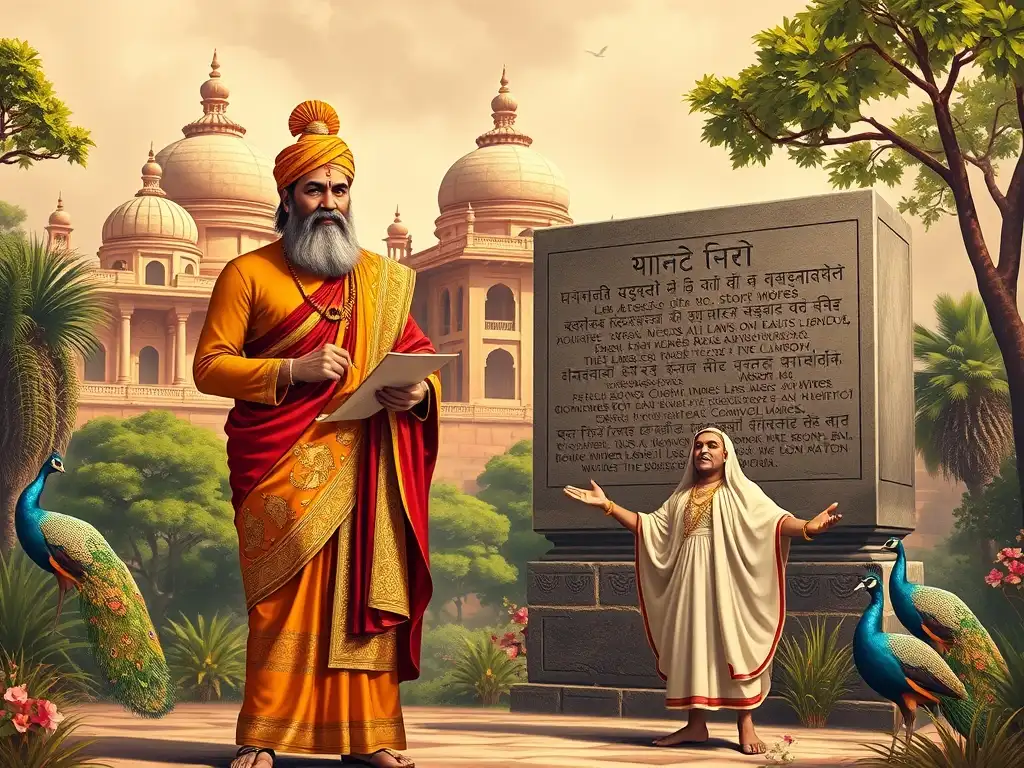
The Gupta Empire, which flourished from the 4th to the 6th century CE, is often hailed as a golden age in Indian history, particularly in terms of administrative practices. Understanding the key administrative figures from both the Gupta and Mauryan Empires provides insight into how these practices evolved and influenced one another.
Prominent Gupta Administrators and Their Contributions
The Gupta Empire was characterized by a well-structured administration, largely attributed to the visionary leadership of its rulers. Some of the most notable administrators during this period include:
- Chandragupta I: As the founder of the Gupta Empire, he established a centralized administration. His policies laid the groundwork for efficient governance, including the delegation of authority to local officials.
- Samudragupta: Known as the "Napoleon of India," his military conquests expanded the empire significantly. He also implemented a system of provincial governance, promoting local autonomy while maintaining central authority.
- Kumaragupta I: He is credited with solidifying the administrative framework established by his predecessors. Under his reign, there was a notable emphasis on taxation and revenue collection, which enhanced the empire's wealth and stability.
- Vishnu Gupta: Known for his reforms in bureaucracy, he emphasized meritocracy in administrative appointments. This approach ensured that capable individuals, rather than just those of noble birth, were placed in key positions, thus improving governance efficiency.
These administrators played pivotal roles in shaping the Gupta Empire administrative practices, which emphasized a blend of central authority and local governance. Their contributions laid the foundation for a sustained administrative framework that facilitated trade, cultural exchange, and stability throughout the empire.
Influential Mauryan Officials and Their Impact
The Mauryan Empire, preceding the Gupta Empire, set many precedents in administrative practices that would later influence Gupta governance. Key figures from this era included:
- Chanakya (Kautilya): As the chief advisor to Chandragupta Maurya, Chanakya was instrumental in establishing the Mauryan administrative system. His work, the Arthashastra, outlined strategies for governance, economics, and military tactics, many of which were later adopted by Gupta administrators.
- Bindusara: The son of Chandragupta, Bindusara continued his father’s legacy and improved upon the administrative structures. He focused on diplomacy and trade relations, enhancing economic stability, which was crucial for the Mauryan economy.
- Ashoka the Great: Perhaps the most famous Mauryan ruler, Ashoka's reign is known for its emphasis on Dhamma (moral law). He implemented a more benevolent administration, promoting welfare programs and public works. His edicts, inscribed on rocks and pillars, served as a means of communication and governance, influencing the administrative practices of his successors.
- Pataliputra's Local Officials: The capital city of Pataliputra was managed by a cadre of local officials responsible for various administrative tasks, from tax collection to law enforcement. This decentralized approach allowed for more effective governance across the vast empire.
The Mauryan Empire's administrative practices were foundational for the Gupta Empire. The emphasis on structured governance, local administration, and economic management seen in the Mauryan period directly influenced the Gupta Empire administrative practices, allowing it to flourish and sustain itself over centuries.
The interplay between the key administrative figures of both empires reveals a rich tapestry of evolving governance that shaped the course of ancient India.
Legacy of Gupta Administrative Practices in Ancient India

The Gupta Empire, often referred to as the Golden Age of India, was marked by significant advancements in various fields, including administration. The administrative practices established during this period laid a strong foundation for governance in subsequent Indian empires. The legacy of Gupta administrative practices can be seen in their structured bureaucracy, efficient tax collection systems, and emphasis on local governance, which were pivotal in shaping future administrations.
Long-term Effects on Subsequent Indian Empires
The administrative practices of the Gupta Empire had profound and long-lasting effects on later Indian empires, particularly during the post-Gupta period. One of the most notable influences was the establishment of a more centralized bureaucratic system. This system emphasized the importance of a well-defined hierarchy within the administration, which included various levels of officials responsible for different regions and functions.
- Centralized Bureaucracy: The Gupta Empire introduced a model where power was centralized, allowing for better coordination and efficiency in governance. This model was adopted by subsequent empires, including the Harsha Empire and later the Rajput kingdoms.
- Revenue Systems: The Gupta administration refined tax collection methods, ensuring that taxes were collected efficiently and fairly. This practice set a precedent for later empires, which continued to utilize structured tax systems to generate revenue for governance and military expenses.
- Judicial Administration: The Gupta Empire established a system of local courts and appointed judges to handle disputes, leading to the normalization of legal practices in governance. This judicial structure influenced later kingdoms, which maintained similar judicial systems to ensure justice and order.
These practices not only provided immediate benefits to the governance of the Gupta Empire but also offered a template for future administrations, thereby creating a legacy that persisted through centuries.
The Enduring Influence of Gupta Administration on Indian Governance
The enduring influence of Gupta administration on Indian governance can be observed in several key areas that continued to evolve in subsequent dynasties.
- Decentralization of Power: While the Gupta Empire was known for its centralized administration, it also promoted local governance by empowering regional officials. This approach allowed local leaders to manage their territories effectively, fostering a sense of responsibility and accountability. Later empires, including the Mughal Empire, adopted similar practices to maintain control over vast territories.
- Merit-based Appointments: The Gupta administration emphasized merit-based appointments over hereditary positions. This principle encouraged the recruitment of skilled individuals into administrative roles, fostering efficiency and competence. Subsequent empires recognized the value of this approach, leading to the establishment of more effective bureaucracies.
- Cultural Integration: Gupta administrative practices also promoted the integration of diverse cultures within their vast empire. By recognizing and respecting local customs and traditions, the Gupta Empire maintained stability and unity. This practice was mirrored in later empires, which sought to accommodate various cultural groups to ensure harmonious governance.
- Documentation and Record-keeping: The Gupta administration was meticulous in record-keeping, which included maintaining detailed accounts of revenue and expenditures. This practice laid the groundwork for future administrations that relied on documentation to manage their affairs effectively.
The Gupta Empire's administrative practices were not only innovative for their time but also formed the bedrock of governance for subsequent Indian empires. The principles of a structured bureaucracy, local governance, merit-based appointments, cultural integration, and meticulous record-keeping have continued to influence Indian administrative practices throughout history, showcasing the enduring legacy of the Gupta Empire in shaping the governance of ancient India.
Conclusion: The Interplay Between Gupta and Mauryan Administrative Practices
Summary of Key Points
The administrative practices of the Gupta Empire were significantly influenced by the earlier Mauryan Empire, establishing a framework that would shape governance in ancient India. Key points regarding this influence include:
- Centralized Administration: The Mauryan Empire set a precedent with its highly centralized administration, which the Gupta Empire adopted and refined. This structure allowed for effective control over vast territories, facilitating efficient governance.
- Provincial Governance: The Mauryan practice of dividing the empire into provinces, each governed by appointed officials, was mirrored in Gupta administration. This approach enabled localized governance, allowing the empire to respond to regional needs while maintaining overarching control.
- Revenue Collection: Both empires implemented systematic methods for tax collection. The Mauryans employed a well-organized bureaucratic system, which the Guptas improved by introducing more sophisticated revenue assessment techniques, ensuring the empire's financial stability.
- Legal System: The Gupta Empire built upon the legal frameworks established by the Mauryans, emphasizing codified laws and justice administration. This continuity ensured a degree of legal uniformity across the regions, promoting stability and order.
- Cultural Integration: The Gupta period saw a further integration of culture and administration, influenced by the Mauryan emphasis on promoting art, literature, and education. This cultural governance not only supported administrative efficiency but also enhanced the legitimacy of the ruling class.
Final Thoughts on the Evolution of Administration in Ancient India
The examination of Gupta Empire administrative practices reveals a fascinating evolution of governance that can be traced back to the Mauryan Empire. This interplay of administrative methodologies illustrates how ancient Indian civilizations learned from one another, adapting and refining practices to meet the demands of their time. The Gupta Empire's ability to build upon the established Mauryan framework not only ensured effective governance but also laid the groundwork for future administrative practices in the region.
Understanding the influence of the Gupta Empire on Mauryan administrative practices provides valuable insights into how ancient Indian civilizations navigated governance challenges. By fostering systems of administration that emphasized both central authority and regional autonomy, these empires contributed significantly to the rich tapestry of ancient India's history, shaping the political landscape for centuries to come. The legacy of their administrative innovations continues to influence contemporary governance in the subcontinent, highlighting the enduring significance of their contributions.
Frequently Asked Questions
What were the key administrative practices of the Gupta Empire?
The Gupta Empire introduced effective local governance through a system of administrative divisions, which improved efficiency and accountability in managing the empire.
How did the Gupta Empire influence Mauryan administrative practices?
The Gupta Empire built upon the foundation laid by the Mauryan Empire, emphasizing decentralization and the establishment of local councils to enhance governance.
What role did taxation play in the Gupta administrative system?
Taxation was crucial for the Gupta Empire, as it provided the necessary resources for public works and maintained the military, ensuring stability and growth.
Can you explain the significance of education in Gupta administration?
The Gupta Empire valued education, leading to the establishment of universities and centers of learning, which contributed to a well-informed bureaucracy and promoted cultural development.
How did the legal system function under the Gupta Empire?
The Gupta Empire had a structured legal system that emphasized justice and fairness, incorporating both written laws and customary practices to resolve disputes effectively.
Final Reflection: The Enduring Legacy of Gupta Empire Administrative Practices
The administrative practices established during the Gupta Empire remain remarkably relevant today, illustrating how effective governance can shape societies for centuries. As we navigate the complexities of modern governance, the principles of organization, efficiency, and inclusivity that characterized Gupta administration serve as a timeless reminder of the power of thoughtful leadership. The Gupta Empire's influence on Mauryan practices exemplifies how historical frameworks can inform contemporary systems, urging us to learn from the past to build a better future.
The legacy of Gupta administrative practices continues to resonate in our cultural and social landscapes, influencing how we perceive governance and civic responsibility. The structured approach to administration, which emphasized local governance and community involvement, has paved the way for modern democratic practices. As historian Romila Thapar aptly noted, The past is not just a record of what has been; it is a guide to what can be.
This perspective invites us to reflect on how the principles of the Gupta Empire can inform our current administrative challenges and inspire a more engaged citizenry.
As we contemplate the lessons from the Gupta Empire, I invite you to reflect on your role within your community and the systems that govern it. Consider how you can embody the principles of effective administration in your daily life, whether through civic engagement, advocacy, or simply being an informed citizen. The past offers us invaluable insights, and by applying these lessons, we can contribute to a more harmonious and efficient society, echoing the wisdom of those who came before us.
Unveil the Secrets of Ancient Administration!
Thank you for taking the time to explore the fascinating influence of the Gupta Empire on Mauryan administrative practices. You've gained insights into how these ancient structures shaped governance in India, and now it’s time to put that knowledge into action!
Here are a few steps to continue your journey into this captivating history:
- Dive Deeper: Read more about the Gupta Empire and explore their policies, governance styles, and innovations that transformed ancient India.
- Join the Discussion: Share your thoughts and insights in the comments below; we’d love to hear how the Gupta influence compares to other empires!
- Expand Your Network: Connect with fellow history enthusiasts by sharing this article on social media to inspire others to learn about this pivotal era.
As you reflect on these powerful influences in ancient governance, consider this: How can the administrative practices of the Gupta Empire inform modern leadership and management strategies today?