
The Role of Yoga in Ayurveda: Harmonizing Body and Mind

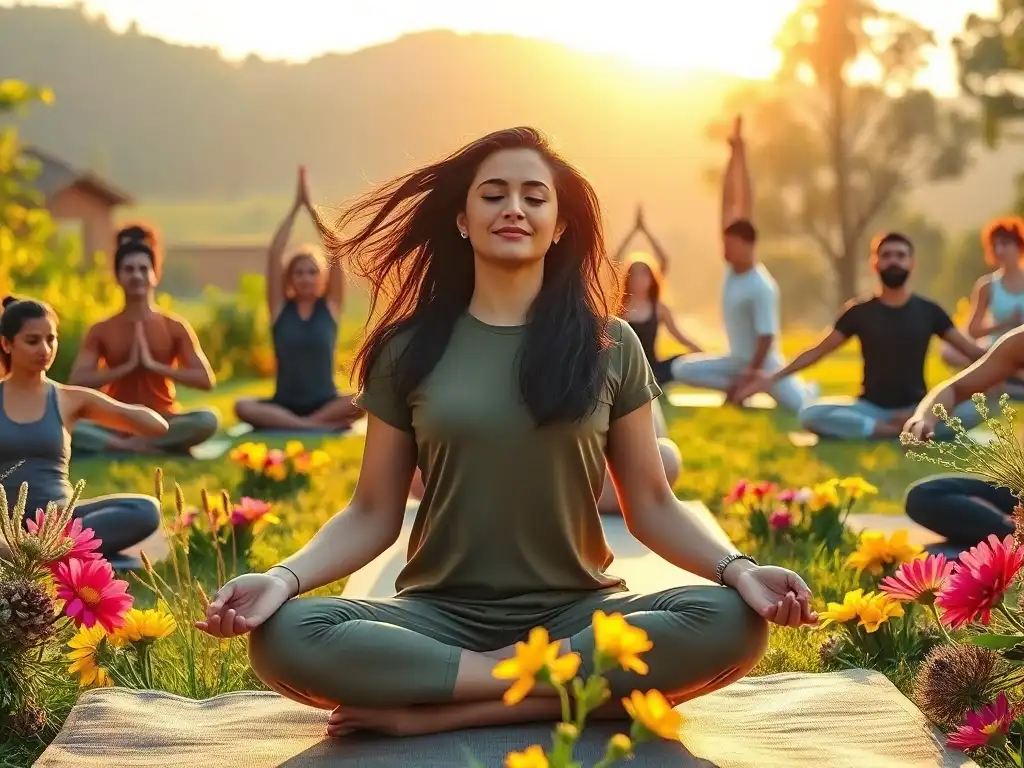
Welcome to Ancient India History, where we invite you to embark on a journey through the vibrant tapestry of ancient Indian civilizations. Here, you'll uncover the profound connections between culture, science, and spiritual practices that have shaped the world. In our featured article, we delve into the intriguing relationship between Yoga and Ayurveda, exploring how these ancient disciplines work in harmony to promote holistic wellness. Join us as we unravel the secrets of these time-honored traditions and discover how they continue to influence modern health practices. Your adventure into the depths of India’s rich heritage begins now!

Introduction to Yoga and Ayurveda Connection
The connection between Yoga and Ayurveda represents a profound relationship that transcends mere practice and delves into the holistic understanding of health and well-being. Both ancient Indian disciplines, rooted deeply in the cultural fabric of the subcontinent, offer unique insights into the balance of body, mind, and spirit. Ayurveda, the traditional system of medicine, emphasizes the importance of harmony within the body, while Yoga serves as a practical tool to achieve this equilibrium.
Together, they create a comprehensive framework that promotes not only physical fitness but also mental clarity and emotional stability. Understanding this connection is essential for anyone interested in exploring the depth of ancient Indian wisdom and its relevance in contemporary wellness practices.
Understanding Ayurveda: A Brief Overview
Ayurveda, often referred to as the "science of life," dates back over 5,000 years and is one of the oldest holistic healing systems. It is based on the idea that health is a balance of body, mind, and spirit. The central tenet of Ayurveda is that each person is unique, with specific physical and emotional characteristics determined by their doshas—Vata, Pitta, and Kapha.
- Vata: Represents air and space; associated with movement and creativity.
- Pitta: Represents fire and water; linked to transformation and metabolism.
- Kapha: Represents earth and water; connected to structure and stability.
By understanding one's dosha, Ayurveda offers personalized treatments and lifestyle recommendations, fostering optimal health through diet, herbal remedies, and daily routines.
The Essence of Yoga: More than Just Exercise
While many perceive Yoga merely as a physical practice, it encompasses a broader philosophy aimed at achieving inner peace and self-realization. Yoga integrates physical postures ( asanas), breathing techniques ( pranayama), and meditation, creating a multi-faceted approach to health. This system promotes flexibility, strength, and balance, but its true essence lies in cultivating mindfulness and awareness.
Through regular practice, individuals can experience profound transformations, including:
- Stress reduction
- Enhanced focus and concentration
- Emotional stability
- Spiritual growth
Thus, Yoga serves as a powerful tool to harmonize the physical and mental aspects of our being.
The Interrelationship Between Yoga and Ayurveda
The synergy between Yoga and Ayurveda is evident in their shared goals of achieving balance and well-being. While Ayurveda provides the foundational principles of health, Yoga offers practical methods to realize these principles.
- Complementary Practices: Yoga can help alleviate dosha imbalances identified by Ayurvedic assessments.
- Lifestyle Integration: Both practices emphasize the importance of a balanced lifestyle, including diet, exercise, and mindfulness.
- Holistic Healing: Together, they promote a comprehensive approach to health, addressing physical ailments, mental stress, and spiritual disconnection.
This interrelationship underscores the importance of understanding how these practices can be integrated for enhanced well-being.
Historical Context of Yoga and Ayurveda
Origins of Yoga in Ancient India
Yoga's origins can be traced back to the Indus Valley Civilization, around 3000 BCE. Archaeological findings, such as seals depicting figures in meditation poses, suggest that the practice was integral to early spiritual and cultural life. The ancient texts, particularly the Vedas and later the Upanishads, document the philosophical underpinnings of Yoga, emphasizing its role in achieving spiritual enlightenment and understanding the self.
Evolution of Ayurveda Through the Ages
Ayurveda has evolved through various historical periods, influenced by regional practices and cultural exchanges. Initially codified in the Atharva Veda, Ayurveda was further developed by sages and scholars who contributed to its theories and practices. Over centuries, it absorbed elements from other healing traditions, leading to a rich tapestry of knowledge that remains relevant today.
Key Texts: Vedas and Upanishads on Yoga and Ayurveda
The Vedas and Upanishads are foundational texts that provide insights into both Yoga and Ayurveda. They detail:
- Philosophical Concepts: The nature of the self, the universe, and the connection between the two.
- Practical Guidelines: Recommendations for lifestyle, diet, and spiritual practices that align with both disciplines.
- Integration of Practices: How Yoga and Ayurveda complement each other to foster a holistic approach to health.
These texts form the cornerstone of ancient Indian wisdom, guiding practitioners in their journey towards balance and harmony.
The Philosophical Foundations of Yoga and Ayurveda
The philosophical underpinnings of both Yoga and Ayurveda are deeply interwoven, rooted in ancient Indian texts and traditions. Both disciplines are based on the understanding that human health is influenced by a complex interplay of physical, mental, and spiritual elements. This holistic view promotes the idea that wellness is achieved not just through physical practices but also through understanding one's inner self and the universe.
Ayurveda, often referred to as the "science of life," emphasizes balance within the body and harmony with nature. Meanwhile, Yoga, derived from the Sanskrit word "yuj," meaning to unite, focuses on the union of body, mind, and spirit. Together, these practices provide a comprehensive framework for achieving optimal health and spiritual growth.
Both traditions share a common goal: to cultivate a deeper awareness of oneself and one's surroundings. By integrating the principles of Yoga and Ayurveda, practitioners can develop a profound understanding of their health and well-being, leading to a more harmonious existence.
Core Principles of Ayurveda: Doshas and Dhatus
Ayurveda is built upon several core principles, with the concepts of Doshas and Dhatus being fundamental.
- Doshas refer to the three energies believed to govern physiological and psychological processes in the body. These are:
- Vata (air and space): Responsible for movement and communication.
- Pitta (fire and water): Governs metabolism and transformation.
- Kapha (earth and water): Provides structure and stability.
Each individual has a unique balance of these Doshas, which influences their physical characteristics, temperament, and health.
- Dhatus are the seven tissues that form the body's structure and function. They include:
- Rasa (plasma)
- Rakta (blood)
- Mamsa (muscle)
- Meda (fat)
- Asthi (bone)
- Majja (bone marrow)
- Shukra (reproductive tissue)
These Dhatus are nourished by the food we consume and are essential for maintaining health. Balancing the Doshas and nourishing the Dhatus is key to achieving optimal health in Ayurveda.
Yoga Philosophy: The Eight Limbs of Yoga
The philosophy of Yoga is encapsulated in the Eight Limbs of Yoga, as outlined in Patanjali's Yoga Sutras. These limbs provide a pathway for spiritual growth and self-realization:
- Yama (ethical standards): Guidelines for ethical conduct and behavior towards others.
- Niyama (self-discipline): Personal observances that promote self-care and spiritual growth.
- Asana (postures): Physical poses that prepare the body for meditation and enhance physical health.
- Pranayama (breath control): Techniques for regulating breath, influencing the mind and energy levels.
- Pratyahara (withdrawal of senses): The practice of turning inward, away from external distractions.
- Dharana (concentration): The ability to focus the mind on a single point or object.
- Dhyana (meditation): Deep contemplation and connection with the inner self.
- Samadhi (absorption): A state of oneness with the object of meditation, leading to enlightenment.
These eight limbs work synergistically to cultivate physical, mental, and spiritual well-being, aligning perfectly with Ayurvedic principles.
How Yoga Complement Ayurvedic Practices
Yoga complements Ayurvedic practices by promoting physical health, mental clarity, and emotional stability. Through specific asanas, individuals can directly influence their Dosha balance. For example, gentle restorative poses can soothe Vata imbalances, while dynamic flows may invigorate a Kapha constitution.
In addition to physical benefits, Yoga enhances the Ayurvedic focus on mindfulness and self-awareness. By practicing Pranayama and meditation, individuals can cultivate mental resilience and emotional balance, which are crucial for overall well-being.
Moreover, both Yoga and Ayurveda emphasize the importance of lifestyle choices, such as diet and daily routines, in maintaining health. By integrating these practices, individuals can create a harmonious lifestyle that supports their unique constitution and enhances their quality of life.
The Role of Yoga in Ayurvedic Healing
Yoga plays a significant role in Ayurvedic healing by providing tools for self-regulation and balance. As Ayurveda recognizes that imbalances in the body and mind can lead to disease, Yoga serves as a preventive and therapeutic practice to restore harmony.
Practicing Yoga can aid in detoxification, enhance circulation, and improve digestion—all vital components of Ayurvedic health. Furthermore, the meditative aspects of Yoga encourage a deeper connection to oneself, allowing individuals to identify and address imbalances early on.
Importance of Mind-Body Harmony in Ayurveda
In Ayurveda, the connection between the mind and body is paramount. The philosophy posits that mental and emotional states can significantly affect physical health. Stress, anxiety, and negative emotions can manifest as physical ailments, while positive mental states can enhance well-being.
Achieving mind-body harmony is essential for maintaining health and vitality. Yoga facilitates this harmony through its integrated approach, combining physical movement, breath control, and meditation. This holistic practice allows individuals to cultivate awareness of their thoughts and feelings, ultimately guiding them towards a balanced and healthy lifestyle.
Specific Yoga Practices for Ayurvedic Healing
Certain Yoga practices are particularly effective in supporting Ayurvedic healing modalities. Here are a few examples:
- Gentle Asanas: Restorative poses such as Supta Baddha Konasana (Reclining Bound Angle Pose) can help soothe Vata, while twists like Ardha Matsyendrasana (Half Lord of the Fishes Pose) can aid digestion and detoxification.
- Pranayama Techniques: Practices like Nadi Shodhana (Alternate Nostril Breathing) balance the nervous system and promote mental clarity, making them valuable for all Dosha types.
- Meditation and Mindfulness: Regular meditation sessions can enhance mental well-being and emotional regulation, supporting overall health and resilience.
- Yoga Nidra: This guided relaxation practice promotes deep rest and rejuvenation, which is beneficial for all body types, especially those experiencing stress.
By incorporating these specific practices into daily routines, individuals can effectively use Yoga as a tool for enhancing their Ayurvedic healing journey, leading to a more balanced and harmonious life.
Practical Applications: Incorporating Yoga into Ayurvedic Lifestyle

Incorporating yoga into an Ayurvedic lifestyle can lead to enhanced well-being, aligning physical practices with holistic health principles. The synergy between yoga and Ayurveda is rooted in their shared goal of achieving balance and harmony within the body and mind. Practitioners can implement several strategies to weave yoga into their daily routines, seasonal practices, and dietary habits.
Daily Routines: Integrating Yoga and Ayurveda
Establishing a daily routine that combines yoga and Ayurveda is essential for maintaining balance in life. This can include:
- Morning Rituals: Begin the day with a short yoga session, focusing on asanas that align with your dosha. For instance, Vata types may benefit from grounding poses, while Pitta types can focus on cooling postures.
- Breathing Practices: Incorporate pranayama techniques that align with Ayurvedic principles. For example, Nadi Shodhana (alternate nostril breathing) can help balance the doshas and clear the mind.
- Meditation: Dedicate time for meditation that reflects your Ayurvedic constitution. This practice can help cultivate a deeper connection to oneself and enhance mental clarity.
By integrating these practices into daily life, individuals can foster a holistic approach to health that nurtures both the body and mind.
Seasonal Practices: Adapting Yoga to Ayurvedic Principles
Ayurveda emphasizes the importance of aligning lifestyle choices with the changing seasons. This alignment can be achieved through specific yoga practices tailored to seasonal needs:
- Spring: Focus on detoxifying asanas such as twists to aid digestion and eliminate toxins accumulated over winter.
- Summer: Incorporate cooling yoga practices like restorative poses, which help balance the heightened Pitta energy of the season.
- Autumn: Emphasize grounding practices to stabilize Vata dosha, including standing poses and slower flows that foster a sense of rootedness.
Adapting yoga practices to seasonal changes not only supports physical health but also enhances emotional and mental well-being.
Dietary Considerations: Eating for Your Dosha with Yoga in Mind
Diet plays a crucial role in both Ayurveda and yoga. To cultivate harmony, it is beneficial to consider dietary choices that complement yoga practices:
- Understanding Doshas: Each dosha has unique dietary needs. For example, Vata individuals should focus on warm, moist foods, while Pitta types may thrive on cooling, hydrating choices.
- Mindful Eating: Combine yoga principles with eating habits by practicing mindfulness during meals. This can enhance digestion and foster a deeper connection to food.
- Yoga and Cooking: Engage in cooking as a meditative practice, infusing love and awareness into the preparation of meals. Incorporating spices that balance your dosha can enhance both flavor and health benefits.
By merging dietary practices with yoga, individuals can create a comprehensive approach to wellness that nourishes both body and spirit.
Case Studies: Successful Integration of Yoga and Ayurveda
Real-life examples of individuals successfully integrating yoga and Ayurveda provide valuable insights into their benefits. These case studies illustrate how a harmonious relationship between these practices can enhance overall health and well-being.
Testimonial 1: Personal Experience of a Yoga Practitioner
A yoga practitioner named Anaya shares her transformative journey:
"I had been practicing yoga for years, but it wasn’t until I explored Ayurveda that I truly found balance. By understanding my Vata dosha, I adjusted my yoga routine to include grounding poses and started mindful eating practices. The results were incredible—I felt more centered, less anxious, and more in tune with my body. The combination of yoga and Ayurveda has become my daily sanctuary."
Testimonial 2: Personal Experience of an Ayurvedic Healer
Dr. Raghav, an Ayurvedic healer, emphasizes the importance of this connection:
"As an Ayurvedic practitioner, I often recommend yoga to my clients. It complements Ayurvedic treatments beautifully. I have seen patients transform their health by incorporating yoga into their daily lives. One patient, struggling with stress, integrated breathing exercises and gentle yoga. Within weeks, not only did her stress levels decrease, but her overall health improved significantly. The synergy between yoga and Ayurveda is powerful and undeniable."
Lessons Learned from Historical Figures in Yoga and Ayurveda
Throughout history, many figures have highlighted the interconnectedness of yoga and Ayurveda. Notable examples include:
- Patanjali: The sage who compiled the Yoga Sutras emphasized the importance of a balanced lifestyle that includes ethical living, diet, and physical practices—core principles of Ayurveda.
- Charaka: An ancient Ayurvedic physician, he recognized the significance of lifestyle choices, including yoga, in maintaining health and preventing disease.
These historical insights remind us that the integration of yoga and Ayurveda is not just a modern trend but a longstanding tradition that continues to resonate today. By learning from these figures, contemporary practitioners can adopt a holistic approach that enhances their well-being.
Conclusion: The Synergy of Yoga and Ayurveda
The interconnectedness of Yoga and Ayurveda shapes a holistic approach to health and wellness, emphasizing the balance of body, mind, and spirit. This synergy is not merely theoretical but is deeply rooted in ancient practices that have stood the test of time. By integrating the principles of Yoga with the therapeutic insights of Ayurveda, individuals can experience profound benefits that enhance their physical health, mental clarity, and emotional well-being. As modern lifestyles often lead to disconnection from these ancient wisdoms, understanding and applying the Yoga and Ayurveda connection becomes increasingly relevant.
The role of Yoga as a tool for self-awareness and self-regulation complements Ayurveda’s focus on individual constitution and balance. Together, they provide a comprehensive framework for personal growth and healing. By embracing both practices, individuals can cultivate a lifestyle that promotes not only physical fitness but also mental equilibrium and spiritual fulfillment.
Recap of Key Points on Yoga and Ayurveda Connection
- Holistic Health: Both Yoga and Ayurveda prioritize a holistic view of health, addressing physical, mental, and spiritual aspects.
- Individualized Practices: Ayurveda's emphasis on personal constitution (doshas) allows for tailored Yoga practices that meet individual needs.
- Preventive Health: Both systems advocate for prevention over treatment, encouraging lifestyle choices that foster well-being.
- Mind-Body Connection: Yoga enhances mindfulness and self-awareness, which are crucial for understanding and maintaining one’s health as per Ayurvedic principles.
- Complementary Therapies: The integration of Yoga poses and Ayurvedic treatments can optimize health outcomes, making them powerful allies in modern wellness regimens.
The Future of Yoga and Ayurveda in Modern Health Practices
As the world increasingly recognizes the importance of holistic health, the future of Yoga and Ayurveda appears promising. The growing trend towards integrative health practices in contemporary medicine highlights a shift towards balancing conventional treatments with traditional wisdom.
Innovations in research are continuously uncovering the scientific basis for the benefits of Yoga and Ayurveda, paving the way for their acceptance in mainstream health care. This can lead to:
- Increased Collaboration: Health professionals may begin to incorporate Yoga and Ayurvedic principles into their practices, enhancing patient care.
- Educational Programs: As awareness grows, more educational institutions are likely to offer courses that emphasize the Yoga and Ayurveda connection, preparing practitioners for integrated approaches.
- Community Engagement: More community initiatives will emerge, promoting workshops and retreats that focus on the combined benefits of these ancient practices, fostering a sense of belonging among practitioners.
Additional Resources for Exploring Yoga and Ayurveda
To deepen your understanding of the Yoga and Ayurveda connection, various resources are available that can enhance your knowledge and practice.
Recommended Books on Yoga and Ayurveda
- "The Complete Book of Ayurvedic Home Remedies" by Vasant Lad: This book offers practical tips and holistic remedies based on Ayurvedic principles.
- "Light on Yoga" by B.K.S. Iyengar: A classic text that connects the philosophy and practice of Yoga, ideal for beginners and advanced practitioners alike.
- "Yoga and Ayurveda: Self-Healing and Self-Realization" by David Frawley: This book explores the relationship between Yoga and Ayurveda, providing insights into their synergistic benefits.
Online Courses and Workshops for Deeper Learning
- Yoga Alliance: Offers accredited courses that integrate Yoga and Ayurveda, suitable for both beginners and experienced practitioners.
- The Ayurveda Institute: Provides online courses focused on Ayurvedic principles, including its relationship with Yoga.
- Udemy: Features a variety of workshops on Yoga and Ayurveda, allowing for flexible learning at your own pace.
Community and Support Groups for Yoga and Ayurveda Practitioners
- Meetup Groups: Local communities often host gatherings where practitioners can share experiences and knowledge about Yoga and Ayurveda.
- Facebook Groups: Many online communities provide platforms for discussion, support, and resources related to Yoga and Ayurveda practice.
- Ayurveda and Yoga Retreats: Participating in retreats can foster a deeper connection with like-minded individuals and provide immersive learning experiences.
Through these resources, practitioners can continue to explore the rich tapestry of knowledge that Yoga and Ayurveda offer, enhancing their journey toward holistic health and well-being.
- Introduction to Yoga and Ayurveda Connection
- Historical Context of Yoga and Ayurveda
- The Philosophical Foundations of Yoga and Ayurveda
- The Role of Yoga in Ayurvedic Healing
- Practical Applications: Incorporating Yoga into Ayurvedic Lifestyle
- Case Studies: Successful Integration of Yoga and Ayurveda
- Conclusion: The Synergy of Yoga and Ayurveda
- Additional Resources for Exploring Yoga and Ayurveda
Frequently Asked Questions
What is the connection between Yoga and Ayurveda?
Yoga and Ayurveda are interrelated disciplines that aim to promote holistic health. While Yoga focuses on physical and mental well-being through postures and breathing, Ayurveda emphasizes balance in body systems for overall health.
How does Yoga enhance Ayurvedic practices?
Yoga enhances Ayurvedic practices by promoting mindfulness and self-awareness, which are essential for understanding one’s dosha or body constitution. This connection helps individuals align their lifestyle with their unique health needs.
Can Yoga be used as a form of Ayurvedic therapy?
Yes, Yoga can be considered a form of Ayurvedic therapy. Specific asanas (postures) and pranayama (breathing exercises) can help alleviate ailments and restore balance in the body, complementing Ayurvedic treatments.
What are some Yoga practices beneficial for Ayurveda?
Practices such as Hatha Yoga, Vinyasa, and Pranayama are particularly beneficial as they focus on detoxification, flexibility, and enhancing circulation, all of which are aligned with Ayurvedic principles of maintaining health.
How can I integrate Yoga into my Ayurvedic lifestyle?
To integrate Yoga into your Ayurvedic lifestyle, start with daily practices that align with your dosha. It's essential to focus on mindful movement and breathing techniques that promote balance and well-being in your daily routine.
Final Reflection: Embracing the Yoga and Ayurveda Connection for Holistic Well-being
The profound relationship between yoga and Ayurveda is more relevant today than ever, as individuals seek holistic approaches to health and wellness in a fast-paced world. The integration of these ancient practices offers a pathway to not only physical health but also mental clarity and emotional balance. In a society increasingly plagued by stress and disconnection, the wisdom of yoga and Ayurveda serves as a beacon of hope, guiding us toward a more harmonious existence.
Cultural and social landscapes are continually shaped by our understanding of well-being, and the yoga and Ayurveda connection plays a pivotal role in this evolution. As we embrace these practices, we find ourselves part of a larger movement that prioritizes self-care and mindfulness. The words of B.K.S. Iyengar resonate deeply: Yoga does not just change the way we see things, it transforms the person who sees.
This transformation is not merely personal; it ripples through communities, encouraging a collective shift toward a more balanced and conscious way of living.
As you reflect on the insights shared in this article, I invite you to explore how you can incorporate the principles of yoga and Ayurveda into your daily life. Consider the ways in which these practices can harmonize your body and mind, fostering a deeper connection to yourself and the world around you. By embracing this journey, you not only enhance your own well-being but also contribute to a more mindful and compassionate society. Let us all take a step toward this holistic path, nurturing our bodies and minds for a brighter, healthier future.
Embrace the Balance: Take Your First Step Towards Harmony!
Thank you for exploring the fascinating connection between yoga and Ayurveda! By understanding how these ancient practices can harmonize your body and mind, you are already on your way to a more balanced and fulfilling life. Now, let’s transform that knowledge into action!
Here are some practical steps you can take today:
- Start a daily yoga practice: Even just 10-15 minutes can significantly enhance your well-being. Choose a sequence that resonates with you or explore a new pose each day.
- Explore Ayurvedic principles: Investigate how your unique body constitution influences your lifestyle choices. Consider keeping a journal to document your findings and experiences.
- Share your journey: Encourage friends to join you on this path by forming a yoga group or discussing the insights you’ve gathered about Ayurveda.
What small step will you take today to integrate yoga and Ayurveda into your life?