
Understanding the Ayurvedic Pulse Diagnosis: Techniques and Benefits

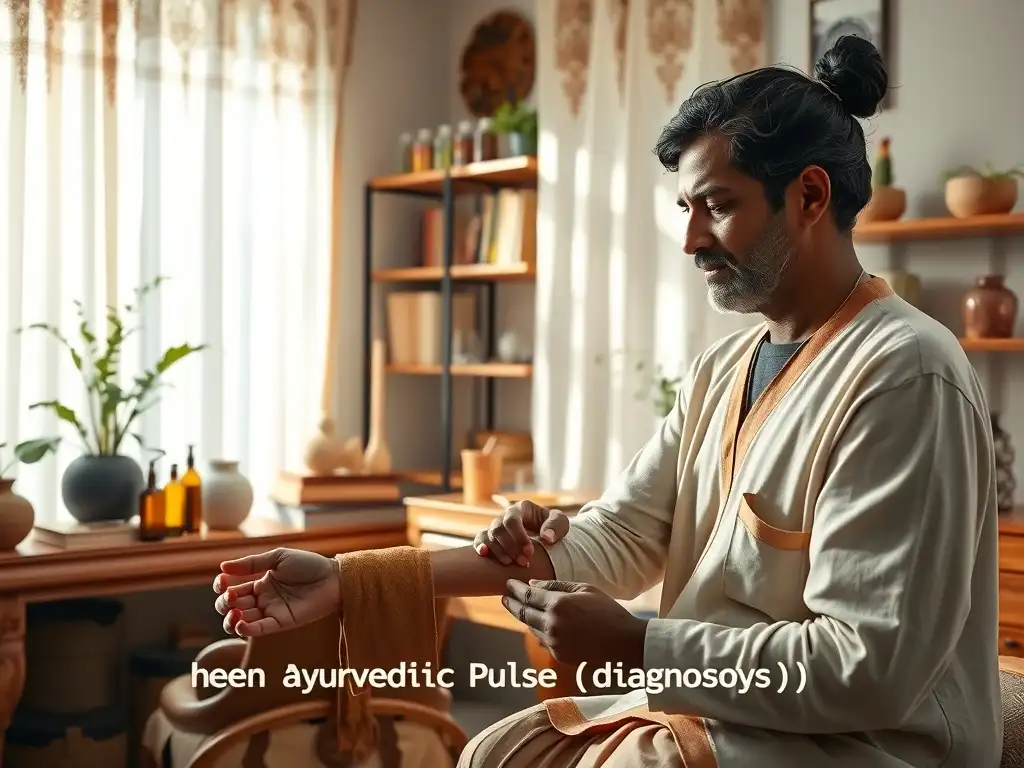
Welcome to Ancient India History, where the tapestry of time unveils the rich and diverse heritage of ancient Indian civilizations. Here, we invite you to embark on a journey through the ages, exploring the profound contributions that have shaped our world. In our featured article, we delve into the Benefits of Ayurvedic Pulse Diagnosis, a fascinating technique rooted in centuries of wisdom.
Discover how this ancient practice not only offers insights into health but also connects us to the profound knowledge of the past. Are you ready to unlock the secrets of Ayurveda and its timeless relevance? Let’s dive in!
Understanding Ayurvedic Pulse Diagnosis: Techniques and Benefits

Introduction to Ayurvedic Pulse Diagnosis
Ayurvedic pulse diagnosis, known as Nadi Pariksha, is a traditional diagnostic technique rooted in the ancient practices of Ayurveda. This method involves the skilled practitioner assessing the quality, rhythm, and strength of the pulse at various points on the body to gain insights into an individual's health and well-being.
The benefits of Ayurvedic pulse diagnosis extend beyond mere identification of physical ailments; it encompasses a holistic understanding of the physiological and psychological states of the patient. By tapping into the ancient wisdom of Ayurvedic medicine, practitioners can offer personalized treatment plans that align with the unique constitution and conditions of each individual.
What is Ayurvedic Pulse Diagnosis?
Ayurvedic pulse diagnosis is a nuanced practice that evaluates the pulse's characteristics to discern the underlying health conditions of a person. The pulse is felt at specific sites on the wrist, where three distinct qualities can be observed:
- Speed: Reflecting the metabolic state.
- Strength: Indicating vitality and energy levels.
- Rhythm: Revealing emotional and psychological states.
This diagnostic technique allows practitioners to assess the balance of the three doshas—Vata, Pitta, and Kapha—thereby offering a comprehensive view of an individual's health.
Historical Context of Pulse Diagnosis in Ayurveda
The roots of pulse diagnosis in Ayurveda can be traced back thousands of years to ancient Indian texts, including the Charaka Samhita and Sushruta Samhita. These texts emphasize the significance of pulse diagnosis as a crucial element of Ayurvedic practice. Historically, practitioners relied on this technique to diagnose diseases, predict potential health issues, and tailor treatment plans. This tradition has persisted through generations, showcasing its enduring relevance in contemporary Ayurvedic medicine.
Importance of Pulse Diagnosis in Ayurvedic Medicine
Pulse diagnosis is integral to Ayurvedic medicine as it provides a non-invasive way to assess the health of an individual. Unlike conventional diagnostic methods, which often focus solely on symptoms, pulse diagnosis offers a deeper understanding of the underlying causes of ailments. It helps in:
- Identifying imbalances in the body's doshas.
- Tailoring individualized treatment plans.
- Enhancing the effectiveness of therapeutic interventions.
- Monitoring progress during treatment.
The Science Behind Pulse Diagnosis
Understanding the Three Doshas: Vata, Pitta, and Kapha
In Ayurveda, the concept of doshas is fundamental to understanding health and disease. The three doshas—Vata, Pitta, and Kapha—represent different combinations of the five elements (earth, water, fire, air, and ether) that govern physiological and psychological processes in the body. Each person has a unique dosha composition that influences their physical characteristics, temperament, and susceptibility to health issues.
- Vata: Associated with air and ether, Vata governs movement and communication.
- Pitta: Connected to fire and water, Pitta regulates digestion and metabolism.
- Kapha: Comprising earth and water, Kapha provides structure and stability.
How Pulse Diagnosis Reflects Body Imbalances
The pulse serves as a dynamic reflection of the individual's dosha balance. By examining the pulse, practitioners can determine whether one or more doshas are out of balance, indicating potential health issues. For instance:
- A strong, rapid pulse may indicate a Pitta imbalance, suggesting excess heat or inflammation.
- A weak, irregular pulse can signify a Vata imbalance, often associated with anxiety or restlessness.
- A slow, steady pulse may point towards a Kapha imbalance, reflecting lethargy or sluggishness.
The Role of Pulse Diagnosis in Holistic Health
Ayurvedic pulse diagnosis is not merely a diagnostic tool; it embodies the holistic philosophy of Ayurveda, which considers the interconnectedness of body, mind, and spirit. By understanding the individual's unique constitution and current imbalances, practitioners can recommend lifestyle changes, dietary adjustments, and herbal remedies that promote overall well-being. This holistic approach ensures that treatment addresses not just the symptoms but the root causes of health issues, leading to sustainable healing and vitality.
Techniques of Ayurvedic Pulse Diagnosis
Ayurvedic pulse diagnosis, or Nadi Pariksha, is a sophisticated method of assessing an individual's health through the examination of their pulse. This practice is deeply rooted in ancient Indian medicine and involves the analysis of the subtle vibrations and rhythms in the pulse. The techniques employed can be broadly categorized into basic and advanced methods, each providing valuable insights into a person's health and well-being.
Basic Techniques of Pulse Assessment
The basic techniques of pulse assessment involve a straightforward approach to understanding the pulse. Practitioners typically follow these steps:
- Positioning: The patient is seated comfortably, often with their arm resting on a supportive surface. The practitioner ensures that the environment is calm and conducive to relaxation.
- Three Primary Pulses: The practitioner feels for three primary pulses at the wrist, corresponding to the three doshas—Vata, Pitta, and Kapha. Each pulse reflects the balance of these elements within the body:
- Vata Pulse: Light, quick, and uneven, indicating mobility and change.
- Pitta Pulse: Strong and steady, reflecting metabolism and transformation.
- Kapha Pulse: Soft and steady, signifying stability and structure.
- Observation of Rhythm and Quality: Practitioners observe the rhythm, strength, and quality of each pulse. Variations can indicate imbalances or health issues, allowing the practitioner to make preliminary assessments.
- Duration of Assessment: A basic pulse assessment usually takes about 5 to 10 minutes, during which the practitioner gathers essential information about the individual’s health status.
Advanced Techniques in Pulse Diagnosis
Advanced techniques in pulse diagnosis involve a deeper understanding of the subtleties of the pulse and may include the following:
- Sub-Pulses Analysis: Practitioners can identify sub-pulses that represent specific organs or systems in the body. This allows for a more detailed assessment of health conditions.
- Qualitative Analysis: Advanced practitioners analyze the qualities of the pulse, such as temperature, tension, and moisture, which can provide insights into the individual's emotional state and physical health.
- Integration with Other Diagnoses: Experienced practitioners often integrate pulse diagnosis with other Ayurvedic diagnostic methods, such as tongue examination and body constitution analysis. This holistic approach enhances the accuracy of health assessments.
- Longitudinal Monitoring: Advanced techniques also involve tracking changes in the pulse over time, enabling practitioners to observe how treatments and lifestyle adjustments affect the individual’s health.
Benefits of Ayurvedic Pulse Diagnosis

Ayurvedic pulse diagnosis offers a myriad of benefits, making it a valuable tool in maintaining and restoring health. The insights gained through this method can lead to personalized treatment plans that address the unique needs of each individual.
Physical Health Benefits of Pulse Diagnosis
- Early Detection of Imbalances: By identifying subtle changes in the pulse, practitioners can detect potential health issues before they manifest as serious conditions. This proactive approach allows for early intervention and prevention.
- Customized Treatment Plans: The information gathered through pulse diagnosis enables practitioners to create tailored treatment plans that may include herbal remedies, dietary adjustments, and lifestyle recommendations.
- Holistic Health Monitoring: Regular pulse assessments provide a comprehensive view of an individual’s physical health over time, allowing for continual adjustments to treatment strategies as needed.
- Improved Digestion and Metabolism: Analyzing the Pitta pulse can provide insights into digestive health, helping to address issues such as acidity and bloating through appropriate Ayurvedic remedies.
Mental and Emotional Benefits of Ayurvedic Pulse Diagnosis
- Emotional Balance: Since pulse diagnosis can reveal emotional states, practitioners can guide individuals towards practices that promote mental well-being, such as meditation and mindfulness.
- Stress Reduction: Understanding the connection between pulse patterns and stress levels enables the development of personalized stress management techniques, enhancing overall mental health.
- Enhanced Self-Awareness: The process encourages individuals to develop a deeper understanding of their emotional and mental health, fostering self-awareness and personal growth.
- Support for Mental Health Conditions: Tailored Ayurvedic treatments based on pulse diagnosis can support individuals dealing with conditions such as anxiety and depression, providing a holistic approach to mental health.
Long-term Health Benefits of Regular Pulse Diagnosis
- Sustained Wellness: Regular pulse assessments help maintain a balanced state, allowing individuals to thrive by preventing disease and promoting overall wellness.
- Adaptation to Life Changes: As individuals go through various life stages, their health needs may change. Regular pulse diagnosis allows for timely modifications to treatment plans, adapting to these changes effectively.
- Empowerment and Education: Engaging in regular pulse assessments provides individuals with knowledge about their bodies, empowering them to take an active role in their health care.
- Strengthened Immune System: By addressing imbalances identified through pulse diagnosis, individuals can bolster their immune systems, leading to improved resistance to illness and a healthier life.
The benefits of Ayurvedic pulse diagnosis extend far beyond mere health assessments. They encompass a comprehensive approach to wellness that integrates physical, mental, and emotional health, making it a vital practice in the realm of Ayurveda.
Comparisons with Other Diagnosis Methods
Ayurvedic pulse diagnosis, or "Nadi Pariksha," is a unique diagnostic technique that stands distinct from modern medical practices. This method examines the pulse at various locations on the wrist to assess an individual's physical, emotional, and spiritual health. To understand its place within the broader spectrum of diagnostic methods, it is essential to compare Ayurvedic pulse diagnosis with conventional medical diagnostics.
Ayurvedic Pulse Diagnosis vs. Modern Medical Diagnostics
Modern medical diagnostics rely heavily on technological advancements such as imaging, blood tests, and biochemical analyses. These methods focus on identifying specific diseases and conditions based on measurable data. In contrast, Ayurvedic pulse diagnosis prioritizes a holistic view of the individual, integrating mind, body, and spirit.
- Approach:
- Ayurvedic Pulse Diagnosis: Holistic assessment based on the balance of doshas (Vata, Pitta, Kapha) and their impact on health.
- Modern Diagnostics: Disease-centric, focusing on symptoms and measurable health indicators.
- Techniques:
- Ayurvedic Pulse Diagnosis: Utilizes the practitioner’s tactile sensitivity to understand subtle variations in pulse patterns.
- Modern Diagnostics: Employs advanced technology like MRI, CT scans, and laboratory tests to gather objective data.
- Outcome Focus:
- Ayurvedic Pulse Diagnosis: Aims for overall wellness and preventive care, seeking to restore balance.
- Modern Diagnostics: Primarily targets disease treatment and management, often reacting to existing health issues.
This distinction demonstrates that while both methods have their merits, Ayurvedic pulse diagnosis offers a more integrative approach to health, emphasizing prevention and balance over reactive treatment.
Advantages of Ayurvedic Techniques Over Conventional Methods
The advantages of Ayurvedic pulse diagnosis over conventional methods are notable, particularly in how it addresses the complexities of human health.
- Holistic Understanding: Ayurvedic techniques consider the individual’s lifestyle, emotional state, and environmental influences, providing a comprehensive health assessment.
- Preventive Care: By focusing on the root cause of imbalances rather than symptoms, Ayurvedic practices promote prevention and wellness.
- Personalized Treatment: Each diagnosis is tailored to the individual, allowing for a customized approach to treatment that accounts for unique body constitutions and health needs.
- Minimal Side Effects: Ayurvedic treatments typically involve natural remedies and lifestyle changes, which can result in fewer side effects compared to pharmaceutical interventions.
These advantages make Ayurvedic pulse diagnosis not only a valuable tool for understanding health but also a sustainable practice for long-term well-being.
Conclusion: Embracing the Benefits of Ayurvedic Pulse Diagnosis
The exploration of Ayurvedic pulse diagnosis reveals a rich tapestry of techniques and benefits that extend far beyond mere symptom management. This ancient practice offers insights into an individual's overall health, emphasizing the importance of balance and harmony.
Summary of Key Techniques and Benefits
The key techniques involved in Ayurvedic pulse diagnosis include:
- Pulse Assessment: Evaluating the pulse at different points to determine dosha imbalances.
- Observation of Quality: Identifying characteristics such as strength, rhythm, and speed of the pulse.
- Integration with Lifestyle Analysis: Considering diet, habits, and emotional health to provide a well-rounded diagnosis.
The benefits encompass not only a deeper understanding of one's health but also the empowerment to make informed lifestyle choices that can lead to improved wellness.
Encouragement to Explore Ayurvedic Practices for Health and Wellness
Incorporating Ayurvedic practices, particularly pulse diagnosis, into daily life can significantly enhance health and wellness. Individuals are encouraged to seek out qualified practitioners to experience the profound insights that this ancient diagnostic method can provide. By embracing these techniques, one may find a pathway to holistic health that honors the interconnectedness of body, mind, and spirit, ultimately fostering a more balanced and fulfilling life. 🌿
Frequently Asked Questions
What is Ayurvedic pulse diagnosis?
Ayurvedic pulse diagnosis is a traditional method used in Ayurveda to assess a person's health by analyzing the subtle vibrations and qualities of the pulse at various points on the wrist.
How does pulse diagnosis benefit health assessment?
The technique offers a holistic view of an individual's health, helping practitioners identify imbalances in the body and recommend personalized treatments to restore well-being.
Can pulse diagnosis predict future health issues?
Yes, skilled practitioners can use pulse diagnosis to detect potential health issues before they manifest, allowing for early intervention and treatment to maintain balance.
What are the key techniques used in pulse diagnosis?
Some key techniques include checking the strength, rhythm, and quality of the pulse, which can reveal insights about a person's dosha (body constitution) and overall health.
Is Ayurvedic pulse diagnosis scientifically validated?
While Ayurvedic practices like pulse diagnosis are rooted in ancient wisdom, modern research is still exploring its scientific validation, with some studies supporting its effectiveness in holistic health assessments.
Final Reflection: Embracing the Wisdom of Ayurvedic Pulse Diagnosis
Understanding the benefits of Ayurvedic pulse diagnosis is not just a journey into ancient healing practices; it is a vital exploration of holistic health that resonates deeply in today's fast-paced world. As we navigate the complexities of modern life, the principles of Ayurveda remind us of the importance of balance, self-awareness, and the interconnectedness of body and mind. The insights gained from pulse diagnosis offer a pathway to deeper understanding and self-care, emphasizing that health is not merely the absence of illness but a harmonious state of being.
The influence of Ayurvedic pulse diagnosis extends beyond individual health; it shapes our cultural and social landscapes by fostering a more profound connection to our own bodies and the natural world. This ancient practice encourages us to listen to our bodies' signals and respond with compassion and awareness. As the renowned Ayurvedic practitioner Dr. Vasant Lad once said, The pulse is the voice of the body, and it speaks the truth.
This perspective invites us to consider how we can integrate these timeless teachings into our daily lives, promoting not only personal well-being but also a collective shift towards more mindful living.
As you reflect on the insights shared in this article, I encourage you to take a moment to connect with your own pulse—both literally and metaphorically. Consider how the lessons of Ayurvedic pulse diagnosis can inspire you to cultivate greater awareness of your health and well-being.
Whether through self-exploration, seeking guidance from practitioners, or simply embracing the principles of balance and harmony, let this be an invitation to embark on your own journey of healing and self-discovery. The benefits of Ayurvedic pulse diagnosis are not just for the individual; they are a call to nurture a more vibrant and interconnected community.
Unveil the Healing Power of Ayurveda Today!
Thank you for diving into the fascinating world of Ayurvedic pulse diagnosis! We hope you’ve gained insights into this ancient practice and its profound benefits for holistic health. Now, it’s time to take action and embrace the wisdom of Ayurveda in your daily life.
Here’s how you can begin your journey toward harmony and wellness:
- Start the exploration: Integrate pulse diagnosis techniques into your routine. Begin by practicing on yourself or a friend to deepen your understanding.
- Join a community: Connect with local or online Ayurvedic practitioners and workshops to share experiences and expand your knowledge.
- Share your insights: Discuss what you learned with friends or on social media, helping to spread the ancient wisdom of Ayurveda.
What aspect of Ayurvedic practices resonates with you the most, and how do you plan to incorporate it into your life? We’d love to hear your thoughts!