
Sacred Voices: Influential Women in Ancient Indian Philosophy

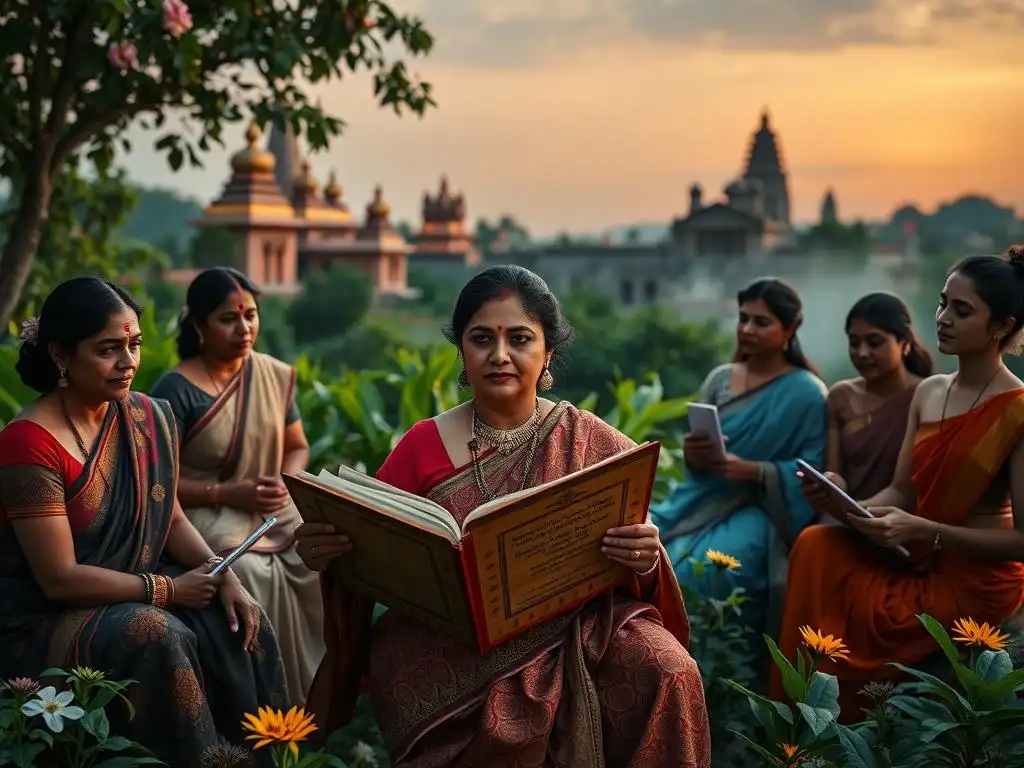
Welcome to Ancient India History, where we embark on a captivating journey through the rich tapestry of India's past. In our featured article, "Sacred Voices: Influential Women in Ancient Indian Philosophy," we shine a light on the remarkable women whose wisdom and insights helped shape the philosophical landscape of ancient India. Discover the untold stories and profound contributions of these trailblazers who defied societal norms. Are you ready to delve into the powerful legacies they left behind? Join us as we uncover the sacred voices that continue to resonate through time!
The tapestry of ancient Indian philosophy is richly woven with the thoughts, teachings, and contributions of many influential figures, among whom women played a vital role. Despite historical narratives often overshadowing their contributions, women in ancient India emerged as profound thinkers, theologians, and philosophers who shaped spiritual and philosophical discourse.
This article delves into the lives and legacies of these remarkable women, exploring their insights and the contexts in which they operated. By examining figures such as Gargi and Maitreyi, we aim to highlight their contributions to Indian philosophy and demonstrate the importance of acknowledging diverse voices in the philosophical landscape.
Through a comprehensive analysis, we will uncover the philosophical frameworks they established, the challenges they faced, and their enduring influence on both contemporary and historical thought. Join us on this journey as we celebrate the sacred voices of influential women in Indian philosophy, whose wisdom continues to resonate through the ages.
The Philosophical Contributions of Gargi
Gargi Vachaknavi, a prominent figure in the Upanishadic tradition, stands as one of the earliest known women philosophers in India. She is famed for her profound inquiries into metaphysics and the nature of reality.
- Key Contributions:
- Engaged in debates with sages and learned scholars, challenging the norms of her time.
- Formulated questions regarding the nature of Brahman (the ultimate reality), which showcased her intellectual prowess and depth of understanding.
Gargi's dialogues, particularly her exchanges in the Brihadaranyaka Upanishad, reveal her commitment to philosophical inquiry and her belief in the pursuit of knowledge beyond gender constraints.
Maitreyi: A Voice of Wisdom
Maitreyi, another pivotal figure in ancient Indian philosophy, was a philosopher and scholar whose contributions are documented in the Brihadaranyaka Upanishad.
- Significant Ideas:
- Explored themes of love, knowledge, and the self, emphasizing the interconnectedness of existence.
- Engaged in discussions regarding the nature of immortality and the essence of the soul, illustrating her deep philosophical engagement.
Maitreyi's perspective on the nature of reality and her thoughts on the eternal soul have influenced subsequent philosophical discourses, making her a key figure in the study of women in Indian philosophy.
The Cultural Context of Women Philosophers
The contributions of women like Gargi and Maitreyi did not occur in a vacuum; they were shaped by the cultural and intellectual environment of ancient India.
- Educational Systems:
- Women had access to education and were often involved in philosophical discussions within specific circles.
- Challenges Faced:
- Despite their intellectual achievements, women philosophers faced societal constraints that limited their recognition and opportunities.
Understanding the cultural context helps us appreciate the significance of their contributions and the resilience they displayed in the face of adversity.
Legacy and Influence
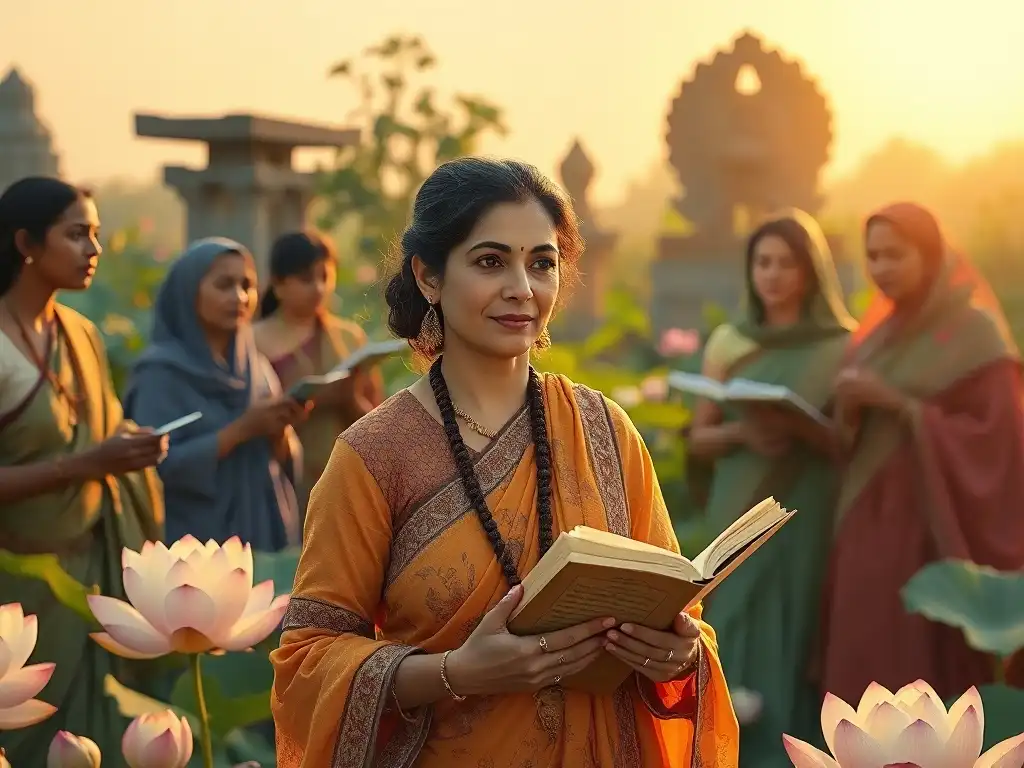
The legacy of these influential women transcends their time, impacting various aspects of Indian philosophy and spirituality. Their teachings and philosophies continue to inspire contemporary thinkers and scholars.
- Modern Relevance:
- The revival of interest in gender studies and philosophy has led to a renewed examination of their contributions, emphasizing the importance of recognizing and celebrating women's roles in shaping philosophical thought.
By acknowledging the voices of Gargi, Maitreyi, and other women philosophers, we not only enrich our understanding of ancient Indian philosophy but also pave the way for a more inclusive narrative that honors the diversity of thought in the historical discourse.
Conclusion
As we explore the lives and philosophies of these remarkable women, we reaffirm the importance of their contributions to Indian philosophy. Their insights and teachings serve as a reminder of the sacred voices that have shaped the philosophical landscape of ancient India.
- The Philosophical Contributions of Gargi
- Maitreyi: A Voice of Wisdom
- The Cultural Context of Women Philosophers
- Legacy and Influence
- Conclusion
- What role did women play in ancient Indian philosophy?
- Who are some notable women philosophers from ancient India?
- How did societal views impact women's contributions to philosophy?
- What were the themes addressed by women philosophers in ancient India?
- How can we learn more about these influential women today?
Introduction to Influential Women in Indian Philosophy
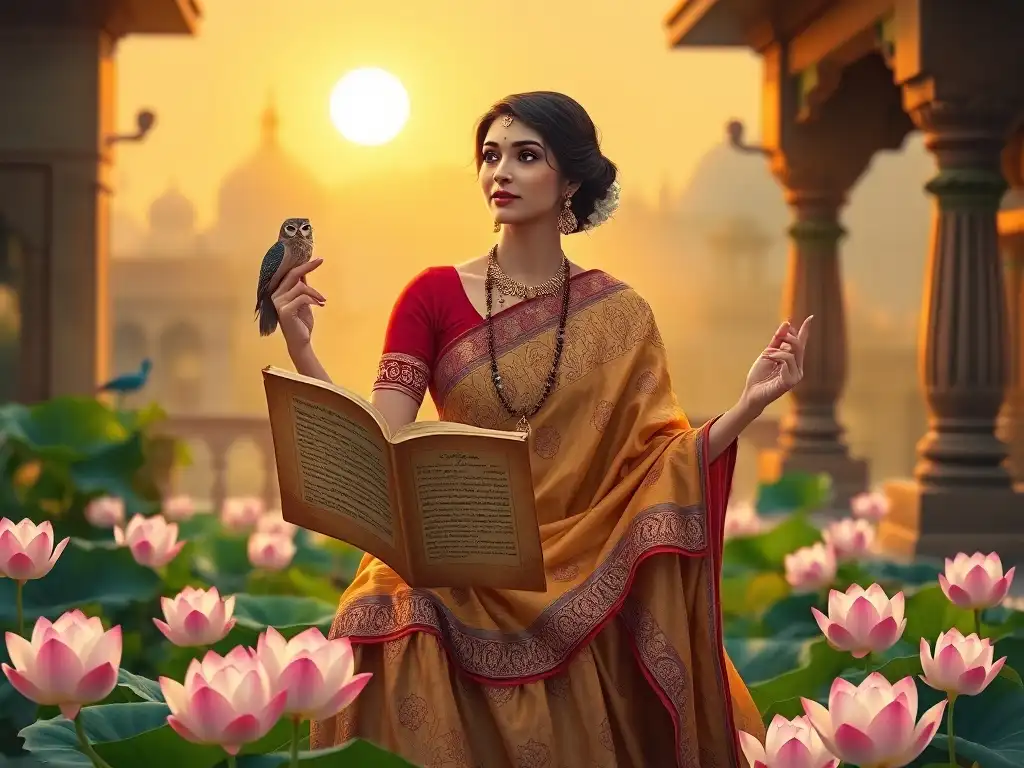
The landscape of Indian philosophy is often perceived as a predominantly male domain; however, women have played crucial roles in shaping various philosophical traditions throughout history. Their contributions, though frequently overlooked, provide a rich tapestry of insights that complement and challenge the prevailing narratives of their male counterparts. The exploration of influential women in Indian philosophy reveals not only their intellectual prowess but also their unique perspectives on spirituality, ethics, and society.
Overview of Women's Roles in Ancient Indian Philosophy
Women in ancient India were not merely passive participants; they were active thinkers, teachers, and leaders in philosophical discourse. Texts such as the Upanishads, Bhagavad Gita, and various sutras often reference female philosophers and sages who contributed to the evolution of thought. Notable figures include:
- Gargi Vachaknavi: A renowned philosopher from the Upanishadic period, Gargi is celebrated for her profound dialogues on the nature of reality and metaphysics. Her participation in philosophical debates, especially during the royal court of King Janaka, underscores her intellectual stature.
- Maitreyi: Another prominent figure from the Upanishads, Maitreyi engaged in deep philosophical discussions with her husband, Yajnavalkya. She is known for her inquiries into the nature of the self and the universe, which highlight her critical thinking and spiritual insight.
- Vasavadatta: This lesser-known philosopher made significant contributions to the discussions surrounding ethics and morality. Her works emphasize the importance of virtues and the ethical implications of human actions.
These examples illustrate that women were not only involved in philosophical discussions but also significantly influenced the prevailing thoughts and teachings of their time. The roles of these women ranged from educators to philosophers, and their insights continue to resonate in contemporary discussions on philosophy and ethics.
Importance of Studying Influential Women in Indian Thought
Understanding the contributions of influential women in Indian philosophy is essential for several reasons:
- Diversification of Perspectives: The inclusion of women's voices in philosophical discourse enriches the overall narrative of Indian thought. Their unique experiences and insights challenge existing paradigms and provide alternative viewpoints on critical issues such as ethics, society, and spirituality.
- Historical Recognition: By studying these women, we can rectify historical oversights that have marginalized their contributions. This recognition not only honors their legacy but also encourages a more inclusive approach to the study of philosophy.
- Empowerment and Inspiration: Highlighting the achievements of women in philosophy serves as a source of inspiration for future generations. It empowers women to engage in philosophical inquiry and contributes to the ongoing dialogue about gender equality in intellectual pursuits.
- Cultural Context: The examination of women's roles in ancient Indian philosophy allows us to understand the broader cultural and societal dynamics of the time. It sheds light on how women's intellectual contributions were perceived and valued in different historical contexts.
By delving into the lives and works of these influential women, we can foster a deeper appreciation for the rich and diverse tapestry of Indian philosophy, ultimately recognizing the invaluable contributions that women have made to this field. Understanding their roles is not just an academic pursuit; it is a vital step toward acknowledging the full scope of human thought and experience in the philosophical realm.
Historical Context of Women in Indian Philosophy
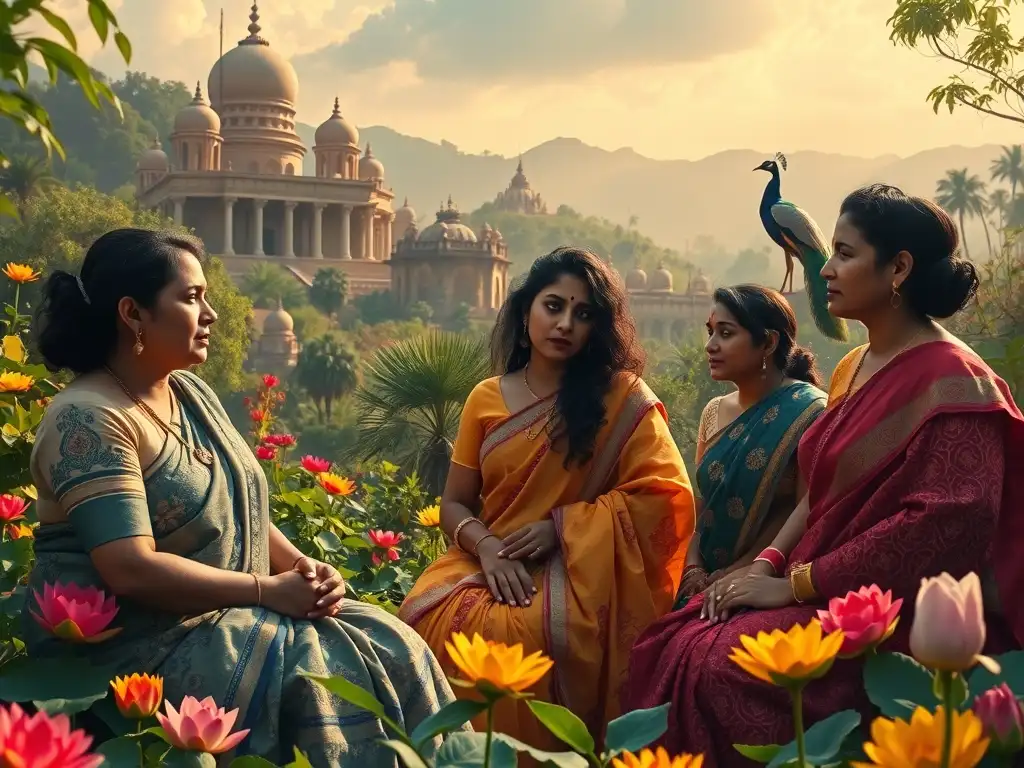
The role of women in ancient Indian philosophy is often overlooked, yet their contributions were integral to the development of philosophical thought and spiritual discourse. Understanding this context requires a deep dive into the socio-cultural environment of ancient India, where women navigated complex societal structures to assert their intellectual and spiritual agency.
The Socio-Cultural Landscape of Ancient India
Ancient India was characterized by a diverse socio-cultural landscape, influenced by various regional traditions, languages, and belief systems. The Vedic period, which laid the foundation for much of Indian philosophy, presented a mixed picture of women's roles.
- Religious Position: Women were often involved in religious rituals and practices. The Vedic texts mention women like Gargi and Maitreyi, who engaged in philosophical debates and were respected for their knowledge.
- Education and Knowledge: Although education was predominantly reserved for men, some women received training in sacred texts and philosophy. For instance, the Upanishads, dating back to around 800-400 BCE, showcase women's intellectual participation in spiritual discussions.
- Social Status: The status of women varied significantly during different periods. While some texts depict women as scholars and philosophers, others reflect a patriarchal society with restrictive norms. The Manusmriti, for example, established a more conservative view on women's roles, emphasizing domesticity over intellectual pursuits.
Despite these challenges, several women emerged as influential figures, challenging societal norms and contributing to philosophical discourse.
Key Texts and Philosophical Schools Influenced by Women
The philosophical contributions of women are not always prominently recognized in ancient texts, but several key works highlight their influence:
- Upanishads:
- Maitreyi: In the Brihadaranyaka Upanishad, Maitreyi engages in a profound dialogue with her husband, Yajnavalkya, questioning the nature of immortality and the self. Her inquiries reflect a deep philosophical understanding and challenge the boundaries of gender roles.
- Gargi: Another prominent figure, Gargi, is known for her debate with Yajnavalkya in the same text, where she poses challenging questions regarding the nature of Brahman, showcasing her intellectual prowess.
- Buddhist Philosophy:
- The emergence of Buddhist texts, such as the Pali Canon, illustrates the significant role of women in early Buddhism. Figures like Mahapajapati Gotami, the Buddha's aunt, founded the Bhikkhuni Sangha, advocating for women's rights to renounce and pursue enlightenment.
- Bhakti Movement:
- The Bhakti movement, which flourished between the 7th and 17th centuries, saw women like Mirabai and Akka Mahadevi emerge as key spiritual leaders. Their poetry and teachings emphasized personal devotion to God, transcending traditional gender barriers and influencing the philosophical landscape.
The contributions of these influential women in Indian philosophy not only enriched the discourse of their time but also laid the groundwork for future generations, proving that women's voices were pivotal in shaping the philosophical and spiritual heritage of ancient India.
Prominent Influential Women in Indian Philosophy
The landscape of ancient Indian philosophy is rich and varied, shaped by the contributions of numerous intellectuals, including women who played a pivotal role in philosophical discourse. Among these influential figures, Gargi Vachaknavi and Maitreyi stand out as trailblazers who challenged societal norms and contributed significantly to Vedic thought and the Upanishadic tradition. Their insights not only reflect the philosophical engagement of women in ancient India but also underscore the importance of their voices in shaping spiritual and metaphysical discourse.
Gargi Vachaknavi is often celebrated as one of the foremost women philosophers of ancient India. A contemporary of Yajnavalkya, she is prominently featured in the Brihadaranyaka Upanishad, where her contributions to philosophical dialogue are both profound and thought-provoking.
Contributions to Vedic Philosophy
Gargi's philosophical inquiries primarily focused on the nature of the ultimate reality, Brahman. Her rigorous questioning of Yajnavalkya during the famed philosophical debates at King Janaka's court showcases her intellect and fearlessness. She posed challenging questions that delved into the essence of existence, the nature of the universe, and the relationship between the individual self (Atman) and the cosmic spirit (Brahman). Notably, Gargi is credited with introducing the concept of the "Akasha" (ether) as a fundamental element in her discussions, highlighting her innovative thinking within the Vedic framework.
- Key Aspects of Gargi's Philosophy:
- Emphasis on questioning and dialogue as tools for understanding.
- Exploration of metaphysical concepts such as Brahman and Atman.
- Advocacy for the inclusion of women's voices in philosophical discussions.
Notable Dialogues and Teachings
Gargi's dialogues are characterized by their depth and clarity. One of her most significant contributions is her inquiry into the nature of Brahman, where she famously challenges Yajnavalkya, asking, "If the sky is the limit, what lies beyond?" This question not only illustrates her critical thinking but also emphasizes the importance of inquiry in philosophical practice.
Her teachings advocate for the pursuit of knowledge and understanding beyond societal constraints, encouraging women and men alike to engage in philosophical discourse. Gargi's legacy as a pioneering philosopher serves as an inspiration, reminding us of the vital role women played in shaping the philosophical landscape of ancient India.
Maitreyi: The Voice of Feminine Wisdom
Maitreyi, another prominent figure in ancient Indian philosophy, is known for her profound insights on the nature of self and identity. Her association with the Brihadaranyaka Upanishad highlights her role as a thinker who contributed to the understanding of personal existence in relation to the cosmos.
Philosophical Insights on Self and Identity
Maitreyi's philosophical discourse centers around the concept of Atman, particularly in her dialogue with her husband, Yajnavalkya. When he offers her wealth as a means to attain immortality, Maitreyi questions the value of material possessions, stating, "What is the use of wealth if it does not lead to the ultimate truth?" This inquiry reflects her deep understanding of the self and its connection to the eternal.
- Core Themes in Maitreyi's Philosophy:
- The distinction between material wealth and spiritual enlightenment.
- Exploration of the self as a central aspect of philosophical inquiry.
- Recognition of the individual’s quest for understanding as a universal pursuit.
Influence on the Upanishads
Maitreyi's contributions significantly shaped the Upanishadic tradition, promoting a more nuanced understanding of the relationship between self and the universe. Her philosophical insights not only advanced discussions on identity but also laid the groundwork for later interpretations of selfhood in Indian philosophy.
The dialogues attributed to Maitreyi emphasize the importance of inner wisdom and self-realization, advocating for a philosophy that values introspection and individual experience. By doing so, Maitreyi solidifies her place as a foundational figure in the history of philosophy, illustrating the essential role of women in ancient Indian thought.
Gargi Vachaknavi and Maitreyi exemplify the rich legacy of influential women in Indian philosophy. Their contributions not only challenge traditional narratives but also inspire future generations to recognize the importance of diverse voices in philosophical discourse.
Lopamudra: The Poet-Philosopher
Lopamudra, a revered figure in ancient Indian philosophy, is best known as a poet and thinker, whose contributions resonate through the ages. She is often celebrated as one of the earliest female philosophers, with her thoughts and ideas reflected in the Rigveda, one of the oldest sacred texts of India. Lopamudra is frequently associated with her husband, the sage Agastya, but her individuality as a philosopher and poet shines through in her writings that explore profound philosophical concepts, human emotions, and the nature of existence.
Her verses demonstrate a remarkable blend of personal experience and philosophical inquiry, making her a unique voice in the patriarchal landscape of ancient Indian thought. Lopamudra's philosophical musings often challenge the traditional norms of her time, particularly concerning women's roles and spiritual agency. Through her poetry, she not only articulated her thoughts but also engaged in a dialogue with the broader philosophical tradition, making her insights relevant even today.
Intersection of Poetry and Philosophy
Lopamudra's work exemplifies the seamless integration of poetry and philosophy, a hallmark of ancient Indian literary tradition. In her verses, she skillfully employs metaphor, symbolism, and vivid imagery to convey complex philosophical ideas. This intersection allows her to express abstract concepts in a manner that is both accessible and profound, inviting readers to reflect deeply on the themes she explores.
Her poetry often addresses themes such as love, longing, and the quest for knowledge, illustrating the emotional dimensions of philosophical inquiry. For instance, her exploration of the relationship between the individual and the cosmos reflects a deep understanding of metaphysical questions, while simultaneously grounding these ideas in personal experience. This duality enriches her work, providing a nuanced perspective that transcends mere intellectual discourse.
Moreover, Lopamudra's poetic style influenced later generations of thinkers and poets, who drew inspiration from her unique approach to blending philosophical thought with artistic expression. Her ability to articulate the intersection of the personal and the philosophical paved the way for future female voices in Indian literature and philosophy.
Legacy and Impact on Later Thought
The legacy of Lopamudra extends far beyond her own time, influencing subsequent generations of thinkers and writers in Indian philosophy. Her bold articulation of women's experiences and perspectives in a predominantly male-driven discourse laid the groundwork for future feminist thought within the Indian intellectual tradition. By challenging societal norms and advocating for women's spiritual and intellectual agency, she opened pathways for women to engage in philosophical inquiry and contribute to religious discourse.
Lopamudra's impact can be seen in the works of later philosophers and poets who echoed her themes of love, knowledge, and the search for truth. Her emphasis on the importance of personal experience in understanding philosophical concepts resonates in the writings of figures such as Mirabai and Sarada Devi, who similarly navigated the complexities of spirituality and gender in their work.
Furthermore, contemporary scholars continue to explore Lopamudra's contributions, recognizing her as a pivotal figure in the history of Indian philosophy. Her work challenges modern readers to reconsider the narratives surrounding women's roles in philosophy and to appreciate the rich tapestry of voices that have shaped the intellectual landscape of ancient India. Ultimately, Lopamudra stands as a testament to the enduring strength and influence of women in the philosophical discourse, inspiring future generations to seek knowledge and express their truths boldly.
The Philosophical Contributions of Women
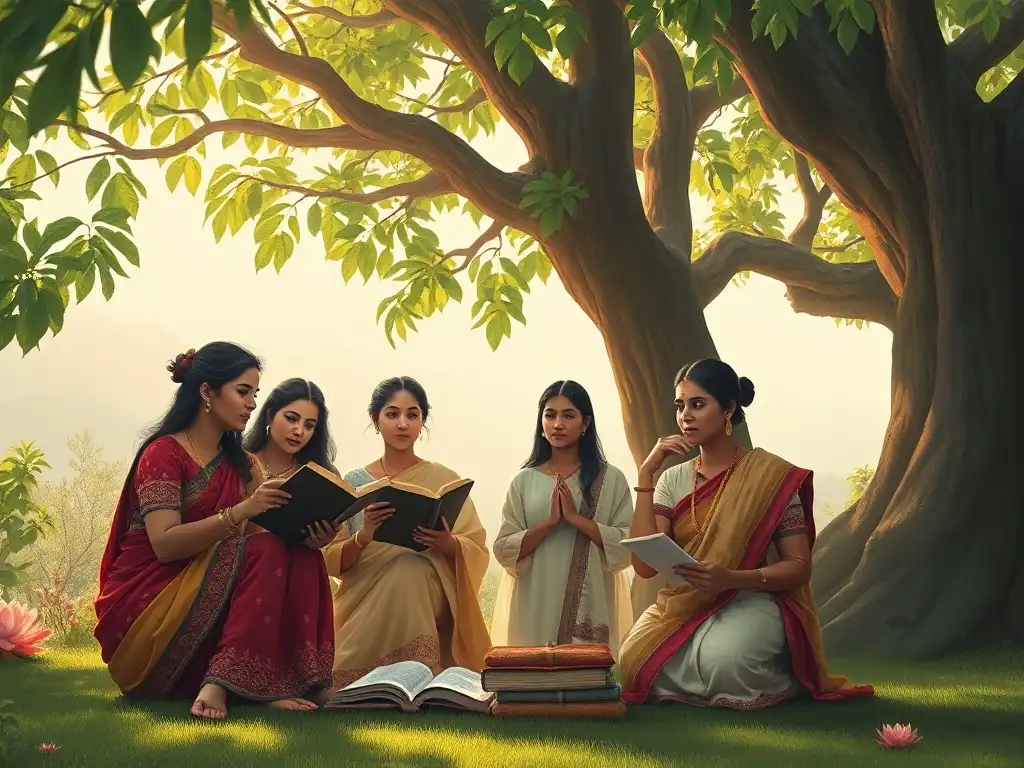
The contributions of women to Indian philosophy have often been overlooked, yet they play a crucial role in shaping ethical, spiritual, and metaphysical discussions throughout ancient Indian history. From the Vedic period through the classical age, women philosophers not only participated in philosophical dialogues but also introduced unique perspectives that enriched the fabric of Indian thought. This section delves into the themes explored by these influential women, highlighting their significant philosophical contributions and comparing them with their male counterparts.
Themes Explored by Influential Women in Indian Philosophy
Throughout ancient Indian philosophy, women engaged with a variety of themes that reflect their distinct experiences and insights. Their contributions often revolved around spirituality, ethics, and the nature of existence.
Gender and Spirituality
Women philosophers in ancient India, such as Gargi and Maitreyi, interrogated the intersections of gender and spirituality, challenging traditional norms.
- Gargi Vachaknavi, known for her participation in philosophical debates, questioned the nature of the universe and the role of women within it. Her dialogues emphasized that women should have equal access to spiritual knowledge and enlightenment.
- Maitreyi, a prominent figure in the Brihadaranyaka Upanishad, engaged in discussions about the nature of the self (Atman) and its relationship with the Brahman (universal soul). Her inquiries underline the importance of personal experience in spiritual understanding, advocating for a more inclusive view of philosophical discourse.
These philosophical explorations paved the way for future generations of women to engage with spirituality not merely as passive recipients but as active contributors to philosophical thought.
Ethics and Morality in Female Philosophical Thought
The ethical frameworks proposed by women philosophers often diverged from traditional male perspectives, emphasizing compassion, care, and relational ethics.
- Vedic texts highlight the role of women as moral agents, where figures like Vasanti and Aditi embodied virtues such as nurturing and wisdom. Their teachings illustrated that morality is deeply intertwined with personal relationships and societal responsibilities.
- The Bhagavad Gita, while predominantly authored by male philosophers, also reflects feminine ethical insights through characters like Draupadi, who exemplifies the struggle for justice and moral integrity in the face of adversity.
By centering on ethics and morality, women in Indian philosophy provided alternative frameworks that account for the complexities of human relationships and the societal context in which moral decisions are made.
Comparison of Male and Female Philosophical Contributions
The philosophical discourse in ancient India was enriched by both male and female thinkers, yet their contributions often manifested differently. This comparison highlights the distinct perspectives brought forth by women and the collaborative nature of philosophical dialogues.
Distinct Perspectives in Ancient Indian Philosophy
While male philosophers predominantly focused on metaphysical questions and the nature of reality, women often approached philosophy from a relational and experiential standpoint.
- Male philosophers like Adi Shankaracharya and Ramanuja emphasized abstract concepts such as non-duality and the nature of God. In contrast, women philosophers prioritized lived experiences, addressing the societal implications of philosophical doctrines.
- For example, Lilavati, a mathematician and philosopher, integrated her philosophical inquiries with practical applications, illustrating how theoretical concepts can inform everyday life.
This distinct approach not only complements male philosophical thought but also enriches the overall philosophical landscape of ancient India.
Collaborative Philosophical Dialogues
The dialogues between male and female philosophers often resulted in a rich tapestry of ideas, where collaborative exchanges led to deeper insights.
- Texts such as the Upanishads showcase discussions where male sages engage with female thinkers, indicating a tradition of intellectual collaboration. This interaction is crucial for understanding the development of philosophical ideas in ancient India.
- Philosophical debates involving figures like Gargi and Yajnavalkya illustrate how women's insights contributed to the evolution of metaphysical and ethical discussions, fostering a dialogue that transcends gender boundaries.
These collaborative efforts highlight that the contributions of women in Indian philosophy were not isolated but rather integral to the philosophical tradition as a whole.
The rich philosophical contributions of women in ancient India significantly shaped the discourse on spirituality, ethics, and morality. Their distinct perspectives and collaborative engagements with male counterparts underline the importance of recognizing and valuing these influential voices in the broader spectrum of Indian philosophy.
Challenges Faced by Women Philosophers
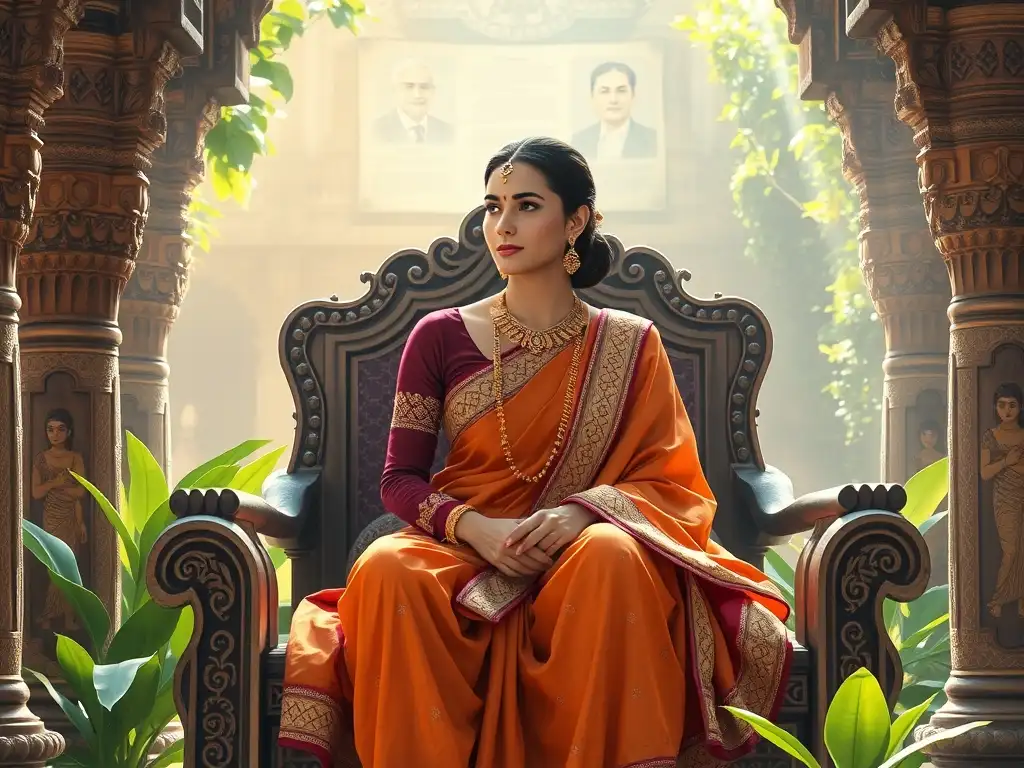
The journey of women in philosophy, particularly in ancient India, was filled with numerous challenges that shaped their contributions and limited their recognition. Despite their significant intellectual prowess, women philosophers often faced societal constraints, cultural limitations, and resistance from a predominantly male-dominated field. This section delves into these challenges, shedding light on the hurdles faced by influential women in Indian philosophy.
Societal Constraints and Limitations
Women in ancient Indian society were often subject to rigid gender roles that confined them to the domestic sphere. The prevailing belief that women should primarily focus on household duties greatly restricted their opportunities for education and philosophical discourse.
- Limited Access to Education: Many women were denied formal education and philosophical training, which was predominantly accessible to men. This lack of educational opportunities significantly hindered their ability to engage with philosophical texts and traditions.
- Cultural Norms: Cultural expectations often dictated that women remain subservient and avoid intellectual pursuits. For instance, texts like Manusmriti emphasized women's roles as caregivers and homemakers, discouraging them from seeking knowledge or participating in public discourse.
- Religious Restrictions: In certain sects, religious beliefs further marginalized women, as they were considered unworthy of spiritual authority. The interpretation of sacred texts often sidelined female philosophers, limiting their visibility within the philosophical canon.
Despite these constraints, some women managed to carve out a space for themselves in the philosophical landscape of ancient India.
Overcoming Obstacles in a Male-Dominated Field
The resilience of women philosophers in ancient India is notable, as many overcame societal constraints to make significant contributions to philosophical thought.
- Mentorship and Support Networks: Women often relied on mentorship from male philosophers or formed supportive networks with other women to navigate the challenges of a male-centric environment. Figures like Gargi and Maitreyi gained recognition through their intellectual partnerships and dialogues with prominent male thinkers, showcasing their philosophical acumen.
- Innovative Philosophical Contributions: Influential women in Indian philosophy, such as Gargi, who participated in the philosophical debates of the Upanishads, demonstrated that intellectual rigor could transcend societal barriers. Their contributions often challenged the status quo and provided alternative perspectives on core philosophical issues, such as the nature of reality and the self.
- Reclaiming Narratives: Modern scholarship has begun to reclaim the narratives of these women, highlighting their significant roles in the philosophical discourse. By documenting their philosophies and teachings, contemporary scholars are working to ensure that the voices of these influential women are recognized and celebrated.
The challenges faced by women philosophers in ancient India were formidable, yet many overcame these obstacles through resilience, support, and intellectual prowess. Their contributions have laid the groundwork for future generations of women philosophers and continue to inspire contemporary discourse on gender and philosophy.
The Legacy of Influential Women in Indian Philosophy
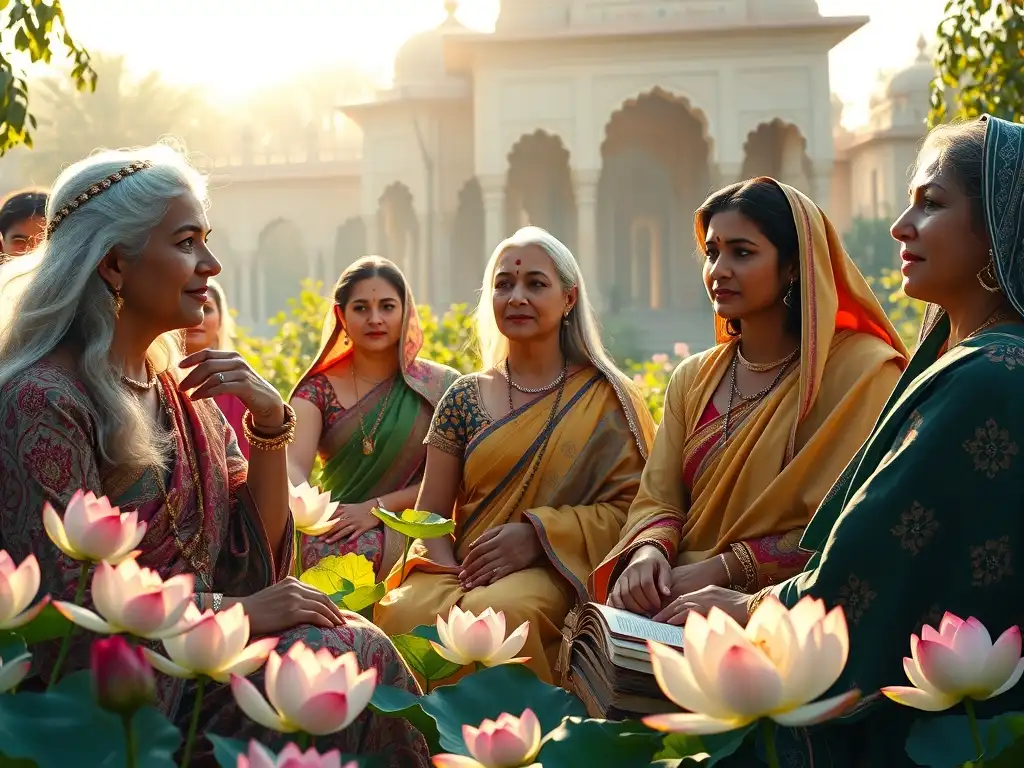
The contributions of women in Indian philosophy are often overlooked, yet they have played a crucial role in shaping the intellectual landscape of ancient India. From the teachings of the Vedic period to the intricate discussions of later philosophical systems, women philosophers have not only participated in but also influenced the core tenets of various schools of thought. Their legacies, rooted in spiritual insights and intellectual rigor, resonate through time, showcasing a rich tapestry of ideas that continue to inspire modern philosophical discourse.
Women like Gargi and Maitreyi, who emerged during the Vedic period, are prime examples of influential figures whose questioning and interpretations pushed the boundaries of philosophical thought. Gargi's inquiries into the nature of the self and the ultimate reality during the famous philosophical debates in the Upanishads reflect a deep engagement with metaphysical questions. Maitreyi's discussions on the nature of reality and love indicate a sophisticated understanding of existential themes, showcasing women as active participants in philosophical dialogues.
The legacy of these women is not merely historical; it continues to influence modern Indian philosophy. The recognition of their contributions has prompted contemporary scholars to revisit ancient texts, leading to a more inclusive understanding of philosophical evolution in India. This ongoing reevaluation highlights how the ideas presented by these early philosophers can inform and enrich current debates in ethics, metaphysics, and epistemology.
Lasting Impact on Modern Indian Philosophy
The impact of influential women in Indian philosophy can be seen in various modern philosophical movements that draw inspiration from ancient texts and ideas. Feminist philosophy, in particular, has found fertile ground in the writings and thoughts of women like Gargi and Maitreyi. Their emphasis on questioning societal norms, exploring self-identity, and understanding the nature of reality resonates with contemporary discussions around gender, identity, and existence.
Furthermore, the spiritual insights offered by women in ancient Indian philosophy have influenced various schools, such as Advaita Vedanta and Bhakti movements. The integration of emotional and devotional aspects in these philosophical frameworks reflects the contributions of women who emphasized the importance of personal experience and inner transformation.
In addition, the resurgence of interest in mindfulness and yoga practices, deeply rooted in Indian philosophical traditions, can be traced back to these ancient thinkers. Their holistic approach to life, emphasizing the connection between mind, body, and spirit, continues to be relevant in today's fast-paced world. This blend of practical wisdom and philosophical inquiry showcases the timelessness of their contributions.
Recognition and Rediscovery of Women’s Contributions
The recognition of women's contributions to Indian philosophy has been a gradual process, often hindered by patriarchal narratives that overshadowed their achievements. However, there has been a significant resurgence in interest in the last few decades, as scholars and historians strive to uncover and highlight the roles of women in ancient philosophical discourse.
This rediscovery is facilitated by a growing body of literature that focuses on the lives and philosophies of women like Gargi, Maitreyi, and other notable figures. Academic research, feminist scholarship, and cultural studies have played pivotal roles in bringing these voices to the forefront. The publication of critical analyses, anthologies, and translations of ancient texts has not only preserved their ideas but has also contextualized their contributions within the broader spectrum of Indian philosophy.
Moreover, contemporary discussions around gender equality and representation in philosophy have spurred initiatives aimed at promoting the study of women's roles in historical contexts. Educational programs, workshops, and conferences dedicated to women's philosophy are increasingly acknowledging the vital contributions of these thinkers, ensuring that their legacies are not forgotten.
As we continue to explore the rich tapestry of Indian philosophy, recognizing and celebrating the influential women who have shaped its course is essential. Their voices and ideas serve as a reminder of the diverse perspectives that have enriched philosophical thought and continue to inspire future generations.
Conclusion: The Sacred Voices of Women in Ancient Indian Philosophy
The exploration of influential women in Indian philosophy reveals a rich tapestry of thought and insight that has often been overshadowed by their male counterparts. Recognizing and celebrating these figures is not merely an academic exercise; it is a vital step toward understanding the holistic nature of ancient Indian philosophy. By acknowledging the contributions of women such as Gargi, Maitreyi, and others, we can appreciate the diverse intellectual traditions that have shaped India’s philosophical landscape. These women not only contributed to discourses on ethics, metaphysics, and spirituality but also challenged societal norms, paving the way for future generations.
The Importance of Acknowledging Influential Women in Philosophy
Understanding the role of influential women in Indian philosophy is crucial for several reasons:
- Historical Accuracy: Acknowledging these women provides a more accurate portrayal of the philosophical landscape of ancient India. It corrects the male-centric narratives that often dominate historical accounts.
- Diverse Perspectives: Women in philosophy introduced unique perspectives that enriched philosophical debates. Their insights often encompassed social, ethical, and metaphysical dimensions that were critical to the development of philosophical thought.
- Role Models: Recognizing these women serves as inspiration for contemporary thinkers and scholars. Their stories highlight the potential for women to engage in intellectual pursuits, encouraging future generations to pursue philosophy and other fields.
- Cultural Context: Understanding the contributions of women in philosophy allows us to appreciate the broader cultural and social contexts in which these ideas flourished. It sheds light on the interplay between gender and philosophical discourse in ancient Indian society.
Encouraging Further Research on Women’s Philosophical Contributions
To fully appreciate the depth of women's contributions to Indian philosophy, further research is essential. Here are some avenues for exploration:
- Primary Texts: Scholars should delve into primary texts that mention or are attributed to women philosophers. Analyzing these texts can uncover valuable insights and arguments that have been historically overlooked.
- Interdisciplinary Studies: Integrating perspectives from sociology, anthropology, and gender studies can provide a richer understanding of the social conditions that influenced women's philosophical contributions.
- Comparative Analysis: Examining the roles of women in philosophy across different cultures can lead to a greater understanding of universal themes and unique cultural factors that shaped their thought.
- Modern Implications: Researching how ancient women's philosophical contributions resonate in contemporary discussions can bridge the gap between past and present, showcasing their relevance in today's philosophical debates.
The exploration of influential women in Indian philosophy is not only an essential aspect of understanding ancient Indian thought but also a call to action for further scholarship in this vital area. By amplifying these voices, we can foster a more inclusive narrative that honors the diverse contributions of all thinkers in shaping the philosophical heritage of India.
Frequently Asked Questions
What role did women play in ancient Indian philosophy?
Women in ancient India contributed significantly to philosophical discourse, often engaging in debates and sharing their wisdom through texts and oral traditions, although they were sometimes marginalized in historical accounts.
Who are some notable women philosophers from ancient India?
Among the influential women are Gargi and Maitreyi, who were known for their profound philosophical insights and contributions to the Upanishads, showcasing the depth of female thought in ancient Indian philosophy.
How did societal views impact women's contributions to philosophy?
The societal norms of ancient India often limited women's participation in public life, but many challenged these norms through their writings, thus leaving a lasting impact on philosophical thought and tradition.
What were the themes addressed by women philosophers in ancient India?
Women philosophers often tackled themes like metaphysics, the nature of the self, and ethics, providing unique perspectives that enriched the overall philosophical landscape of ancient India.
How can we learn more about these influential women today?
To discover more about these influential women in Indian philosophy, one can explore ancient texts, scholarly articles, and modern interpretations that highlight their contributions and significance in shaping philosophical thought.
Final Reflection: Celebrating the Legacy of Influential Women in Indian Philosophy
The voices of women in ancient Indian philosophy resonate with profound relevance today, reminding us that influence knows no gender. As we explore the contributions of these remarkable thinkers, we uncover not only their wisdom but also the enduring impact of their ideas on contemporary society. The narratives of these women challenge us to recognize the often-overlooked perspectives that have shaped philosophical discourse throughout history.
Clearly, the influence of these women extends far beyond their time, weaving through the fabric of our cultural and social landscape. Their thoughts on ethics, spirituality, and the nature of existence continue to inspire and provoke thought in modern philosophical discussions. As we reflect on their legacies, we are reminded of the words of philosopher Simone de Beauvoir: One is not born, but rather becomes, a woman.
This statement encapsulates the journey of these ancient thinkers, who forged their identities and philosophies in a world that often sought to silence them. Their courage and intellect serve as a beacon for future generations, emphasizing the importance of diverse voices in shaping our understanding of philosophy.
As we conclude our exploration of these sacred voices, I invite you to reflect on the lessons they impart. Consider how their insights can inform your own life and beliefs, and how you can contribute to the ongoing dialogue surrounding gender and philosophy. Let us honor their legacies by embracing the diversity of thought and striving to uplift the voices that continue to shape our world today. In doing so, we not only celebrate the past but also pave the way for a more inclusive future in philosophical discourse.
Embrace the Wisdom of the Past!
Thank you for exploring the remarkable contributions of influential women in ancient Indian philosophy with us! You've uncovered the profound impact these sacred voices have had on thought and culture throughout history. Now, it's time to tap into that wisdom and take meaningful steps forward.
Here are some actions you can take today:
- Dive deeper into the works of these philosophers by reading books or articles that discuss their teachings and philosophies.
- Join or create a discussion group focused on ancient philosophies, allowing for a shared exploration of these ideas with like-minded individuals.
- Share this article on your social media platforms to inspire others to learn about the powerful women who shaped our intellectual heritage.
What insights from these ancient thinkers resonate most with you, and how do you plan to apply their wisdom in your modern life?