
How Climate Influenced Technological Advances in the Indus Valley Civilization

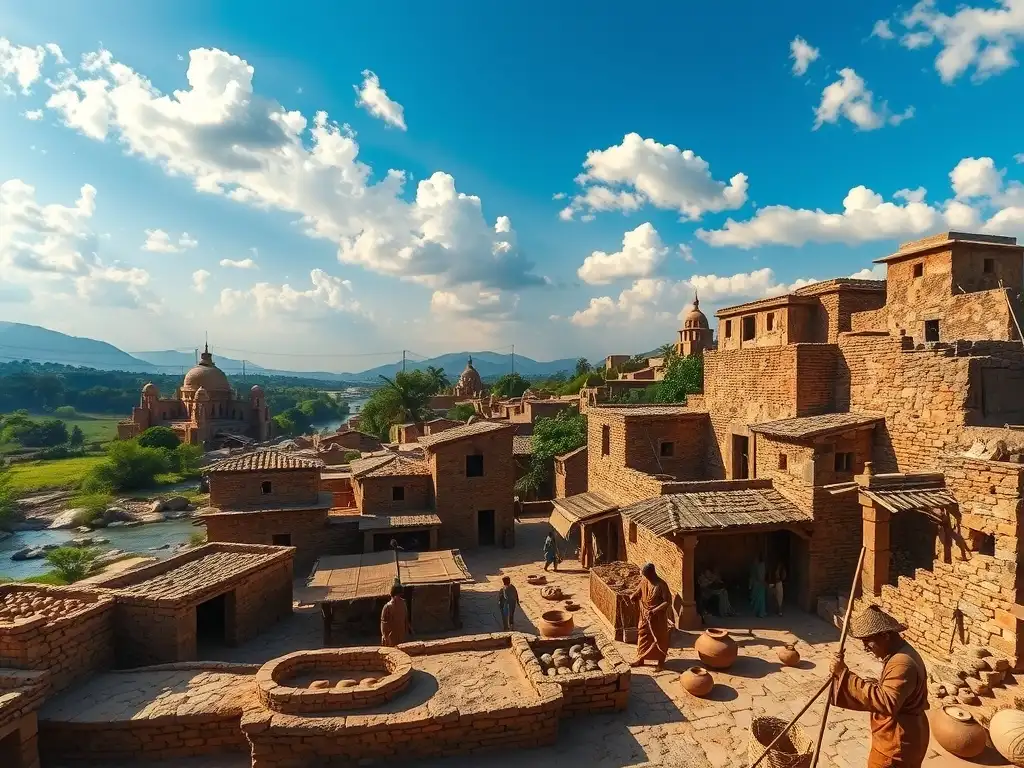
Welcome to Ancient India History! Dive into the fascinating tapestry of ancient Indian civilizations, where each thread tells a story of innovation, resilience, and cultural richness. Our featured article, "How Climate Influenced Technological Advances in the Indus Valley Civilization," unveils the profound impact that environmental factors had on one of history's most remarkable societies.
Are you curious about how shifting climates shaped the ingenuity of the Indus Valley’s technologies? Join us as we explore these intriguing connections and uncover the secrets of a civilization that thrived amidst the challenges of nature. Your journey into the depths of ancient history begins here!
- Introduction to Climate Impact on Indus Valley Technology
- Understanding the Climate of the Indus Valley
- Technological Innovations Driven by Climate Conditions
- The Interplay Between Climate Changes and Societal Advancements
- Case Studies of Technological Advances in the Indus Valley
- Conclusion: The Lasting Legacy of Climate Impact on Indus Valley Technology
- Further Reading and Resources on Indus Valley Civilization Technology
-
Frequently Asked Questions
- What was the role of climate in the Indus Valley Civilization?
- How did the Indus Valley adapt its technology to environmental changes?
- What were some key technological innovations of the Indus Valley Civilization?
- How did the climate impact agricultural practices in the Indus Valley?
- What can modern societies learn from the Indus Valley regarding climate adaptation?
- Final Reflection: The Enduring Legacy of Climate on Indus Valley Technology
- Uncover the Secrets of Innovation in Ancient Civilizations!
Introduction to Climate Impact on Indus Valley Technology
The relationship between climate and technological advancements in ancient civilizations is a fascinating area of study, particularly when examining the Indus Valley Civilization (IVC). This ancient society, which thrived from around 3300 to 1300 BCE in what is now modern-day Pakistan and northwest India, is renowned for its sophisticated urban planning, advanced drainage systems, and remarkable craftsmanship.
Understanding how climate influenced these technological achievements provides valuable insights into the adaptability and ingenuity of the IVC people. In this article, we will explore the intricate ways in which climate shaped the technological landscape of the Indus Valley, highlighting key innovations and their environmental contexts.
Overview of the Indus Valley Civilization
The Indus Valley Civilization was one of the world's earliest urban cultures, alongside Mesopotamia and Ancient Egypt. It encompassed a vast area, stretching approximately 1.25 million square kilometers, with major urban centers such as Harappa and Mohenjo-Daro. The civilization is characterized by its well-planned cities, standardized weights and measures, and advanced agricultural practices.
- Urban Planning: Cities were laid out in a grid pattern, with sophisticated drainage systems that showcased an understanding of sanitation and public health.
- Agriculture: The fertile plains of the Indus River supported agriculture, with crops like wheat, barley, and cotton being cultivated. This agricultural surplus facilitated trade and urban growth.
- Trade Networks: The IVC engaged in long-distance trade with neighboring regions, exchanging goods like beads, textiles, and metals.
The intricate relationship between the environment and the technological advancements of the Indus Valley people illustrates the significance of climate as a driving force behind their development.
Importance of Climate in Historical Technological Advances
Climate played a crucial role in shaping the technological innovations of the Indus Valley Civilization. The region experienced a monsoon climate, characterized by seasonal rainfall that significantly influenced agricultural practices and urban planning.
- Agricultural Innovations: The seasonal rains allowed for irrigation systems to be developed, which maximized crop yields and supported a growing population. The use of reservoirs and canals demonstrates the IVC's sophisticated understanding of water management.
- Building Materials: The availability of clay and other natural resources, influenced by climate, led to the use of mud bricks in construction. This not only provided sturdy building materials but also facilitated the construction of complex structures.
- Adaptation to Climate Variability: As climate patterns shifted, particularly during periods of drought, the Indus Valley people demonstrated resilience through technological adaptations, such as the diversification of crops and the development of trade routes to access resources.
The impact of climate on Indus Valley technology is a multifaceted topic that encompasses agricultural practices, urban planning, and resource management. By analyzing these influences, we gain a deeper understanding of how this ancient civilization thrived in a challenging environment, leaving a lasting legacy in the annals of history.
Understanding the Climate of the Indus Valley
Geographic and Climatic Features of the Region
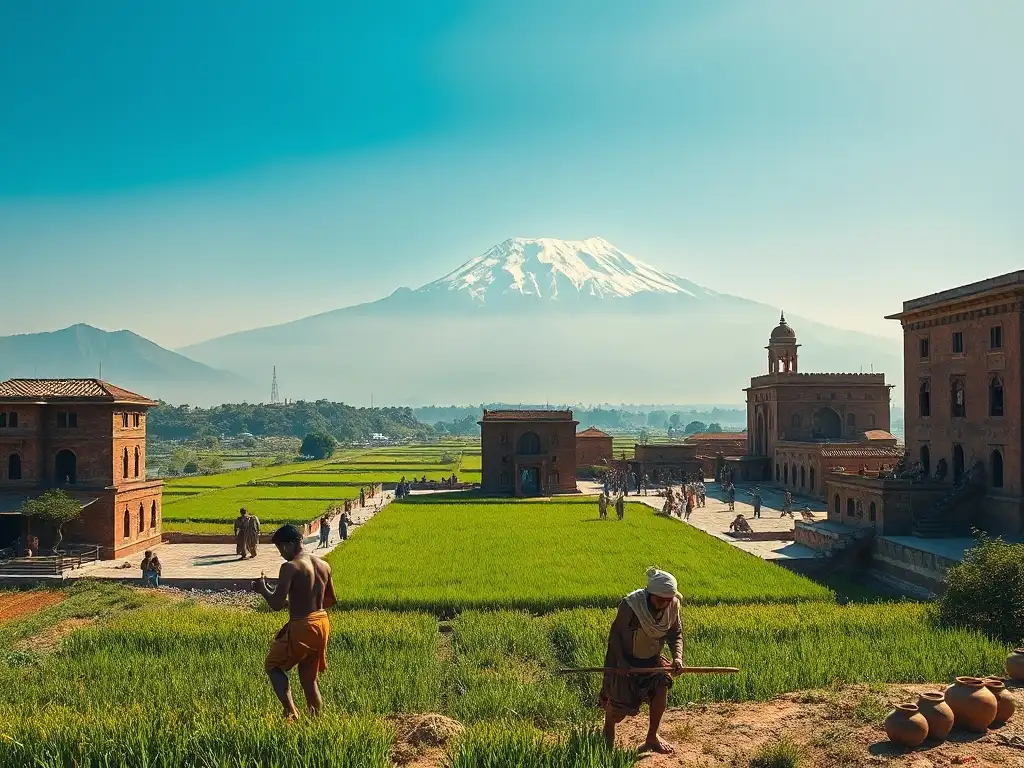
The Indus Valley, home to one of the world’s earliest urban civilizations, spans modern-day Pakistan and northwest India. Its geography is characterized by a diverse landscape that includes river plains, desert regions, and mountainous areas. The primary feature of the region is the Indus River, which flows through the valley and provides essential water resources.
The climate of the Indus Valley is predominantly semi-arid, with a distinct seasonal pattern that significantly influences the lifestyle and technological advancements of its inhabitants. The region experiences three main seasons:
- Winter (November to February): Characterized by cool temperatures and low humidity, this season is crucial for harvesting winter crops.
- Summer (March to June): Marked by rising temperatures that can exceed 40°C (104°F), this period sees increased evaporation rates, necessitating advanced irrigation techniques.
- Monsoon (July to October): The southwest monsoon brings heavy rainfall, vital for replenishing water resources and supporting agriculture.
The interplay of these geographic and climatic features shaped the technological innovations of the Indus Valley civilization, particularly in agriculture, water management, and urban planning.
Seasonal Variations and Their Effects on Agriculture
The seasonal variations in the Indus Valley's climate greatly impacted agricultural practices, which were the backbone of the civilization's economy. The ability to predict and respond to seasonal changes was crucial for maximizing crop yields and ensuring food security.
- Rabi and Kharif Crops: The agricultural calendar was divided into two main crop cycles. The Rabi season (winter) was ideal for growing crops like wheat and barley, while the Kharif season (monsoon) supported rice, millet, and pulses. The strategic planting of these crops aligned with seasonal rainfall patterns, allowing for efficient use of water resources.
- Irrigation Techniques: To combat the challenges posed by the semi-arid climate, the Indus Valley civilization developed sophisticated irrigation systems. Evidence suggests the use of canals, reservoirs, and wells to harness water during the monsoon season and distribute it during the dry months. This innovation not only enhanced agricultural productivity but also led to the establishment of urban centers as surplus food could support larger populations.
- Crop Rotation and Soil Management: The understanding of seasonal changes allowed farmers to implement crop rotation and soil management practices effectively. These techniques helped maintain soil fertility and prevented depletion, ensuring sustainable agricultural output.
The Role of Monsoons in Sustaining Life and Technology
The monsoon season was a double-edged sword for the Indus Valley civilization, providing essential rainfall while also posing risks of flooding. However, the adept management of monsoon waters significantly contributed to technological advancements.
- Water Management Systems: The heavy rains of the monsoon required the development of effective water management strategies. Archaeological findings indicate that the Indus Valley civilization constructed advanced drainage systems, including covered drains and soak pits, to prevent waterlogging and manage stormwater efficiently.
- Settlement Planning: The layout of Indus Valley cities, such as Harappa and Mohenjo-Daro, reflects an intricate understanding of monsoon patterns. Streets were often elevated, and buildings were constructed with materials that could withstand seasonal rains. This urban planning minimized the risk of damage from flooding and showcased their engineering prowess.
- Agricultural Resilience: The reliance on monsoon rains necessitated the innovation of drought-resistant crop varieties and the implementation of practices to retain soil moisture. This resilience ensured that the civilization could thrive despite fluctuations in climate.
The climate impact on Indus Valley technology was profound, shaping agricultural practices, settlement patterns, and technological innovations that allowed this ancient civilization to flourish in a challenging environment. The intricate relationship between climate and technological advancement in the Indus Valley serves as a testament to the ingenuity of its people in harnessing nature for their survival and growth.
Technological Innovations Driven by Climate Conditions
Water Management Systems and Their Necessity
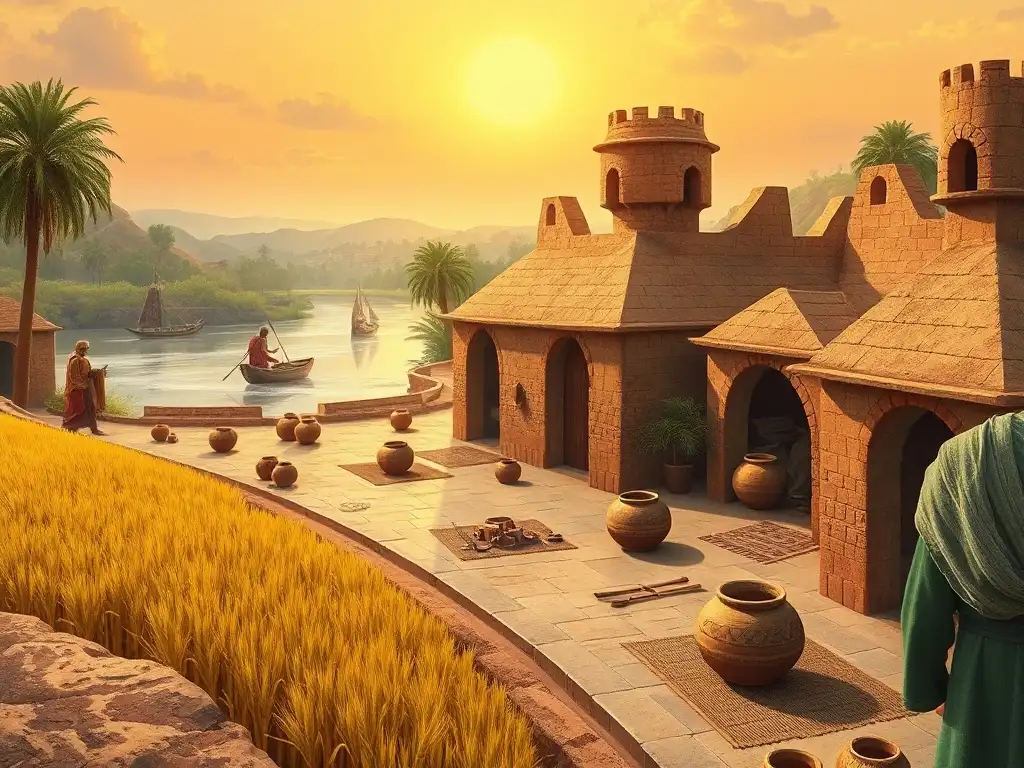
The Indus Valley Civilization (IVC), flourishing between approximately 3300 and 1300 BCE, was notably shaped by its climatic conditions, particularly the monsoon rains. The necessity for effective water management systems arose as a response to the seasonal flooding and variable rainfall patterns characteristic of the region.
Irrigation Techniques in Response to Monsoon Patterns
To cope with the monsoon's unpredictability, the IVC developed sophisticated irrigation techniques that included the construction of canals and reservoirs. These systems were essential for channeling river water during periods of heavy rainfall and for storing it during dry spells. The use of canal networks allowed farmers to distribute water across vast fields, ensuring consistent crop growth.
- Canals were often lined with baked bricks, showcasing advanced engineering skills.
- Reservoirs were constructed to capture excess rainfall, which could then be utilized during drier months.
This technological ingenuity not only bolstered agricultural productivity but also highlighted the civilization’s understanding of water dynamics, which was crucial for sustaining their urban centers.
Well and Drainage Systems for Urban Planning
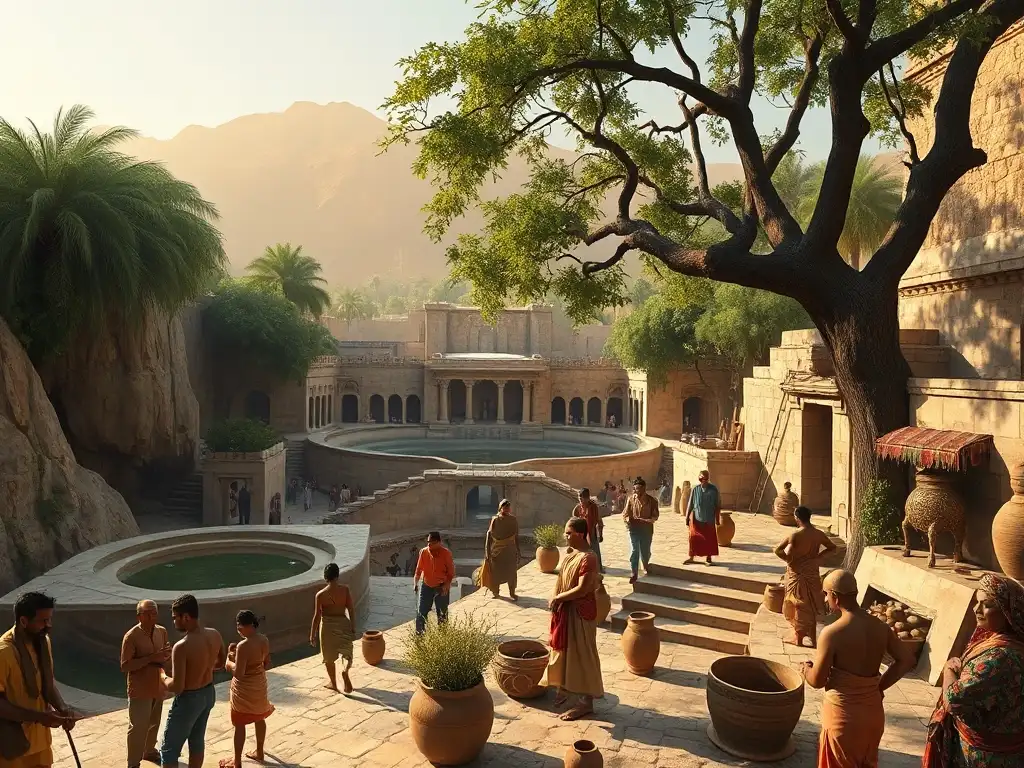
In addition to irrigation, the IVC is noted for its advanced urban planning, which included extensive well and drainage systems. Each city, such as Mohenjo-Daro and Harappa, was equipped with wells that provided fresh water while also supporting sanitation.
- Drainage systems were ingeniously designed to prevent flooding during the monsoon season.
- Streets featured covered drains that efficiently channeled excess water away from residential areas, highlighting the civilization's commitment to public health and hygiene.
These innovations in water management not only facilitated daily life but also underscored the importance of climate adaptation in urban development.
Agriculture and Crop Cultivation Adapted to Climate
Agriculture was the backbone of the Indus Valley economy, heavily influenced by climatic factors. The civilization's agricultural practices were fine-tuned to leverage the monsoon rains and the fertile alluvial plains of the Indus River.
Crop Selection Based on Climate Variability
Farmers in the IVC showcased remarkable adaptability in crop selection, choosing varieties that thrived under varying climatic conditions. The predominant crops included wheat, barley, and pulses, which were well-suited for the warm climate and fertile soil.
- Diverse crop rotation practices were employed to maximize yield and minimize soil depletion.
- The selection of drought-resistant varieties also played a crucial role in ensuring food security, particularly during periods of less favorable weather.
The strategic choice of crops demonstrates the civilization's profound understanding of their environment and showcases their resilience in the face of climate variability.
The Use of Seasonal Cycles in Farming Techniques
The IVC farmers effectively utilized seasonal cycles to optimize agricultural output. Planting and harvesting were meticulously timed to align with the monsoon season, ensuring that crops received adequate water.
- Seasonal calendars likely guided agricultural activities, helping farmers predict optimal planting times.
- The integration of multiple cropping seasons allowed for continuous cultivation, enhancing food availability throughout the year.
This synchronization of farming techniques with climate patterns not only ensured a stable food supply but also reinforced the agricultural foundation upon which the Indus Valley Civilization was built.
The integration of climate-driven technological innovations in water management and agriculture significantly contributed to the prosperity and sustainability of the Indus Valley Civilization, illustrating a remarkable example of how climate impacts on Indus Valley technology were harnessed for societal advancement.
Craftsmanship and Raw Materials Influenced by Environmental Factors
The Indus Valley Civilization (IVC), flourishing between 3300 BCE and 1300 BCE, is renowned for its remarkable craftsmanship and technological innovations. The civilization's geographical setting played a pivotal role in shaping the materials available to artisans and craftsmen. The fertile plains along the Indus River provided a rich variety of raw materials, while the diverse climate influenced the types of goods that could be produced.
The region's natural resources, including clay, stone, and metals, allowed for the development of various crafts. Artisans utilized locally sourced materials to create intricate jewelry, pottery, and tools that were not only functional but also aesthetically pleasing. The harsh climate conditions, including extreme temperatures and seasonal monsoons, necessitated innovations in craftsmanship to ensure durability and practicality.
Moreover, the craft specialization within the IVC was directly related to the availability of these resources. Different regions within the Indus Valley were known for specific crafts, with some areas specializing in bead-making and others in metallurgy. This specialization not only enhanced the quality of the products but also facilitated trade among different regions, boosting the economy of the civilization.
The Impact of Local Resources on Tool Production
The production of tools in the Indus Valley was significantly influenced by the local resources available to the civilization. The abundance of high-quality flint in the region allowed craftsmen to create sharp tools and weapons, which enhanced agricultural practices and hunting activities. Additionally, the proximity to copper and bronze resources led to the development of metal tools, which were superior to their stone counterparts in terms of functionality and durability.
Tool production was also adapted to meet the challenges posed by the climate. For instance, the tools designed for agriculture were engineered to withstand the demands of both the dry and wet seasons. The ability to forge tools that could effectively manage the varying soil conditions played a crucial role in the success of agricultural practices in the Indus Valley.
Furthermore, the trade networks established by the Indus Valley Civilization facilitated the exchange of tools and raw materials. This not only allowed for the acquisition of new technologies but also led to the dissemination of innovative tool-making techniques across the region. As a result, local craftsmen were able to adapt and refine their methods in response to both environmental conditions and external influences.
Innovations in Textiles and Pottery Related to Climate
Textiles and pottery were two of the most significant innovations of the Indus Valley Civilization, heavily influenced by the region's climate. The diverse weather patterns, characterized by hot summers and monsoon rains, dictated the types of materials used and the designs created by artisans. Cotton, which thrived in the warm climate, became a primary textile, enabling the production of high-quality fabrics that were both breathable and durable.
The pottery of the IVC also reflects the impact of climate on technological advancements. The artisans developed specialized kiln techniques to produce pottery that could withstand the humidity of the monsoon season. This innovation not only improved the durability of the pottery but also expanded the range of decorative styles, as artisans experimented with glazing and firing techniques to create colorful and intricate designs.
Additionally, the demand for storage vessels increased due to agricultural surplus during the favorable monsoon season. Consequently, the pottery produced during this time was designed to store grains and liquids efficiently. The innovations in both textiles and pottery were not merely functional; they also represented the cultural identity of the Indus Valley people, showcasing their artistic expression and adaptability to environmental challenges.
The interplay between climate and technological advancements in the Indus Valley Civilization illustrates how environmental factors shaped craftsmanship, resource utilization, and innovation. The ability to adapt to and leverage these conditions enabled the civilization to thrive and leave a lasting legacy in ancient history.
The Interplay Between Climate Changes and Societal Advancements
How Climate Variability Prompted Technological Evolution
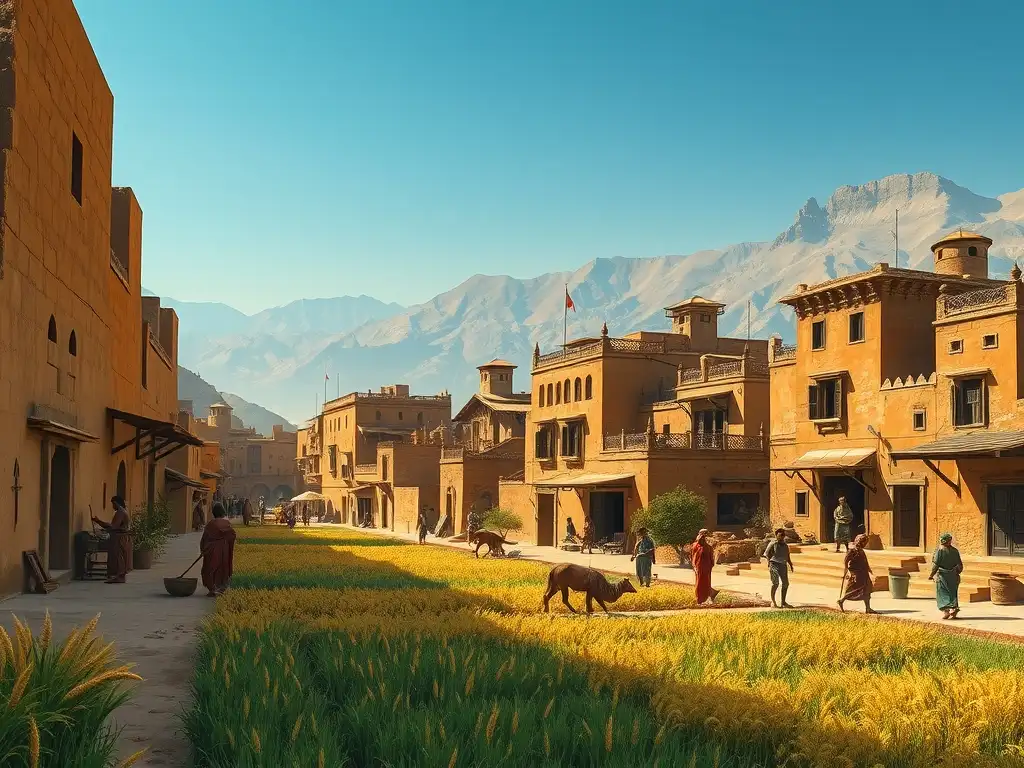
The Indus Valley Civilization (IVC), which flourished between 3300 and 1300 BCE, was profoundly influenced by the climatic conditions of its time. Variability in climate, particularly shifts in rainfall patterns and temperature, played a pivotal role in shaping the technological innovations of this ancient society.
One of the most notable technological advancements was in agriculture. The IVC relied heavily on the monsoon rains for crop cultivation. As climate variability affected these seasonal patterns, the inhabitants developed sophisticated irrigation systems. They constructed extensive canal networks and water reservoirs to ensure a steady supply of water for crops, which facilitated the cultivation of staple crops like wheat, barley, and cotton. This ingenuity not only supported their agricultural needs but also contributed to the growth of urban centers.
Moreover, the unpredictable nature of the climate encouraged the IVC to innovate in food preservation methods. Techniques such as drying, salting, and fermenting were likely developed to extend the shelf life of their harvests, ensuring food security during periods of drought or unfavorable weather. The ability to store surplus food also advanced trade, as communities could exchange goods even during lean seasons.
In terms of construction, the architectural practices of the IVC exhibited a response to environmental challenges. The use of baked bricks, which were more durable and water-resistant than unbaked ones, showcased the civilization's ability to adapt building techniques to withstand the region's climatic extremes. Additionally, the strategic layout of cities, including the orientation of streets and drainage systems, reflected an understanding of local weather patterns and the management of monsoon runoff.
Responses to Climate Challenges: Adaptation and Resilience
The Indus Valley Civilization's response to climate challenges can be categorized into two main areas: technological adaptation and social resilience. As climate conditions fluctuated, the society demonstrated a remarkable ability to modify their technologies and strategies to ensure survival and prosperity.
Technological Adaptation
- Water Management Systems:
- The development of sophisticated drainage systems in urban areas is a prime example of technological adaptation. The streets of cities such as Mohenjo-Daro and Harappa featured advanced drainage systems that channeled rainwater away, preventing flooding and maintaining sanitation.
- The construction of wells and public baths indicates a communal approach to water conservation and hygiene, which was essential in a region prone to variable monsoon rains.
- Agricultural Innovations:
- The introduction of crop rotation and polyculture practices allowed for more efficient use of land and resources, improving resilience against crop failures due to climate variability.
- Selective breeding of plants and animals was likely practiced to enhance yield and adaptability to changing environmental conditions.
Social Resilience
- Community Organization:
- The social structure of the IVC may have evolved in response to climate stresses, fostering cooperation among communities for collective resource management. This is evidenced by the organized urban planning and distribution of resources that facilitated trade and mutual support.
- Trade Networks:
- The establishment of trade networks with neighboring regions allowed the IVC to diversify its resources. By exchanging surplus goods for food or materials during adverse climatic conditions, the civilization enhanced its resilience to climate-induced challenges.
The interplay between climate impact on Indus Valley technology and societal responses illustrates a dynamic relationship where technological innovation was not merely a product of ingenuity but also a vital necessity for survival in the face of environmental unpredictability. The legacy of these advancements continues to influence our understanding of ancient civilizations and their remarkable capacity for adaptation and resilience.
Case Studies of Technological Advances in the Indus Valley
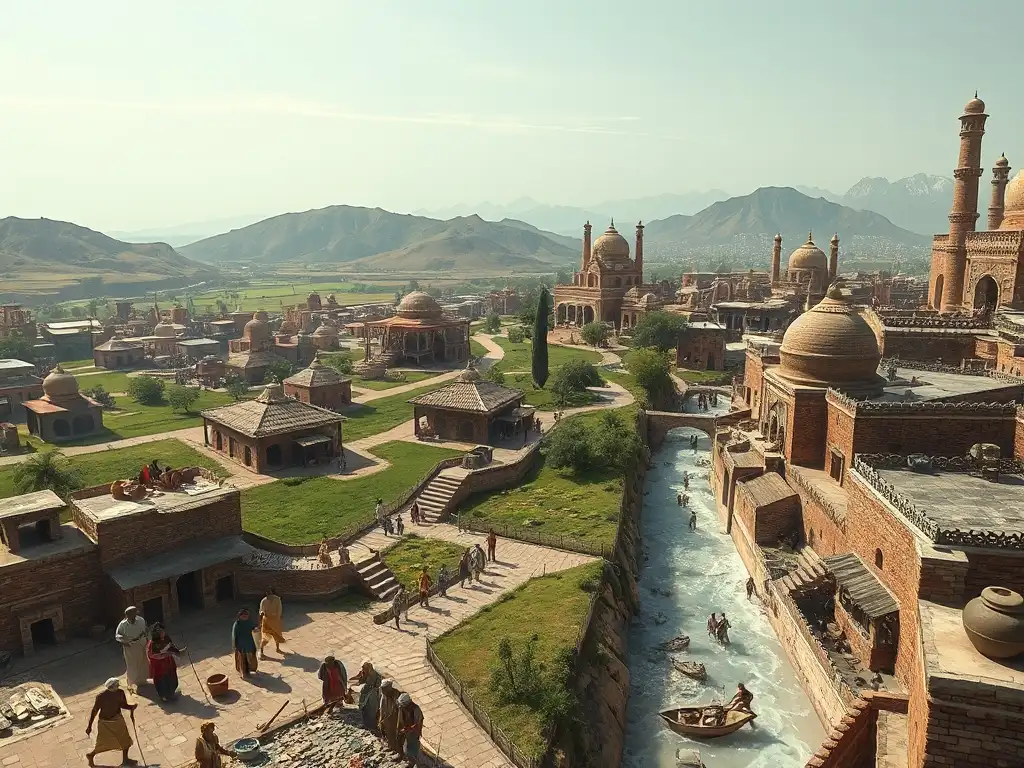
The Indus Valley Civilization (IVC), one of the most sophisticated urban cultures of the ancient world, thrived from approximately 3300 to 1300 BCE in what is now Pakistan and northwest India. Its technological advances were significantly influenced by the region's climate, which facilitated innovations across various domains. This section explores specific case studies that demonstrate how climate shaped the technological landscape of the IVC.
Innovations in Urban Planning and Architecture
The urban planning of the Indus Valley Civilization is a remarkable testament to the ingenuity of its engineers and architects. Cities like Harappa and Mohenjo-Daro were designed with a grid layout, featuring wide streets and advanced drainage systems. The following elements highlight how climate played a crucial role in these innovations:
- Water Management: The region's monsoon climate necessitated effective water management strategies. The IVC engineers constructed extensive drainage systems and wells to harness rainwater, ensuring a steady water supply even during dry periods. This adaptability to climate conditions enabled the civilization to support large populations.
- Brick Production: The abundant availability of clay in the region led to the widespread use of fired bricks, which were standardized in size (approximately 7:1:4 ratio). The durability of these bricks was essential for constructing sturdy buildings that could withstand both the monsoon rains and the heat of the dry season.
- Home Design: Houses were typically built with thick walls to maintain a cooler interior temperature during hot summers. Additionally, many homes featured flat roofs that could be used as living spaces during warm evenings, showcasing an intelligent response to local climatic conditions.
Advances in Trade and Transportation Influenced by Climate
The climate of the Indus Valley not only impacted urban infrastructure but also played a pivotal role in shaping trade and transportation networks. The following points illustrate these advancements:
- River Navigation: The Indus River and its tributaries provided vital transportation routes for trade. The seasonal flooding of these rivers created fertile plains, enhancing agricultural productivity, which in turn supported trade. This natural phenomenon allowed for the movement of goods such as textiles, pottery, and metalwork across vast distances.
- Maritime Trade: The proximity of the IVC to the Arabian Sea facilitated maritime trade. The climate enabled the construction of sturdy boats made from local timbers, which were crucial for trading with Mesopotamia and other distant cultures. This connection not only enriched the IVC economically but also encouraged cultural exchange.
- Road Networks: The need for efficient land transportation became apparent due to climatic variations affecting river navigation. As a result, the IVC developed a network of roads that connected urban centers, making it easier to transport goods and resources. Evidence of these roads indicates careful planning and adaptation to the terrain and climate.
The climate impact on Indus Valley technology is evident through the civilization's innovative approaches to urban planning, architecture, trade, and transportation. These advancements highlight the resourcefulness of the Indus people in adapting to their environment, ultimately contributing to the longevity and prosperity of one of the world's earliest urban societies.
Conclusion: The Lasting Legacy of Climate Impact on Indus Valley Technology
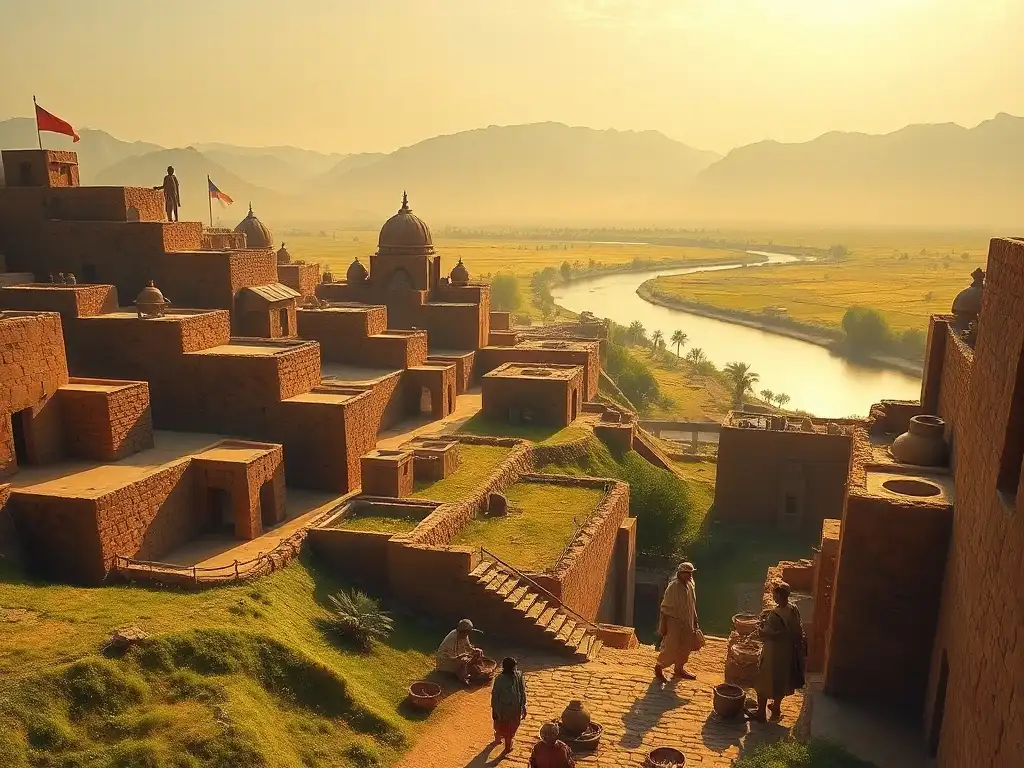
The Indus Valley Civilization (IVC) stands as a testament to the profound influence of climate on technological advancements. Its unique geographical setting, characterized by fertile plains and access to major rivers, shaped the development of innovations that were not only advanced for their time but also laid the groundwork for future progress in various domains. Understanding the interplay between climate and technology in the IVC provides valuable insights into how environmental factors can drive human ingenuity and adaptation.
Summary of Key Technological Contributions
The technological contributions of the Indus Valley Civilization were remarkably advanced, showcasing the civilization's ability to harness its environment effectively. Some of the key innovations include:
- Urban Planning: The cities of Harappa and Mohenjo-Daro exemplified sophisticated urban planning, featuring:
- Grid-like street layouts that facilitated efficient movement and organization.
- Advanced drainage systems that showcased an understanding of sanitation and public health, essential in a region prone to monsoons.
- Water Management: The strategic management of water resources was crucial for agricultural and urban sustenance. This included:
- Reservoirs and wells designed to collect and store rainwater, ensuring a steady supply even during dry spells.
- Irrigation systems that maximized agricultural productivity, allowing the society to thrive in a climate that could be both arid and flood-prone.
- Architecture and Materials: The use of durable materials and innovative construction techniques reflected an adaptation to local climatic conditions:
- Baked bricks were used extensively for building, providing resilience against the region's extreme weather.
- Drainage systems integrated into city planning indicated a proactive approach to managing seasonal floods.
These contributions not only highlight the technological prowess of the IVC but also underscore the significant role of climate in shaping these innovations.
Reflection on the Importance of Climate in Shaping Civilizations
The relationship between climate and technological advancement is a critical area of study in understanding ancient civilizations. In the case of the Indus Valley Civilization, climate served as both a catalyst and a constraint:
- Catalyst for Innovation: The reliable monsoon rains and fertile lands encouraged agricultural surplus, which in turn spurred population growth and urbanization. This demographic shift necessitated innovations in technology, urban planning, and resource management.
- Constraints and Adaptations: While the climate provided advantages, it also posed challenges. The IVC faced potential threats from flooding and droughts, which forced inhabitants to develop adaptive strategies. The need for effective water management and urban infrastructure illustrates how civilizations must respond to their environmental contexts.
The climate impact on Indus Valley technology reveals a symbiotic relationship where environmental factors shaped human achievement. The legacy of the IVC's technological advancements continues to inform our understanding of how civilizations adapt to their surroundings, emphasizing the enduring importance of climate in shaping not just technology, but the very fabric of human society.
Further Reading and Resources on Indus Valley Civilization Technology
Recommended Books and Articles
To gain a deeper understanding of the technological advances in the Indus Valley Civilization and the impact of climate on these developments, several key books and articles are highly recommended:
- "The Indus Civilization: A Contemporary Perspective" by A. F. P. R. R. Narasimhan
- This comprehensive book provides insights into the advancements in various fields including urban planning, metallurgy, and hydraulic engineering that characterized the Indus Valley Civilization. It delves into how environmental factors shaped these technologies.
- "Climate Change and the Indus Valley Civilization" by R. K. Sharma
- This article examines the correlation between climatic shifts and the technological innovations of the Indus Valley people. It highlights how changes in rainfall patterns and temperature influenced agricultural practices and settlement patterns.
- "The Archaeology of the Indus Valley Civilization" by Jean-François Jarrige
- A detailed exploration of archaeological findings, this book discusses the technological aspects of the Indus Valley, particularly urban design and water management systems, in relation to the prevailing climate.
- "Water Management in the Indus Valley" by H. A. O. R. Chaudhary
- An insightful article focusing on the sophisticated water conservation techniques employed by the Indus Valley Civilization, emphasizing how climatic conditions necessitated advanced hydraulic technology.
Online Resources for In-Depth Exploration of Climate and Technology
For those seeking further information on the intersection of climate and technology in the Indus Valley Civilization, the following online resources provide valuable insights:
- The Archaeological Survey of India (ASI)
- Website: asi.nic.in
- This official site offers a wealth of information on archaeological findings, including those from the Indus Valley. It also contains reports on how ancient communities adapted to their climate.
- National Geographic's Indus Valley Civilization Overview
- Website: nationalgeographic.com
- This resource provides articles and multimedia content that explore the culture, technology, and environmental adaptations of the Indus Valley Civilization.
- ResearchGate
- Website: researchgate.net
- A platform where researchers publish their findings, including studies on the climatic impacts on technological innovations in the Indus Valley. Searching for keywords like "Indus Valley technology climate impact" can yield numerous academic papers.
- The British Museum Indus Valley Collection
- Website: britishmuseum.org
- The British Museum offers an online collection and resources related to the artifacts of the Indus Valley Civilization, including insights into the technological advancements of the time.
These resources will enhance your understanding of how climate influenced technological advances in the Indus Valley Civilization, illustrating the dynamic relationship between the environment and human innovation.
Frequently Asked Questions
What was the role of climate in the Indus Valley Civilization?
The climate significantly influenced the agricultural practices and technological advances of the Indus Valley Civilization, impacting their settlement patterns and resource management.
How did the Indus Valley adapt its technology to environmental changes?
The Indus Valley utilized advanced drainage systems and water management techniques to adapt to shifting climatic conditions, ensuring sustainable living in a variable environment.
What were some key technological innovations of the Indus Valley Civilization?
Key innovations included urban planning, sophisticated drainage systems, and the use of standardized weights and measures, showcasing their adaptability to climatic challenges.
How did the climate impact agricultural practices in the Indus Valley?
The climate determined the crop selection and irrigation methods, leading to the development of techniques that maximized agricultural productivity despite environmental fluctuations.
What can modern societies learn from the Indus Valley regarding climate adaptation?
Modern societies can learn about the importance of sustainable resource management and the need for technological innovation in response to climatic changes, as exemplified by the Indus Valley Civilization.
Final Reflection: The Enduring Legacy of Climate on Indus Valley Technology
The intricate relationship between climate and technological advancements in the Indus Valley Civilization remains profoundly relevant today. As we grapple with the pressing challenges of climate change, understanding how ancient societies adapted their technologies in response to environmental shifts offers invaluable insights. The lessons from the Indus Valley remind us that innovation is often born from necessity, and the ability to adapt to changing climates can determine the resilience of civilizations.
The impact of climate on the technological landscape of the Indus Valley Civilization is not merely a historical curiosity; it continues to resonate in our modern world. The ingenuity displayed in their urban planning, water management, and agricultural practices reflects a deep understanding of their environment, which is still relevant as we seek sustainable solutions today. The greatest innovations often arise from the necessity to adapt to our surroundings.
This observation underscores the ongoing influence of climate on human creativity and problem-solving, reminding us that our current innovations must also be rooted in a profound respect for our environment.
As we reflect on the lessons from the Indus Valley, I invite you to consider how the interplay of climate and technology shapes your own life. What adaptations can you make in your daily practices to contribute to a more sustainable future?
Embrace the spirit of innovation that characterized the Indus Valley and take action in your community, whether by advocating for sustainable technologies or simply being mindful of your environmental footprint. The legacy of the past can guide us toward a more resilient future, and it starts with each of us taking responsibility for our impact on the planet.
Uncover the Secrets of Innovation in Ancient Civilizations!
Thank you for exploring the fascinating interplay between climate and technological progress in the Indus Valley Civilization. Your interest in how environmental factors shaped ancient innovations is not just enlightening—it's essential for understanding our past and inspiring future possibilities!
Now, let’s take this knowledge further. Here are some actionable steps you can take:
- Explore more about the technological marvels of the Indus Valley by visiting detailed archives or relevant documentaries.
- Share this article with friends to spark a conversation about the impact of environmental factors on civilization.
- Join an online forum or community focused on ancient history to connect with fellow enthusiasts and expand your horizons.
Which technological advancement of the Indus Valley civilization do you find most fascinating, and how do you think climate might shape our current innovations?