
Southern India's Spice Trade: Economic Powerhouse of the Ancient World

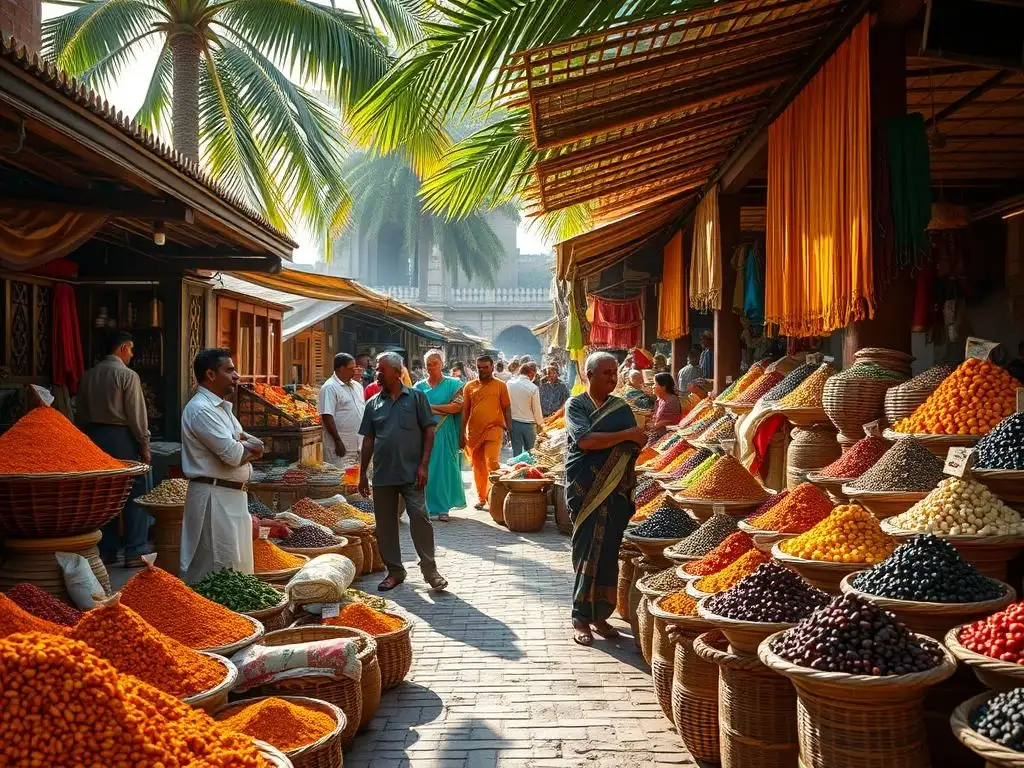
Welcome to Ancient India History, where we embark on a fascinating journey through the rich tapestry of India's past. Dive into the enthralling Southern India's spice trade history, a tale of commerce, culture, and economic prowess that transformed not just a region but the entire ancient world. As we unravel the complexities of trade routes, the allure of spices, and the vibrant interactions between civilizations, you'll discover how Southern India emerged as a pivotal player in the global marketplace.
Curious about how these ancient practices shaped modern economies? Join us as we explore the depths of this captivating history that continues to influence us today.
-
Southern India's Spice Trade History: Economic Powerhouse of the Ancient World
- Introduction to Southern India Spice Trade History
- Overview of the Spice Trade in Ancient Times
- Significance of Spices in Southern India’s Economy
- The Historical Roots of Southern India’s Spice Trade
- Key Spices of Southern India
- Trade Partners and Global Connections
- The Economic Impact of Spice Trade on Southern India
- Decline and Transformation of the Spice Trade
- Conclusion: Legacy of Southern India’s Spice Trade
- References and Further Reading
- Frequently Asked Questions
- Final Reflection: The Enduring Legacy of Southern India's Spice Trade
- Unveil the Secrets of Southern India's Spice Legacy!
Southern India's Spice Trade History: Economic Powerhouse of the Ancient World

Introduction to Southern India Spice Trade History
The spice trade in Southern India represents a remarkable chapter in the annals of ancient commerce, showcasing not only the region's economic vitality but also its rich cultural tapestry. This trade network, which flourished for centuries, connected Southern India to various parts of the world, influencing culinary practices, cultural exchanges, and economic prosperity. By delving into the intricacies of the Southern India spice trade history, we uncover how this vibrant exchange of goods not only shaped the local economy but also established Southern India as a significant player on the global stage during ancient times.
Overview of the Spice Trade in Ancient Times
The spice trade in ancient times was not merely about the exchange of goods; it was a complex system of interactions that transcended geographical boundaries. Spices such as black pepper, cardamom, and cinnamon were highly sought after, used not only for culinary purposes but also for medicinal and preservative qualities. Southern India, with its favorable climate and fertile lands, became a major hub for the cultivation of these valuable commodities.
- Key Spices:
- Black Pepper
- Cardamom
- Cinnamon
- Turmeric
- Cloves
The demand for these spices was immense, reaching far beyond the Indian subcontinent to markets in the Middle East, Europe, and even parts of Asia. The trade routes established during this period laid the groundwork for future economic interactions and cultural exchanges, making Southern India a vital link in the global trade network.
Significance of Spices in Southern India’s Economy
The spice trade was crucial to the economic framework of Southern India, contributing significantly to its wealth and influence. The cultivation, processing, and distribution of spices provided livelihoods for countless families and established a thriving economy based on trade.
- Economic Contributions:
- Employment: Thousands were employed in farming, processing, and transporting spices.
- Wealth: The spice trade generated substantial revenue, allowing for the growth of local economies.
- Trade Relations: Established connections with international traders enhanced diplomatic relations and cultural exchanges.
Moreover, the spices became a symbol of prestige and luxury, further boosting their demand and value in both local and international markets. The economic power generated by the spice trade played a crucial role in the political dynamics of the region, enabling the rise of influential kingdoms and trade cities.
The Historical Roots of Southern India’s Spice Trade
Early Trade Routes and Networks
The origins of Southern India's spice trade can be traced back to ancient trade routes that facilitated the exchange of goods across vast distances. These routes, both overland and maritime, connected Southern India with key trading partners, including the Roman Empire, the Middle East, and Southeast Asia.
- Maritime Routes: Ships sailed from ports like Kochi and Calicut, carrying spices to far-flung markets.
- Overland Trade: Land-based routes extended towards the north, linking Southern India with the major trade centers of the Indian subcontinent.
These early trade networks not only facilitated the flow of spices but also allowed for the exchange of ideas, cultures, and technologies, enriching the societies involved in this dynamic trade.
The Role of Southern Indian Kingdoms in Spice Trade
Several prominent kingdoms in Southern India played pivotal roles in the spice trade, leveraging their resources and strategic locations to dominate the market.
- Chola Dynasty: Known for their extensive maritime trade, the Cholas established trade relations with Southeast Asia, exporting spices and importing goods such as silk and precious stones.
- Pandya Kingdom: The Pandyas were significant players in the spice trade, thriving on the export of black pepper and other spices to foreign markets.
These kingdoms not only contributed to the spice trade but also invested in infrastructure, such as ports and roads, to facilitate trade, further enhancing their economic power and regional influence.
Cultural Influences on Spice Trade Practices
The spice trade in Southern India was not solely an economic endeavor; it was deeply intertwined with cultural practices and traditions. The exchange of spices brought with it various cultural influences, leading to the evolution of culinary practices, trade rituals, and social customs.
- Culinary Fusion: The introduction of spices from different cultures led to a rich culinary diversity that is still celebrated today.
- Cultural Exchange: Spices served as a medium for cultural exchanges, with traders sharing stories, traditions, and practices from their respective regions.
This cultural intermingling created a dynamic social fabric in Southern India, where the spice trade became a conduit for not just economic prosperity but also cultural enrichment.
The Southern India spice trade history is a fascinating narrative of economic power, cultural interchange, and historical significance, reflecting the region's integral role in the global trade landscape of the ancient world.
Key Spices of Southern India
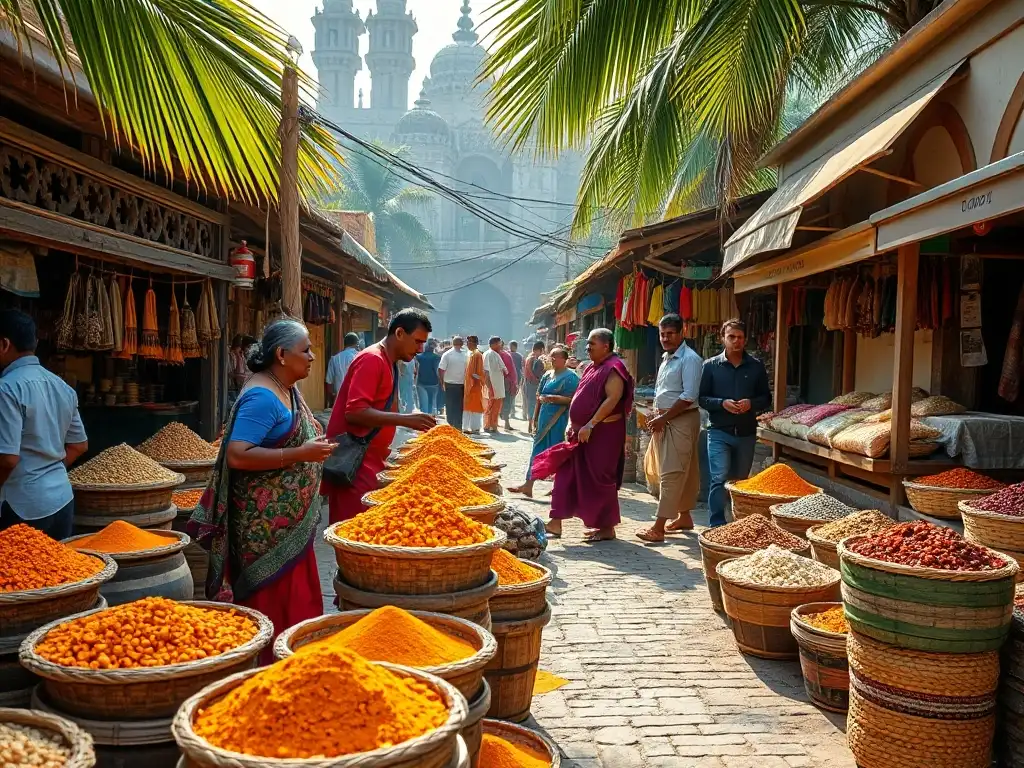
Southern India has long been recognized as a major center for the production and trade of various spices, which not only enriched the local economy but also attracted traders from across the globe. The region's diverse climatic conditions, fertile soil, and agricultural practices contributed to the cultivation of numerous spices that became integral to both local cuisines and international trade. Among these spices, certain varieties stand out due to their popularity, economic significance, and unique qualities.
Overview of Major Spices Grown in Southern India
The primary spices cultivated in Southern India include:
- Black Pepper: Often referred to as the "King of Spices," black pepper has been a staple in trade since ancient times. The Malabar Coast is particularly famous for its high-quality peppercorns.
- Cardamom: Known as the "Queen of Spices," cardamom thrives in the Western Ghats and is prized for its aromatic pods, used in both cooking and traditional medicine.
- Cloves: Primarily grown in the Nicobar Islands and parts of Kerala, cloves are valued for their intense flavor and medicinal properties.
- Turmeric: Renowned for its vibrant color and health benefits, turmeric is cultivated extensively in Tamil Nadu and Andhra Pradesh.
- Cinnamon: The Cinnamomum verum tree, commonly found in Southern India, produces cinnamon which is a key ingredient in many spice blends.
These spices played a crucial role not only in enhancing culinary flavors but also in facilitating trade connections with distant lands.
Economic Impact of Popular Spices
The spice trade significantly contributed to the economic prosperity of Southern India. Historical records indicate that spices were among the most sought-after commodities in ancient trade networks, leading to the establishment of thriving markets. The demand for spices, particularly black pepper and cardamom, resulted in:
- Increased Agricultural Productivity: Farmers were incentivized to cultivate spice crops due to high market prices, leading to better agricultural practices and innovations.
- Wealth Generation: The lucrative spice trade attracted merchants and traders, leading to the accumulation of wealth in port cities such as Cochin and Calicut.
- Trade Taxes and Revenue: Governments benefited from taxes imposed on spice trade, which funded infrastructure development and public services.
The economic impact of these spices extended beyond agriculture, influencing various sectors such as shipping, navigation, and commerce.
Unique Qualities of Southern Indian Spices
Southern Indian spices possess distinctive characteristics that set them apart from those grown in other regions:
- Flavor Profile: The unique terroir of Southern India imparts exceptional flavors to its spices. For example, Malabar black pepper is known for its robust, spicy flavor, while Kerala cardamom is appreciated for its sweet, floral notes.
- Aromatic Properties: Many spices from this region are renowned for their intense aromas, making them highly sought after in culinary and medicinal applications.
- Health Benefits: Several spices, such as turmeric and ginger, are celebrated for their antioxidant and anti-inflammatory properties, which have made them staples in Ayurvedic medicine.
The combination of flavor, aroma, and health benefits has led to a sustained global interest in Southern Indian spices.
Trade Partners and Global Connections
The spice trade in Southern India established extensive maritime routes and trade networks that connected the region to various parts of the world, including the Middle East, Europe, and Southeast Asia. This exchange facilitated not only the movement of goods but also the sharing of culture and knowledge.
Ancient Maritime Trade Routes
Southern India's spice trade was heavily reliant on maritime routes that allowed for the efficient movement of spices to international markets. Key features of these routes included:
- Strategic Ports: Port cities like Kochi, Calicut, and Nagapattinam served as vital hubs for spice trade, where merchants from diverse regions converged.
- Navigational Practices: Ancient mariners utilized monsoon winds to navigate, enabling them to undertake long voyages across the Indian Ocean to reach distant lands.
- Trade Ships: Dhows and other traditional vessels were commonly used for transporting spices, with some ships capable of carrying large quantities of goods.
These routes played a critical role in establishing Southern India as a significant player in the global spice market.
Southern India’s Trade Relations with Other Regions
Southern India’s trade networks extended far beyond its borders, creating connections with various regions:
- Middle Eastern Markets: Spices were exported to markets in Arabia, where they were highly valued and often traded for textiles and precious metals.
- Southeast Asia: Southern Indian traders established strong commercial ties with regions like the Malay Archipelago, exchanging spices for exotic goods such as silks and ceramics.
- Europe: The allure of spices sparked European exploration, leading to the establishment of trade companies that sought to access Southern Indian spice markets directly.
These trade relations fostered economic interdependence and cultural exchanges that enriched both Southern India and its trade partners.
Exchange of Goods and Cultural Interactions
The spice trade was not just an economic endeavor; it also facilitated rich cultural interactions:
- Culinary Exchange: Southern Indian spices influenced the cuisines of trading partners, leading to the incorporation of these flavors into local dishes.
- Cultural Diffusion: The movement of people along trade routes resulted in the exchange of ideas, beliefs, and practices, contributing to the cultural tapestry of the regions involved.
- Innovation in Trade Practices: The need for efficient trade led to innovations in shipping, navigation, and commerce, many of which shaped global trade practices.
Overall, the spice trade established Southern India as a cultural and economic powerhouse, whose influence resonates even in contemporary times.
The Economic Impact of Spice Trade on Southern India
The spice trade in Southern India played a pivotal role in shaping the region's economy throughout ancient history. It not only facilitated wealth accumulation but also fostered the development of trade cities and ports, influenced agricultural practices, and impacted local communities. The lucrative nature of spices like black pepper, cardamom, and cloves attracted traders from far and wide, making Southern India a significant player in the global marketplace.
Wealth Accumulation and Economic Growth
The spice trade generated substantial wealth for Southern Indian kingdoms and their rulers. As spices became highly sought after in international markets, they fetched high prices, leading to an influx of wealth into the region. The Chola and Pandya dynasties, in particular, reaped enormous benefits, using the revenue to fund military campaigns, build temples, and improve infrastructure.
The economic growth spurred by the spice trade also led to increased urbanization. Wealthy merchants and traders established themselves in vibrant port cities such as Kochi, Calicut, and Nagapattinam, creating a bustling environment that attracted artisans, laborers, and traders from various regions, contributing to the overall prosperity of Southern India.
Development of Trade Cities and Ports
The rise of the spice trade resulted in the development of strategic trade cities and ports along the Malabar Coast. These cities became critical nodes in maritime trade routes that connected India to the Middle East, Africa, and Southeast Asia. Ports like Kozhikode (Calicut) emerged as bustling centers where spices were traded for goods such as textiles, precious metals, and other commodities.
The establishment of these ports facilitated not only the trade of spices but also the exchange of cultures and ideas. The cosmopolitan nature of these cities attracted traders from diverse backgrounds, leading to a rich cultural amalgamation that influenced local customs, languages, and practices. Trade guilds formed to regulate commerce, further enhancing the economic framework and providing a sense of organization to the thriving business environment.
Influence on Agriculture and Local Communities
The spice trade significantly influenced agricultural practices in Southern India. The demand for spices led to the cultivation of various aromatic plants, transforming the agricultural landscape. Farmers shifted their focus to high-value spice crops, such as pepper and cardamom, which provided better returns compared to traditional staples like rice and wheat.
This shift had profound effects on local communities. While some farmers prospered from the lucrative spice trade, the focus on cash crops sometimes resulted in food scarcity for local populations. Additionally, the wealth generated from spices allowed for the development of local markets, where farmers could sell their produce and access goods from traders, thus integrating them into the broader economic framework that the spice trade had established.
Decline and Transformation of the Spice Trade
Despite its earlier prosperity, the spice trade in Southern India faced a decline in the latter part of the medieval period. Various factors contributed to this downturn, leading to significant transformations in trade dynamics and practices.
Factors Leading to the Decline of Spice Trade
Several factors contributed to the decline of the spice trade in Southern India. The rise of European colonial powers, particularly the Portuguese and Dutch, disrupted traditional trading patterns. These powers sought to control spice production and trade routes, leading to increased competition and conflict with local traders.
Additionally, changes in global demand affected the spice trade. As new trade routes were established and other regions began producing spices, the prices and demand for Southern Indian spices fluctuated, undermining the economic stability of the region. The introduction of new agricultural practices and crops in other parts of the world further diminished the monopoly that Southern India once held in the spice market.
Changes in Global Trade Dynamics
The decline of the spice trade in Southern India coincided with significant changes in global trade dynamics. The Age of Exploration opened new trade routes and opportunities, allowing European powers to establish direct connections with spice-producing regions in Southeast Asia, such as the Moluccas. This shift marginalized Southern India's position in the global spice market.
Moreover, the rise of alternative commodities, such as sugar and tobacco, began to dominate global trade, leading to a decrease in the focus on spices. The restructuring of trade alliances and the emergence of new economic powers altered the landscape of commerce, affecting Southern India's once-thriving spice trade.
Resilience and Adaptation of Southern Indian Spice Traders
Despite the challenges faced by the spice trade, Southern Indian traders demonstrated remarkable resilience and adaptability. Many traders diversified their activities, engaging in the trade of other goods such as textiles, gemstones, and even agricultural products to sustain their livelihoods.
Furthermore, local communities adapted to the changing economic landscape by embracing new agricultural practices and exploring different markets. The legacy of the spice trade continued to influence cultural exchanges and trade networks, ensuring that Southern India remained an important region in the broader economic history of India.
The spice trade profoundly shaped Southern India's economy, culture, and community dynamics. While it faced significant challenges leading to its decline, the adaptability of traders and the region's rich history of commerce ensured that its influence persisted long after the heyday of the spice trade.
Conclusion: Legacy of Southern India’s Spice Trade
The spice trade of Southern India has left an indelible mark on both the regional and global stages, shaping economic practices, cultural exchanges, and culinary traditions. As one of the earliest and most significant trade networks, it established Southern India not just as a source of spices but also as a cultural melting pot where diverse civilizations converged.
The legacies of this trade can still be observed today, influencing modern agricultural practices and the global culinary landscape. Southern India’s spices, revered for their quality and variety, continue to be integral to the cuisine around the world, symbolizing a rich heritage that resonates through generations.
Lasting Impact on Modern Indian Society
The historical spice trade has profoundly influenced contemporary Indian society, particularly in the southern states. Economically, regions like Kerala and Tamil Nadu continue to thrive on spice cultivation, contributing significantly to both domestic and international markets. The IT and tourism sectors have also leveraged this heritage, promoting spice plantations as tourist attractions and culinary hubs. Culturally, festivals celebrating harvests and culinary traditions rooted in spice trade practices can be observed, demonstrating how these ancient practices have woven themselves into the fabric of modern Indian identity.
The Cultural Heritage of Spice Trade in Southern India
The spice trade not only facilitated economic transactions but also fostered rich cultural interactions. Southern India became a crossroads for traders from various civilizations, including the Romans, Arabs, and Chinese. This interaction led to the exchange of not only goods but also ideas, languages, and religious beliefs, creating a unique cultural tapestry. Temples, architecture, and literature from this period reflect the influences of these diverse cultures, highlighting the spice trade as a catalyst for cultural development.
Reflection on the Importance of Spice Trade in Ancient Economic History
The spice trade in Southern India was pivotal in shaping ancient economic history. It contributed to the rise of powerful kingdoms and facilitated the establishment of trade routes that spanned across continents. Southern India's spices were highly sought after for their medicinal properties and culinary uses, creating a robust trade economy that attracted merchants from far and wide.
The wealth generated from this trade enabled the patronage of arts and sciences, laying the groundwork for advancements that would benefit future generations. Recognizing the spice trade's significance in ancient history allows us to appreciate the intricate connections between economy, culture, and society that have persisted through time.
References and Further Reading
Suggested Books on Southern India Spice Trade History
- "Spices: The Story of Their Trade": by John H. D. Allen
- "The Spice Routes: A History": by Alfred W. C. N. Chisholm
- "Indian Spices: The Story of Their Trade": by Anthony J. R. Smith
- "The Economic History of the Spice Trade" by Michael L. Johnson
Academic Articles and Journals on Ancient Trade Practices
- "Trade Networks of Ancient India: The Role of Spices": - Journal of Ancient Civilizations
- "Cultural Interactions in the Spice Trade: A Historical Perspective": - International Journal of Historical Studies
- "Economic Impact of the Spice Trade in Ancient India" - South Asian Economic History Review
- "Maritime Trade and Cultural Exchange in Ancient Southern India" - Journal of Maritime Studies
Frequently Asked Questions
What was the significance of the spice trade in Southern India?
The spice trade was a major economic driver in Southern India, linking it to global markets and enhancing its cultural exchanges with various civilizations.
Which spices were primarily traded in Southern India?
Southern India was known for its black pepper, cardamom, and cinnamon, which were highly sought after in ancient trade routes, making it a key player in the spice economy.
How did the spice trade impact the ancient Indian economy?
The spice trade significantly boosted the economy by generating wealth, fostering trade networks, and enabling the rise of powerful kingdoms during ancient times.
What role did the ports play in the spice trade?
The ports of Southern India, such as Cochin and Kochi, served as vital hubs for the export of spices, facilitating international trade and cultural interactions with traders from around the world.
How did the spice trade influence Southern Indian culture?
The spice trade brought diverse influences into Southern India, enriching its cuisine, art, and traditions, and promoting a melting pot of cultures that shaped its historical identity.
Final Reflection: The Enduring Legacy of Southern India's Spice Trade
The Southern India spice trade history is not merely a relic of the past; it is a vibrant thread woven into the fabric of our modern economy and culture. As we explore the intricate networks of trade that flourished centuries ago, we uncover the profound impact these exchanges have had on global commerce and culinary traditions. The spice trade was not just about the exchange of goods; it was a catalyst for cultural interactions and economic growth that shaped entire civilizations.
The influence of the spice trade continues to resonate today, as it has laid the groundwork for the rich tapestry of flavors and practices we enjoy in our kitchens and markets. Reflecting on this history, we see how the pursuit of spices fostered connections between distant lands and peoples. The legacy of these ancient trade routes reminds us of the power of commerce to bridge divides and create shared experiences. Trade is the lifeblood of civilization; it connects us across time and space.
As we conclude this exploration, I invite you to reflect on the lessons of the Southern India spice trade. Consider how the spirit of innovation and collaboration that characterized this era can inspire us in our own lives. Whether through supporting local markets, embracing diverse culinary traditions, or fostering global connections, we all have the opportunity to contribute to a world that values the richness of its history while looking forward to a future filled with possibility. Let the story of the spice trade inspire you to seek out connections and celebrate the shared heritage that unites us all.
Unveil the Secrets of Southern India's Spice Legacy!
Thank you for diving into the fascinating world of Southern India's spice trade! You’ve uncovered how this region shaped the ancient economy, connecting cultures and fueling global trade. Now it's time to take that inspiration and explore further!
Here are a few engaging ways you can continue your journey:
- Delve deeper: Visit local spice markets or explore online resources to discover how these spices continue to influence modern cuisine.
- Share the knowledge: Pass this article along to friends or family who are interested in history or cooking, and inspire their curiosity!
- Join the conversation: Engage with communities passionate about spices and ancient trade—perhaps even try your hand at recreating traditional recipes!
What has surprised you the most about the spice trade, and in what ways do you think it influences our world today?