
The Great Temples of Hampi: A Testament to Southern India's Architectural Brilliance

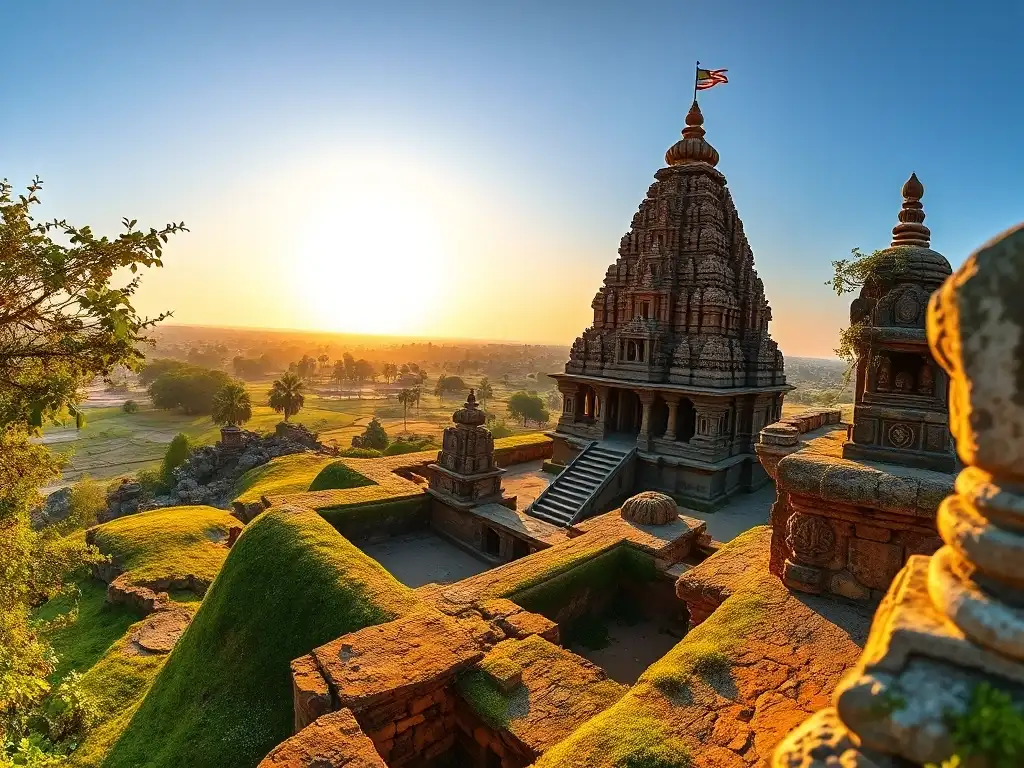
Welcome to Ancient India History, where we take you on a journey through the rich tapestry of India's past. In this exploration, we delve into the Hampi temple architecture history, a fascinating testament to the ingenuity and artistry of Southern India. Discover how these magnificent temples not only reflect the architectural brilliance of their time but also the vibrant culture and spiritual life that thrived in the heart of ancient civilizations. Ready to uncover the secrets behind these stunning structures? Join us as we unveil the stories etched in stone and celebrate the legacy of Hampi!

Introduction to Hampi Temple Architecture History
Hampi, a UNESCO World Heritage Site, stands as a remarkable embodiment of Southern India's architectural brilliance, showcasing the intricate and diverse artistry of ancient Indian civilizations. Nestled in the heart of Karnataka, this historic city was once the capital of the mighty Vijayanagara Empire, renowned for its wealth, culture, and grandiose temple complexes.
The Hampi temple architecture history reflects a confluence of religious significance, artistic expression, and innovative engineering, making it a focal point for historians, architects, and travelers alike. This article delves into the rich tapestry of Hampi's temples, exploring their historical context, cultural importance, and architectural evolution, while celebrating their enduring legacy.
Overview of Hampi and Its Significance
Hampi's landscape is dotted with stunning remnants of its glorious past, featuring over 1,600 architectural remains that testify to its historical prominence. The city is characterized by its unique boulder-strewn topography and vibrant mythology, which has shaped its cultural identity.
- Key Features of Hampi:
- Vijayanagara Capital: Hampi flourished as the seat of the Vijayanagara Empire from the 14th to the 17th century.
- Cultural Melting Pot: It served as a hub for trade, art, and religion, attracting diverse communities.
- Architectural Marvels: The temples of Hampi, including the Virupaksha Temple and the Vittala Temple, showcase exquisite craftsmanship and intricate sculptures.
The significance of Hampi lies not just in its ruins but also in its role as a symbol of resilience, spirituality, and artistic achievement that continues to inspire generations.
Importance of Temples in Ancient Indian Culture
Temples in ancient India were more than mere places of worship; they were centers of social, cultural, and economic life. The temples of Hampi embodied these multifaceted roles, serving as:
- Religious Centers: They were dedicated to various deities, reflecting the rich tapestry of Hindu beliefs.
- Cultural Hubs: Temples hosted festivals, music, dance, and other cultural events, fostering community engagement.
- Architectural Showcases: They demonstrated the pinnacle of architectural innovation and artistry, inspiring future generations.
The intricate designs, carvings, and sculptures found in Hampi's temples reveal the deep philosophical and spiritual narratives that were integral to ancient Indian culture.
Historical Context of Hampi Temples
The Vijayanagara Empire and Its Architectural Contributions
The Vijayanagara Empire, established in the 14th century, played a pivotal role in shaping the architectural landscape of Hampi. Under the patronage of various rulers, particularly Krishnadevaraya, the empire witnessed a flourishing of arts and architecture.
- Distinct Features of Vijayanagara Architecture:
- Use of Stone: The extensive use of granite allowed for durable and ornate structures.
- Dravidian Style: The temples exhibit typical Dravidian architectural elements, such as towering gopurams (gateway towers) and intricate carvings.
- Water Management: Innovative water management systems, including tanks and aqueducts, were integral to the temple complexes.
These contributions not only enhanced the beauty of Hampi but also established it as a vital center for architecture in Southern India.
Evolution of Temple Architecture in Southern India
The temple architecture of Hampi is a culmination of centuries of evolution, influenced by various dynasties and regional styles.
- Key Phases of Evolution:
- Early Influences: The Chalukyas and Rashtrakutas laid the groundwork for Dravidian architecture.
- Vijayanagara Innovations: The period saw the introduction of elaborate sculptures and larger temple complexes.
- Post-Vijayanagara Developments: Following the empire's decline, the architectural traditions continued to influence subsequent styles in Southern India.
This evolution highlights the dynamic nature of temple architecture, reflecting changes in religious practices, artistic trends, and socio-political contexts.
Influences on Hampi Temple Architecture
Hampi's temple architecture was influenced by a myriad of factors, including geographical, cultural, and religious elements.
- Cultural Interactions: Trade routes brought diverse cultural influences, evident in the artistic motifs and architectural styles.
- Religious Syncretism: The coexistence of various religions led to the incorporation of different elements within the temple designs.
- Natural Landscape: The unique topography of Hampi inspired the integration of natural elements into temple architecture, creating a harmonious blend between structure and environment.
These influences not only enriched Hampi's temple architecture but also contributed to its status as a significant cultural and religious center in ancient India.
Key Features of Hampi Temple Architecture
Hampi temple architecture is characterized by its unique blend of Dravidian style and the innovative techniques developed during the Vijayanagara Empire. The temples exhibit a variety of features that reflect the grandeur and sophistication of the period.
One of the most notable aspects is the use of granite stone, which was readily available in the region. This durable material allowed for intricate carvings and robust structures that have withstood the test of time. The temples are often designed with high gopurams (towered gateways) and expansive courtyards, creating a sense of majesty and space.
Moreover, the axial symmetry of temple layouts demonstrates meticulous planning. Most temples have a sacred space known as the garbhagriha (sanctum sanctorum), where the main deity is housed, surrounded by a series of mandapas (halls) that serve various purposes, from congregation to rituals.
The temples also reflect the influence of local traditions and regional styles, with each structure showcasing distinct features that tell the story of the artisans and the cultural context in which they were built.
Unique Structural Elements of Hampi Temples
The architectural brilliance of Hampi temples lies in their unique structural elements. The gopurams are among the most striking features, often adorned with intricate sculptures of deities, celestial beings, and mythological narratives. These towering structures serve not only as entrances but also as monumental statements of devotion and artistic expression.
Another distinctive element is the pillared halls, known as mandapas, which are typically supported by intricately carved columns. These columns feature designs ranging from simple floral motifs to complex depictions of gods and goddesses, showcasing the skill and creativity of the craftsmen.
The Raya Gopuram of the Virupaksha Temple, for example, is a prime illustration of this architectural style, standing tall and adorned with elaborate carvings that narrate stories from Hindu mythology.
Additionally, the use of water reservoirs and step wells in temple complexes emphasizes the relationship between architecture and the natural landscape. These elements not only served functional purposes but also added to the aesthetic appeal of the temples.
Decorative Techniques and Iconography
Hampi temples are a treasure trove of decorative techniques and iconography that reflect the spiritual and cultural ethos of the time. Carvings on the temple walls depict various deities, mythological stories, and everyday life, providing insight into the beliefs and practices of ancient Indian society.
The chalukya style of sculpture is evident in the attention to detail and the realism of the figures. From the graceful poses of dancers to the fierce representations of gods, every carving is a testament to the artistic prowess of the artisans.
Moreover, the use of frescoes and paintings on temple ceilings and walls further enhances the visual narrative of the temples. These vibrant depictions often illustrate stories from the Ramayana and Mahabharata, bridging the gap between the divine and the earthly.
The iconography used in Hampi temples is also significant in understanding the socio-religious context of the Vijayanagara Empire. Many temples feature yali (mythical creatures) and naga (serpent deities), symbolizing protection and power, respectively. This intricate interplay of art and symbolism makes Hampi's temple architecture not just a visual feast but also a rich historical document.
The Role of Natural Elements in Temple Design
Natural elements play a crucial role in the design and placement of Hampi temples. The architects of the Vijayanagara Empire carefully integrated the temples into the surrounding landscape, often positioning them to take advantage of natural features such as hills, rivers, and rock formations.
For instance, the Vittala Temple is strategically located near the Pampa Sarovara, a sacred lake that enhances its spiritual significance. The reflection of the temple in the water creates a breathtaking visual effect, emphasizing the harmony between architecture and nature.
Moreover, the use of light and shadow in temple design illustrates a deep understanding of natural phenomena. The placement of windows and openings allows sunlight to illuminate the sanctum at specific times of the day, enhancing the spiritual ambiance and creating a dynamic interaction with the environment.
The incorporation of gardens and water bodies around temple complexes also reflects the significance of nature in the religious experience. These elements not only provide a serene environment for worshippers but also symbolize purity and renewal, which are central themes in Hindu philosophy.
Notable Temples in Hampi
Hampi is home to several notable temples, each with its own unique architectural style and historical importance. These temples are not only places of worship but also monuments that encapsulate the artistic and cultural achievements of the Vijayanagara Empire.
Virupaksha Temple: A Marvel of Hampi Architecture
The Virupaksha Temple is one of the most prominent structures in Hampi, dedicated to Lord Shiva. As a functioning temple, it attracts numerous devotees and tourists alike. The temple complex features a stunning gopuram that rises majestically above the surrounding landscape, adorned with intricate carvings that depict various deities.
Inside, the sanctum houses a linga, the emblem of Shiva, which is worshipped with great reverence. The temple's architecture showcases a blend of Dravidian style and intricate sculpture work, making it a prime example of Hampi temple architecture. The annual Hampi Utsav, celebrated here, further highlights its cultural significance, drawing visitors from all over.
Vittala Temple: The Symbol of Vijayanagara Glory
The Vittala Temple stands as a symbol of the architectural prowess of the Vijayanagara Empire. Renowned for its impressive chariot structure, the temple is dedicated to Lord Vittala, an incarnation of Vishnu. The temple's stone chariot, intricately carved from granite, is one of Hampi's most photographed landmarks.
The temple complex features an array of musical pillars, which produce different notes when struck, showcasing the advanced musical traditions of the time. The decorative motifs and elaborate carvings throughout the temple reflect the rich cultural heritage of the Vijayanagara period, making it a must-visit for anyone interested in Hampi temple architecture history.
Other Significant Temples and Their Historical Relevance
In addition to the Virupaksha and Vittala temples, Hampi is home to several other significant temples, each contributing to the region's rich tapestry of history. The Achyutaraya Temple, dedicated to Lord Tiruvengalanatha, is known for its grand architecture and serene surroundings, while the Sankheshwara Temple is famed for its unique design and historical relevance.
The Hazara Rama Temple, with its stunning bas-reliefs, narrates the Ramayana through intricate carvings, serving as a vital cultural artifact that preserves ancient narratives. Each of these temples not only symbolizes the devotion of their patrons but also serves as a reminder of the artistic and architectural advancements achieved during the Vijayanagara Empire.
Together, these temples form a rich historical narrative that continues to inspire and educate future generations about the grandeur of Hampi and its architectural legacy.
Preservation and Conservation of Hampi Temples
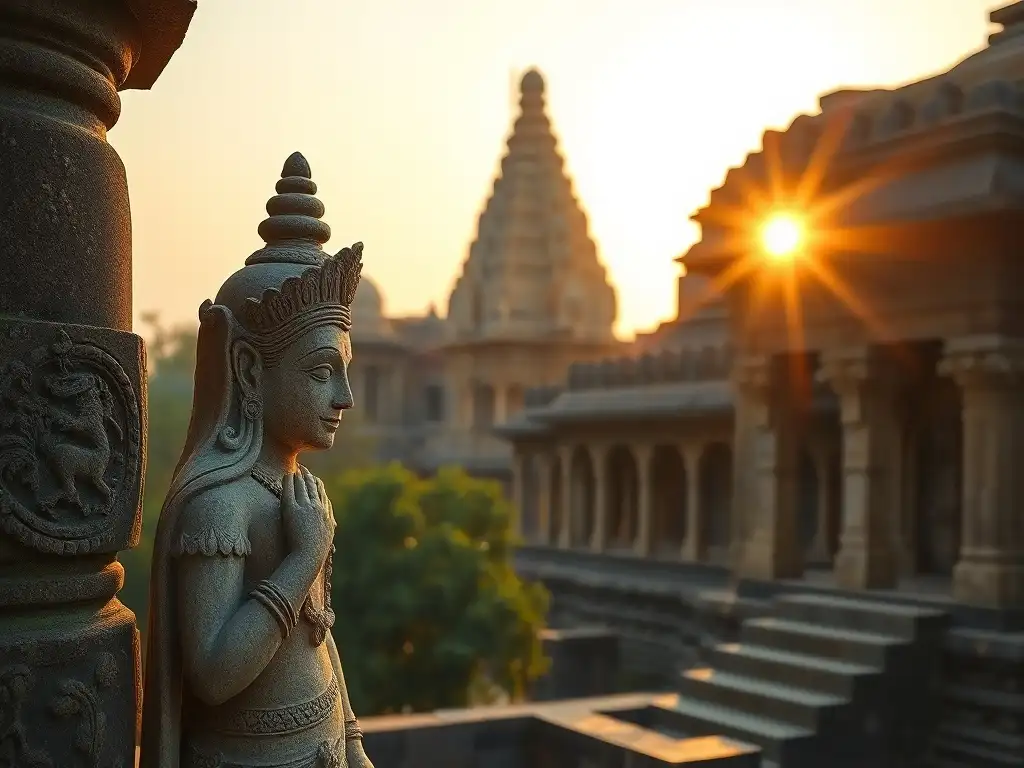
The preservation and conservation of Hampi's temples are critical for maintaining the rich architectural heritage of Southern India. These temples, which date back to the Vijayanagara Empire, showcase exquisite craftsmanship and intricate carvings that provide insight into the socio-religious dynamics of the time. Various organizations and government bodies have recognized the importance of these structures, initiating several conservation projects aimed at safeguarding their integrity against the impacts of time, weather, and human interference.
The challenges of conserving Hampi's temples are manifold. Natural erosion, human encroachment, and the effects of tourism can lead to significant deterioration. Specialists in conservation work tirelessly to develop methods that not only stabilize these ancient structures but also respect their original aesthetics and materials. This delicate balance requires a deep understanding of historical construction techniques and the local environment, ensuring that restoration efforts do not compromise the temples' authenticity.
Current State of Hampi Temples and Their Challenges
Currently, many of the temples in Hampi face considerable challenges due to environmental factors and tourist activities. The monsoon rains can lead to waterlogging and erosion, while the influx of visitors often results in littering and structural wear. Notable temples, such as the Virupaksha Temple and the Vittala Temple, have shown signs of stress, with cracks and weathering becoming increasingly noticeable.
Moreover, illegal construction nearby and urbanization pose serious threats to the surrounding landscape, which is integral to the temples' historical context. The lack of adequate infrastructure to manage tourist traffic also exacerbates these challenges, highlighting the need for robust management strategies that prioritize conservation while allowing for public engagement with this cultural treasure.
Efforts in Restoring Hampi Temple Architecture
Efforts to restore Hampi's temple architecture have gained momentum over the years, driven by both governmental and non-governmental organizations. Restoration projects often involve meticulous documentation and research to understand the original design and construction techniques used in the temples.
One significant initiative has been the collaboration between the Archaeological Survey of India (ASI) and various international heritage organizations. These collaborations have brought in expertise and resources, making it possible to undertake extensive restoration work. The focus has been on using traditional materials and methods, ensuring that the restoration blends seamlessly with the original structures.
Furthermore, community involvement has played a crucial role in these restoration efforts, with local artisans and historians providing invaluable insights into the cultural significance of the temples. This inclusive approach not only helps in the technical aspects of restoration but also fosters a sense of ownership among the local populace.
Importance of Sustainable Tourism for Hampi's Heritage
Sustainable tourism is essential for preserving Hampi's heritage while allowing visitors to appreciate its historical and cultural significance. It involves creating a balance between attracting tourists and protecting the delicate structures and landscapes of Hampi.
Implementing sustainable practices can mitigate the negative impacts of tourism. Initiatives such as limiting the number of visitors at certain sites, promoting off-peak tourism, and encouraging responsible behavior among tourists can significantly contribute to the conservation of the temples.
Moreover, sustainable tourism can provide economic benefits to the local community, enabling funding for conservation projects and creating awareness about the importance of preserving Hampi's cultural heritage. By integrating tourism with conservation efforts, Hampi can remain a vibrant hub of history and culture for future generations to explore.
The Impact of Hampi Temple Architecture on Southern Indian Culture
Hampi's temple architecture has profoundly influenced Southern Indian culture, serving as a benchmark for subsequent architectural developments in the region. The intricate designs and elaborate carvings of Hampi's temples reflect the artistic sophistication of the Vijayanagara Empire and have inspired countless architects and builders over the centuries.
The interplay between religious beliefs and architectural expression in Hampi has also shaped cultural practices, leading to a rich tapestry of rituals and traditions that continue to thrive. Temples often served as community centers, fostering a sense of belonging and cultural identity among the local populace.
Influence on Subsequent Architectural Styles
The architectural styles of Hampi have left an indelible mark on later temple constructions throughout Southern India. The use of ornate pillars, elaborate gopurams (temple towers), and intricate stone carvings became defining features in subsequent temple architecture.
Architects and builders adopted these elements, leading to the emergence of unique regional styles that can be seen in temples across Karnataka and beyond. The fusion of Dravidian and Indo-Islamic architectural principles, evident in Hampi, created a distinctive aesthetic that influenced temple designs in the centuries that followed.
Hampi as a UNESCO World Heritage Site
Designated as a UNESCO World Heritage Site in 1986, Hampi is recognized for its outstanding universal value and cultural significance. This designation has brought global attention to the site, enhancing its profile as a crucial historical and cultural landmark.
Being part of the UNESCO list has not only increased awareness of Hampi's architectural brilliance but also facilitated funding and resources for conservation efforts. The protection afforded by this status helps safeguard the temples from potential threats, ensuring that future generations can appreciate their grandeur.
Cultural Practices and Festivals Associated with Hampi Temples
Hampi is not just a historical site; it is also a vibrant center of cultural practices and festivals that reflect the region's heritage. Temples such as the Virupaksha Temple are focal points for various religious festivals, drawing thousands of devotees and tourists alike.
Festivals like the Hampi Utsav celebrate the cultural richness of the region, showcasing traditional music, dance, and art forms. These events not only revive the historical significance of the temples but also promote community engagement and tourism.
The temples of Hampi are more than just architectural marvels; they are living embodiments of Southern India's history, culture, and spirituality. Their preservation and appreciation are vital for maintaining the region's rich legacy.
Conclusion: The Legacy of Hampi Temple Architecture
The temples of Hampi stand as monumental testaments to the architectural genius of ancient Southern India. Crafted during the reign of the Vijayanagara Empire, these structures reflect a harmonious blend of various architectural styles, including Dravidian and Indo-Islamic influences.
The intricate carvings, towering gopurams (temple towers), and the elaborate rituals and festivals associated with these temples not only serve as spiritual centers but also as cultural hubs that have shaped the identity of the region. The legacy of Hampi temple architecture is not merely confined to its physical structures; it extends to the cultural, religious, and artistic expressions that have flourished in this historical milieu.
The ruins of Hampi, designated as a UNESCO World Heritage Site, continue to inspire awe and reverence. They embody the resilience of ancient civilizations and their ability to create lasting monuments that convey their beliefs, aspirations, and artistic sensibilities. This architectural legacy fosters a sense of pride among locals and serves as a crucial link to understanding the historical and cultural evolution of Southern India.
Reflections on Southern India's Architectural Brilliance
Southern India's architectural brilliance is epitomized in the temples of Hampi, where artistry meets spirituality. The region's temples are characterized by their grand scale and intricate detailing, showcasing the skillful craftsmanship of ancient artisans. The use of granite, a locally available material, allowed for the construction of enduring structures that have withstood the test of time.
Moreover, the temples were designed not just for worship but also for community gatherings and cultural practices, reflecting the social fabric of the time. The innovative layout of temple complexes, with their elaborate mandapas (pavilions) and sacred tanks, reveals a profound understanding of architecture and urban planning. As visitors explore these sites, they are invited to reflect on the ingenuity and creativity that defined the architectural landscape of ancient Southern India.
The Continued Relevance of Hampi in Modern Times
In modern times, Hampi remains a vibrant cultural site that attracts scholars, tourists, and spiritual seekers from around the world. The temples continue to function as places of worship, where traditional rituals are performed, maintaining a living connection to the past. This ongoing spiritual significance ensures that the teachings and practices associated with Hampi are preserved and adapted for contemporary society.
Hampi's rich history and stunning landscapes have also made it a focal point for archaeological studies and tourism. The influx of visitors not only contributes to the local economy but also fosters a global appreciation for the region's heritage. As modern infrastructure develops around Hampi, there is a growing awareness of the need to balance tourism with conservation, ensuring that the legacy of Hampi's temple architecture is protected for future generations.
Call to Action
Encouraging Exploration of Hampi's Rich Heritage
We encourage readers to delve into the rich heritage of Hampi by planning a visit to this extraordinary site. Exploring the temples and their surroundings offers a unique opportunity to experience the grandeur of ancient architecture firsthand. Each temple tells a story, from the iconic Virupaksha Temple to the serene Lotus Mahal, inviting visitors to engage with the history that has shaped Southern India.
In addition to the architectural marvels, Hampi's landscape offers breathtaking views, with boulder-strewn hills and lush vegetation. Trekking through this historical terrain provides a sense of connection to the past, allowing visitors to appreciate the strategic significance of this former capital city.
Inviting Readers to Engage with Hampi's History
We invite readers to engage with Hampi's history beyond mere visitation. Consider participating in local festivals that celebrate the region's cultural heritage or attending workshops that focus on traditional crafts and practices. Sharing experiences and stories about Hampi can help foster a deeper understanding and appreciation for its significance in the broader context of Indian history.
Moreover, we encourage academic exploration, whether through research projects, publications, or discussions about Hampi's architectural significance. By actively participating in the preservation and celebration of Hampi's rich heritage, we can ensure that its legacy continues to inspire future generations.
- Introduction to Hampi Temple Architecture History
- Historical Context of Hampi Temples
- Key Features of Hampi Temple Architecture
- Notable Temples in Hampi
- Preservation and Conservation of Hampi Temples
- The Impact of Hampi Temple Architecture on Southern Indian Culture
- Conclusion: The Legacy of Hampi Temple Architecture
- Call to Action
Frequently Asked Questions
What is the significance of Hampi temple architecture?
Hampi temple architecture showcases Southern India's architectural brilliance, reflecting the rich cultural heritage and spiritual significance of the region during its peak.
Which dynasties contributed to the temples in Hampi?
The Vijayanagara Empire was primarily responsible for the construction of Hampi's temples, combining Hindu architectural styles with innovative designs that symbolize the empire’s political power and religious devotion.
What are some key features of Hampi temple architecture?
Hampi temples are known for their intricate carvings, vast courtyards, and towering gopurams (entrance towers), all of which are designed to reflect the cosmic order and divine presence.
How does Hampi's architecture compare to other ancient Indian structures?
Hampi's architecture is unique due to its fusion of styles, combining Dravidian elements with local traditions, making it distinct from other ancient Indian architectural sites like those found in Khajuraho or Ajanta.
Why is Hampi a UNESCO World Heritage Site?
Hampi was designated a UNESCO World Heritage Site due to its outstanding universal value, showcasing the architectural achievements and the historical significance of the Vijayanagara Empire in the context of global heritage.
Final Reflection: The Enduring Legacy of Hampi Temple Architecture
The architectural brilliance of Hampi's temples serves as a profound reminder of the rich cultural heritage that continues to resonate in our modern world. As we explore the intricate carvings, grand structures, and historical significance of these temples, we uncover not just a testament to artistry but a narrative that speaks to the resilience and creativity of Southern India's past. The beauty and complexity of Hampi temple architecture history are not merely relics of a bygone era; they are vibrant symbols of identity and pride that still inspire awe today.
Hampi's temples have profoundly influenced not only the architectural landscape of India but also the broader cultural and social fabric of our society. Each temple stands as a beacon of spiritual devotion and artistic expression, inviting us to reflect on our own values and beliefs. The intricate designs and the stories they tell are a reminder of the interconnectedness of art, faith, and community. Architecture is the thoughtful making of space.
— Louis Kahn. This quote encapsulates the essence of Hampi's temples, where every stone and carving has been thoughtfully placed to create spaces that foster connection and reflection.
As we conclude our exploration of Hampi's architectural marvels, I invite you to take a moment to reflect on the lessons these ancient structures impart. Consider how the values of creativity, resilience, and community embodied in Hampi's temples can inspire your own life. Whether through preserving cultural heritage or fostering connections within your community, let the legacy of Hampi's temple architecture motivate you to contribute to a narrative that celebrates our shared history and inspires future generations.
Unveil the Wonders of Hampi – Your Adventure Awaits!
Thank you for exploring the majestic temples of Hampi with us! We hope you gained insight into the architectural marvels and rich history that this UNESCO World Heritage Site has to offer. Now, it’s time to delve deeper and take action toward your own exploration of Indian heritage!
Here are some suggestions to get you started on your journey:
- Plan your visit to Hampi: Begin by researching travel options, accommodations, and the must-see temples. Don’t forget to connect with local guides who can provide invaluable insights!
- Join a heritage walk or workshop: Engage in a local tour or workshop that focuses on the history and architecture of Hampi. This immersive experience will deepen your appreciation for this incredible site.
- Share your newfound knowledge: Discuss Hampi's architectural significance with friends and family, or document your reflections on a blog or social media to inspire others to visit!
Which aspect of Hampi's stunning architecture excites you the most, and how do you plan to explore it further?