
The Poetics of Space: How Geography Influenced Ancient Indian Literature

Welcome to Ancient India History, where we delve into the vibrant tapestry of cultures, civilizations, and contributions that have shaped one of the world's oldest societies. In our featured article, "The Poetics of Space: How Geography Influenced Ancient Indian Literature," we explore the profound connection between the diverse landscapes of ancient India and the rich literary traditions that arose from them. How did the rivers, mountains, and plains inspire the poets and thinkers of their time?
Join us as we uncover the fascinating interplay between geography and literature, and discover the threads that bind the physical world to the creative expressions of ancient Indian civilizations. Your journey into this captivating narrative awaits!
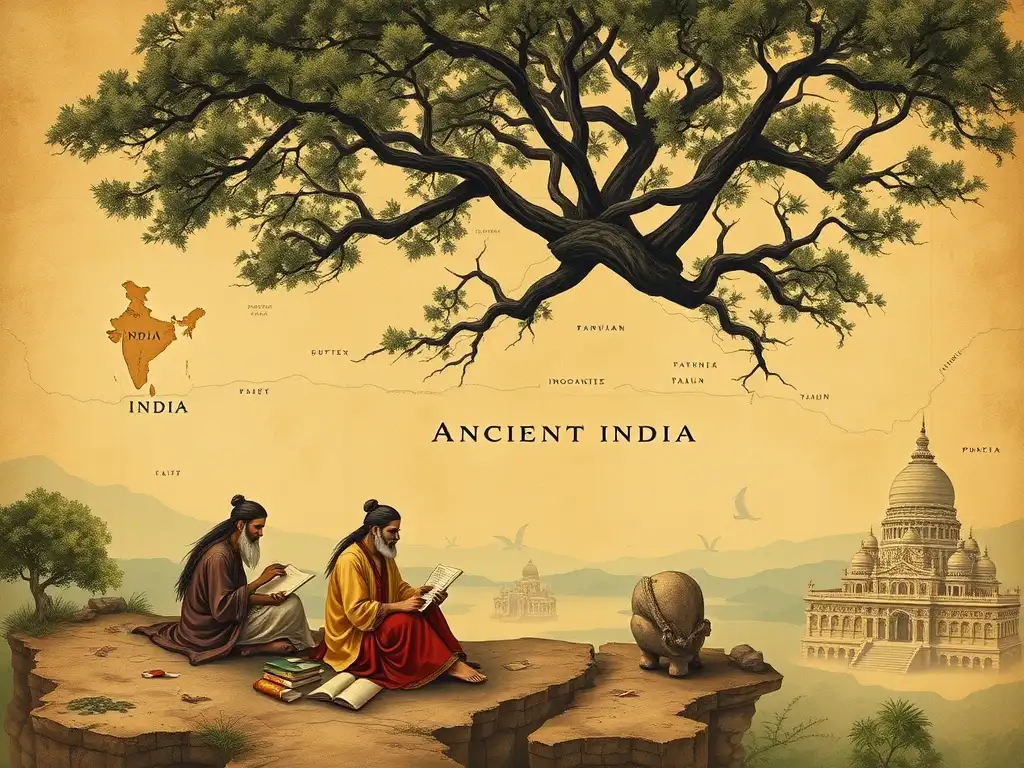
Introduction to Geography and Ancient Indian Literature
The interplay between geography and literature is a pivotal aspect of understanding the cultural and artistic expressions of ancient civilizations. In the context of ancient India, the vast and diverse landscapes played a crucial role in shaping literary narratives, themes, and forms. From the fertile plains of the Indus Valley to the rugged terrains of the Himalayas, the geographical diversity influenced not only the lifestyles of the people but also their storytelling traditions.
This article delves into the intricate relationship between geography and ancient Indian literature, examining how the physical environment inspired poets and prose writers, and contributed to the richness of Indian literary heritage. By exploring the connections between geography and ancient Indian literature, we can appreciate the profound impact of the natural world on the creative expressions of this remarkable period.
Understanding the Connection Between Geography and Literature
Geography serves as a backdrop that informs the characters, plots, and themes within literary works. In ancient Indian literature, the landscape is not merely a setting; it is often a character in its own right, imbued with spiritual and cultural significance. The Mahabharata and the Ramayana, for instance, are steeped in geographical references that ground their epic tales in real landscapes, reflecting the beliefs, values, and histories of the civilizations from which they emerged.
- Key Aspects of Geography in Literature:
- Symbolism of Natural Elements: Mountains, rivers, and forests often symbolize spiritual journeys and moral dilemmas.
- Cultural Identity: Specific regions, such as Magadha or Kalinga, contribute to the cultural identity portrayed in literary works.
- Historical Context: Geography provides context for historical events depicted in literature, such as battles or migrations.
This connection emphasizes that literature is not created in a vacuum; rather, it is a reflection of the environment and the societal dynamics at play.
Importance of Place in Shaping Literary Themes
The geographical context of ancient Indian literature goes beyond mere description; it actively shapes the themes and motifs present in the narratives. The varying climates, terrains, and ecosystems influenced agricultural practices, social structures, and even religious beliefs, all of which find expression in literary works.
- Influential Themes Related to Geography:
- Nature and Spirituality: The portrayal of nature often parallels spiritual journeys, illustrating the deep connection between the physical and metaphysical realms.
- Conflict and Harmony: Geographical divides often lead to narratives of conflict, while shared resources may foster themes of unity and cooperation.
- Cultural Exchange: Trade routes and migration patterns facilitated the exchange of ideas, which is often reflected in the diversity found in literary genres.
Understanding these themes enables readers to grasp the multi-dimensional layers of meaning embedded in ancient Indian texts.
Historical Context of Ancient Indian Geography
To appreciate the influence of geography on ancient Indian literature fully, it’s essential to explore the historical context of the geographical regions that shaped these narratives. Ancient India was marked by a variety of landscapes, each contributing to the distinct cultural and literary outputs of the time.
Overview of Major Geographical Regions in Ancient India
Ancient India comprised several key geographical regions, each characterized by unique features that influenced its civilization:
| Region | Characteristics | Literary Contributions |
|---|---|---|
| Indus Valley | Fertile plains and advanced urbanization | Early poetry reflecting urban life |
| Gangetic Plains | Rich agricultural land, diverse flora and fauna | Epic narratives rooted in agricultural cycles |
| Deccan Plateau | Highlands with unique ecosystems | Prose and poetry celebrating local myths |
| Himalayas | Majestic mountains, spiritual significance | Mystical poetry and philosophical texts |
| Coastal Areas | Trade routes and cultural exchanges | Maritime narratives and folk tales |
Each region not only provided physical resources but also inspired various literary forms, leading to a rich tapestry of narratives that reflect the environmental influences of the time.
How Geography Shaped Ancient Indian Civilizations
The geographical diversity of ancient India played a fundamental role in shaping its civilizations. Access to rivers and fertile land enabled agricultural development, contributing to the rise of cities and trade networks. Additionally, the natural barriers created by mountains and deserts influenced the movement of people and ideas.
- Geographical Influences on Civilization:
- Agricultural Prosperity: Fertile lands led to surplus production, fostering urbanization and complex societies.
- Cultural Exchange: Trade routes facilitated the exchange of literature, art, and philosophy, enriching the literary landscape.
- Religious and Philosophical Thought: The majestic geography often inspired spiritual and philosophical reflections, evident in various texts.
This exploration of geography not only enhances our understanding of ancient Indian literature but also underscores the profound connection between the environment and the cultural expressions of the time.
The Role of Natural Landscape in Ancient Indian Literature
The natural landscape of ancient India played a pivotal role in shaping the literary expressions of the time. Writers and poets drew inspiration from the diverse geographical features, such as the bustling rivers, majestic mountains, and lush forests that dotted the Indian subcontinent. This connection to the environment not only influenced the themes and motifs of their works but also provided a rich tapestry against which human experiences could unfold. The interplay between geography and literature is particularly significant, as it reflects the cultural and spiritual values of the ancient civilizations that thrived in these landscapes.
The landscapes of ancient India were not mere backdrops but integral components of the narrative. They were often imbued with meaning and sentiment, serving as a reflection of the characters' inner lives and societal values. The vivid descriptions of these natural elements allowed readers to visualize the settings and feel the emotional weight carried by the characters within their stories. In this way, the literature of ancient India can be seen as an intricate dialogue between humans and their environment, where each influenced the other in profound ways.
Depictions of Rivers, Mountains, and Forests in Poetry
In ancient Indian poetry, rivers, mountains, and forests are frequently depicted with a sense of reverence and awe. Rivers, such as the Ganges and Yamuna, are not only geographical features but are often personified, symbolizing purity, life, and the cycle of existence. The imagery associated with rivers evokes emotions of longing and nostalgia, as poets often reflect on their journey along the banks, capturing the essence of life's flow.
Mountains, particularly the Himalayas, serve as symbols of strength and permanence in poetry. They are often depicted as guardians of spiritual wisdom, representing the quest for enlightenment and the challenges faced in this pursuit. The awe-inspiring presence of mountains in literature highlights the relationship between the physical and the metaphysical, as they often symbolize obstacles to be overcome in the journey of life.
Forests, too, play a significant role in ancient poetry, often representing mystery and the unknown. They are spaces of both danger and refuge, where characters confront their fears, seek solace, or engage in transformative experiences. The lush greenery and diversity of flora and fauna depicted in poetry serve to create a sensory experience, inviting readers to immerse themselves in the beauty and complexity of nature.
The Symbolism of Space in Classical Prose
In classical prose, the symbolism of space is intricately woven into the narrative structure, influencing character development and thematic exploration. The settings for these stories are carefully chosen to reflect the social, cultural, and moral values of the time. The spaces inhabited by characters often symbolize their status, aspirations, and conflicts, providing a backdrop that enhances the overall narrative.
For instance, urban spaces in classical prose may symbolize wealth, power, and ambition, while rural settings often evoke themes of simplicity, tradition, and harmony with nature. The contrast between these spaces can lead to significant character development, as individuals navigate their desires and responsibilities within their respective environments. As such, the portrayal of space in classical prose serves to deepen the reader's understanding of the characters' motivations and the societal structures that shape their lives.
Moreover, the use of space as a narrative device allows authors to explore larger philosophical and existential questions. By situating characters in specific geographical contexts, writers can examine the relationship between individuals and their environments, prompting reflections on identity, belonging, and the human experience.
Geographical Influence on Themes and Motifs
Geography deeply influences the themes and motifs found in ancient Indian literature. The physical surroundings often dictate the emotional landscape of the narratives, shaping the experiences and struggles of the characters. This geographical influence creates a unique interplay between the environment and the human condition, leading to the exploration of universal themes through a localized lens.
The themes of love, longing, and separation are frequently illustrated through the lens of the natural world, where physical spaces become metaphors for emotional states. The relationship between geography and these themes highlights the interconnectedness of human experience and the environment, revealing how landscapes can evoke powerful emotions and shape personal narratives.
Love and Longing: The Impact of Landscape on Emotion
The themes of love and longing in ancient Indian literature are often intricately tied to the geographical landscape. Poets frequently use the natural surroundings to express the intensity of emotions experienced by their characters. For instance, the beauty of a blooming garden might symbolize the blossoming of love, while the desolate expanse of a barren land can represent heartbreak and separation.
The depiction of landscapes serves as a powerful backdrop for stories of love and longing, where the environment reflects the internal struggles of the characters. The emotional resonance of a river's flow or the stillness of a mountain can evoke feelings of yearning and desire, enhancing the reader's connection to the narrative. This relationship between geography and emotion underscores the idea that our surroundings profoundly influence our emotional experiences, creating a rich tapestry of interconnected themes.
Nature as a Character: Physical Spaces in Narrative Structures
In many ancient Indian narratives, nature is not merely a passive setting but an active character that shapes the plot and influences the characters' journeys. The physical spaces in these stories often take on a life of their own, reflecting the moods and transformations of the characters. For instance, a stormy landscape may symbolize turmoil and conflict, while a serene meadow might represent peace and resolution.
This personification of nature allows writers to explore complex themes such as fate, destiny, and the cyclical nature of life. Characters often find themselves in dialogue with their environments, leading to moments of revelation and growth. The physical spaces thus become integral to the narrative structure, driving character development and thematic exploration. By intertwining nature with the human experience, ancient Indian literature illustrates the profound connection between people and their environments, emphasizing the significance of geography in shaping narratives.
Case Studies: Notable Works Influenced by Geography
Ancient Indian literature is replete with examples that highlight the profound influence of geography on literary themes, motifs, and narratives. These works not only reflect the physical landscapes of their time but also embody the cultural and spiritual connections between the people and their environments. By examining specific case studies, we can appreciate how geography shaped the storytelling and poetic expressions of ancient Indian authors.
Analysis of "Kalidasa's Meghaduta": A Journey Through Space
Kalidasa's Meghaduta, or "The Cloud Messenger," stands as a quintessential example of how geography can be intricately woven into poetic narratives. In this lyric poem, the protagonist, a yaksha (nature spirit), is exiled to a distant land. The yearning for his beloved is conveyed through vivid descriptions of the varied landscapes he wishes to traverse, from lush forests to arid deserts.
The geographical elements in Meghaduta serve not only as a backdrop but also as metaphors for emotional states and human experiences. Kalidasa skillfully uses the changing seasons and landscapes to reflect the yaksha's feelings of longing and separation. For instance, the portrayal of the cloud as a messenger embodies both the physical journey across the vast Indian subcontinent and the emotional journey of love and loss. This interplay of geography and emotion underscores the deep connection between the natural world and human sentiment in ancient Indian literature.
Geography in the "Mahabharata": The Role of Locations in Epic Narratives
The Mahabharata, one of the longest epic poems in the world, showcases the critical role of geography in shaping its narrative. The epic is set against a backdrop of various kingdoms and terrains, each contributing to the story's rich tapestry. Key locations such as Hastinapura, Indraprastha, and Kurukshetra are not merely settings; they are integral to the plot and character development.
The geographical diversity within the Mahabharata enhances the epic’s themes of conflict, morality, and duty. For example, the battle of Kurukshetra, fought on a vast battlefield, is emblematic of the internal and external struggles faced by the characters. The choices made by the protagonists are often influenced by their geographical origins and the cultural ethos of their respective regions. Furthermore, the detailed descriptions of landscapes, rivers, and mountains reflect the significance of nature in the lives of the characters and their decisions, illustrating how geography serves as a critical lens through which the epic is understood.
Regional Variations in Ancient Indian Literature
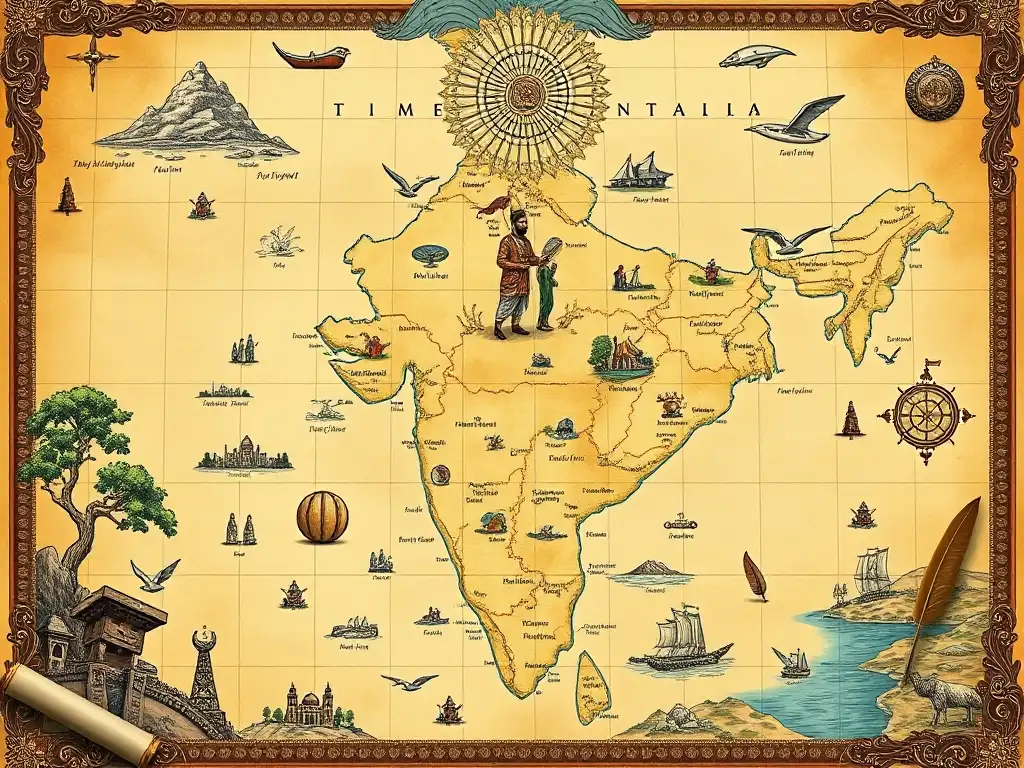
The influence of geography on ancient Indian literature extends beyond individual works to encompass broader regional variations. The distinct landscapes, climates, and cultural practices across different areas of India have given rise to diverse literary styles and themes. Understanding these regional nuances sheds light on the complexity and richness of ancient Indian literary traditions.
North vs. South: How Geography Influenced Literary Styles
The geographical divide between Northern and Southern India has led to notable differences in literary styles and themes. Northern Indian literature, often characterized by its use of Sanskrit, showcases a penchant for grand epics and philosophical discourses, reflecting the arid plains and the cultural centers of the region. Works such as the Mahabharata and Ramayana thrive in this context, intertwining heroic narratives with moral and ethical dilemmas rooted in the social dynamics of the time.
In contrast, Southern Indian literature, particularly in languages like Tamil, often embraces lyrical poetry and devotional themes that resonate with the lush landscapes and agrarian lifestyle of the region. The Sangam literature, featuring both secular and devotional poetry, reflects the cultural vibrancy and the natural beauty of the Southern terrain. These geographical influences not only shape the content but also the forms and styles of literary expression, offering a rich tapestry of cultural diversity.
The Influence of Trade Routes on Literary Exchange
Ancient trade routes, such as the Silk Road and maritime routes, played a crucial role in the exchange of ideas, languages, and literary forms. Geography facilitated the movement of scholars, poets, and traders, leading to a blending of literary traditions across regions. This exchange enriched the literary landscape of ancient India, allowing for the incorporation of diverse influences.
For instance, the cross-cultural interactions along these routes introduced new themes and narrative styles, fostering innovation in literary expression. The impact of Persian and Arabic literature on Indian poets during the medieval period is a notable example, as seen in the works of poets like Amir Khusrau. This intercultural dialogue not only broadened the thematic scope of Indian literature but also highlighted the interconnectedness of geographical spaces in shaping literary heritage.
The dynamic interplay between geography and ancient Indian literature reveals how physical landscapes and cultural contexts have profoundly influenced literary expression. From the evocative imagery of Kalidasa's Meghaduta to the epic narratives of the Mahabharata, geography serves as a powerful lens through which we can understand the rich tapestry of ancient Indian literary traditions.
The Legacy of Geography in Modern Interpretations of Ancient Literature
The interplay between geography and ancient Indian literature remains a significant focus of scholarly interpretation today. Modern readers and critics often delve into how the physical landscapes, climatic conditions, and cultural topography of ancient India shaped literary expressions. This legacy is evident in various texts, from the evocative verses of classical poetry to the philosophical musings of prose.
Geography serves as a backdrop against which stories unfold and characters evolve. For instance, the rivers, mountains, and forests mentioned in texts not only provide settings but also symbolize broader themes such as life, death, and rebirth. The intricate relationship between the natural world and human experience is a recurring motif that continues to inspire modern interpretations. By examining these elements, contemporary scholars can uncover deeper meanings embedded in the texts, enriching our understanding of ancient Indian literature.
Contemporary Perspectives on Geography and Ancient Texts
Contemporary literary critics advocate for a spatial reading of ancient texts, emphasizing how geographical contexts influence narrative structures and character development. This perspective aligns with the idea that literature is not created in a vacuum; instead, it is a reflection of the environment in which it was produced. For example, the depiction of urban life in ancient Indian poetry often contrasts sharply with rural landscapes, revealing societal hierarchies and cultural values.
Furthermore, geographic features in ancient texts can be seen as metaphors for human emotions and conflicts. The vastness of the Indian subcontinent, with its diverse terrains and climates, offers a rich tapestry for exploring themes of isolation, belonging, and cultural identity. By applying contemporary geographical theories, such as feminist geography and postcolonial studies, scholars can analyze texts through new lenses, uncovering layers of meaning that resonate with modern audiences.
How Modern Writers Reinterpret Ancient Indian Geographical Influences
Modern writers are increasingly drawing inspiration from the geographical contexts of ancient Indian literature. This reinterpretation manifests in various forms, from poetry and novels to essays and travel writing. Many contemporary authors integrate elements of ancient landscapes into their works, highlighting the ways in which geography shapes human experience and narrative.
For instance, writers may evoke the imagery of the Himalayas or the bustling streets of Varanasi to anchor their stories in a specific cultural milieu. By doing so, they not only pay homage to the literary traditions of the past but also invite readers to engage with the natural world in a meaningful way. This fusion of ancient geographical influences with modern storytelling techniques creates a dialogue between past and present, allowing for a richer appreciation of both.
Conclusion: The Enduring Connection Between Geography and Literature
The relationship between geography and ancient Indian literature remains a vital area of exploration, with significant implications for understanding cultural identity and literary expression. As we delve into the landscapes that shaped the narratives of the past, we uncover a tapestry of interconnectedness that transcends time and space.
Summary of Key Insights on Geography and Ancient Indian Literature
The influence of geography on ancient Indian literature is multi-faceted and profound. Key insights include:
- Cultural Context: Geographic features serve as a backdrop that informs cultural identity and societal norms reflected in literary texts.
- Symbolism: Landscapes often carry symbolic weight, representing human emotions and existential themes.
- Modern Reinterpretation: Contemporary writers utilize ancient geographical influences to create richer narratives that resonate with current readers.
These insights highlight the enduring connection between geography and literature, emphasizing that the physical world continues to shape artistic expression.
Final Thoughts on the Poetics of Space in Literary Tradition
The poetics of space in ancient Indian literature is a testament to the intricate relationship between the environment and human creativity. As both ancient and modern texts reveal, geography not only influences the stories we tell but also how we understand ourselves within the world. By appreciating this connection, we can gain a deeper understanding of ancient Indian literature's richness and complexity, celebrating the diverse landscapes that have inspired generations of writers and thinkers.
- Introduction to Geography and Ancient Indian Literature
- Understanding the Connection Between Geography and Literature
- Importance of Place in Shaping Literary Themes
- Historical Context of Ancient Indian Geography
- The Role of Natural Landscape in Ancient Indian Literature
- Geographical Influence on Themes and Motifs
- Case Studies: Notable Works Influenced by Geography
- Regional Variations in Ancient Indian Literature
- The Legacy of Geography in Modern Interpretations of Ancient Literature
- Conclusion: The Enduring Connection Between Geography and Literature
- What role did geography play in ancient Indian literature?
- How did the Indus Valley civilization contribute to literature?
- What is the connection between the Gupta Empire and literature?
- Can you give examples of geographical themes in ancient Indian texts?
- How did ancient Indian literature reflect cultural diversity?
Frequently Asked Questions
What role did geography play in ancient Indian literature?
Geography significantly influenced ancient Indian literature by shaping cultural narratives, regional identities, and the themes explored in texts. The diverse landscapes provided rich metaphors and settings for storytelling.
How did the Indus Valley civilization contribute to literature?
The Indus Valley civilization laid the groundwork for early literary traditions with its complex society. Although direct literary texts are scarce, archaeological findings suggest a rich oral culture that influenced later literature.
What is the connection between the Gupta Empire and literature?
The Gupta Empire is often referred to as the Golden Age of Indian Literature, marked by prolific writers like Kalidasa. This period saw the flourishing of poetry, drama, and philosophical texts, heavily influenced by geographic and cultural contexts.
Can you give examples of geographical themes in ancient Indian texts?
Ancient Indian texts often feature geographical themes such as mountains, rivers, and forests, symbolizing various aspects of life and spirituality. For example, the Ganges River is depicted as a sacred entity in many literary works.
How did ancient Indian literature reflect cultural diversity?
Ancient Indian literature showcased the cultural diversity of the subcontinent through its regional dialects, folklore, and mythologies. This diversity was often intertwined with the geographical features of different regions, enhancing the richness of the narratives.
Final Reflection: The Interplay of Geography and Ancient Indian Literature
In exploring the intricate relationship between geography and ancient Indian literature, we uncover a profound narrative that transcends time and space. The landscapes, rivers, and mountains of ancient India were not merely backdrops; they were dynamic characters that shaped the thoughts, emotions, and identities of literary figures. This connection remains relevant today as we navigate our own environments, reminding us that our surroundings continue to influence our stories and expressions in profound ways.
The impact of geography on ancient Indian literature is a testament to the enduring power of place in shaping cultural narratives. As we reflect on the rich tapestry of texts that emerged from diverse geographical contexts, we recognize how these works resonate with contemporary themes of identity and belonging. Literature is the most effective mode of communication, and geography is the stage upon which it unfolds.
This observation highlights the ongoing dialogue between our physical environments and the stories we tell, urging us to consider how our own landscapes inform our narratives today.
As you ponder the insights shared in this article, I invite you to reflect on the spaces that have shaped your own life and creativity. Consider how your surroundings influence your thoughts, emotions, and expressions. Let the lessons of ancient Indian literature inspire you to explore the poetics of your own geography, encouraging you to weave the essence of your environment into your personal narrative. Embrace the power of place, and allow it to guide your storytelling journey as you contribute to the rich tapestry of human experience.
Explore the Depths of Ancient Indian Geography and Literature!
Thank you for diving into the fascinating interplay between geography and ancient Indian literature! You’ve uncovered the rich tapestry of how landscapes influenced storytelling and poetic expression. Now, let your curiosity guide you further on this journey of exploration and understanding.
Here are some actionable steps you can take next:
- Delve Deeper: Explore more works by ancient Indian authors that highlight the influence of geography on their narratives. Consider starting with “Kalidasa’s Clouds” for a captivating perspective on this connection.
- Join the Conversation: Share your insights on social media regarding ancient Indian literature and its geographical influences on creative writing. Use the hashtag #AncientWords to connect with others who share your interests.
- Engage Locally: Visit a local museum or cultural center that features ancient Indian artifacts. This will give you a chance to experience firsthand the geographical elements that shaped the literature you’ve studied.
What hidden geographical elements do you believe play a significant role in other literary traditions around the world?