
The Timeless Wisdom of the Upanishads: Exploring Their Prose and Poetry

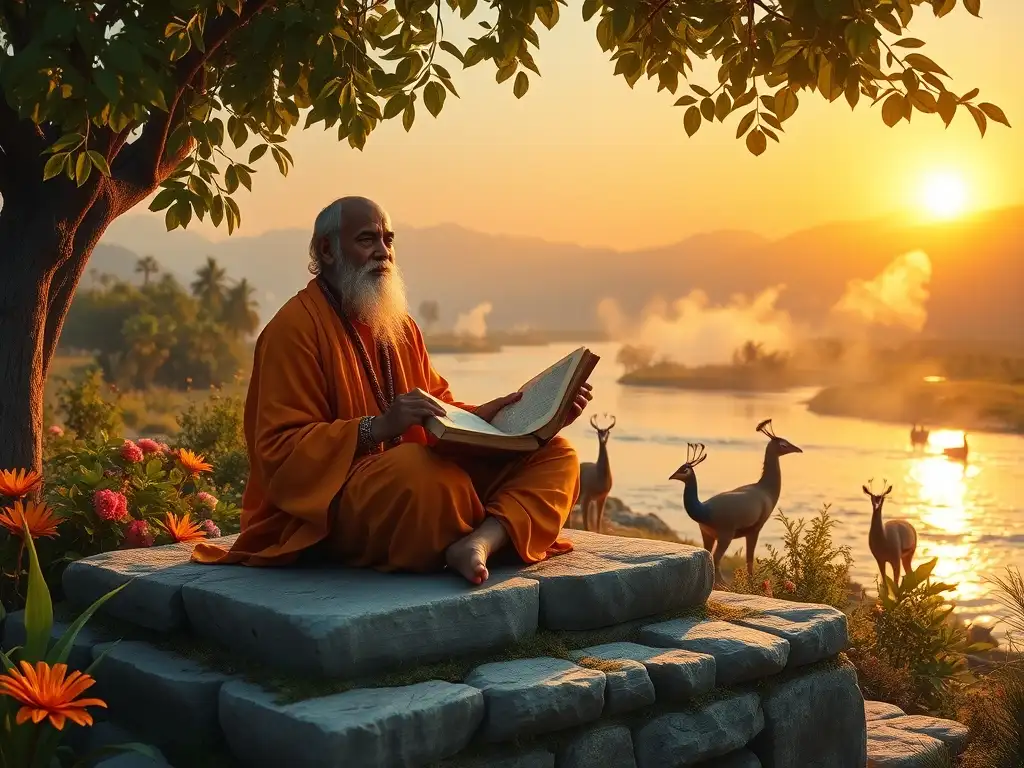
Welcome to Ancient India History, where we delve deep into the rich tapestry of ancient Indian civilizations, exploring their profound contributions to culture, philosophy, and literature. Today's journey takes us into the captivating world of the Upanishads, the ancient texts that embody the essence of Indian philosophy. Discover how their timeless wisdom—woven through both prose and poetry—continues to resonate in our lives today. Are you ready to unlock the secrets of these philosophical treasures? Join us as we navigate this enlightening exploration that promises to broaden your understanding of a pivotal era in history!
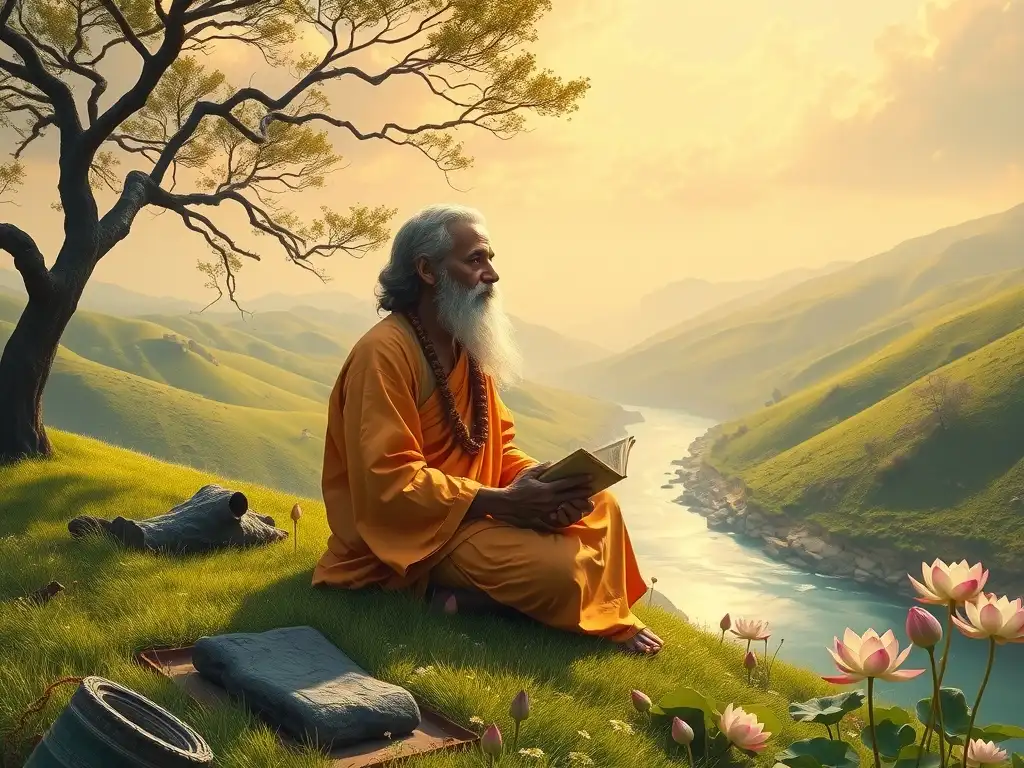
Introduction to the Upanishads and Ancient Indian Philosophy
The Upanishads represent a profound and intricate facet of ancient Indian philosophy, encapsulating the philosophical inquiries and spiritual insights of the time. These texts, often regarded as the culmination of Vedic thought, explore the nature of reality, the self, and the universe, offering a bridge between the empirical and the spiritual.
As we delve into the prose and poetry of the Upanishads, we uncover a rich tapestry of ideas that not only reflect the intellectual currents of ancient India but also continue to resonate in contemporary philosophical discourse. The significance of these texts extends beyond their historical context, influencing various spiritual traditions and schools of thought, thereby laying the groundwork for future philosophical explorations.
Definition and Significance of the Upanishads
The Upanishads, derived from the Sanskrit root "upa" (near) and "ni" (down) along with "shad" (to sit), are a collection of philosophical texts that serve as the concluding part of the Vedas. These texts delve into profound questions about existence, knowledge, and the ultimate reality (Brahman) and the individual soul (Atman).
Some key aspects of their significance include:
- Philosophical Depth: The Upanishads challenge readers to contemplate the nature of existence and the connection between the individual and the cosmos.
- Spiritual Guidance: They offer insights into meditation, ethics, and the pursuit of knowledge, guiding practitioners on their spiritual journeys.
- Cultural Heritage: As foundational texts of Hindu philosophy, the Upanishads have influenced various schools of thought, including Vedanta and Yoga.
Overview of Ancient Indian Philosophy and Its Impact
Ancient Indian philosophy is marked by its diversity and depth, encompassing a wide range of schools and ideas, from materialism to idealism. The Upanishads play a pivotal role in this landscape, bridging the ritualistic practices of the Vedas with the ethical and metaphysical inquiries that characterize later philosophical developments.
Key contributions of ancient Indian philosophy include:
- Concept of Dharma: The Upanishads emphasize the importance of duty and moral responsibility in the pursuit of a harmonious life.
- Interconnectedness: They highlight the unity of all existence, fostering a sense of interconnectedness that is essential in various spiritual traditions.
- Influence on Global Thought: The philosophical inquiries of the Upanishads have inspired thinkers worldwide, contributing to dialogues in ethics, metaphysics, and spirituality.
Historical Context of the Upanishads
Understanding the historical context of the Upanishads is crucial for appreciating their profound philosophical insights and cultural significance. These texts emerged during a transformative period in ancient India, characterized by significant social and religious changes.
Timeline of the Upanishads' Composition
The composition of the Upanishads spans several centuries, with estimates placing their origins from around 800 BCE to 200 BCE. This timeline reflects a gradual evolution of thought, as philosophical ideas were transmitted and transformed over generations.
| Period | Approximate Dates | Key Developments |
|---|---|---|
| Vedic Period | 1500 - 500 BCE | Composition of the Vedas and early Upanishads |
| Post-Vedic Era | 800 - 200 BCE | Flourishing of philosophical inquiry |
The Cultural and Religious Landscape of Ancient India
The cultural and religious landscape of ancient India during the time of the Upanishads was characterized by a rich tapestry of beliefs, practices, and intellectual pursuits.
- Religious Practices: The transition from Vedic rituals to philosophical inquiry marked a significant shift in spiritual focus.
- Societal Changes: The rise of urban centers and new social dynamics influenced the themes explored in the Upanishads.
- Intellectual Exchange: Interaction with various philosophical traditions, such as Buddhism and Jainism, contributed to the depth and diversity of thought encapsulated in these texts.
Through this exploration of the Upanishads, we gain not only insights into ancient Indian philosophy but also a deeper appreciation for the timeless wisdom that continues to inspire and challenge us today.
Literary Structure of the Upanishads
The Upanishads, revered as the philosophical backbone of ancient Indian thought, exhibit a unique literary structure that combines both prose and poetry. This duality allows for a rich exploration of complex themes, making the texts accessible to a wide audience. The structure often alternates between narrative forms and dialogue, presenting philosophical ideas through conversations between sages and students, thus emphasizing the importance of teacher-student relationships in the transmission of knowledge.
The prose sections typically serve to outline essential philosophical concepts, while the poetic portions employ metaphors and lyrical expressions that evoke deep emotional responses. This blend enhances the texts' spiritual impact, inviting readers and listeners to engage not just intellectually, but also emotionally. Furthermore, the use of repetition and rhythmic patterns in poetry enriches the oral tradition, facilitating memorization and recitation, which was vital in a time when written texts were scarce.
Prose in the Upanishads: Characteristics and Themes
The prose of the Upanishads is characterized by its clarity and directness, often adopting a conversational tone that makes profound philosophical concepts more approachable. These sections frequently present teachings in a straightforward manner, using dialogues to explore the nature of existence, the self, and the universe. Key themes in these prose passages include the relationship between the individual soul (Atman) and the ultimate reality (Brahman), as well as existential inquiries about life and death.
The prose also emphasizes the importance of meditation and introspection as essential practices for understanding deeper truths. By engaging readers in philosophical inquiry, these sections encourage reflection and personal exploration, allowing individuals to draw their own conclusions about the nature of existence. This dialogic approach not only clarifies complex ideas but also highlights the transformative journey towards enlightenment.
Poetic Elements in the Upanishads: Symbolism and Imagery
The poetic elements of the Upanishads are rich with symbolism and imagery, employing metaphors that resonate with the profound philosophical ideas they convey. For instance, light often symbolizes knowledge and enlightenment, while darkness represents ignorance and confusion. Such imagery serves as a powerful tool to depict the journey from ignorance to wisdom, a central theme in Upanishadic thought.
Additionally, the use of metaphors related to nature—like rivers, trees, and the sun—further illustrates the interconnectedness of all existence. These poetic devices not only enhance the aesthetic quality of the texts but also create layers of meaning that invite deep contemplation. The imagery in the Upanishads reflects the belief in the unity of the individual soul and the cosmos, encouraging readers to see themselves as part of a larger, harmonious whole.
Themes Explored in the Upanishads
The Upanishads delve into several profound themes that have shaped ancient Indian philosophy. These themes serve as the foundation for understanding the complexities of existence and the human condition, reflecting the rich tapestry of thought that characterizes these texts.
The Nature of Reality: Brahman and Atman
A central theme in the Upanishads is the exploration of the nature of reality, particularly the concepts of Brahman and Atman. Brahman is often described as the ultimate, unchanging reality, the source of all existence, while Atman refers to the individual soul or self. The Upanishads assert the fundamental connection between the two, encapsulated in the famous phrase "Tat Tvam Asi" (That Thou Art). This phrase highlights the idea that realizing the unity between Atman and Brahman is essential for spiritual enlightenment.
The texts explore various dimensions of this relationship, discussing how understanding one's own true nature leads to liberation (moksha) from the cycle of birth and rebirth (samsara). This theme emphasizes introspection, self-discovery, and the pursuit of knowledge as pathways to ultimate truth.
The Concept of Dharma in Upanishadic Texts
Dharma, or the moral law that governs individual conduct, is another significant theme in the Upanishads. The texts explore the notion of living in accordance with one's dharma, which is essential for maintaining cosmic order and personal integrity. The Upanishads suggest that understanding one's role and responsibilities in the universe is crucial for achieving harmony within oneself and with the world.
This theme is interwoven with discussions of ethical behavior, righteousness, and the consequences of one's actions. By aligning with dharma, individuals can cultivate a life of purpose and meaning, leading to spiritual growth and fulfillment.
The Pursuit of Knowledge and Enlightenment
The pursuit of knowledge is a recurring theme throughout the Upanishads, emphasizing the importance of education, inquiry, and philosophical discourse. The texts advocate for a lifelong journey of learning, urging individuals to question their beliefs and seek deeper understanding. This pursuit is not merely intellectual; it involves a transformative process that leads to enlightenment.
The Upanishads highlight various methods for attaining knowledge, including meditation, reflection, and the guidance of a guru. They emphasize that true wisdom transcends mere intellectual comprehension, requiring experiential understanding and inner realization. This theme underscores the belief that enlightenment is not a destination but a continuous journey, inviting individuals to engage actively in their spiritual development.
Comparative Analysis of Upanishadic Literature
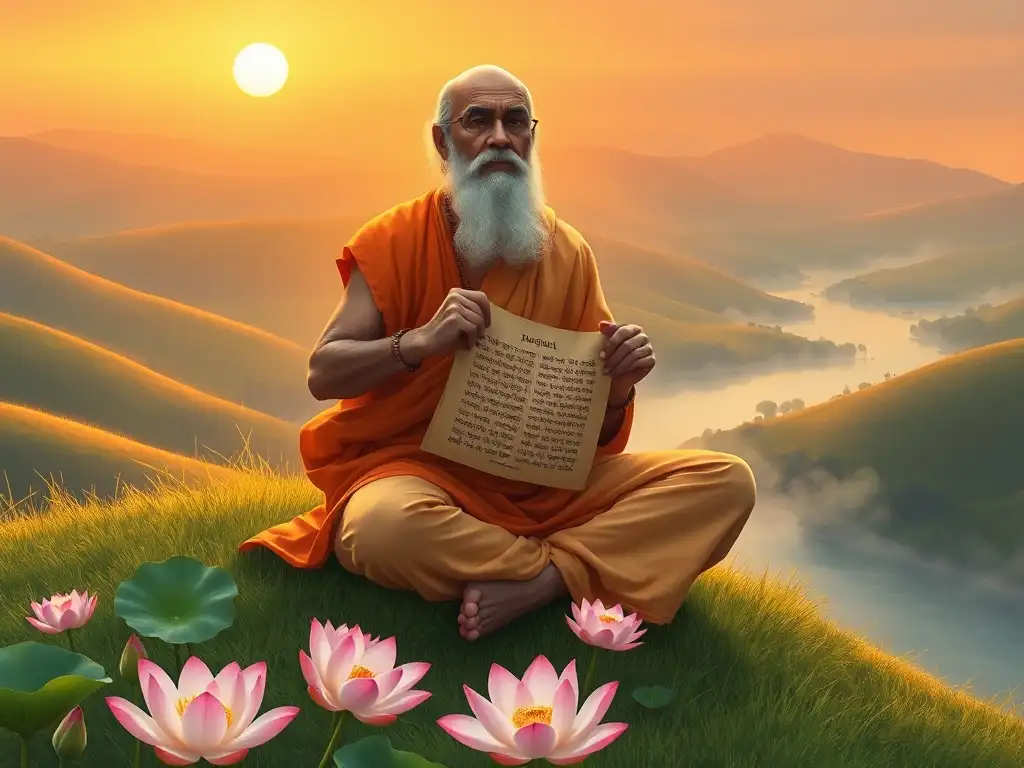
The Upanishads represent a unique and profound body of work within ancient Indian philosophy, distinguishing themselves from other ancient texts through their focus on spiritual knowledge and the nature of the self. This comparative analysis highlights the distinct characteristics of Upanishadic literature in relation to other significant ancient Indian writings, as well as their lasting impact on later literary works.
The Upanishads vs. Other Ancient Indian Texts
While the Vedas serve primarily as ritualistic and liturgical texts, the Upanishads shift the focus towards mystical and philosophical inquiries. This transition marks a significant evolution in ancient Indian thought. Unlike the epic narratives found in texts such as the Mahabharata and Ramayana, which emphasize moral and heroic tales, the Upanishads delve into abstract concepts of Brahman (ultimate reality) and Atman (the individual self).
The Upanishads are characterized by their dialogical format, often presenting philosophical discussions between gurus and their disciples. This contrasts with the more prescriptive nature of texts like the Dharma Shastras, which outline social and moral duties. The Upanishads encourage introspection and personal exploration, inviting readers to question their existence and the universe rather than merely adhering to prescribed societal roles.
Influence of the Upanishads on Later Indian Literature
The philosophical depth of the Upanishads laid the groundwork for subsequent Indian literary and spiritual movements. Their ideas permeated later texts, influencing schools of thought such as Vedanta and the Bhakti movement. Prominent poets and philosophers such as Adi Shankaracharya drew inspiration from the Upanishadic themes of non-duality and the oneness of existence.
Moreover, the Upanishadic emphasis on inner experience and self-realization resonated in later devotional literature, encouraging personal connections with the divine. Works like the Bhagavad Gita, which melds philosophical discourse with narrative, reflect the profound impact of Upanishadic thought, showcasing its enduring relevance in the development of Indian philosophy and spirituality.
The Relevance of Upanishadic Wisdom in Modern Times
The teachings of the Upanishads continue to inspire and guide individuals in the contemporary world, offering timeless wisdom that transcends cultural and temporal boundaries. Their insights into the nature of reality, consciousness, and the self hold significant relevance in today's fast-paced and often materialistic society.
Applications of Upanishadic Philosophy in Contemporary Life
In modern life, the Upanishads encourage a holistic approach to existence, promoting mindfulness, self-reflection, and the pursuit of inner peace. Concepts such as "Tat Tvam Asi" (That Thou Art) inspire individuals to recognize the interconnectedness of all beings, fostering a sense of unity and compassion.
Practical applications of Upanishadic philosophy can be found in various fields, including psychology, where the emphasis on self-awareness aligns with modern therapeutic practices. Meditation techniques rooted in Upanishadic traditions have gained popularity as tools for stress relief and personal growth, highlighting the texts' relevance in addressing contemporary challenges.
The Upanishads in Global Philosophical Discourse
The philosophical insights of the Upanishads have transcended geographical boundaries, influencing thinkers and scholars worldwide. Their exploration of existential questions and metaphysical themes resonates with global philosophical traditions, contributing to dialogues on consciousness, reality, and ethics.
Philosophers such as Aldous Huxley and Carl Jung have acknowledged the Upanishads' contributions to understanding the human psyche and spirituality. In academic circles, the Upanishads are studied alongside Western philosophical texts, fostering cross-cultural exchanges that enrich global philosophical discourse. Their enduring wisdom continues to be a source of inspiration, inviting individuals to explore profound questions about existence and the nature of reality.
Conclusion: The Enduring Legacy of the Upanishads
The Upanishads stand as monumental texts within the vast landscape of ancient Indian philosophy, offering profound insights into the nature of reality, the self, and the universe. Their teachings transcend time and cultural boundaries, continuing to resonate with scholars, philosophers, and spiritual seekers around the globe. The intricate weave of prose and poetry found in these texts not only serves as a philosophical discourse but also as a meditative guide for personal introspection and spiritual growth. The Upanishads invite readers to explore the essence of existence, emphasizing the interconnectedness of all living beings and the pursuit of ultimate truth.
The legacy of the Upanishads is evident in their influence on later philosophical developments, including Vedanta and various schools of Indian thought. Their core principles of unity, knowledge, and liberation have inspired countless interpretations and adaptations throughout history, underscoring their relevance in contemporary discussions of spirituality and ethics. As we reflect on the enduring wisdom encapsulated in the Upanishads, we recognize their role as a bridge connecting ancient traditions with modern inquiries into consciousness and existence.
Summary of Key Insights from Upanishadic Prose and Poetry
The Upanishads encapsulate a multitude of insights that form the foundation of ancient Indian philosophy. Here are some key themes and concepts:
- Atman and Brahman: The Upanishads articulate the profound relationship between Atman (the individual self) and Brahman (the ultimate reality). This non-dualistic perspective emphasizes that realizing the unity of Atman and Brahman is central to spiritual liberation.
- Meditative Practices: The texts encourage various meditative practices aimed at self-realization. Through contemplation and introspection, individuals are urged to seek deeper understanding and connection with the divine.
- Ethical Living: Ethical principles, such as truthfulness, non-violence, and compassion, are highlighted as essential for personal and societal harmony. The Upanishads advocate for a life aligned with dharma (righteousness), emphasizing moral conduct as a pathway to spiritual growth.
- The Nature of Reality: The exploration of reality in the Upanishads challenges conventional perceptions, presenting a complex view that integrates both the material and the spiritual. This duality invites readers to question their assumptions about existence.
- The Role of Knowledge: Knowledge, particularly self-knowledge, is portrayed as a liberating force. The Upanishads stress that true wisdom arises from understanding one's own nature and the nature of the cosmos, leading to liberation from the cycles of birth and death.
These insights not only encapsulate the essence of Upanishadic thought but also provide a timeless framework for understanding human existence and the pursuit of truth.
The Future of Upanishadic Studies in Ancient Indian Philosophy
As we look to the future, the study of the Upanishads is poised for renewed exploration and interpretation. Scholars and spiritual practitioners alike are increasingly recognizing the relevance of Upanishadic philosophy in addressing contemporary issues.
- Interdisciplinary Approaches: Future studies will likely integrate insights from various disciplines such as psychology, cognitive science, and comparative religion. This interdisciplinary approach can enrich our understanding of the Upanishads and their implications for modern life.
- Global Influence: The global interest in mindfulness, meditation, and Eastern philosophies has led to a resurgence in the study of the Upanishads. As these texts gain traction in Western philosophical and spiritual circles, they may inspire new interpretations that resonate with diverse audiences.
- Technological Advancements: Digital humanities and technological advancements in communication can facilitate broader access to Upanishadic texts and related scholarship. Online platforms and resources may foster collaborative research and dialogue, bridging gaps between scholars and practitioners worldwide.
- Cultural Relevance: The Upanishads offer profound insights into ecological sustainability, social justice, and ethical living. As societies grapple with these pressing issues, the ancient wisdom of the Upanishads may provide valuable perspectives that guide future generations in their quest for a harmonious existence.
The future of Upanishadic studies within the context of ancient Indian philosophy promises to be vibrant and transformative, as these timeless texts continue to inspire and challenge our understanding of self, reality, and the universe.
- Introduction to the Upanishads and Ancient Indian Philosophy
- Historical Context of the Upanishads
- Literary Structure of the Upanishads
- Themes Explored in the Upanishads
- Comparative Analysis of Upanishadic Literature
- The Relevance of Upanishadic Wisdom in Modern Times
- Conclusion: The Enduring Legacy of the Upanishads
Frequently Asked Questions
What are the Upanishads?
The Upanishads are a collection of ancient texts that form the philosophical basis of Hinduism, exploring concepts such as Brahman (the ultimate reality) and Atman (the self).
How do the Upanishads relate to ancient Indian philosophy?
The Upanishads are pivotal in shaping ancient Indian philosophy, providing insights into metaphysics, ethics, and the nature of existence, influencing various schools of thought.
What themes are explored in the Upanishads?
Key themes in the Upanishads include self-realization, the relationship between individual and universal consciousness, and the pursuit of spiritual knowledge.
How did the Upanishads influence later Indian thought?
The Upanishads laid the groundwork for later philosophical developments in Buddhism and Jainism, emphasizing introspection and the quest for enlightenment.
Are the Upanishads still relevant today?
Yes, the wisdom of the Upanishads continues to resonate, offering valuable perspectives on spirituality, meditation, and the search for meaning in modern life.
Final Reflection: Embracing the Timeless Wisdom of the Upanishads
The exploration of the Upanishads as a cornerstone of ancient Indian philosophy reveals their profound relevance in today's fast-paced world. As we navigate the complexities of modern life, the teachings of the Upanishads offer a sanctuary of wisdom, urging us to seek inner peace and understanding amidst chaos. Their timeless messages resonate with our contemporary struggles, reminding us that the quest for knowledge and self-realization is as pertinent now as it was thousands of years ago.
The influence of the Upanishads extends far beyond their historical context; they continue to shape cultural and social landscapes across the globe. In my own journey of understanding, I have found that the principles embedded in these texts encourage a deeper connection with both self and society. Their teachings inspire us to reflect on our existence and the interconnectedness of all beings. The Upanishads teach us that the ultimate goal of life is to realize our oneness with the universe.
This profound insight not only enriches individual lives but also fosters a sense of community and shared purpose in an increasingly fragmented world.
As we conclude this exploration, I invite you to reflect on the teachings of the Upanishads and consider how they can be integrated into your own life. Take a moment to ponder the wisdom they impart and how it can guide you in your personal journey towards self-discovery and fulfillment. Let the ancient philosophy of the Upanishads inspire you to cultivate mindfulness, compassion, and a deeper understanding of your place in the cosmos. Embrace this timeless wisdom and allow it to illuminate your path forward.
Unleash the Wisdom of the Upanishads Today!
Thank you for delving into the profound insights of the Upanishads with us! Your exploration of their timeless prose and poetry has undoubtedly expanded your understanding of ancient spiritual wisdom. Now it's time to take that knowledge and put it into action!
Here are some empowering steps you can take to further your journey:
- Immerse Yourself in Reading: Choose a specific Upanishad that resonates with you and dedicate time this week to reflect on its teachings. Allow its wisdom to inspire your daily life.
- Share Your Insights: Engage with friends or social media about your discoveries. Share a quote that resonated with you and discuss its significance with others.
- Join a Study Group: Look for or create a local book club or online forum focused on the Upanishads. Connect with like-minded individuals eager to explore these ancient texts together.
Are you ready to embrace the transformative power of the Upanishads in your life? What insights from these texts do you believe could positively impact our world today?