
From Myth to Reality: The Lives of Powerful Women in Ancient India

Welcome to Ancient India History, where we embark on a captivating journey through the rich tapestry of India's past. Have you ever wondered about the extraordinary women who shaped ancient civilizations? In our featured article, "From Myth to Reality: The Lives of Powerful Women in Ancient India," we delve into the remarkable stories of influential women who broke barriers and left an indelible mark on history.
Join us as we uncover their contributions and delve into a narrative that intertwines myth with the undeniable strength of women in ancient Indian society. Prepare to be inspired and intrigued as you explore the legacies that continue to resonate today!
- Introduction to Powerful Women in Ancient India
- Historical Context of Women in Ancient India
- Myths Surrounding Women in Ancient India
- Influential Women in Ancient India
- The Legacy of Powerful Women in Ancient India
- Conclusion: Reevaluating Women's Roles in Ancient India
- Additional Resources
-
Frequently Asked Questions
- What roles did powerful women play in ancient Indian society?
- How did mythology portray women in ancient India?
- Were there any notable historical figures among powerful women in ancient India?
- What contributions did women make to art and literature in ancient India?
- How did the status of women change from ancient times to the medieval period in India?
- Final Reflection: Celebrating the Legacy of Powerful Women in Ancient India
- Unleash the Power of Ancient Wisdom!
Introduction to Powerful Women in Ancient India
The history of ancient India is replete with tales of valor, wisdom, and resilience, particularly when it comes to the lives of women who wielded power and influence. From mythological figures to historical leaders, powerful women in ancient India challenged societal norms and made significant contributions to their civilizations. This article embarks on a journey to explore these remarkable women, examining their roles, achievements, and the impact they had on their societies.
By delving into their stories, we not only uncover the richness of ancient Indian culture but also highlight the often-overlooked narratives that shaped the course of history. As we navigate through the diverse landscapes of ancient India, it becomes clear that the lives of these women were far more than mere footnotes; they were pivotal in defining the cultural and political fabric of their times.
Defining the Concept of Powerful Women
The term "powerful women" encompasses a wide array of individuals who exercised authority and influence in various spheres, including politics, religion, literature, and social reform. In ancient India, powerful women often emerged as:
- Queens and Rulers: Many women held political power through dynastic rule, such as Rani Durgavati of Gondwana and Razia Sultana of the Delhi Sultanate.
- Philosophers and Scholars: Women like Gargi and Maitreyi challenged intellectual boundaries and contributed to philosophical debates and Vedic literature.
- Warriors: Figures such as Chand Bibi exemplified courage and leadership in battle, defending their kingdoms against invasions.
- Cultural Icons: Through their patronage of arts and literature, women like the poetess Mirabai played a crucial role in shaping cultural narratives.
By understanding these roles, we can appreciate the multifaceted nature of women's power in ancient Indian society and how these figures influenced both their contemporaries and future generations.
Importance of Studying Women's Lives in Ancient Civilizations
Studying the lives of powerful women in ancient civilizations, particularly in India, is essential for several reasons:
- Historical Accuracy: Recognizing women's contributions helps provide a more balanced and complete view of history, countering narratives that often overlook their roles.
- Cultural Insights: Women played a vital role in shaping cultural practices, traditions, and values. Understanding their influence allows us to grasp the complexities of ancient Indian society.
- Inspiration: The stories of these women serve as powerful examples of resilience and strength, inspiring current and future generations to challenge norms and aspire for leadership.
- Social Change: By examining historical figures, we can identify patterns of gender dynamics and societal changes, facilitating discussions on women's rights and empowerment today.
As we delve deeper into the lives of these influential women, we uncover lessons that resonate through time, illuminating the integral role they played in the fabric of ancient Indian civilization.
Historical Context of Women in Ancient India
The Socio-Political Landscape of Ancient India
The status of women in ancient India was shaped significantly by the socio-political landscape of the time. The diverse regions and cultures within the subcontinent contributed to varying roles and perceptions of women. Ancient Indian society was predominantly patriarchal, yet there were notable exceptions where women rose to prominence.
- Indus Valley Civilization: Early evidence from the Indus Valley (circa 3300–1300 BCE) suggests that women might have held a more egalitarian role. Archaeological findings indicate the presence of female figurines, which some scholars interpret as deities or representations of fertility, hinting at the reverence afforded to women.
- Vedic Period: The arrival of the Vedic culture (circa 1500 BCE) marked a shift in societal norms. Texts like the Rigveda include hymns composed by women, such as those attributed to the sage Gargi. This era saw women like Maitreyi and Gargi engaging in philosophical debates, indicating their intellectual participation in society.
- Mauryan Empire: The Mauryan period (circa 322–185 BCE) witnessed the emergence of influential women in political spheres. Figures like Chanakya's mother, who wielded substantial influence over her son, and Empress Durdhara, the wife of Chandragupta Maurya, played crucial roles in governance and diplomacy.
- Gupta Empire: The Gupta period (circa 320–550 CE) is often referred to as a golden age for arts and literature, with women like Vasavadatta and Vijayalakshmi emerging in historical texts. These women are celebrated for their contributions to culture, arts, and education.
The Role of Women in Different Periods: Vedic, Mauryan, and Gupta Eras
The evolution of women's roles can be categorized into three significant periods: the Vedic, Mauryan, and Gupta eras, each showcasing distinct societal norms and opportunities.
Vedic Era
During the Vedic period, women enjoyed relatively high status and were allowed to participate in religious rituals, education, and even inheritance. Key contributions included:
- Scholarship: Women like Gargi Vachaknavi and Maitreyi are noted for their intellectual prowess. They were scholars who engaged in philosophical discourse, challenging the male-dominated narratives of their time.
- Religious Participation: Women were actively involved in rituals and sacrifices, with some texts suggesting they could even perform Yajnas (sacrificial rites).
- Marriage and Family: While arranged marriages were common, women had the right to choose their partners, showcasing a degree of autonomy in personal matters.
Mauryan Era
The Mauryan Empire marked a transition where women's roles began to intertwine with political power:
- Political Influence: Women such as Queen Chandragupta and Kautilya's mother played pivotal roles in state affairs. Their influence extended beyond the household, impacting governance and policy.
- Cultural Contributions: The period saw the flourishing of arts, with women often depicted as patrons of literature and theater. The inscriptions from this time celebrate women’s beauty, intellect, and strength.
- Legal Rights: Though the patriarchal structure tightened, women retained some legal rights, such as property ownership and inheritance.
Gupta Era
The Gupta period represents a confluence of cultural and intellectual advancement, and women played a vital role:
- Art and Literature: Women like the poet Vijayalakshmi contributed to the rich tapestry of Gupta literature, with poems and plays that celebrated their experiences and societal roles.
- Education: The establishment of educational institutions led to an increase in literacy rates among women, enabling them to become scholars and educators in their own right.
- Religious Authority: Women gained prominence in religious life, often serving as temple priestesses and custodians of spiritual traditions.
The historical context of women in ancient India reveals a complex interplay of power, culture, and societal norms. Powerful women in ancient India not only navigated the challenges of their time but also made significant contributions that shaped the civilization's trajectory. Their stories serve as a testament to resilience and influence in a predominantly male-centric society.
Myths Surrounding Women in Ancient India
The historical narrative of women in ancient India is often clouded by myths that perpetuate stereotypes and overlook the significant contributions made by women throughout various periods. These myths not only misrepresent the realities of women’s lives but also shape contemporary perceptions about their roles in society. Understanding these myths is crucial for gaining a more nuanced perspective on the actual status and influence of powerful women in ancient India.
Common Myths About Women’s Roles
-
Women Were Exclusively Subservient
A prevalent myth is that women in ancient India were strictly confined to domestic roles and entirely subservient to men. This perception often overlooks the fact that many women held substantial power and agency within their families and communities.
-
Education Was Denied to Women
Another common belief suggests that women had no access to education. However, historical texts and records indicate that some women were educated, particularly in royal and elite families, and even engaged in scholarly pursuits.
-
Women Were Not Involved in Governance
It's often assumed that women were entirely excluded from political life. Yet, historical examples show that women like Razia Sultana ruled as queens and were involved in governance, challenging the notion of their political invisibility.
-
Marriage Was the Only Path for Women
The stereotype that marriage was the sole purpose of women’s lives fails to recognize the existence of women who remained unmarried and led independent lives, contributing significantly to society.
-
Women Were Always Oppressed
While patriarchy was prevalent, many instances illustrate that women had rights and privileges, including property ownership, which contradicts the narrative of universal oppression.
The Reality Behind the Myths: A Closer Look
The realities of women’s lives in ancient India are far more complex than these myths suggest.
-
Powerful Matriarchs and Leaders
Historical records highlight figures such as Rani Durgavati, a warrior queen known for her resistance against Mughal invasions, and Chand Bibi, who took charge of the Ahmednagar kingdom. Their stories exemplify the leadership roles women occupied, often leading armies and making critical decisions in times of conflict.
-
Education and Scholarship
The Vedic texts contain references to women scholars like Gargi Vachaknavi and Maitreyi, who participated in philosophical debates and were respected for their intellect. This challenges the notion that women lacked access to education or intellectual pursuits.
-
Legal Rights and Property Ownership
In ancient texts, women were granted rights to inherit property and manage their own assets. The Manusmriti, for instance, outlines laws that allowed women to own and inherit property, indicating a degree of independence that contradicts the myth of universal subjugation.
-
Cultural and Spiritual Influence
Women played vital roles in religious and cultural practices. Goddesses like Durga and Saraswati were revered, reflecting the cultural significance attributed to female deities. Furthermore, women often served as priestesses and had crucial roles in rituals, highlighting their importance in spiritual life.
-
Varied Experiences Across Regions
It is essential to recognize that women's experiences varied widely across different regions and periods in ancient India. While some areas may have been more patriarchal, others allowed women significant agency and influence.
The exploration of powerful women in ancient India reveals a rich tapestry of lives that defy simplistic narratives. By examining the myths and the realities behind them, we can appreciate the diverse roles women played in shaping ancient Indian civilization. Understanding this complexity not only honors their contributions but also enriches our comprehension of India's historical landscape.
Influential Women in Ancient India
Legendary Figures and Their Contributions
Throughout the vast tapestry of ancient Indian history, powerful women have emerged as pivotal figures, shaping societal norms and contributing to various domains. These women, often enshrined in myth and legend, display a blend of strength, intelligence, and resilience, embodying the complexities of their time.
One of the most renowned figures is Goddess Durga, celebrated for her fierce independence and martial prowess. As a symbol of protection and victory over evil, she represents the divine power of femininity and has inspired countless generations. Her narratives, found in texts like the Devi Mahatmya, highlight not only her strength but also the revered status of women in spiritual and societal contexts.
Another significant figure is Rani Durgavati, the courageous queen of Gondwana, who fought valiantly against the Mughal Empire. Her reign (16th century) exemplifies the leadership qualities and martial spirit that women could embody. The tales of her bravery and dedication to her kingdom have become a source of inspiration, showcasing how women actively participated in governance and warfare.
Examples of Powerful Women:
- Goddess Durga: A symbol of strength and victory, embodying the protective nature of feminine power.
- Rani Durgavati: A warrior queen known for her resistance against Mughal forces, representing the spirit of leadership in women.
- Rani Padmini: The legendary queen of Chittorgarh, renowned for her beauty and valor, who chose self-immolation over capture.
- Vashti: The queen mentioned in the Book of Esther, who defied her husband's orders, illustrating the empowerment of women in ancient narratives.
Contributions to Society: Politics, Religion, and Culture
Women in ancient India contributed significantly to various sectors, including politics, religion, and culture, often acting as powerful influencers in their own right.
In the realm of politics, women were not merely passive figures but active participants. For instance, queens often played crucial roles in diplomacy and governance, managing state affairs and influencing decisions. The Rajput queens were known for their political acumen, often acting as regents or advisors in the absence of male rulers.
Religiously, women were central to rituals and practices, often acting as priestesses and leaders in spiritual ceremonies. The Sati tradition, though controversial, highlights how women were seen as pivotal in maintaining cultural and religious practices, often embodying ideals of sacrifice and devotion.
Culturally, women's contributions to the arts and literature were profound. They were not only muses but also creators, contributing to the rich tapestry of Indian folklore and classical music. The depictions of women in ancient poetry often celebrated their virtues, intellect, and strength, reflecting their societal roles.
Women in Literature and Arts
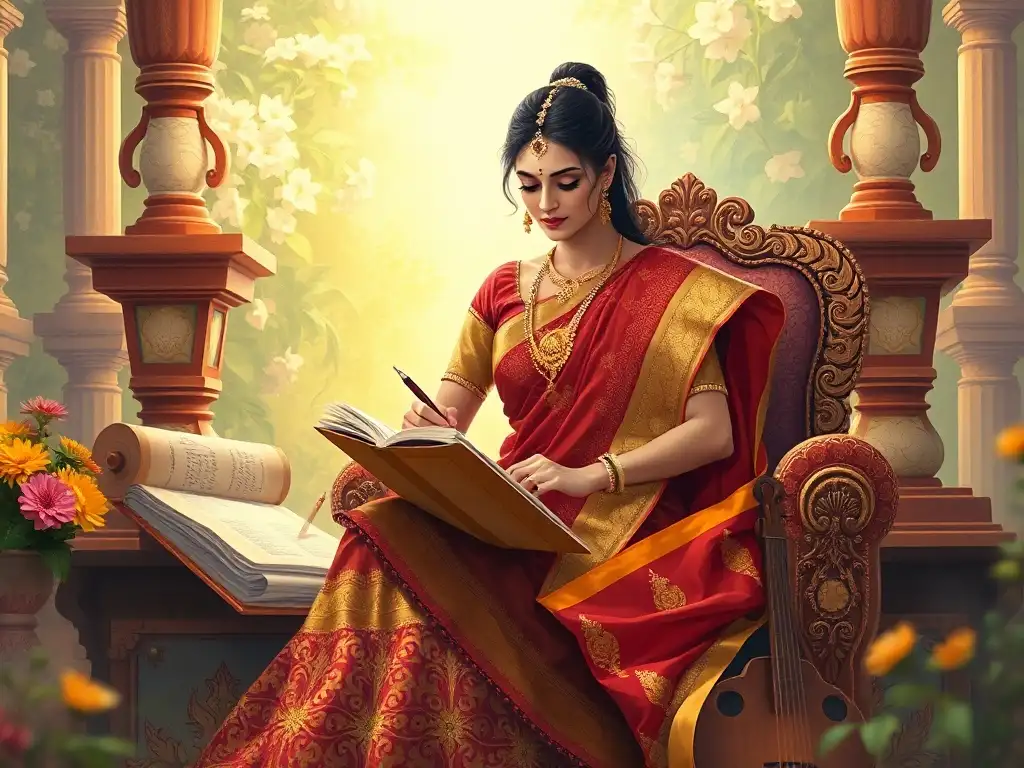
Ancient Indian texts and literature provide a wealth of insights into the lives of powerful women. From the Mahabharata to the Ramayana, these narratives often showcase women who defy traditional roles and assert their agency.
For example, Draupadi, a pivotal character in the Mahabharata, is depicted as a strong-willed woman who challenges patriarchal norms. Her famous objection during the dice game illustrates her refusal to be subjugated, making her a symbol of resilience and justice.
In contrast, Sita, the heroine of the Ramayana, embodies the ideals of virtue and loyalty, yet her journey also reflects the struggles women faced in a patriarchal society. Her trials in the forest and her eventual return to reclaim her dignity resonate with themes of empowerment and endurance.
Influence on Art and Literature of the Time
The portrayal of powerful women in ancient literature influenced various art forms, including sculpture, painting, and dance. The rich iconography seen in temple art often features female figures depicting strength and divinity. For instance, sculptures of Mahalakshmi and Saraswati reflect the reverence for feminine power in both spiritual and cultural contexts.
Moreover, the narratives of these women inspired classical dance forms like Bharatanatyam and Kathak, where their stories are told through expressive movements, highlighting the duality of strength and grace. These artistic representations not only reflect the societal values of the time but also serve as a testament to the enduring legacy of powerful women in ancient India.
The lives of powerful women in ancient India are celebrated not only through historical accounts but also through literature and art, emphasizing their integral roles in shaping the cultural and societal landscape of their times. These women continue to inspire modern discussions about gender, power, and identity, making their stories timeless and relevant.
The Legacy of Powerful Women in Ancient India
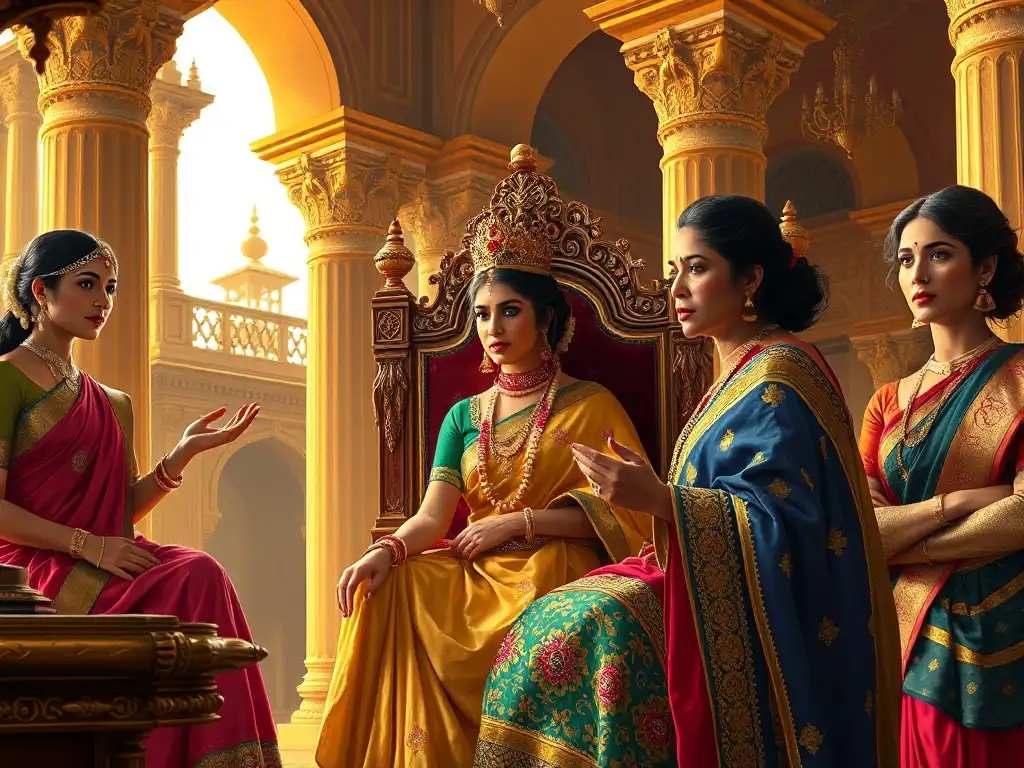
The legacy of powerful women in ancient India is a profound tapestry woven from the threads of history, culture, and societal norms. These women not only played pivotal roles within their own time but also left indelible marks that continue to resonate throughout generations. Their lives challenge contemporary perceptions of gender roles and showcase the diverse avenues through which women influenced various aspects of society.
Lasting Impact on Future Generations
The stories of powerful women in ancient India, such as Rani Durgavati, Rani Lakshmibai, and Vasavi, transcend their immediate contexts, serving as inspirational figures for future generations. Their courage, intellect, and leadership have been immortalized in folklore, literature, and art, inspiring countless women to pursue their ambitions and assert their rights.
- Cultural Representation:
- Many ancient texts and narratives highlight the achievements of these women, embedding their stories into the cultural consciousness of India. For instance, the Mahabharata features Draupadi, a character who embodies resilience and strength, influencing how women perceive their roles in society.
- Educational Influence:
- The ancient education systems, which included the Gurukula system, often recognized the potential of women as scholars and thinkers. Figures like Gargi and Maitreyi engaged in philosophical discourses, showcasing that intellectual pursuit was not solely a male domain. Their contributions have encouraged educational reforms over centuries, promoting women's education as a fundamental right.
- Socio-Political Activism:
- Women like Queen Chand Bibi of Bijapur and Rani Durgavati actively participated in governance and warfare, setting precedents for female leadership. Their legacies have influenced modern movements for women's political representation, underscoring the importance of women's voices in governance.
Through these channels, the legacy of powerful women in ancient India serves not only as a reminder of their contributions but also as a catalyst for change in societal norms regarding gender, empowering future generations to aspire to leadership and independence.
The Influence of Ancient Women on Modern Feminism in India
The impact of powerful women in ancient India extends into the realm of modern feminism, where their stories have been reinterpreted and celebrated as symbols of resistance and empowerment. The feminist movements in India draw inspiration from the past, challenging patriarchal norms and advocating for gender equality.
- Symbolic Figures in Feminism:
- Women like Rani Lakshmibai, who fought valiantly against colonial oppression, are revered as symbols of strength and defiance in modern feminist rhetoric. She represents not only a historical figure but a rallying point for women who strive for autonomy and justice in contemporary society.
- Revisiting Historical Narratives:
- Modern scholars and feminists are actively revisiting historical narratives to highlight the roles of women in ancient Indian society, which were often marginalized. By reclaiming these stories, they challenge the traditional patriarchal narratives and emphasize the agency of women throughout history.
- Cultural Reawakening:
- The resurgence of interest in ancient texts and the reinterpretation of female characters within them have sparked a movement toward acknowledging women's contributions to Indian culture and society. This cultural reawakening has fostered a sense of pride and identity among women, encouraging them to embrace their historical roots as a source of strength.
The influence of powerful women in ancient India on modern feminism is profound and multifaceted. Their legacies continue to shape the discourse around women's rights and empowerment, ensuring that the past is not forgotten but serves as a foundation for ongoing struggles for equality and justice in India.
Conclusion: Reevaluating Women's Roles in Ancient India
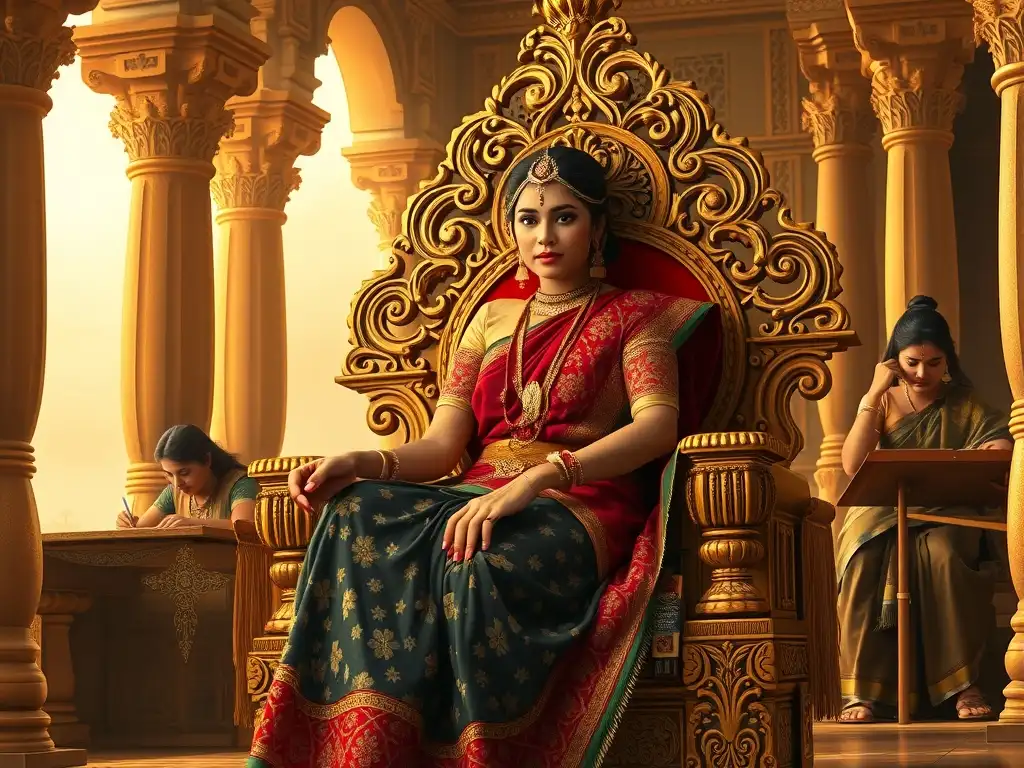
Throughout history, the roles of women have often been overshadowed by prevailing narratives that prioritize male achievements. However, by examining the lives of powerful women in ancient India, it becomes evident that women played significant and multifaceted roles in shaping society, politics, culture, and spirituality. This reevaluation not only enriches our understanding of ancient Indian civilization but also challenges contemporary perceptions about gender roles throughout history.
The Shift from Myth to Reality
The transition from myth to reality concerning powerful women in ancient India is marked by the recognition of both historical and legendary figures. While many stories from ancient texts may be steeped in mythology, they often reflect the real-life influences and contributions of women. For instance, figures such as Rani Durgavati, a warrior queen, and Rani Padmini, celebrated for her beauty and valor, embody the qualities of leadership and courage that were indeed present in historical contexts.
- Historical Evidence: Archaeological findings, inscriptions, and texts indicate the presence of women in positions of authority. For example, the Mauryan Empire saw queens like Vajrayogini, who wielded significant political influence.
- Cultural Representation: Ancient Indian literature often elevates female figures, portraying them as formidable leaders and wise advisors. Texts like the Mahabharata and Ramayana feature strong female characters, reflecting their critical roles in society.
This shift in perspective encourages a deeper investigation into how these powerful women were perceived during their time and highlights the necessity of acknowledging their contributions as real and impactful, rather than relegating them to the realm of myth.
Recognizing the Contributions of Powerful Women in Ancient India
The contributions of powerful women in ancient India are vast and varied, encompassing realms such as governance, literature, and spirituality. Women like Sulabha, a philosopher in the Mahabharata, and Vasavadatta, a poetess, exemplify the intellectual prowess that existed alongside their political influence.
- Political Leadership:
- Queens and Rulers: Many queens ruled actively or acted as regents, influencing policies and making decisions that shaped their kingdoms. For instance, Rani Rudrama Devi of the Kakatiya dynasty is celebrated for her military and administrative acumen.
- Diplomatic Roles: Women often played critical roles in diplomacy, marrying into other royal families to secure alliances and peace.
- Cultural Contributions:
- Literature and Arts: Women contributed significantly to literature, with works attributed to female poets and playwrights enriching the cultural tapestry of ancient India. The Natyashastra, a classical treatise on performing arts, acknowledges the contributions of women in dance and drama.
- Religious Influence: Many women served as spiritual leaders and goddesses in various traditions, influencing religious practices and beliefs. Figures such as Goddess Durga and Sita are revered not just as deities but as embodiments of strength and resilience.
- Social Reforms:
- Women like Savitribai Phule laid the groundwork for educational reforms, emphasizing the importance of female education in ancient society, fostering a culture of learning that empowered future generations.
The reevaluation of women's roles in ancient India reveals a rich tapestry of powerful women who were instrumental in shaping their societies. Recognizing their contributions not only rectifies historical oversights but also provides a broader understanding of the dynamics of power and influence in ancient civilizations. As we continue to explore the legacies of these remarkable women, their stories serve as a source of inspiration and empowerment for generations to come.
Additional Resources
Recommended Books on Powerful Women in Ancient India
To deepen your understanding of the powerful women in ancient India, several insightful books offer rich narratives and analyses of their lives, contributions, and legacies. Here are some highly recommended titles:
-
"Women in Ancient India" by Kumkum Sangari
This book explores the multifaceted roles of women throughout ancient Indian history, examining their status, contributions, and cultural significance. The author provides a thorough analysis of various historical texts and archaeological findings.
-
"The Women Who Knew Too Much: The 'Real' History of the Ancient Women" by R. S. Sharma
Sharma delves into the lives of women who defied societal norms and made significant impacts, such as warriors, scholars, and political leaders. The book combines historical facts with engaging storytelling.
-
"Empress: The Astonishing Reign of Nur Jahan" by Ruby Lal
While focusing on one of the most powerful women in Indian history, this book offers insights into the Mughal Empire and the roles women played in governance and culture. Lal’s narrative brings to life Nur Jahan’s political acumen and influence.
-
"Women, Power, and Politics in 21st Century India" by Ranjana Kumari
Although this book primarily addresses contemporary issues, it provides a historical context that showcases the evolution of women's roles from ancient to modern times, highlighting the enduring legacy of powerful women.
Further Reading on Women’s Roles and Contributions in Ancient Civilizations
For those interested in broadening their perspective on women’s roles in ancient civilizations beyond India, the following resources offer comparative insights:
-
"Women in the Ancient World: The Arethusa Papers" edited by John Peradotto and J. P. Sullivan
This compilation features essays that explore women's status and contributions in various ancient cultures, including Greece, Rome, and Egypt, alongside India.
-
"The Invention of Women: Making an African Sense of Western Gender Discourses" by Oyèrónké Oyěwùmí
Although focused on African contexts, this book critiques Western gender discourses and invites readers to rethink the roles of women across different societies, including ancient India.
-
"The World's Women 2010: Trends and Statistics" by the United Nations
This report provides statistical insights into women's status globally, including historical perspectives that can help contextualize the roles of women in ancient civilizations.
-
"Women in the Classical World: Image and Text" by Lillian B. Lawler
This text examines representations of women in classical literature and art, facilitating discussions on the perceptions and realities of women in ancient societies.
By exploring these resources, readers can gain a comprehensive understanding of the powerful women in ancient India and their counterparts in other civilizations, enriching their knowledge of women's roles throughout history.
Frequently Asked Questions
What roles did powerful women play in ancient Indian society?
Powerful women in ancient India often held significant political, social, and economic roles, influencing decisions and shaping cultural norms within their communities.
How did mythology portray women in ancient India?
Mythology often depicted women as goddesses or muses, emphasizing their strength, wisdom, and nurturing qualities, which contributed to their revered status in society.
Were there any notable historical figures among powerful women in ancient India?
Yes, figures like Rani Durgavati and Rani Lakshmibai exemplified leadership and bravery, challenging societal norms and fighting for their kingdoms during tumultuous times.
What contributions did women make to art and literature in ancient India?
Women contributed richly to art and literature, often serving as patrons or creators of poetry, dance, and sculpture, thereby influencing the cultural landscape of their time.
How did the status of women change from ancient times to the medieval period in India?
The status of women saw a decline during the medieval period due to invasions and societal shifts, leading to more restrictive practices compared to their earlier empowered roles.
Final Reflection: Celebrating the Legacy of Powerful Women in Ancient India
The narratives of powerful women in ancient India resonate profoundly in today's society, reminding us that the strength and influence of women have always been integral to our history. As we navigate contemporary discussions around gender equality and empowerment, it is essential to recognize the remarkable figures of the past who paved the way for future generations. Their stories not only inspire us but also challenge the prevailing narratives that often overlook women's contributions to society.
The lives of these powerful women have left an indelible mark on the cultural and social landscape of India, shaping our understanding of leadership and resilience. From queens like Rani Durgavati to warriors like Rani Lakshmibai, their legacies continue to inspire movements for women's rights and empowerment today. As noted by historian Romila Thapar, The history of women in India is not merely a footnote; it is a vital part of our collective narrative.
This acknowledgment of women's roles in history encourages us to reevaluate our perspectives and embrace a more inclusive understanding of our past.
As we reflect on the lessons learned from these extraordinary women, let us commit to honoring their legacy by advocating for gender equality in our own lives. Consider how you can embody the spirit of these powerful figures—whether through leadership, advocacy, or simply by uplifting the voices of women around you. The journey toward equality is ongoing, and each of us has a role to play in ensuring that the stories of powerful women in ancient India continue to inspire and empower future generations.
Unleash the Power of Ancient Wisdom!
Thank you for taking the time to explore the fascinating lives of powerful women in ancient India. By delving into their stories, you’ve uncovered rich insights into **resilience**, **strength**, and the transformative roles they played throughout history. Now, it’s time to take that inspiration and create your own path forward!
Here are some actions you can take today:
- Embrace Your History: Research the life of an influential woman from ancient India who resonates with you. Compile her lessons and reflect on how they apply to your own journey.
- Share the Knowledge: Discuss what you've learned with friends or on social media—**initiate a conversation** about the significance of remarkable female figures in history.
- Join a Community: Engage with online forums or local groups focused on women’s history; share your insights and connect with others who are passionate about uncovering the past.
How has the legacy of these remarkable women inspired you to challenge modern norms surrounding gender roles?