
Women as Patrons of Art: The Cultural Contributions of Ancient Indian Queens

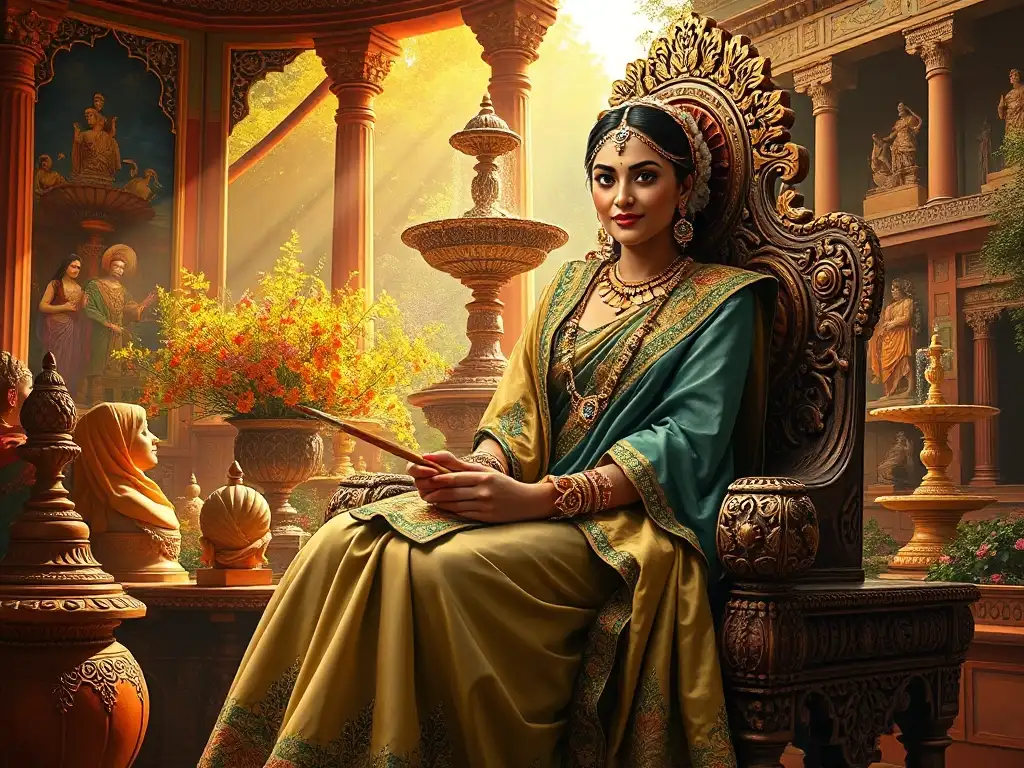
Welcome to Ancient India History, where we journey through the fascinating tapestry of a civilization that shaped the world. In this exploration, we shine a light on the remarkable contributions of ancient Indian queens, whose patronage of art and culture played a pivotal role in the flourishing of their societies. Prepare to be captivated by the untold stories of these powerful women who wielded influence and creativity, leaving indelible marks on history.
Join us as we delve into the legacy of these queens and uncover the profound impact they had on art and culture in ancient India. Your adventure into the past begins now!
- Introduction to Ancient Indian Queens Contributions
- The Legacy of Ancient Indian Queens as Patrons of Art
- Notable Ancient Indian Queens and Their Contributions
- The Impact of Female Patronage on Art Forms
- The Socio-Cultural Significance of Ancient Indian Queens' Contributions
- Conclusion: The Enduring Influence of Ancient Indian Queens
- Further Reading and Resources on Ancient Indian Queens Contributions
- Frequently Asked Questions
- Final Reflection: Celebrating the Legacy of Ancient Indian Queens
- Celebrate and Support Artistry Today!
Introduction to Ancient Indian Queens Contributions
The contributions of ancient Indian queens to art and culture are often overshadowed by their male counterparts, yet their influence was profound and far-reaching. Throughout history, these women played an integral role in shaping the cultural landscape of India, serving as patrons of art, literature, and architecture.
From the majestic palaces of the Indus Valley to the ornate temples of the Gupta Empire, the legacy of ancient Indian queens is evident in the artistic achievements that continue to inspire awe today. This article explores the significant contributions made by these royal women, highlighting their roles as influential figures in a male-dominated society and their impact on the cultural heritage of ancient India.
Overview of Women's Roles in Ancient India
In ancient India, women held a multifaceted position within society, influenced by the prevailing cultural, social, and economic conditions. Their roles varied significantly across different periods and regions, but they often encompassed responsibilities in family, governance, and cultural life.
-
Family and Domestic Sphere:
Women were primarily responsible for managing household affairs, raising children, and preserving family traditions. Their influence in the domestic sphere was crucial for maintaining social norms and values.
-
Religious and Spiritual Roles:
Many women participated in religious rituals and spiritual practices, often serving as priestesses or spiritual leaders within their communities. This involvement underscores their importance in sustaining the religious fabric of society.
-
Political Influence:
Some queens and noblewomen wielded considerable political power, acting as regents or advisors to kings. Their strategic marriages often formed alliances that strengthened political ties between kingdoms.
-
Cultural Contributions:
Women were not only patrons of the arts but also creators. They contributed to various forms of artistic expression, including sculpture, poetry, and dance, thereby enriching the cultural tapestry of ancient India.
Importance of Royal Patronage in Art
Royal patronage has always been a cornerstone of artistic development, and ancient Indian queens significantly contributed to this facet of culture. Their support enabled artists, craftsmen, and scholars to thrive, leading to remarkable advancements in various art forms.
-
Fostering Artistic Talent:
Queens often commissioned works of art, including sculptures, paintings, and architectural projects. This financial backing allowed artists to innovate and push the boundaries of their craft.
-
Cultural Exchange:
Through their patronage, queens facilitated cultural exchange between different regions and communities, fostering a rich tapestry of artistic styles and techniques. This exchange contributed to the diversification of art in ancient India.
-
Preservation of Heritage:
Many queens took on the responsibility of preserving cultural heritage through the commissioning of temples and monuments, which served not only as places of worship but also as repositories of artistic expression.
-
Legacy of Influence:
The impact of ancient Indian queens as patrons of art can still be seen today. The monuments and artworks they commissioned remain significant cultural symbols, reflecting their vision and commitment to the arts.
The contributions of ancient Indian queens to art and culture reveal the dynamic roles these women played in shaping their society. Their patronage not only fostered artistic innovation but also paved the way for future generations to appreciate and continue the rich cultural heritage of ancient India.
The Legacy of Ancient Indian Queens as Patrons of Art
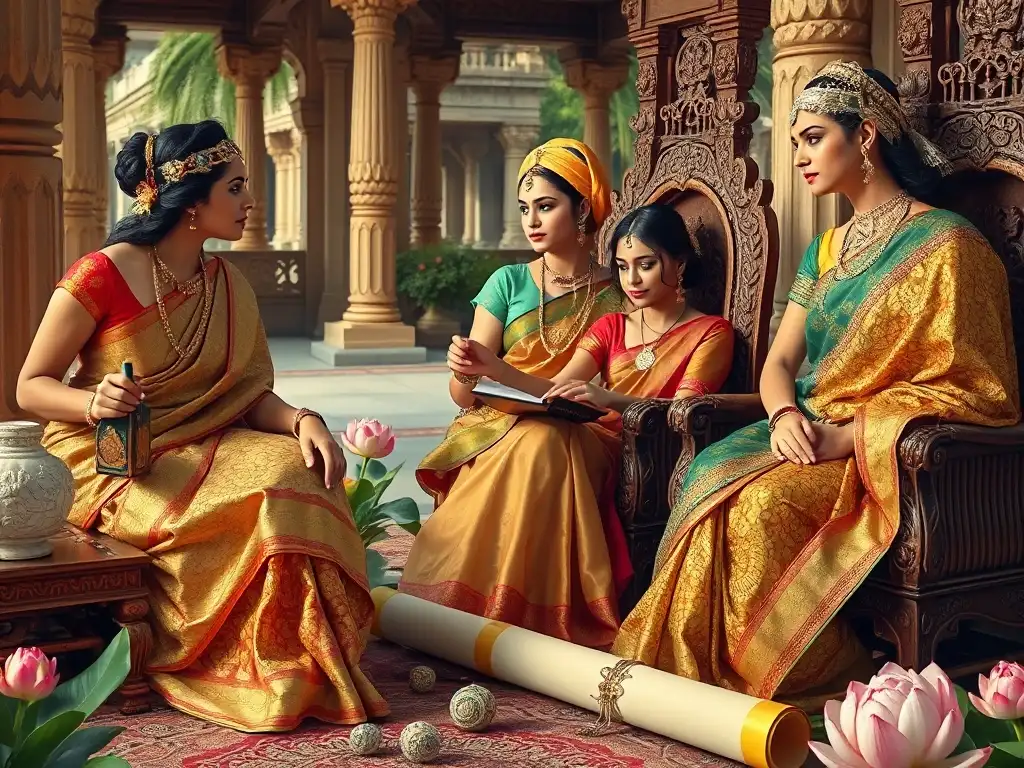
The legacy of ancient Indian queens as patrons of art is a remarkable testament to their influence and commitment to cultural development. These women not only played crucial roles in their kingdoms but also significantly shaped the artistic landscape of ancient India. By commissioning various art forms, including sculpture, painting, and architecture, they contributed to the cultural heritage that continues to inspire generations.
Defining the Role of Queens in Cultural Patronage
Ancient Indian queens served as vital patrons of the arts, often acting as the primary sponsors for artistic projects in their realms. Their involvement in cultural patronage can be defined through several key dimensions:
- Political Influence: Many queens wielded considerable political power and used their influence to promote the arts. For example, the Gupta queen, Prabhavati, was instrumental in supporting artists and craftsmen, thereby fostering a rich artistic environment during the Gupta Empire.
- Religious Engagement: Queens often commissioned artworks for religious purposes, enhancing their status and devotion. The sculptures and frescoes in caves like Ajanta and Ellora, attributed to various queens, reflect their dedication to spiritual and cultural expression.
- Cultural Exchange: As queens married into different dynasties, they facilitated cultural exchanges that enriched local art forms. These interactions led to a fusion of artistic styles and techniques, expanding the aesthetic vocabulary of ancient Indian art.
- Patronage of Women Artists: Many queens supported female artists, recognizing their contributions to the cultural tapestry of the time. This patronage allowed women to thrive in creative spaces, which was a progressive step for that era.
The impact of these roles is evident in the survival of numerous artistic treasures that continue to be celebrated today.
Historical Context of Art and Culture in Ancient India
To fully appreciate the contributions of ancient Indian queens, it is essential to understand the historical context of art and culture in ancient India:
- Diverse Artistic Traditions: Ancient India was home to a plethora of artistic traditions influenced by various regions and dynasties. From the intricate terracotta figurines of the Indus Valley Civilization to the ornate temples of Khajuraho, the diversity of art forms was vast.
- Royal Patronage: Art in ancient India was predominantly sponsored by royalty. The patronage of queens played a crucial role in the proliferation of various art forms, as they often funded large projects, including temples and public works. This royal support was vital for artists, allowing them to create and innovate.
- Cultural Flourishing During Dynasties: The Maurya, Gupta, and Chola dynasties were periods of significant artistic flourishing. During these times, queens often took center stage as patrons, commissioning grand works that reflected both their power and devotion.
- Symbolism and Themes: The art produced during these times often carried deep symbolism, reflecting the social, religious, and political values of the era. The artworks not only served aesthetic purposes but also conveyed messages about power, devotion, and the status of women.
The contributions of ancient Indian queens as patrons of art are crucial for understanding the rich cultural heritage of India. Their role in promoting the arts not only highlights their influence in their respective societies but also underscores the importance of women's contributions to the cultural legacy of ancient India.
Notable Ancient Indian Queens and Their Contributions
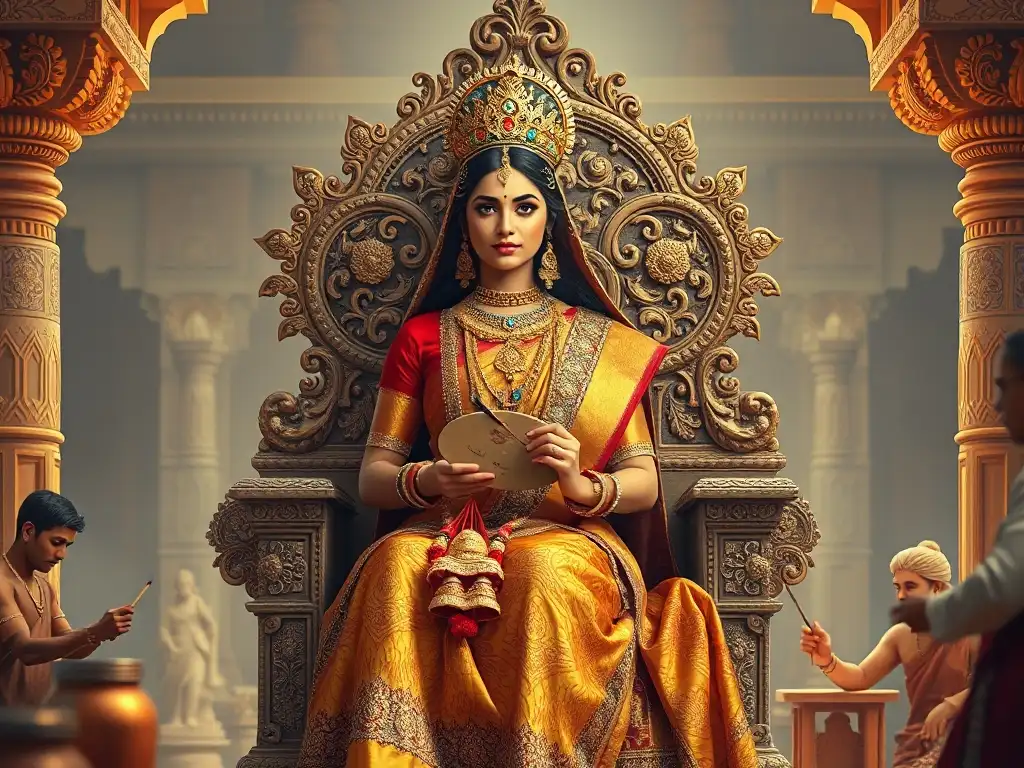
Ancient Indian queens played a pivotal role in the cultural and artistic landscape of their times, transcending traditional gender roles to become influential patrons of art and culture. Their contributions not only enriched the artistic heritage of India but also shaped the socio-political milieu of their respective eras. These queens championed various art forms, including architecture, sculpture, painting, and literature, leaving a lasting legacy that resonates through history.
From the valorous Rani Durgavati to the politically astute Raziyya Sultana, these queens were instrumental in fostering an environment conducive to artistic expression. Their support for artists and craftsmen enabled the flourishing of distinctive styles and traditions that continue to be celebrated today. This section delves into the contributions of notable ancient Indian queens and highlights their significant impact on the arts.
Rani Durgavati: The Warrior Queen and Her Artistic Influence
Rani Durgavati, the queen of Gondwana in the 16th century, is celebrated not only for her military prowess but also for her impactful contributions to the arts. As a robust patron of culture, she actively supported various artistic endeavors during her reign.
- Patronage of Temples: Durgavati commissioned the construction of numerous temples, which stand as a testament to her dedication to spiritual and artistic pursuits. The temples she built featured intricate carvings and sculptures that illustrated mythological narratives and local folklore.
- Promotion of Local Artisans: Rani Durgavati encouraged local artisans, providing them with the resources and platforms necessary to showcase their talents. This not only uplifted the local economy but also fostered a rich tradition of craftsmanship in her kingdom.
- Cultural Preservation: Her reign was marked by a commitment to preserving and promoting the local culture and traditions. Durgavati's support for dance and music flourished, paving the way for the development of classical art forms in her region.
Rani Durgavati's contributions were multifaceted, intertwining her role as a warrior queen with her influence on the arts and culture, which continues to inspire generations.
Raziyya Sultana: The First Female Sultan and Her Cultural Impact
Raziyya Sultana, the first female ruler of the Delhi Sultanate in the 13th century, stands out as a remarkable figure in history, not only for her governance but also for her contributions to cultural advancement.
- Cultural Syncretism: Raziyya's reign was characterized by a spirit of inclusivity and cultural synthesis. She patronized scholars, poets, and artists from diverse backgrounds, which led to a unique fusion of Persian, Indian, and Islamic artistic traditions.
- Architectural Contributions: Under her rule, several architectural projects were undertaken, including the enhancement of structures that reflected the glory of her reign. The construction of gardens, public buildings, and mosques showcased the artistic achievements of the time, blending functionality with beauty.
- Encouragement of Literature: Raziyya was a great supporter of literature and learning. She invited poets and intellectuals to her court, encouraging the writing of Persian poetry and historical accounts. This patronage was crucial in preserving the cultural narratives of her time.
Raziyya Sultana's contributions significantly shaped the cultural landscape of medieval India, establishing her as a trailblazer for future generations of women leaders and patrons.
Other Influential Queens and Their Artistic Patronage
In addition to Rani Durgavati and Raziyya Sultana, other ancient Indian queens also made substantial contributions to the arts and culture:
- Maharani Karnavati of Mewar: Renowned for her strategic mind and artistic patronage, she supported the creation of exquisite miniature paintings that depicted royal life and folklore, contributing to the rich tradition of Rajput art.
- Chand Bibi of Ahmednagar: A formidable ruler and strategist, Chand Bibi was also a patron of literature and arts. She encouraged the production of historical texts and the performance of traditional music and dance, promoting cultural expression in her kingdom.
- Rani Padmini of Chittorgarh: Although her story is steeped in legend, Rani Padmini is celebrated for her beauty and grace. She is often depicted in art and literature, symbolizing the cultural ideals of her time and inspiring countless artistic representations.
These queens exemplify the diverse ways in which ancient Indian queens contributed to the cultural tapestry of their regions. Their legacies as patrons of art continue to inspire and inform the rich history of women's roles in ancient India.
The Impact of Female Patronage on Art Forms
Contributions to Sculpture and Architecture
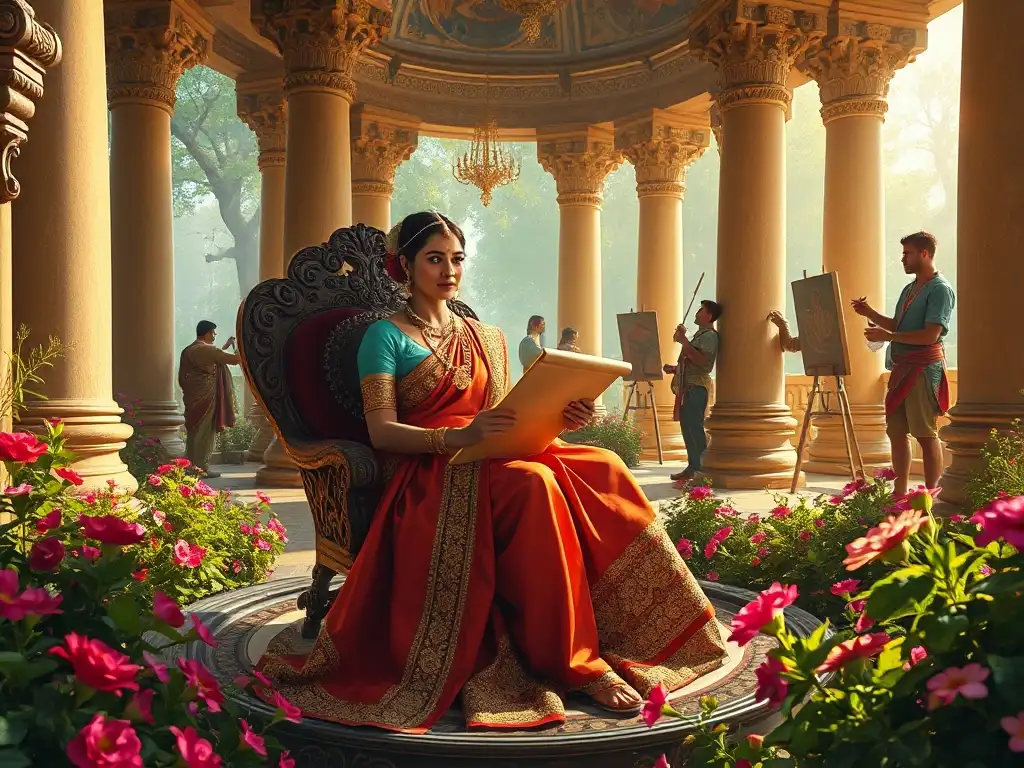
The contributions of ancient Indian queens to sculpture and architecture are profound and multifaceted. These royal women often played a pivotal role as patrons, commissioning works that not only reflected their personal tastes but also served as a means of cultural expression and political power.
- Monumental Temples: Many queens funded the construction of temples that became architectural marvels. For instance, the Kandariya Mahadeva Temple in Khajuraho, although primarily attributed to male rulers, received enhancements and funding from queens who recognized the importance of religious architecture in asserting their influence and devotion.
- Sculptural Innovations: Women like Rani Durgavati were known for their patronage of sculptors who created intricate carvings that depicted both mythological tales and local legends. These sculptures not only served aesthetic purposes but also functioned as narratives that conveyed the values and beliefs of their societies.
- Royal Influence: The architectural styles that emerged during their reigns often bore the unique signatures of these queens, blending traditional forms with innovative designs. The contributions of ancient Indian queens to art were crucial in the development of regional styles, as seen in the Ajanta and Ellora caves, where royal patronage ensured the continuation of exquisite rock-cut architecture.
Influence on Literature and Performing Arts
Ancient Indian queens also significantly influenced literature and the performing arts, fostering a rich cultural environment that celebrated creativity and expression.
- Literary Patronage: Many queens were not only patrons but also writers themselves. They sponsored poets and playwrights, leading to the creation of notable works. For example, Rani Padmavati is often associated with the famous epic poems that exalted her beauty and valor, inspiring countless literary works that explored themes of love, bravery, and sacrifice.
- Dance and Music: Queens like Vijaya Raje Scindia contributed to the flourishing of classical dance and music. By sponsoring performances and providing platforms for artists, they ensured that these art forms thrived. The evolution of dance styles, such as Kathak, can be traced back to royal courts where queens were instrumental in cultivating and promoting these arts.
- Cultural Festivals: The patronage of queens often extended to organizing cultural festivals that celebrated literature, music, and dance. These festivals were essential in bringing together artists, poets, and scholars, fostering dialogue and innovation in the arts.
Preservation of Cultural Heritage through Artistic Endeavors
The artistic endeavors of ancient Indian queens were crucial for the preservation of cultural heritage, ensuring that the values and traditions of their civilizations were documented and celebrated.
- Documentation of History: Many queens commissioned historical texts and inscriptions that chronicled their reigns and the significant events of their times. This practice not only served to enhance their legacies but also provided future generations with insights into the cultural and political landscapes of ancient India.
- Cultural Synthesis: The queens often acted as cultural mediators, blending different artistic traditions from various regions. This synthesis enriched the cultural fabric of India and led to the emergence of unique art forms that reflected the diverse influences present during their reigns.
- Legacy of Art: The art and architecture commissioned by these queens continue to be celebrated today, serving as a testament to their contributions. The temples, sculptures, and literary works not only hold historical significance but also inspire contemporary artists and scholars, ensuring that the rich heritage of ancient Indian queens is preserved for future generations.
The contributions of ancient Indian queens to art and culture were instrumental in shaping the artistic landscape of their times. Their legacies as patrons of sculpture, literature, and performing arts have left an indelible mark on the cultural heritage of India, highlighting the crucial role women played in the evolution of artistic expression.
The Socio-Cultural Significance of Ancient Indian Queens' Contributions
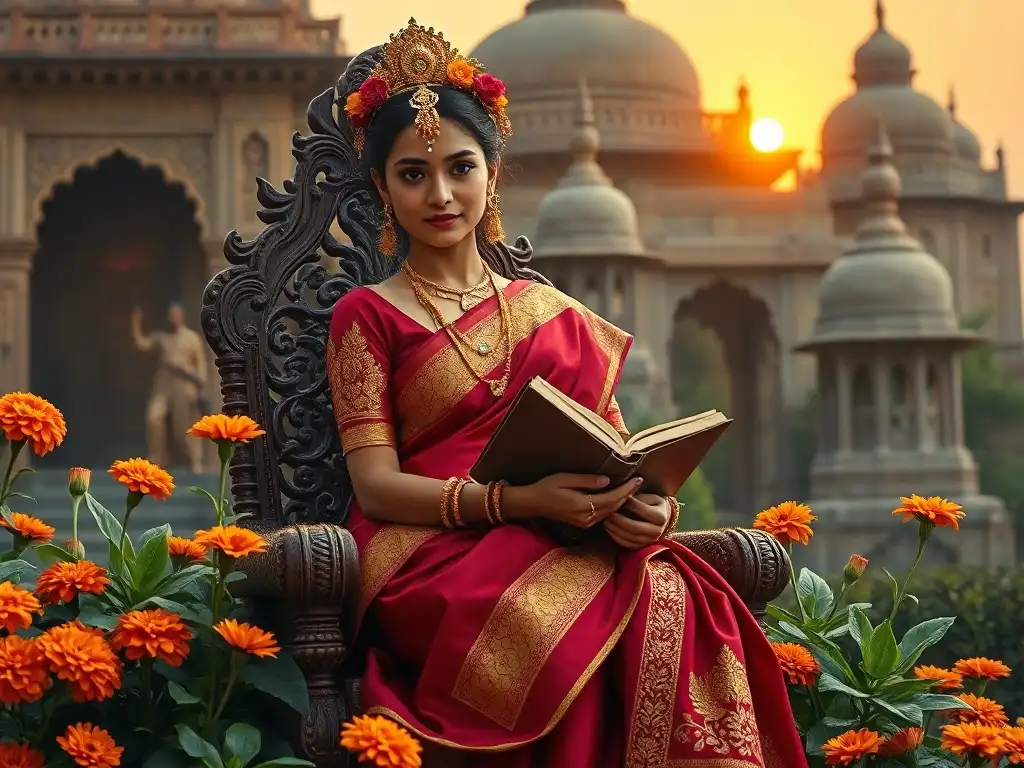
The contributions of ancient Indian queens extend far beyond their royal status; they represent pivotal figures in the sociocultural fabric of their time. These queens played a crucial role in the patronage of art, architecture, and literature, often reflecting the values and beliefs of their societies. Their influence can be seen in the cultural development of various regions, as well as in the elevation of women's status within those contexts. By analyzing the legacies of these queens, we gain insight into the empowerment of women and the nuances of gender roles in ancient India.
Empowerment of Women Through Art Patronage
Art patronage by ancient Indian queens served as a powerful vehicle for women's empowerment. These queens not only commissioned grand temples, sculptures, and paintings but also actively participated in the cultural discourse of their time. Their support for artists and artisans contributed to the flourishing of various art forms, including sculpture, dance, and music.
- Patronage Examples:
- Rani Durgavati of Gondwana, known for her cultural contributions, commissioned exquisite sculptures that adorned temples and public spaces.
- Queen Padmini of Chittor, whose legendary beauty inspired numerous artistic renderings, also played a vital role in promoting local crafts.
Through their patronage, these queens demonstrated that women could influence cultural identity and aesthetics, which challenged existing societal norms. Their involvement in the arts allowed for a more nuanced understanding of femininity, portraying women not merely as passive subjects but as active contributors to society's cultural heritage.
Furthermore, the art produced during this era often depicted strong female figures, showcasing the queens’ roles as warriors, leaders, and protectors of their domains. This representation in art served to inspire future generations of women, cementing the notion that they could aspire to positions of power and influence.
Queens as Role Models in Ancient Indian Society
Ancient Indian queens not only contributed to the arts but also emerged as role models for their contemporaries. Their lives and actions often embodied the ideals of strength, wisdom, and resilience, providing a paradigm for women in their societies.
- Leadership and Governance:
- Rani Lakshmibai of Jhansi is a prominent example of a queen who led her kingdom with bravery during the First War of Indian Independence. Her leadership inspired countless women to take on active roles in governance and the resistance against colonial powers.
- Queen Rudramba of the Kakatiya dynasty, known for her administrative skills and military acumen, represented a progressive image of female authority in a male-dominated society.
These queens often utilized their positions to advocate for social reforms, including the upliftment of women’s rights and education. By championing causes that benefited their communities, these queens set precedents for future generations, reinforcing the idea that women could wield significant influence both within their households and in the broader political landscape.
Their legacies continue to resonate, as modern representations of these queens in literature, film, and art highlight their contributions and inspire contemporary discussions about women's roles in society. Ancient Indian queens remind us of the profound impact that women can have when given the opportunity to lead and create, encouraging a reevaluation of gender dynamics in historical narratives.
The contributions of ancient Indian queens are profound and multifaceted, significantly impacting the socio-cultural landscape of their time. Through their patronage of the arts and their roles as leaders and advocates, they not only shaped their societies but also laid the groundwork for future generations of women to pursue their ambitions and contributions. The legacy of these queens continues to inspire, underscoring the importance of their roles in the rich tapestry of ancient Indian history.
Conclusion: The Enduring Influence of Ancient Indian Queens
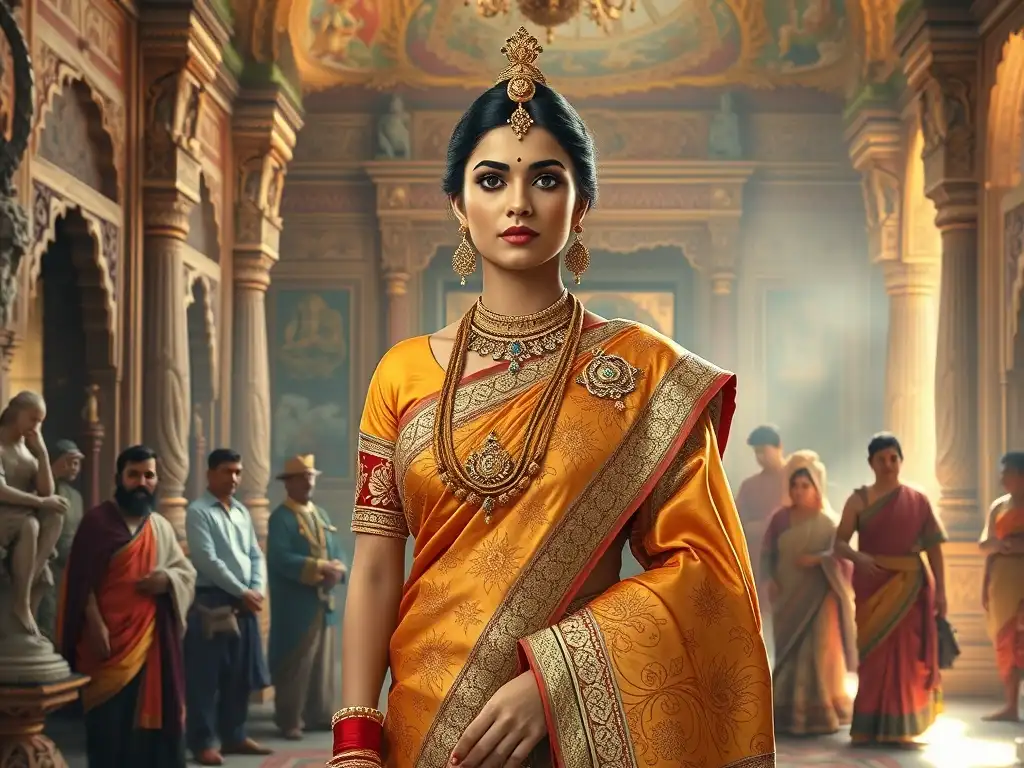
The legacy of ancient Indian queens is a testament to the significant role women played in shaping the cultural landscape of their time. These queens were not merely consorts or figures of royalty; they were dynamic patrons of art, architecture, and literature, whose contributions have left an indelible mark on modern Indian culture. Their influence can be observed in various forms, from exquisite sculptures and intricate textiles to the rich storytelling traditions that continue to inspire contemporary artists and writers.
Summary of Key Contributions and Their Impact on Modern Culture
Ancient Indian queens contributed to various artistic domains, facilitating the creation and preservation of cultural heritage. Some key contributions include:
- Patronage of Temples: Many queens commissioned the construction of temples, which served as centers of worship and community life. For example, the grand temples built during the Gupta period reflect the queens' devotion and their role in promoting religious art.
- Support for Literature and Poetry: Queens like Draupadi and Padmavati were known for their patronage of poets and playwrights, leading to the flourishing of literature. Their support allowed for the documentation of stories that celebrated courage, sacrifice, and love, influencing modern literary forms.
- Promotion of Traditional Arts: Ancient queens often sponsored artisans and craftsmen, ensuring the survival and evolution of traditional art forms such as painting, weaving, and metalwork. This support led to the development of distinct regional styles that still resonate today.
- Cultural Festivals: Royal patronage of festivals not only promoted social cohesion but also highlighted local art and culture. Festivals like Durga Puja and Diwali can trace their elaborate celebrations and artistic expressions back to the initiatives taken by these queens.
The impact of these contributions is still visible in modern Indian society, where art, literature, and culture continue to thrive. The spirit of patronage exemplified by ancient queens encourages contemporary women to take active roles in cultural preservation and innovation.
Reflection on the Role of Women in Historical Context
The role of women in ancient India, particularly that of queens, was multifaceted and complex. They wielded significant power and influence in a patriarchal society, often serving as mediators in political affairs and strategists in warfare. Their contributions went beyond the domestic sphere, as many queens were instrumental in fostering diplomatic relations and alliances through marriage and patronage.
Moreover, the representation of women in ancient texts often reflects their agency and impact. For instance, the Mahabharata and Ramayana showcase female characters who are strong, intelligent, and resourceful, challenging the contemporary stereotypes of women in history.
As we reflect on the contributions of ancient Indian queens, it becomes evident that their legacies endure not only through the monuments and art they commissioned but also in the evolving perception of women's roles in society. Their stories inspire a reevaluation of women's historical significance, emphasizing the need for recognition and appreciation of their contributions in shaping not just art and culture, but also the very fabric of Indian civilization.
Further Reading and Resources on Ancient Indian Queens Contributions
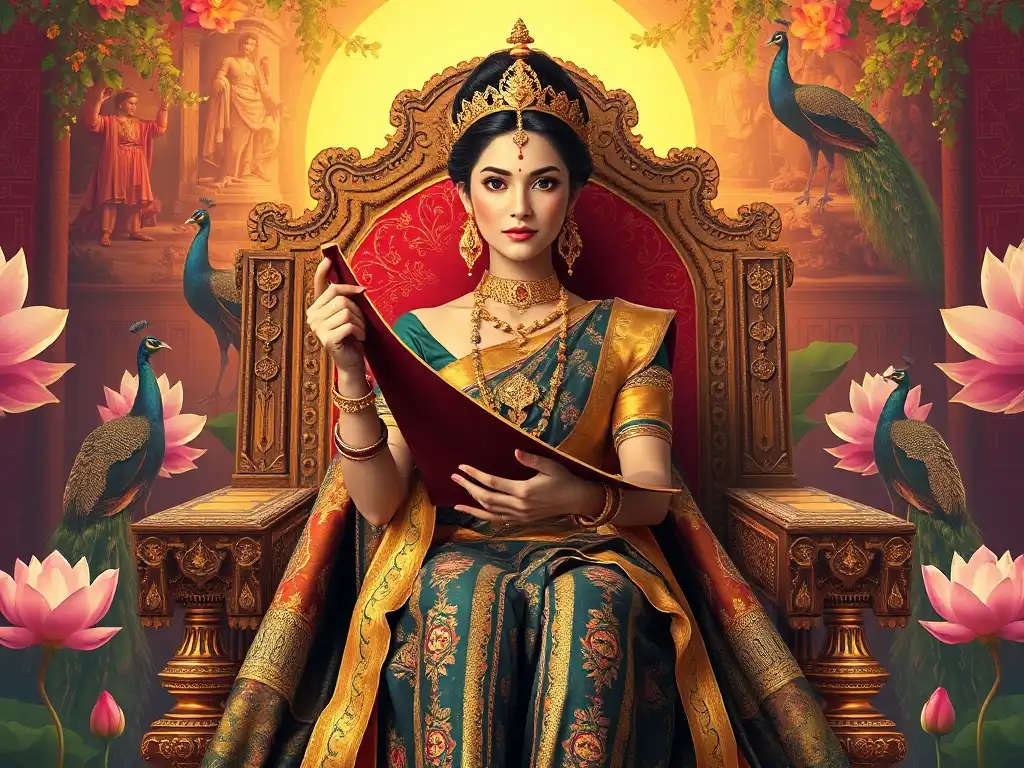
Recommended Books and Articles
The contributions of ancient Indian queens are documented in numerous scholarly works, providing insights into their roles as patrons of art and culture. Here are some notable recommendations:
- "Women in Ancient India" by Rita Banerji
- This book explores the status of women throughout ancient Indian history, with a special focus on queens and their artistic influences.
- "The Art and Architecture of Ancient India" by John C. Huntington and Doris Srinivasan
- A comprehensive guide that includes discussions of royal patrons, particularly highlighting the contributions of queens in architectural endeavors.
- "The Role of Women in the Gupta Period" by R. S. Sharma
- This article provides an in-depth analysis of women's societal roles during the Gupta Empire, emphasizing the cultural contributions of queens.
- "Patrons and Artists: The Cultural Legacy of Ancient Indian Queens" by Anita Ghosh
- A thorough examination of how royal women influenced various art forms, including sculpture and painting.
- "Queens of Ancient India: A Historical Perspective" by Aditi Desai
- This work details the life stories of significant queens and their patronage, shedding light on their lasting impact on Indian culture.
Online Resources for Exploring Women's Roles in Ancient India
The digital age has made it easier to access a wealth of information on the contributions of ancient Indian queens. Here are some valuable online resources:
- Digital South Asia Library (DSAL)
- A comprehensive resource that offers access to historical documents, articles, and maps related to ancient Indian history, including sections dedicated to women's roles.
- India History Congress
- An annual gathering of historians that provides a wealth of papers and articles online, focusing on various aspects of Indian history, including women's contributions.
- Cultural India
- This website features sections dedicated to famous queens and their contributions to art and culture, making it a useful resource for enthusiasts and researchers alike.
- Ancient History Encyclopedia
- A valuable database of articles and resources covering a broad spectrum of ancient history, including detailed sections on influential women in ancient Indian civilizations.
- The National Museum of India’s Online Gallery
- Offers virtual tours and showcases artifacts related to the patronage of queens, providing visual insight into their contributions.
Engaging with these resources can deepen your understanding of the profound impact ancient Indian queens had on the cultural landscape of their time, revealing their legacy as vital contributors to art and society.
Frequently Asked Questions
What role did ancient Indian queens play in the arts?
Ancient Indian queens were significant patrons of the arts, often commissioning temples, sculptures, and literature that reflected their culture and values.
Can you name some notable ancient Indian queens?
Some notable queens include Rani Durgavati, who was known for her valor, and Rani Padmini, whose legend highlighted the cultural significance of women in their time.
How did ancient Indian queens influence society?
These queens not only contributed to cultural developments but also played vital roles in politics and governance, shaping the societal structure of their kingdoms.
What were the contributions of queens during the Gupta Empire?
During the Gupta Empire, queens were instrumental in promoting education and arts, establishing universities, and supporting scholars, which enriched Indian culture.
Why is it important to study the contributions of ancient Indian queens?
Studying these contributions helps us understand the dynamic roles of women in history, highlighting their impact on culture, art, and political landscapes in ancient India.
Final Reflection: Celebrating the Legacy of Ancient Indian Queens
The contributions of ancient Indian queens to the arts and culture are not just historical footnotes; they are vital threads in the fabric of our shared heritage. Today, as we navigate a world increasingly aware of the importance of diverse voices and perspectives, the legacies of these queens remind us of the power of patronage and the significant role women have played in shaping cultural landscapes. Their stories resonate with contemporary movements advocating for gender equality and recognition, proving that the influence of women in history is both profound and enduring.
The impact of these queens extends far beyond their reigns; they have inspired generations of artists, scholars, and activists. Their patronage fostered a flourishing of creativity that enriched not only their own societies but also laid the groundwork for future artistic endeavors. As we reflect on their contributions, we are reminded of the words of the renowned art historian, John Ruskin: The greatest thing a human soul ever does in this world is to see something and tell what it saw in a way that it should be.
This encapsulates the essence of what these queens achieved—seeing the potential in art and culture and nurturing it for the benefit of all.
As we conclude our exploration of the remarkable contributions of ancient Indian queens, I invite you to reflect on the lessons their legacies impart. Consider how you can champion the arts and support diverse voices in your own community. Whether through patronage, advocacy, or simply by sharing stories that celebrate women's contributions, each of us has the power to honor the past while shaping a more inclusive future. Let us carry forward the spirit of these queens, recognizing that the arts are not merely a reflection of society but a catalyst for change and empowerment.
Celebrate and Support Artistry Today!
Thank you for exploring the cultural impact of ancient Indian queens as patrons of art! Your interest in this rich history highlights the vital role women have played in shaping creativity through the ages. Now, it's time to take that inspiration and channel it into action!
Here’s how you can make a difference:
- Explore local art exhibitions that celebrate women artists and their contributions—your visit can uplift their visibility!
- Share your thoughts on social media about the historical significance of women in art—let’s start a conversation about their enduring legacy!
- Volunteer or support organizations dedicated to empowering women in the arts, whether through funding, mentorship, or sharing resources.
Which contemporary female artist inspires you to contribute to the world of art? Let’s discuss!