
The Indus Valley Civilization: Pioneers of Sustainable Urban Living

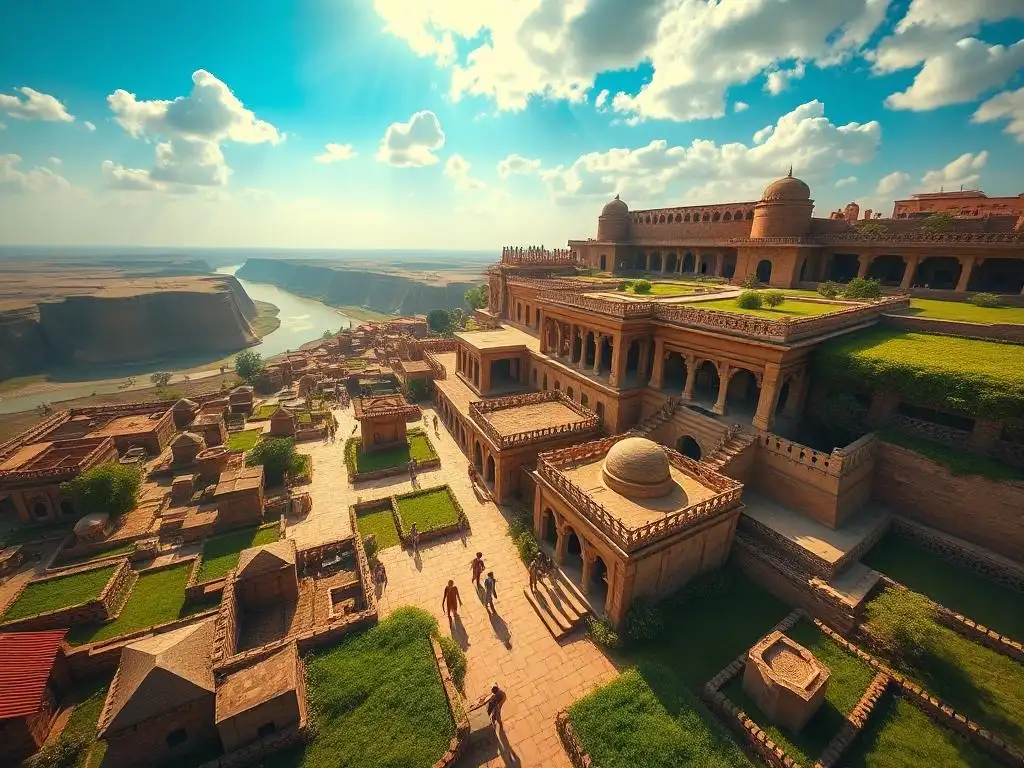
Welcome to Ancient India History, where we embark on a journey through the fascinating tapestry of one of the world's oldest civilizations. Discover the remarkable ingenuity of the Indus Valley Civilization, renowned for its groundbreaking approaches to sustainable urban living. How did these ancient pioneers create thriving cities that harmonized with their environment?
As you delve into our featured article, "The Indus Valley Civilization: Pioneers of Sustainable Urban Living," prepare to uncover secrets that continue to inspire modern urban planners. Join us as we explore the legacy of a civilization that truly understood the balance between human advancement and nature.
The Indus Valley Civilization (IVC), flourishing around 2600 to 1900 BCE, is renowned for its impressive urban planning, advanced architecture, and innovative technologies. As one of the world's earliest urban cultures, the IVC set a precedent for sustainable living that resonates with modern environmental practices. This article delves into the remarkable achievements of the Indus Valley people, highlighting their sophisticated approaches to urban living, which prioritized sustainability long before it became a global concern.
The cities of the Indus Valley, such as Harappa and Mohenjo-Daro, were meticulously planned with a grid-like layout, showcasing a deep understanding of urban infrastructure. Their commitment to sustainability is evident in their sophisticated drainage systems, water management practices, and construction techniques that emphasized durability and environmental harmony. As we explore the various facets of IVC's sustainable urban living, we will uncover how this ancient civilization laid the groundwork for future societies to follow.
Key Features of Indus Valley Urban Planning
- Grid Layout: The cities were designed with a systematic grid pattern, facilitating organized traffic flow and effective land use.
- Drainage Systems: Advanced drainage systems were implemented, with covered drains running along the streets, ensuring sanitary conditions and preventing water logging.
- Water Management: The people of the IVC constructed sophisticated wells and reservoirs for water storage, demonstrating a profound understanding of hydrology.
Architectural Innovations
- Brick Construction: The use of standardized baked bricks in construction allowed for durable buildings that could withstand the test of time.
- Public Baths: The Great Bath of Mohenjo-Daro is a testament to their emphasis on hygiene and communal spaces, showcasing a blend of functionality and social interaction.
Agricultural Practices
- Irrigation Techniques: The IVC utilized advanced irrigation methods, including canals and tanks, to support agriculture and ensure food security.
- Crop Diversity: The cultivation of a variety of crops, such as barley, wheat, and cotton, not only sustained the population but also promoted biodiversity.
Legacy of Sustainable Practices
The sustainable practices of the Indus Valley Civilization serve as a reminder of the importance of environmental stewardship. Their approach to urban living, marked by innovative technologies and community-focused designs, continues to inspire modern urban planners and environmentalists alike. By examining the achievements of this ancient civilization, we can glean valuable lessons on how to create sustainable urban environments that honor both history and the planet.
- Key Features of Indus Valley Urban Planning
- Architectural Innovations
- Agricultural Practices
- Legacy of Sustainable Practices
- What was the Indus Valley Civilization known for?
- How did the Indus Valley Civilization achieve sustainable urban living?
- What were the major cities of the Indus Valley Civilization?
- How did trade contribute to the sustainability of the Indus Valley?
- What legacy did the Indus Valley Civilization leave regarding urban living?
Introduction to Indus Valley Civilization
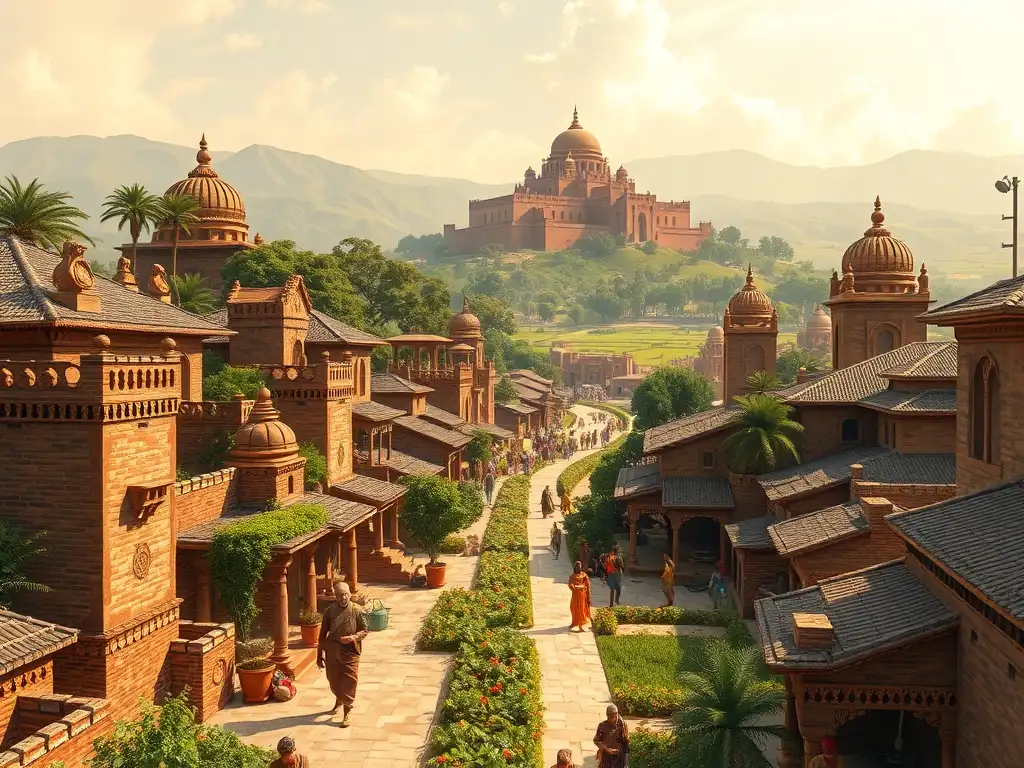
The Indus Valley Civilization (IVC), flourishing around 2600 to 1900 BCE, is one of the world's earliest urban cultures. Spanning present-day Pakistan and northwest India, this civilization is renowned for its advanced urban planning, architecture, and social organization. One of the most compelling aspects of the IVC is its approach to sustainable urban living, which resonates strongly with contemporary discussions on sustainability and environmental preservation.
Overview of the Indus Valley Civilization
The Indus Valley Civilization is marked by its impressive cities, such as Harappa and Mohenjo-Daro, which exhibit a high degree of urban sophistication. Key features include:
- Grid Layout: Cities were meticulously planned with a grid-like street layout, which facilitated efficient movement and organization.
- Advanced Drainage Systems: The civilization developed sophisticated drainage systems, with covered drains running along the streets, showcasing their understanding of sanitation and public health.
- Water Management: Water reservoirs and wells were strategically located, demonstrating an early grasp of hydraulic engineering and resource management.
- Standardized Weights and Measures: The use of standardized weights and measures indicates a complex economy and trade network, which was essential for sustainable living.
The archaeological findings from the IVC reveal a society that prioritized functionality and environmental harmony in its urban design. This civilization's innovations in infrastructure not only supported its population but also ensured the longevity of its urban centers.
Importance of Sustainable Urban Living in Ancient Cultures
Sustainable urban living in ancient cultures, particularly in the context of the Indus Valley Civilization, offers vital lessons for modern society. The IVC exemplified several principles of sustainability that are increasingly relevant today:
- Resource Efficiency: The IVC's efficient water management systems minimized waste and ensured the sustainable use of vital resources. This practice is critical in today's world, where water scarcity is a pressing issue.
- Community Planning: The emphasis on communal spaces and public amenities in IVC cities reflects a holistic approach to urban living. Such planning fosters social cohesion and promotes a sense of community, which can counteract the isolation often found in modern urban environments.
- Environmental Integration: The IVC's architectural choices, including the use of locally sourced materials, ensured that buildings were harmonized with the surrounding environment. This principle of integrating architecture with nature is essential for sustainable development in modern cities.
- Cultural Heritage: Understanding sustainable practices from ancient cultures like the IVC can inspire contemporary solutions for urban challenges, enhancing the resilience of cities in the face of climate change and other environmental issues.
The Indus Valley Civilization stands as a remarkable example of early sustainable urban living, contributing significantly to our understanding of how ancient societies managed their resources and environment. By exploring these practices, we can glean insights that remain relevant in our quest for sustainable living solutions today.
Key Features of Indus Valley Sustainable Urban Living
Urban Planning and Architecture
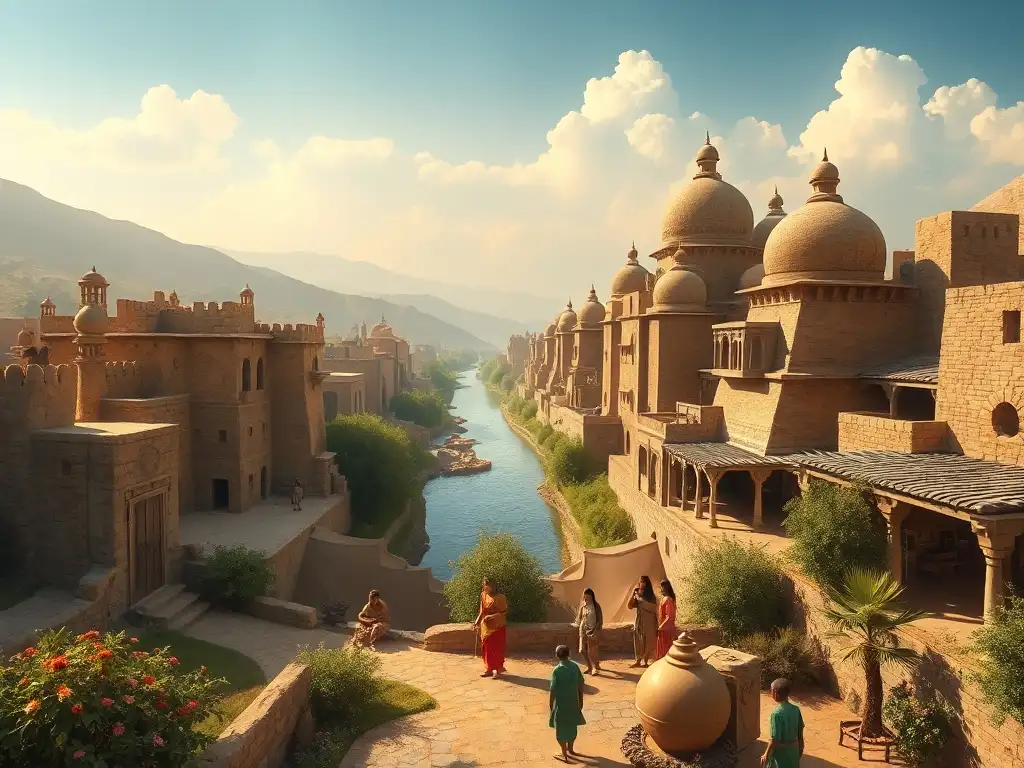
The urban planning of the Indus Valley Civilization is a remarkable testament to their advanced understanding of sustainable living. Their cities were meticulously designed, reflecting a high level of organization and foresight that prioritized both functionality and environmental harmony.
Grid Pattern Layout of Cities
One of the most distinctive features of Indus Valley urban planning is the grid pattern layout of cities such as Mohenjo-Daro and Harappa. This layout consisted of streets that intersected at right angles, creating a systematic and organized structure.
- Efficient Space Utilization: The grid system allowed for the efficient use of space, facilitating easy navigation and accessibility.
- Zoning: Areas were designated for residential, commercial, and industrial purposes, promoting a balanced urban ecosystem.
- Social Cohesion: The uniformity in layout reflects social equality and communal living, as homes were often of similar size and design.
This planning not only optimized land use but also contributed to the sustainability of the urban environment, reducing travel distances for goods and services.
Use of Burnt Brick and Drainage Systems
The Indus Valley inhabitants made extensive use of burnt bricks, which were more durable than sun-dried varieties. This choice of material was crucial for the longevity of their structures.
- Construction Techniques: The use of standardized brick sizes facilitated uniform construction, which is evident in the robust walls of their buildings.
- Innovative Drainage Systems: One of the most impressive features of Indus Valley cities was their sophisticated drainage system. Each house was typically connected to a drainage channel that ran beneath the streets, ensuring effective waste disposal and preventing flooding.
These advancements in construction and sanitation not only enhanced the urban landscape but also demonstrated an early commitment to public health and environmental sustainability.
Water Management Techniques
Water management was a critical component of the Indus Valley Civilization's approach to sustainable urban living. Their innovative techniques reflect a deep understanding of hydrology and resource conservation.
Advanced Water Harvesting Methods
The Indus Valley people developed advanced water harvesting methods to ensure a reliable water supply, essential for both domestic use and agriculture.
- Rainwater Harvesting: They constructed reservoirs and cisterns to collect and store rainwater, which was vital in an area with seasonal rainfall.
- Irrigation Systems: The civilization also implemented intricate irrigation methods, utilizing canals and channels to divert river water to fields, thereby enhancing agricultural productivity.
These techniques not only supported their agricultural needs but also exemplified their commitment to sustainable resource management.
Public Bathing Facilities and Sanitation
Another striking feature of Indus Valley sustainable urban living is the presence of public bathing facilities. These were not merely for hygiene but served as a communal space promoting social interaction.
- Great Bath of Mohenjo-Daro: This large structure is a prime example, likely used for ritualistic and social purposes. Its construction demonstrates advanced engineering and an understanding of water management.
- Sanitation Systems: The civilization prioritized sanitation, with many houses equipped with private toilets connected to the drainage system. This emphasis on cleanliness contributed to public health and community well-being.
The integration of such facilities illustrates the Indus Valley Civilization's sophisticated approach to urban living, emphasizing the importance of hygiene and communal spaces in fostering a sustainable society.
The Indus Valley Civilization's sustainable urban living practices set a precedent for future civilizations, showcasing their ingenuity in urban planning, water management, and community health. Their legacy in these areas continues to be an inspiring model for modern sustainable cities.
Agricultural Practices Supporting Sustainability
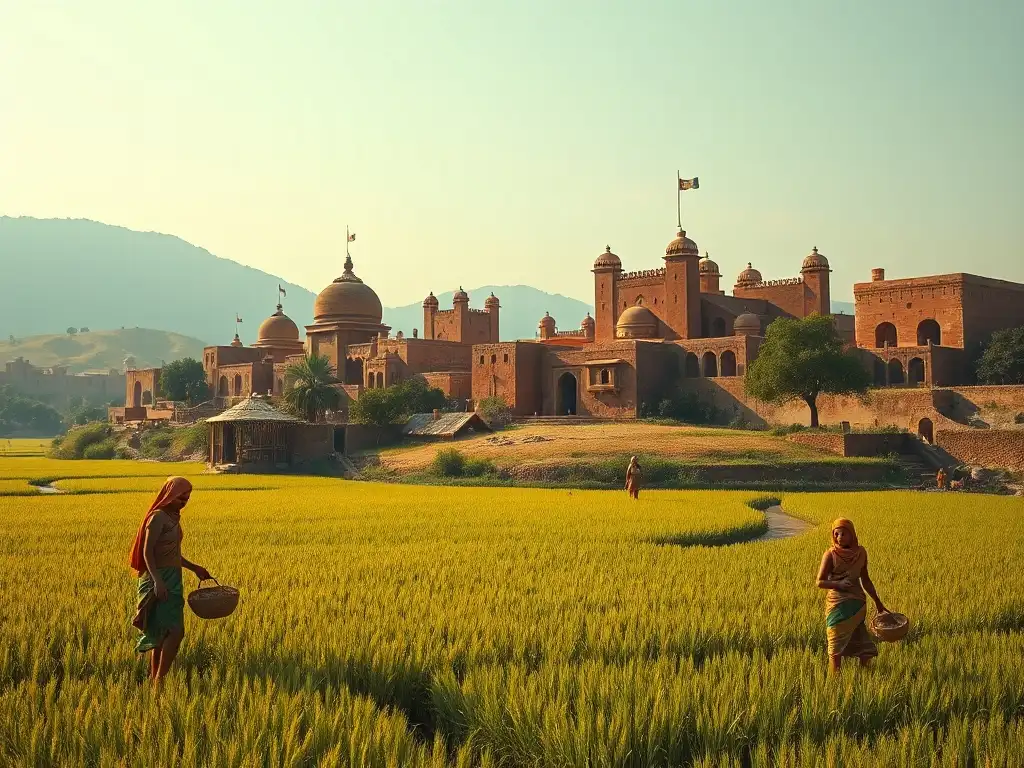
The agricultural practices of the Indus Valley Civilization (IVC) exemplify a sophisticated understanding of sustainable urban living. These practices not only ensured food security but also promoted environmental stewardship, which is vital for the longevity of any civilization. The IVC's approach to agriculture was characterized by innovative techniques and a diverse array of crops, which collectively played a crucial role in supporting their urban centers.
Innovative Irrigation Techniques
The Indus Valley Civilization is renowned for its advanced irrigation systems, which allowed for efficient water management and maximized agricultural output. The civilization developed a network of canals and reservoirs that harnessed seasonal monsoon rains and the melting snow from the Himalayas. Here are some key features of their irrigation techniques:
- Canal Systems: The construction of extensive canal systems facilitated the diversion of river waters to agricultural fields. These canals were meticulously engineered to prevent flooding and ensure a steady supply of water.
- Water Storage: Large reservoirs were created to capture and store rainwater. These reservoirs served as a buffer during dry periods, ensuring that crops received adequate moisture throughout the growing season.
- Field Layout: Fields were strategically laid out in a systematic grid pattern, allowing for optimal water flow and drainage. This design minimized water wastage and maximized crop yield.
The effectiveness of these irrigation techniques is evident from the archaeological remains found in cities such as Mohenjo-Daro and Harappa, where evidence of well-planned drainage systems and water storage facilities has been uncovered.
Crop Diversity and Sustainable Farming
The agricultural practices of the Indus Valley Civilization were also marked by an impressive diversity of crops, which contributed to a resilient food system. This diversity was not only a response to varying climatic conditions but also an essential strategy for sustainable farming. Here are some notable aspects:
- Variety of Crops: The IVC cultivated a range of crops, including wheat, barley, peas, lentils, and cotton. This diversity reduced dependence on a single crop and allowed for better adaptation to changing environmental conditions.
- Crop Rotation: Evidence suggests that the farmers employed crop rotation techniques, which helped maintain soil fertility and reduce pest infestations. This practice ensured that the land remained productive over time.
- Use of Organic Fertilizers: The IVC farmers utilized organic fertilizers, such as animal manure and compost, to enrich the soil. This practice not only enhanced soil health but also minimized the environmental impact associated with chemical fertilizers.
- Sustainable Livestock Management: The integration of livestock into agricultural practices provided additional benefits. Animals were used for plowing and transportation, while their manure contributed to soil fertility.
The agricultural practices within the Indus Valley Civilization illustrate a profound understanding of Indus Valley sustainable urban living. Through innovative irrigation techniques and diverse crop management strategies, the IVC laid the foundation for a sustainable and resilient agricultural system that supported its urban centers for centuries.
Society and Culture: A Model of Sustainability
The Indus Valley Civilization (IVC), flourishing around 2600 to 1900 BCE, presents an extraordinary example of sustainable urban living, deeply embedded in its societal structures and cultural practices. This civilization, which thrived in the fertile regions of present-day Pakistan and northwest India, demonstrates how community living, social organization, trade practices, and resource management were intricately linked to sustainability.
The community structure of the Indus Valley Civilization was remarkably advanced and reflected a commitment to collective well-being. The cities, such as Harappa and Mohenjo-Daro, were meticulously planned, showcasing an organized approach to urban living.
- Urban Planning: Streets were laid out in a grid pattern, with homes built from standardized fired bricks. This consistency not only facilitated efficient construction but also promoted uniformity in urban design.
- Housing: Residences often included multiple rooms, bathrooms, and drainage systems, highlighting the importance of sanitation—an aspect that mirrors modern sustainable practices. Each household likely had access to water through wells, demonstrating an understanding of resource management.
- Community Spaces: Public baths and granaries indicated a societal emphasis on hygiene and communal resources. These spaces fostered social interaction and collective decision-making, essential for a cooperative community.
The egalitarian nature of Indus society is further evidenced by the lack of grandiose palaces or temples, suggesting a more democratic social organization where resources were shared among the populace.
Trade Practices and Resource Management
Trade was a cornerstone of the Indus Valley economy, reflecting sophisticated resource management that contributed to their sustainable urban living.
- Trade Networks: The Indus people engaged in extensive trade with neighboring regions, including Mesopotamia. They exported goods such as cotton textiles and terracotta figurines while importing materials like metals and precious stones. This exchange not only enriched their culture but also ensured a diverse supply of resources.
- Agricultural Practices: The civilization excelled in agriculture, utilizing irrigation techniques to maximize crop yield. They cultivated a variety of crops, including wheat, barley, and legumes, which were essential for sustaining their population. Crop rotation and seasonal planting showcased their understanding of sustainable farming practices.
- Water Management: The IVC developed advanced water management systems, including reservoirs and drainage systems to manage floodwaters and supply clean drinking water. The strategic placement of wells and drainage channels indicates a comprehensive approach to urban infrastructure, minimizing water waste and promoting hygiene.
The Indus Valley Civilization exemplified sustainable urban living through its community structure, social organization, and resource management strategies. By prioritizing communal welfare and resource efficiency, they set a precedent for sustainable practices that resonate even in contemporary urban planning discussions. The lessons learned from their civilization continue to inspire modern approaches to sustainability.
Technological Innovations Contributing to Urban Sustainability
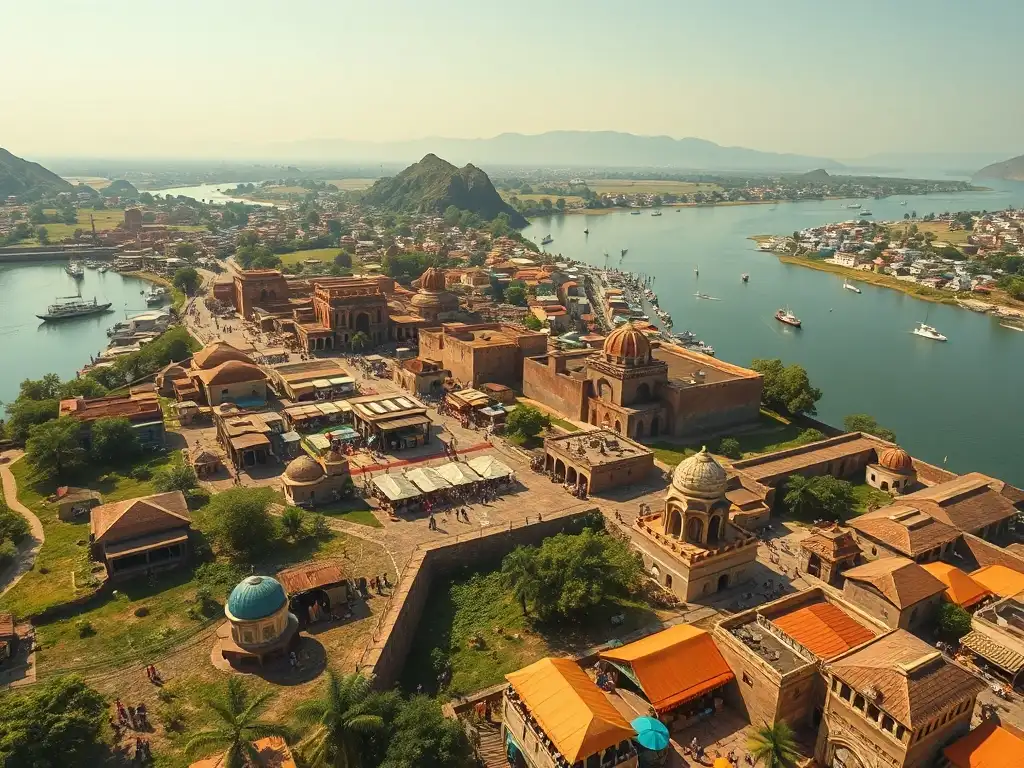
The Indus Valley Civilization (IVC), flourishing around 2500 BCE in what is now modern-day Pakistan and northwest India, is often celebrated for its impressive urban planning and advanced technologies. These innovations not only facilitated daily life but also contributed significantly to sustainable urban living. By examining the technological advancements of this ancient civilization, we can glean insights into their methods of resource management and environmental stewardship.
Development of Weights and Measures
One of the most notable advancements of the Indus Valley Civilization was the establishment of a standardized system of weights and measures. This system was crucial for trade and commerce, allowing for fair transactions and efficiency. The use of uniform weights encouraged local and regional trade, leading to economic sustainability.
- Materials Used: The Indus people developed weights from various materials, including stone, terracotta, and metal. This variety showcased their resourcefulness.
- Standardization: Weights were typically cubical and made to specific ratios, suggesting that the IVC had a sophisticated understanding of measurement systems.
- Impact on Urban Living: The implementation of standardized measures not only facilitated trade but also ensured that urban centers could sustain themselves through efficient distribution of goods. This contributed to a thriving economy that could support a large population.
In practice, this system meant that merchants could trade goods like textiles, grains, and pottery with confidence. The efficiency of trade networks supported by these innovations is a key factor in understanding how the IVC maintained sustainable urban living.
Metallurgy and Its Role in Sustainable Practices
Metallurgy in the Indus Valley Civilization was another cornerstone of their sustainable urban living. The ability to extract and manipulate metals like copper, bronze, and lead enabled the civilization to enhance various aspects of daily life.
- Tools and Agriculture: The production of metal tools significantly improved agricultural practices. Plows, sickles, and hoes made from metal were more effective than their stone counterparts, increasing crop yields and ensuring food security.
- Construction: Metal was also used in the construction of infrastructure. For instance, copper and bronze were essential in creating tools for building drainage systems and wells. These innovations played a crucial role in managing water resources effectively, a vital aspect of urban sustainability.
- Recycling and Resource Management: Evidence suggests that the Indus Valley people practiced recycling of metals, which demonstrates a deep understanding of resource management. By reusing materials, they minimized waste and environmental impact, thus promoting a sustainable lifestyle.
Moreover, the ability to craft intricate jewelry and decorative items from metals not only reflects their artistic skills but also indicates a thriving economy that valued craftsmanship, contributing further to urban sustainability through trade and cultural exchange.
The advancements in weights and measures, alongside metallurgy, highlight the innovative spirit of the Indus Valley Civilization. Their commitment to sustainable urban living through these technological innovations laid the groundwork for future civilizations, showcasing a remarkable understanding of the balance between development and resource management.
Challenges Faced by the Indus Valley Civilization
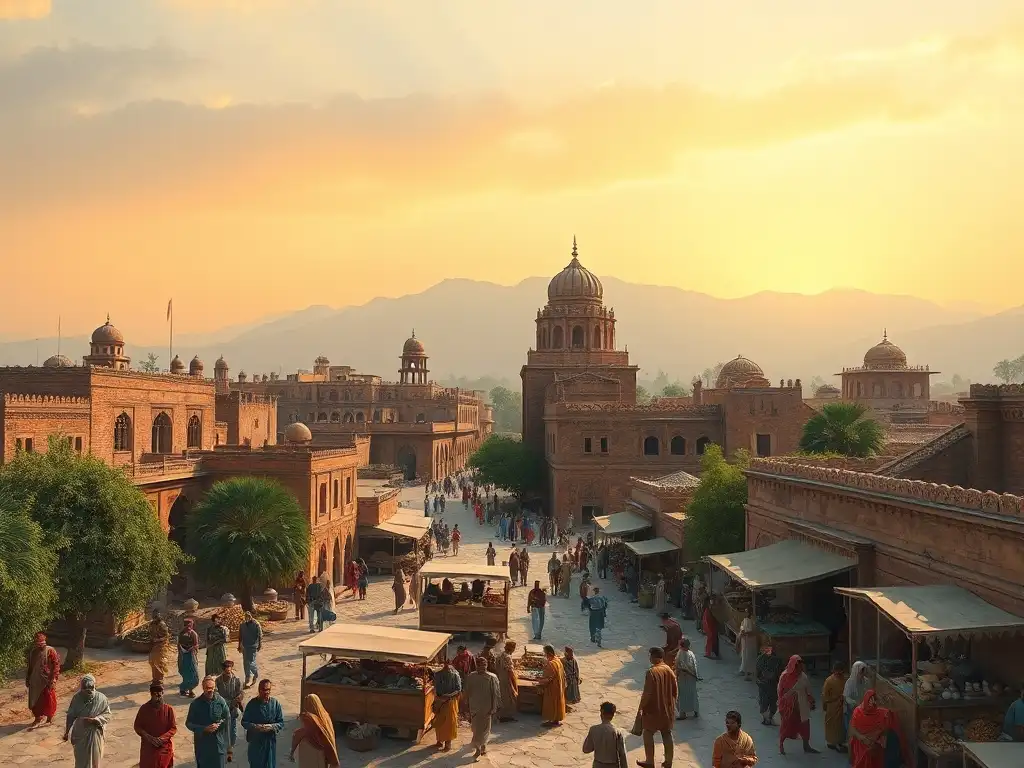
The Indus Valley Civilization (IVC), known for its advanced urban planning and sustainable practices, was not without its challenges. These challenges, particularly environmental and societal factors, significantly impacted the civilization's ability to maintain its sophisticated urban living. Understanding these challenges provides insight into the resilience and adaptability of the IVC, especially in the context of "Indus Valley sustainable urban living."
Environmental Changes and Urban Resilience
The IVC flourished from approximately 3300 to 1300 BCE, primarily along the fertile floodplains of the Indus River. However, the civilization faced several environmental challenges that tested its urban resilience:
- Climate Variability:
- The region experienced shifts in climate patterns, including fluctuations in rainfall and temperature. These changes had significant implications for agriculture, which was the backbone of the IVC economy.
- Evidence suggests that around 2000 BCE, there was a notable reduction in monsoon rains, leading to drought conditions that affected crop yields.
- River Dynamics:
- The Indus River was prone to both flooding and changing course, which posed a significant threat to urban centers such as Harappa and Mohenjo-Daro.
- The IVC's sophisticated drainage systems and urban planning demonstrated an awareness of these risks, allowing for effective management of water resources.
- Resource Depletion:
- The over-extraction of natural resources, particularly timber and minerals, may have led to environmental degradation. This would have hampered the ability of the civilization to support its population sustainably.
- Adaptation Strategies:
- To combat these challenges, the Indus Valley people employed various strategies, such as crop diversification and the construction of storage facilities for surplus grains.
- The use of mud bricks in construction not only showcased innovative building techniques but also contributed to the durability of structures against environmental stresses.
Societal Factors and Their Impact on Sustainability
The societal structure of the Indus Valley Civilization also played a crucial role in its sustainability efforts. Several key factors influenced how the civilization adapted to its challenges:
- Urban Planning and Governance:
- The cities of the IVC were meticulously planned, featuring grid layouts, robust drainage systems, and public baths. This level of urban organization indicates a strong governance structure capable of coordinating large-scale infrastructure projects.
- The ability to plan and execute such projects suggests that the society valued sustainability and public health, key components of sustainable urban living.
- Social Stratification:
- The presence of a stratified society may have impacted resource distribution and access to sustainable practices. While the elite had access to better resources and technologies, the lower classes may have faced challenges in sustaining their livelihoods.
- Inequities within the society could have led to tensions that undermined collective sustainability efforts.
- Cultural Practices:
- The IVC had a rich cultural heritage that emphasized harmony with nature. Artifacts suggest that agricultural practices were integrated with seasonal cycles, showcasing an understanding of ecological balance.
- Rituals and community gatherings likely fostered a sense of collective responsibility towards sustainable practices, reinforcing the importance of environmental stewardship.
- Trade and Interaction:
- The Indus Valley engaged in extensive trade with neighboring regions, which facilitated the exchange of goods and sustainable practices.
- This interaction allowed the IVC to acquire resources not locally available, thereby reducing pressure on the environment and enhancing resilience.
The challenges faced by the Indus Valley Civilization, both environmental and societal, shaped its approach to sustainable urban living. The strategies employed by the IVC in response to these challenges illustrate their innovative spirit and commitment to creating a thriving urban environment, laying foundational principles for sustainable living that are still relevant today.
Legacy of the Indus Valley Civilization in Modern Sustainable Practices
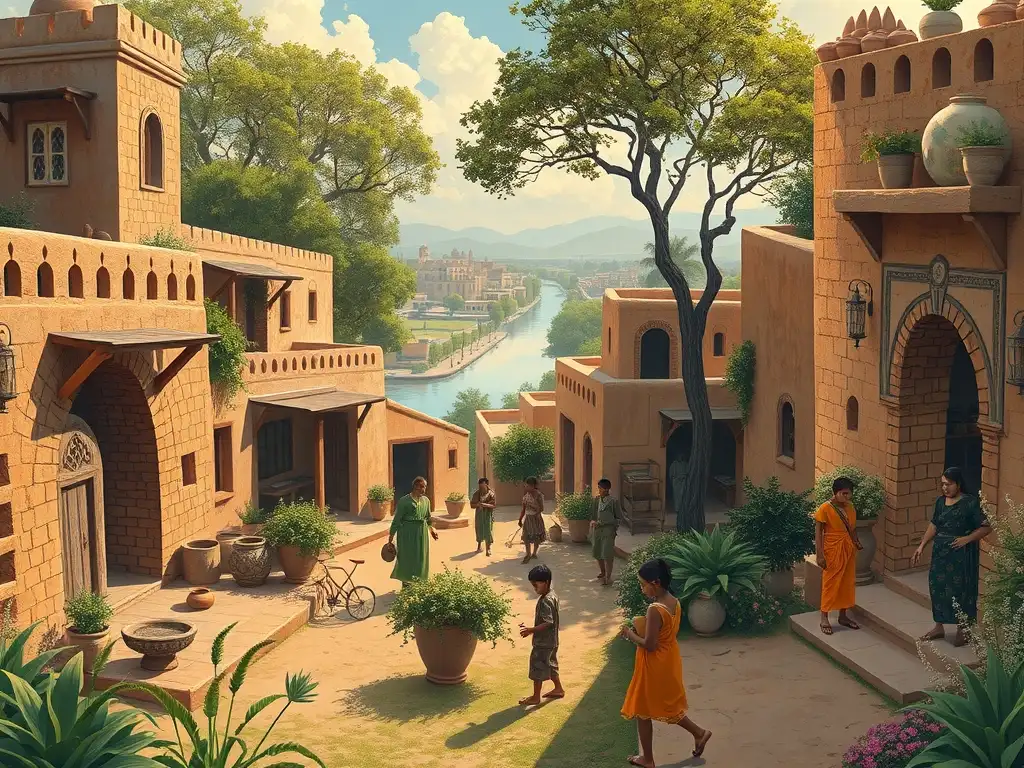
The Indus Valley Civilization (IVC), flourishing around 2500 BCE, is renowned for its advanced urban planning and innovative engineering techniques. This ancient civilization's approach to sustainable urban living has left a profound legacy that continues to influence modern practices. The well-planned cities of the IVC, such as Harappa and Mohenjo-Daro, exemplify a harmonious blend of architecture, sanitation, and resource management that resonates with today's sustainability goals.
The IVC's focus on sustainability is evident in its urban design, which prioritized public health and environmental stewardship. The civilization implemented sophisticated drainage systems, water supply networks, and waste management practices that laid the groundwork for contemporary urban infrastructure. The principles of sustainability exhibited by the IVC serve as vital lessons for modern urban planners and environmentalists striving to create resilient and sustainable cities.
Influence on Contemporary Urban Planning
The urban planning strategies of the Indus Valley Civilization offer valuable insights for modern cities grappling with rapid urbanization and environmental challenges. Key aspects of IVC urban design that are particularly relevant today include:
- Grid Layout: The cities of the IVC were meticulously planned on a grid layout, which optimized space utilization and facilitated efficient transportation. This method is echoed in modern urban planning, where grid systems are often employed to enhance accessibility and reduce traffic congestion.
- Water Management: The advanced drainage and sewage systems of the IVC highlight the importance of water management in urban environments. These systems ensured clean water supply and effective waste disposal, preventing health hazards. Today's cities are increasingly adopting similar strategies to manage stormwater and reduce flooding risks.
- Zoning Practices: The IVC demonstrated a clear separation of residential, commercial, and industrial areas, a principle that remains relevant in contemporary urban planning. This zoning helps minimize pollution and enhances the quality of life for residents.
- Green Spaces: The inclusion of public baths and potentially green areas within IVC cities reflects an early understanding of the value of accessible green spaces for community well-being. Modern cities are increasingly recognizing the importance of parks and natural areas for promoting health and environmental sustainability.
By studying the urban planning principles of the Indus Valley Civilization, contemporary urban planners can develop strategies that prioritize sustainability, resilience, and community well-being.
Lessons from Indus Valley Sustainability for Today’s Cities
The sustainability practices of the Indus Valley Civilization provide important lessons for addressing some of the pressing challenges faced by modern urban environments. These lessons include:
- Resource Efficiency: The IVC demonstrated a commitment to resource efficiency by utilizing local materials for construction and employing techniques that minimized waste. Modern cities can learn from this approach by promoting the use of sustainable materials and encouraging recycling practices.
- Holistic Urban Ecosystems: The integration of various elements—such as residential areas, public facilities, and green spaces—created a balanced urban ecosystem in the IVC. Contemporary urban design should aim for similar integration to foster biodiversity and improve air quality.
- Community-Centric Approaches: The IVC's emphasis on community facilities, such as public baths and granaries, underscores the importance of creating spaces that promote social interaction and community engagement. Modern urban planning should prioritize community needs to strengthen social ties and enhance resilience.
- Adaptability and Innovation: The ability of the Indus Valley people to adapt to their environment—through innovations like advanced irrigation techniques—shows the importance of flexibility in urban planning. Today's cities must embrace innovation and adaptability to respond effectively to climate change and other evolving challenges.
The Indus Valley Civilization's legacy of sustainable urban living is a treasure trove of knowledge for modern cities. By drawing upon the principles and practices established by this ancient civilization, contemporary urban planners and policymakers can work towards creating sustainable, resilient, and thriving urban environments. The lessons learned from the IVC are not only relevant but essential for building a sustainable future.
Conclusion: The Enduring Impact of Indus Valley Sustainable Urban Living
The Indus Valley Civilization (IVC) serves as a remarkable testament to early human ingenuity and sustainable urban living. The sophisticated urban planning, advanced drainage systems, and effective resource management employed by this ancient civilization have left an indelible mark on the history of urban development. The principles of sustainability that were inherent in IVC practices resonate profoundly in today's context, where urbanization presents numerous environmental challenges.
As we reflect on the achievements of the Indus Valley, it is clear that the civilization's approach to urban living was not merely about survival but also about creating a harmonious relationship with nature. The careful selection of locations for settlements, use of local materials, and the development of water management systems demonstrate a deep understanding of ecological balance. This historical perspective offers invaluable lessons on how modern urban environments can be designed to minimize ecological footprints while maximizing quality of life.
Reflection on Ancient Innovations and Modern Relevance
The innovations of the Indus Valley Civilization provide a blueprint for modern sustainable practices. The layout of cities such as Harappa and Mohenjo-Daro was meticulously planned, featuring grid patterns and public spaces, which prioritized communal living. The drainage systems, among the most advanced of the ancient world, included covered sewers and waste disposal systems that ensured hygiene and sanitation—a concept that is crucial for contemporary urban planning.
The use of baked bricks for construction not only exemplified architectural prowess but also indicated an early understanding of material sustainability. This method of construction was durable and weather-resistant, allowing buildings to withstand the test of time. Today, as we face challenges such as climate change and urban sprawl, the IVC's emphasis on sustainable construction materials and techniques offers valuable insights.
Moreover, the agricultural practices of the IVC, which included crop rotation and irrigation, highlight the civilization's commitment to sustainable food production. As global populations grow, the need for sustainable agricultural practices becomes ever more critical. The IVC's legacy encourages a return to methods that respect the environment while meeting the nutritional needs of communities.
Future Research Directions on Indus Valley Civilization
The study of the Indus Valley Civilization is ripe for further exploration, particularly in the context of sustainable urban living. Future research can delve into several promising directions:
- Technological Advancements: Investigating the technologies used for water management and resource allocation can yield insights applicable to modern engineering challenges.
- Urban Planning Principles: Analyzing the spatial organization of IVC cities can inform contemporary urban design, especially in rapidly growing urban areas facing infrastructural issues.
- Cultural Practices: Examining the cultural practices related to sustainability, such as communal living and shared resources, may inspire new social models that prioritize cooperation and ecological mindfulness.
- Comparative Studies: By comparing the IVC with other ancient civilizations known for their sustainable practices, researchers can identify universal principles of urban sustainability that transcend cultural boundaries.
- Environmental Impact Assessments: Understanding the environmental impact of the IVC's agricultural practices can help modern societies adopt more sustainable farming techniques.
The Indus Valley Civilization offers profound lessons on sustainable urban living that remain relevant today. By studying its innovations and applying its principles to contemporary challenges, we can pave the way for a more sustainable future. The enduring impact of the IVC serves as a reminder that the path to sustainability is not a modern concept but one deeply rooted in our ancient history.
Frequently Asked Questions
What was the Indus Valley Civilization known for?
The Indus Valley Civilization is primarily recognized for its advanced urban planning, including well-organized cities, sophisticated drainage systems, and sustainable living practices.
How did the Indus Valley Civilization achieve sustainable urban living?
They implemented innovative agricultural techniques, effective water management systems, and created planned cities that promoted efficient resource use, contributing to their sustainability.
What were the major cities of the Indus Valley Civilization?
Key cities included Harappa and Mohenjo-Daro, known for their grid layouts, brick houses, and advanced sanitation systems, all reflecting their commitment to urban sustainability.
How did trade contribute to the sustainability of the Indus Valley?
The civilization engaged in extensive trade networks, allowing them to acquire resources not available locally, which helped maintain their economic stability and urban growth.
What legacy did the Indus Valley Civilization leave regarding urban living?
Their practices influenced future urban planning and sustainability concepts, showcasing the importance of integrated living into city designs, which is still relevant in modern contexts.
Final Reflection: Embracing the Legacy of Indus Valley Sustainable Urban Living
The lessons from the Indus Valley Civilization resonate profoundly in today's world, where the urgency for sustainable urban living has never been more pressing. As we grapple with the challenges of climate change, overpopulation, and resource depletion, the innovative practices of the Indus Valley serve as a powerful reminder of how ancient wisdom can inform modern solutions. Their commitment to sustainability and urban planning exemplifies a harmonious relationship between civilization and nature that we must strive to reclaim in our contemporary cities.
Culture and society are continually shaped by the principles of sustainability that the Indus Valley Civilization exemplified. From their advanced drainage systems to their strategic urban layouts, the Indus Valley pioneers laid the groundwork for sustainable living that influences urban design even today. As we navigate the complexities of modern urbanization, we can draw inspiration from their achievements. The greatest threat to our planet is the belief that someone else will save it.
– Robert Swan. This quote encapsulates the urgency of taking responsibility for our environment, echoing the proactive spirit of the Indus Valley people.
As we reflect on the enduring legacy of the Indus Valley Civilization, I invite you to consider how you can incorporate sustainable practices into your own life. What steps can you take to foster a more sustainable urban environment in your community? Whether it's advocating for green spaces, supporting local agriculture, or reducing waste, every action counts. Let us honor the pioneers of sustainable urban living by committing ourselves to a future where our cities thrive in harmony with nature, just as they once did.
Embrace Sustainable Living Inspired by the Indus Valley!
Thank you for joining us on this journey through the remarkable innovations of the Indus Valley Civilization. Your interest in sustainable urban living enriches our shared understanding of ancient wisdom. Now, it's time to put those insights into practice!
Here are some steps you can take to embrace sustainable living today:
- Adopt water conservation techniques in your home, inspired by the sophisticated drainage systems of the Indus Valley.
- Explore your local community for opportunities to participate in urban gardening or eco-friendly projects that promote sustainability.
- Share your newfound knowledge by discussing the lessons of the Indus Valley with friends and family—let's spark a movement towards sustainable practices!
What sustainable action will you take today to honor the legacy of the Indus Valley Civilization?