
Comparing the Indus Valley Civilization with Contemporary Cultures: A Global Perspective

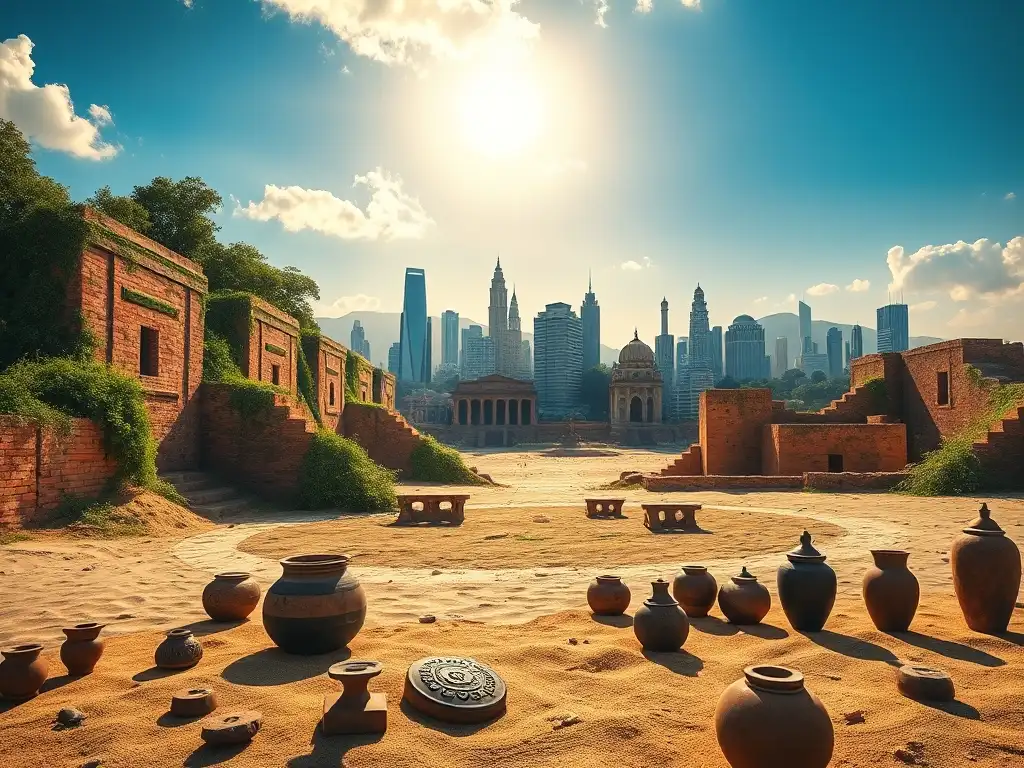
Welcome to Ancient India History, where we embark on an extraordinary journey through the rich tapestry of India’s past. Today, we delve into the fascinating realm of the Indus Valley civilization comparison, shedding light on how this remarkable ancient society resonates with contemporary cultures around the globe. Have you ever wondered how the innovations and lifestyles of the Indus Valley people mirror or contrast with those of today? Join us as we explore these intriguing connections and uncover the profound impact of ancient Indian civilizations that continue to shape our world. Prepare to be captivated and inspired!
- Introduction to the Indus Valley Civilization Comparison
- Historical Context of the Indus Valley Civilization
- Contemporary Cultures: A Global Perspective
- Comparing Socio-Economic Structures
- Cultural Practices and Beliefs
- Technological Innovations
- Environmental Adaptations and Sustainability
- Legacy and Influence
- Conclusion: Insights Gained from the Indus Valley Civilization Comparison
-
Frequently Asked Questions
- What is the Indus Valley Civilization known for?
- How does the Indus Valley Civilization compare to other ancient cultures?
- What were the major contributions of the Indus Valley Civilization?
- How does the article address the cultural aspects of the Indus Valley Civilization?
- Why is a global perspective important when comparing the Indus Valley Civilization?
- Final Reflection: Bridging the Past and Present through the Indus Valley Civilization Comparison
- Unveil Timeless Lessons from the Indus Valley Civilization!
Introduction to the Indus Valley Civilization Comparison
The Indus Valley Civilization (IVC), one of the earliest urban cultures in the world, flourished around 2500 BCE in the northwestern regions of South Asia. Renowned for its advanced city planning, architecture, and social organization, the IVC was a pivotal player in the tapestry of ancient civilizations. This article aims to explore the Indus Valley civilization comparison with contemporary cultures, shedding light on the similarities and differences that highlight the IVC's enduring legacy.
By examining various aspects such as urban development, trade practices, and social structure, we seek to provide a global perspective that enriches our understanding of both ancient and modern societies. Such comparative studies not only underscore the contributions of the IVC but also reveal how its innovative practices resonate in today’s world.
Overview of the Indus Valley Civilization
The Indus Valley Civilization, often referred to as the Harappan Civilization, thrived along the fertile banks of the Indus River, encompassing parts of present-day Pakistan and northwest India. Characterized by its sophisticated urban centers like Harappa and Mohenjo-Daro, the civilization showcased remarkable achievements in various domains:
- Urban Planning: The cities were meticulously planned with grid patterns, advanced drainage systems, and standardized baked bricks, which illustrate a high degree of architectural and engineering skill.
- Trade Networks: The IVC engaged in extensive trade with neighboring regions, exchanging goods such as textiles, beads, and metals. This trade facilitated cultural exchanges that influenced surrounding societies.
- Writing System: Although still undeciphered, the existence of seals and inscriptions suggests a complex system of communication, indicating the civilization's bureaucratic and administrative capabilities.
- Artistic Expressions: The IVC is also known for its craftsmanship in pottery, jewelry, and sculptures, reflecting a rich cultural life that celebrated aesthetics and artistry.
These attributes not only mark the IVC as a significant ancient civilization but also lay the groundwork for understanding its relevance in the context of contemporary cultures.
Importance of Comparative Studies in History
Comparative studies in history serve as crucial tools for uncovering the interconnectedness of human civilizations throughout time. By juxtaposing the Indus Valley Civilization with modern cultures, historians and scholars can glean insights into various aspects of societal development. Here are a few reasons why such comparisons are valuable:
- Understanding Evolution: Analyzing the similarities and differences in governance, trade, and urban planning between the IVC and contemporary cultures helps illustrate how societies evolve over time.
- Cultural Continuities: Exploring cultural practices, such as agricultural methods and social organization, sheds light on enduring traditions that persist, adapting to new contexts while retaining core elements.
- Lessons from the Past: Comparative studies allow us to draw lessons from historical successes and failures, informing current societal challenges and guiding future developments.
- Global Contextualization: Placing the IVC within a broader global framework enables a richer understanding of human history, emphasizing that the development of civilizations is often a shared journey rather than isolated phenomena.
Ultimately, the Indus Valley civilization comparison with contemporary cultures not only enhances our appreciation of ancient achievements but also underscores the timeless relevance of historical inquiry in shaping modern society.
Historical Context of the Indus Valley Civilization
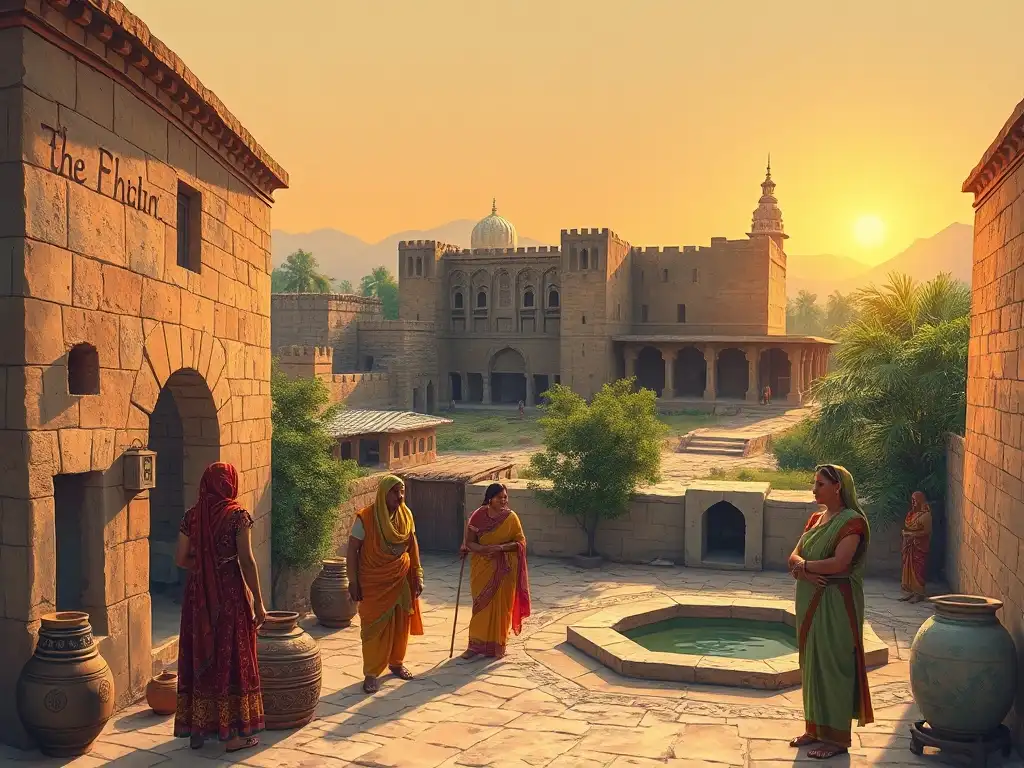
The Indus Valley Civilization (IVC), one of the world's earliest urban cultures, thrived from approximately 3300 BCE to 1300 BCE, primarily in what is now Pakistan and northwest India. This civilization emerged during the Bronze Age and is distinguished for its advanced urban planning, architecture, and social organization. The IVC developed along the fertile floodplains of the Indus River and its tributaries, owing to the rich agricultural potential of the region.
The historical context of the IVC is marked by significant environmental, economic, and technological factors. The civilization flourished due to the monsoon climate, which provided ample water for agriculture, leading to surplus production. This agricultural abundance facilitated trade with neighboring regions, including Mesopotamia, which further enriched the IVC's cultural and economic landscape.
Archaeological discoveries, particularly in cities like Harappa and Mohenjo-Daro, reveal a sophisticated society with a complex social hierarchy, extensive trade networks, and remarkable achievements in craftsmanship. As one of the first urban centers, the IVC laid the groundwork for future Indian civilizations, influencing subsequent cultures in various aspects, including urban planning and trade practices.
Timeline of the Indus Valley Civilization
The timeline of the Indus Valley Civilization can be segmented into several key phases that highlight its evolution:
- Pre-Indus Phase (circa 7000–3300 BCE): Early agricultural communities began to establish roots in the region, marked by simple settlements and subsistence farming.
- Early Harappan Phase (circa 3300–2600 BCE): This period saw the emergence of proto-urban centers, characterized by the establishment of trade routes and the development of handicrafts.
- Mature Harappan Phase (circa 2600–1900 BCE): The IVC reached its zenith during this time, with well-planned cities featuring advanced drainage systems, multi-storied buildings, and standardized weights and measures. Trade flourished both within the civilization and with regions as far as Mesopotamia.
- Late Harappan Phase (circa 1900–1300 BCE): A gradual decline occurred due to possible environmental changes, such as shifting river patterns and diminishing agricultural productivity, leading to urban decay and eventual abandonment of major sites.
- Post-Indus Phase (after 1300 BCE): While the IVC declined, its cultural influences persisted in subsequent Indian civilizations, contributing to the cultural and historical continuity of the region.
Key Characteristics and Achievements
The Indus Valley Civilization is renowned for its distinctive characteristics and remarkable achievements that set it apart from contemporary cultures:
- Urban Planning: The cities of the IVC, particularly Harappa and Mohenjo-Daro, showcased meticulous urban planning. Streets were laid out in a grid pattern, and advanced drainage systems ensured sanitation. Each city was equipped with public baths, indicating a strong emphasis on hygiene.
- Architecture: The architectural prowess of the IVC is evident in the well-constructed brick houses, granaries, and warehouses. The use of standardized baked bricks indicates a high level of organization and planning.
- Writing System: The Indus script, though still undeciphered, suggests a complex communication system. Seals inscribed with symbols were used for trade and administrative purposes, indicating a structured economy.
- Trade and Economy: The IVC had a thriving economy based on agriculture, trade, and craftsmanship. Evidence of trade links with Mesopotamia, Egypt, and the Persian Gulf highlights the civilization's integration into a larger economic network.
- Art and Craftsmanship: The civilization excelled in various crafts, including bead-making, pottery, and metallurgy. Artifacts such as terracotta figurines and intricate jewelry reveal a rich artistic tradition.
- Social Organization: The archaeological findings suggest a hierarchical society with distinct social classes. The presence of large public structures indicates organized governance.
The Indus Valley Civilization's advanced urban planning, architectural innovations, economic systems, and artistic achievements mark it as a pivotal civilization in ancient history, offering unique insights into the evolution of human societies. Its comparison with contemporary cultures further emphasizes its significance in the broader narrative of human civilization.
Contemporary Cultures: A Global Perspective
Definition of Contemporary Cultures
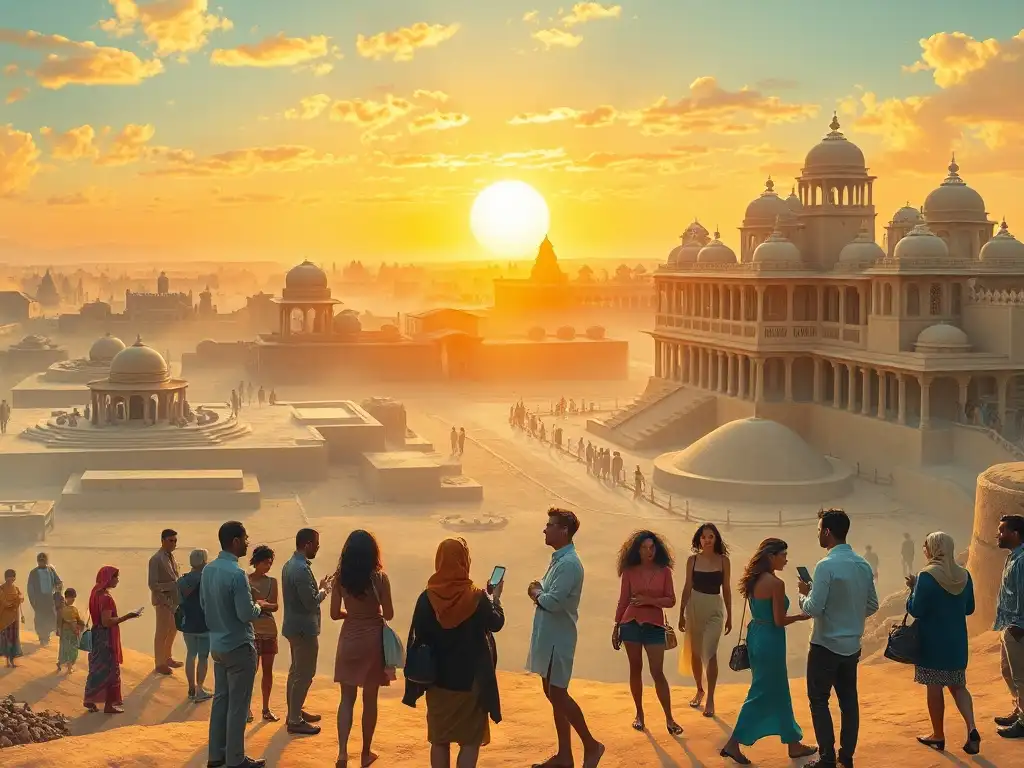
Contemporary cultures refer to the dynamic and evolving social practices, beliefs, values, and artistic expressions that characterize societies in the modern era. These cultures are influenced by various factors including globalization, technology, migration, and intercultural exchanges. In contrast to ancient civilizations such as the Indus Valley civilization, contemporary cultures exhibit a fusion of traditions and modern influences, creating a rich tapestry of identities and expressions.
Key Attributes of Contemporary Cultures:
- Diversity: Contemporary cultures encompass a wide range of ethnicities, languages, and traditions.
- Adaptability: They are constantly evolving, responding to changes in societal norms and technological advancements.
- Global Influence: The interconnectivity of the world has led to the exchange of cultural practices across borders.
- Individualism vs. Collectivism: Different cultures navigate the tension between individual expression and community values.
Overview of Key Contemporary Cultures
Understanding contemporary cultures through a comparative lens reveals both similarities and differences with ancient civilizations such as the Indus Valley civilization. Here, we explore three major categories of contemporary cultures: Western, Eastern, and Indigenous.
Western Cultures
Western cultures are primarily characterized by the influence of European traditions, particularly those stemming from the Renaissance, Enlightenment, and industrial revolutions. Key traits include:
- Individualism: Emphasis on personal freedom and self-expression.
- Democratic Values: Political systems often rooted in democratic ideals.
- Technological Innovation: Rapid advancements in technology impacting everyday life.
- Consumerism: A strong focus on consumption and material wealth.
Comparison with Indus Valley Civilization:
- While the Indus Valley civilization demonstrated advanced urban planning and trade, contemporary Western cultures prioritize personal achievement and economic growth.
- The communal aspects of the Indus society contrast sharply with Western individualism, highlighting different social priorities.
Eastern Cultures
Eastern cultures, particularly those rooted in Asia, present a rich tapestry of philosophies, religions, and traditions. Notable features include:
- Collectivism: A strong emphasis on family, community, and social harmony.
- Spiritual Traditions: Deeply ingrained spiritual practices, often influenced by religions like Hinduism, Buddhism, and Confucianism.
- Artistic Expression: A focus on traditional art forms, music, and literature that reflect cultural heritage.
Comparison with Indus Valley Civilization:
- Both Eastern cultures and the Indus Valley civilization share a connection to spiritual practices and communal living, though Eastern cultures have evolved to integrate modern philosophies and technologies.
- The emphasis on harmony and balance in Eastern cultures can be traced back to similar values in ancient Indian civilizations.
Indigenous Cultures
Indigenous cultures represent the original inhabitants of various regions, preserving unique traditions, languages, and ways of life. Key characteristics include:
- Connection to Land: A profound relationship with nature and the environment.
- Oral Traditions: Rich storytelling practices that pass down knowledge and history.
- Resilience: The ability to adapt and thrive despite external pressures and changes.
Comparison with Indus Valley Civilization:
- Indigenous cultures often maintain practices that resonate with the agricultural and environmental harmony seen in the Indus Valley civilization.
- The preservation of traditional knowledge and practices among Indigenous peoples mirrors the sophistication of the urban planning and sustainable practices of the Indus Valley.
The exploration of contemporary cultures in relation to the Indus Valley civilization reveals significant insights into the evolution of human society, showcasing how ancient foundations can inform modern identities. Understanding these comparisons enriches our appreciation of both historical and contemporary cultural landscapes.
Comparing Socio-Economic Structures
Urban Planning: Indus Valley vs. Contemporary Cities
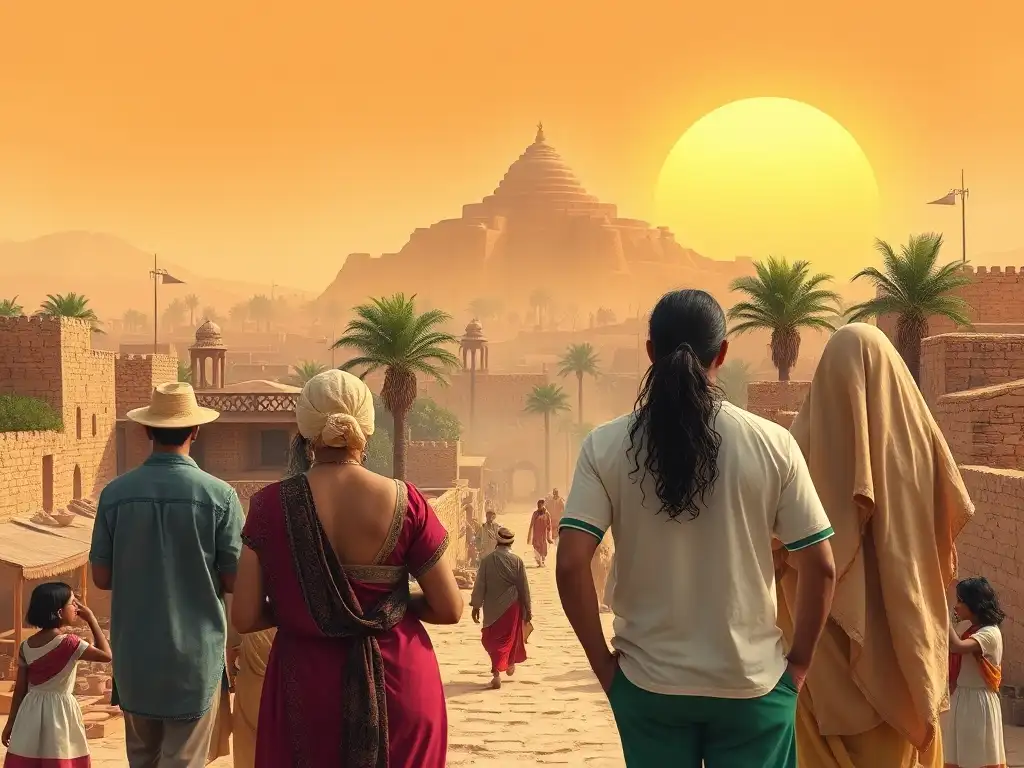
The Indus Valley Civilization (IVC), which thrived between approximately 3300 and 1300 BCE, is renowned for its remarkable urban planning. Cities like Mohenjo-Daro and Harappa were characterized by a grid layout, sophisticated drainage systems, and standardized fired-brick buildings. This meticulous urban design reflects a high degree of organization and foresight, which can be paralleled with contemporary urban planning practices.
Key Features of Urban Planning in the Indus Valley:
- Grid Layout: Streets were laid out in a grid pattern, promoting efficient movement and organization.
- Drainage Systems: Advanced drainage systems included covered drains and toilets, showcasing a commitment to sanitation.
- Public Structures: The presence of large public baths and granaries indicates a focus on community and resource management.
In contrast, contemporary cities often prioritize flexibility and sustainability in their designs to accommodate growing populations and environmental concerns. Modern urban planning incorporates elements such as:
- Mixed-Use Development: Combines residential, commercial, and recreational spaces to foster community interaction.
- Green Spaces: Parks and recreational areas are integrated to enhance livability and environmental health.
- Smart City Technologies: Incorporates technology to improve infrastructure efficiency and sustainability.
This comparison highlights how urban planning has evolved from the structured approaches of the IVC to the dynamic and adaptive strategies employed in today's cities.
Trade Practices and Economic Systems
Trade was a cornerstone of the Indus Valley Civilization, with extensive networks established both locally and internationally. Archaeological findings indicate that the IVC engaged in trade with regions as far away as Mesopotamia, exchanging goods like:
- Cotton textiles
- Metals
- Semi-precious stones
- Pottery
The economic system of the IVC was likely based on a combination of barter and possibly an early form of currency, as evidenced by seals and weights found during excavations.
In comparison, contemporary trade practices are vastly more complex, driven by globalization and technological advancements. Current economic systems involve:
- Digital Transactions: The rise of e-commerce has transformed traditional trade practices.
- Global Supply Chains: Modern economies rely on intricate global networks for production and distribution.
- Regulatory Frameworks: Contemporary trade is heavily influenced by international agreements and regulations, enhancing both security and efficiency.
The evolution from the localized trade of the IVC to the intricate globalized systems of today underscores significant shifts in economic practices and frameworks.
The social structure of the Indus Valley Civilization remains a subject of scholarly debate due to the limited written records. However, evidence suggests a degree of stratification based on economic roles, with potential distinctions between artisans, traders, and agriculturalists. Archaeological findings, such as the size and quality of homes, imply varying social statuses.
In contrast, contemporary societies exhibit a range of social hierarchies shaped by factors such as:
- Economic Class: Wealth distribution often dictates social standing, leading to significant disparities.
- Education: Access to education can create or reinforce class divisions.
- Cultural Influences: Ethnic, religious, and cultural backgrounds also play crucial roles in shaping social dynamics.
Similarities:
- Role of Occupation: Both the IVC and modern societies exhibit hierarchies based on occupation and economic contribution.
- Community Structures: Both civilizations maintain social bonds through community interactions, albeit manifested differently across time.
Differences:
- Mobility: Contemporary societies often provide more avenues for social mobility compared to the likely rigid structures of the IVC.
- Influence of Technology: Modern technology has transformed social interactions and hierarchies in ways unimaginable in ancient times.
By understanding these social structures, we gain insight into how ancient civilizations laid the groundwork for contemporary societal dynamics, and how they continue to evolve.
Cultural Practices and Beliefs
Religious Practices in the Indus Valley Civilization
The religious practices of the Indus Valley Civilization (IVC) remain elusive due to the lack of decipherable written records. However, archaeological findings provide insightful glimpses into their spiritual life. The civilization is believed to have practiced a form of animism or nature worship, revering natural elements such as rivers, trees, and animals.
- Deities and Figurines: Numerous terracotta figurines, often interpreted as deities, have been discovered. Notable among these is the "Priest-King" statue, which suggests a potential religious or spiritual leader within the society. Additionally, the Mother Goddess figurine indicates possible fertility worship.
- Sacred Spaces: The presence of large public baths, such as the Great Bath of Mohenjo-Daro, suggests ritualistic purification practices. These baths may have served as sites for communal gatherings or religious ceremonies, indicating a society that placed importance on cleanliness and ritualistic practices.
- Burial Practices: Evidence of burial sites with grave goods points to beliefs in an afterlife or spiritual continuation. Some graves contained pottery, jewelry, and other items, hinting at the significance of these objects in their religious or cultural practices.
Art and Architecture: A Comparative Analysis
Art and architecture from the Indus Valley Civilization reflect a high degree of sophistication and an understanding of urban planning that resonates with contemporary architectural practices. The careful design of cities like Harappa and Mohenjo-Daro showcases advanced urban planning principles.
- Urban Planning: The grid-like layout of cities with well-planned drainage systems is indicative of a society that valued hygiene and organization. This contrasts with many contemporary cultures, where urban sprawl often leads to chaotic cityscapes.
- Material Use: The use of baked bricks for construction, a technology that was advanced for its time, parallels modern building practices. The durability of these materials has allowed many structures to withstand the test of time, a testament to the engineering skills of the IVC inhabitants.
- Artistic Expression: Indus Valley art, characterized by intricate seals and pottery, reflects a blend of utility and aesthetics. Comparatively, contemporary art often emphasizes individual expression, yet both cultures share a fundamental appreciation for artistic beauty.
| Aspect | Indus Valley Civilization | Contemporary Cultures |
|---|---|---|
| Urban Design | Grid layout, drainage systems | Varies widely, often chaotic |
| Material Usage | Baked bricks, terracotta | Concrete, steel, glass |
| Artistic Style | Functional yet aesthetic | Diverse, often focused on individualism |
Language and Communication: Indus Scripts vs. Modern Languages
The linguistic landscape of the Indus Valley Civilization is largely a mystery due to the undeciphered Indus script. However, the scripts give important insights into the communication methods of this ancient culture.
- The Indus Script: Comprising around 400 symbols, the Indus script appears on seals and pottery. Scholars suggest that it may have served administrative or trade purposes, akin to how modern languages are used in commerce and governance. The inability to decipher this script stands in stark contrast to the extensive documentation available in contemporary cultures.
- Communication Modalities: While the IVC likely relied on a combination of written symbols and oral traditions, modern societies utilize diverse communication forms, including digital communication. The transition from hieroglyphics and early scripts to today’s alphabetic systems illustrates the evolution of language over millennia.
- Significance of Symbols: The use of symbols for trade, as seen in the seals, parallels modern logos and trademarks. Both serve as identifiers, facilitating trade and communication. However, the complexity and nuance of modern languages allow for a richer expression of ideas and culture.
The comparison of the Indus Valley Civilization with contemporary cultures reveals both unique aspects of ancient life and enduring principles that resonate through time. The IVC's sophisticated cultural practices, artistic achievements, and modes of communication set a foundation that continues to influence and shape modern societies.
Technological Innovations
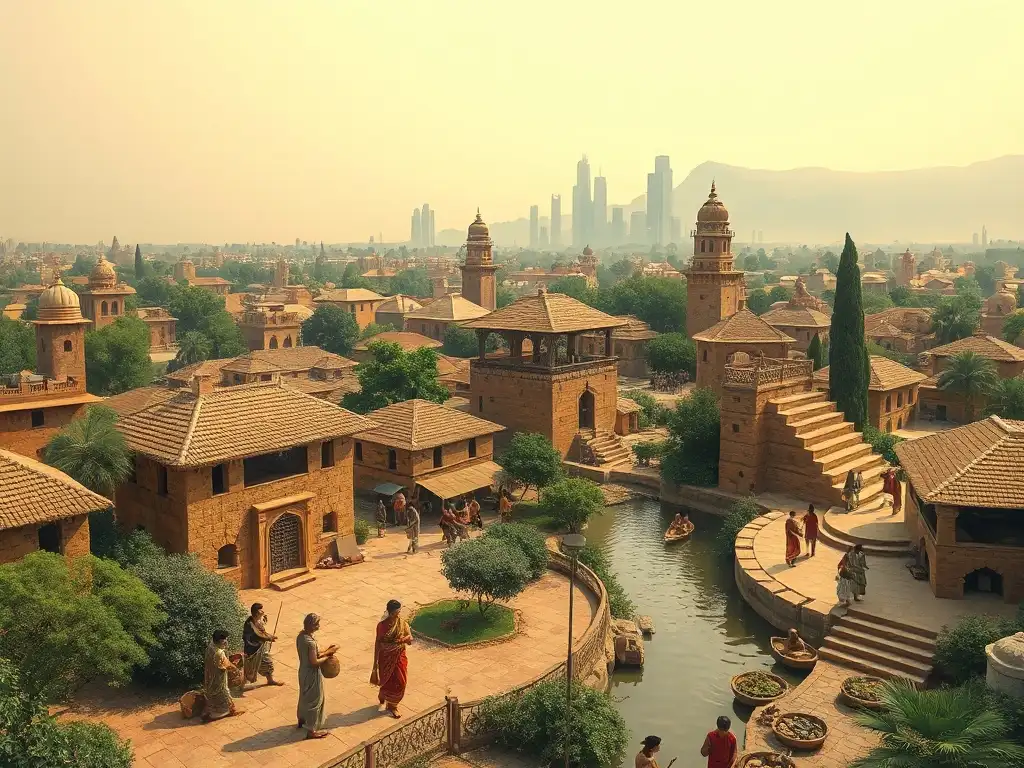
The Indus Valley Civilization (IVC), which flourished between approximately 3300 BCE and 1300 BCE, is renowned for its remarkable technological innovations that laid the groundwork for future advancements. These innovations encompass various domains, including urban planning, water management, and metallurgy, reflecting a sophisticated understanding of technology for its time. Analyzing these technological advancements not only highlights the ingenuity of the IVC but also allows for a compelling comparison with contemporary technological developments.
Indus Valley Technological Advancements
The technological prowess of the Indus Valley Civilization can be observed through several key innovations:
- Urban Planning:
- The cities of Harappa and Mohenjo-Daro were meticulously planned with grid layouts, wide streets, and zoned areas for residential, commercial, and industrial activities.
- The use of baked bricks standardized in size allowed for durable construction, contributing to the longevity of these urban centers.
- Water Management:
- The Indus people developed an extensive drainage system, with covered drains and sophisticated sanitation systems that are considered among the earliest in the world.
- Water reservoirs and wells were strategically constructed, ensuring a reliable water supply for both domestic and agricultural needs.
- Metallurgy:
- The IVC was skilled in metallurgy, particularly in the production of copper and bronze tools. These materials facilitated agricultural practices and craftsmanship.
- The use of weights and measures indicates a sophisticated understanding of trade and commerce, underscoring the organization of economic activities.
- Textile Production:
- Evidence suggests that the Indus Valley people were adept at textile manufacturing, producing cotton fabrics that were highly valued in trade.
- Spinning and weaving techniques were advanced for the time, positioning the IVC as a significant player in ancient textile production.
- Pottery and Art:
- The IVC is known for its exquisite pottery, often featuring intricate designs and painted motifs. This artistry reflects both aesthetic values and technological skill in production.
Comparison with Modern Technological Developments
When comparing the technological advancements of the Indus Valley Civilization with contemporary technologies, several parallels and contrasts emerge:
| Aspect | Indus Valley Civilization | Modern Technologies |
|---|---|---|
| Urban Planning | Grid layouts, planned cities (e.g., Harappa, Mohenjo-Daro) | Smart cities with integrated technologies for efficiency |
| Water Management | Advanced drainage systems, wells, and reservoirs | Modern plumbing, wastewater treatment, and sustainable systems |
| Metallurgy | Bronze and copper tools | Advanced alloys and materials science |
| Textile Production | Cotton textiles, intricate weaving | Automated textile manufacturing, sustainable fabrics |
| Art and Pottery | Handcrafted pottery, artistic motifs | Digital art, 3D printing, mass production |
While the core principles of urban planning and resource management have endured, modern technologies have vastly expanded capabilities through the incorporation of digital tools and sustainable practices. The focus on efficiency, scalability, and environmental sustainability in contemporary technology reflects an evolution from the foundational principles established by the Indus Valley Civilization.
The technological innovations of the Indus Valley Civilization offer a fascinating lens through which to understand both historical advancements and their impact on contemporary practices. The spirit of innovation that characterized the IVC continues to resonate in today's technological landscape, highlighting the enduring legacy of ancient civilizations in shaping modern society.
Environmental Adaptations and Sustainability
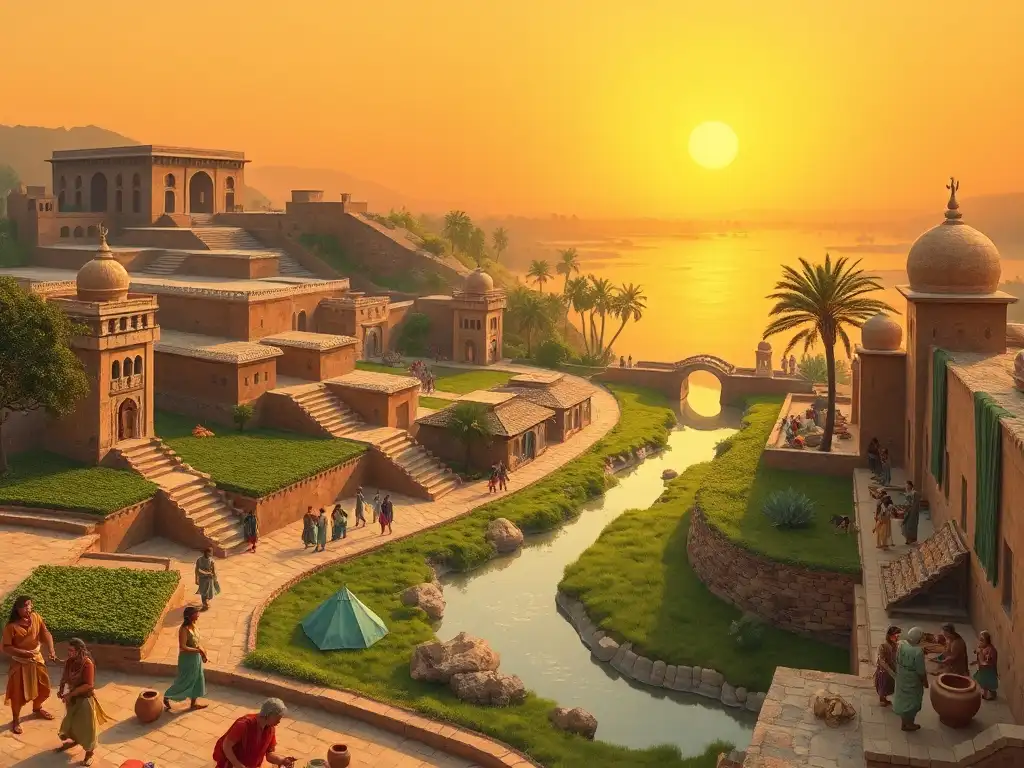
Agricultural Practices in the Indus Valley
The agricultural practices of the Indus Valley Civilization were a cornerstone of its sustainability and resilience. They developed sophisticated techniques that allowed them to thrive in the diverse environmental conditions of the region, which included arid plains and fertile riverbanks.
- Irrigation Systems: The Indus Valley farmers employed advanced irrigation techniques to optimize water use. They constructed networks of canals and reservoirs that channeled water from the Indus River and its tributaries, ensuring a reliable supply for crops. This system not only supported agriculture but also facilitated trade and transportation.
- Crop Diversity: Evidence suggests that the Indus Valley Civilization cultivated a variety of crops, including wheat, barley, peas, and cotton. The diversification of crops minimized the risk of famine and allowed for a balanced diet. Archaeological findings indicate that cotton was among the earliest fiber crops cultivated, highlighting their innovative agricultural practices.
- Seasonal Planning: The civilization's farmers were adept at understanding seasonal patterns, which guided their planting and harvesting schedules. They timed their agricultural activities around the monsoon rains, ensuring optimal growing conditions. This knowledge of seasonal cycles underscores their deep connection to the environment.
- Soil Management: The Indus people practiced techniques to maintain soil fertility, such as crop rotation and the use of organic fertilizers. This sustainable approach ensured that their agricultural lands remained productive over generations.
Contemporary Approaches to Sustainability
In today's world, the need for sustainable agricultural practices mirrors the ancient strategies of the Indus Valley Civilization. Modern approaches to sustainability often draw inspiration from these historical techniques, adapting them to contemporary challenges.
- Integrated Water Resource Management (IWRM): Like the Indus Valley's irrigation systems, IWRM focuses on the sustainable management of water resources. This approach integrates land and water management, ensuring that agricultural practices do not deplete water supplies. Contemporary examples include rainwater harvesting systems that mimic ancient practices.
- Agroecology: This modern agricultural movement emphasizes biodiversity, ecological balance, and local food systems. It echoes the crop diversity seen in the Indus Valley, promoting the cultivation of multiple crops to enhance resilience against pests and climate variability.
- Permaculture: Inspired by the sustainability principles of ancient civilizations, permaculture designs agricultural ecosystems that are self-sustaining and mimic natural ecosystems. The focus on soil health and biodiversity in permaculture reflects the ancient methods of soil management practiced by the Indus Valley farmers.
- Organic Farming: The use of organic fertilizers and crop rotation has gained traction as a sustainable farming practice today. These techniques not only preserve soil health but also reduce dependence on synthetic chemicals, aligning with the environmental stewardship seen in the Indus Valley.
The agricultural practices of the Indus Valley Civilization provide valuable insights into sustainable living that continue to inspire contemporary approaches to environmental adaptation and sustainability. By examining these historical practices, modern societies can develop strategies that honor the lessons of the past while addressing the challenges of the present.
Legacy and Influence
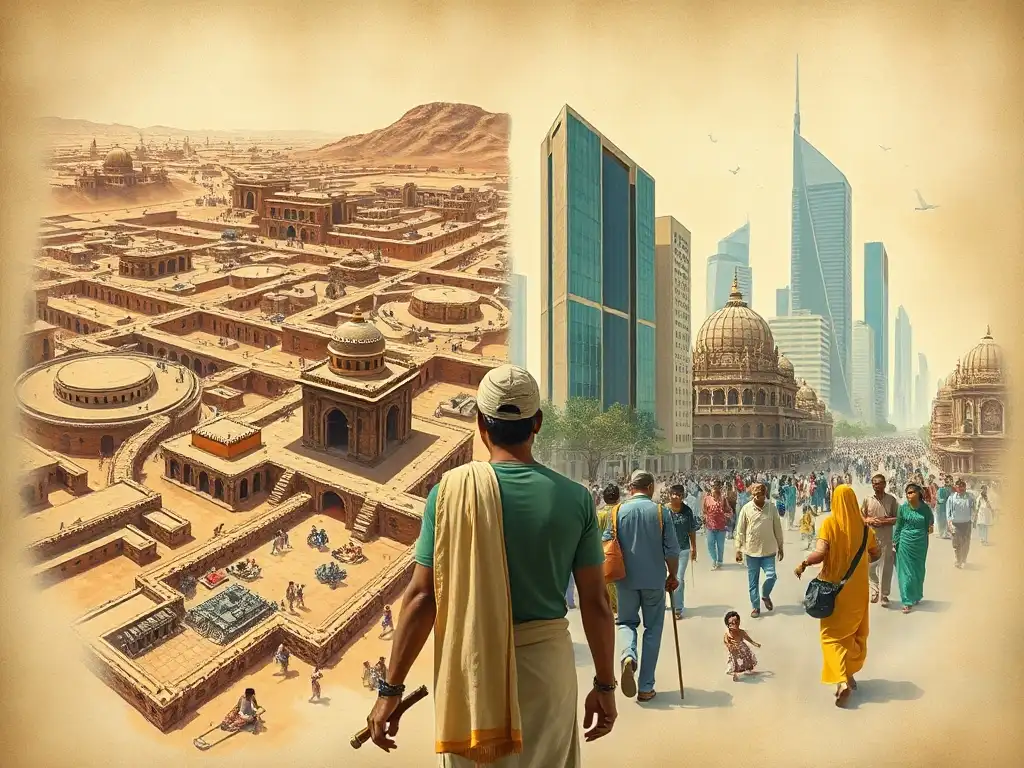
How the Indus Valley Civilization Influences Modern Cultures
The Indus Valley Civilization (IVC), flourishing around 2500 BCE in what is now Pakistan and northwest India, has left an indelible mark on various contemporary cultures. Its urban planning, social organization, and trade practices still resonate in modern society. Here are several key areas of influence:
- Urban Planning: The cities of the IVC, such as Harappa and Mohenjo-Daro, were remarkable for their sophisticated urban planning. Streets were laid out in a grid pattern, and advanced drainage systems were implemented, which can be seen as precursors to modern urban infrastructure. Cities today often incorporate similar principles of zoning and sanitation that trace back to these ancient practices.
- Trade and Economy: The IVC was a hub of trade, connecting with distant regions like Mesopotamia through maritime routes. The use of standardized weights and measures facilitated commerce, an idea that is foundational in today’s global trade systems. Modern economies still rely on the principles of standardization and trade networks established by ancient civilizations.
- Art and Craftsmanship: The intricate craftsmanship and artistry of the IVC, seen in terracotta figurines, seals, and jewelry, have inspired many contemporary artisans. The motifs and styles from IVC artifacts can be seen in modern Indian art, textiles, and jewelry design, showcasing a continuity of cultural expression.
- Agricultural Practices: The agricultural innovations of the IVC, including crop irrigation and the domestication of animals, set the stage for sustainable farming practices that are still relevant today. Modern agricultural techniques often reflect the foundational methods developed during this ancient era.
Comparative Impact on Global Civilization
When evaluating the Indus Valley civilization comparison with other ancient cultures, it becomes evident that the IVC played a pivotal role in shaping global civilization. Here are some comparative impacts:
- Similarities with Mesopotamia and Egypt: Like the civilizations of Mesopotamia and Egypt, the IVC had a centralized urban structure and engaged in extensive trade. However, while Mesopotamia focused on monumental architecture and political power, the IVC prioritized urban aesthetics and social organization, providing a unique model of civilization.
- Cultural Exchange: The trade routes established by the IVC allowed for significant cultural exchange, influencing neighboring regions. This interaction can be compared to the Silk Road's impact on later civilizations, where goods and ideas flowed freely across continents, fostering mutual growth and understanding.
- Influence on Later Indian Civilizations: The legacy of the IVC can be observed in later Indian civilizations, particularly during the Vedic period. Concepts of urbanism, trade practices, and social structures established by the IVC provided a foundation for the cultural and societal norms of subsequent Indian cultures.
- Global Impact: The innovations of the IVC in areas such as metallurgy and craft production contributed to the technological advancements of subsequent civilizations around the world. The emphasis on trade and economic collaboration set precedents for modern economic systems and globalization.
The Indus Valley Civilization not only shaped the ancient world but also laid essential groundwork that continues to influence contemporary cultures and global civilization. Its legacy is a testament to the interconnectedness of human history and the enduring impact of ancient innovations.
Conclusion: Insights Gained from the Indus Valley Civilization Comparison
The comparison between the Indus Valley Civilization and contemporary cultures has unveiled a multitude of insights that deepen our understanding of human society's evolution. Through examining the urban planning, social structures, trade practices, and cultural expressions of the Indus Valley, we can draw parallels and contrasts with modern civilizations. This historical lens not only enriches our appreciation of ancient achievements but also highlights the continuity and change in human behavior over millennia.
Summary of Key Findings
- Urban Planning and Infrastructure:
- The Indus Valley Civilization is renowned for its advanced urban planning, characterized by grid-like city layouts, sophisticated drainage systems, and standardized baked bricks.
- Contemporary cultures, such as Singapore and Tokyo, reflect similar principles of urban design, focusing on sustainability and efficiency.
- Trade and Economy:
- The extensive trade networks of the Indus Valley, evidenced by the discovery of seals and weights, demonstrate a complex economic system that facilitated exchanges with distant regions, including Mesopotamia.
- Modern economies continue to thrive on trade, with globalization echoing the interconnectedness observed in the ancient world.
- Social Structures:
- Evidence suggests a stratified society in the Indus Valley, with distinct classes and roles. However, the absence of grandiose tombs or ostentatious displays of wealth indicates a potentially more egalitarian ethos than seen in other contemporary civilizations.
- Today, social hierarchies still exist, but movements toward equity and inclusivity are gaining momentum, reminiscent of the societal complexities of the past.
- Cultural Expressions:
- Artifacts such as pottery, figurines, and seals provide insights into the cultural and religious practices of the Indus people, showcasing their artistic talent and belief systems.
- Modern cultures continue to express identity through art, music, and literature, reflecting shared human experiences that transcend time.
These findings illustrate that while civilizations evolve, certain fundamental aspects of human society—such as trade, social organization, and cultural expression—remain pervasive across ages.
The Importance of Understanding Historical Civilizations in a Contemporary Context
Understanding the Indus Valley Civilization in the context of contemporary cultures is vital for several reasons:
- Lessons in Sustainability: The emphasis on efficient urban planning and resource management in the Indus Valley offers valuable lessons for modern cities grappling with issues like pollution and urban sprawl. By analyzing ancient practices, contemporary societies can find inspiration for sustainable development.
- Cultural Continuity: Recognizing the shared traits between ancient and modern cultures fosters a sense of continuity in human history. It emphasizes that contemporary societies are built upon the foundations laid by those before them, allowing for a deeper appreciation of cultural heritage.
- Interdisciplinary Insights: The study of ancient civilizations encourages interdisciplinary approaches, drawing from archaeology, anthropology, and sociology. Such perspectives can inform current challenges, from social inequality to environmental crises.
- Global Perspective: Engaging with the Indus Valley Civilization comparison enhances our understanding of global interconnectivity. It reminds us that the lessons of the past are relevant today and can guide future progress.
The Indus Valley civilization comparison not only enriches our historical knowledge but also equips us with insights that resonate in contemporary discussions about civilization, culture, and sustainability. By appreciating the complexities of ancient societies, we can better navigate the challenges and opportunities of the modern world.
Frequently Asked Questions
What is the Indus Valley Civilization known for?
The Indus Valley Civilization is known for its advanced urban planning, drainage systems, and trade networks, which were remarkably sophisticated for its time.
How does the Indus Valley Civilization compare to other ancient cultures?
The Indus Valley Civilization exhibits unique features such as script, city layouts, and craftsmanship that set it apart from contemporary cultures like Mesopotamia and Egypt.
What were the major contributions of the Indus Valley Civilization?
Major contributions include innovations in urban planning, metallurgy, and standardized weights and measures, which influenced future civilizations.
How does the article address the cultural aspects of the Indus Valley Civilization?
The article explores various cultural aspects such as art, religion, and social structure, highlighting their significance in shaping modern societies.
Why is a global perspective important when comparing the Indus Valley Civilization?
A global perspective allows for a better understanding of the interconnections and influences between the Indus Valley Civilization and other ancient cultures, enriching our comprehension of historical contexts.
Final Reflection: Bridging the Past and Present through the Indus Valley Civilization Comparison
The exploration of the Indus Valley Civilization comparison with contemporary cultures reveals not only the ingenuity of our ancestors but also the enduring relevance of their achievements in today's world. As we delve into the sophisticated urban planning, trade networks, and social organization of the Indus Valley, we recognize that these ancient innovations continue to influence modern societies. The lessons learned from their successes and failures serve as a mirror reflecting our own cultural evolution and the challenges we face today.
Culture is a living tapestry, woven from the threads of history, and the Indus Valley Civilization is a vital strand in this intricate design. Its legacy can be seen in the way we approach urban development, sustainability, and community living. The echoes of their achievements remind us that our current practices are built upon the foundations laid by those who came before us.
As historian John Keats once said, “A thing of beauty is a joy forever,” and the beauty of the Indus Valley's achievements continues to inspire us. > “The past is never dead. It's not even past.” — William Faulkner.
As we reflect on the insights gained from comparing the Indus Valley Civilization with contemporary cultures, I invite you to consider how these lessons can be applied in your own life. What aspects of their civilization can we adopt to create a more harmonious and sustainable future?
Let this reflection encourage you to engage with history, draw inspiration from it, and actively participate in shaping a world that honors the wisdom of the past while innovating for the future. Embrace the opportunity to learn from history, and let it guide your actions as we collectively navigate the complexities of modern life.
Unveil Timeless Lessons from the Indus Valley Civilization!
Thank you for diving into the intriguing comparisons between the Indus Valley Civilization and our contemporary cultures! We hope you found valuable insights that spark your curiosity and inspire further exploration of our shared human history.
Now, take the next step on this captivating journey:
- Reflect on the Innovations: **Identify a significant innovation from the Indus Valley Civilization that resonates with today's challenges, and brainstorm how you could apply its principles to modern solutions. **
- Share Your Insights: **Engage in a discussion with friends or family about what you've learned; consider hosting a small gathering where everyone can share their thoughts on how ancient civilizations continue to shape our lives today. **
- Explore Further: **Delve deeper into other ancient cultures that influenced modern society—choose one that fascinates you and research its impact on today's world. **
What aspect of the Indus Valley Civilization do you think can still be applied to improve our global society? **We encourage you to share your thoughts below! **