
The Contribution of Women to Ancient Indian Music and Dance

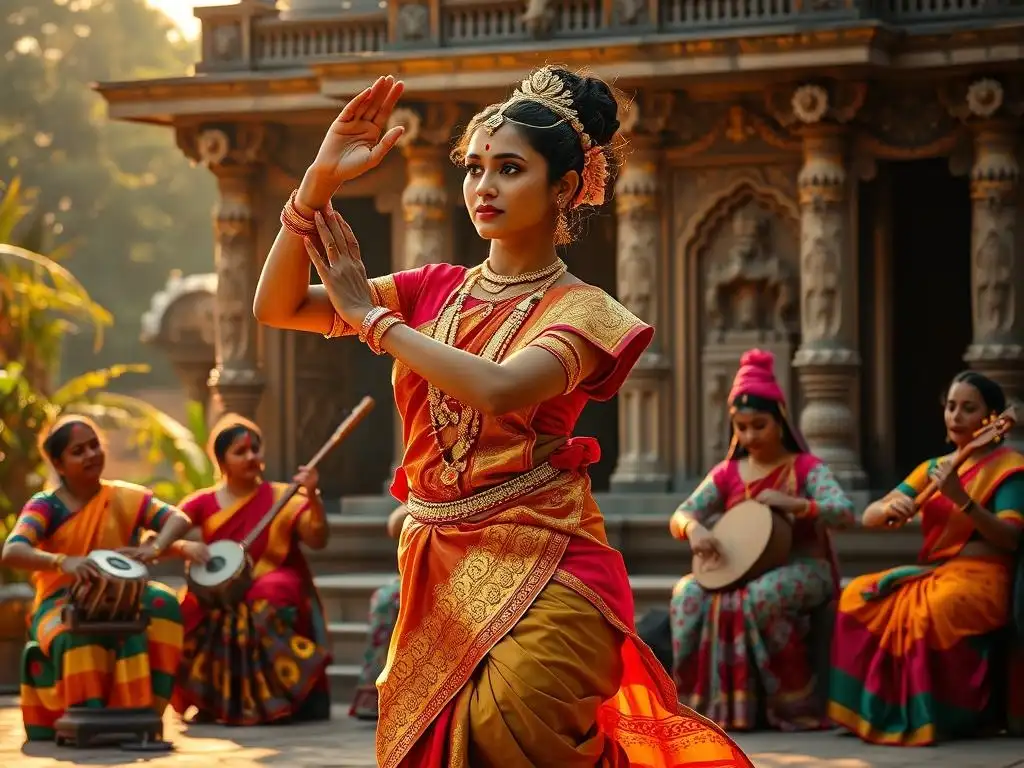
Welcome to Ancient India History, where we embark on an enlightening journey through the rich tapestry of ancient Indian civilizations. In this exploration, we delve into a captivating aspect of cultural heritage: the remarkable contributions of women to music and dance. Our featured article, “ The Contribution of Women to Ancient Indian Music and Dance,” unveils the often-overlooked roles that women played in shaping the musical landscape of their time.
Prepare to uncover stories of creativity, resilience, and artistry that not only enriched their communities but also laid the foundation for future generations. Join us as we celebrate these extraordinary contributions and discover how they resonate in today’s cultural expressions.
Introduction to Women in Ancient Indian Music
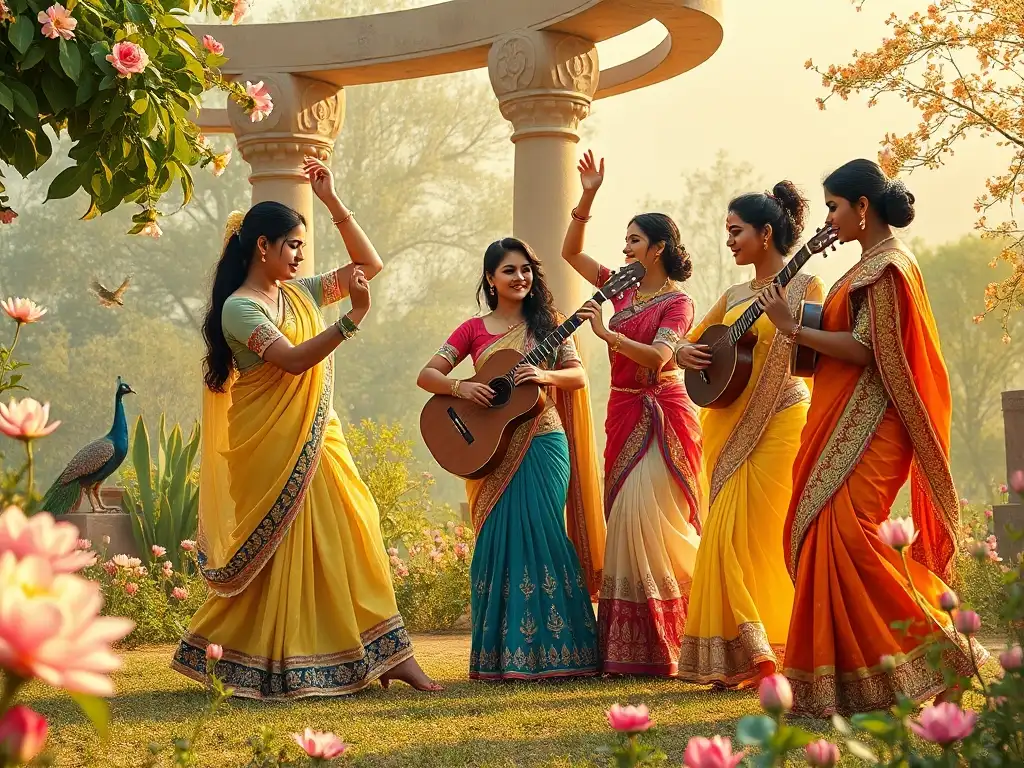
The rich tapestry of ancient Indian music and dance is interwoven with the contributions of women, whose roles have been pivotal yet often overlooked. From the earliest times, women have not only participated in these art forms but have also been instrumental in shaping their evolution. Their influence is evident across various dimensions, including the creation, performance, and transmission of musical traditions. This article aims to explore the significant contributions of women in ancient Indian music, highlighting their roles as musicians, dancers, and cultural custodians, while also examining how societal norms impacted their artistic expressions.
Overview of Women's Roles in Ancient Indian Culture
In ancient Indian culture, women held diverse roles that extended beyond the confines of domestic duties. They were revered as spiritual figures, scholars, and artists. Notably, texts from the Vedic period and beyond reveal that women were not only participants in cultural rituals but also played a vital role in preserving and innovating musical traditions.
- Cultural Custodians: Women often took on the responsibility of passing down traditional music and dance forms to future generations.
- Influential Figures: Many women emerged as prominent figures in the arts, leading to the establishment of a legacy that would influence subsequent generations.
- Integration in Rituals: Music and dance were integral to religious and social ceremonies, where women frequently took center stage, showcasing their talents.
Significance of Music and Dance in Ancient Indian Society
Music and dance in ancient India were more than mere forms of entertainment; they were essential components of spiritual and social life. These art forms served various purposes:
- Spiritual Expression: Many musical compositions and dance forms were created as offerings to deities, reflecting devotion and reverence.
- Cultural Identity: They played a crucial role in shaping cultural identity, with distinct styles emerging across different regions and communities.
- Social Commentary: Through performance, women often conveyed societal values, emotions, and narratives that resonated with their audiences.
Historical Context of Women in Music and Dance
Understanding the historical context of women in ancient Indian music and dance is crucial to appreciating their contributions. From ancient texts to archaeological findings, evidence illustrates the prominent roles women played in these fields.
Early References to Women Musicians in Ancient Texts
Ancient scriptures and texts, such as the Vedas, Upanishads, and various Purāṇas, contain references to women musicians and dancers. These texts not only recognize women's talents but also celebrate their contributions to the arts.
- Notable Figures: Figures like Vishaka, known for her exceptional skills in music, are frequently mentioned, highlighting the acknowledgment of women in these roles.
- Literary Evidence: Classical literature, including works by Kalidasa and Bhasa, often features women as accomplished artists, showcasing their significance in cultural narratives.
Societal Perceptions of Women in the Arts
The societal perception of women in the arts has been complex, oscillating between admiration and restriction. While many women enjoyed prominence in artistic expressions, societal norms often dictated their roles.
- Patriarchy and Art: Despite their contributions, women faced challenges within a patriarchal structure that sometimes limited their opportunities for recognition and advancement.
- Legacy and Recognition: The legacy of women in ancient Indian music and dance has often been overshadowed, necessitating a reevaluation of their contributions to fully appreciate their impact on the cultural landscape.
The exploration of women in ancient Indian music reveals a rich narrative of artistry, resilience, and cultural significance. As we delve deeper into the historical accounts and societal contexts, we uncover the profound influence women have had on the evolution of music and dance in ancient India.
Prominent Women in Ancient Indian Music
Women have played a crucial role in the development and evolution of music in ancient India. Their contributions span various genres, styles, and traditions, highlighting their significance in a predominantly male-dominated field. From ancient scriptures to oral traditions, women musicians not only participated but also shaped the musical landscape of their time. The recognition of their contributions is essential to understanding the rich tapestry of India's musical heritage, reflecting their artistic prowess and cultural impact.
Legendary Female Musicians and Their Contributions
Throughout ancient Indian history, several legendary female musicians stand out for their exceptional talent and influence. One of the earliest known figures is Lata Mangeshkar, a name synonymous with Indian music, although she belongs to a later era. However, historical texts refer to figures like Vishakha, a skilled musician mentioned in the Mahabharata, who was known for her exquisite musical abilities.
Another prominent figure is Saraswati, the goddess of music and arts, revered in ancient texts. Her representation often symbolizes the ideal of musical excellence and serves as an inspiration for women musicians throughout the ages. Moreover, women like Chandravati, a singer and poetess from the medieval period, contributed significantly to the Bhakti movement, blending devotional themes with music, thereby enriching the spiritual and cultural milieu of their time.
The Impact of Female Musicians on Classical Traditions
The impact of female musicians on classical traditions in ancient India cannot be overstated. Women served as custodians of musical knowledge, passing down complex forms of classical music through generations. They played a pivotal role in the evolution of various styles, such as Dhrupad and Khyal, integrating their unique expressions and interpretations into these forms.
Moreover, female musicians participated in royal courts, where they were not only entertainers but also influencers in shaping musical tastes and preferences. Their performances often included intricate compositions that showcased their virtuosity, thus elevating the status of women in the musical domain. This legacy laid the groundwork for future generations of female musicians, fostering an environment where women could pursue music as both an art form and a profession.
Women in Ancient Indian Dance
Women have also been integral to the evolution of dance in ancient India. Their participation in various dance forms not only showcased their artistic skills but also reflected the cultural narratives and societal values of their time. Dance was often an expression of storytelling, spirituality, and ritualistic practices, with women at the forefront of these performances.
Historical Styles of Dance Performed by Women
Several historical styles of dance were predominantly performed by women in ancient India. Bharatanatyam, originating from Tamil Nadu, is one of the oldest classical dance forms, characterized by its expressive hand gestures and facial expressions. It was traditionally performed by Devadasis, women dedicated to temple service, who used dance as a form of worship.
Another significant style is Odissi, which hails from Odisha and is known for its fluid movements and intricate footwork. This dance form was often performed at temples by women, embodying divine narratives and showcasing their grace. Other notable styles include Kathak, which combines storytelling with dance, and Kuchipudi, recognized for its dramatic presentation. These dance forms not only provided a platform for women to exhibit their talents but also allowed them to express their individuality and creativity.
Influence of Female Dancers on Dance Forms
The influence of female dancers on various dance forms in ancient India is profound. Women not only preserved traditional dance styles but also innovated and enriched them with personal interpretations and emotional depth. Their ability to convey complex narratives through dance allowed for a deeper connection with audiences and served to elevate the art form.
Female dancers often participated in rituals and festivals, making their performances integral to cultural celebrations. Their contributions helped in the establishment of dance as a respected art form, paving the way for future generations of dancers. The legacy of these women continues to inspire contemporary dance practices, emphasizing the ongoing significance of their roles in shaping the history of Indian music and dance.
Cultural Significance of Women in Music and Dance
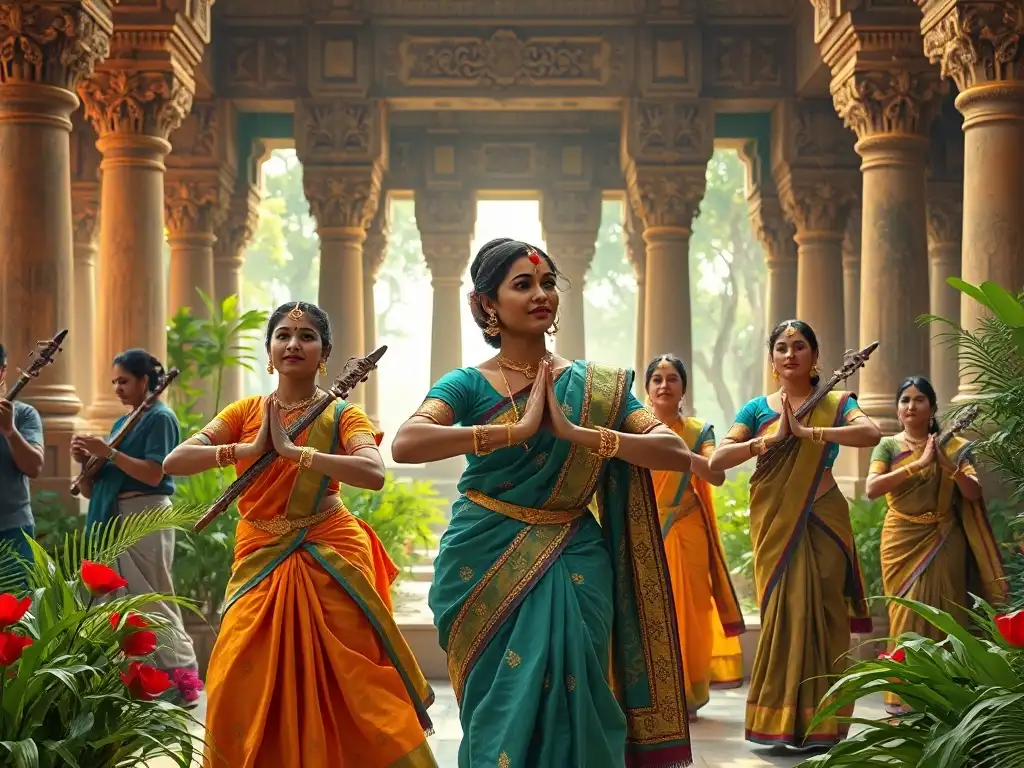
Women have played a pivotal role in the evolution of music and dance in ancient India, serving as both performers and composers. Their contributions are deeply intertwined with the cultural fabric of Indian society, reflecting a rich heritage that emphasizes the importance of female artistry. In various historical texts, including the Natya Shastra, women are depicted as vital figures in the performance arts, showcasing their skills in dance and music.
The presence of women in music and dance is not merely a reflection of their artistic abilities but also signifies their roles as custodians of cultural traditions. Through generations, they have passed down folk songs, classical compositions, and dance forms, ensuring that the essence of ancient Indian culture persists. The ability of women to express emotions through these art forms has allowed them to connect with audiences on a profound level, often serving as a medium for storytelling and spiritual expression.
Moreover, women in ancient Indian music and dance often occupied spaces that transcended mere performance. They were instrumental in rituals and ceremonies, where their art contributed to the spiritual atmosphere. The reverence for female performers is evident in various texts and inscriptions, highlighting their significance in maintaining the sacredness of cultural practices. This cultural importance not only empowered women but also helped elevate the status of music and dance in society.
The Role of Women in Religious and Ceremonial Music
In ancient India, women were crucial participants in religious and ceremonial music, often serving as vocalists and instrumentalists during rituals. Their involvement was not limited to mere performance; it was integral to the spiritual and communal experience. Women would sing hymns, chants, and prayers, imbuing these occasions with a sense of divine presence and emotional depth.
The Vedic texts reference women known as "ganikas," who specialized in singing and dancing during religious ceremonies. These women were highly respected and played significant roles in rituals dedicated to deities. The melodies and rhythms they created were believed to invoke blessings and foster a spiritual connection between the participants and the divine.
Additionally, the presence of women in temple music was vital. They performed in temples, where their music accompanied various rituals and festivals. Their contributions helped create an atmosphere of devotion and reverence, reflecting the sacredness of the music itself. This tradition of female participation in religious and ceremonial music continues to resonate in present-day practices, showcasing the enduring legacy of women in these spheres.
Women as Innovators in Musical Composition and Performance
Women in ancient India were not just performers; they were also innovators in musical composition and performance. Many female composers contributed to the body of classical music, creating original compositions that enriched the musical landscape of their time. These women often drew inspiration from their surroundings, emotions, and spiritual beliefs, which informed their work and made it distinctly personal and profound.
Notable figures in this realm include the legendary poet-saint Mirabai, whose devotional songs (bhajans) continue to inspire many. Her innovative use of lyrical expression and emotive melodies has left a lasting impact on both music and spirituality in India. Similarly, women like Dhanvantari and Tana Riri were celebrated for their unique styles and contributions to the classical arts.
In performance, women often blended various dance forms with music, creating a rich tapestry of artistic expression. They were known to experiment with styles, rhythms, and instruments, pushing the boundaries of traditional forms. This spirit of innovation not only advanced the arts but also established a legacy of female creativity that resonates in contemporary Indian music and dance.
Challenges Faced by Women in the Music and Dance Spheres
Despite their significant contributions, women in ancient Indian music and dance faced numerous challenges that often hindered their artistic expression and recognition. Societal norms and restrictions imposed on women limited their opportunities to perform in public spaces and gain acknowledgment for their talents.
Societal Restrictions and Their Impact on Female Artists
Societal restrictions played a considerable role in shaping the experiences of women involved in music and dance. In many contexts, cultural norms dictated that women should maintain a subordinate status, often relegating them to domestic roles. This societal framework restricted their participation in public performances, particularly in classical music and dance, which were predominantly male-dominated fields.
As a result, many talented female artists found it challenging to gain visibility and recognition. The stigma attached to female performers often led to their marginalization, with their contributions overshadowed by their male counterparts. Additionally, the lack of formal education and training opportunities further compounded these challenges, limiting their ability to develop their skills and gain mastery over their art.
Overcoming Barriers: Stories of Resilience
Despite these obstacles, many women in ancient India demonstrated remarkable resilience and determination to overcome societal barriers. Their stories are a testament to the strength and creativity of female artists. For instance, the legendary courtesans of ancient India, known as "tawaifs," often broke through societal constraints by leveraging their artistic talents to gain recognition and respect. They became patrons of the arts and played a crucial role in preserving and promoting music and dance traditions.
Moreover, women from various backgrounds formed communities that supported each other in their artistic endeavors, creating a network of female artists who collaborated and shared their knowledge. This solidarity enabled many women to thrive in the face of adversity, paving the way for future generations of female musicians and dancers.
The legacy of these resilient women continues to inspire contemporary artists, reminding us of the pivotal role women have played in shaping the cultural landscape of ancient India and the ongoing journey toward equality and recognition in the arts.
Conclusion: Legacy of Women in Ancient Indian Music and Dance
The legacy of women in ancient Indian music and dance is both profound and enduring. Throughout history, women have played pivotal roles in the development, preservation, and transformation of these art forms. Their contributions are not merely historical footnotes; they are the very fabric of India's rich cultural tapestry. The influence of women can be seen across various genres and styles, from classical forms like Bharatanatyam and Odissi to folk traditions that reflect the regional diversity of India.
Women such as the legendary dancer and musician, Tawaif, who were often at the forefront of cultural innovation, have left an indelible mark on the landscape of Indian performing arts. Their artistry not only enhanced the aesthetic appeal of music and dance but also challenged societal norms, creating spaces where women could express their creativity and assert their identities. As we delve into the nuances of ancient Indian music and dance, it becomes clear that the contributions of women are integral to understanding the evolution of these art forms.
Lasting Influence on Contemporary Indian Arts
The influence of women in ancient Indian music and dance continues to resonate in contemporary art forms. Many of today’s leading artists credit their inspiration to the rich traditions established by their predecessors. For instance, modern practitioners of classical dance forms often reference the techniques and narratives established by ancient women artists.
Moreover, contemporary Indian music has seen a resurgence of interest in traditional styles, with female musicians reclaiming and reinterpreting ancient compositions and folk songs. This revival is not just about preservation; it also involves innovation, blending traditional elements with modern sensibilities. Women like Shubha Mudgal and Mallika Sarabhai are notable examples of artists who embody this fusion, drawing from ancient traditions while experimenting with contemporary themes and styles.
The ongoing dialogue between past and present in Indian music and dance highlights the resilience and adaptability of these art forms, ensuring that the contributions of women continue to inspire future generations.
Reflection on the Evolution of Women's Roles in Music and Dance
The roles of women in music and dance have undergone significant transformations throughout history. In ancient times, women were often celebrated as embodiments of divine grace and artistic expression. They occupied esteemed positions in royal courts and temples, serving both as performers and educators. However, societal changes over centuries, particularly during the medieval and colonial periods, restricted their participation, forcing many talented women into the shadows.
Today, there is a renewed recognition of the importance of women's contributions to these art forms. The feminist movements of the late 20th and early 21st centuries have prompted a reevaluation of women's roles, leading to greater visibility and appreciation of their artistry. Women are increasingly reclaiming their space in music and dance, challenging stereotypes and societal constraints, and asserting their identities as both artists and cultural custodians.
This evolution signifies a broader shift in societal attitudes towards women in the arts, paving the way for a future where their contributions are not only acknowledged but celebrated. The journey from the ancient to the contemporary underscores the resilience of women in music and dance, reflecting their enduring spirit and the vital role they play in the cultural heritage of India.
- Introduction to Women in Ancient Indian Music
- Historical Context of Women in Music and Dance
- Prominent Women in Ancient Indian Music
- Women in Ancient Indian Dance
- Cultural Significance of Women in Music and Dance
- Challenges Faced by Women in the Music and Dance Spheres
- Conclusion: Legacy of Women in Ancient Indian Music and Dance
Frequently Asked Questions
What role did women play in ancient Indian music?
Women played a significant role in ancient Indian music, often serving as performers, composers, and patrons. Their contributions helped shape various musical traditions and styles.
Were there any famous female musicians in ancient India?
Yes, there were several renowned female musicians in ancient India, such as Vasantika and Matanga, who made lasting impacts on music and performance art during their time.
How did cultural practices influence women in music?
Cultural practices in ancient India often encouraged women's participation in music, with many being trained in classical arts from a young age, thus enriching the overall musical heritage.
What instruments were women known to play?
Women in ancient India were known to play various musical instruments, including the veena, flute, and mridangam. Their skills contributed to the diversity of sound in performances.
How is the legacy of women in ancient Indian music viewed today?
Today, the legacy of women in ancient Indian music is acknowledged as crucial to understanding the development of musical traditions. Their contributions continue to inspire modern artists and scholars alike.
Final Reflection: Celebrating the Legacy of Women in Ancient Indian Music
The contributions of women to ancient Indian music and dance are not just historical footnotes; they are the vibrant threads that weave the rich tapestry of our cultural heritage. Today, as we navigate a world that often overlooks the achievements of women, it becomes increasingly essential to recognize and honor their pivotal roles in shaping the arts. The legacy of women in ancient Indian music is a testament to their creativity, resilience, and influence, reminding us that their voices have always been integral to our cultural identity.
The impact of women in ancient Indian music and dance continues to resonate in contemporary society, inspiring new generations of artists and performers. Their stories serve as powerful reminders of the strength and talent that women have historically brought to the arts, often in the face of societal constraints.
As noted by the renowned musicologist, "The echoes of their melodies still linger, urging us to remember and celebrate the women who shaped our musical landscape." > This acknowledgment not only enriches our understanding of history but also empowers women today to reclaim their narratives and continue the legacy of artistic expression.
As we reflect on the invaluable contributions of women in ancient Indian music, let us take a moment to consider how we can honor and amplify these voices in our own lives. I invite you to explore the music and dance forms that have been influenced by these remarkable women, to share their stories, and to support the artists who carry forward this rich tradition. By doing so, we not only pay homage to the past but also ensure that the legacy of women in music continues to thrive and inspire future generations.
Thank you for diving into the fascinating world of women’s contributions to ancient Indian music and dance! By exploring this rich history, you've uncovered the incredible talent and influence of women who shaped the cultural landscape of their time. Now, it’s time to take action and keep this legacy alive.
Here’s how you can honor their contributions and amplify their stories:
- Dive Deeper: Research the lives of iconic female musicians and dancers from ancient India. Consider visiting your local library or exploring academic websites for in-depth articles and documentaries.
- Share Your Insights: Discuss what you've learned with friends or on social media. Use the hashtag #WomenInAncientArts to connect with others who are passionate about this topic.
- Support Today's Artists: Attend performances or workshops by contemporary Indian female artists. Your support fosters the continuation of this rich tradition!
How will you celebrate and share the powerful stories of women in ancient Indian music and dance?