
The Legacy of Ayurveda: How Ancient Practices Shape Today's Wellness Trends

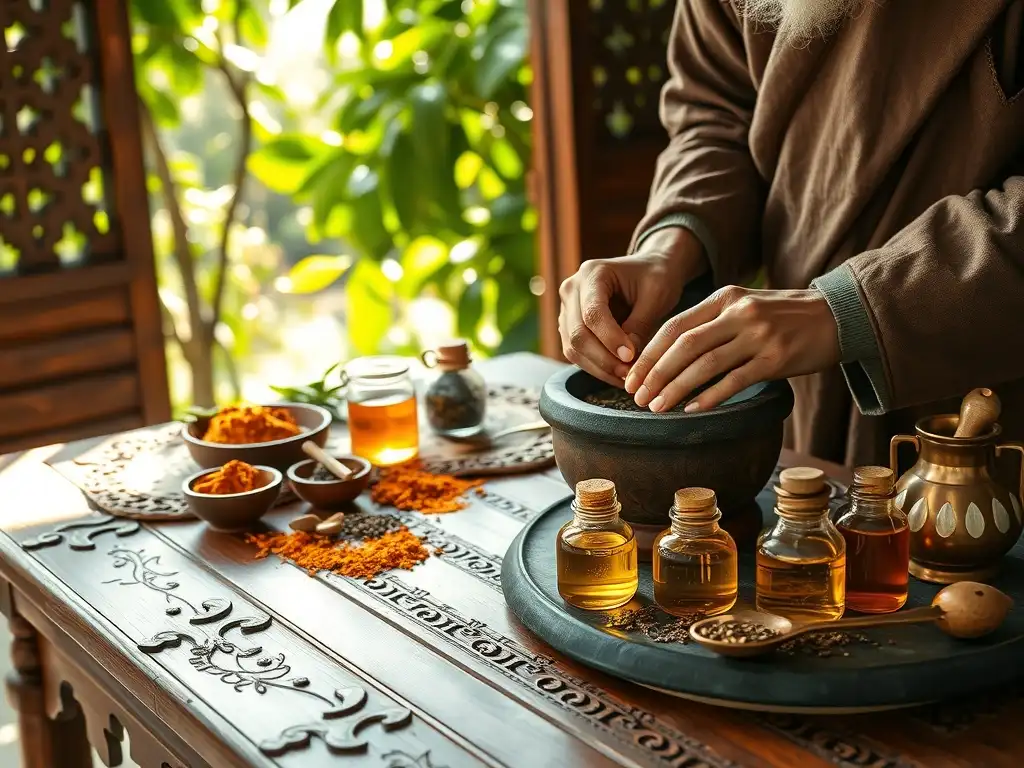
Welcome to Ancient India History, where we embark on a captivating journey through the rich tapestry of ancient Indian civilizations. Here, we delve into the profound legacy of Ayurveda, unraveling how these time-honored wellness practices not only shaped the lives of those in the past but continue to influence modern wellness trends today.
Prepare to be intrigued as we explore the harmonious blend of science and tradition that has transcended centuries, inviting you to discover the secrets of holistic health and well-being. Join us as we uncover the remarkable contributions of ancient India that resonate in our lives today—your adventure into the past begins now!

Introduction to Ancient Ayurveda Wellness Practices
The ancient tradition of Ayurveda, originating from the Sanskrit words "Ayur" (life) and "Veda" (knowledge), represents a holistic approach to health and wellness that has transcended time and culture. With roots tracing back over 5,000 years in India, Ayurveda is more than just a system of medicine; it embodies a philosophy of life that integrates the physical, mental, and spiritual well-being of individuals.
As modern wellness trends increasingly lean towards holistic practices, understanding the ancient Ayurveda wellness practices is essential for recognizing their profound impact on contemporary health paradigms. This article delves into the core principles of Ayurveda, its historical context, and how its time-honored practices continue to influence today's wellness landscape.
Definition and Origins of Ayurveda
Ayurveda is defined as a comprehensive medical system that seeks to promote health through balance and the understanding of individual constitution. It emphasizes preventive care and natural remedies, utilizing a variety of techniques from herbal medicine to dietary recommendations and lifestyle adjustments. The origins of Ayurveda are deeply embedded in ancient Indian scriptures, particularly the Vedas, which are some of the oldest texts in human history. These texts laid the groundwork for Ayurvedic practices, detailing methods for diagnosis, treatment, and the importance of a balanced lifestyle.
Historical Context of Ayurveda in Ancient India
The historical context of Ayurveda highlights its evolution alongside the development of ancient Indian civilization. Emerging during the Indus Valley Civilization, Ayurveda has been shaped by influences such as religious practices, cultural beliefs, and advancements in medicinal knowledge. Ancient texts like the Charaka Samhita and Sushruta Samhita codified Ayurvedic principles, offering insights into surgical techniques, herbal medicine, and the importance of diet. These texts not only reflect the medical knowledge of the time but also illustrate the social and spiritual dimensions of health in ancient India, where Ayurveda was often intertwined with rituals and philosophy.
The Core Principles of Ayurveda
The Doshas: Vata, Pitta, and Kapha
At the heart of Ayurvedic practices lies the concept of the three doshas: Vata, Pitta, and Kapha. These doshas represent the fundamental energies that govern physiological and psychological functions in the body.
- Vata is characterized by movement and is associated with air and space. It governs bodily functions related to circulation, breathing, and nerve impulses.
- Pitta embodies fire and water, relating to digestion, metabolism, and transformation in the body.
- Kapha consists of earth and water, providing structure, stability, and nourishment.
Recognizing one's dominant dosha helps tailor health regimens, dietary choices, and lifestyle practices to maintain balance and harmony within the body.
The Concept of Balance in Ayurvedic Practices
Balance is a central tenet of Ayurveda. It posits that health is achieved when the doshas are in harmony, and any disturbance can lead to illness. Ayurvedic practices advocate for personalized approaches to restore balance, considering factors such as individual constitution, seasonal changes, and environmental influences. Techniques like yoga, meditation, and dietary modifications are employed to cultivate equilibrium, promoting not only physical health but also emotional and spiritual well-being.
The Role of Nature in Ayurveda
Nature plays a pivotal role in Ayurveda, where the interconnectedness of all living beings is emphasized. Ayurvedic practitioners advocate for the use of natural therapies, including herbs, plants, and minerals, which are believed to possess unique healing properties. The philosophy of Ayurveda encourages individuals to align their lifestyles with the cycles of nature, harnessing its resources for optimal health. This intrinsic connection to the environment underscores the holistic approach of Ayurveda, highlighting its relevance as a sustainable wellness practice in today's world.
In exploring the legacy of Ayurveda, we see how its ancient wellness practices continue to resonate in modern health trends, providing valuable insights for those seeking a balanced and enriched life.
Ancient Ayurveda Practices and Their Applications
Ancient Ayurveda, a holistic system of medicine that originated in India over 3,000 years ago, emphasizes the balance of body, mind, and spirit. Its practices are rooted in the belief that health and wellness depend on a harmonious relationship between the individual and their environment. This comprehensive approach encompasses various aspects, such as lifestyle choices, diet, and spiritual practices.
One of the core principles of Ayurveda is the concept of doshas, which are the three energies (Vata, Pitta, and Kapha) believed to govern physiological and psychological functions in the body. Ayurveda tailors treatments based on an individual's dosha, promoting personalized care. This ancient wisdom has paved the way for numerous applications in modern wellness trends, including yoga, meditation, and herbal healing.
Herbal Remedies: Nature’s Pharmacy in Ancient Ayurveda
Herbal remedies are integral to Ayurveda, often referred to as nature's pharmacy. Ancient Ayurvedic texts, such as the Charaka Samhita and Sushruta Samhita, catalog thousands of medicinal plants and their uses. These remedies are not only used for treating ailments but also for promoting overall well-being.
For instance, Tulsi (Holy Basil) is revered for its anti-inflammatory and antioxidant properties, while Ashwagandha is known for its adaptogenic qualities that help the body cope with stress. The preparation of herbal formulations varies, ranging from powders and teas to oils and pastes, all designed to harness the medicinal properties of plants effectively. This foundational practice continues to inspire contemporary natural health products and herbal supplements, reflecting the enduring relevance of ancient wisdom.
Dietary Guidelines in Ayurveda: Sattvic, Rajasic, and Tamasic Foods
Ayurveda categorizes foods into three distinct types: Sattvic, Rajasic, and Tamasic, each impacting the body and mind differently.
- Sattvic foods, such as fruits, vegetables, whole grains, and legumes, are believed to promote clarity, vitality, and harmony. These foods are fresh, organic, and nourishing, fostering a sense of well-being.
- Rajasic foods include spicy, salty, and stimulating items like coffee, tea, and processed foods. They are thought to provoke energy and activity but may lead to restlessness or irritability if consumed excessively.
- Tamasic foods, such as stale or over-processed items, are considered unhealthy as they can lead to lethargy, dullness, and a lack of mental clarity.
Understanding these classifications allows individuals to make informed dietary choices that support their unique constitutions and promote optimal health, a principle that is increasingly adopted in modern wellness regimes.
Ayurvedic Therapies: Panchakarma and Other Detoxification Techniques
Panchakarma, a cornerstone of Ayurvedic therapies, is a comprehensive detoxification process aimed at cleansing the body of toxins (ama) and restoring balance. It involves five key procedures: Vamana (therapeutic vomiting), Virechana (purgation), Basti (enema), Nasya (nasal administration), and Raktamokshana (bloodletting).
These therapies are designed to eliminate accumulated doshas and toxins while rejuvenating the body's systems. In addition to Panchakarma, various treatments such as Abhyanga (oil massage), Shirodhara (oil pouring on the forehead), and Swedana (herbal steam therapy) are used to enhance overall well-being.
The focus on detoxification and rejuvenation in Ayurveda has resonated with today's wellness trends, leading to increased interest in holistic detox programs and spa therapies.
The Impact of Ancient Ayurveda on Modern Wellness Trends

The influence of ancient Ayurveda on modern wellness trends is profound, as many contemporary practices draw from its principles. This impact can be seen in various areas, from holistic health approaches to lifestyle modifications that promote well-being.
Holistic Health: Bridging Ancient Ayurveda and Contemporary Practices
Holistic health, which emphasizes treating the whole person rather than just symptoms, aligns closely with Ayurvedic philosophy. This paradigm shift in healthcare recognizes the interconnection of physical, mental, and emotional health, leading to a more integrative approach in modern medicine.
Practices like yoga, which incorporates physical postures, breath control, and meditation, have become mainstream in promoting holistic wellness. Similarly, the use of Ayurvedic principles to personalize health regimens is gaining traction, with many individuals seeking tailored approaches that consider their unique constitutions and lifestyles.
Mindfulness and Meditation: Roots in Ayurveda
Mindfulness and meditation, deeply embedded in Ayurvedic traditions, are increasingly recognized for their mental health benefits. Ancient Ayurveda views the mind as a crucial component of health, advocating for practices that cultivate awareness and mental clarity.
Meditation techniques, such as Dhyana, are recommended in Ayurveda to enhance focus, reduce stress, and promote emotional balance. As modern society grapples with stress and anxiety, these practices have gained popularity, with mindfulness becoming a key component of wellness programs worldwide.
The Rise of Natural Remedies Inspired by Ancient Ayurveda
The growing trend towards natural remedies reflects a broader shift in consumer preferences, with many individuals seeking alternatives to synthetic medications. Ancient Ayurveda's emphasis on herbal treatments has inspired a resurgence in the use of plant-based remedies.
Today, many wellness brands incorporate Ayurvedic herbs and principles into their products, from skincare to dietary supplements. This trend not only honors the ancient traditions but also empowers individuals to take control of their health through natural means. As a result, the legacy of Ayurveda continues to shape modern wellness practices, promoting a return to nature and holistic well-being.
Comparative Analysis: Ayurveda vs. Modern Medicine
Ayurveda and modern medicine represent two distinct paradigms of health and wellness, each with its unique strengths and limitations. Ayurveda, rooted in ancient Indian philosophy, emphasizes a holistic approach to health that considers the balance of body, mind, and spirit. In contrast, modern medicine often focuses on specific symptoms and diseases, employing advanced technology and pharmacological interventions.
Strengths of Ayurveda:
- Holistic Approach: Ayurveda treats the individual as a whole, aiming for balance in all aspects of life. This can lead to long-term wellness rather than just symptom management.
- Preventive Care: Ayurvedic practices prioritize prevention through lifestyle adjustments, dietary recommendations, and stress reduction techniques, potentially reducing the incidence of chronic diseases.
- Natural Remedies: Many Ayurvedic treatments utilize natural herbs and therapies, which can have fewer side effects compared to synthetic medications.
Limitations of Ayurveda:
- Scientific Validation: While Ayurveda has been practiced for thousands of years, many of its treatments lack rigorous scientific validation, making it challenging to integrate into mainstream healthcare.
- Personalization: The efficacy of Ayurvedic treatments can vary significantly from person to person, necessitating a personalized approach that may not always be feasible in modern clinical settings.
While Ayurveda offers valuable insights into wellness and prevention, modern medicine excels in acute care and evidence-based practices. The interplay between these two systems can create a more comprehensive approach to health.
Strengths and Limitations of Ancient Ayurveda
The strengths of ancient Ayurveda lie primarily in its holistic philosophy and personalized care. By considering the unique constitution (Prakriti) of each individual, Ayurveda tailors treatments to the specific needs of patients. This individualized approach can be particularly effective in managing chronic conditions and promoting overall wellness.
However, there are notable limitations. The lack of extensive clinical research can make it difficult to validate Ayurvedic practices within the framework of modern scientific inquiry. Additionally, some Ayurvedic treatments may not be suitable for everyone, and certain herbs or practices could interact negatively with conventional medications. Thus, while Ayurveda can complement modern healthcare, it is crucial to approach its practices with discernment and professional guidance.
Integrative Approaches: Combining Ayurveda with Western Medicine
The integration of Ayurveda with modern Western medicine is gaining traction as a means to enhance patient care. This integrative approach recognizes the strengths of both systems, allowing for a more comprehensive treatment strategy.
- Collaborative Care: Healthcare providers can work alongside Ayurvedic practitioners to create personalized treatment plans that incorporate both traditional and modern methods. This collaboration can lead to improved patient outcomes, especially in chronic disease management.
- Education and Awareness: Increasing awareness of Ayurvedic principles among healthcare providers can lead to better communication with patients about complementary therapies. This is essential for ensuring patient safety and adherence to treatment plans.
- Research Initiatives: Ongoing research into the efficacy of Ayurvedic treatments can help bridge the gap between ancient wisdom and modern medicine, making it easier for practitioners to incorporate these practices into conventional care.
The blending of these two approaches not only enriches the treatment landscape but also empowers patients to take an active role in their health and wellness.
Case Studies: Success Stories of Ancient Ayurveda in Modern Wellness
Numerous case studies illustrate the effectiveness of ancient Ayurveda in contemporary wellness practices. These real-life examples highlight how individuals have transformed their health and well-being through Ayurvedic principles, showcasing its relevance in today's society.
Individual Transformation Through Ayurvedic Practices
Many individuals have experienced profound transformations by adopting Ayurvedic practices. For instance, a case study of a woman suffering from chronic fatigue and digestive issues found relief through personalized dietary adjustments and herbal remedies prescribed by an Ayurvedic practitioner. By implementing a daily routine (Dinacharya) that included yoga, meditation, and specific herbal preparations, she reported increased energy levels and improved digestive health within a few months.
Another example involves a man dealing with stress-related anxiety. Through a combination of Ayurvedic therapies, including Panchakarma detoxification and mindfulness practices, he was able to manage his anxiety effectively, achieving a state of mental clarity and emotional balance. These anecdotes underscore the transformative potential of integrating ancient Ayurvedic practices into everyday life.
Wellness Retreats Incorporating Ancient Ayurveda
Wellness retreats that focus on Ayurvedic principles have become increasingly popular, offering participants a chance to rejuvenate both physically and mentally. These retreats often incorporate a variety of Ayurvedic treatments, including:
- Detoxification Programs: Utilizing Panchakarma to cleanse the body of toxins and restore balance.
- Customized Diets: Offering meals tailored to individual constitutions to optimize health and vitality.
- Mindfulness and Meditation: Teaching ancient techniques to promote mental clarity and emotional well-being.
For example, a wellness retreat in Kerala, India, combines Ayurvedic treatments with nature immersion, allowing guests to experience the healing power of the environment alongside traditional therapies. Participants have reported significant improvements in overall well-being, highlighting the effectiveness of these ancient practices in promoting health and vitality in a modern context.
Ancient Ayurveda continues to shape contemporary wellness trends, proving its relevance through successful case studies and integrative approaches that honor both its historical roots and modern medical practices.
Myths and Realities of Ancient Ayurveda Wellness Practices
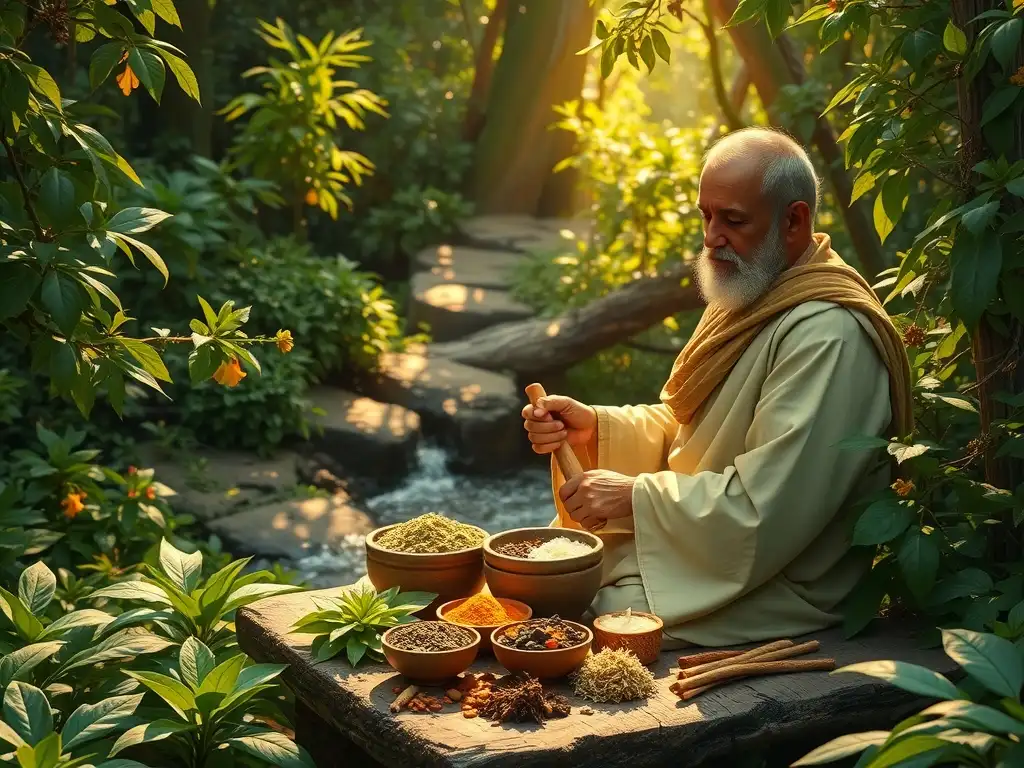
The field of Ayurveda, one of the oldest systems of medicine in the world, is often surrounded by a cloud of myths and misconceptions that can obscure its true value. Understanding these myths and separating them from reality is crucial for appreciating the depth of ancient Ayurveda wellness practices.
Common Misconceptions about Ayurveda
One prevalent misconception is that Ayurveda is merely a form of herbal medicine. While herbs play a significant role in Ayurvedic treatments, Ayurveda encompasses a holistic approach that includes diet, lifestyle, and mental well-being. Another myth is the belief that Ayurvedic practices are not scientifically validated. In fact, numerous studies have shown the effectiveness of various Ayurvedic methods, particularly in managing chronic conditions and promoting overall health. Additionally, some people think Ayurveda is only suitable for certain demographics or health conditions, but its principles are universal and can benefit anyone regardless of age, gender, or health status.
The Truth Behind Ancient Ayurveda’s Efficacy
The efficacy of ancient Ayurveda wellness practices is supported by a rich history of empirical observations and treatments that have been refined over thousands of years. Ayurvedic principles are based on the understanding of individual constitution (Prakriti), the balance of the three doshas (Vata, Pitta, and Kapha), and the dynamic interplay between the body, mind, and environment. Modern research continues to uncover the biological mechanisms behind many Ayurvedic treatments, such as the anti-inflammatory properties of turmeric and the adaptogenic effects of ashwagandha. This growing body of evidence validates ancient practices and highlights their potential to complement contemporary medical approaches.
Conclusion: The Enduring Legacy of Ayurveda in Today’s Wellness Culture
The enduring legacy of Ayurveda is evident in the way its principles have permeated modern wellness culture. As more individuals seek natural and holistic alternatives to conventional medicine, Ayurveda's foundational practices continue to resonate with contemporary lifestyles.
Embracing Ancient Ayurveda for Future Generations
To ensure the preservation and evolution of Ayurveda, it is essential to embrace its teachings and incorporate them into daily life. This can be achieved through education, community programs, and the promotion of Ayurvedic practices like yoga, meditation, and dietary awareness. By fostering a greater understanding of Ayurveda's holistic approach, future generations can benefit from its wisdom and apply it to their own health and wellness journeys.
The Continued Relevance of Ancient Practices in Modern Health
Ancient Ayurveda wellness practices remain relevant in addressing the challenges of modern living, such as stress, anxiety, and lifestyle-related diseases. The emphasis on preventive care, personalized treatment, and the connection between mind and body aligns perfectly with contemporary health trends. As the world increasingly recognizes the importance of holistic health, the integration of Ayurveda into modern wellness practices will likely continue to grow, reaffirming its place as a vital component of global health traditions.
References and Further Reading on Ancient Ayurveda Wellness Practices
To deepen your understanding of ancient Ayurveda wellness practices and their influence on modern wellness trends, the following references and resources are highly recommended:
-
Books:
-
"The Complete Book of Ayurvedic Home Remedies" by Vasant Lad
This comprehensive guide offers insights into Ayurvedic principles and practical remedies that can be applied in daily life.
-
"Ayurveda: The Science of Self-Healing" by Vasant Lad
A classic text that introduces readers to the foundational concepts of Ayurveda, including doshas, treatments, and lifestyle practices.
-
"Prakriti: Your Ayurvedic Constitution" by Robert E. Svoboda
This book delves into how understanding one's unique constitution can lead to better health and wellness through Ayurvedic practices.
-
-
Journals:
-
Journal of Ayurveda and Integrative Medicine
This peer-reviewed journal publishes original research, reviews, and clinical trials that explore various aspects of Ayurveda and its applications in modern medicine.
-
Alternative Therapies in Health and Medicine
This journal features articles that discuss alternative medicine practices, including Ayurveda, focusing on their efficacy and integration into health systems.
-
-
Online Resources:
-
National Center for Complementary and Integrative Health (NCCIH)
This resource provides an overview of Ayurveda, its practices, and research findings related to its effectiveness as a complementary health approach.
-
Ayurveda.com
An informative website that offers articles, recipes, and resources related to Ayurvedic living and practices, making it a valuable tool for those interested in the subject.
-
-
Documentaries and Lectures:
-
"The Science of Ayurveda" (Documentary)
This documentary explores the ancient practices of Ayurveda, featuring interviews with practitioners and scholars who discuss its relevance in today's wellness landscape.
-
Online Courses on Ayurveda
Platforms like Coursera and Udemy offer courses taught by Ayurvedic experts that cover everything from foundational knowledge to advanced practices.
-
-
Organizations:
-
The National Ayurvedic Medical Association (NAMA)
NAMA provides resources, educational opportunities, and advocacy for the practice of Ayurveda in the United States. Their website hosts a wealth of information on Ayurvedic practices and certifications.
-
By exploring these resources, readers can gain a comprehensive understanding of ancient Ayurveda wellness practices and their enduring legacy in contemporary health and wellness trends.
- Introduction to Ancient Ayurveda Wellness Practices
- The Core Principles of Ayurveda
- Ancient Ayurveda Practices and Their Applications
- The Impact of Ancient Ayurveda on Modern Wellness Trends
- Comparative Analysis: Ayurveda vs. Modern Medicine
- Case Studies: Success Stories of Ancient Ayurveda in Modern Wellness
- Myths and Realities of Ancient Ayurveda Wellness Practices
- Conclusion: The Enduring Legacy of Ayurveda in Today’s Wellness Culture
- References and Further Reading on Ancient Ayurveda Wellness Practices
Frequently Asked Questions
What is Ayurveda and its significance in ancient India?
Ayurveda is a traditional system of medicine that originated in ancient India, emphasizing a balance of mind, body, and spirit. It plays a crucial role in the wellness practices of ancient Indian civilizations.
How did ancient Ayurveda influence modern wellness trends?
Ancient Ayurveda laid the foundation for many wellness practices today, including diet, herbal remedies, and holistic health approaches. Its principles continue to resonate in contemporary health and wellness movements.
What are some key practices of ancient Ayurveda?
Key practices include herbal medicine, yoga, meditation, and dietary guidelines tailored to individual body types (doshas). These practices aim to promote overall health and prevent disease.
How did the Indus Valley civilization contribute to Ayurveda?
The Indus Valley civilization is believed to be one of the earliest proponents of Ayurvedic principles, with archaeological findings suggesting the use of medicinal plants and advanced sanitation practices, which laid groundwork for future health systems.
What role did the Gupta Empire play in the development of Ayurveda?
The Gupta Empire marked a golden age for Ayurveda, with notable scholars like Charaka and Sushruta making significant contributions to medical texts. Their work helped to systematize and expand Ayurveda's methods and practices.
Final Reflection: Embracing the Wisdom of Ancient Ayurveda for Modern Wellness
The legacy of Ayurveda is more relevant today than ever, as our society increasingly seeks holistic approaches to health and well-being. In a world overwhelmed by fast-paced lifestyles and quick-fix solutions, the principles of ancient Ayurveda wellness practices remind us of the importance of balance, harmony, and self-awareness in our daily lives. The resurgence of interest in these time-honored techniques speaks volumes about our collective yearning for deeper connections to ourselves and the world around us.
Ayurveda's influence on contemporary wellness trends is profound, shaping everything from dietary choices to mindfulness practices. As we embrace these ancient teachings, we find ourselves not only improving our physical health but also nurturing our mental and emotional well-being. The words of Dr. Vasant Lad resonate deeply: > “Ayurveda is a science of life; it teaches us how to live in harmony with ourselves and the universe.” This understanding fosters a cultural shift towards more sustainable and compassionate living, encouraging us to honor the wisdom of our ancestors while adapting it to our modern context.
As you reflect on the insights shared in this article, consider how you can integrate the principles of Ayurveda into your own life. Take a moment to pause, breathe, and assess your current state of balance. Whether it’s through mindful eating, daily routines, or self-care practices, let the teachings of ancient Ayurveda guide you toward a more harmonious existence. By embracing these timeless practices, you not only honor their legacy but also empower yourself to thrive in today’s world.
Embrace the Wisdom of Ayurveda Today!
Thank you for journeying with us through the fascinating legacy of Ayurveda! You've uncovered the profound impact these ancient practices have on today's wellness trends. Now, let's take that knowledge further and make it a part of your everyday life!
Here are some inspiring steps you can take:
- Start incorporating Ayurvedic principles into your daily routine: Establish a morning ritual that includes meditation, herbal teas, or a balanced breakfast tailored to your individual constitution.
- Dive deeper into Ayurvedic theories by exploring insightful literature or enrolling in online courses to enhance your understanding and practices.
- Share your journey: Connect with others interested in Ayurveda through social media or local wellness groups. Exchange experiences and learn from each other!
What unique Ayurvedic practice are you excited to explore or share with others in your wellness community?