
The Journey of Ayurveda: From Ancient Texts to Contemporary Practices


Welcome to Ancient India History, where we delve into the fascinating tapestry of one of the world's oldest civilizations. Here, you'll uncover the history of Ayurveda practices, a remarkable journey that has shaped holistic healing for centuries. From the ancient texts that laid the foundations of this profound system to its vibrant presence in contemporary wellness, each discovery invites you deeper into the legacy of Indian culture. Are you ready to explore how these timeless practices continue to influence modern medicine? Join us as we unveil the secrets of Ayurveda and its enduring impact on health and wellness.
The history of Ayurveda practices is a fascinating exploration of an ancient system of medicine that has evolved over thousands of years. Originating in India, Ayurveda encompasses a holistic approach to health and wellness, emphasizing balance in the body, mind, and spirit. This journey traces the roots of Ayurveda from its earliest references in sacred texts to its modern applications in contemporary healthcare. Understanding this evolution not only sheds light on the profound wisdom of ancient Indian civilizations but also highlights the relevance of Ayurvedic principles in today's fast-paced world.
As we delve into the rich tapestry of Ayurvedic history, we will explore key texts, foundational concepts, and how traditional practices have adapted to fit modern lifestyles. This article aims to provide a comprehensive overview of Ayurveda's development, offering insights into its enduring significance in both historical and contemporary contexts. Let’s embark on this enlightening journey through time, examining the remarkable legacy of Ayurveda and its contributions to health and medicine.
The Origins of Ayurveda
Ayurveda, which translates to "the science of life," has roots that can be traced back over 3,000 years. It is believed to have emerged from the Vedic texts, particularly the Rigveda, which contains hymns and discussions on health and disease. The foundational texts of Ayurveda, known as the Samhitas, further elaborate on the principles of this ancient practice. Key texts include:
- Charaka Samhita: Focuses on internal medicine and the understanding of diseases.
- Sushruta Samhita: Emphasizes surgical techniques and the importance of anatomy.
- Ashtanga Hridaya: A synthesis of previous texts, combining various aspects of Ayurveda.
These texts not only detail medicinal herbs and treatments but also elaborate on the philosophical underpinnings of Ayurveda, such as the concept of doshas (body constitutions), dhatus (tissues), and malas (wastes).
The Core Principles of Ayurveda
At the heart of Ayurveda lies a deep understanding of the interconnectedness of life and the natural world. The core principles include:
- Balance: Health is viewed as a state of equilibrium among the body's energies (Vata, Pitta, and Kapha).
- Individuality: Each person has a unique constitution that influences their health and wellness.
- Holistic Approach: Ayurveda considers physical, mental, and spiritual well-being as interrelated components of health.
These principles guide Ayurvedic practitioners in creating personalized treatment plans that address the root causes of ailments rather than just symptoms.
Ayurveda in the Modern World
In recent years, there has been a resurgence of interest in Ayurveda, not only in India but globally. Many contemporary health enthusiasts are turning to Ayurvedic practices for their holistic benefits. This revival is evident in:
- Integrative Health: Many healthcare providers are incorporating Ayurvedic principles into complementary and alternative medicine.
- Wellness Tourism: Ayurvedic retreats and wellness centers are gaining popularity, offering detox programs and traditional therapies.
- Research and Validation: Scientific studies are increasingly exploring the efficacy of Ayurvedic treatments, leading to greater acceptance in modern medicine.
The journey of Ayurveda from ancient texts to contemporary practices showcases its adaptability and enduring relevance. As we continue to explore this rich tradition, we can appreciate the profound contributions of Ayurveda to the field of health and wellness.
Introduction to the History of Ayurveda Practices

Ayurveda, often referred to as the "Science of Life," is a holistic system of medicine that has its roots deeply embedded in ancient Indian civilization. The history of Ayurveda practices spans thousands of years, beginning in the Vedic period, where it emerged as a comprehensive approach to health, wellness, and the treatment of diseases. Understanding this history is essential not only to appreciate the depth of Ayurvedic knowledge but also to recognize its influence on modern health practices worldwide.
Overview of Ayurveda and its Significance
Ayurveda is based on the belief that health is a balanced state of the body and mind, influenced by various elements of nature. It utilizes a unique approach to prevent and treat illnesses through a combination of diet, herbal remedies, yoga, and meditation. Key texts such as the Charaka Samhita and Sushruta Samhita serve as foundational scriptures, detailing various practices, surgical techniques, and herbal formulations.
Key Concepts in Ayurveda:
- Doshas: The three fundamental energies (Vata, Pitta, and Kapha) that govern physiological and psychological processes.
- Prakriti: An individual's unique constitution or body type, determining their health and wellness needs.
- Sattva, Rajas, and Tamas: The three qualities of the mind that influence mental health and overall well-being.
These concepts highlight the significance of Ayurveda not only as a medical practice but also as a philosophical approach that promotes a harmonious lifestyle. The ancient practitioners viewed health as a dynamic interplay of physical, mental, and spiritual elements, making Ayurveda a precursor to many contemporary holistic healing practices.
Importance of Studying the History of Ayurveda Practices
Studying the history of Ayurveda practices is crucial for several reasons:
- Cultural Heritage: Ayurveda is an integral part of India’s cultural heritage, reflecting the values, beliefs, and practices that have existed for millennia. Understanding its history helps preserve this ancient wisdom for future generations.
- Evolution of Medical Knowledge: Tracing the development of Ayurvedic practices reveals how ancient scholars contributed to medical knowledge through observation, experimentation, and documentation. This historical context enriches our understanding of the evolution of healthcare systems.
- Integration with Modern Medicine: As the world increasingly turns to complementary and alternative medicine, studying Ayurveda's historical practices helps bridge ancient knowledge with modern medical paradigms. This synergy is evident in the growing popularity of Ayurveda in contemporary health and wellness sectors.
- Global Influence: The principles of Ayurveda have transcended geographical boundaries, influencing various health systems worldwide. By examining its historical journey, we can better understand its impact and adaptation in different cultures.
- Research and Validation: A thorough understanding of Ayurveda's historical context provides a foundation for scientific research, validating its practices and treatments in the modern healthcare landscape.
The history of Ayurveda practices is not just a chronicle of ancient wisdom but a living tradition that continues to evolve. It offers valuable insights into holistic health, emphasizing the interconnectedness of body, mind, and spirit, which remains relevant in today’s fast-paced world.
Ancient Origins of Ayurveda

Ayurveda, often referred to as the "Science of Life," has its roots deeply embedded in ancient Indian civilization. This holistic system of medicine emerged over 3,000 years ago, intertwining with the cultural, spiritual, and philosophical fabric of the society. The history of Ayurveda practices reflects a profound understanding of health and wellness, emphasizing balance among the body, mind, and spirit. Its principles not only seek to treat ailments but also promote a lifestyle conducive to maintaining optimal health.
The Roots of Ayurvedic Medicine in Ancient India
The origins of Ayurvedic medicine can be traced back to the Vedic texts, particularly the Rigveda, which mentions various medicinal plants and healing practices. The term "Ayurveda" itself is derived from the Sanskrit words "Ayur" (life) and "Veda" (knowledge), signifying a comprehensive body of knowledge concerning life and longevity.
Ayurveda is characterized by its holistic approach, considering physical, emotional, and spiritual well-being. This ancient practice emphasizes the interconnectedness of the individual with nature, advocating for a lifestyle that harmonizes with natural rhythms and environmental changes. Traditional Ayurvedic practices include dietary regulations, herbal remedies, yoga, and meditation, all aimed at restoring balance and promoting health.
The development of Ayurveda was not a linear process; it was influenced by various philosophical schools, cultural exchanges, and regional practices. Scholars and practitioners of Ayurveda meticulously observed the human body, disease patterns, and treatment responses, laying the groundwork for a system that is both practical and philosophical.
Key Ancient Texts on Ayurveda
The history of Ayurveda practices is encapsulated in several key ancient texts that serve as foundational literature. These texts provide insights into the theoretical frameworks, practices, and applications of Ayurveda, ensuring its transmission through generations.
Charaka Samhita: The Foundation of Ayurvedic Knowledge
The Charaka Samhita is one of the most significant texts in Ayurveda, attributed to the sage Charaka. Composed around the 2nd century BCE, this text systematically categorizes the principles of Ayurvedic medicine and serves as a comprehensive guide for practitioners.
Key aspects of the Charaka Samhita include:
- Dosha Theory: Introduces the concept of three doshas (Vata, Pitta, and Kapha), which are essential for understanding individual constitutions and health conditions.
- Diagnostic Techniques: Outlines methods for diagnosis, including pulse reading and examination of bodily fluids, thereby emphasizing the importance of personalized medicine.
- Therapeutic Approaches: Details various treatments such as herbal formulations, dietary recommendations, and lifestyle modifications tailored to individual needs.
The Charaka Samhita not only focuses on the treatment of diseases but also emphasizes the importance of preventive care and maintaining health through balanced living.
Sushruta Samhita: Surgical Techniques and Practices
The Sushruta Samhita, attributed to the physician Sushruta, is another cornerstone of Ayurvedic literature, dating back to around the 6th century BCE. This text is particularly renowned for its detailed descriptions of surgical techniques and procedures, marking a significant achievement in ancient medical science.
Notable contributions of the Sushruta Samhita include:
- Surgical Procedures: Provides detailed accounts of surgical techniques such as suturing, excision, and the treatment of fractures. It is often regarded as one of the earliest texts on surgery.
- Anatomy and Physiology: Includes comprehensive information on human anatomy, showcasing a sophisticated understanding of the body that was ahead of its time.
- Instruments and Tools: Describes various surgical instruments, some of which are still in use today, reflecting an advanced approach to surgical practice.
The Sushruta Samhita exemplifies the integration of surgical practices with holistic healing, affirming Ayurveda's comprehensive nature in addressing health problems.
The ancient texts of Ayurveda not only preserve the knowledge of medicinal practices but also serve as a testament to the rich history of Ayurveda practices in ancient India, influencing contemporary health systems worldwide.
Philosophical Underpinnings of Ayurveda in Ancient Texts
Ayurveda, often referred to as the "science of life," is rooted in a profound philosophical framework that has been articulated in various ancient texts. The earliest references to Ayurveda can be traced back to the Vedas, particularly the Atharva Veda, which dates back to around 1200 BCE. In these texts, health is not merely the absence of disease but a holistic state of balance between the mind, body, and spirit.
The philosophical foundation of Ayurveda is heavily influenced by the concepts of Samkhya philosophy, which categorizes the universe into two fundamental realities: Purusha (consciousness) and Prakriti (nature). This duality is essential in understanding health as a harmonious interplay between the individual (Purusha) and the external world (Prakriti). Ancient texts emphasize that health arises from the balance of the three doshas—Vata, Pitta, and Kapha—each representing different elements and qualities.
The Three Doshas
- Vata: Associated with air and space, Vata governs movement and communication within the body.
- Pitta: Linked to fire and water, Pitta influences digestion, metabolism, and energy production.
- Kapha: Representing earth and water, Kapha provides structure, stability, and nourishment.
The doshas are not merely physical traits but also encompass emotional and mental aspects, reflecting the interconnectedness of body and mind. The ancient texts propose that imbalances in these doshas can lead to illness, and thus, maintaining equilibrium is paramount to achieving good health.
Ethical and Moral Principles
Ayurveda's philosophy also encompasses ethical and moral principles, often referred to as Dharma. It emphasizes living in accordance with one's nature and fulfilling one's duties, which is seen as crucial to achieving a harmonious life. Ancient texts like the Charaka Samhita and Sushruta Samhita elaborate on this by discussing the importance of Ahimsa (non-violence), Satya (truthfulness), and Aparigraha (non-possessiveness) as essential virtues for both practitioners and patients.
The concept of Sattva, Rajas, and Tamas, derived from Samkhya, further enhances the understanding of human health. Sattva represents purity and harmony; Rajas signifies activity and restlessness, while Tamas embodies darkness and inertia. Ayurveda teaches that cultivating Sattva through diet, lifestyle, and mental practices is vital for achieving optimal health and spiritual well-being.
Integrative Approach
Moreover, Ayurveda adopts an integrative approach that encompasses spiritual, physical, and emotional health. The ancient texts highlight the importance of meditation, yoga, and rituals, which are essential for harmonizing the body and mind. The holistic view of health presented in these texts positions Ayurveda not merely as a system of medicine but as a comprehensive way of life.
The philosophical underpinnings of Ayurveda, as articulated in ancient texts, provide a rich and intricate understanding of health, disease, and the human experience. This foundational knowledge continues to influence contemporary practices, bridging the wisdom of the past with modern health and wellness approaches.
Evolution of Ayurveda Practices Through the Ages

The Influence of Ancient Indian Civilizations on Ayurveda
The history of Ayurveda practices is deeply intertwined with the evolution of ancient Indian civilizations. Each period contributed significantly to the development and refinement of Ayurvedic knowledge, blending practical healing techniques with philosophical underpinnings. The contributions of the Indus Valley Civilization and the Vedic Period laid the foundation for what Ayurveda would become, while later periods, such as the Gupta Empire, further solidified its status as a structured system of medicine.
Indus Valley Civilization: Early Evidence of Ayurvedic Practices
Archaeological findings suggest that the Indus Valley Civilization (approximately 3300–1300 BCE) had a sophisticated understanding of health and hygiene that aligns with Ayurvedic principles.
- Urban Planning and Sanitation: The cities of Harappa and Mohenjo-Daro featured advanced drainage systems and public baths, indicating a commitment to cleanliness and health. These practices reflect an early awareness of the importance of environmental factors in health, a fundamental aspect of Ayurveda.
- Medicinal Plants: Excavations have uncovered seals and artifacts that depict various plants, suggesting they were used for medicinal purposes. Evidence points to the utilization of herbs like turmeric and neem, which are still staples in Ayurvedic medicine today.
- Holistic Approach: The Indus Valley people likely embraced a holistic approach to health, focusing on the balance of body, mind, and spirit—a principle that is central to Ayurveda.
Vedic Period: Integration of Ayurveda with Spirituality
The Vedic Period (approximately 1500–500 BCE) marked a significant evolution in the history of Ayurveda practices, characterized by the merging of medical knowledge with spiritual and philosophical concepts.
- Vedas as Foundational Texts: The Vedas, particularly the Atharva Veda, contain hymns and verses that discuss health, medicine, and healing practices. They emphasize the interconnectedness of the cosmos, human beings, and nature, which is a core tenet of Ayurveda.
- Concepts of Dosha and Dhatu: During this period, the foundational concepts of Dosha (the three biological energies) and Dhatu (the seven bodily tissues) emerged. These concepts form the basis of Ayurvedic diagnosis and treatment, illustrating how ancient practitioners began to classify and understand human physiology.
- Spiritual Healing: Ayurveda during the Vedic Period also included rituals and mantras aimed at promoting health and well-being. This integration of spirituality with physical healing set Ayurveda apart from other medical systems.
The Impact of the Gupta Empire on Ayurvedic Practices
The Gupta Empire (approximately 320–550 CE) is often referred to as the Golden Age of India, during which significant advancements in art, science, and medicine occurred, including the formalization of Ayurvedic practices.
- Standardization of Texts: Key texts such as the Sushruta Samhita and Charaka Samhita were compiled during this era. These texts codified Ayurvedic knowledge, covering anatomy, surgery, and herbal medicine in unprecedented detail.
- Medical Institutions: The Gupta period saw the establishment of medical schools and hospitals, fostering the education of physicians and practitioners in Ayurvedic principles. This institutional support helped standardize practices and ensure the transmission of knowledge across generations.
- Influence on Other Cultures: The Gupta Empire's embrace of Ayurveda had far-reaching effects, influencing neighboring cultures in Southeast Asia and the Middle East. This cross-cultural exchange facilitated the dissemination of Ayurvedic practices beyond India, paving the way for its global recognition today.
The history of Ayurveda practices showcases a rich tapestry woven through the contributions of ancient Indian civilizations. From the early evidence in the Indus Valley to the philosophical integrations of the Vedic Period and the codification during the Gupta Empire, Ayurveda has evolved into a comprehensive system of healing that continues to thrive in contemporary society.
Ayurveda in Medieval and Colonial India

The Adaptation of Ayurveda During the Medieval Period
During the medieval period, Ayurveda underwent significant transformations as it adapted to the changing socio-political landscape of India. The rise of Islamic empires introduced new medical practices and philosophies that influenced Ayurvedic traditions. Notably, the integration of Persian medicine, particularly in the fields of pharmacology and surgery, led to a mutual exchange of knowledge between different medical systems.
Key Adaptations:
- Incorporation of New Ingredients: Ayurvedic practitioners began to integrate herbs and treatments from Persian medicine, leading to a more diverse pharmacopoeia.
- Surgical Techniques: The influence of Islamic surgical practices enriched Ayurvedic surgery, particularly in techniques for treating wounds and injuries.
- Textual Developments: Several important texts were composed during this period, synthesizing ancient Ayurvedic knowledge with new insights. Notable works include the Tibb-e-Ali and Kitab al-Hasha’, which illustrated a fusion of medical knowledge from both traditions.
These adaptations not only enriched Ayurveda but also facilitated its survival and relevance in a rapidly changing environment.
Colonial Influence on Ayurvedic Practices
The arrival of British colonial rule in India marked a turning point for Ayurveda. With the establishment of Western medicine as the dominant system, Ayurveda faced both challenges and opportunities for adaptation.
Colonial Medical Policies:
- Establishment of Western Medical Institutions: The British government promoted Western medicine through the establishment of hospitals and medical colleges, which marginalized traditional practices, including Ayurveda.
- Regulatory Frameworks: Ayurvedic practitioners were subjected to regulations that often demanded formal education and licensing, forcing many to adapt their practices to fit the colonial medical framework.
Despite these challenges, Ayurveda found ways to resist complete suppression and continued to play a vital role in the healthcare of rural populations.
Challenges Faced by Ayurveda Under British Rule
Under British rule, Ayurveda encountered several formidable challenges that threatened its survival:
- Discrediting of Traditional Medicine: British colonial authorities often viewed Ayurveda as primitive and unscientific, leading to a systematic discrediting of traditional practices.
- Educational Restrictions: The introduction of a Western-based education system limited the transmission of Ayurvedic knowledge, as formal recognition of Ayurvedic education was often denied.
- Economic Pressures: The colonial economy marginalized Ayurvedic practitioners, limiting their access to resources and patients as Western medicine became the preferred option for the affluent.
Despite these adversities, Ayurveda showcased resilience, with practitioners and scholars working to preserve and revitalize traditional knowledge.
Revival of Ayurveda: Key Figures and Movements
The late 19th and early 20th centuries saw a resurgence of interest in Ayurveda, spearheaded by several key figures and movements:
- Maharishi Charaka: Often referred to as the father of Ayurveda, his teachings inspired many to revisit classical texts and practices.
- The Arya Samaj Movement: This socio-religious reform movement emphasized the importance of Vedic knowledge, including Ayurveda, encouraging its revival among the masses.
- Founding of Institutions: Notable institutions, such as the All India Ayurvedic Congress, were established to promote Ayurvedic education, research, and practice, bridging the gap between ancient wisdom and modern scientific inquiry.
Through these efforts, Ayurveda began reclaiming its place in the Indian healthcare system, setting the stage for its modern revival and integration into contemporary wellness practices.
Despite the numerous challenges faced during the colonial period, the resilience and adaptability of Ayurveda are evident in its evolution, ultimately leading to a renewed interest and practice in the modern era.
Contemporary Practices of Ayurveda

Ayurveda, an ancient system of medicine that originated in India over 3,000 years ago, continues to thrive in contemporary society. The integration of its foundational principles into modern health practices showcases its adaptability and relevance, leading to a resurgence of interest in holistic wellness. This section explores how ancient Ayurvedic practices have evolved and adapted to fit modern lifestyles while remaining true to their roots.
Modern Interpretations of Ancient Ayurvedic Principles
The core tenets of Ayurveda focus on balance and harmony within the body, mind, and spirit. Modern interpretations of these principles emphasize individualized treatment plans that consider a person's unique constitution (Prakriti) and imbalances (Vikriti).
- Personalized Medicine: Practitioners today often incorporate genetic factors, lifestyle choices, and emotional wellbeing into their assessments. This personalized approach aligns closely with the Ayurvedic concept of tailoring treatments to meet specific needs.
- Mindfulness and Meditation: Techniques such as yoga and meditation, rooted in Ayurvedic traditions, are widely adopted in contemporary wellness programs. Research indicates that these practices can significantly reduce stress and enhance mental clarity, aligning with the Ayurvedic emphasis on mental health.
- Dietary Guidelines: Modern Ayurveda emphasizes dietary practices based on individual constitution. For example, the use of spices like turmeric and ginger, recognized for their medicinal properties, has gained popularity in modern cooking and health supplements.
The revival of ancient texts, such as the Charaka Samhita and the Sushruta Samhita, in contemporary education and practice has also facilitated a deeper understanding of Ayurveda, encouraging a blend of traditional wisdom with modern scientific research.
Integrating Ayurveda with Western Medicine
The interaction between Ayurveda and Western medicine has led to innovative approaches in patient care. Many healthcare professionals are beginning to recognize the value of integrating holistic treatments with conventional practices.
- Complementary Therapies: Ayurveda is often used as a complementary therapy for chronic conditions such as diabetes, arthritis, and stress-related disorders. Practices like Panchakarma (detoxification) and herbal remedies are increasingly recognized for their efficacy in enhancing conventional treatments.
- Evidence-Based Research: Research studies are now being conducted to validate Ayurvedic practices, leading to a growing body of evidence that supports its benefits. For instance, studies on Ashwagandha have shown significant effects on stress reduction and cognitive enhancement, bridging the gap between traditional knowledge and modern science.
- Collaborative Care Models: Some healthcare facilities are establishing integrative health programs that incorporate Ayurvedic practitioners alongside conventional medical teams. This collaboration allows for a more comprehensive treatment approach, considering both physical and mental health.
The integration of Ayurveda into Western practices is not without challenges. Misunderstandings and skepticism about its efficacy persist, necessitating ongoing education and dialogue between practitioners of both systems.
The Global Spread of Ayurveda: Practices and Popularity
The global interest in Ayurveda has surged in recent years, transforming it from a regional practice into a worldwide phenomenon. This expansion is driven by several factors:
- Holistic Health Movement: As more people seek alternative and complementary approaches to wellness, Ayurveda’s emphasis on balance and prevention resonates with those looking for natural solutions.
- Educational Institutions: The establishment of Ayurvedic colleges and training programs across the globe has contributed to its dissemination. Students from various backgrounds are learning Ayurvedic principles and practices, leading to a new generation of practitioners.
- Ayurvedic Products and Tourism: The rise of Ayurvedic products, including herbal supplements, skincare, and wellness retreats, has made Ayurveda accessible to a broader audience. Ayurveda tourism, particularly in India, attracts individuals seeking authentic wellness experiences, further popularizing its teachings.
| Aspect | Description |
|---|---|
| Popularity | Increasing global interest in holistic and alternative medicine. |
| Education | Growth of Ayurvedic schools and certification programs. |
| Products | Expansion of Ayurvedic herbal supplements and natural products. |
| Wellness Tourism | Rise in Ayurvedic retreats and wellness centers. |
The contemporary practices of Ayurveda reflect a blend of ancient wisdom and modern science, fostering a holistic approach to health that resonates across cultures. As Ayurveda continues to evolve, its principles offer valuable insights into the pursuit of well-being in today's fast-paced world.
The Future of Ayurveda
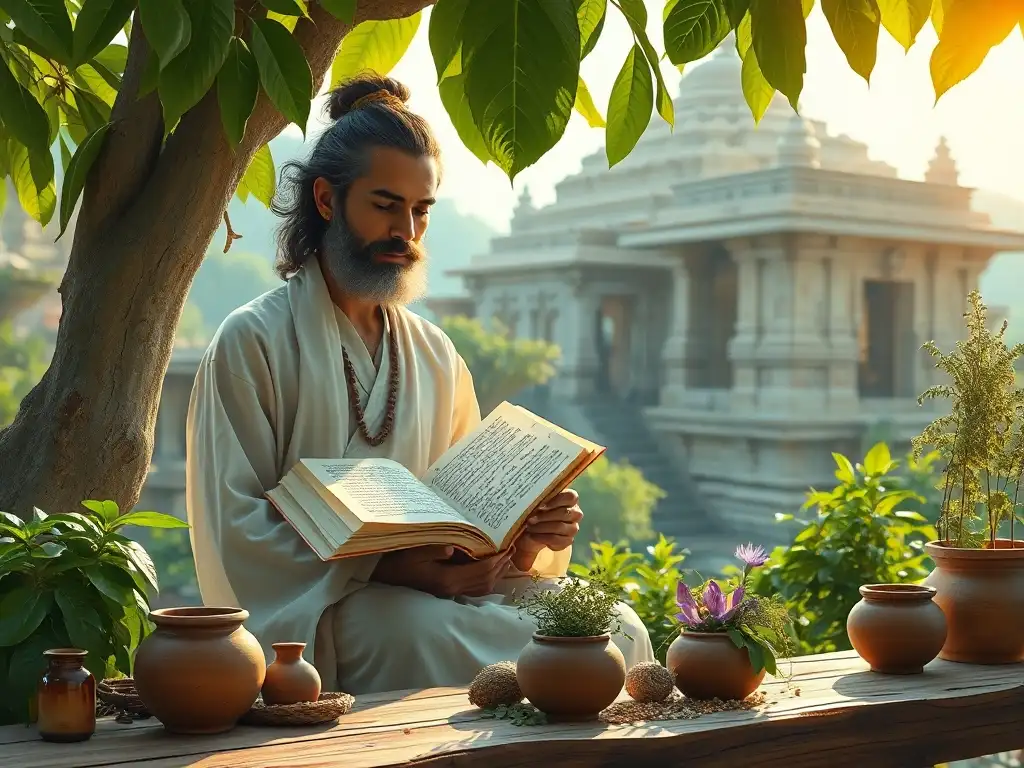
Current Trends in Ayurveda Practices
The landscape of Ayurveda is rapidly evolving, blending traditional practices with modern healthcare approaches. As awareness of holistic health continues to grow, several key trends are shaping the future of Ayurveda practices:
- Integration with Modern Medicine: There is a burgeoning interest in integrating Ayurvedic principles with conventional medical practices. Many healthcare providers are recognizing the benefits of a holistic approach that includes dietary practices, herbal remedies, and lifestyle adjustments alongside allopathic treatments.
- Personalized Wellness: With advancements in technology, personalized Ayurvedic practices are becoming increasingly popular. Practitioners are utilizing genetic, metabolic, and lifestyle data to tailor health plans that align with an individual’s unique constitution (Prakriti) and current health conditions.
- Digital Platforms and Telemedicine: The rise of telemedicine has opened new avenues for Ayurvedic practitioners to reach wider audiences. Online consultations, mobile applications for wellness tracking, and digital platforms for educational content are making Ayurvedic practices more accessible globally.
- Research and Validation: There is a growing body of research aimed at validating Ayurvedic practices through scientific studies. This research is crucial for gaining acceptance in the broader medical community and establishing evidence-based practices that align with the contemporary health paradigm.
- Sustainable Practices: As environmental concerns rise, Ayurvedic practitioners are increasingly focusing on sustainable and eco-friendly practices. This includes sourcing herbs ethically, using natural materials for treatments, and promoting practices that are in harmony with nature.
Challenges and Opportunities for Ayurveda in the Modern World
While Ayurveda is gaining traction, it faces several challenges in the modern world. However, these challenges also present unique opportunities for growth and development.
Challenges:
- Skepticism and Misunderstanding: Despite its ancient roots, Ayurveda often faces skepticism from the scientific community and the public due to a lack of comprehensive clinical research. This misunderstanding can hinder its acceptance as a viable alternative or complementary therapy.
- Standardization of Practices: With a rich diversity of practices and interpretations across different regions, standardization remains a significant challenge. Establishing uniform guidelines that maintain the integrity of Ayurvedic teachings while ensuring safety and efficacy is crucial.
- Regulatory Issues: The lack of stringent regulations governing Ayurvedic products and practices can lead to quality control issues. This can undermine practitioner credibility and consumer trust.
Opportunities:
- Global Wellness Movement: The increasing global focus on wellness and prevention provides a fertile ground for Ayurveda to flourish. As more individuals seek natural and holistic health solutions, Ayurveda can position itself as a comprehensive system of health management.
- Collaborative Research Initiatives: Partnerships between Ayurvedic practitioners and researchers can drive innovation and credibility. Collaborative studies can help bridge the gap between traditional knowledge and scientific validation, leading to greater acceptance.
- Education and Training: Expanding educational programs that combine Ayurvedic principles with modern health sciences can prepare the next generation of practitioners. This will ensure that they are well-equipped to address contemporary health issues while honoring traditional practices.
The future of Ayurveda is bright, characterized by a fusion of ancient wisdom and modern advancements. By addressing the challenges head-on and seizing the available opportunities, Ayurveda can continue to evolve and thrive in the contemporary health landscape.
Conclusion: Reflecting on the Rich History of Ayurveda Practices
The journey of Ayurveda is a testament to the profound connection between ancient knowledge and modern health systems. Rooted in the Vedic traditions of ancient India, Ayurveda has evolved through centuries, adapting to cultural shifts while maintaining its core principles. The rich history of Ayurveda practices encompasses various methodologies, herbal treatments, and holistic approaches that prioritize balance and harmony within the individual.
As we conclude this exploration, it’s essential to recognize how the historical foundations of Ayurveda continue to influence contemporary health practices globally. By understanding the intricate layers of this ancient system, we can better appreciate its relevance in today's world and its potential contributions to holistic health and wellness.
The Enduring Legacy of Ayurveda in Contemporary Health Systems
Ayurveda has significantly impacted modern health systems, particularly in countries like India and Nepal, where it is integrated into national healthcare policies. The history of Ayurveda practices reveals a unique blend of traditional wisdom and scientific inquiry, which has paved the way for various applications in today's medical landscape.
- Integration with Modern Medicine:
- Many healthcare providers are increasingly recognizing the benefits of Ayurveda in managing chronic conditions, promoting wellness, and enhancing the efficacy of conventional treatments.
- Research studies have begun to validate Ayurvedic practices, such as the use of specific herbs and dietary recommendations, aligning them with evidence-based medicine.
- Global Popularity:
- The global wellness industry has embraced Ayurveda, resulting in wellness retreats, Ayurvedic spas, and practitioners advocating for lifestyle changes based on ancient principles.
- The incorporation of Ayurvedic diets and detoxification methods, like Panchakarma, has become a focal point in holistic health circles.
- Educational Growth:
- Institutions worldwide are offering courses in Ayurveda, ensuring that the knowledge is preserved and passed on to future generations.
- The establishment of regulatory bodies for Ayurvedic practitioners has enhanced credibility and standardization, further integrating Ayurveda into mainstream health discussions.
The enduring legacy of Ayurveda serves as a bridge between ancient wisdom and contemporary practices, showcasing its adaptability and relevance in addressing modern health challenges.
Final Thoughts on the Journey of Ayurveda and its Practices
The journey of Ayurveda is not merely a historical account; it represents an ongoing dialogue between the past and the present. As we delve into the history of Ayurveda practices, we uncover a system that is both reflective and progressive. This ancient science's holistic approach emphasizes the importance of individual constitution, environmental factors, and lifestyle choices in achieving optimal health.
- Cultural Significance: The cultural richness embedded in Ayurvedic practices reflects the values and philosophies of ancient Indian civilization. These practices have transcended geographical boundaries, resonating with diverse populations seeking natural and holistic health solutions.
- Future Directions: As we look to the future, the continued integration of Ayurveda into healthcare systems may lead to a more comprehensive approach to wellness that values both traditional and modern practices. The collaboration between Ayurvedic practitioners and medical professionals is essential for developing integrative health strategies that honor the wisdom of the past while addressing contemporary health needs.
The history of Ayurveda practices offers invaluable insights into the interconnectedness of health, lifestyle, and environment. By embracing this ancient knowledge, we can foster a more holistic understanding of well-being and its significance in our lives today.
Frequently Asked Questions
What is Ayurveda and its significance in ancient India?
Ayurveda is an ancient Indian system of medicine that emphasizes balance in the body, mind, and spirit. Its holistic approach has been instrumental in promoting health and well-being throughout history.
How did ancient texts contribute to the evolution of Ayurveda?
Ancient texts like the Charaka Samhita and Sushruta Samhita laid the foundation for Ayurvedic practices, detailing diagnosis, treatment methods, and the importance of herbal remedies. These texts continue to influence modern practices.
What role did the Indus Valley Civilization play in Ayurveda?
The Indus Valley Civilization is believed to have established the early principles of Ayurveda, with archaeological findings suggesting an understanding of medicinal plants and health practices that influenced later developments.
How has Ayurveda adapted to contemporary practices?
Today, Ayurveda has integrated with modern medicine, promoting preventive health measures and wellness through its time-tested practices. It emphasizes natural remedies and lifestyle changes, making it relevant in today's health landscape.
Why is the study of the history of Ayurveda practices important?
Understanding the history of Ayurveda practices helps us appreciate its cultural significance and continued relevance in holistic health. It also sheds light on the contributions of ancient Indian civilizations to global medicine.
Final Reflection: Embracing the Wisdom of Ayurveda for Modern Wellness
The journey of Ayurveda, rooted in ancient texts and practices, remains profoundly relevant today as we seek holistic approaches to health and well-being. In a world increasingly dominated by fast-paced lifestyles and quick fixes, the timeless principles of Ayurveda offer a refreshing perspective on achieving balance and harmony within ourselves. The resurgence of interest in natural healing methods underscores the importance of integrating ancient wisdom into contemporary practices, reminding us that the past holds invaluable insights for our present and future.
Cultural and social landscapes are continually shaped by the enduring influence of Ayurveda. As more individuals turn to holistic health solutions, the principles of Ayurveda are being woven into the fabric of modern wellness culture. This shift not only highlights the adaptability of these ancient practices but also emphasizes the need for a deeper understanding of our connection to nature and ourselves. The greatest wealth is health.
– Virgil. This quote encapsulates the essence of Ayurveda, urging us to prioritize our well-being through mindful living and self-care.
As we reflect on the lessons of Ayurveda, let us embrace the opportunity to incorporate its teachings into our daily lives. I invite you to explore the principles of balance, mindfulness, and natural healing that Ayurveda offers. Consider how you can apply these insights to enhance your own health journey, fostering a deeper connection with your body, mind, and spirit. In doing so, we not only honor the rich history of Ayurveda but also pave the way for a healthier, more harmonious future.
Embrace the Wisdom of Ayurveda Today!
Thank you for taking the time to explore the fascinating journey of Ayurveda! We hope you’ve discovered the rich history and modern relevance of this ancient practice. Now, it’s your turn to take proactive steps toward incorporating Ayurvedic wisdom into your daily life.
Here are a few actionable suggestions to get started:
- Integrate an Ayurvedic routine: Begin with a **morning ritual** that includes practices like tongue scraping or oil pulling.
- Discover valuable resources: Explore online platforms or local workshops that offer classes on Ayurvedic cooking or healing techniques.
- Share your insights: Spark a conversation by discussing Ayurvedic practices with friends and family or joining social media groups focused on wellness and Ayurveda.
What small change will you incorporate into your routine this week to enhance your well-being? Share your thoughts below!