
The Significance of Ritual and Symbolism in Hindu Philosophy

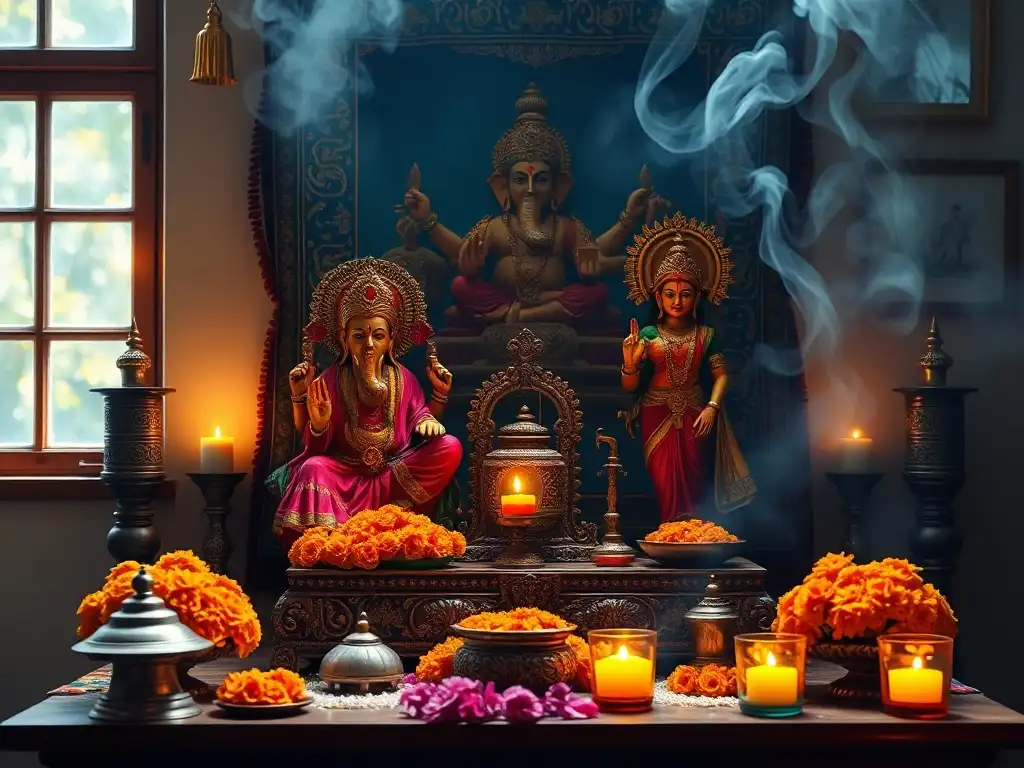
Welcome to Ancient India History, where we embark on a captivating journey through the rich tapestry of ancient Indian civilizations. From the mystical Indus Valley to the enlightened Gupta Empire, each era contributed profoundly to the cultural and spiritual landscape of the region.
In our featured article, "The Significance of Ritual and Symbolism in Hindu Philosophy," we delve into the intricate world of Hindu philosophy, exploring the powerful symbolism and rituals that shaped its essence. Prepare to unlock the secrets of a tradition that has influenced millions, and let your curiosity guide you as you explore the depths of this fascinating topic further!
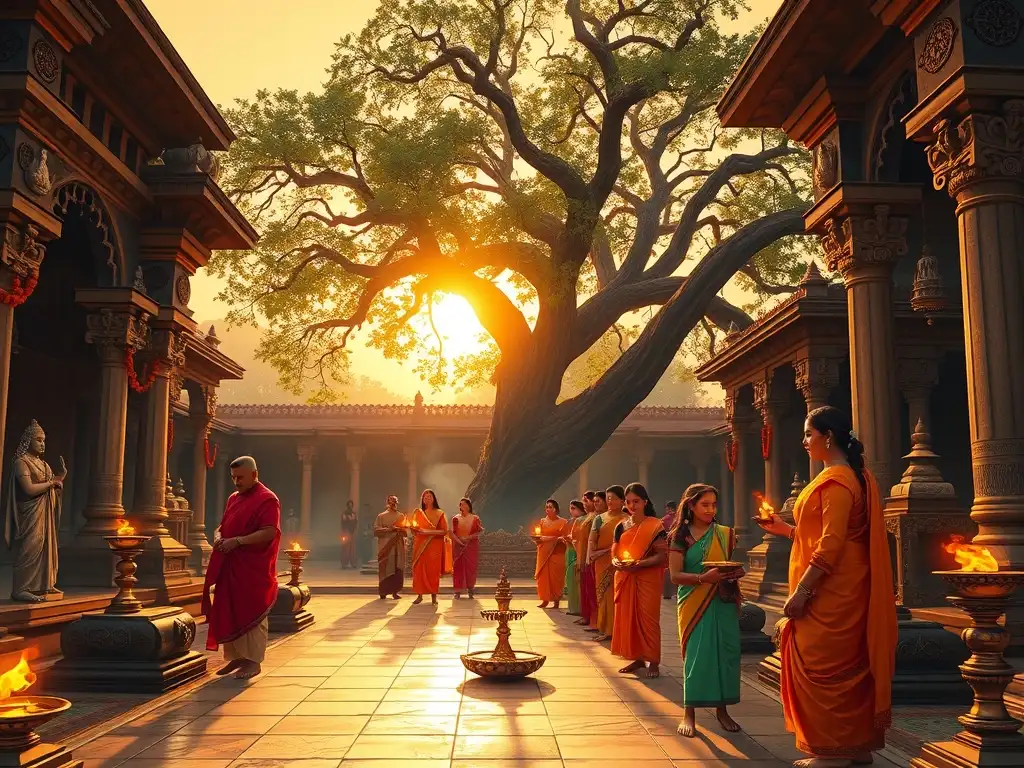
Introduction to Hindu Philosophy, Symbolism, and Rituals
Hindu philosophy encompasses a vast and intricate system of thought that has evolved over millennia, deeply rooted in the cultural and spiritual fabric of ancient India. At its core, it is characterized by a profound exploration of existence, the nature of reality, and the quest for ultimate truth.
Within this philosophical framework, symbolism and rituals play pivotal roles, serving as essential tools for understanding complex concepts and fostering spiritual connections. The interplay between Hindu philosophy, symbolism, and rituals not only reflects the richness of this tradition but also illustrates how these elements contribute to the lived experiences of its practitioners.
Rituals and symbols in Hinduism are not merely decorative or superficial; they carry profound meanings and are integral to the spiritual journey of individuals and communities alike. By examining the significance of these components, we can gain a deeper insight into how they shape beliefs, practices, and the broader philosophical landscape of Hinduism.
Overview of Hindu Philosophy
Hindu philosophy is a rich tapestry of thought that includes various schools of interpretation, such as Vedanta, Samkhya, and Yoga. Each of these schools offers unique perspectives on dharma (duty), karma (action), and moksha (liberation). The quest for understanding the self and its relationship to the universe is central to these philosophical discussions.
Key tenets include:
- Non-dualism (Advaita) - the belief in the oneness of the individual soul (Atman) and the ultimate reality (Brahman).
- Dualism (Dvaita) - the perspective that the soul and Brahman are distinct entities, emphasizing devotion (bhakti) to a personal deity.
- Karma and Reincarnation - the cyclical nature of life, where one's actions (karma) influence future rebirths.
These philosophies provide a framework for interpreting the intricacies of existence and guide ethical living and spiritual practice.
Importance of Symbolism in Hindu Thought
Symbolism in Hindu philosophy serves as a bridge between the tangible and the intangible. Symbols, such as the Om (ॐ) sound, represent the essence of the universe, while deities often embody various aspects of life and nature. Each symbol carries layers of meaning that invite contemplation and reflection.
Key aspects of symbolism include:
- Metaphors for Understanding: Symbols simplify complex philosophical concepts, making them accessible to practitioners.
- Cultural Representation: They reflect the values, beliefs, and historical contexts of Hindu society.
- Spiritual Connection: Symbols facilitate a deeper connection between the individual and the divine, enhancing the spiritual experience.
Role of Rituals in Hindu Practices
Rituals in Hinduism are both communal and individual acts that express devotion, seek blessings, and mark significant life events. They are often steeped in tradition and serve to reinforce community bonds and cultural identity.
Some critical functions of rituals include:
- Expression of Faith: Rituals manifest devotion and submission to the divine.
- Cultural Transmission: They preserve and transmit cultural values and practices across generations.
- Psychological Benefits: Participating in rituals can provide a sense of order, purpose, and emotional relief.
Historical Context of Hindu Symbolism and Rituals
Understanding the historical context of Hindu symbolism and rituals is essential to grasp their significance within the broader spectrum of Hindu philosophy. This context reveals how these practices have evolved and adapted over time.
Evolution of Symbolic Practices in Ancient India
The roots of Hindu symbolism can be traced back to the Indus Valley Civilization, where early symbols and figurative representations emerged. Over centuries, these practices evolved through various cultural influences, integrating elements from Vedic, Brahmanical, and later Bhakti movements.
- Indus Valley Symbols: Early seals and figurines hint at the beginnings of ritualistic practices.
- Vedic Texts: The Vedas laid the groundwork for complex symbolic interpretations and rituals.
- Post-Vedic Development: Philosophical texts like the Upanishads expanded on symbolic meanings, leading to more refined practices.
Key Historical Texts on Hindu Rituals and Symbolism
Several ancient texts serve as foundational sources for understanding Hindu rituals and symbolism. Among them are:
| Text | Description |
|---|---|
| Vedas | Sacred texts that outline early rituals and hymns. |
| Upanishads | Philosophical treatises that explore the meaning behind rituals. |
| Puranas | Mythological texts that contain numerous stories and symbols. |
| Dharmashastras | Legal texts that outline proper conduct and rituals. |
These texts not only document the rituals but also provide insights into their philosophical underpinnings, linking ritual practice with ethical and moral living.
Influence of Ancient Civilizations on Hindu Practices
The development of Hinduism has been significantly influenced by interactions with various ancient civilizations, including the Persians, Greeks, and later Buddhists. Each of these interactions contributed to the evolution of Hindu symbolism and rituals, enriching the tradition.
- Persian Influence: Concepts of dualism and cosmology were integrated into Hindu thought.
- Greek Philosophy: The encounter with Greek philosophical ideas encouraged deeper explorations of metaphysics and ethics.
- Buddhism: Shared beliefs and practices led to a synthesis of ideas, particularly in rituals and symbolism.
Through this intricate tapestry of influences, Hindu philosophy has continued to adapt and thrive, demonstrating its resilience and relevance throughout history.
Core Symbols in Hindu Philosophy
Hindu philosophy is deeply intertwined with a rich tapestry of symbols that convey profound meanings and reflect the spiritual beliefs of the culture. These symbols serve as a bridge between the material and spiritual worlds, encapsulating complex ideas and concepts in a visual form. They play a crucial role in rituals, art, and daily life, guiding practitioners in their spiritual journeys. Understanding these symbols is essential for grasping the philosophical frameworks that shape Hindu thought.
Understanding Common Symbols in Hinduism
In Hinduism, symbols are more than mere representations; they are imbued with spiritual significance and philosophical depth. Some of the most common symbols include:
- Om (Aum): Considered the primordial sound of the universe, Om represents the essence of the ultimate reality, consciousness, or Atman.
- Swastika: An ancient symbol of auspiciousness and good fortune, the swastika represents the cycle of life and is often associated with prosperity and well-being.
- Lotus: Symbolizing purity and enlightenment, the lotus rises from muddy waters, representing the journey of the soul toward spiritual awakening.
These symbols are interwoven into the fabric of Hindu beliefs and practices, making them vital for both understanding and engaging with the religion.
The Meaning Behind Key Symbols (e.g., Om, Swastika)
Each symbol in Hindu philosophy carries specific meanings that resonate with its spiritual context:
- Om: Beyond being a sound, Om represents the three aspects of the divine: Brahma (the creator), Vishnu (the preserver), and Shiva (the destroyer). It also encapsulates the cyclical nature of life and the universe.
- Swastika: This symbol has roots in various cultures, but in Hinduism, it signifies auspiciousness and well-being. It is often found in rituals and decorations, emphasizing the importance of positive energy and good luck.
- Lotus: The lotus is associated with various deities, such as Lakshmi and Saraswati, symbolizing beauty, fertility, and spiritual growth. Its ability to thrive in muddy waters reflects the idea that one can achieve purity and enlightenment despite worldly challenges.
Understanding these symbols provides insight into the philosophical and spiritual dimensions of Hinduism.
Symbolism in Deities and Mythology
In Hindu mythology, deities are often depicted with specific symbols that signify their attributes and powers. For example:
- Ganesha: The elephant-headed god, Ganesha, is associated with wisdom and the removal of obstacles. His broken tusk symbolizes sacrifice and the idea that overcoming challenges often requires personal sacrifice.
- Shiva: Often depicted with the crescent moon, Shiva embodies the cyclical nature of destruction and rebirth. The symbolism of the trident (Trishula) represents the balance of creation, preservation, and destruction.
- Durga: The goddess Durga is depicted riding a lion or tiger, symbolizing power and strength. Her multiple arms, each holding a weapon, represent the various aspects of divine energy used to combat evil.
These symbols enrich the narratives of Hindu mythology, offering deeper layers of understanding about the nature of the divine and the universe.
Rituals in Hindu Philosophy
Rituals hold a central place in Hindu philosophy, serving as a means of connecting the practitioner with the divine and facilitating spiritual growth. They encompass a wide range of practices, from daily offerings to elaborate ceremonies, each with its own significance and purpose.
Defining Rituals in the Context of Hinduism
Rituals in Hinduism, known as "puja," are structured practices that involve worshiping deities, offering prayers, and performing ceremonies. They can vary from simple daily rites performed at home to grand festivals celebrated by entire communities. Rituals serve multiple purposes, including:
- Connecting with the Divine: Rituals provide a structured way to engage with the divine, facilitating a personal connection through worship and offerings.
- Cultural Expression: They are a reflection of cultural heritage, embodying traditions passed down through generations.
- Spiritual Development: By participating in rituals, practitioners cultivate discipline, focus, and a sense of community.
Through these practices, rituals play a pivotal role in shaping the spiritual landscape of Hinduism.
Types of Rituals: Daily Practices and Special Ceremonies
Hindu rituals can be broadly categorized into daily practices and special ceremonies:
- Daily Practices: These include morning prayers (Sandhya Vandana), offerings to deities, and rituals like aarti (light offering). These practices establish a spiritual routine and serve as a reminder of one’s faith throughout the day.
- Special Ceremonies: Events such as weddings, puja festivals (e.g., Diwali, Navaratri), and life-cycle rituals (e.g., samskaras) mark significant milestones and foster a sense of community and continuity in traditions.
Both types of rituals are essential for maintaining a spiritual connection and reinforcing cultural identity.
The Significance of Rituals in Spiritual Development
Rituals hold significant importance in the spiritual development of practitioners. They serve to:
- Enhance Mindfulness: Engaging in rituals encourages mindfulness and presence, allowing individuals to focus on their spiritual practice and intentions.
- Foster Community Bonds: Many rituals are communal, promoting social cohesion and a shared sense of purpose among participants.
- Facilitate Personal Transformation: By engaging in consistent rituals, individuals often experience personal growth, emotional healing, and a deeper understanding of their spiritual path.
Rituals are not merely ceremonial practices but are pivotal in shaping the spiritual journeys of individuals within the rich context of Hindu philosophy.
The Interconnection Between Rituals and Symbolism
Hindu philosophy is deeply woven with rituals and symbolism, both of which serve as vital conduits for expressing and experiencing profound spiritual truths. Rituals in Hinduism, or "samskaras," are not merely ceremonial acts; they are imbued with layers of meaning that reflect the philosophical principles underlying the religion. Symbolism acts as an interpretative key, allowing practitioners to engage with complex concepts in a more tangible manner. Together, rituals and symbols create a framework for understanding the divine, the self, and the interrelationships within the universe.
The significance of rituals lies in their ability to translate abstract philosophical ideas into concrete practices, facilitating a deeper connection between the practitioner and the spiritual realm. For instance, the act of lighting a diya (lamp) during puja (worship) symbolizes the dispelling of ignorance and the illumination of knowledge. Through such practices, participants can embody the principles of Hindu philosophy, enhancing both individual and collective spiritual experiences.
How Rituals Reflect Philosophical Concepts
Rituals in Hinduism often mirror key philosophical concepts, making them essential for understanding the religion's core tenets. For example, the concept of "dharma," or righteous duty, is central to many rituals, which are performed with the intention of fulfilling one's responsibilities towards oneself, family, and society. This reflects the overarching idea that one's actions should align with cosmic order and ethical principles.
Moreover, rituals often encapsulate the idea of "karma" — the belief that actions have consequences. The performance of specific rituals, such as homa (fire offerings), is believed to generate positive karma, reinforcing the connection between one's actions and their spiritual journey. By participating in these rituals, adherents actively engage with and embody these philosophical principles, allowing for a more holistic understanding of their faith and its implications.
The Role of Symbolism in Enhancing Ritual Practices
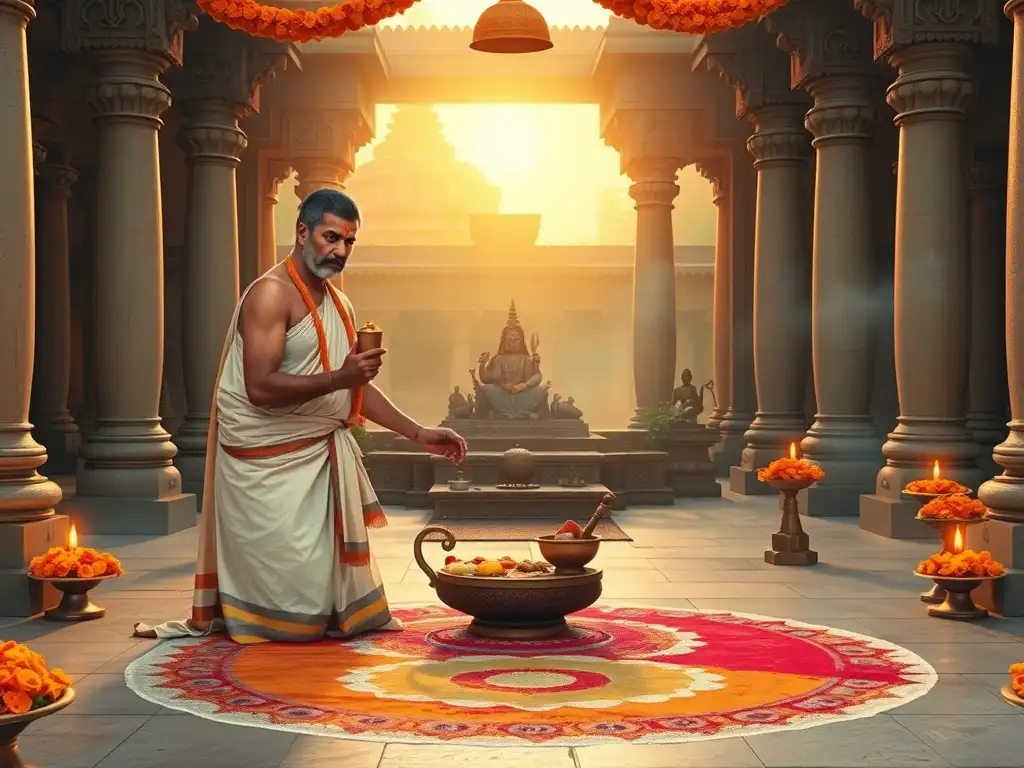
Symbolism plays a crucial role in enriching the experience of rituals within Hinduism. Each ritual element—be it the offerings, the colors, or the mantras—carries symbolic significance that enhances the practitioner's understanding of the ritual's purpose. For instance, the use of flowers in rituals symbolizes purity and devotion, while the sacred sound "Om" represents the essence of the ultimate reality, or Brahman.
Incorporating symbolism into rituals not only aids in conveying complex ideas but also heightens the emotional and spiritual engagement of participants. This connection to symbolism fosters a sense of belonging within the broader cosmic narrative, allowing practitioners to view themselves as integral parts of the universe. Such rich symbolic interpretations create layers of meaning, making rituals dynamic expressions of faith that resonate across generations.
Examples of Rituals Rich in Symbolic Meaning
Numerous rituals within Hinduism are steeped in symbolic meaning, each serving distinct purposes while conveying profound philosophical insights. Here are a few notable examples:
- Puja (Worship): This ritual involves offering food, flowers, and incense to deities, symbolizing devotion and gratitude. The act of worship embodies the philosophy of seeking divine presence in everyday life.
- Homa (Fire Sacrifice): Fire is considered a purifying element in Hinduism, symbolizing transformation and the divine. The ritual of Homa involves making offerings into the fire, representing the surrender of the ego and the acceptance of higher spiritual truths.
- Navaratri: This festival involves nine nights of worship dedicated to the goddess Durga, symbolizing the triumph of good over evil. Each day of the festival represents different forms of the goddess, reflecting various aspects of femininity and strength.
- Rudrabhishek: A ritual dedicated to Lord Shiva, involving the bathing of the Shiva Linga with various substances. This act symbolizes purification, renewal, and the cyclical nature of life and death.
Case Studies: Symbolism and Rituals in Specific Hindu Traditions
The Significance of Rituals in Vedic Traditions
In Vedic traditions, rituals are foundational to the spiritual and social fabric of ancient Hindu society. Vedic rituals, or "yajnas," were elaborate ceremonies that involved offerings to deities for prosperity, health, and cosmic order. These rituals were deeply symbolic, representing not just individual desires but the collective well-being of the community and the universe.
The performance of yajnas was believed to sustain the cosmos, aligning human activities with divine will. They illustrated the interconnectedness of all beings, reinforcing the concept of "rita," or cosmic order, which emphasized the need for harmony between human actions and the divine framework.
Symbolism in the Upanishads and Their Ritual Practices
The Upanishads, philosophical texts that explore the nature of reality and the self, contain numerous references to rituals that are laden with symbolic meaning. While the Upanishads move towards a more contemplative and philosophical approach to spirituality, they do not dismiss the importance of rituals.
For instance, the ritual of "sacrificing the self" is symbolically illustrated in the Upanishads, where the individual is encouraged to transcend the ego and realize the ultimate reality, Brahman. This transformation is often depicted through the metaphor of sacrifice, which symbolizes the relinquishment of the individual self for the greater universal self.
The Role of Rituals in Bhakti Movement
The Bhakti movement, which emphasized personal devotion to a chosen deity, transformed the role of rituals in Hindu practice. Bhakti rituals are characterized by their simplicity and emotional depth, focusing on love and devotion rather than elaborate ceremonies.
Symbols such as the "tilak" (mark on the forehead) or flowers offered to the deity in Bhakti rituals carry profound meanings of devotion and surrender. These practices encourage a personal connection with the divine, facilitating an intimate relationship between the devotee and their chosen god. The Bhakti movement illustrates how rituals can evolve to reflect the changing dynamics of faith and spirituality, emphasizing accessibility and emotional engagement over rigid tradition.
Modern Interpretations of Ritual and Symbolism in Hindu Philosophy
Modern interpretations of ritual and symbolism in Hindu philosophy have evolved significantly, reflecting the dynamic nature of the religion itself. As contemporary society grapples with rapid changes, many practitioners and scholars seek to understand how ancient rituals and symbols can be recontextualized to resonate with current values and lifestyles. This exploration often leads to a deeper appreciation of the intrinsic meanings behind rituals, encouraging a more personal and experiential approach to spirituality.
The shift from traditional to modern practices has been marked by a growing emphasis on individual experience over communal rituals. Many modern Hindus are seeking to personalize their spiritual practices, taking elements of ancient rituals and adapting them to fit their contemporary lives. This evolution invites a broader understanding of what it means to engage with Hindu philosophy, moving away from rigid structures towards a more fluid interpretation.
Contemporary Perspectives on Traditional Practices
In contemporary society, traditional practices within Hinduism are often viewed through various lenses, including sociocultural, psychological, and ecological perspectives. Scholars argue that rituals, once seen as mere customs, are now recognized for their profound psychological and emotional significance. For example, rituals such as puja (worship) and homa (fire offerings) are understood not only as acts of devotion but also as means of fostering community bonds and personal reflection.
Moreover, the rise of the globalized world and the interaction of diverse cultures has led to a reinterpretation of these practices. Many contemporary Hindus incorporate elements from other spiritual traditions, creating a syncretic approach that honors ancient roots while embracing modernity. This blending illustrates the adaptability of Hindu philosophy and its rituals, ensuring their relevance in an increasingly interconnected world.
The Relevance of Ancient Symbolism in Modern Hinduism
Ancient symbolism continues to play a crucial role in the modern practice of Hinduism. Symbols such as the Om (ॐ), swastika, and various deities serve as powerful tools for meditation and reflection, representing profound philosophical concepts that transcend time. These symbols encapsulate the essence of Hindu beliefs about the universe, the self, and the divine, allowing practitioners to engage with complex ideas in an accessible manner.
In addition, modern art forms and literature frequently draw on these ancient symbols, allowing for a renewed exploration of their meanings. For instance, contemporary artists often reinterpret deities and mythological narratives, inviting new interpretations that resonate with modern audiences. This ongoing dialogue between ancient symbolism and contemporary expression illustrates the enduring nature of these symbols within the broader framework of Hindu philosophy.
Rituals in the Global Context of Hindu Philosophy
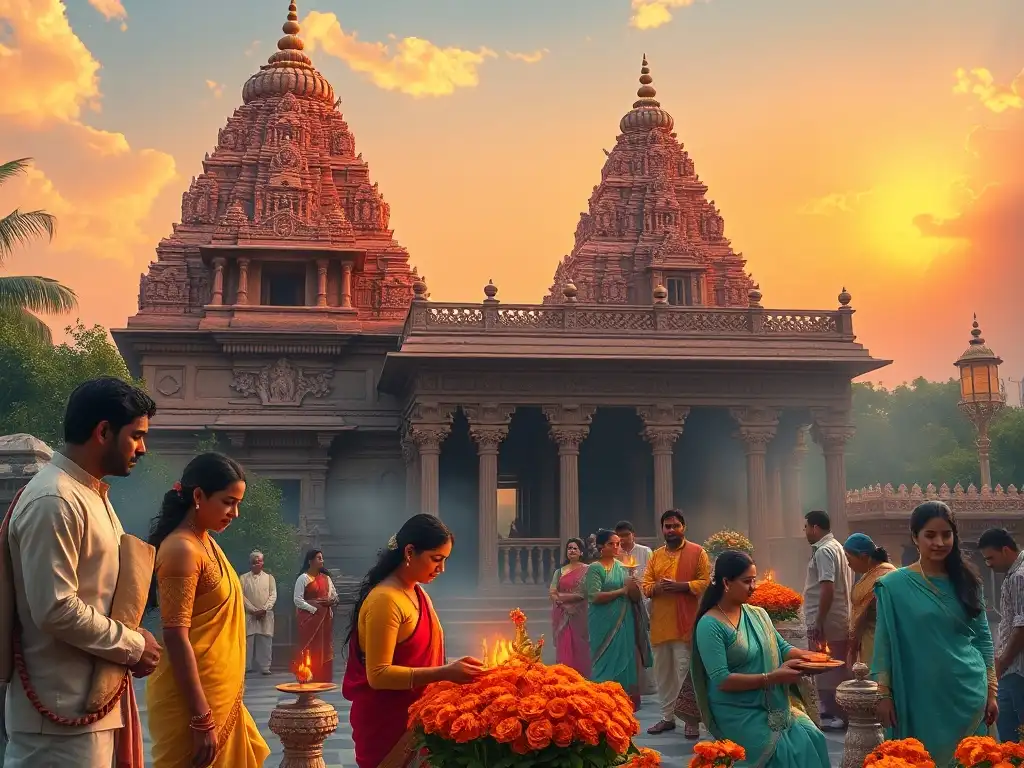
As Hinduism has spread globally, the practice of rituals has adapted to various cultural contexts, leading to new interpretations and expressions of Hindu philosophy. In the West, for example, Hindu rituals are often incorporated into wellness practices, such as yoga and meditation, emphasizing their psychological and physical benefits rather than solely their religious connotations. This shift highlights the universal appeal of Hindu rituals, which can transcend cultural boundaries and resonate with diverse audiences.
Moreover, the globalization of Hinduism has fostered interfaith dialogues, encouraging practitioners to share their rituals and beliefs with those from different religious traditions. This sharing not only enriches the understanding of Hindu philosophy but also promotes a sense of unity among various spiritual paths. By situating Hindu rituals within a global context, practitioners can cultivate a more inclusive and holistic approach to spirituality.
Conclusion: The Enduring Importance of Ritual and Symbolism in Hindu Philosophy
The significance of ritual and symbolism in Hindu philosophy remains profound, emphasizing their role in connecting individuals to the transcendent. These practices serve as a bridge between the mundane and the divine, allowing practitioners to navigate the complexities of existence while grounding them in a rich historical tradition. As society continues to evolve, the reinterpretation of these rituals and symbols ensures their lasting relevance and vitality.
Summary of Key Insights on Hindu Rituals and Symbolism
The exploration of modern interpretations of Hindu rituals and symbolism reveals a dynamic interplay between tradition and contemporary practice. Key insights include:
- Personalization of Rituals: Modern Hindus are adapting traditional practices to reflect personal beliefs and lifestyles.
- Psychological Significance: Rituals offer emotional and psychological benefits, fostering community and individual reflection.
- Reinterpretation of Symbols: Ancient symbols remain relevant, inspiring modern art and literature while encapsulating timeless philosophical concepts.
- Global Adaptation: Hindu rituals are increasingly integrated into global wellness practices, promoting interfaith understanding and unity.
The Future of Hindu Rituals and Symbolism in Philosophical Discourse
Looking forward, the future of Hindu rituals and symbolism in philosophical discourse appears promising. As scholars and practitioners continue to engage with these ancient practices, there is potential for innovative interpretations that speak to contemporary challenges. Emphasizing inclusivity and adaptability, the ongoing exploration of Hindu philosophy will likely inspire new practices that resonate with future generations.
Furthermore, as global interconnectedness deepens, the dialogue surrounding Hindu rituals and symbolism can foster cross-cultural exchanges, enriching both individual and collective spiritual journeys. This adaptability ensures that Hindu philosophy remains a vibrant and evolving tradition, capable of addressing the needs and aspirations of an ever-changing world.
Further Reading and Resources on Hindu Philosophy, Symbolism, and Rituals
Hindu philosophy is rich with symbolism and rituals that provide a deeper understanding of its teachings and practices. To fully appreciate the layers of meaning in Hindu thought, exploring various resources can be immensely beneficial. Below are some recommended texts, online resources, and documentaries that delve into the intricacies of Hindu philosophy, symbolism, and rituals.
Suggested Texts for Deeper Understanding
-
"The Upanishads"
This ancient text is a cornerstone of Hindu philosophy, exploring profound spiritual concepts through dialogue and metaphors. It provides insights into the nature of reality and the self, making it essential for understanding Hindu symbolism.
-
"Hindu Philosophy: The Essential Texts" by Stephen Phillips
This compilation presents key philosophical texts from the classical period, offering commentary and context to help readers grasp complex ideas about karma, dharma, and moksha.
-
"The Bhagavad Gita"
A critical scripture that combines philosophy and practical guidance, the Gita discusses the significance of duty, righteousness, and the spiritual path, laden with symbolic meanings.
-
"The Symbolism of Hindu Gods and Rituals: A Guide to Understanding Hinduism" by G. M. Reddy
This book explores the various symbols associated with deities and the rituals performed in Hinduism, providing context and interpretation that enhance comprehension of the practices.
-
"Hindu Mythology, Vedic and Purānic" by W.J. Wilkins
This text offers a detailed exploration of the myths and legends that form the backbone of Hindu thought, revealing the symbolic significance behind many rituals and stories.
Online Resources for Exploring Hindu Philosophy
-
Stanford Encyclopedia of Philosophy
Offers comprehensive entries on various aspects of Hindu philosophy, including detailed discussions on key concepts such as Brahman, Atman, and the various schools of thought.
-
Hindu Academy
A platform dedicated to spreading knowledge about Hindu philosophy, this resource provides articles, videos, and podcasts that explore symbolism and rituals in-depth.
-
The Internet Sacred Text Archive
This digital library contains a vast array of Hindu scriptures and texts, allowing readers to access primary sources that define the philosophical and symbolic landscape of Hinduism.
-
YouTube Channels like "Hinduism Now" and "The School of Life"
These channels feature videos that break down complex philosophical ideas and rituals in an engaging manner, making them accessible to a broader audience.
Documentaries and Lectures on Hindu Rituals and Symbolism
-
"The Story of India" by Michael Wood
This BBC documentary series explores the history of India, including its spiritual practices and rituals, shedding light on the significance of symbolism in Hindu culture.
-
"Hinduism: The Eternal Religion"
This documentary provides insights into the rituals and beliefs of Hinduism, illustrating how symbolism permeates daily practices and religious ceremonies.
-
Lectures by Dr. David Frawley
Renowned for his expertise in Vedic philosophy, Dr. Frawley’s lectures cover various aspects of Hindu rituals and the symbolic meanings behind them, offering a scholarly perspective.
-
"The Essence of Hinduism"
A detailed documentary that analyzes various rituals within Hinduism, explaining their historical contexts and symbolic significance, thus enriching the viewer's understanding of the faith.
-
"The Sacred Symbols of Hinduism"
This documentary focuses specifically on the symbols used in Hindu rituals, exploring their meanings and how they connect practitioners with the divine.
By engaging with these texts, online resources, and documentaries, one can gain a more nuanced understanding of Hindu philosophy, symbolism, and rituals, ultimately enriching their appreciation of this ancient and vibrant tradition.
- Introduction to Hindu Philosophy, Symbolism, and Rituals
- Historical Context of Hindu Symbolism and Rituals
- Core Symbols in Hindu Philosophy
- Rituals in Hindu Philosophy
- The Interconnection Between Rituals and Symbolism
- How Rituals Reflect Philosophical Concepts
- The Role of Symbolism in Enhancing Ritual Practices
- Examples of Rituals Rich in Symbolic Meaning
- Case Studies: Symbolism and Rituals in Specific Hindu Traditions
- Modern Interpretations of Ritual and Symbolism in Hindu Philosophy
- Contemporary Perspectives on Traditional Practices
- The Relevance of Ancient Symbolism in Modern Hinduism
- Rituals in the Global Context of Hindu Philosophy
- Conclusion: The Enduring Importance of Ritual and Symbolism in Hindu Philosophy
- Summary of Key Insights on Hindu Rituals and Symbolism
- The Future of Hindu Rituals and Symbolism in Philosophical Discourse
- Further Reading and Resources on Hindu Philosophy, Symbolism, and Rituals
- What is the main focus of the article "The Significance of Ritual and Symbolism in Hindu Philosophy"?
- How do rituals enhance the understanding of Hindu philosophy?
- What role does symbolism play in Hindu rituals?
- Can you name some common symbols used in Hindu rituals?
- How do these elements contribute to the cultural heritage of ancient India?
Frequently Asked Questions
What is the main focus of the article "The Significance of Ritual and Symbolism in Hindu Philosophy"?
The article explores the importance of rituals and symbolism in Hindu philosophy, highlighting how these elements contribute to the spiritual practices and cultural identity of Hinduism.
How do rituals enhance the understanding of Hindu philosophy?
Rituals serve as a tangible expression of Hindu beliefs, allowing practitioners to engage with abstract concepts through physical actions, thus deepening their spiritual experience.
What role does symbolism play in Hindu rituals?
Symbolism is crucial in Hindu rituals as it conveys complex ideas and spiritual truths through visual representations, enriching the understanding of rituals and their intended meanings.
Can you name some common symbols used in Hindu rituals?
Common symbols include the Om (representing the universe), lotus (symbolizing purity), and the sacred fire (representing transformation), each holding significant philosophical meanings.
How do these elements contribute to the cultural heritage of ancient India?
The rituals and symbolism in Hindu philosophy reflect the rich cultural heritage of ancient India, showcasing the interconnectedness of spirituality, ethics, and community, and influencing art, literature, and social practices.
Final Reflection: The Enduring Power of Hindu Philosophy, Symbolism, and Rituals
The significance of ritual and symbolism in Hindu philosophy is not merely a relic of the past; it is a vibrant tapestry that continues to weave itself into the fabric of contemporary life. In a world increasingly dominated by rapid change and digital interactions, the timeless practices of Hindu rituals and the profound meanings behind their symbols offer a grounding force that resonates deeply with our search for identity and purpose.
As we navigate the complexities of modern existence, these ancient traditions remind us of the enduring connection between the spiritual and the material, urging us to find meaning in our everyday lives.
Cultural landscapes are shaped by the beliefs and practices that define them, and Hindu philosophy, with its rich symbolism and rituals, plays a crucial role in this ongoing evolution. The rituals serve as a bridge between the individual and the cosmos, fostering a sense of community and belonging. They invite us to engage with the divine and reflect on our place within the universe.
As Mahatma Gandhi once said, "> The best way to find yourself is to lose yourself in the service of others." This sentiment captures the essence of Hindu rituals, which often emphasize selflessness and the interconnectedness of all beings, reminding us that our actions resonate far beyond our immediate surroundings.
As we close this exploration of Hindu philosophy, symbolism, and rituals, I invite you to reflect on how these ancient practices can enrich your own life. Consider how you might incorporate elements of ritual or symbolism into your daily routine to foster a deeper connection with yourself and the world around you.
Whether through meditation, community service, or simply taking a moment to appreciate the beauty of nature, let the wisdom of Hindu philosophy guide you in your journey toward greater self-awareness and fulfillment. Embrace the opportunity to create your own rituals that honor your unique path, and in doing so, contribute to the collective tapestry of human experience.
Embrace the Power of Ritual and Symbolism!
Thank you for taking the time to explore the profound significance of ritual and symbolism in Hindu philosophy. Your journey through this rich tapestry of meaning has surely uncovered new perspectives on culture and spirituality. Now, let's channel that inspiration into meaningful action!
- Dive deeper into your own rituals by incorporating a daily practice that resonates with you, whether it’s meditation, prayer, or a moment of gratitude.
- Share your newfound insights with friends or family—consider hosting a discussion or writing a reflective piece about how rituals shape our lives and communities.
- Explore local temples or cultural events that celebrate Hindu traditions, allowing you to connect with others who share your interests and curiosity.
Which aspects of ritual or symbolism resonate most with your personal experiences?