
Exploring Moksha: The Pursuit of Liberation in Ancient Indian Thought

Welcome to Ancient India History, where we invite you to embark on a journey through the rich and diverse tapestry of ancient Indian civilizations. From the intricate urban planning of the Indus Valley to the philosophical depths of the Gupta Empire, our exploration is just beginning. In our featured article, "Exploring Moksha: The Pursuit of Liberation in Ancient Indian Thought," we delve into the profound concept of Moksha—the ultimate goal of liberation in ancient Indian philosophy.
What does it mean to achieve Moksha, and how has this pursuit shaped the beliefs and practices of countless souls throughout history? Join us as we unravel these intriguing questions and more, igniting your curiosity about the legacies that continue to influence our world today.
- Introduction to Moksha in Ancient Indian Philosophy
- Historical Context of Moksha in Ancient India
- Philosophical Foundations of Moksha
- Paths to Moksha in Ancient Indian Philosophy
- Societal Impact of Moksha Concepts
- Contemporary Relevance of Moksha in Modern Thought
- Conclusion: The Enduring Legacy of Moksha in Ancient Indian Philosophy
-
Frequently Asked Questions
- What is Moksha in ancient Indian philosophy?
- How is Moksha attained according to ancient texts?
- What are the different paths to Moksha mentioned in ancient Indian philosophy?
- How did the concept of Moksha influence ancient Indian civilization?
- Is Moksha viewed similarly across different Indian philosophies?
- Final Reflection: The Timeless Quest for Moksha in Ancient Indian Philosophy
- Embrace Your Journey to Liberation!
Introduction to Moksha in Ancient Indian Philosophy
The concept of Moksha holds a central place in ancient Indian philosophy, particularly within Hinduism, where it signifies the ultimate goal of human existence. Derived from the Sanskrit root "muc," meaning "to free," Moksha represents liberation from the cycle of birth, death, and rebirth (samsara). This profound idea encapsulates the spiritual quest for self-realization and union with the divine, highlighting the rich tapestry of spiritual beliefs that have evolved over millennia in the Indian subcontinent.
As we delve into the nuances of Moksha, we will explore its definition within Hinduism and its significance in shaping the philosophical landscape of ancient Indian thought. Understanding Moksha not only illuminates the spiritual aspirations of ancient Indian civilizations but also offers insights into their cultural values and societal structures.
Definition of Moksha in Hinduism
Moksha is often defined as the liberation from the cycle of samsara, which is the continuous cycle of life, death, and rebirth. In Hindu philosophy, this liberation is achieved through various means, including knowledge (jnana), devotion (bhakti), and right actions (karma).
- Key Aspects of Moksha:
- Samsara: The cycle of birth, death, and rebirth that souls experience.
- Atman: The individual soul that seeks union with Brahman, the universal soul.
- Brahman: The ultimate reality or cosmic spirit in Hinduism.
Moksha is not merely an escape from suffering but is seen as the realization of one's true nature and the understanding of the unity of Atman and Brahman. Achieving Moksha is often depicted as a state of bliss, peace, and eternal existence, free from worldly attachments and desires.
Importance of Liberation in Ancient Indian Thought
The pursuit of Moksha is deeply embedded in ancient Indian thought, influencing various aspects of life, culture, and spirituality. It serves as a guiding principle for ethical living and personal development.
- Cultural Significance:
- Philosophical Texts: Concepts of Moksha are extensively discussed in sacred texts like the Upanishads, Bhagavad Gita, and the Vedas, which provide a framework for understanding the nature of existence.
- Rituals and Practices: Many Hindu rituals and practices are designed to facilitate the journey towards Moksha, reflecting its importance in daily life.
- Societal Impact:
- Moral Framework: The pursuit of liberation encourages individuals to act righteously and pursue knowledge, shaping the ethical foundations of society.
- Interconnectedness: The idea of Moksha fosters a sense of interconnectedness among individuals, emphasizing compassion and altruism as essential virtues on the path to liberation.
Moksha is not only a critical concept within Hinduism but also a cornerstone of ancient Indian philosophy that underscores the significance of spiritual liberation in the quest for meaning and fulfillment in life. The understanding of Moksha continues to resonate, influencing contemporary thought and spiritual practices.
Historical Context of Moksha in Ancient India
The Roots of Moksha: Vedic Texts
Moksha, or liberation, has its origins deeply rooted in the Vedic texts, which form the foundation of ancient Indian philosophy. The Vedas, composed between 1500 and 500 BCE, are among the oldest sacred scriptures in India and encompass a wealth of spiritual knowledge. In these texts, Moksha is primarily associated with the concept of freedom from the cycle of birth and death (samsara).
The Vedic literature introduces the notion of Dharma, which refers to the moral and ethical duties an individual must fulfill. Adhering to Dharma is seen as a necessary step towards achieving Moksha. The early Vedic hymns hint at a duality of existence: the material world and the transcendent reality. Notably, the Rigveda posits that understanding the ultimate reality (Brahman) leads to liberation.
This early understanding of Moksha is not just a personal journey but is also linked to ritual practices (yajnas). The performance of these rituals is believed to purify the soul, thereby paving the way for liberation. As the Vedic tradition evolved, so did the complexity of its philosophical ideas surrounding Moksha.
Evolution of Moksha Concepts through the Upanishads
With the emergence of the Upanishads (circa 800-200 BCE), the concept of Moksha underwent significant transformation. The Upanishads delve deeper into metaphysical questions and emphasize the non-duality of the self (Atman) and the absolute reality (Brahman). This philosophical shift marks a pivotal moment in ancient Indian thought, as Moksha is now seen as the realization of one's true nature rather than merely an escape from worldly suffering.
Key texts such as the Chandogya Upanishad and Brihadaranyaka Upanishad articulate that the realization of Moksha involves the understanding that the individual self is fundamentally connected to the universal self. The famous phrase “ Tat Tvam Asi” (That Thou Art) encapsulates this profound insight, emphasizing the unity of existence.
The Upanishads also introduce the ideas of meditation (dhyana) and self-inquiry (atma vichara) as essential practices for achieving Moksha. Through disciplined contemplation and introspection, practitioners can overcome ignorance and realize their inherent divinity. This evolution of Moksha reflects a growing emphasis on personal experience and inner transformation, setting the stage for future philosophical developments in ancient Indian thought.
Moksha in the Epic Narratives: Mahabharata and Ramayana
The epics Mahabharata and Ramayana play a crucial role in disseminating the concept of Moksha among the broader populace of ancient India. Both texts explore the moral complexities of life and the pursuit of liberation through the lens of dharma and ethical action.
In the Mahabharata, the Bhagavad Gita stands out as a philosophical dialogue between Prince Arjuna and Lord Krishna. Here, Krishna elucidates the path to Moksha, emphasizing the importance of performing one's duty (karma) without attachment to the results. This teaching underscores the idea that true liberation comes from selfless action, aligning with the principles established in the earlier Vedic and Upanishadic texts.
The Ramayana, on the other hand, presents Moksha through the lens of devotion (bhakti) and righteousness. The character of Lord Rama exemplifies the ideal of dharma, showing that adherence to moral principles leads to spiritual liberation. The narrative reinforces the belief that Moksha can also be attained through devotion and surrender to a higher power.
Together, these epic narratives weave a rich tapestry of philosophical insights on Moksha, making it accessible and relevant to a diverse audience. They illustrate that the pursuit of liberation is not solely an individual endeavor but is also interwoven with the fabric of community, duty, and divine grace, enriching the understanding of Moksha in ancient Indian philosophy.
Philosophical Foundations of Moksha
Moksha, often translated as "liberation" or "release," is a central concept in ancient Indian philosophy, particularly within Hinduism. It signifies the end of the cycle of birth, death, and rebirth (samsara) and represents the ultimate goal of human existence. The philosophical foundations of Moksha are deeply rooted in the Vedas, Upanishads, and various other texts that explore the nature of the self, reality, and the universe.
At its core, Moksha embodies the realization of the self's true nature as Brahman (the ultimate reality) and the dissolution of the individual ego. This understanding leads to a profound sense of peace and unity with the cosmos. Philosophers throughout India's history have articulated diverse perspectives on Moksha, contributing to our understanding of its implications for ethical living, spirituality, and the quest for knowledge.
Key Philosophers and Their Views on Moksha
Adi Shankaracharya and the Non-Duality Perspective
Adi Shankaracharya (788–820 CE) is one of the most influential philosophers in Hinduism, renowned for his interpretation of the Advaita Vedanta school of thought. His philosophy posits that the ultimate reality is non-dual (Advaita), meaning there is no distinction between the individual soul (Atman) and the absolute reality (Brahman).
According to Shankaracharya, Moksha is attained through the realization of this non-duality. He emphasized the importance of knowledge (jnana) as the means to achieve liberation. His teachings advocate for the study of the Upanishads, self-inquiry, and the practice of meditation to overcome ignorance (avidya) and the illusion of separateness.
- Key Concepts:
- Neti Neti: The method of negation to understand what Brahman is not, leading to a clearer understanding of what it is.
- Maya: The concept of illusion that veils the true nature of reality.
Shankaracharya's approach to Moksha is a philosophical endeavor that highlights the importance of understanding the nature of reality to transcend the cycles of samsara.
Ramanuja’s Visishtadvaita and the Path to Liberation
In contrast to Shankaracharya, Ramanuja (1017–1137 CE) introduced the doctrine of Visishtadvaita, or "qualified non-dualism." He argued that while Brahman is the ultimate reality, individual souls (jivas) maintain their distinct identities even after attaining Moksha.
Ramanuja emphasized devotion (bhakti) as a crucial aspect of the path to liberation, asserting that surrendering to God (often identified with Vishnu) is essential. His philosophy integrates the ethical and devotional dimensions of life, proposing that the realization of Moksha is achieved through grace, love, and devotion.
- Key Concepts:
- Bhakti: Devotion to God as a means of attaining Moksha.
- Saranagati: The act of complete surrender to God.
Ramanuja’s perspective offers a more relational understanding of liberation, wherein the soul retains individuality while experiencing unity with the divine.
The Role of Karma and Reincarnation in Achieving Moksha
Karma, the law of moral cause and effect, plays a pivotal role in the pursuit of Moksha. According to ancient Indian philosophy, every action (karma) has consequences that determine the circumstances of future births. This cycle of action and reaction perpetuates the cycle of samsara, making it essential for individuals to cultivate positive karma through righteous living.
Reincarnation provides the framework within which the soul undergoes numerous lifetimes, each shaped by previous actions. The ultimate goal is to accumulate enough positive karma to transcend the cycle of rebirth and attain Moksha.
- Key Concepts:
- Dharma: The moral and ethical duties one must follow to generate positive karma.
- Samsara: The cycle of birth, death, and rebirth that the soul navigates.
Moksha in ancient Indian philosophy is intricately connected to the concepts of karma and reincarnation. A life lived in accordance with dharma, along with spiritual practices and philosophical understanding, can lead an individual toward liberation from the cycles of existence, culminating in the realization of one's true nature.
Paths to Moksha in Ancient Indian Philosophy
In ancient Indian philosophy, the concept of Moksha signifies liberation from the cycle of birth and death (samsara). This state of ultimate freedom is achieved through various paths, each reflecting a distinct approach to self-realization and spiritual growth. Understanding these paths provides insight into the rich and diverse practices established in ancient Indian thought.
The Four Yogas: Paths to Liberation
The ancient texts delineate four primary paths, or yogas, that guide individuals toward Moksha. Each path caters to different temperaments and inclinations, allowing practitioners to choose the most suitable approach for their spiritual journey.
Karma Yoga: The Path of Selfless Action
Karma Yoga emphasizes the importance of selfless action, advocating that individuals should perform their duties without attachment to the results. This path is grounded in the Bhagavad Gita, where Lord Krishna elucidates the significance of acting for the greater good.
- Key Principles of Karma Yoga:
- Selflessness: Focus on actions performed for others rather than for personal gain.
- Detachment: Cultivating an attitude that remains unaffected by success or failure.
- Dharma: Fulfilling one’s responsibilities in accordance with one’s role in society.
Through Karma Yoga, practitioners believe that one can purify the mind and attain spiritual growth, ultimately leading to Moksha.
Bhakti Yoga: The Path of Devotion
Bhakti Yoga centers on devotion to a personal deity, fostering a deep emotional connection and love towards the divine. This path is characterized by practices such as chanting, prayer, and ritual offerings.
- Essential Elements of Bhakti Yoga:
- Surrender: Complete devotion to God, surrendering ego and personal desires.
- Love and Compassion: Cultivating an attitude of love towards all beings as an expression of divine love.
- Community Worship: Engaging in congregational worship and singing hymns, which strengthens communal ties and devotion.
Bhakti Yoga is often considered one of the most accessible paths to Moksha, as it emphasizes the heart's connection to the divine rather than intellectual understanding.
Jnana Yoga: The Path of Knowledge
Jnana Yoga focuses on the pursuit of knowledge and wisdom as a means to realize the self’s true nature and its unity with the divine. This path is rooted in philosophical inquiry and contemplation.
- Core Aspects of Jnana Yoga:
- Self-Inquiry: Questioning the nature of the self (Atman) and its relationship with the ultimate reality (Brahman).
- Study of Sacred Texts: Engaging with scriptures such as the Upanishads and the Bhagavad Gita to gain insights into ultimate truths.
- Meditative Reflection: Utilizing meditation to deepen understanding and dissolve ignorance.
Through disciplined study and contemplation, practitioners of Jnana Yoga aim to attain enlightenment and ultimately achieve Moksha.
The Role of Meditation and Spiritual Practices in Achieving Moksha
Meditation plays a crucial role in the pursuit of Moksha across the various paths outlined above. It serves as a tool for introspection, enabling individuals to quiet their minds and connect with their inner selves.
- Benefits of Meditation:
- Mental Clarity: Helps clear the mind of distractions, facilitating deeper understanding.
- Emotional Stability: Cultivates a sense of peace and emotional resilience, essential for spiritual growth.
- Heightened Awareness: Fosters awareness of the present moment, a key aspect of self-realization.
In addition to meditation, various spiritual practices such as chanting, rituals, and ethical living are integral to achieving Moksha. These practices reinforce the principles of each yoga path, guiding practitioners toward a holistic approach to liberation.
Ultimately, the pursuit of Moksha in ancient Indian philosophy embodies a profound journey of self-discovery, inviting individuals to explore diverse paths that resonate with their unique spiritual inclinations.
Societal Impact of Moksha Concepts
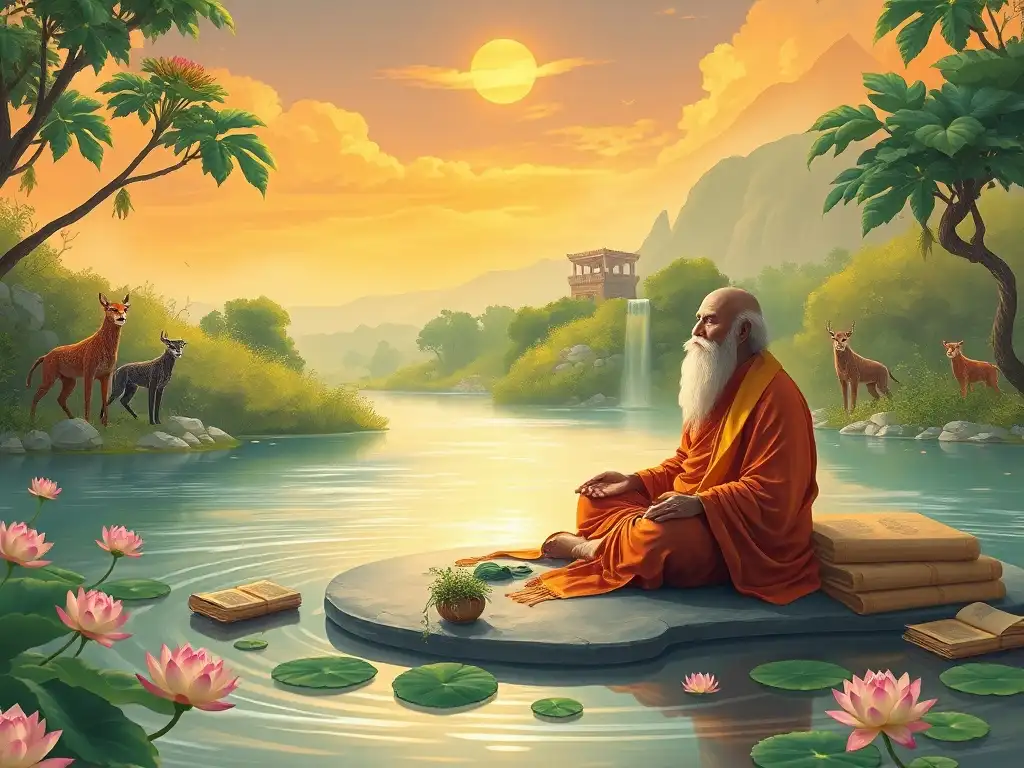
Influence of Moksha on Ancient Indian Culture and Society
The concept of Moksha, representing liberation from the cycle of birth and rebirth (samsara), profoundly influenced ancient Indian culture and society. It permeated various aspects of life, shaping philosophical discourse, artistic expression, and social norms.
- Philosophical Foundations: Moksha served as a pivotal goal in many ancient Indian philosophical systems, particularly within Hinduism, Buddhism, and Jainism. Philosophers like Adi Shankaracharya emphasized the importance of realizing one's true self (Atman) to attain Moksha, leading to a rich tradition of metaphysical inquiry. This pursuit of liberation fostered a culture that valued introspection and self-realization.
- Art and Literature: The aspiration for Moksha inspired countless works of art and literature. Texts like the Upanishads and the Bhagavad Gita not only articulated the theoretical underpinnings of Moksha but also provided narratives and parables that encapsulated the journey toward liberation. This artistic tradition often depicted the struggles and triumphs of spiritual seekers, celebrating their quest for Moksha.
- Social Practices: The belief in Moksha influenced various social rituals and practices, such as asceticism and renunciation. Ascetics (sadhus) were revered figures who dedicated their lives to the pursuit of Moksha, often living in hermitages or forests. Their lifestyle choices, including meditation, fasting, and detachment from material possessions, became aspirational for many, thus embedding the concept of Moksha deeply into societal values.
- Cultural Festivals: Various festivals and rituals celebrated the themes of life, death, and rebirth, closely associated with the idea of Moksha. For instance, festivals like Diwali symbolize the victory of light over darkness, often interpreted as a metaphor for the soul's liberation from ignorance and illusion.
Moksha was not just a personal aspiration but a societal ideal that influenced individuals across various strata of ancient Indian society, embedding itself into the cultural fabric and shaping collective values.
Moksha and Its Relationship with Dharma and Artha
The relationship between Moksha, Dharma, and Artha is a cornerstone of ancient Indian philosophy. Understanding these interconnections is essential to grasp the holistic framework of life as envisioned in classical texts.
- Dharma (Righteousness): Dharma refers to moral duty and ethical living within one's societal role. It encompasses various obligations, including family responsibilities, social duties, and spiritual practices. Moksha is often seen as the ultimate goal that transcends worldly existence, but it is crucial to recognize that it cannot be attained without adhering to Dharma. Engaging in righteous actions and fulfilling one's duties purifies the soul, making it more receptive to the paths leading toward liberation.
- Artha (Wealth and Prosperity): Artha signifies the pursuit of material wealth and success, which is also essential in the context of ancient Indian life. While Moksha is the spiritual goal, Artha plays a vital role in providing the resources and stability necessary for individuals to engage in spiritual practices. The pursuit of Artha should not be pursued at the cost of Dharma; rather, both should coexist harmoniously. This interplay allows individuals to lead a balanced life where material success supports spiritual growth.
- The Triad of Goals: The synthesis of Dharma, Artha, and Moksha is often depicted as the three aims of human life in ancient Indian thought. This triad suggests that while Moksha is the highest pursuit, the paths of Dharma and Artha are not merely distractions but integral to achieving liberation. In this framework, Moksha is attainable only through a life that honors ethical conduct and recognizes the importance of material well-being.
- Practical Implications: The relationship of Moksha with Dharma and Artha manifests in the lives of individuals, guiding their choices and actions. For instance, a merchant might strive for financial success (Artha) while ensuring that his business practices are ethical (Dharma), thus facilitating a life that can lead to spiritual realization (Moksha).
The interdependence of Moksha, Dharma, and Artha illustrates a comprehensive approach to life in ancient Indian philosophy, emphasizing that the pursuit of liberation is intertwined with ethical living and material prosperity. This triadic relationship not only shaped individual destinies but also influenced the broader cultural and societal landscape of ancient India.
Contemporary Relevance of Moksha in Modern Thought
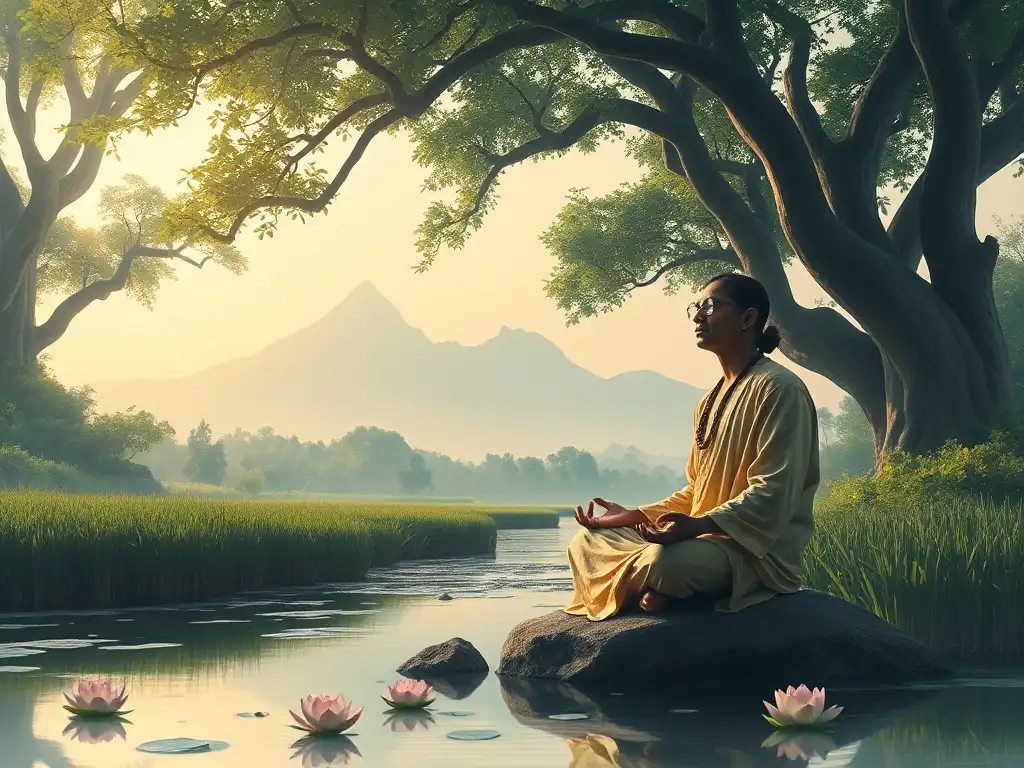
Moksha, the concept of liberation from the cycle of birth and rebirth (samsara), continues to be a profound influence on modern thought, particularly in the realms of spirituality and personal development. As societies evolve and grapple with existential questions, the ancient Indian philosophy of Moksha offers valuable insights that resonate with contemporary audiences.
The Influence of Ancient Indian Philosophy on Modern Spirituality
Ancient Indian philosophies, including those surrounding Moksha, have significantly impacted modern spiritual practices and beliefs. Many contemporary spiritual movements draw from the rich tapestry of ideas found in texts such as the Upanishads and the Bhagavad Gita.
- Integration into New Age Spirituality:
- New Age spirituality often incorporates elements of Moksha, emphasizing personal liberation and self-realization.
- Practices such as meditation, yoga, and mindfulness, rooted in ancient traditions, are used as tools to achieve a state akin to Moksha, promoting inner peace and enlightenment.
- The Quest for Meaning:
- In a world increasingly characterized by materialism and existential uncertainty, the pursuit of Moksha provides a framework for understanding life’s deeper purpose.
- Individuals often seek paths that lead to self-discovery and fulfillment, mirroring the ancient quest for liberation.
- Interfaith Dialogue:
- The concept of Moksha has facilitated discussions among various religious and philosophical traditions, fostering a greater understanding of universal themes such as liberation, enlightenment, and the nature of reality.
- This dialogue encourages a pluralistic approach to spirituality, where the principles of Moksha are integrated with ideas from other faiths.
Moksha serves as a beacon of hope, guiding individuals toward a life of meaning and purpose.
How Moksha is Perceived in Today's World
The perception of Moksha in contemporary society is multifaceted, reflecting both its traditional roots and its evolving interpretations.
- Psychological Perspectives:
- Modern psychology often aligns with the principles of Moksha, where achieving mental well-being and emotional resilience is akin to attaining liberation.
- Concepts such as self-actualization and personal growth echo the ideals of Moksha, emphasizing the importance of transcending ego and achieving inner harmony.
- Ethical Living:
- The pursuit of Moksha encourages ethical living and compassion towards all beings, resonating with current global movements that advocate for social justice and environmental stewardship.
- Many individuals today see the path to Moksha as intertwined with their responsibility toward society and the planet, promoting a holistic approach to spiritual liberation.
- Cultural Representations:
- In literature, art, and popular media, Moksha is increasingly depicted as an ideal state of existence, inspiring stories that explore human struggles and the quest for transcendence.
- From films to novels, the theme of liberation resonates with audiences, highlighting the universal desire for freedom from suffering.
Moksha in ancient Indian philosophy remains a relevant and powerful concept in modern thought. Its influence on spirituality, ethical living, and cultural expressions showcases the timeless nature of this pursuit, offering pathways for individuals seeking liberation and fulfillment in today's world.
Conclusion: The Enduring Legacy of Moksha in Ancient Indian Philosophy
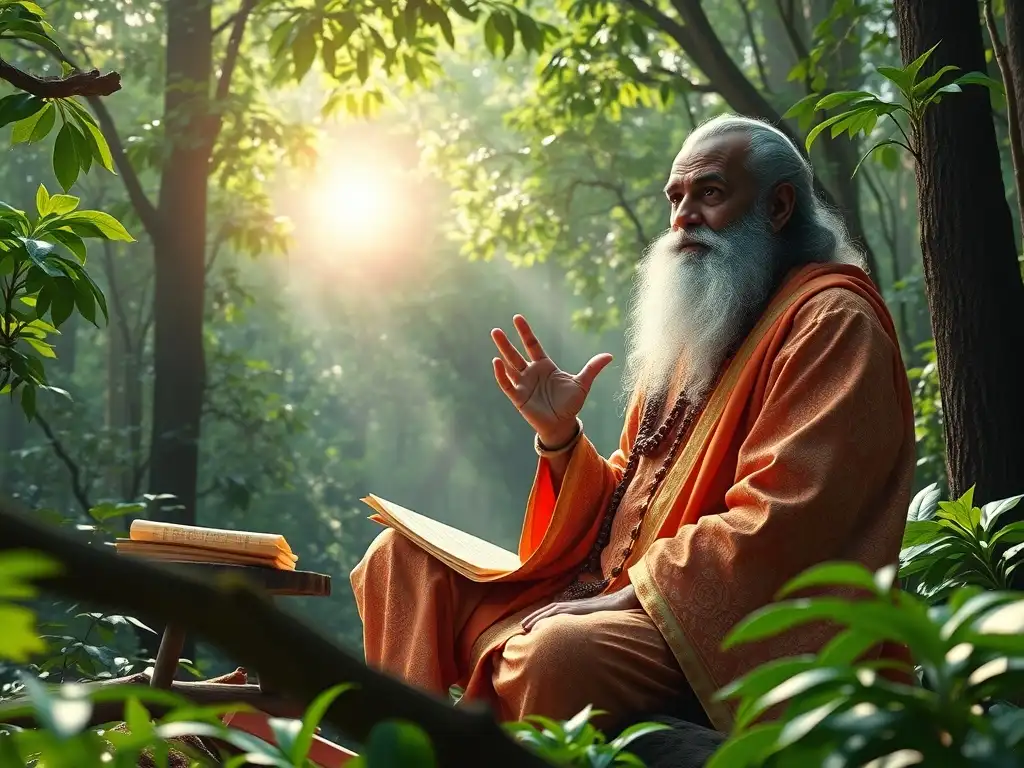
Summary of Key Points on Moksha
Moksha, often regarded as the ultimate goal in ancient Indian philosophy, represents liberation from the cycle of birth, death, and rebirth (samsara). Throughout various texts and schools of thought, several key concepts emerge regarding Moksha:
- Philosophical Foundations: Moksha is deeply rooted in various philosophical traditions, including Vedanta, Samkhya, and Buddhism. Each offers unique interpretations and paths toward achieving liberation.
- Paths to Moksha: The pursuit of Moksha can be approached through multiple paths:
- Jnana Yoga: The path of knowledge and wisdom, emphasizing the importance of understanding the self and the ultimate reality (Brahman).
- Bhakti Yoga: The path of devotion, focusing on loving devotion to a personal deity, which aids in transcending the ego.
- Karma Yoga: The path of selfless action, advocating for performing one's duty without attachment to the fruits of actions.
- Moksha in Texts: Classical texts such as the Upanishads and the Bhagavad Gita explore the concept of Moksha extensively. They discuss its significance, the nature of the soul (Atman), and the realization of the non-duality between Atman and Brahman.
- Cultural Influence: The concept of Moksha has profoundly influenced not just philosophy, but also art, literature, and societal values in ancient India, shaping the moral and ethical framework of the civilization.
Final Thoughts on the Pursuit of Liberation in Ancient Indian Thought
The pursuit of Moksha in ancient Indian thought transcends mere philosophical inquiry; it embodies a comprehensive lifestyle and spiritual aspiration that has endured through millennia. The diverse interpretations of Moksha highlight the richness of ancient Indian philosophy, reflecting the multifaceted nature of human existence and the quest for meaning.
As practitioners and philosophers alike have grappled with the intricacies of Moksha, it becomes evident that this pursuit is not solely an individual endeavor but a collective journey towards understanding the nature of existence. The principles surrounding Moksha encourage individuals to reflect on their actions, cultivate mindfulness, and foster a deeper connection with the universe.
The legacy of Moksha continues to resonate in contemporary discourse, inspiring spiritual seekers and scholars around the world. The enduring fascination with Moksha in ancient Indian philosophy serves as a testament to humanity's universal quest for liberation and ultimate fulfillment.
Frequently Asked Questions
What is Moksha in ancient Indian philosophy?
Moksha refers to the ultimate liberation from the cycle of birth, death, and rebirth (samsara), representing a key goal in various Indian spiritual traditions.
How is Moksha attained according to ancient texts?
Various texts suggest that Moksha can be attained through self-realization, adherence to dharma (righteousness), and engaging in spiritual practices like meditation and devotion.
What are the different paths to Moksha mentioned in ancient Indian philosophy?
Ancient philosophy outlines several paths to Moksha, including Jnana Yoga (path of knowledge), Bhakti Yoga (path of devotion), and Karma Yoga (path of selfless action).
How did the concept of Moksha influence ancient Indian civilization?
The quest for Moksha shaped various aspects of ancient Indian life, including art, literature, and social structure, as it encouraged a focus on spiritual growth and moral conduct.
Is Moksha viewed similarly across different Indian philosophies?
While the core concept of Moksha is similar, its interpretation varies among schools like Hinduism, Buddhism, and Jainism, each offering unique insights into the nature of liberation and the self.
Final Reflection: The Timeless Quest for Moksha in Ancient Indian Philosophy
Moksha, the ultimate liberation from the cycle of birth and rebirth, resonates profoundly in today's world, where many seek meaning beyond material existence. As we navigate through the complexities of modern life, the ancient wisdom surrounding Moksha offers a guiding light, reminding us that the pursuit of spiritual freedom is as relevant now as it was in ancient Indian thought. The quest for Moksha encourages us to reflect on our own lives and the choices we make in our journey toward fulfillment.
The concept of Moksha has not only shaped individual lives but has also influenced the broader cultural and social landscape. Its teachings inspire countless individuals to seek deeper connections with themselves and the universe. As we witness a growing interest in mindfulness and spirituality, the essence of Moksha continues to permeate contemporary discussions on well-being and purpose. The greatest gift of Moksha is the realization that we are not separate from the universe, but an integral part of its unfolding.
This profound understanding fosters a sense of unity and belonging, urging us to transcend our limitations and embrace our true nature.
As you reflect on the insights shared in this article, I invite you to consider how the pursuit of Moksha can manifest in your own life. What steps can you take to cultivate a deeper sense of liberation and connection? Embrace the teachings of ancient Indian philosophy as a source of inspiration, allowing them to guide you toward a more meaningful existence. The journey to Moksha is not merely an ancient ideal; it is a living practice that invites each of us to explore the depths of our being and awaken to the freedom that lies within.
Embrace Your Journey to Liberation!
Thank you for immersing yourself in the profound world of **Moksha** and ancient Indian philosophy. Your curiosity holds incredible power, and by exploring these ideas, you're taking meaningful steps toward understanding liberation and spiritual fulfillment. Now, let’s put this wisdom into practice!
- Embrace daily mindfulness practices that reflect the principles of Moksha, such as meditation or yoga, to cultivate inner peace.
- Join a community, either online or locally, that discusses philosophies of liberation, where you can share your insights and learn from the experiences of others.
- Explore classic texts like the **Upanishads** or the **Bhagavad Gita** to deepen your understanding of these concepts and their relevance in today’s world.
What steps are you excited to take on your path toward a deeper understanding of liberation? Share your thoughts, and let’s grow together!