
Understanding Karma and Rebirth through the Lens of Vedic Scriptures


Welcome to Ancient India History, where we embark on a captivating journey through the rich tapestry of ancient Indian civilizations. Here, you will uncover the profound philosophies and cultural treasures that shaped the subcontinent, from the enigmatic Indus Valley to the illustrious Gupta Empire. In our featured article, “Understanding Karma and Rebirth through the Lens of Vedic Scriptures,” we delve into the intricate concepts of karma and rebirth, exploring how these timeless ideas resonate within the Vedic texts.
Prepare to ignite your curiosity and deepen your understanding of the ancient beliefs that continue to influence millions today. Your exploration begins now!

Introduction to Vedic Scriptures
The exploration of karma and rebirth in ancient Indian philosophy is deeply rooted in the Vedic scriptures, which form the cornerstone of Hindu beliefs and practices. These texts not only provide a comprehensive understanding of life, death, and the cycle of existence, but they also offer profound insights into the moral and ethical dimensions of human actions. As we delve into this intricate web of concepts, it becomes clear that the Vedic scriptures serve as a guiding light, illuminating the pathways of karma and its implications on the cycle of rebirth (samsara).
In this article, we will navigate through the essential teachings of the Vedas and Upanishads, examining how they articulate the principles of karma and rebirth. We will also explore the significance of these concepts in shaping the spiritual and cultural landscape of ancient India, and how they continue to influence modern Hindu thought.
Overview of Vedic Literature
The Vedic literature encompasses a vast array of texts composed over several millennia, primarily in Sanskrit. These texts are traditionally divided into four main collections:
- Rigveda: The oldest of the Vedas, containing hymns and prayers.
- Samaveda: A collection of melodies and chants.
- Yajurveda: Contains prose mantras for rituals.
- Atharvaveda: A more diverse collection including spells and incantations.
Each of these texts contributes uniquely to the understanding of karma and rebirth, with the Upanishads—philosophical commentaries on the Vedas—providing deeper insights into these concepts.
Significance of Vedic Scriptures in Hinduism
The Vedic scriptures hold immense significance in Hinduism as they lay the foundational principles of the religion. They articulate not only the workings of the universe but also the moral responsibilities of individuals. The concepts of karma and rebirth are central to the understanding of one’s duties (dharma) and the pursuit of liberation (moksha).
Moreover, these scriptures are revered for their rich philosophical discourse, offering guidance on how to lead a life aligned with cosmic order and spiritual growth. The teachings of the Vedas continue to resonate with millions, influencing rituals, ethics, and the overall worldview within the Hindu community.
Concept of Karma in Vedic Scriptures
The concept of karma is pivotal in Vedic scriptures, encapsulating the law of cause and effect that governs human actions and their consequences. Understanding karma is essential for grasping the broader framework of rebirth and spiritual evolution as described in these ancient texts.
Definition of Karma in Ancient Texts
In the Vedic context, karma refers to any action or deed, whether physical, mental, or verbal, that influences an individual's present and future circumstances. The foundational idea is that every action generates a corresponding reaction, shaping one's destiny across lifetimes.
Types of Karma: Sanchita, Prarabdha, and Kriyamana
Karma is classified into three distinct types, each playing a unique role in the cycle of life and rebirth:
- Sanchita Karma: The accumulated karma from past lives, representing the totality of actions that have yet to manifest.
- Prarabdha Karma: The portion of karma that is currently active and influencing one’s present life, the results of which are being experienced now.
- Kriyamana Karma: The karma that is being created in the present moment, which will shape future experiences.
This classification illustrates the dynamic interplay of past actions and present choices, emphasizing personal responsibility in shaping one’s future.
The Role of Intent in Karma
In Vedic philosophy, the intent behind an action is as crucial as the action itself. It is believed that the purity of intention can transform the nature of karma, leading to positive outcomes even from seemingly negative actions. This aspect underscores the moral and ethical dimensions of karma, encouraging individuals to cultivate mindfulness and compassion in their actions.
Through this exploration of karma and rebirth in the context of Vedic scriptures, we gain a deeper understanding of ancient Indian thought and its enduring relevance in contemporary spiritual practices.
Rebirth: The Cycle of Samsara
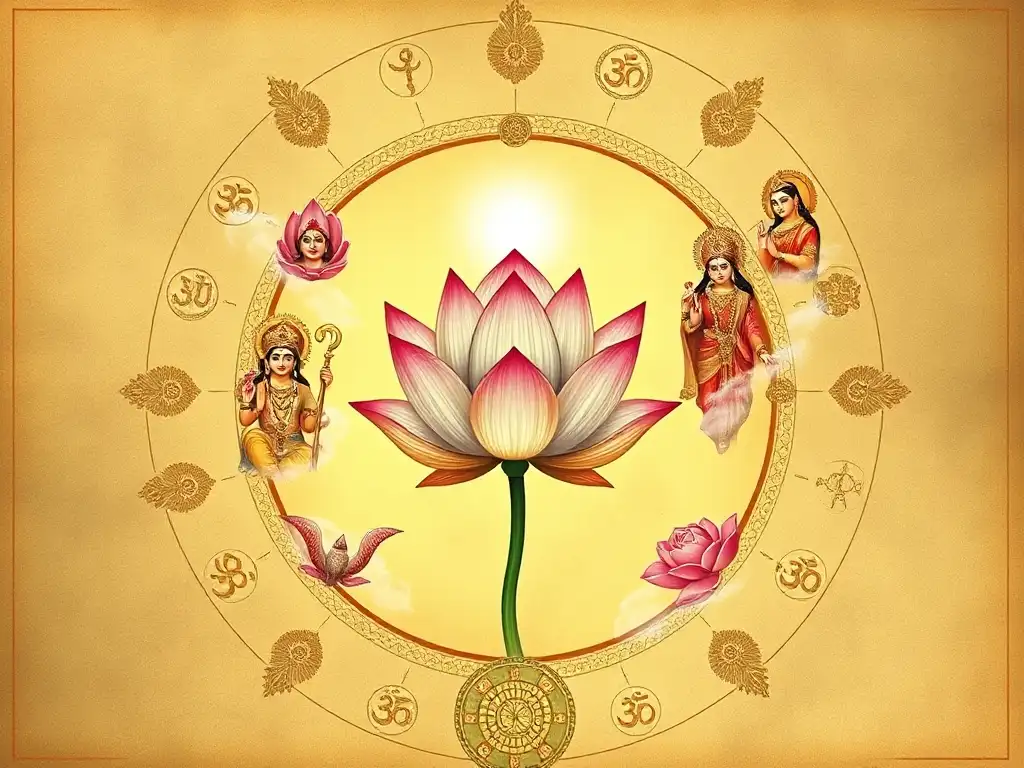
Rebirth, also known as punarjanma, is a fundamental concept in Vedic philosophy that describes the continuous cycle of life, death, and rebirth known as samsara. This cycle is driven by the actions and intentions of individuals, which accumulate as karma. In Vedic thought, the journey of the soul does not end with death; rather, it transitions into another form of existence based on past actions. This cyclical nature of life emphasizes the importance of ethical living and conscious decision-making as key factors influencing one’s future rebirths.
The concept of samsara is intricately linked with the idea of time, often perceived as cyclical rather than linear. The soul undergoes numerous lifetimes, learning and evolving through each experience. The ultimate goal within this framework is to break free from the cycle of samsara and achieve moksha, or liberation, which is seen as the realization of one's true nature and unity with the divine.
Understanding Rebirth in Vedic Philosophy
In Vedic philosophy, rebirth is viewed as an essential aspect of the soul's evolution. The process involves the transmigration of the atman (soul) into new bodies after death, influenced by the accumulated karma from previous lives. Vedic texts elaborate on how the nature of one’s next existence is determined by the moral quality of actions performed in past lives. Good deeds lead to better circumstances, while negative actions result in adverse conditions.
This understanding fosters a sense of responsibility and ethical awareness among individuals. The belief that actions have lasting consequences extends beyond a single lifetime, encouraging adherents to lead a righteous life. Furthermore, the teachings emphasize that the cycle of rebirth persists until the soul reaches a state of purity and enlightenment, allowing it to ascend beyond the limitations of physical existence.
The Connection Between Karma and Rebirth
Karma, derived from the Sanskrit word meaning "action" or "deed," is a central tenet that governs the cycle of rebirth. In Vedic scriptures, every action is believed to generate a corresponding reaction, shaping the individual's future experiences. Sattva (goodness), rajas (passion), and tamas (ignorance) are the three gunas or qualities that influence the nature of karma and, consequently, the conditions of rebirth.
The relationship between karma and rebirth can be understood through two types of karma: sanchita karma, the accumulated karma from all past lives, and prarabdha karma, the portion of sanchita karma that is active in the present life. While sanchita karma represents the totality of one’s past actions, prarabdha karma determines the current life circumstances. This intricate connection underscores the importance of conscious living, as each action contributes to the soul's progression and future rebirths.
The Concept of Atman and the Soul's Journey
The concept of atman is pivotal in understanding the soul's journey within the framework of rebirth. In Vedic philosophy, atman refers to the true self, the eternal essence that transcends physical existence. This non-material aspect of being is distinct from the body and mind, which are subject to change and decay. The journey of the atman through various incarnations is viewed as a process of self-discovery and realization.
According to Vedic thought, the atman undergoes a series of births, learning life lessons and gaining experiences that contribute to its spiritual growth. The ultimate aim is to realize its unity with Brahman, the ultimate reality or cosmic spirit. This realization leads to liberation from the cycle of rebirth, allowing the atman to merge with the divine essence from which it originated. The teachings in the Vedas encourage seekers to embark on a path of self-awareness, meditation, and ethical living to facilitate this journey toward liberation.
Key Vedic Texts on Karma and Rebirth
The exploration of karma and rebirth is extensively documented in several key Vedic texts, each offering unique insights and philosophical interpretations. These scriptures form the foundation of Hindu thought and provide guidelines for understanding the principles governing life and existence.
The Rigveda and Its Insights on Karma
The Rigveda, one of the oldest sacred texts of Hinduism, contains hymns that touch upon the principles of karma and rebirth. While the text does not extensively elaborate on these concepts, it lays the groundwork for understanding the cause-and-effect relationship between actions and their consequences. Some hymns reflect on the moral and ethical dimensions of life, emphasizing the importance of righteous living to secure favorable outcomes in this life and beyond.
The Rigveda introduces the notion of divine order, or rita, which signifies the cosmic principle that governs the universe. It underscores a belief in the interconnectedness of all beings and the importance of aligning one's actions with this universal order to ensure harmony and balance in life.
The Upanishads: Philosophical Expositions on Rebirth
The Upanishads, a collection of philosophical texts that explore the nature of reality and the self, provide profound insights into the concepts of karma and rebirth. They delve into the idea that the atman is eternal and undergoes a cycle of rebirth until it achieves self-realization. Key themes include the exploration of the relationship between the atman and Brahman, the ultimate reality.
The Upanishads elaborate on the nature of karma, describing it as an inherent law of moral consequence. They emphasize that understanding one’s actions and their repercussions is essential for spiritual progress. The teachings encourage individuals to engage in self-inquiry and meditation, fostering a deeper understanding of the self and its connection to the divine.
The Bhagavad Gita's Teachings on Karma and Rebirth
The Bhagavad Gita, a revered scripture that forms part of the Indian epic Mahabharata, offers a comprehensive discourse on karma and rebirth. Through the dialogue between Lord Krishna and the warrior Arjuna, the text elucidates the significance of performing one’s duties without attachment to the results. This principle, known as karma yoga, teaches that selfless action leads to positive karma and spiritual growth.
The Bhagavad Gita reiterates the idea that the soul is eternal, and physical death is merely a transition to another form of existence. Lord Krishna emphasizes that understanding the eternal nature of the soul helps individuals face the challenges of life with wisdom and equanimity. The text serves as a guide for navigating the complexities of life while remaining anchored in spiritual principles, ultimately leading to liberation from the cycle of rebirth.
Practical Implications of Karma and Rebirth
The concepts of karma and rebirth outlined in Vedic scriptures have profound implications for individuals and society at large. Understanding these principles encourages a sense of responsibility, as actions are viewed as having consequences that extend beyond the immediate moment. This perspective fosters a culture of ethical behavior, urging individuals to consider the long-term effects of their choices.
In practical terms, the idea of karma influences personal development and spiritual growth. People are motivated to engage in virtuous actions, such as charity, honesty, and compassion, as these are believed to generate positive karma, leading to a favorable rebirth. Conversely, harmful actions can result in negative consequences, not only in this life but also in future ones, reinforcing the importance of mindful living.
Moreover, the cycle of rebirth emphasizes the transient nature of life. It encourages individuals to view their current existence as just one phase in an ongoing journey, prompting them to seek enlightenment and liberation (moksha). This understanding can lead to a more profound appreciation for the interconnectedness of all beings, fostering a collective responsibility for the welfare of others.
How Karma Influences Daily Life and Decision-Making
Karma plays a critical role in shaping daily life and guiding decision-making processes among adherents of Hinduism. Individuals often weigh their actions against the potential karmic outcomes, striving to align their choices with ethical principles. This introspection fosters a sense of accountability, as one is not only responsible for their actions but also for the ramifications these actions may have on others.
For example, in personal relationships, the principle of karma encourages kindness and empathy. A person may refrain from speaking harshly to others, recognizing that such negativity could lead to adverse karma. In professional settings, individuals may choose honesty over deceit, understanding that their actions could influence their future successes and interpersonal dynamics.
Additionally, the belief in karma can lead to proactive behaviors aimed at creating positive outcomes. Many engage in rituals, prayers, or community service as a means to earn good karma. This proactive approach to life reflects a broader understanding of cause and effect, motivating individuals to take thoughtful actions that contribute to personal and communal well-being.
The Moral and Ethical Dimensions of Karma
The moral and ethical dimensions of karma are deeply rooted in the teachings of Vedic scriptures. These texts illustrate that karma is not merely about reward and punishment but encompasses the broader notion of dharma—righteous duty. Adhering to one's dharma ensures that individuals contribute positively to the greater good, enhancing societal harmony.
Karma encourages ethical behavior by instilling a sense of moral duty. For instance, the concept of "ahimsa" (non-violence) is central to Hindu ethics, promoting compassion and respect for all living beings. When individuals act in accordance with these values, they generate positive karma, which in turn nurtures a cycle of goodness in the world.
Moreover, the ethical implications of karma extend into the realm of social justice. Understanding that one's actions impact the collective encourages individuals to advocate for fairness and equity. By working to alleviate suffering and injustice, individuals not only enhance their own karma but also contribute to the upliftment of society as a whole.
Rebirth: Perspectives on Life and Afterlife in Hindu Beliefs
Rebirth, or reincarnation, is a fundamental aspect of Hindu beliefs, intricately linked to the concepts of karma. According to Vedic scriptures, the soul (atman) undergoes a cycle of life, death, and rebirth influenced by the accumulated karma from previous lives. This cycle, known as samsara, emphasizes that life is a continuous journey of learning and evolution.
Hindus believe that the circumstances of each rebirth—such as one's family, social status, and life challenges—are determined by the karma accrued in past lives. This perspective encourages individuals to view life's challenges as opportunities for growth rather than mere misfortunes.
Additionally, the goal of many Hindus is to eventually escape this cycle through achieving moksha, or liberation. Moksha represents a state of eternal bliss and unity with the divine, where the soul no longer undergoes rebirth. This aspiration shapes how individuals approach their current lives, motivating them to practice spirituality, engage in selfless actions, and seek wisdom.
Common Misconceptions about Karma and Rebirth
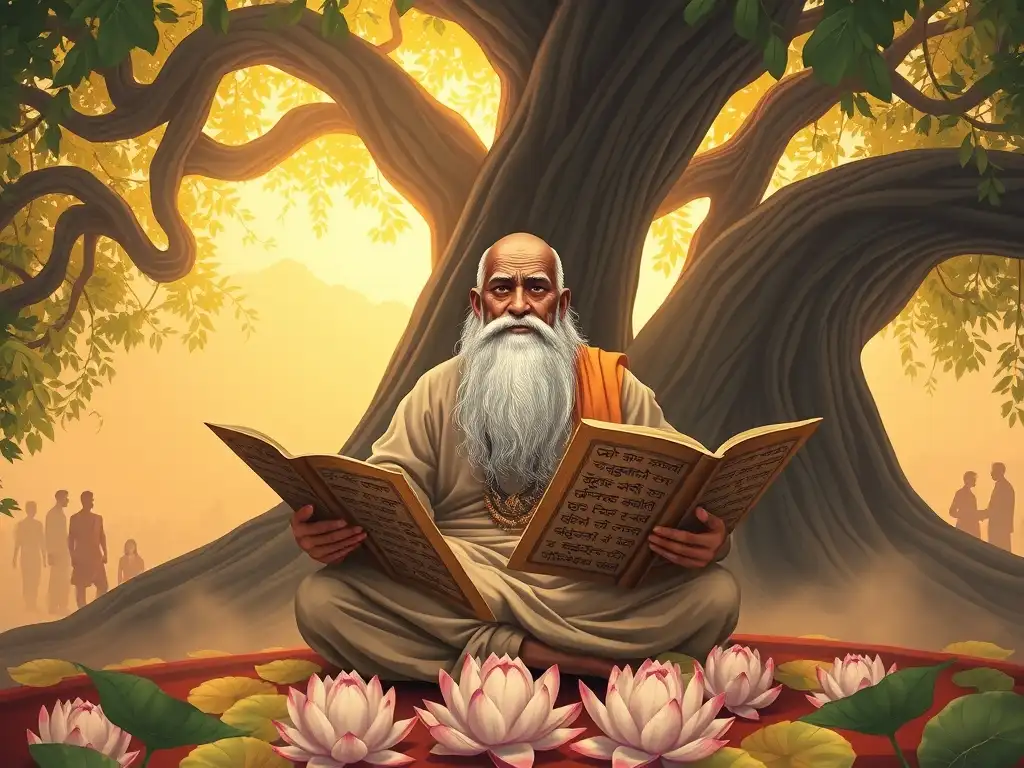
Despite the depth of understanding surrounding karma and rebirth in Hinduism, several misconceptions persist in popular culture. These misunderstandings can lead to oversimplifications of complex beliefs, resulting in distorted perceptions of these fundamental concepts.
Myths Surrounding Karma in Popular Culture
One prevalent myth is that karma operates as a simple system of reward and punishment, akin to a cosmic scoreboard. This reductionist view fails to capture the nuances of karma, which is more about the holistic impact of actions rather than a direct payback system. In reality, karma encompasses a complex interplay of intentions, actions, and consequences that unfold over multiple lifetimes.
Another common misconception is that karma is fatalistic, suggesting that individuals have no control over their destinies. While karma does indicate that past actions influence present circumstances, it does not negate the capacity for change. Individuals can create new karma through their current actions, allowing for growth and transformation in their lives.
Additionally, popular media often portrays karma in a simplistic manner, focusing on dramatic or poetic interpretations rather than the philosophical underpinnings found in Vedic scriptures. Such portrayals can mislead audiences and contribute to a shallow understanding of a concept that is deeply philosophical and spiritual.
Clarifying Misunderstandings about Rebirth in Hinduism
Misunderstandings about rebirth often stem from conflating it with other beliefs, such as those found in Western religions or New Age ideologies. In Hinduism, rebirth is not merely a cycle of reincarnation but a profound journey of the soul, influenced by karma. This distinction is critical, as it underscores the unique perspective of Hindu philosophy regarding life, death, and the afterlife.
Another common misconception is that rebirth is a punishment or a negative experience. In truth, rebirth is viewed as an opportunity for growth, learning, and spiritual evolution. Each life presents the soul with the chance to rectify past mistakes, develop virtues, and ultimately strive for liberation.
Furthermore, it is essential to recognize that rebirth is not solely a linear progression but can involve various experiences across different forms of existence. This understanding encourages a more compassionate view of all living beings, fostering respect for the diverse paths souls may take in their journey toward enlightenment.
Conclusion: The Relevance of Vedic Teachings Today
The teachings of karma and rebirth as presented in the Vedic scriptures continue to hold significant relevance in contemporary society. These concepts provide a framework for understanding human behavior, ethical considerations, and the interconnectedness of actions and consequences. In a world increasingly focused on instant gratification and material success, the Vedic perspective invites individuals to reflect on the long-term implications of their actions, fostering a sense of responsibility and mindfulness.
Moreover, the principles of karma encourage a lifestyle anchored in compassion and ethical living, emphasizing that every action contributes to a broader cosmic balance. This perspective can serve as a guiding principle for personal development, mental well-being, and societal harmony, reinforcing the timeless wisdom embedded in ancient texts.
Reflecting on Karma and Rebirth in Modern Contexts
In modern contexts, the principles of karma and rebirth resonate through various aspects of life, including psychology, philosophy, and ethics. Many contemporary therapeutic practices draw upon the idea of personal accountability that karma embodies, encouraging individuals to take responsibility for their choices and their impact on others.
Furthermore, discussions around social justice and equity reflect Vedic teachings, as the notion of karma can be interpreted to promote fairness and the importance of actions in shaping societal structures. The concept of rebirth also offers a lens through which to understand life cycles and personal growth, suggesting that every experience is an opportunity for learning and evolution.
The Enduring Legacy of Vedic Scriptures on Spiritual Thought
The enduring legacy of Vedic scriptures on spiritual thought is profound. These ancient texts have influenced not only Indian spiritual traditions but also global philosophies. The ideas of karma and rebirth have transcended geographical and cultural boundaries, inspiring various movements that explore the nature of existence, consciousness, and ethical living.
Many modern spiritual leaders and thinkers draw upon Vedic wisdom to address contemporary issues, synthesizing ancient insights with new understandings of human experience. This synthesis keeps the teachings alive, inviting new generations to explore their relevance and application in daily life.
References for Further Reading on Vedic Scriptures, Karma, and Rebirth
Suggested Texts and Commentaries
- The Bhagavad Gita - A key scripture that delves into the concepts of duty, karma, and the soul's journey.
- The Upanishads - Essential texts that explore philosophical ideas central to understanding karma and rebirth.
- Karma: A Very Short Introduction: by Erik Braun - An accessible overview of the concept of karma within Indian philosophy.
- Rebirth: A Guide to the Buddhist View of Life: by Paul Williams - While focusing on Buddhism, it also touches on the shared concepts with Hindu scriptures.
Online Resources and Articles on Hindu Philosophy
- Hinduism Today - Offers articles that explore the intersection of modern life and Vedic teachings.
- The Internet Sacred Text Archive - A resource for accessing various translations of Vedic scriptures.
- The Hindu Website - Provides insights and articles on philosophies related to karma and rebirth from a Vedic perspective.
- Sanskrit Documents - A repository of Vedic texts and translations that can aid further study into these ancient teachings.
- Introduction to Vedic Scriptures
- Overview of Vedic Literature
- Significance of Vedic Scriptures in Hinduism
- Concept of Karma in Vedic Scriptures
- Rebirth: The Cycle of Samsara
- Key Vedic Texts on Karma and Rebirth
- Practical Implications of Karma and Rebirth
- Common Misconceptions about Karma and Rebirth
- Conclusion: The Relevance of Vedic Teachings Today
- References for Further Reading on Vedic Scriptures, Karma, and Rebirth
Frequently Asked Questions
What are Vedic scriptures?
Vedic scriptures are ancient texts that form the foundation of Hindu philosophy, including the Rigveda, Yajurveda, Samaveda, and Atharvaveda. They contain hymns, rituals, and philosophical teachings.
How do karma and rebirth relate to each other in Vedic thought?
In Vedic philosophy, karma refers to the actions and their consequences, which influence one's future lives. This principle underlies the concept of rebirth, where the soul is reincarnated based on accumulated karmic results.
What is the significance of karma in daily life according to Vedic teachings?
The concept of karma encourages individuals to act with integrity and righteousness, as every action has consequences that shape their future. This promotes a sense of responsibility in personal and social conduct.
How do Vedic scriptures guide one’s understanding of rebirth?
Vedic scriptures outline the cycle of life, death, and rebirth (samsara), emphasizing the need for spiritual growth and self-realization to break free from this cycle and attain moksha or liberation.
What role does meditation play in understanding karma and rebirth?
Meditation is a key practice in Vedic traditions that helps individuals gain insight into their karmic patterns and foster a deeper understanding of the rebirth process, ultimately leading to spiritual enlightenment.
Final Reflection: Embracing the Wisdom of Karma and Rebirth
Understanding the intricate concepts of karma and rebirth as presented in Vedic scriptures is more relevant today than ever. In a world that often feels chaotic and disconnected, these teachings offer profound insights into the interconnectedness of our actions and their consequences. They remind us that every choice we make reverberates through time and space, shaping not only our present but also our future. The wisdom of Vedic scriptures serves as a guiding light, illuminating the path toward personal growth and spiritual evolution.
Cultural and social landscapes are deeply influenced by the principles of karma and rebirth, as they encourage us to reflect on our actions and their impact on others. The teachings found in these ancient texts resonate with a universal truth: that we are all part of a larger tapestry of existence. > “What we think, we become.” This quote encapsulates the essence of karma, urging us to cultivate positive thoughts and actions that contribute to a harmonious world. By embracing these teachings, we can foster a more compassionate society, one that values mindfulness and accountability.
As you conclude your exploration of karma and rebirth, I invite you to reflect on how these principles can be woven into the fabric of your daily life. Consider the choices you make and the intentions behind them. Let the wisdom of Vedic scriptures inspire you to live with purpose, recognizing that every action is an opportunity for growth and transformation. Together, let us embark on a journey of self-discovery and enlightenment, honoring the profound legacy of these teachings as we navigate our own paths toward a brighter future.
Embrace Your Journey: Transform Your Understanding of Karma and Rebirth!
Thank you for taking the time to explore the profound concepts of karma and rebirth as presented in Vedic scriptures. You've gained valuable insights into how these principles shape our lives and actions. Now, it's time to take this knowledge to the next level!
Here are some empowering steps you can take today:
- Reflect on Your Actions: Spend a few moments journaling about your daily choices and consider how they align with the principles of karma. What positive actions can you implement today?
- Join a Discussion Group: Connect with others who are also exploring the depths of karma and rebirth. Share insights and experiences that can deepen your understanding.
- Explore Further: Dive into additional Vedic texts or attend workshops that focus on karma, reincarnation, and their implications for your current life choices.
What will be your next step to create positive karma and foster a deeper connection with your life’s journey?